One of the 2 condors on WAnimals
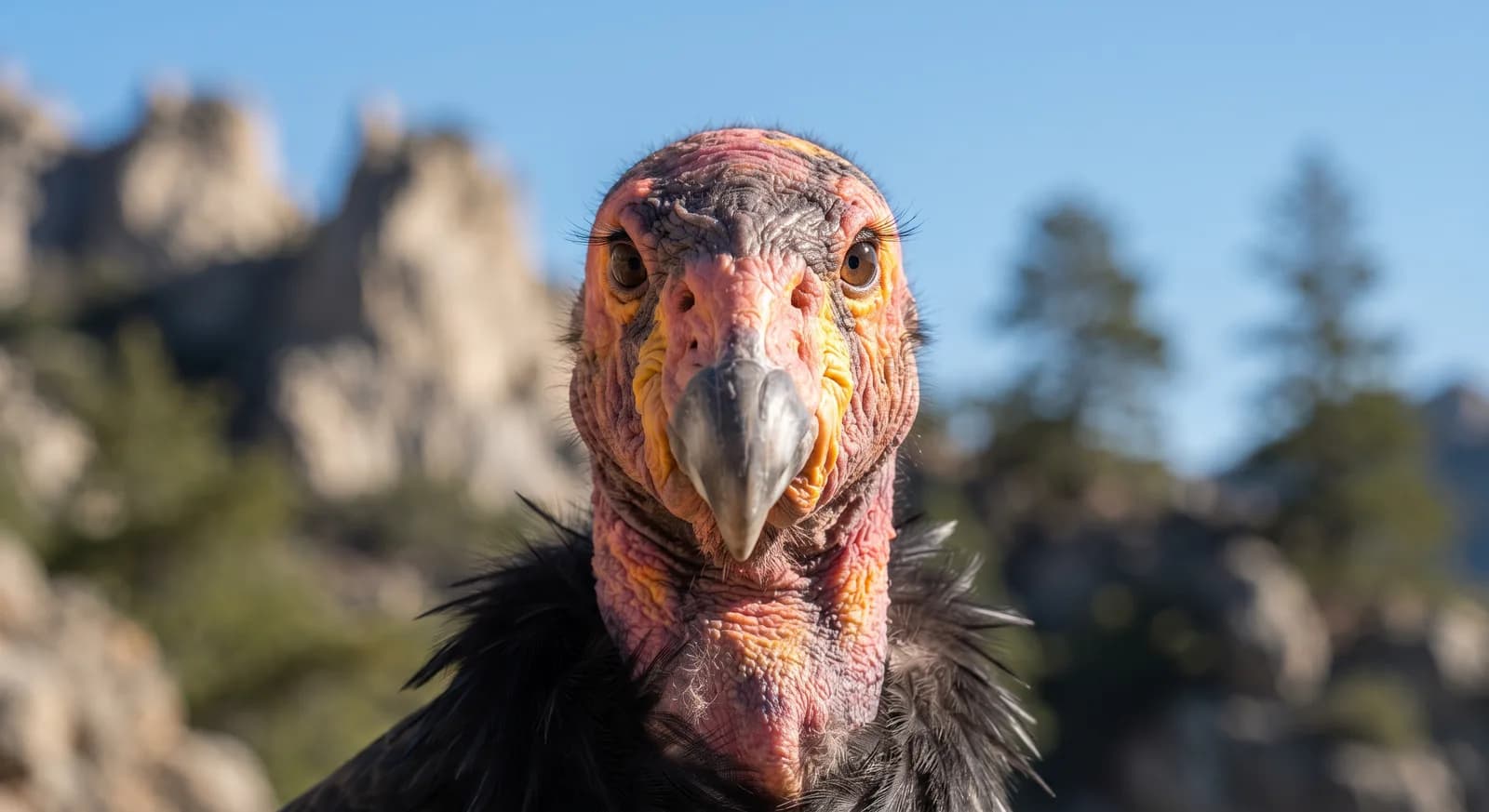
Birds · Cathartiformes · Cathartidae
California Condor
Gymnogyps californianus
It faces an extremely high risk of imminent extinction in the wild. See full glossary
It was extinct in the wild by 1987, when the last 27 birds were taken into a captive breeding programme.
Weight
7 kg – 10.5 kg
Size
1.2 m on average
Lifespan
60 years
Diet
Carnivore
Feeds mainly on other animals.
Activity
Diurnal
Active mainly during the day.
Social structure
Solitary
Lives and hunts alone, joining others only to breed.
Sighting difficulty
Very hard
Fun facts
- It has since been successfully reintroduced and flies again over California, Utah, Arizona and Mexico.
- It feeds solely on the carcasses of large mammals.
- It lives in the deserts and coastal ranges of the western United States and Mexico.
- conservaciónIt came to the brink of complete extinction in the 1980s, when the last wild birds were taken into a captive breeding programme that later made reintroduction possible.
Life cycle & biology
- Skeleton type
- Vertebrate - internal bony skeleton (bird)
- Habitat & environment
- Deserts and coastal ranges of the western United States and Mexico
- Birth weight
- Born altricial and covered in white down
- Size at birth
- Born altricial
- Sexual maturity
- 5-6 years
- Gestation / incubation
- 54-58 days
- Litter / clutch size
- 1 egg per clutch, every 2 years
Sources consulted: A-Z Animals; Britannica; Birds of the World (Cornell Lab); NPS Bryce Canyon; NPS Glen Canyon; A-Z Animals (Condor wingspan)
Where to watch it
Parks and dive sites where this species has been documented.
Related species
Other species in the catalogue with the most in common with California Condor — same habitat, park, country, tags or family.
Turkey Vulture
Cathartes aura
 Least Concern
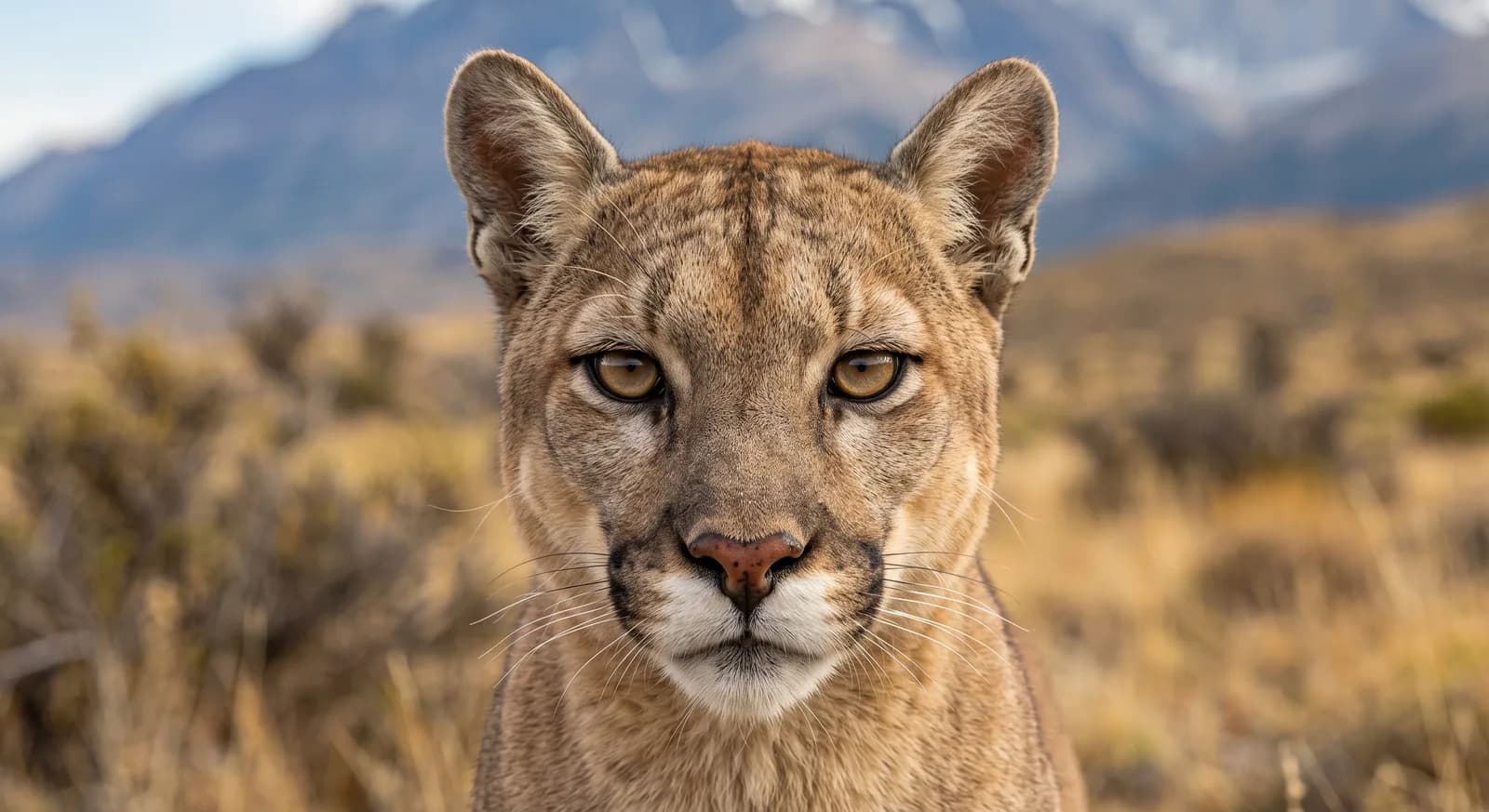
Puma
Puma concolor
 Least Concern
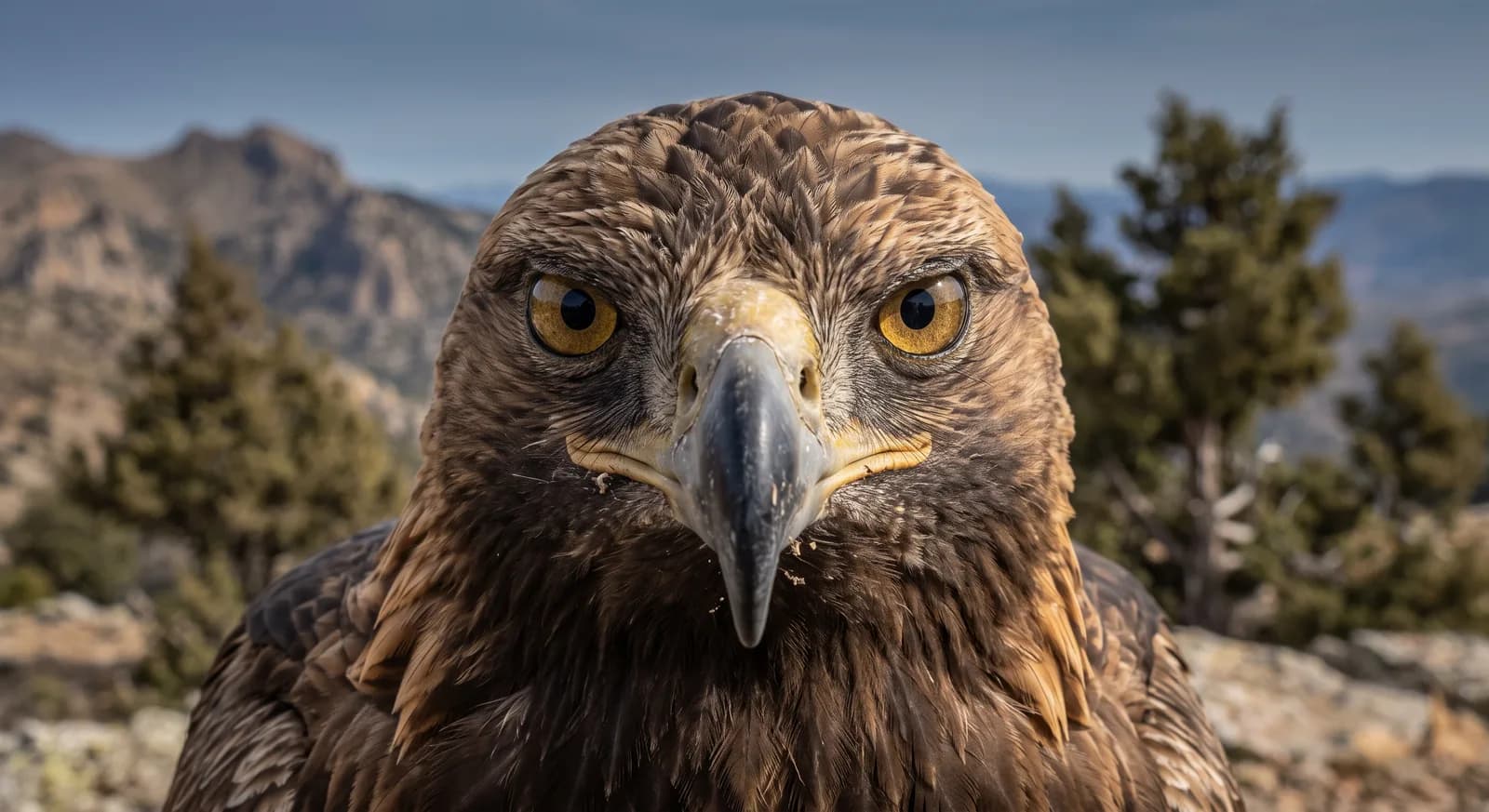
Golden Eagle
Aquila chrysaetos
Great Horned Owl
Bubo virginianus
 Least Concern
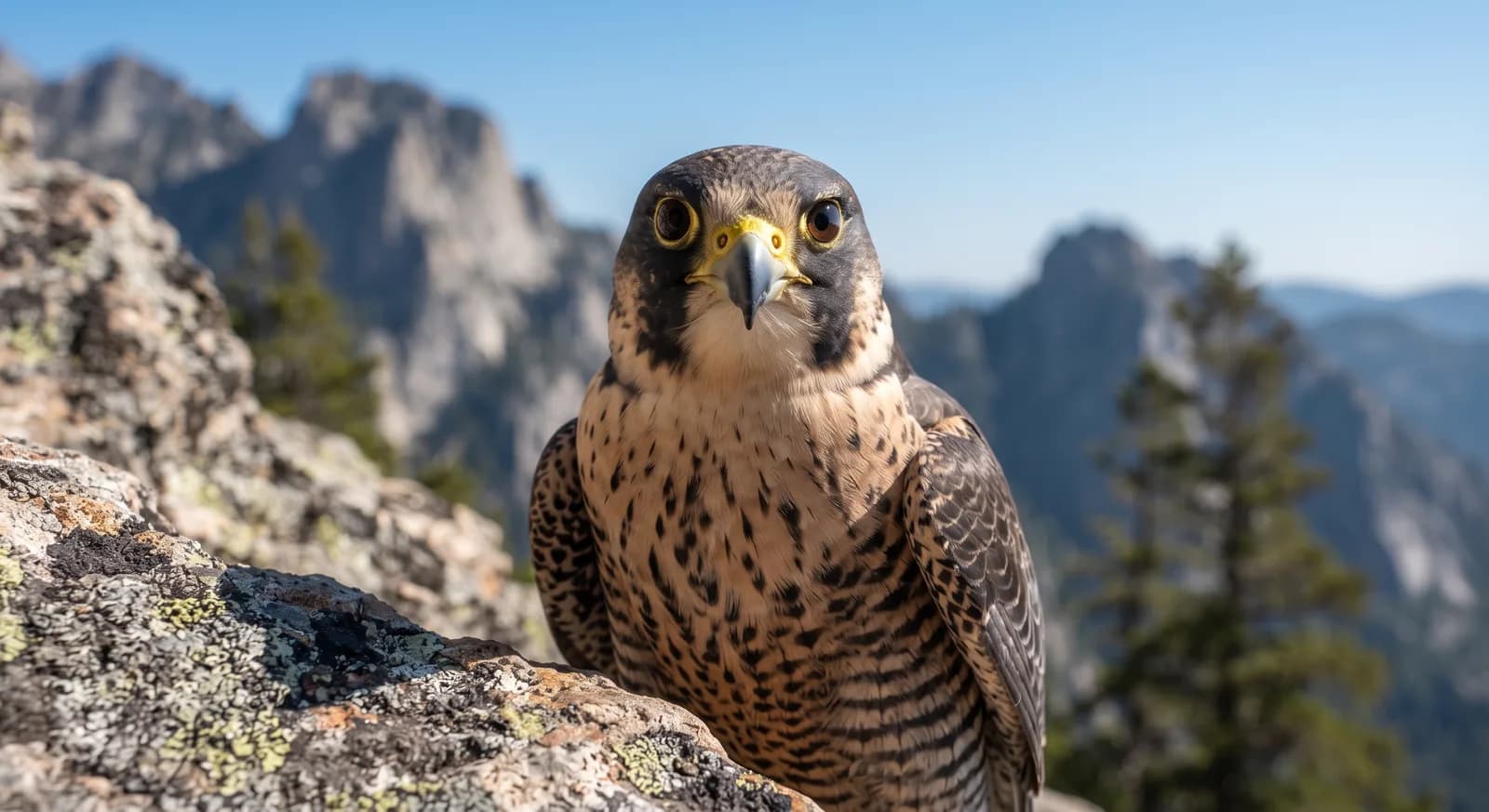
Peregrine Falcon
Falco peregrinus
Tarantula Hawk Wasp
Pepsis grossa
How to help
The california condor is classified as critically endangered. Organizations such as UICN, WWF y Wildlife Conservation Society work specifically on its conservation and that of its habitat; looking into their programs is a good starting point if you want to get involved.
It's documented in 3 real protected areas — part of why protecting these places matters for its conservation.
Keep exploring
Based on what we already know about california condor.
Comments
Share an experience, a fun fact or a tip for seeing the california condor.
Be the first to comment.