One of the 9 wasps on WAnimals
Insects · Hymenoptera · Pompilidae
Tarantula Hawk Wasp
Pepsis grossa
It has not yet been assessed against the IUCN criteria. See full glossary
One of the largest wasps in the world, with a metallic blue-black body and blazing orange wings. The female hunts tarantulas, paralyses them with her sting and drags them to a burrow where she lays a single egg on them. The adults feed only on nectar and fermenting fruit.
Size
4 cm – 5 cm
Diet
Carnivore
Feeds mainly on other animals.
Activity
Diurnal
Active mainly during the day.
Social structure
Solitary
Lives and hunts alone, joining others only to breed.
Sighting difficulty
Unknown
Fun facts
- Its sting occupies the top level of the Schmidt pain scale: it is described as a blinding electric shock lasting some three minutes, and the entomologists' practical advice is simply to lie down and scream.
- Even so it is not aggressive and almost never stings people unless handled.
- It is the official state insect of New Mexico, chosen by a vote of schoolchildren in 1989.
- Its sting is the second most painful in the insect world: it scores 4.0 on the Schmidt sting pain index, behind only the bullet ant.
- Yet the venom is barely toxic. The lethal dose measured in mice is extremely high, so its defensive value rests solely on pain, not damage. Schmidt described it as a blinding electric shock lasting about five minutes.
- Only the females sting, because they are the only ones that hunt.
- It hunts tarantulas far larger than itself. It locates the burrow, draws the spider out, paralyses it with a precise sting and drags it to a nest where it lays a single egg on it. The larva devours it alive, leaving the vital organs for last.
- The tarantulas do not win: specialists note that not a single documented case is known of the spider killing the wasp.
- That extreme pain has generated a whole mimicry complex: other wasps in the group share its warning coloration (Müllerian mimicry) and several harmless insects imitate it (Batesian mimicry).
- It is the official state insect of New Mexico, chosen in 1989 by a vote of schoolchildren.
Life cycle & biology
- Skeleton type
- Invertebrate - chitin exoskeleton (insect)
- Habitat & environment
- Deserts and arid scrub of southern North America and South America
Sources consulted: Schmidt (2004 y 2016), The Sting of the Wild; Natural History Museum de Londres; Encyclopaedia Britannica; Vardy (2000)
Where to find it
See its range on the interactive mapWhere to watch it
Parques y spots de buceo donde se ha documentado esta especie — se muestran 10 de 68 documentados.
Related species
Other species in the catalogue with the most in common with Tarantula Hawk Wasp — same habitat, park, country, tags or family.
Mexican Orangeknee
Brachypelma smithi
 Least Concern
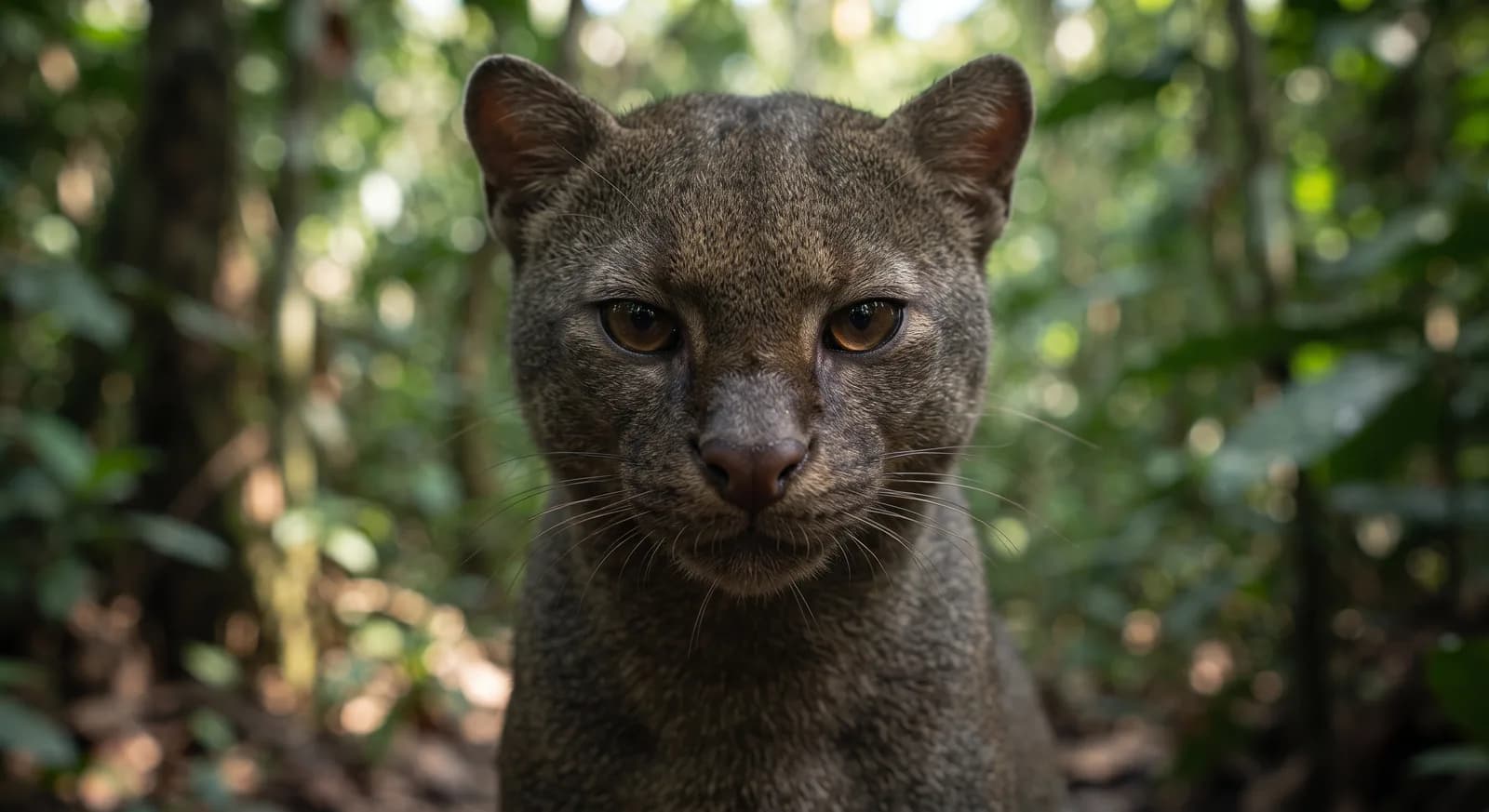
Jaguarundi
Herpailurus yagouaroundi
California Kingsnake
Lampropeltis californiae
 Least Concern
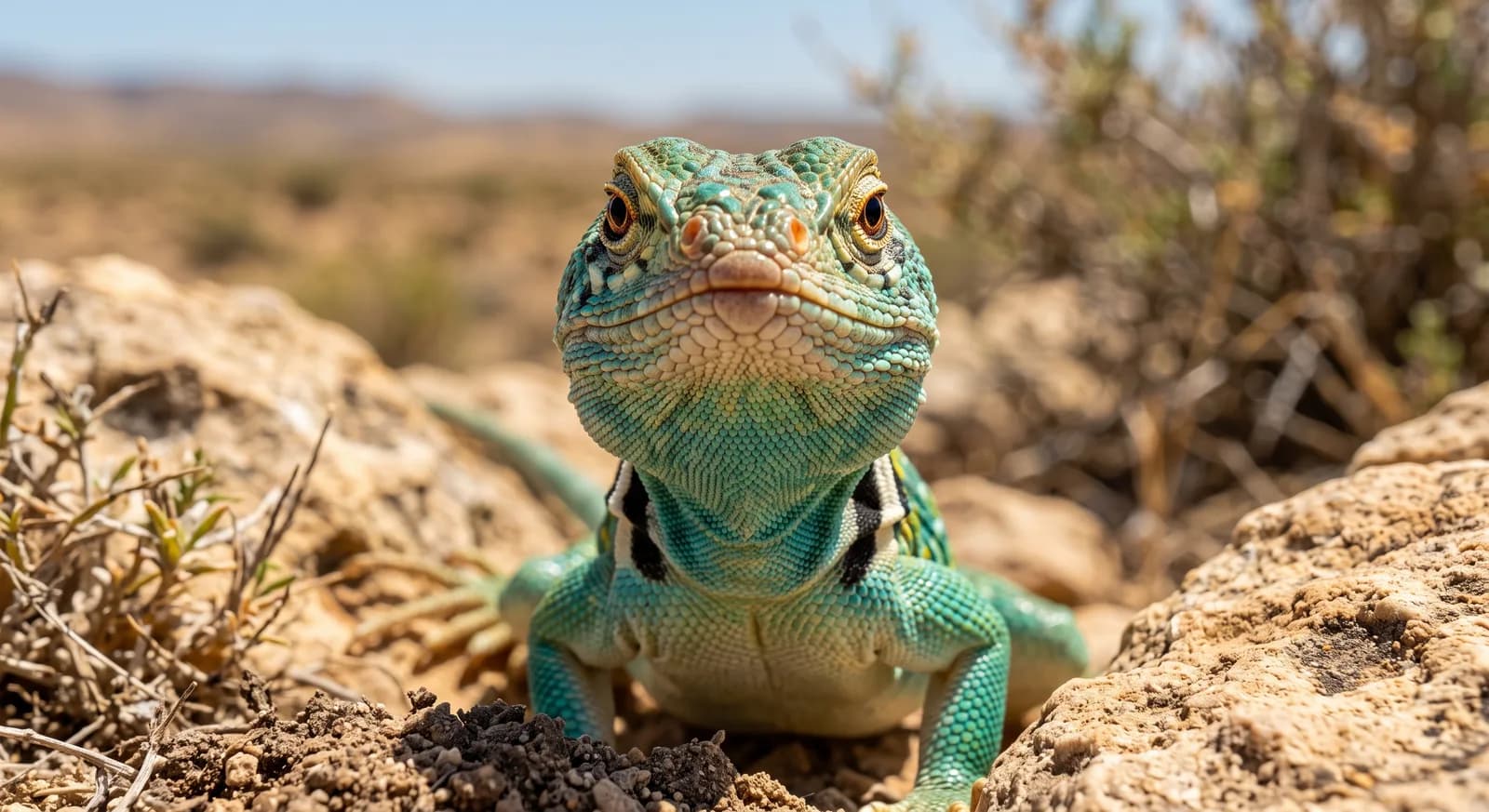
Collared Lizard
Crotaphytus collaris
Western Hognose Snake
Heterodon nasicus
Keep exploring
Based on what we already know about tarantula hawk wasp.
Comments
Share an experience, a fun fact or a tip for seeing the tarantula hawk wasp.
Be the first to comment.