Peru
América del Sur
Peru is arranged in three parallel bands: a desert coast washed by the cold Humboldt Current, the Andean sierra with the largest tropical mountain range in the world and its glaciers, and the Amazon rainforest, which covers more than half the country. That cold current generates one of the most productive seas on the planet and sustains immense seabird colonies and the largest single-species fishery in the world, that of the anchoveta. In the Amazon, Manu and Tambopata bring together a number of bird and butterfly species hard to match, with clay licks where hundreds of macaws and parrots gather each morning to take in minerals. In the Andes live vicuñas, condors and Andean bears.
The nature of Peru
National animal: The vicuña, the national animal, on the coat of arms; the Andean cock-of-the-rock is the national bird
Did you know?
The Titicaca water frog lives at almost four thousand metres of altitude and never comes to the surface to breathe. It has solved the shortage of oxygen in cold high-altitude water with an enormous baggy skin, gathered into folds that multiply its surface area and through which it absorbs oxygen directly. When it needs to, it does press-ups on the bottom to refresh the water around those folds, like someone fanning themselves.
Biodiversity profile
Climate
- •Desertico (BWh) en la costa pacifica (influencia de la Corriente de Humboldt)
- •Clima de alta montaña y tundra en la sierra andina
- •Ecuatorial humedo (Af) en la selva amazonica
Main biomes
- •Costa desertica (una de las mas aridas del planeta)
- •Sierra andina (puna, paramo, bosque de neblina)
- •Selva amazonica (Amazonia occidental)
- •Yungas (bosque de transicion andino-amazonico)
- •Puna y altiplano andino
- •Desierto costero
- •Bosque nuboso de yungas
- •Lago de altura
- •Manglar del norte
- •Litoral de la corriente de Humboldt
Marine and coastal ecosystems
- •Corriente de Humboldt (alta productividad pesquera)
- •Colonias de aves guaneras (Islas Ballestas y otras)
Flagship wildlife
- •Cóndor andino
- •Oso de anteojos
- •Vicuña
- •Jaguar
- •Delfin rosado amazonico
- •Guacamayo
- •Rana gigante del Titicaca
- •Gallito de las rocas
- •Oso andino
- •Delfín rosado del Amazonas
- •Guacamayo escarlata
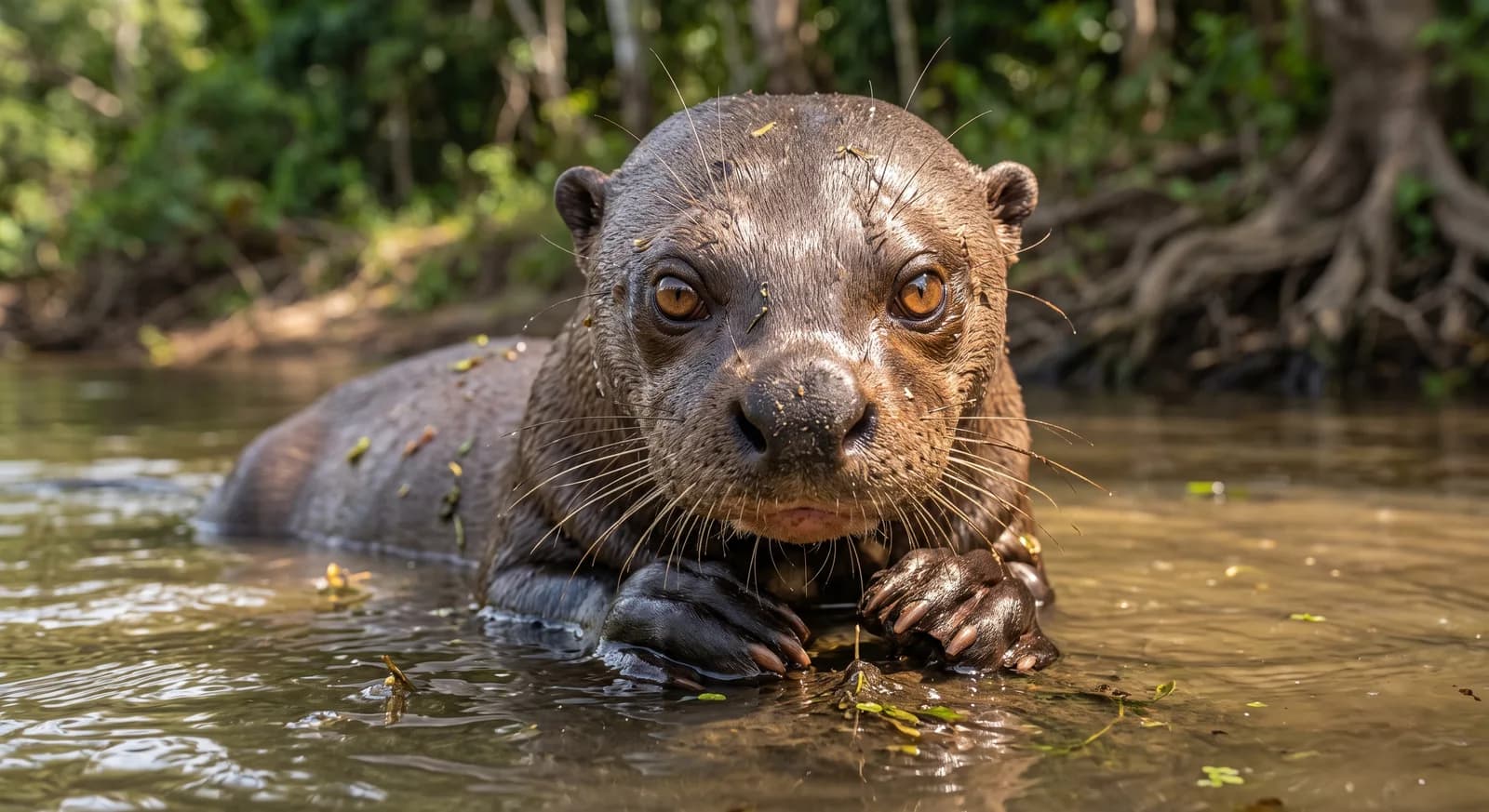
- •Nutria gigante
- •Pingüino de Humboldt
Notable endemic species
- •Aprox. 26% de la flora vascular endemica en zonas andinas altas (segun estudios regionales)
- •Parque Nacional del Manu y Yasuni (region compartida con Ecuador) entre los lugares de mayor biodiversidad documentada del planeta
- •Rana gigante del Titicaca
- •Mono choro de cola amarilla
- •Colibrí cola de espátula
- •Pingüino de Humboldt
Notable threatened species
- •Reptiles y mariposas insuficientemente protegidos en el sistema de areas protegidas actual (50% y 42% de especies sin cobertura adecuada segun estudio de modelado de conservacion)
- •Oso de anteojos (Vulnerable)
- •Vicuña (recuperada tras fuerte declive historico, hoy Casi Amenazada/Preocupacion Menor segun zona)
Notable protected areas
- •Parque Nacional del Manu (Patrimonio Mundial, uno de los de mayor biodiversidad documentada)
- •Reserva Nacional de Paracas (costa)
- •Parque Nacional Huascaran (Andes)
- •Reserva Nacional Tambopata
- •Parque Nacional Bahuaja-Sonene
- •Reserva Nacional Pacaya-Samiria
Main conservation threats
- •Mineria ilegal en la Amazonia
- •Deforestacion
- •Reptiles, mariposas y plantas insuficientemente representados en la red de areas protegidas actuales
- •Cambio climatico sobre glaciares andinos y ecosistemas de puna
Notable natural phenomena
- •El fenomeno de El Niño altera periodicamente la productividad marina de la Corriente de Humboldt
- •Alta concentracion de biodiversidad de artropodos en el Parque Nacional Yasuni/Amazonia peruana
Conservation
The guano of the coastal islands, piled up over centuries by millions of seabirds thanks to the productivity of the Humboldt Current, supported a nineteenth-century fertiliser industry that financed the state and is today harvested under regulation every few years. The vicuña recovered from a few thousand animals through community shearing.
Where and when to watch wildlife
The clay licks of Tambopata and Manu at dawn for macaws. The Colca canyon in the morning for condors. Paracas and the Ballestas islands year-round for seabirds and sea lions.
Sources: PMC PLOS ONE - Conservation gaps Peru (correccion 2015) | Iberdrola - Conservation of Megadiverse Countries | Wikipedia - Napo/Eastern Cordillera Real montane forests
Natural phenomena in Peru
- Colpas de guacamayos en Tambopata — Noviembre a abril (mayor concentración, según fuente)
- Mejor época para avistar delfines rosados del Amazonas — Junio a noviembre (estación de aguas bajas)
Parks and reserves
Huascaran
It protects 27 snow peaks above 6,000 metres in the Cordillera Blanca, the highest tropical range in the world
View parkNational ParkManu
The only national park in Latin America running unbroken from lowland Amazon rainforest up to high-mountain puna
View parkNational ParkRío Abiseo
A dual UNESCO listing, natural and cultural; it holds the archaeological site of Gran Pajatén, a pre-Inca citadel lost in the forest
View parkWorld Heritage Site (Mixed)Santuario Histórico de Machu Picchu
The Inca citadel and the cloud forest around it, one of the first mixed properties inscribed by UNESCO.
View parkNational ParkCerros de Amotape
Peru's largest protected equatorial dry forest, the core of the country's first biosphere reserve.
View parkNational ReserveParacas
The only large coastal and marine reserve in the Peruvian desert; home to one of the greatest guano bird colonies in the Pacific
View parkNational ParkAlto Purus
Peru's largest national park; the land of several indigenous peoples in voluntary isolation, with no contact with the rest of society
View parkNational ParkBahuaja-Sonene
It holds the largest stretch of protected tropical wet savannah in the Peruvian Amazon, the Pampas del Heath
View parkNational ParkCordillera Azul
One of Peru's largest and least explored national parks, with all but untouched ecosystems
View parkNational ParkCutervo
Peru's first national park, declared in 1961 to protect caves inhabited by the oilbird, a nocturnal bird that uses echolocation
View parkDiving and snorkelling
Ballestas Islands
Cold Humboldt Current water with abundant marine life, nicknamed the Peruvian Galápagos.
View dive siteHigh-altitude lakeLake Titicaca
The highest navigable lake in the world (3,812 m), with special decompression procedures because of the extreme altitude.
View dive siteTropical rocky reefMáncora
The only stretch of warm tropical water on the Peruvian coast, thanks to the influence of the El Niño current.
View dive siteFauna que puedes ver ahora
¿Qué merece la pena observar este mes en Peru?
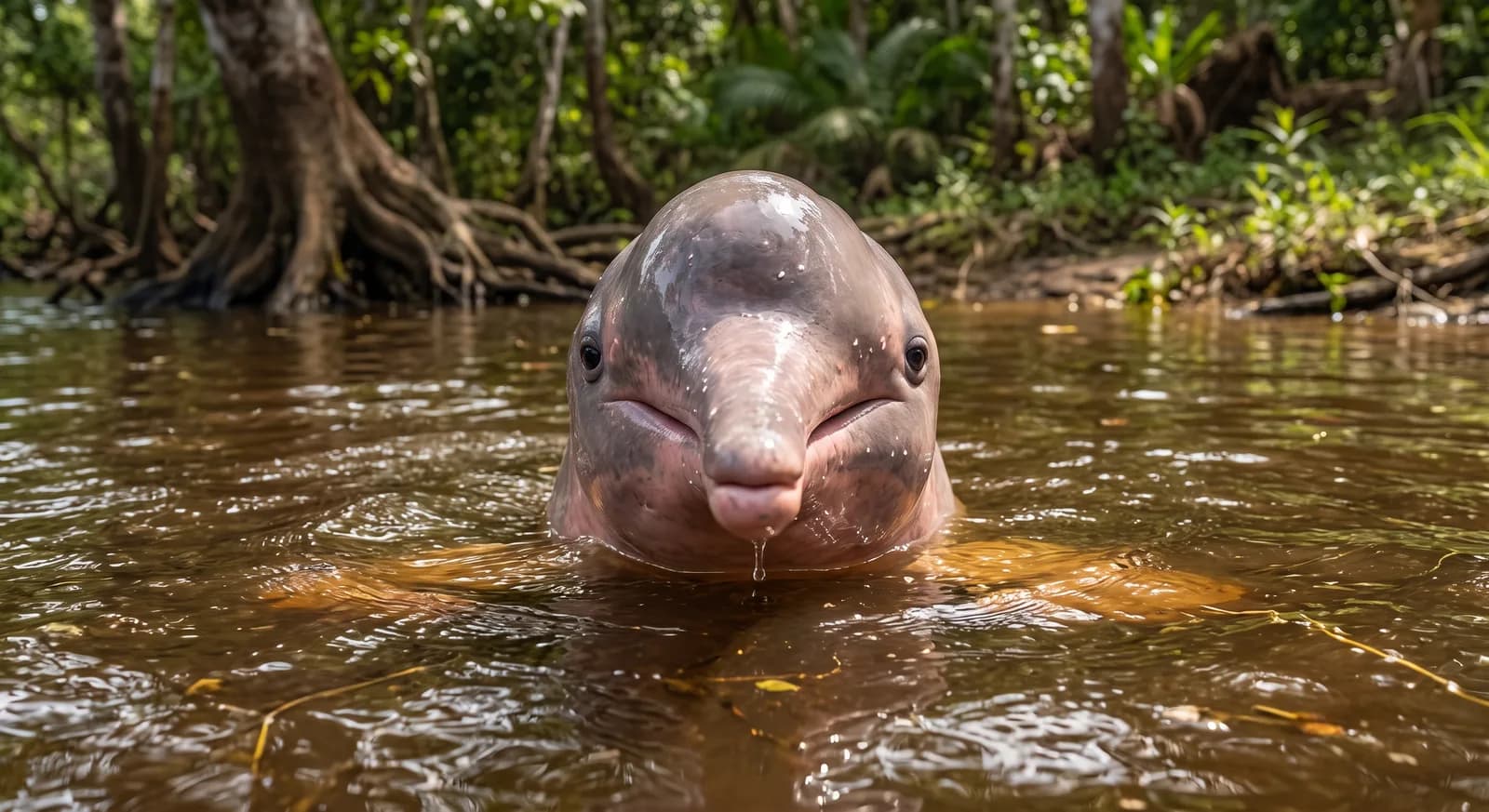 Endangered
Amazon River Dolphin
Inia geoffrensis
Ahora es buena época: Mejor época para avistar delfines rosados del Amazonas (Junio a noviembre (estación de aguas bajas))
Especies documentadas en Peru
321 species found
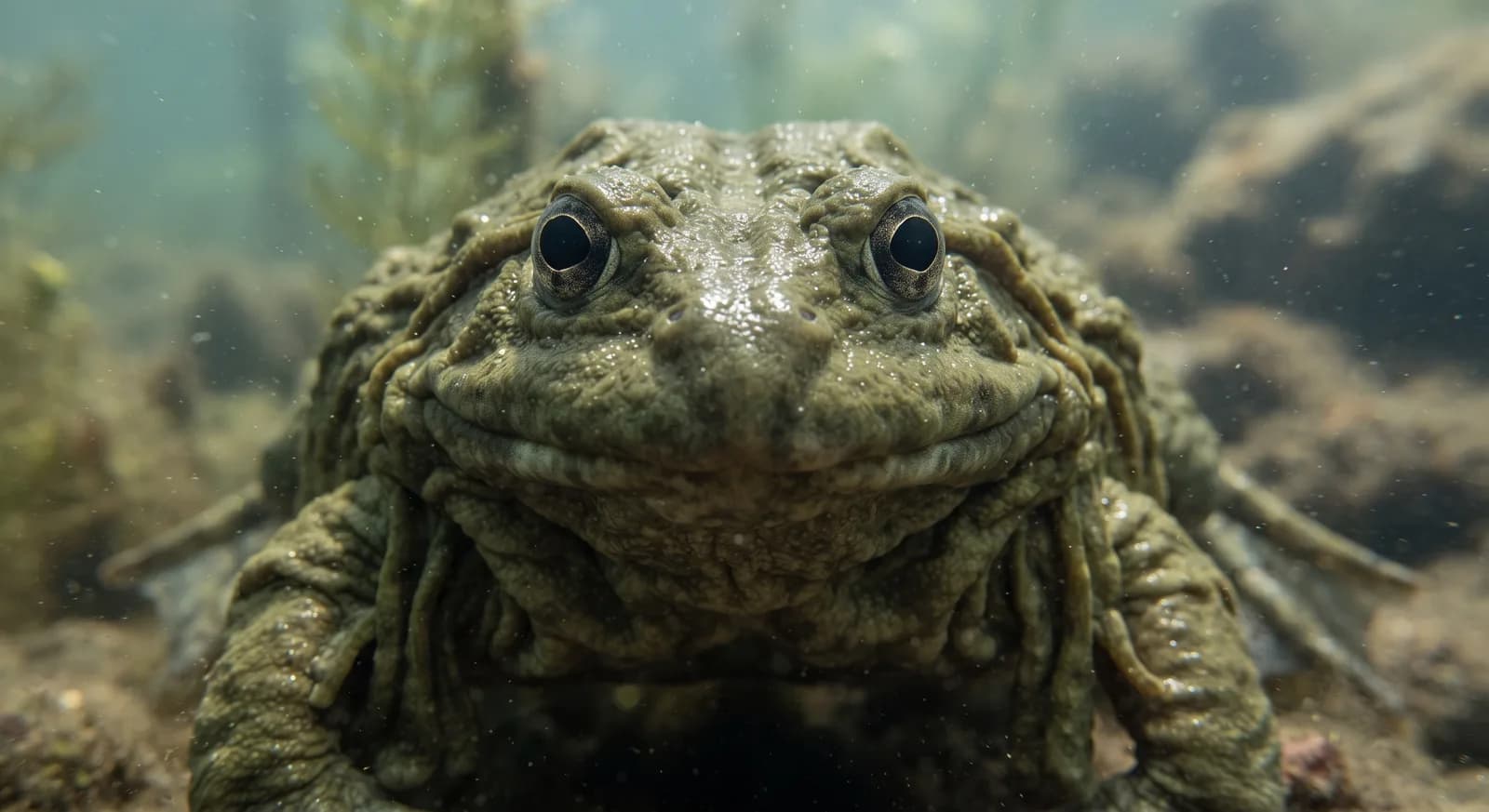 Critically Endangered
Titicaca Water Frog
Telmatobius culeus
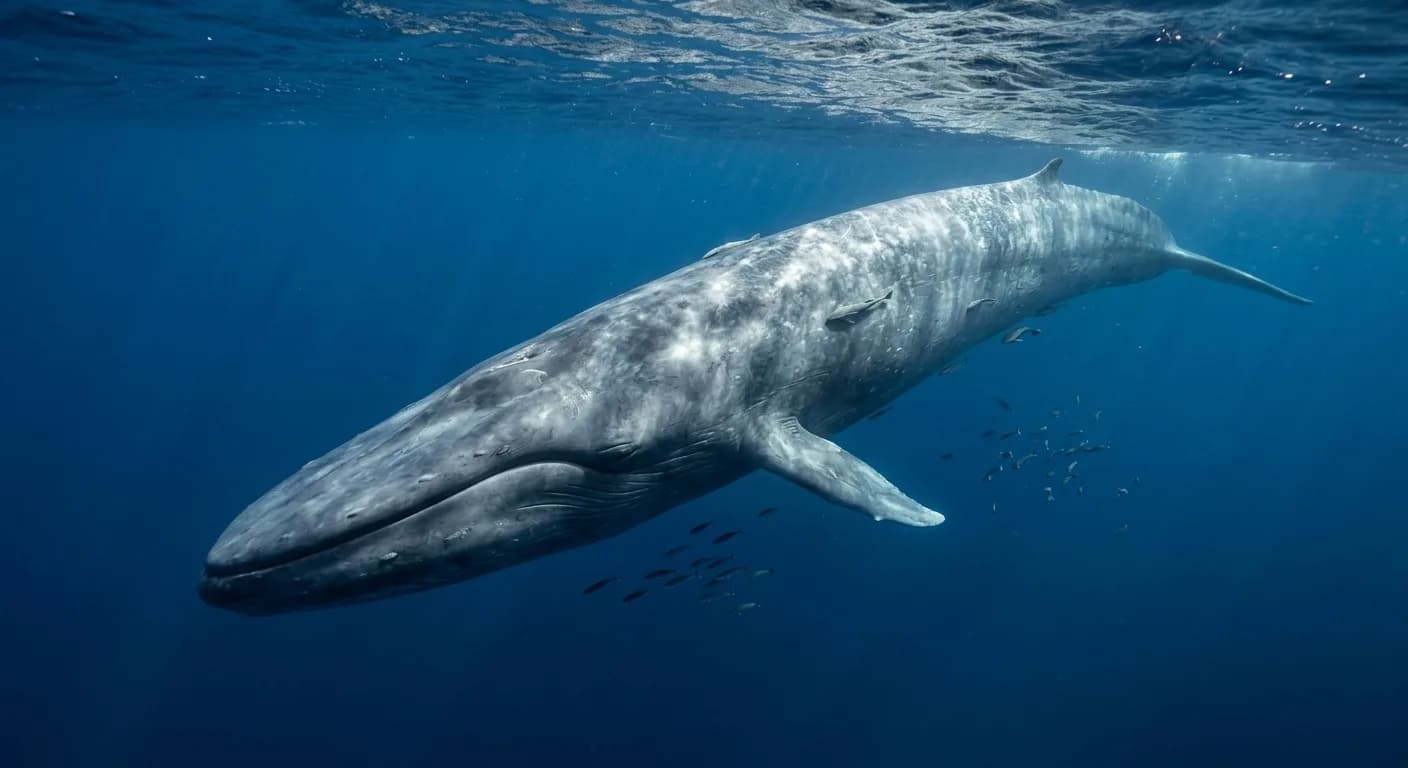 Endangered
Blue Whale
Balaenoptera musculus
EndangeredAmazon River Dolphin
Inia geoffrensis
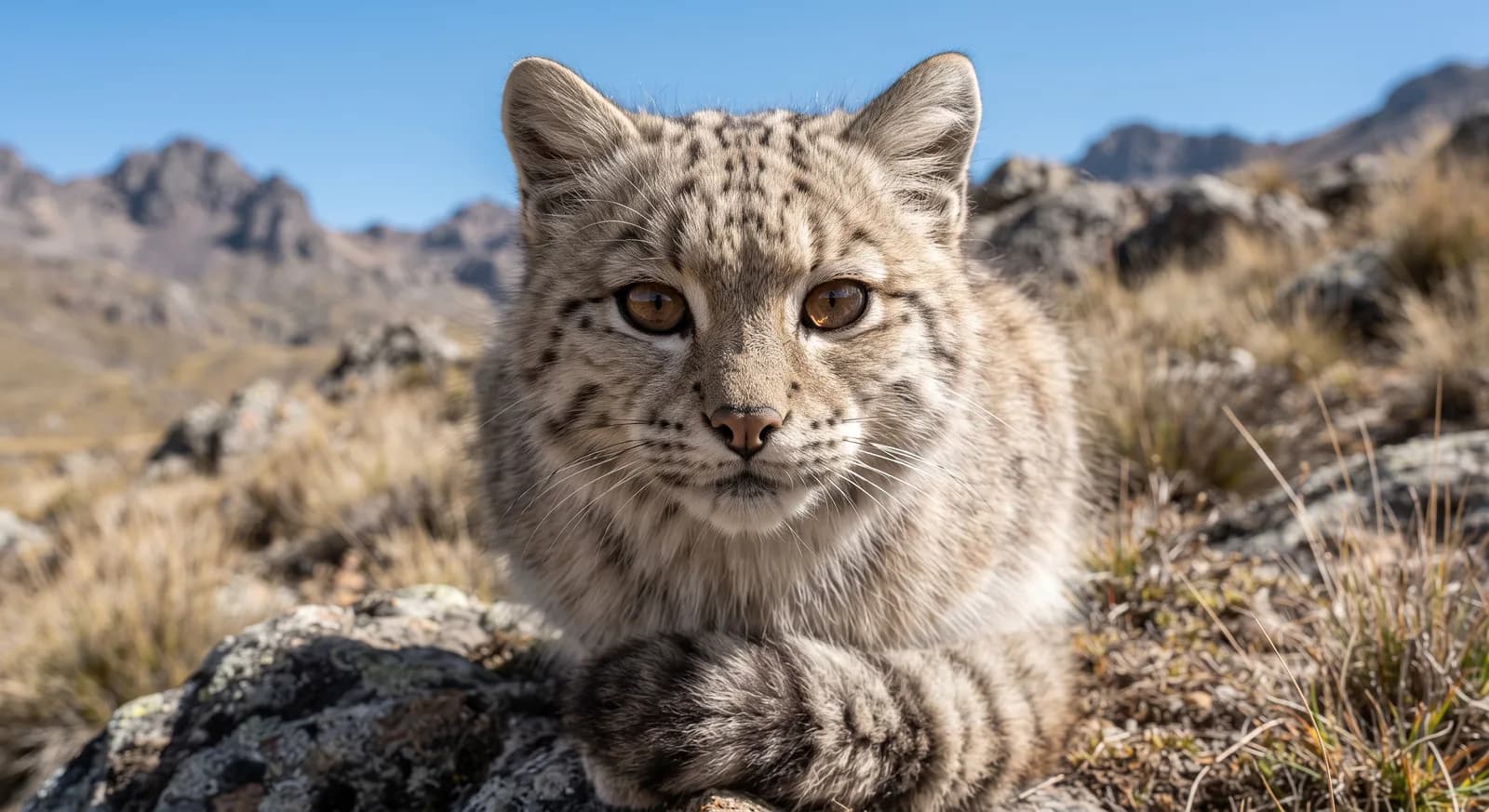 Endangered
Andean Cat
Leopardus jacobita
 Endangered
Giant Otter
Pteronura brasiliensis
 Endangered
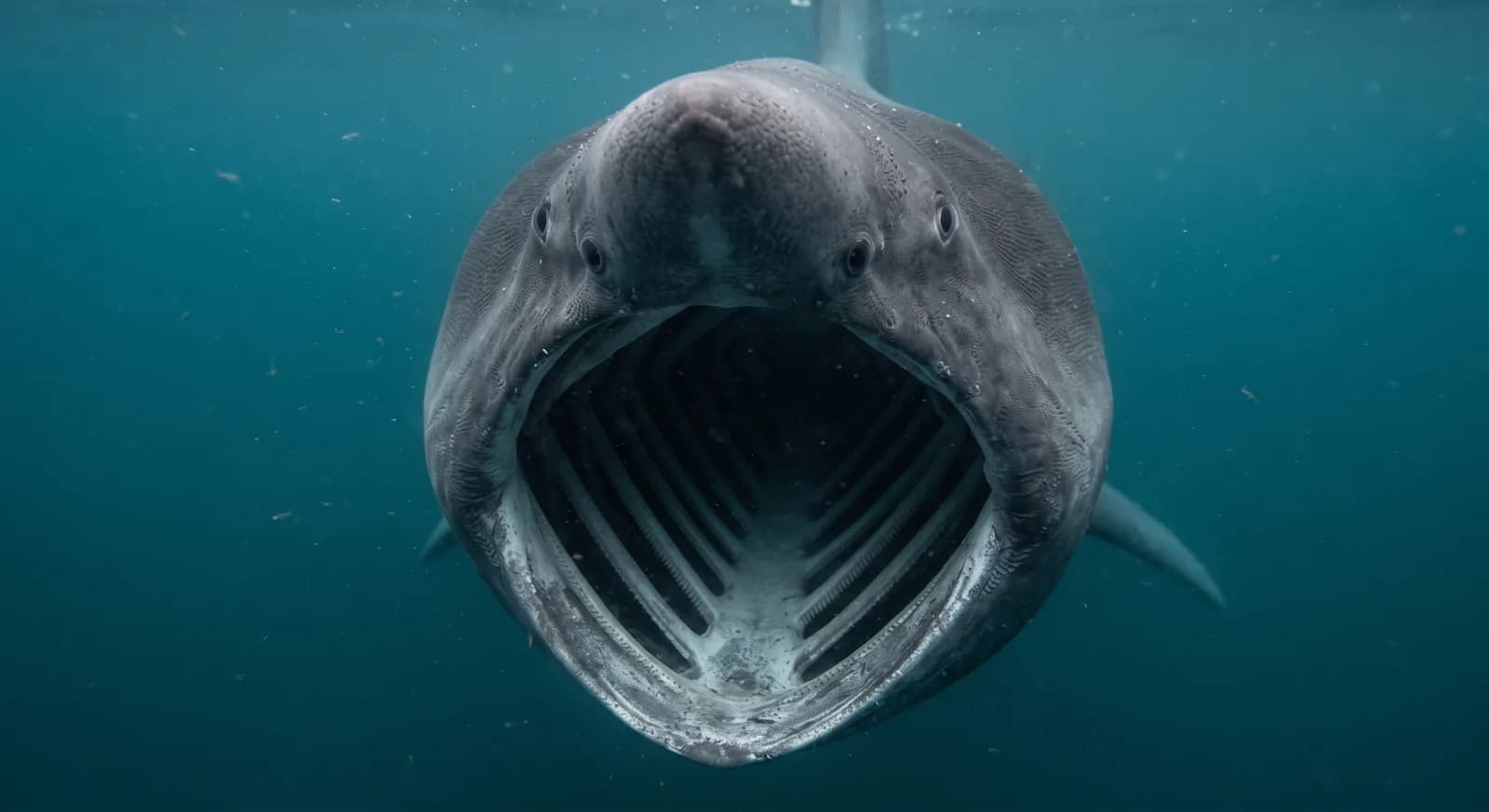
Basking Shark
Cetorhinus maximus
 Vulnerable
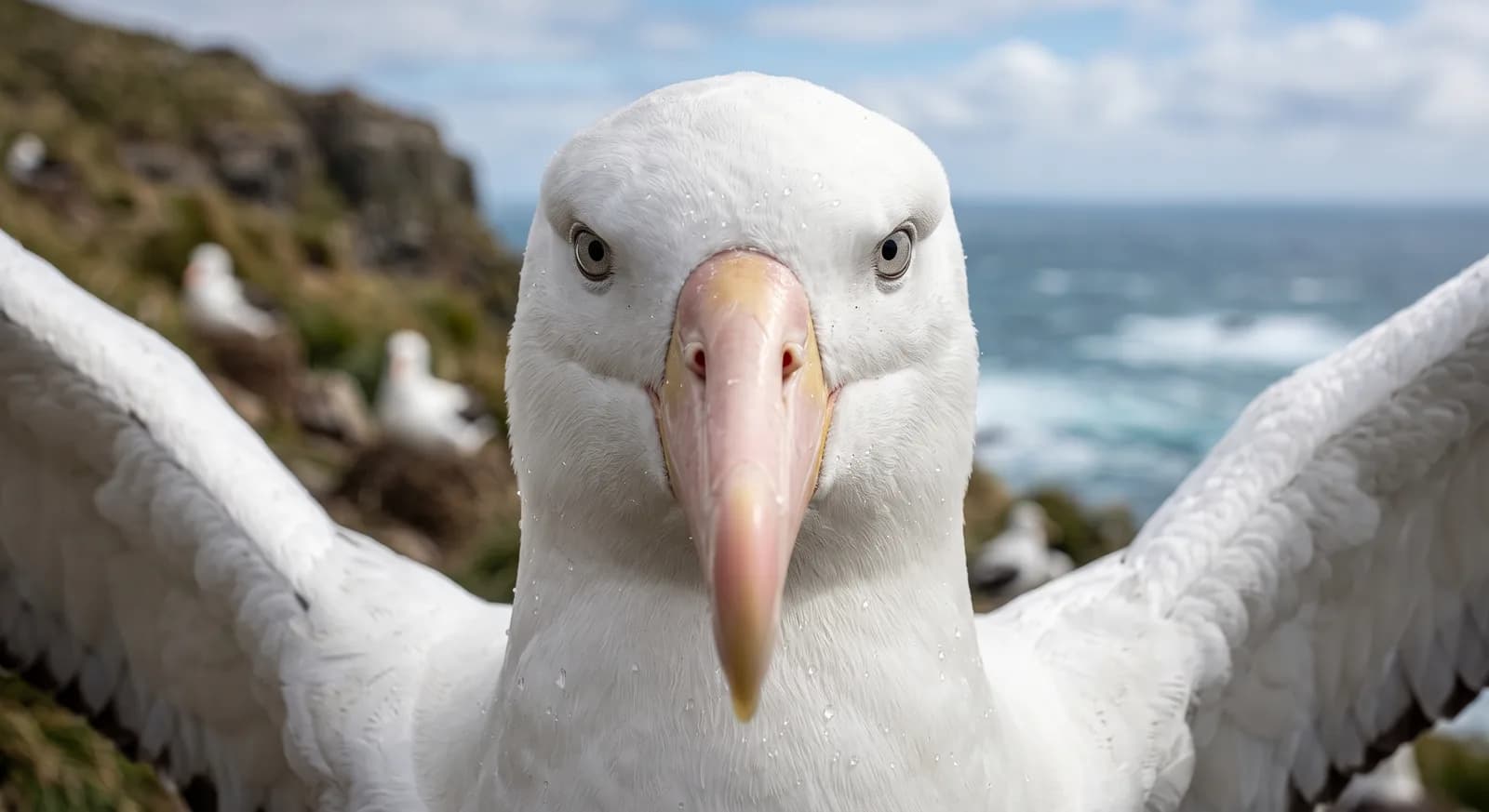
Southern Royal Albatross
Diomedea epomophora
 Vulnerable
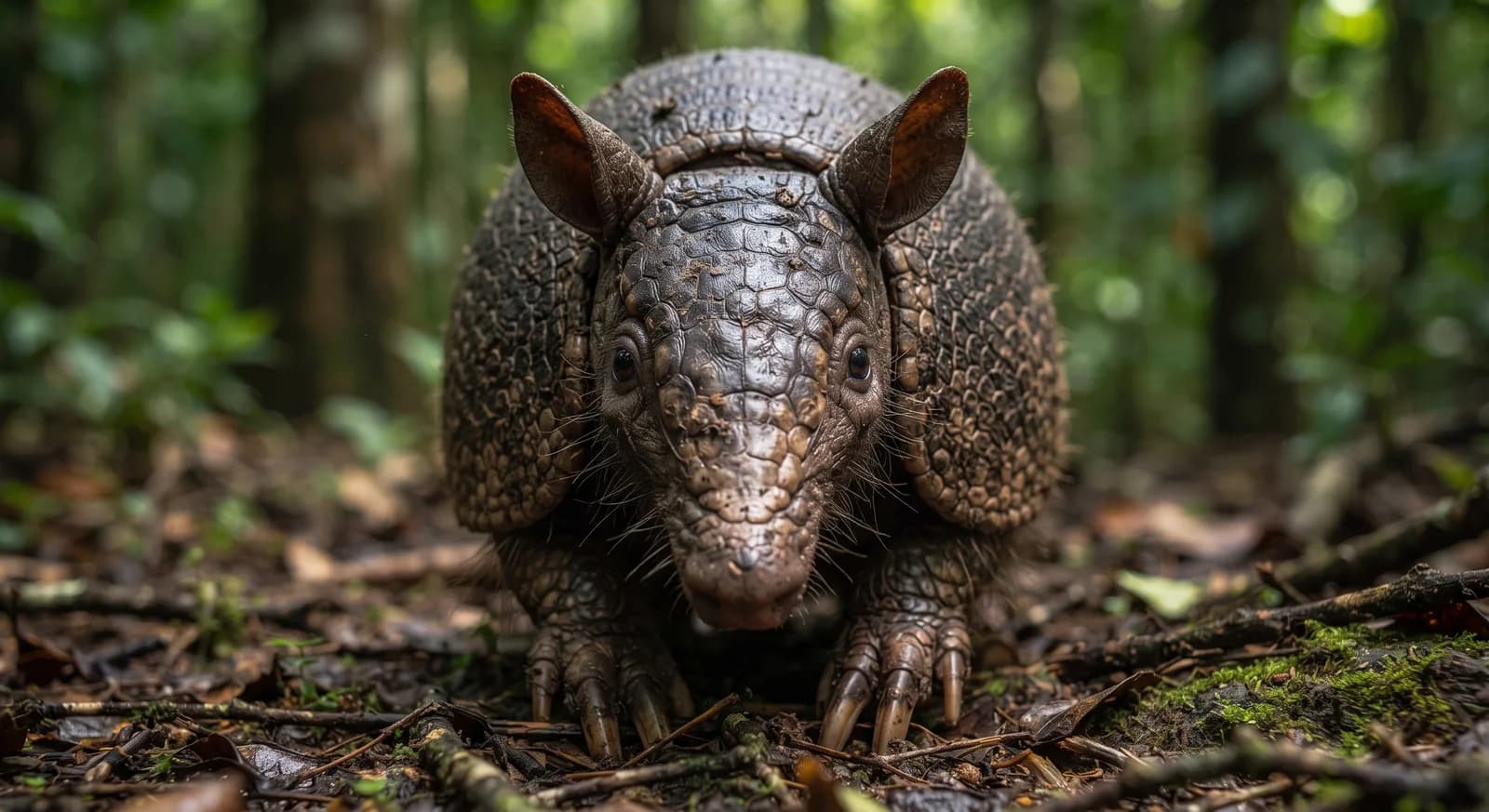
Giant Armadillo
Priodontes maximus
 Vulnerable
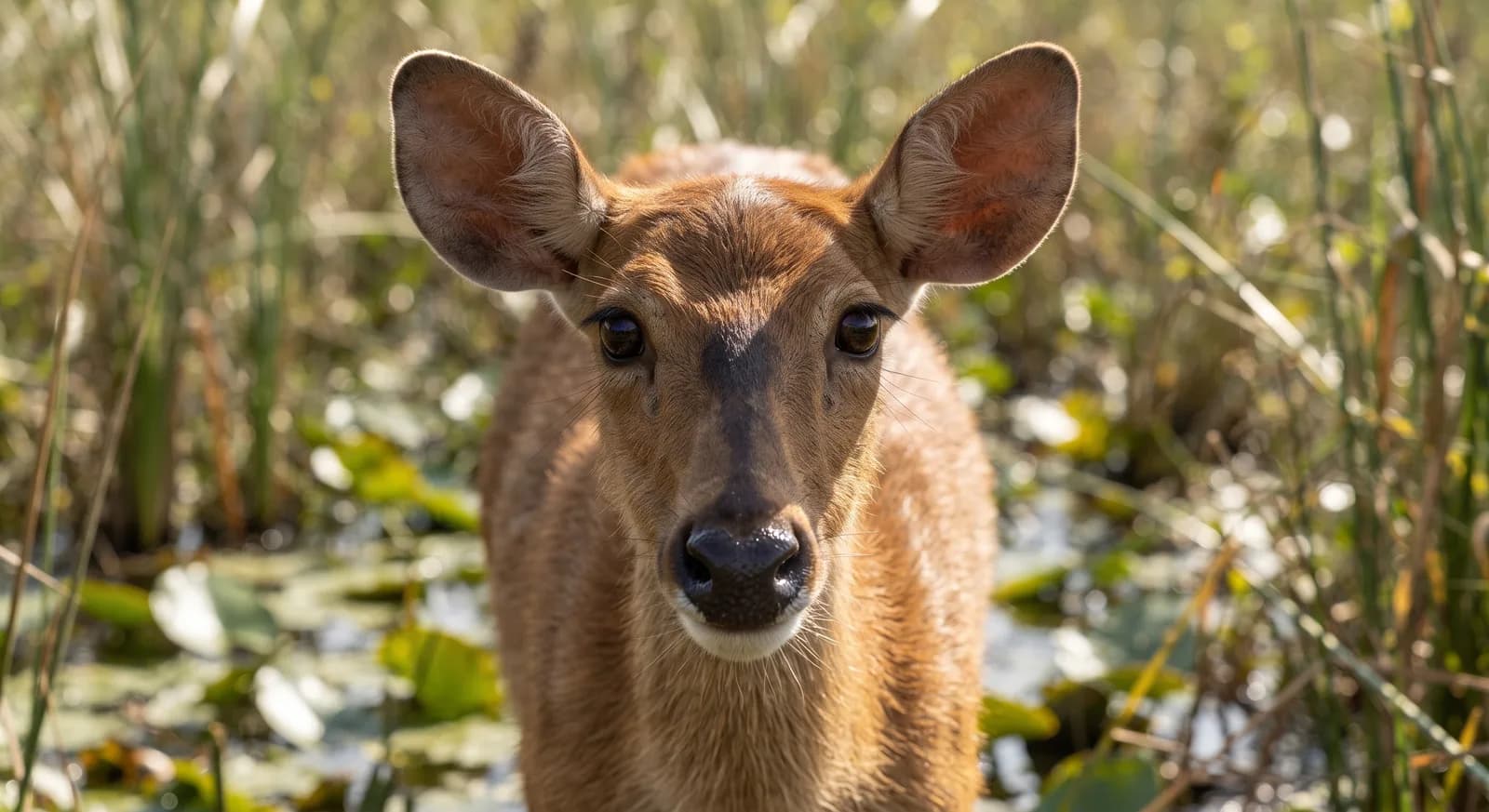
Marsh Deer
Blastocerus dichotomus
 Vulnerable
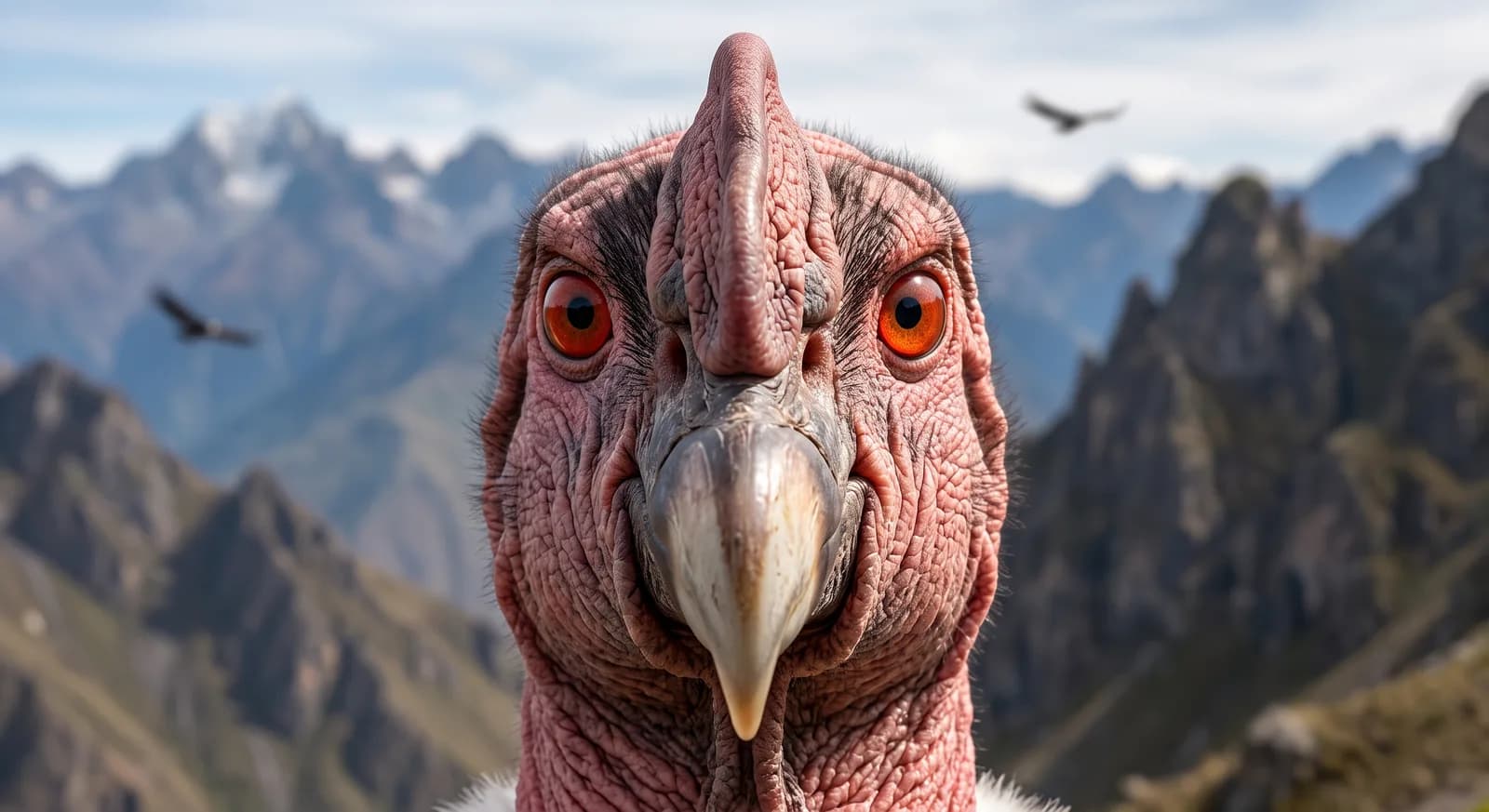
Andean Condor
Vultur gryphus
 Vulnerable
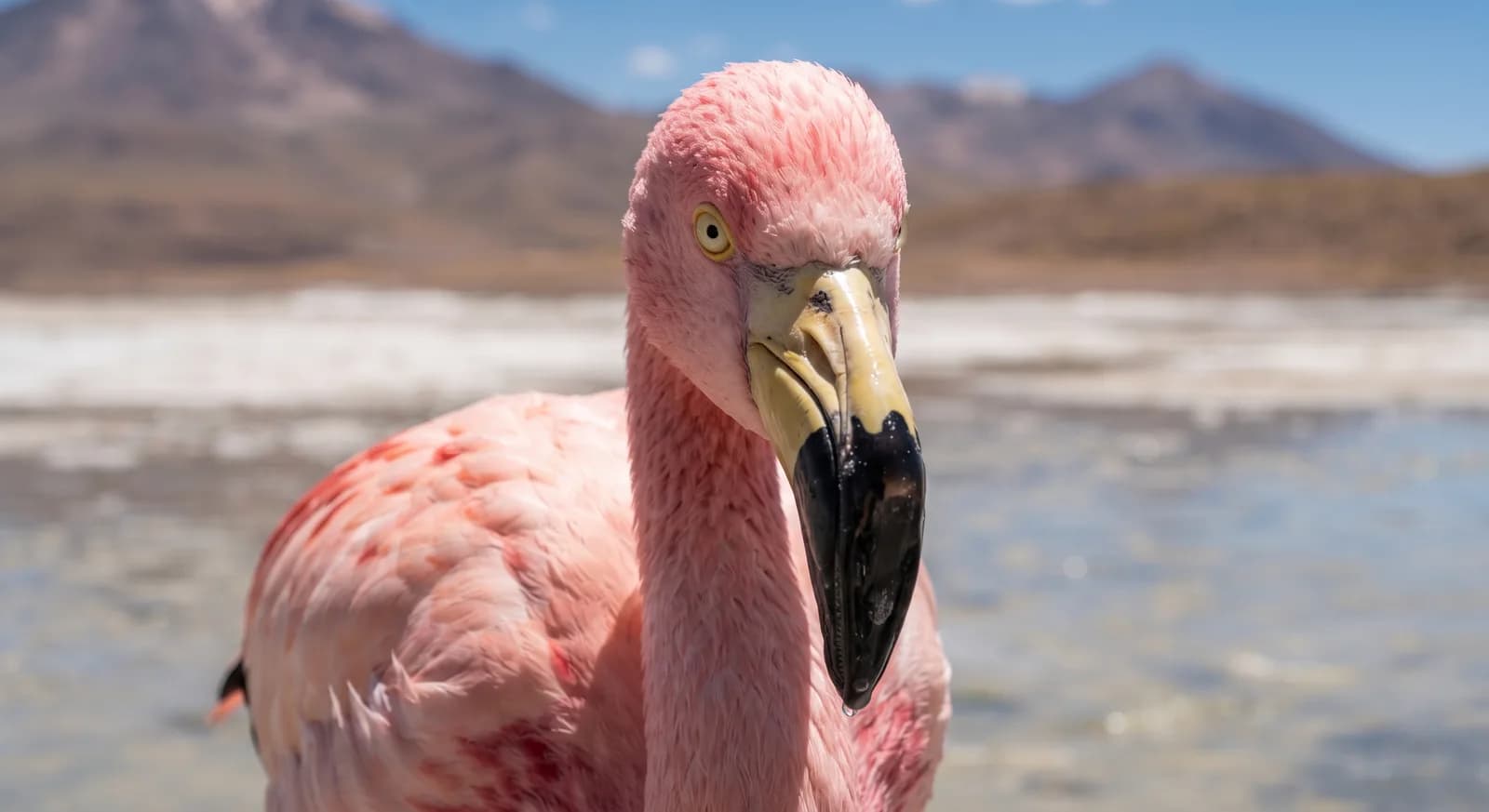
Andean Flamingo
Phoenicoparrus andinus
 Vulnerable
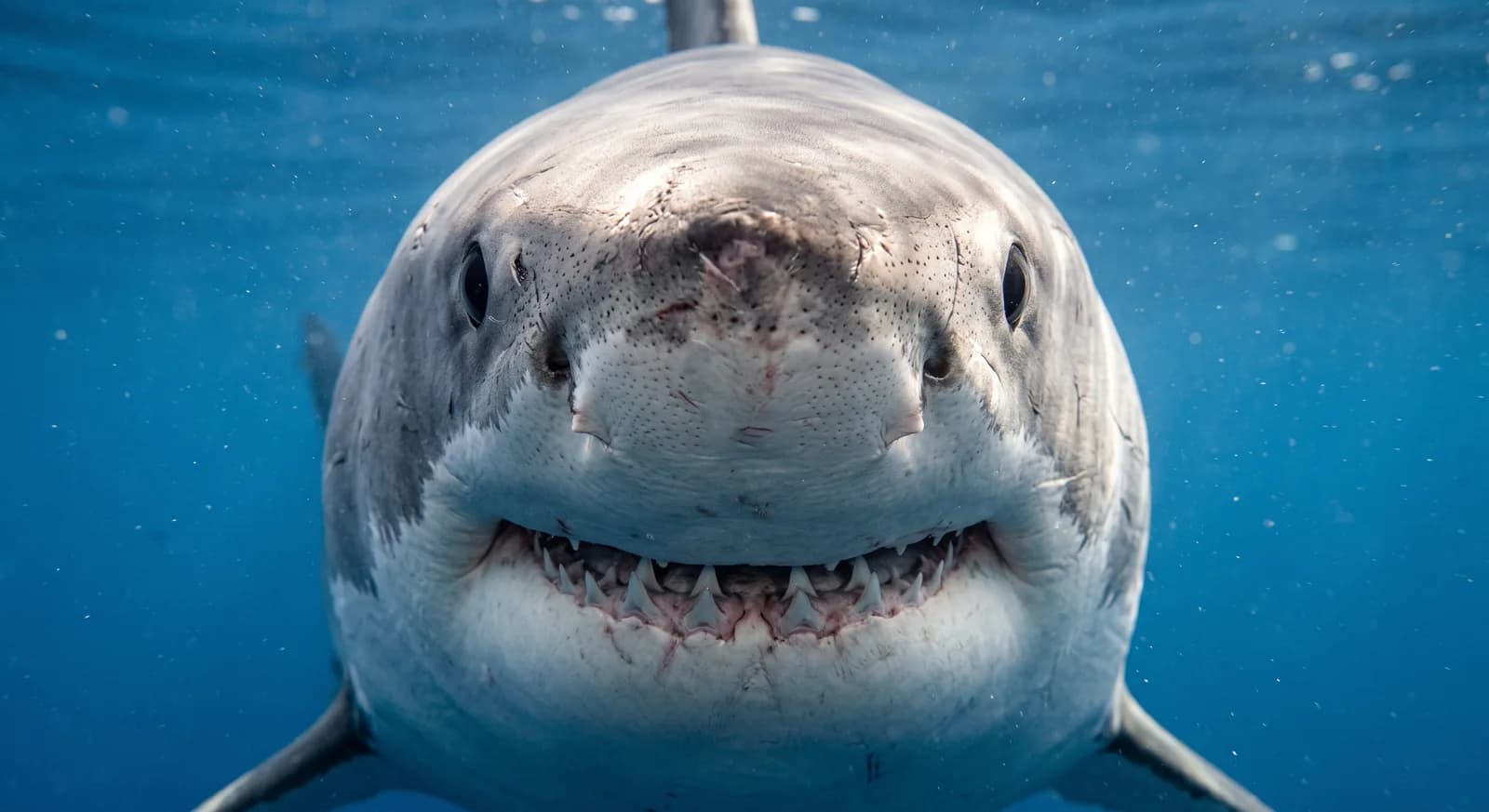
Great White Shark
Carcharodon carcharias
Keep exploring
Based on what we already know about Peru.