One of the 2 condors on WAnimals
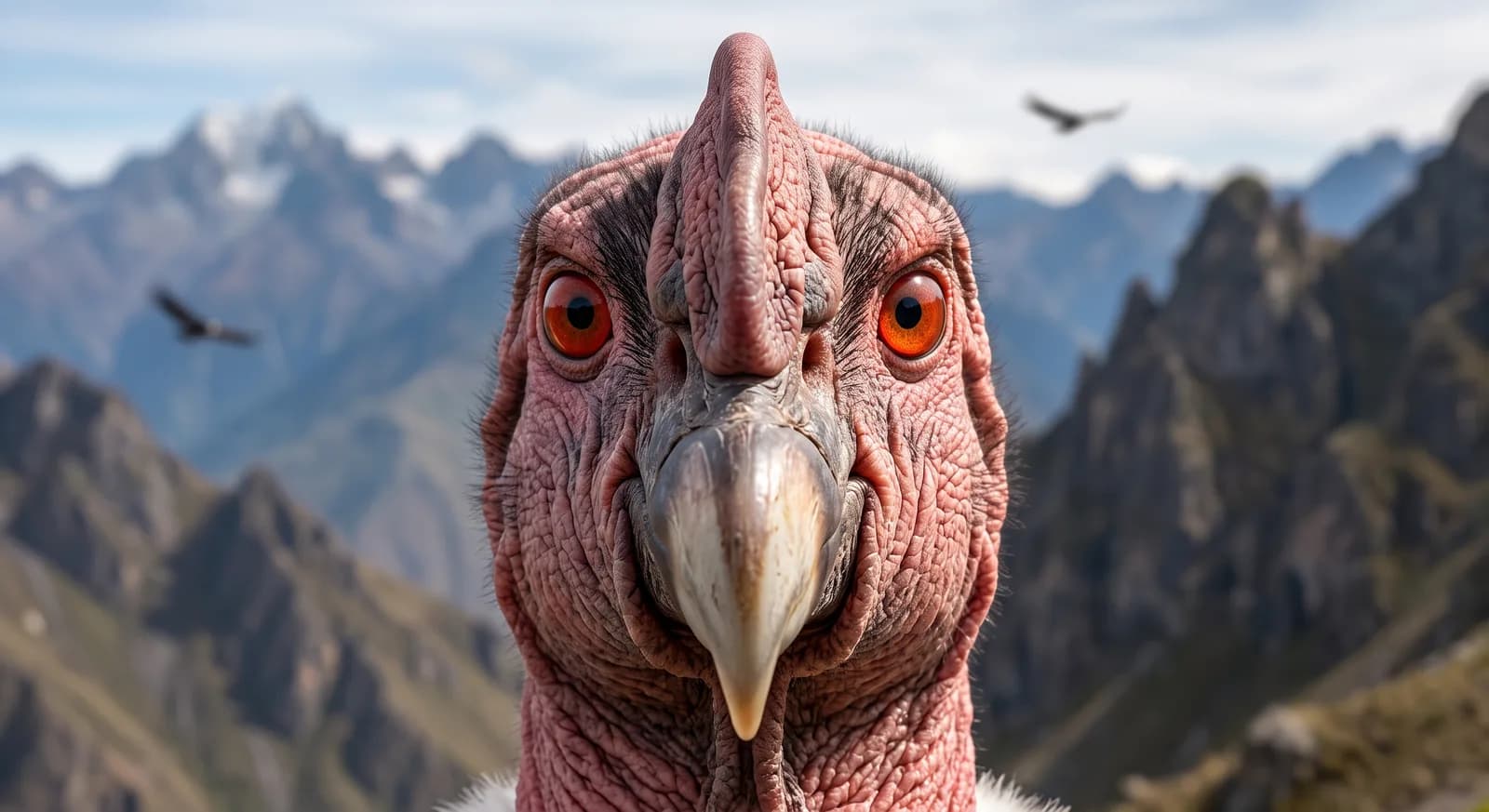
Birds · Cathartiformes · Cathartidae
Andean Condor
Vultur gryphus
It faces a high risk of extinction in the wild over the medium term. See full glossary
One of the largest flying birds in the world, with a wingspan that can exceed three metres. It soars on Andean thermals.
Weight
11 kg – 15 kg
Size
1 m – 1.3 m
Lifespan
50 years
Diet
Carnivore
Feeds mainly on other animals.
Activity
Diurnal
Active mainly during the day.
Social structure
Solitary
Lives and hunts alone, joining others only to breed.
Sighting difficulty
Moderate
Estimated population
No more than 6,700 mature individuals (around 10,000 birds counting immatures); in northern South America no more than 340 condors are thought to remain
Fun facts
- It can fly for hours without a single wingbeat.
- It is a national symbol in several Andean countries.
- It can live for over 50 years, making it one of the longest-lived birds.
Life cycle & biology
- Skeleton type
- Vertebrate - internal bony skeleton (bird)
- Habitat & environment
- The Andes and the adjoining Pacific coasts of South America
- Birth weight
- Born altricial and covered in down, from an egg of ~280 g
- Size at birth
- Born altricial
- Sexual maturity
- 6-11 years
- Gestation / incubation
- 54-60 days
- Litter / clutch size
- 1 egg per clutch, every 2 years
- Lifespan in captivity
- Documented record of up to 80 years
Sources consulted: A-Z Animals; Britannica; Wikipedia (Vultur gryphus); Animal Diversity Web; Chimu Adventures; Avian Report; San Diego Zoo; Les Oiseaux; Peregrine Fund; IUCN Red List / BirdLife International: recatalogado de Casi amenazado a Vulnerable en 2020 por su declive continuado en toda el área de distribución || BirdLife International / IUCN Red List; Naveda-Rodríguez et al. 2022, PLOS ONE
Where to watch it
Parques y spots de buceo donde se ha documentado esta especie — se muestran 10 de 40 documentados.
Related species
Other species in the catalogue with the most in common with Andean Condor — same habitat, park, country, tags or family.
Northern Tiger Cat
Leopardus tigrinus
Military Macaw
Ara militaris
Yellow-eared Parrot
Ognorhynchus icterotis
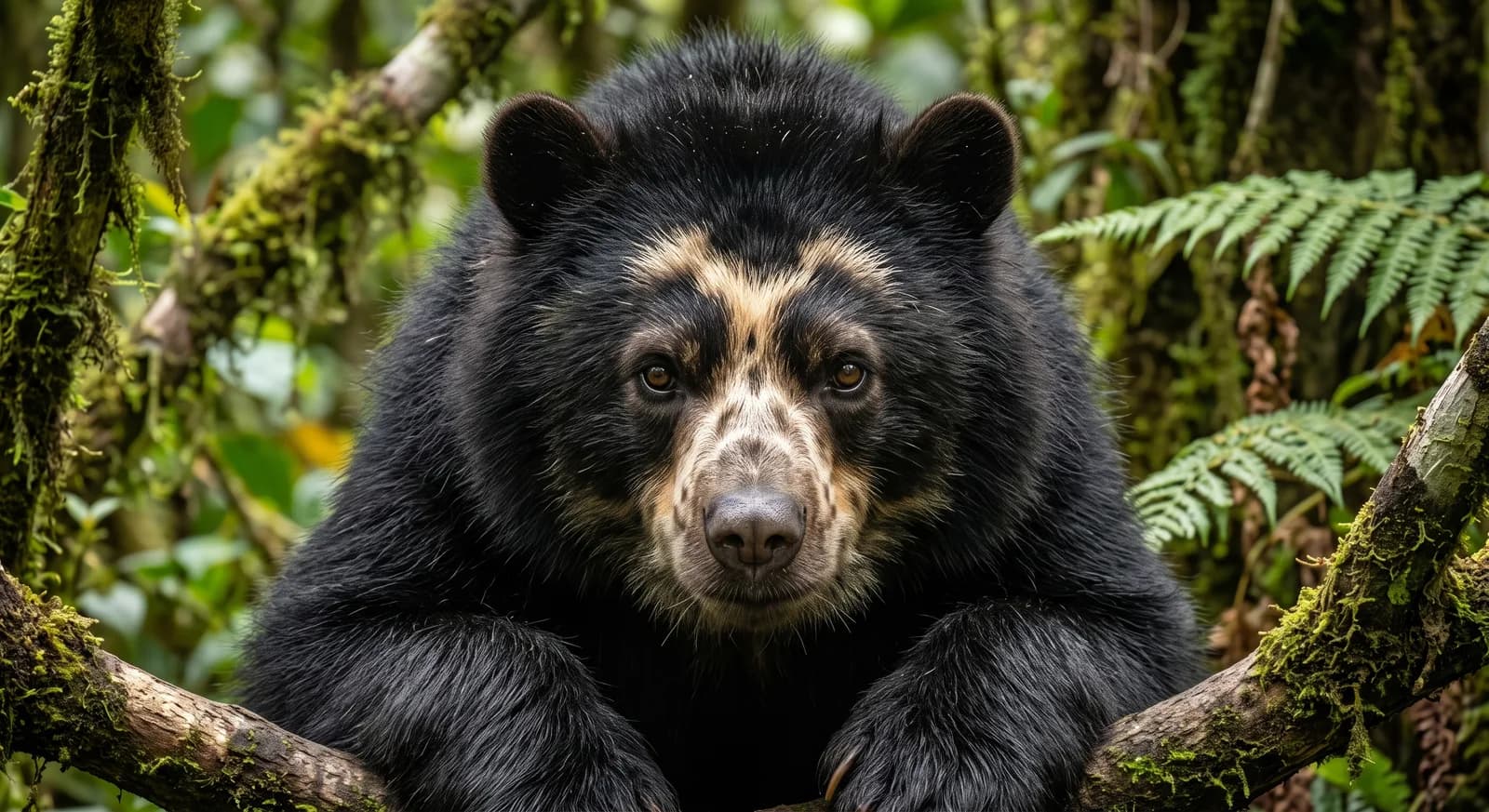 Vulnerable
Andean Bear
Tremarctos ornatus
Giant Hummingbird
Patagona gigas
Southern Rockhopper Penguin
Eudyptes chrysocome
How to help
The andean condor is classified as vulnerable. Organizations such as The Peregrine Fund work specifically on its conservation and that of its habitat; looking into their programs is a good starting point if you want to get involved.
It's documented in 10 real protected areas — part of why protecting these places matters for its conservation.
Keep exploring
Based on what we already know about andean condor.
Comments
Share an experience, a fun fact or a tip for seeing the andean condor.
Be the first to comment.