One of the 6 parrots on WAnimals
Birds · Psittaciformes · Psittacidae
Yellow-eared Parrot
Ognorhynchus icterotis
It faces a high risk of extinction in the wild over the medium term. See full glossary
The yellow-eared parrot depends almost entirely on the Quindío wax palm, Colombia's national tree: it nests in its hollow trunks, feeds on its fruit and roosts in its crowns. The felling of palms for Palm Sunday processions and the conversion of Andean forest into pasture took it to the brink of extinction: in 1999 only 81 birds were found. A conservation campaign with the local parishes, which replaced the palm fronds with other plants, has allowed it to recover.
Weight
250 g – 320 g
Size
42 cm – 45 cm
Lifespan
25 years
Diet
Herbivore
Feeds mainly on plants.
Activity
Diurnal
Active mainly during the day.
Sighting difficulty
Moderate
Fun facts
- Its recovery began in the churches: the campaign that persuaded Colombian parishes to replace wax palm fronds in the Palm Sunday processions halted the felling of the tree the parrot depends on.
- In 1999 there were 81 known birds; two decades later the population was above several thousand, one of the best-documented recovery cases in South America.
Life cycle & biology
- Skeleton type
- Vertebrate - internal bony skeleton (bird)
- Habitat & environment
- Andean montane forest with wax palm, between 1,800 and 3,000 metres, in Colombia and Ecuador
- Sexual maturity
- 3 years
- Gestation / incubation
- 26 days of incubation
- Litter / clutch size
- 3 eggs
Sources consulted: https://es.wikipedia.org/wiki/Ognorhynchus_icterotis
Where to watch it
Parks and dive sites where this species has been documented.
Related species
Other species in the catalogue with the most in common with Yellow-eared Parrot — same habitat, park, country, tags or family.
Military Macaw
Ara militaris
Santa Marta Parakeet
Pyrrhura viridicata
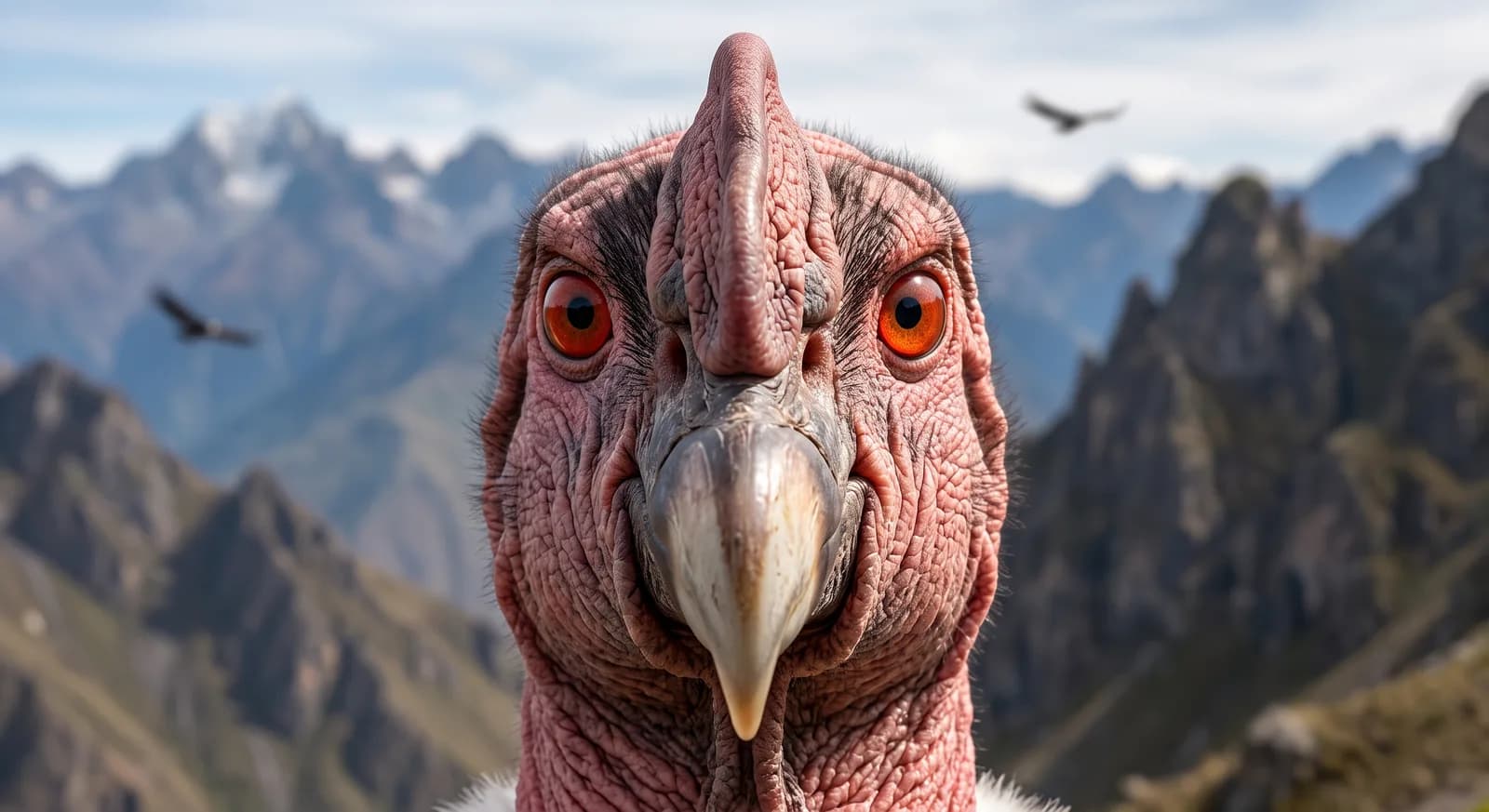 Vulnerable
Andean Condor
Vultur gryphus
Pudus
Pudella mephistophiles
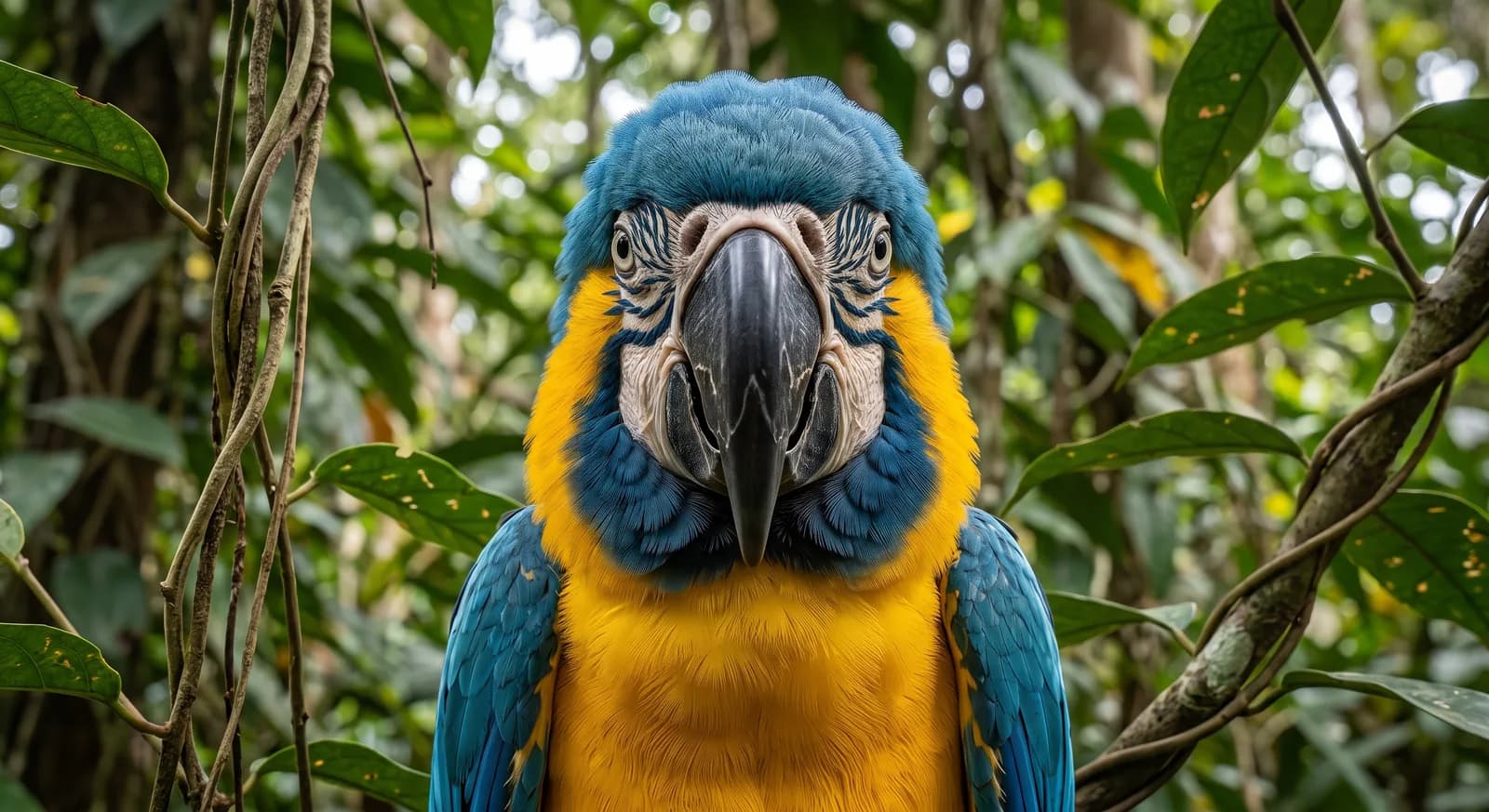 Least Concern
Blue-And-Yellow Macaw
Ara ararauna
Yellow-Crowned Amazon
Amazona ochrocephala
How to help
The yellow-eared parrot is classified as vulnerable. Organizations such as UICN, WWF y Wildlife Conservation Society work specifically on its conservation and that of its habitat; looking into their programs is a good starting point if you want to get involved.
It's documented in 9 real protected areas — part of why protecting these places matters for its conservation.
Keep exploring
Based on what we already know about yellow-eared parrot.
Comments
Share an experience, a fun fact or a tip for seeing the yellow-eared parrot.
Be the first to comment.