One of the 2 pudus on WAnimals
Mammals · Artiodactyla · Cervidae
Pudus
Pudella mephistophiles
It faces a high risk of extinction in the wild over the medium term. See full glossary
The northern pudú is the smallest deer in the world: it stands barely 35 centimetres at the shoulder. It lives in the cloud forests and páramo of the Andes of Ecuador, Colombia and northern Peru, where it moves along tunnels it opens through dense vegetation. It is solitary, extremely unobtrusive and feeds on leaves, tender shoots and fallen fruit. Its compact body, short legs and dark brown coat are adaptations to a closed, humid understorey where agility matters less than going unnoticed.
Weight
3.3 kg – 6 kg
Size
60 cm – 80 cm
Lifespan
10 years
Diet
Herbivore
Feeds mainly on plants.
Activity
Crepuscular
Active above all at dawn and dusk.
Social structure
Solitary
Lives and hunts alone, joining others only to breed.
Sighting difficulty
Moderate
Fun facts
- It is the smallest deer on the planet: an adult weighs about as much as a large domestic cat.
- The males have tiny antlers, straight and unbranched, of barely six centimetres, almost hidden among the hair of the forehead.
Life cycle & biology
- Skeleton type
- Vertebrate - internal bony skeleton (mammal)
- Habitat & environment
- Andean cloud forest and páramo, between 2,000 and 4,000 metres of altitude
- Gestation / incubation
- 7 months
- Litter / clutch size
- 1
Sources consulted: https://www.iucnredlist.org/ | https://animaldiversity.org/ | https://es.wikipedia.org/
Where to watch it
Parks and dive sites where this species has been documented.
Related species
Other species in the catalogue with the most in common with Pudus — same habitat, park, country, tags or family.
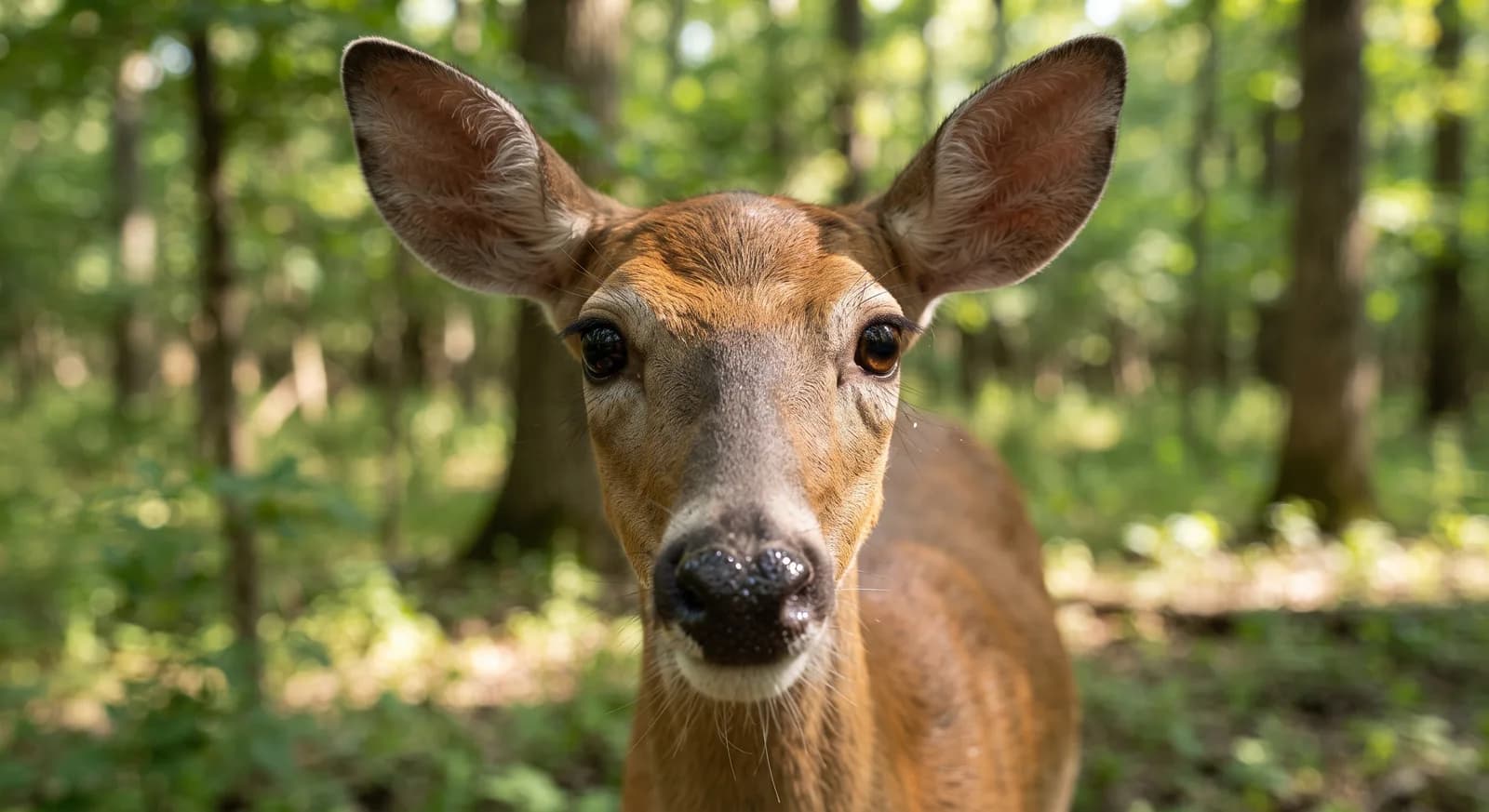 Least Concern
White-Tailed Deer
Odocoileus virginianus
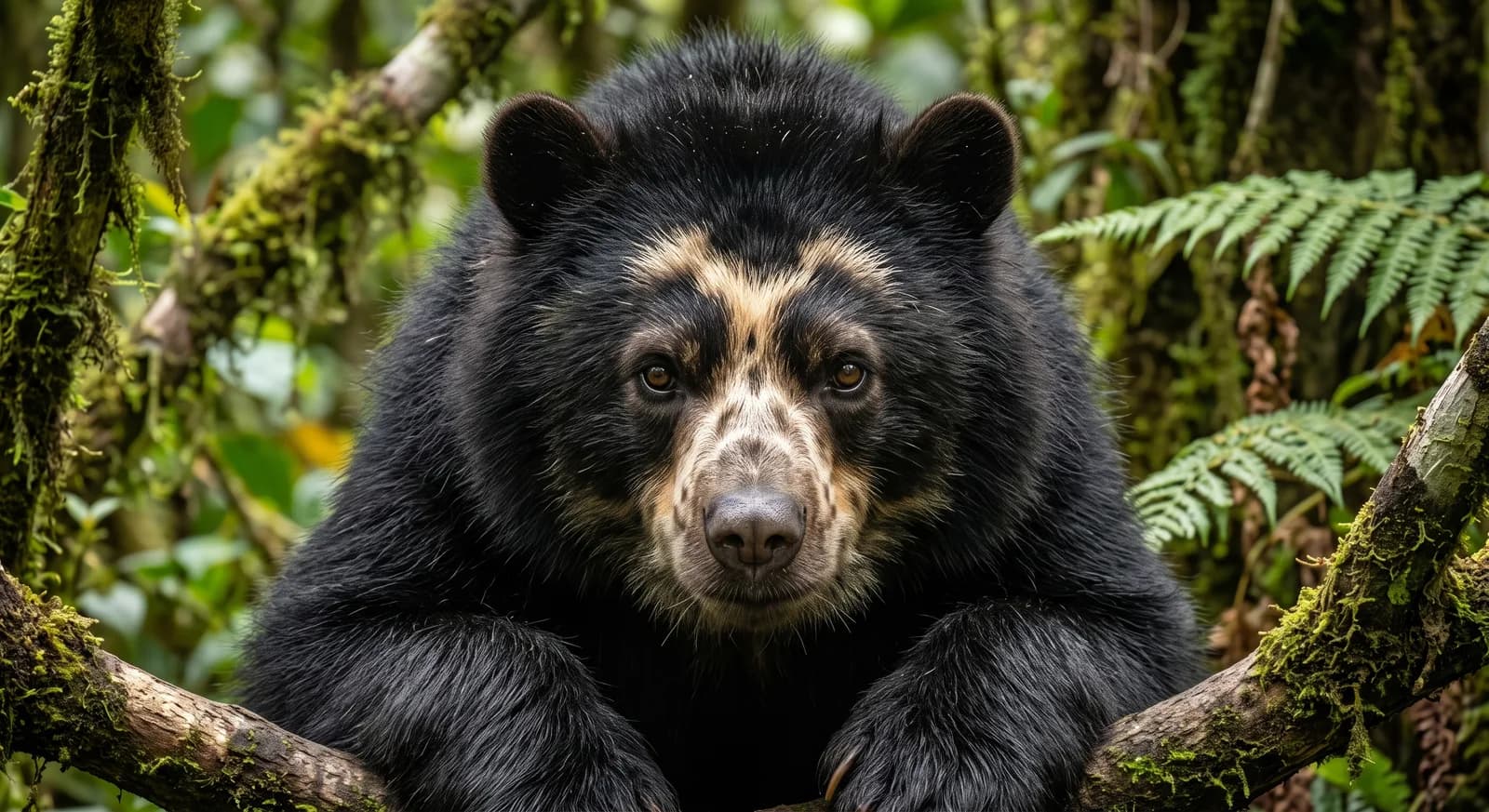 Vulnerable
Andean Bear
Tremarctos ornatus
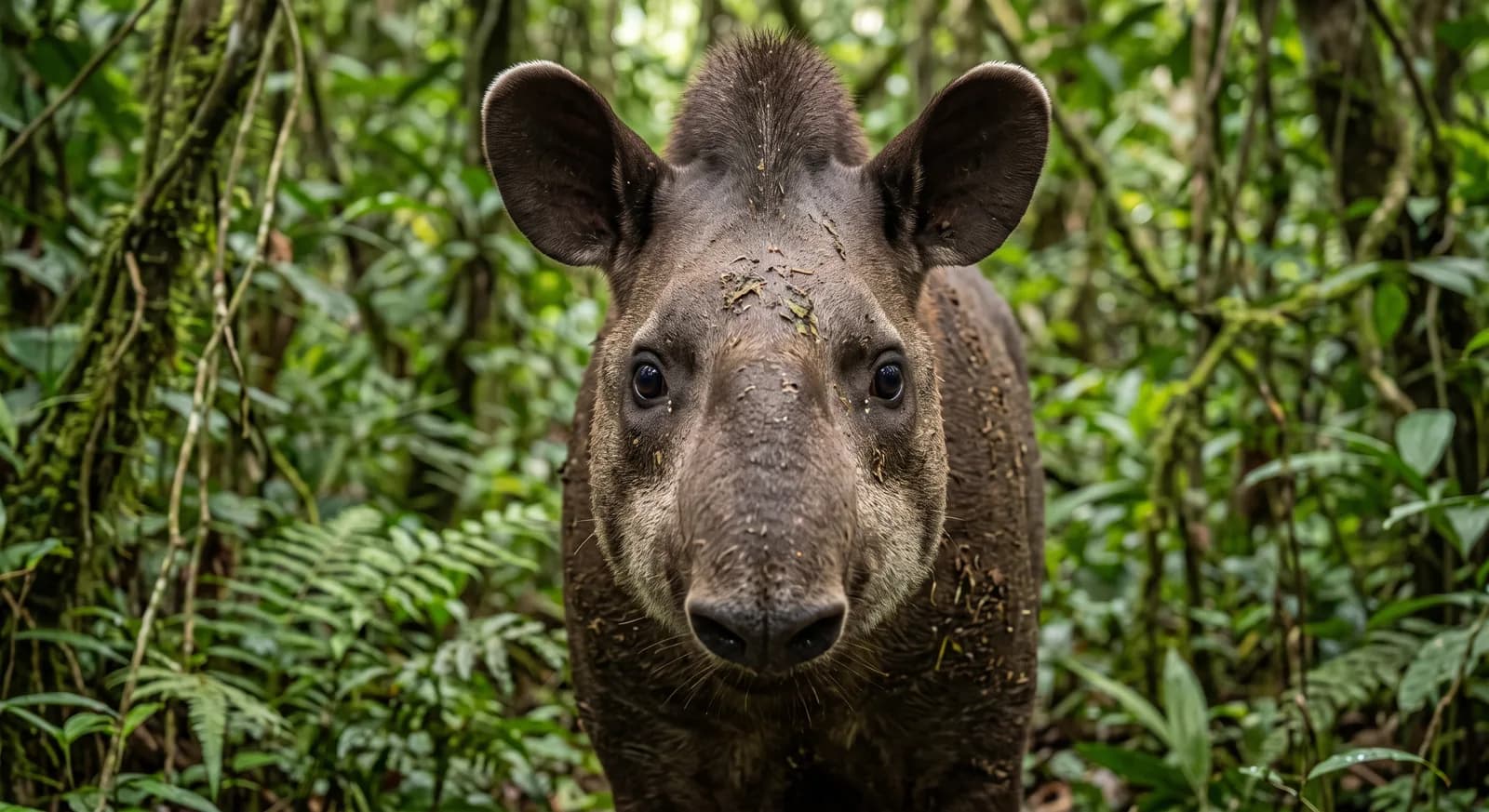 Vulnerable
Lowland Tapir
Tapirus terrestris
Northern Tiger Cat
Leopardus tigrinus
Military Macaw
Ara militaris
South American Bushmaster
Lachesis muta
How to help
The pudus is classified as vulnerable. Organizations such as UICN, WWF y Wildlife Conservation Society work specifically on its conservation and that of its habitat; looking into their programs is a good starting point if you want to get involved.
It's documented in 10 real protected areas — part of why protecting these places matters for its conservation.
Keep exploring
Based on what we already know about pudus.
Comments
Share an experience, a fun fact or a tip for seeing the pudus.
Be the first to comment.