Reptiles · Squamata · Viperidae
South American Bushmaster
Lachesis muta
It faces a high risk of extinction in the wild over the medium term. See full glossary
Lachesis muta, also known in Spanish as serpiente de cascabel muda, verrugosa del oriente, cuaima, surucucú, pucarara, cascabel pua, matabuey or shushupe, is a species of snake of the family Viperidae. It is the longest viper in the world, and possibly the second largest venomous snake, beaten only by the king cobra. It is found in Central and South America. Two subspecies are recognised, and according to some herpetologists there is a third subspecies endemic to Bolivia, to which the scientific name Lachesis muta bolivianus would correspond.
Weight
3 kg – 12 kg
Size
2 m – 3.5 m
Lifespan
20 years
Diet
Carnivore
Feeds mainly on other animals.
Activity
Crepuscular
Active above all at dawn and dusk.
Social structure
Solitary
Lives and hunts alone, joining others only to breed.
Sighting difficulty
Moderate
Fun facts
- GeneralThe largest viper in the world: it tops 3 m and is the only American one that lays eggs.
- It is the largest viper in the world and the only American venomous snake of its group that lays eggs: every other viper on the continent is viviparous.
- The female guards the clutch, coiled over it, for more than two months, an exceptional form of parental care among vipers.
- It is an indicator of primary forest: it disappears from fragmented or disturbed woodland, and its presence is used as a sign that a forest still has its original structure.
Life cycle & biology
- Skeleton type
- Vertebrate - internal bony skeleton (reptile)
- Habitat & environment
- Floor of primary lowland rainforest of the Amazon and the Guianas
- Sexual maturity
- 4 years
- Gestation / incubation
- 2.5 months
- Litter / clutch size
- 10
Sources consulted: https://es.wikipedia.org/wiki/Lachesis_muta
Where to find it
See its range on the interactive mapWhere to watch it
Parques y spots de buceo donde se ha documentado esta especie — se muestran 10 de 52 documentados.
Related species
Other species in the catalogue with the most in common with South American Bushmaster — same habitat, park, country, tags or family.
Eyelash Viper
Bothriechis schlegelii
Cascabel Rattlesnake
Crotalus durissus
 Vulnerable
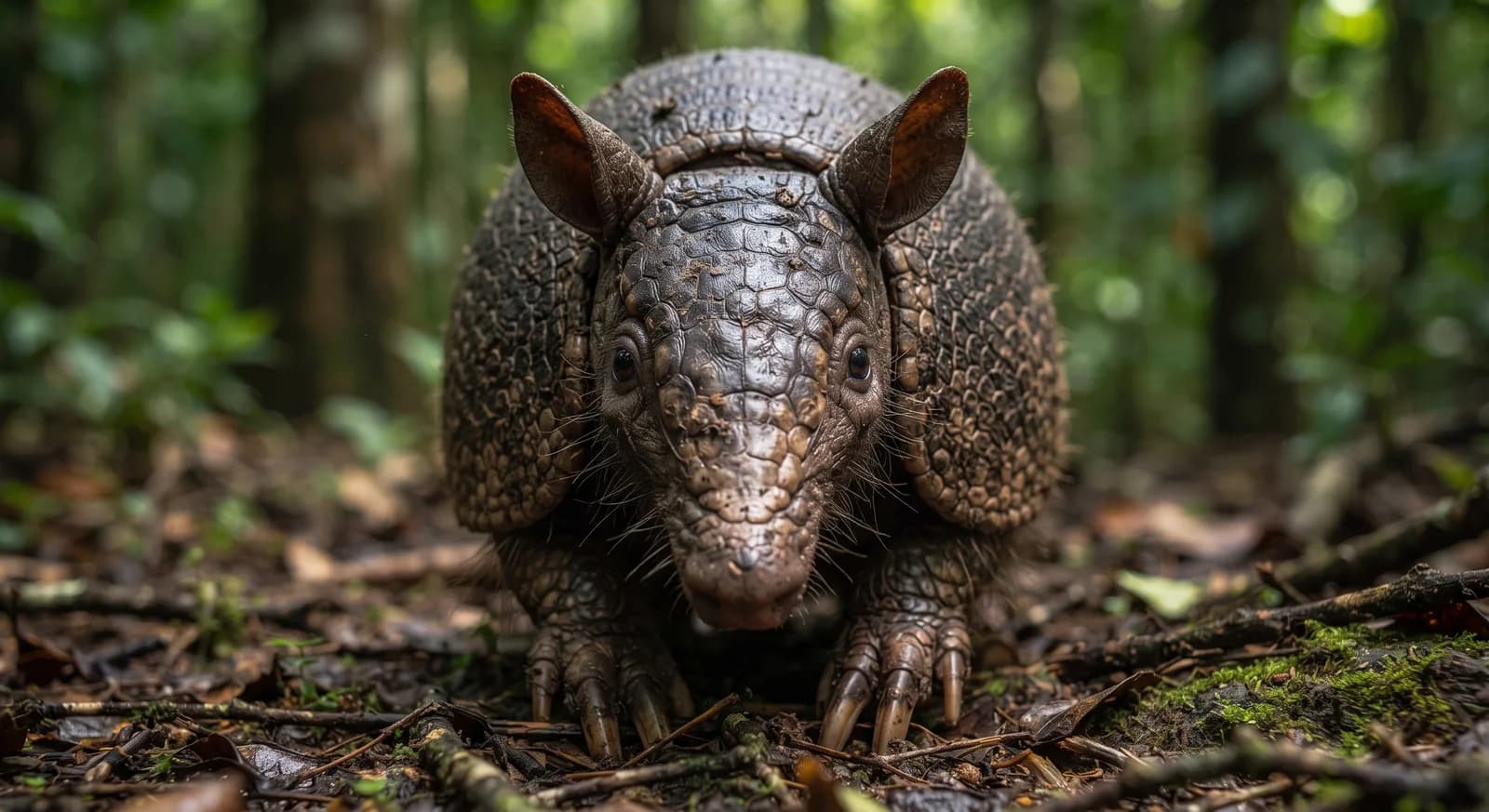
Giant Armadillo
Priodontes maximus
 Vulnerable
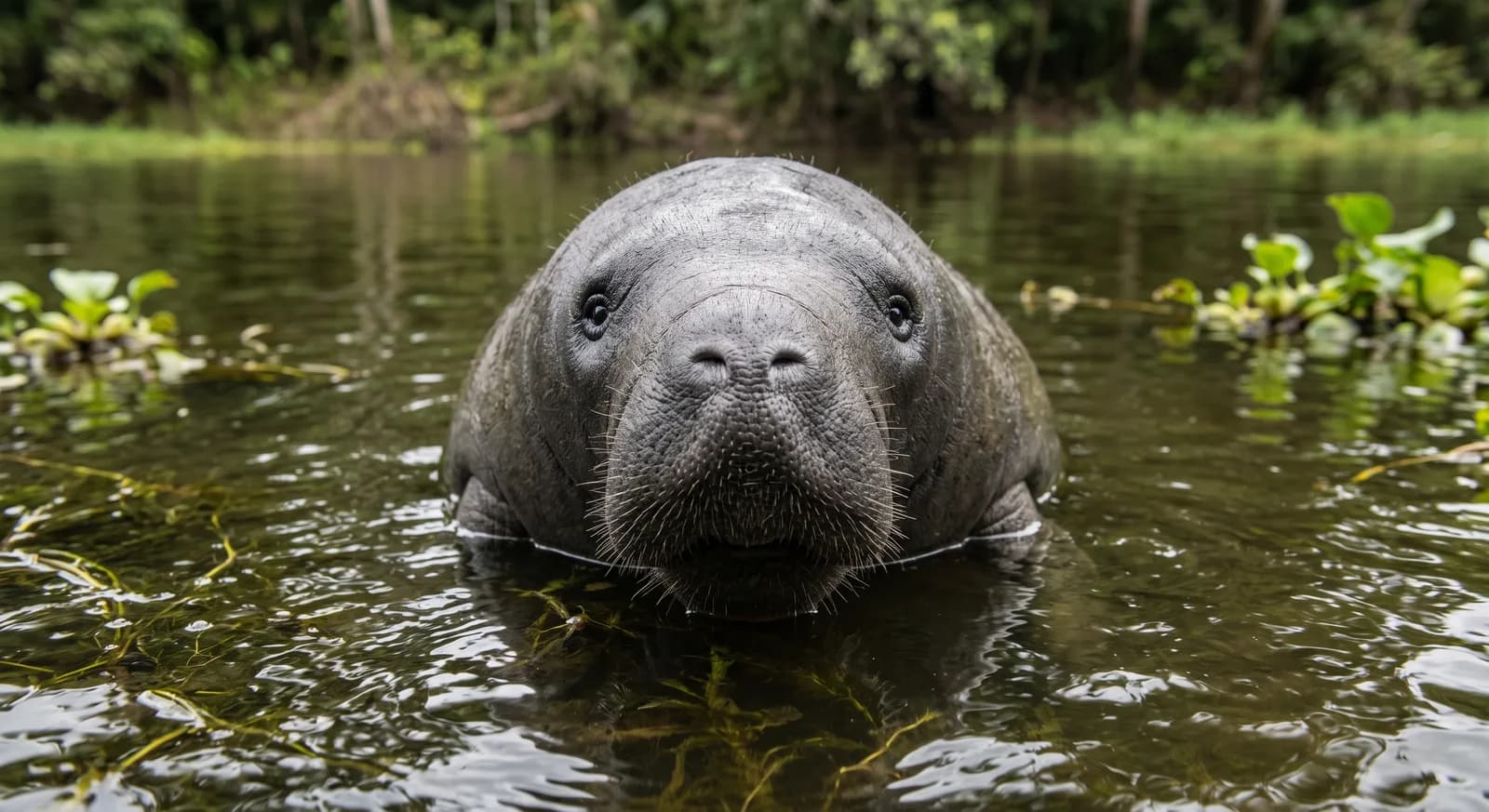
Amazonian Manatee
Trichechus inunguis
 Vulnerable
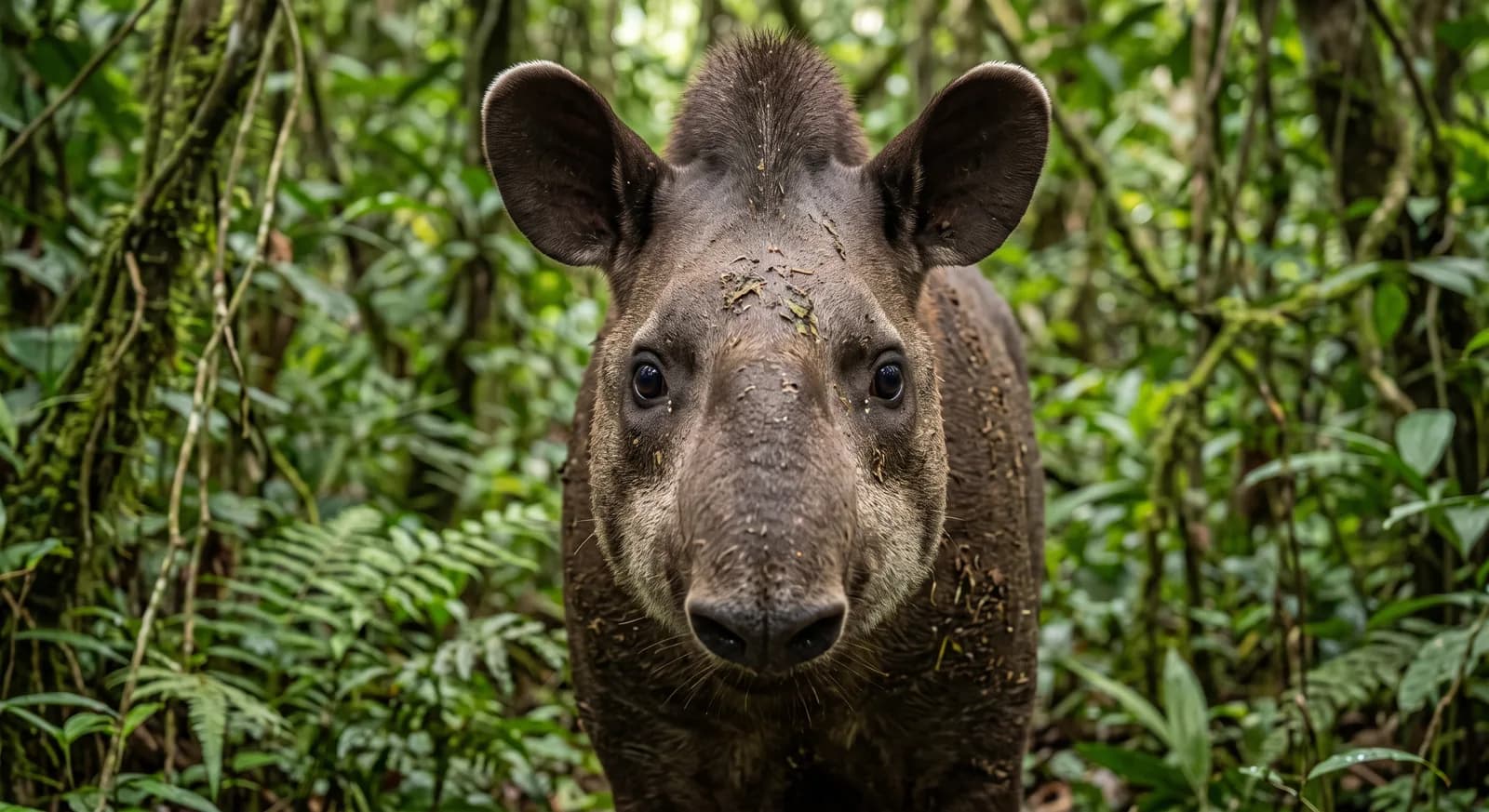
Lowland Tapir
Tapirus terrestris
Northern Tiger Cat
Leopardus tigrinus
How to help
The south american bushmaster is classified as vulnerable. Organizations such as UICN, WWF y Wildlife Conservation Society work specifically on its conservation and that of its habitat; looking into their programs is a good starting point if you want to get involved.
It's documented in 9 real protected areas — part of why protecting these places matters for its conservation.
Keep exploring
Based on what we already know about south american bushmaster.
Comments
Share an experience, a fun fact or a tip for seeing the south american bushmaster.
Be the first to comment.