Brazil
América del Sur
Brazil is the most biodiverse country on the planet and holds around sixty per cent of the Amazon rainforest, along with five other major biomes. The Cerrado, the richest savannah in the world in plant species, covers much of the centre of the country and acts as a water tank feeding the rivers of three basins. The Pantanal, in the southwest, is the largest continuous wetland on the planet; it floods every year and in the dry season concentrates a density of wildlife comparable to Africa's, with the best chance in the world of seeing jaguars. The Atlantic Forest, along the coast, is a biodiversity hotspot reduced to fragments, and the Caatinga is the largest tropical dry forest in South America.
The nature of Brazil
National animal: The rufous-bellied thrush is the national bird; the jaguar is the country's emblematic animal
Did you know?
The golden lion tamarin, a small primate with an orange mane found only in the Atlantic Forest, was down to some two hundred animals in the 1970s. Its recovery combined breeding in zoos around the world, reintroduction into forest fragments, land purchases and the building of tree corridors over roads so that isolated groups could meet. Today they number more than four thousand, although a yellow fever outbreak struck them again in 2018.
Biodiversity profile
Climate
- •Ecuatorial humedo (Af) en la Amazonia
- •Tropical con estacion seca (Aw) en el Cerrado y zonas centrales
- •Semiarido (BSh) en el Sertao (Caatinga)
- •Subtropical humedo (Cfa) en el sur
- •Templado oceanico en zonas altas del sur
Main biomes
- •Amazonia (selva tropical, mayor bosque continuo del mundo)
- •Cerrado (sabana, hotspot de biodiversidad)
- •Caatinga (matorral seco)
- •Mata Atlantica/Bosque Atlantico (hotspot, muy fragmentado)
- •Pantanal (humedal mas grande del mundo)
- •Pampa (pastizales del sur)
- •Selva amazónica
- •Humedal del Pantanal
- •Sabana del Cerrado
- •Mata Atlántica
- •Caatinga o bosque seco
- •Manglar costero
- •Pampa meridional
Marine and coastal ecosystems
- •Mayor extension continua de manglares del mundo
- •Arrecifes de coral en Abrolhos (unicos del Atlantico Sur)
- •Praderas marinas costeras
Flagship wildlife
- •Jaguar
- •Tucan
- •Delfin rosado del Amazonas (boto)
- •Arara azul
- •Perezoso
- •Anaconda
- •Capibara
- •Oso hormiguero gigante
- •Tití león dorado
- •Lobo de crin
- •Guacamayo jacinto
- •Nutria gigante
- •Tapir amazónico
- •Tortuga arrau
- •Ballena franca austral
Notable endemic species
- •Mono leon dorado (Mata Atlantica)
- •Lobo de crin
- •Mico leon negro
- •Numerosas especies de aves y anfibios exclusivas del Cerrado y la Mata Atlantica
- •Tití león dorado
- •Guacamayo de Spix
- •Mono muriquí
- •Guacamayo jacinto
Notable threatened species
- •Mono leon dorado (En Peligro, recuperado desde Peligro Critico)
- •Jaguar (Casi Amenazado, en declive por perdida de habitat)
- •Delfin rosado del Amazonas (En Peligro)
- •40% de la biodiversidad del este de Brasil en riesgo por cambio climatico segun proyecciones a 2060
Notable protected areas
- •Parque Nacional de Iguazu
- •Reserva de la Biosfera del Cinturon Verde de Sao Paulo
- •Complejo de Areas Protegidas de la Amazonia Central
- •Parque Nacional do Jaú
- •Pantanal Matogrossense
- •Parque Nacional da Chapada dos Veadeiros
- •Parque Nacional do Iguaçu
- •Archipiélago de Fernando de Noronha
- •Parque Nacional dos Lençóis Maranhenses
Main conservation threats
- •Deforestacion (especialmente en la Amazonia y el Cerrado)
- •Incendios (84% de las areas quemadas en 2023 tenian vegetacion nativa)
- •Cambio climatico (extincion proyectada del 40% de biodiversidad en el este del pais para 2060)
- •Expansion agricola y ganadera
- •Mineria ilegal
Notable natural phenomena
- •Pulso de inundacion anual del Pantanal, que regula la biodiversidad del humedal
- •Floracion sincronizada de ipes en el Cerrado tras la estacion seca
Conservation
Spix's macaw became extinct in the wild in the year 2000 and has begun to be reintroduced into the Caatinga from birds bred in captivity in Europe. Deforestation of the Amazon and the Cerrado, driven by cattle and soy, remains the country's greatest environmental problem.
Where and when to watch wildlife
The northern Pantanal between July and October for jaguars along the riverbanks. Amazonia at high water to travel the flooded forest by canoe. Fernando de Noronha year-round for spinner dolphins and turtles.
Sources: BioDB.com - Brasil | Change The Chamber - Beautiful Brazil | Nature Scientific Reports - Biodiversity conservation gaps in Brazilian PAs | Wikipedia - Araucaria/Alto Parana Atlantic forests
Natural phenomena in Brazil
- Mejor época para avistar jaguares en el Pantanal — Junio a octubre (estación seca)
- Mejor época para avistar nutrias gigantes en el Pantanal — Junio a septiembre (estación seca)
- Mejor época para avistar delfines rosados del Amazonas — Junio a noviembre (estación de aguas bajas)
Parks and reserves
Pantanal Matogrossense
The protected core of the largest tropical wetland on the planet, shared with Bolivia and Paraguay
View parkNational ParkChapada dos Veadeiros
Quartzite plateaux of the Goiás Cerrado, one of the oldest tropical ecosystems on the planet.
View parkNational ParkEmas
One of the best places in the world to watch bioluminescent termite mounds during the rainy season
View parkMarine National ParkFernando de Noronha
A volcanic archipelago with strict daily visitor limits; waters with the greatest concentration of spinner dolphins in the world
View parkNational ParkIguaçu
The Iguaçu Falls and the largest remnant of interior Atlantic Forest, on the border with Argentina.
View parkNational ParkIguaçu (lado brasileño)
The Iguaçu Falls, 275 separate cataracts, among the greatest curtains of water on the planet
View parkNational ParkJaú
One of the largest rainforest parks in the world, the core of the Central Amazon Conservation Complex.
View parkNational ParkIguaçu National Park
The Brazilian side of the Iguaçu Falls, with the largest stretch of protected Atlantic Forest in the country.
View parkWorld Heritage Site (Natural)Reservas del Bosque Atlántico de la Costa del Descubrimiento
Eight protected areas in Bahia and Espírito Santo where the Portuguese landed in 1500, holding the Atlantic Forest richest in tree species in the world.
View parkWorld Heritage Site (Natural)Reservas del Bosque Atlántico del Sudeste
Twenty-five protected areas in São Paulo and Paraná that preserve the largest continuous expanse of Atlantic Forest.
View parkDiving and snorkelling
Fernando de Noronha
An archipelago formed by the volcanic peaks of a submerged ocean ridge. Its waters are a breeding and feeding ground for tuna, sharks, turtles and marine mammals, and the visibility ranks among the best in the South Atlantic.
View dive siteRocky reef/WreckArraial do Cabo
Known as the Brazilian Caribbean, with cold, nutrient-rich water from marine upwelling.
View dive siteReef/Coastal pelagicBaía dos Golfinhos
A bay in north-eastern Brazil with a resident, protected population of spinner dolphins.
View dive siteSubtropical rocky reefIlha do Mel
An island in southern Brazil with colder and less explored water than the tropical coast of the country's north-east.
View dive siteRocky reefIlha Grande
A lush island with several wrecks and rock outcrops off the coast of Rio de Janeiro state.
View dive siteNatural rock pool reefRecife / Porto de Galinhas
Natural low-tide pools formed by sandstone reefs, popular for family diving and snorkelling.
View dive siteFauna que puedes ver ahora
¿Qué merece la pena observar este mes en Brazil?
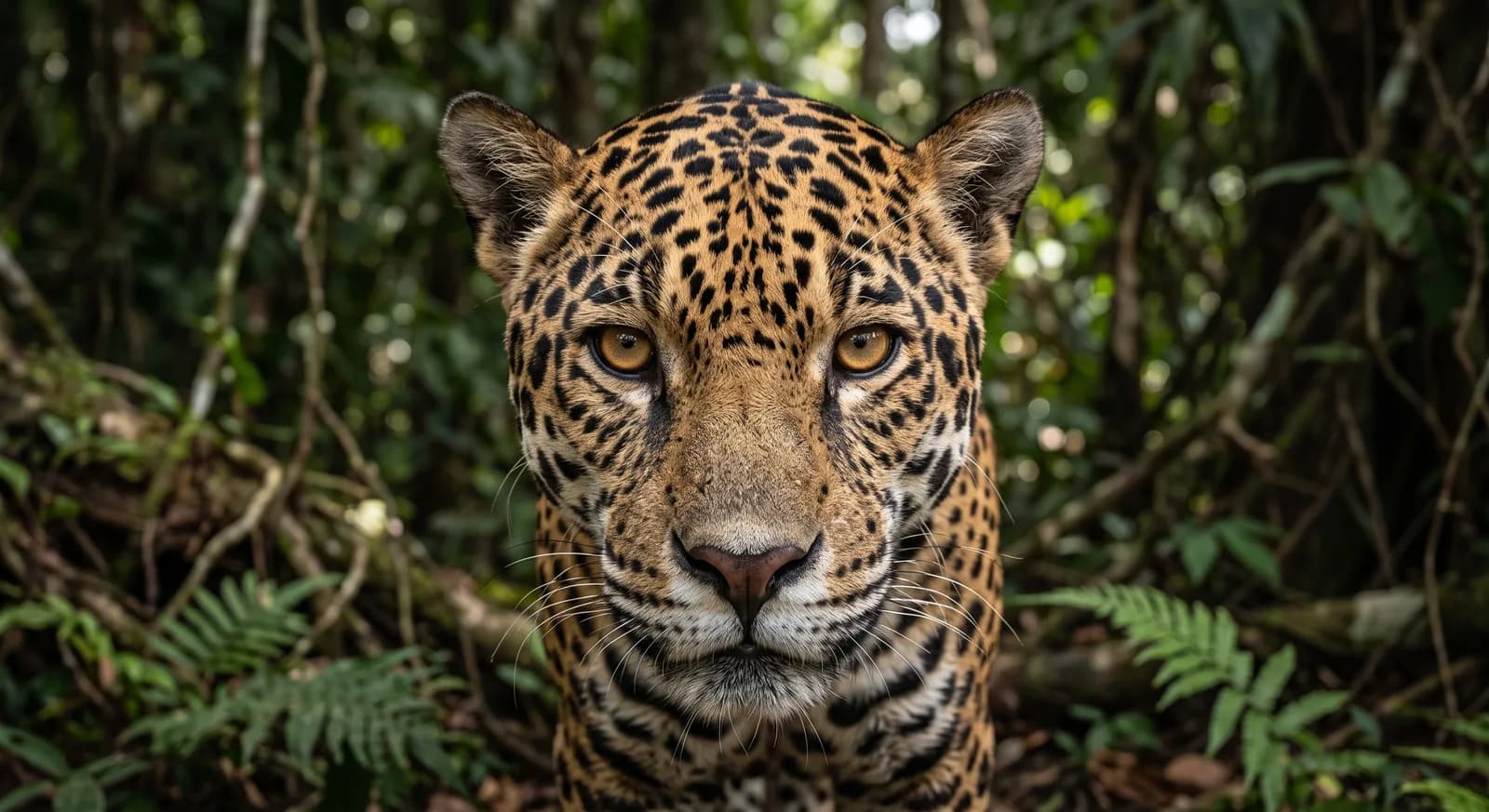 Near Threatened
Jaguar
Panthera onca
Ahora es buena época: Mejor época para avistar jaguares en el Pantanal (Junio a octubre (estación seca))
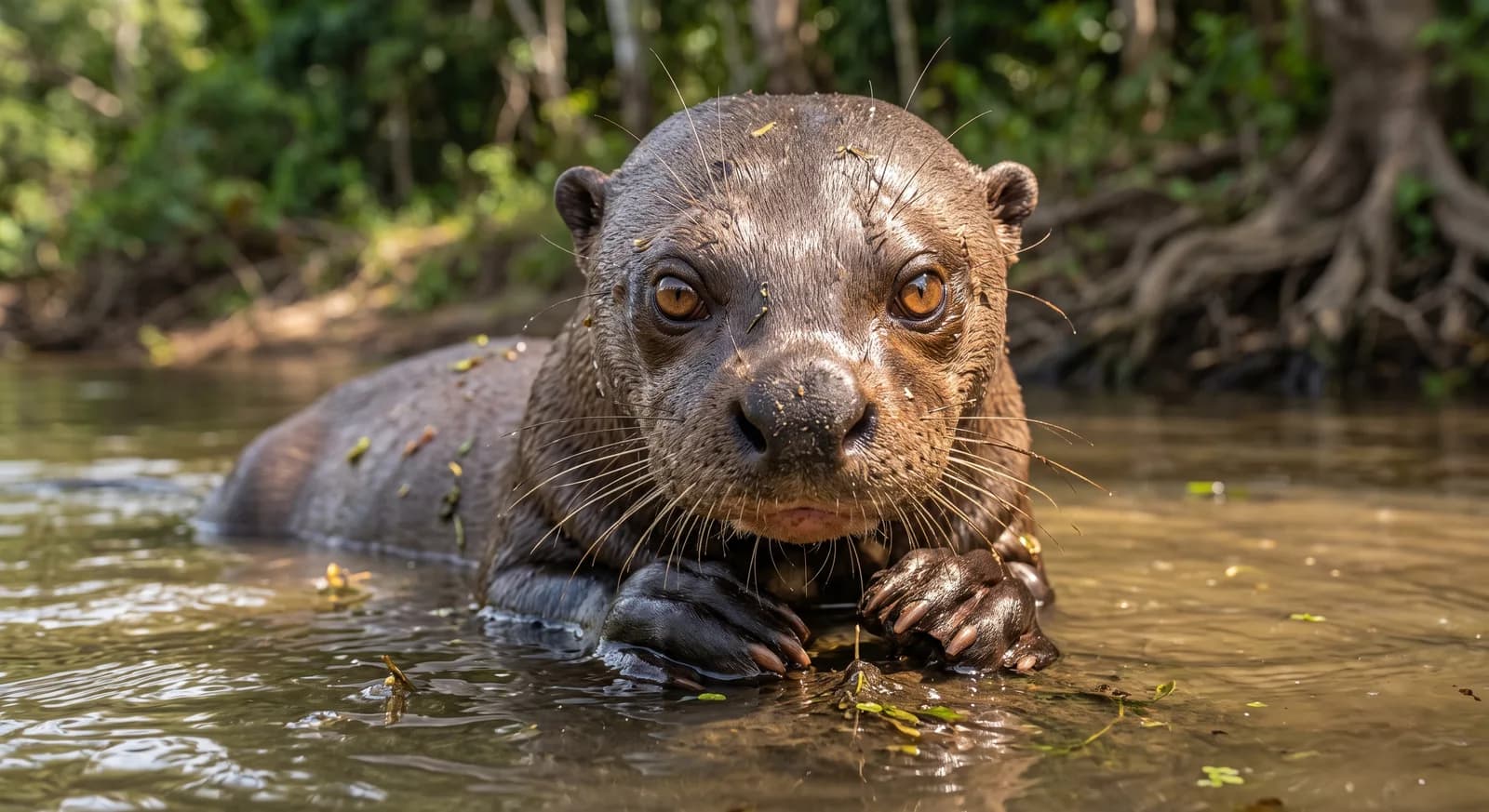 Endangered
Giant Otter
Pteronura brasiliensis
Ahora es buena época: Mejor época para avistar nutrias gigantes en el Pantanal (Junio a septiembre (estación seca))
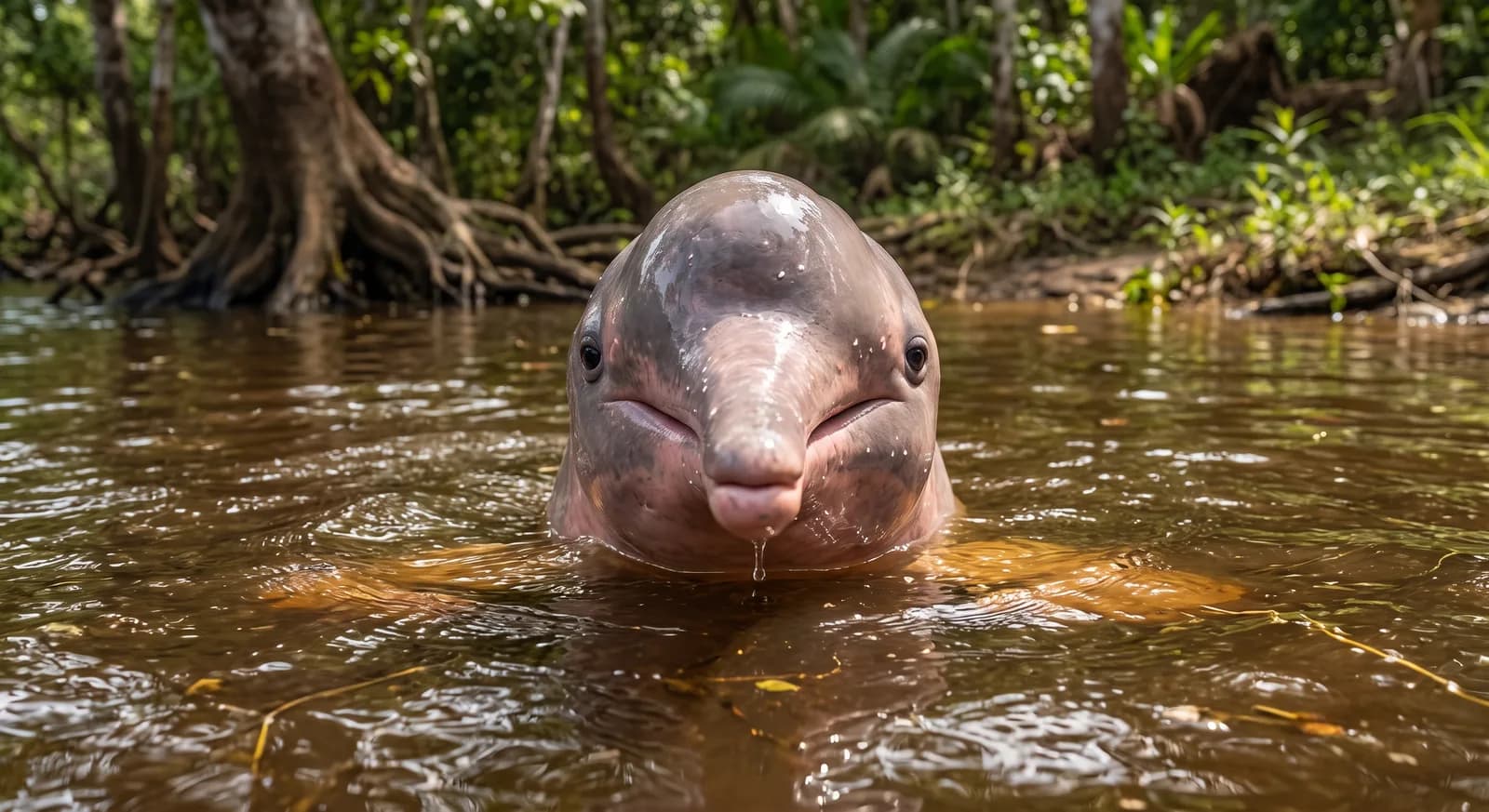 Endangered
Amazon River Dolphin
Inia geoffrensis
Ahora es buena época: Mejor época para avistar delfines rosados del Amazonas (Junio a noviembre (estación de aguas bajas))
Especies documentadas en Brazil
450 species found
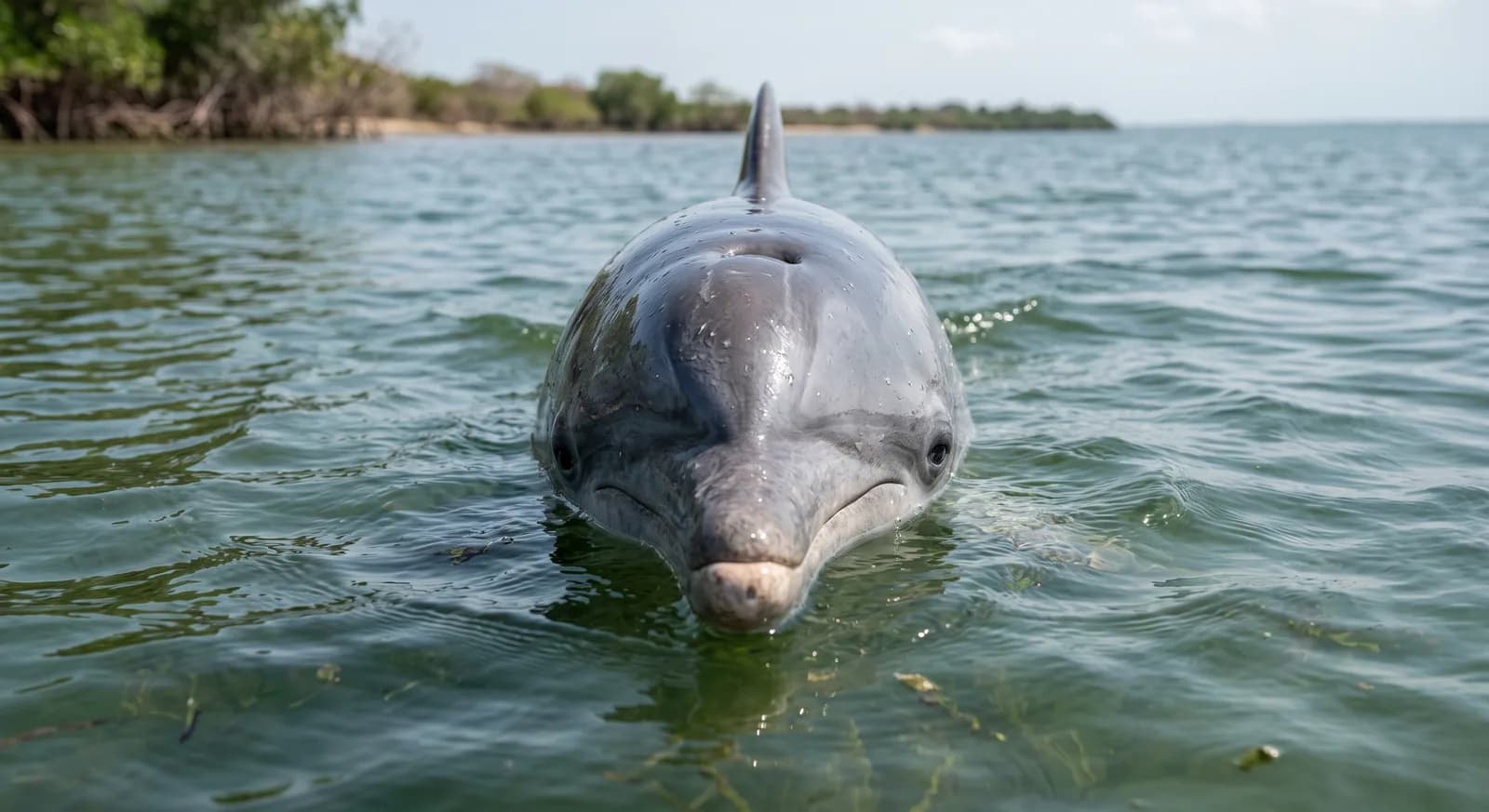 Critically Endangered
Atlantic Humpback Dolphin
Sousa teuszii
 Critically Endangered
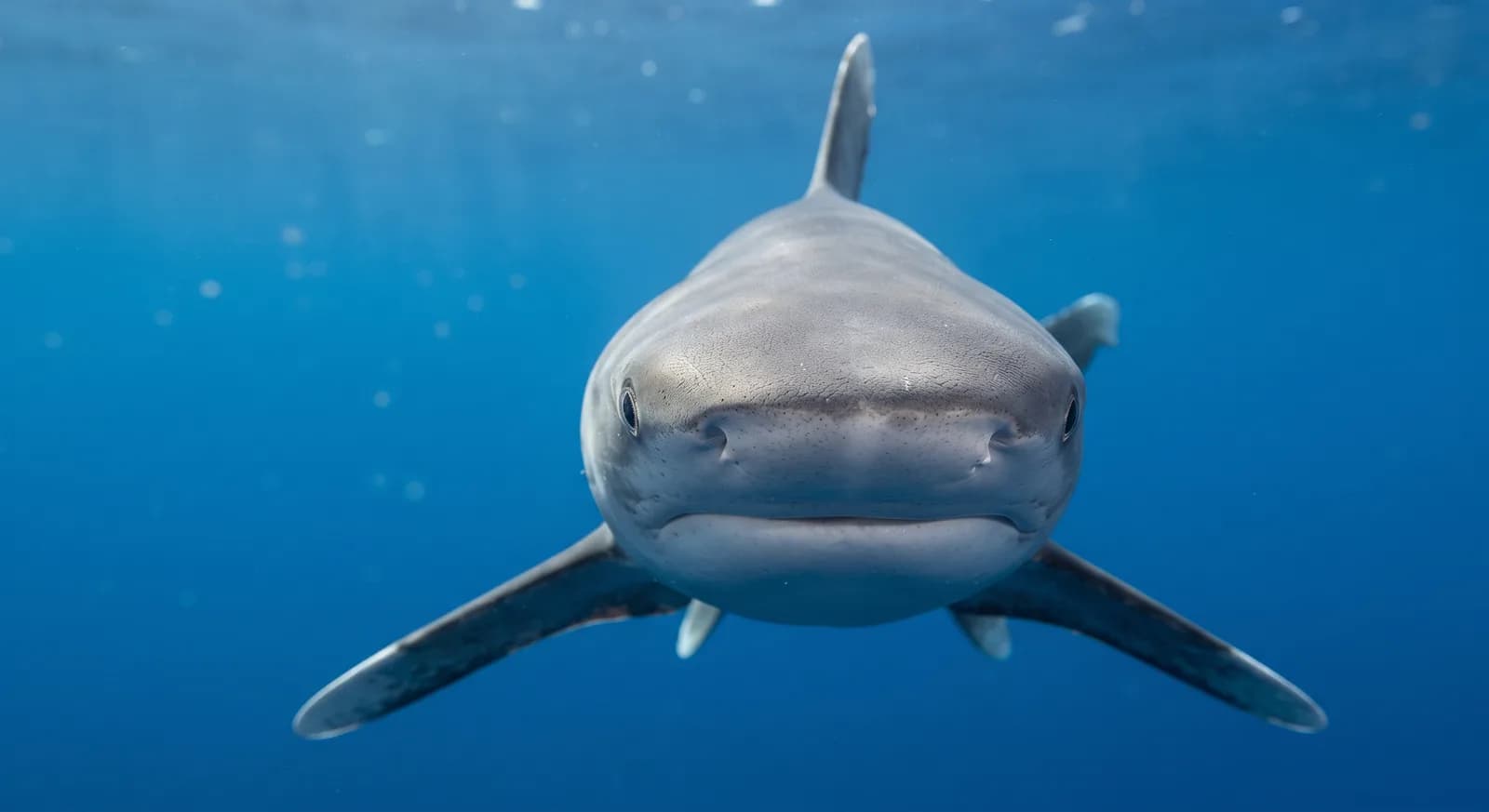
Oceanic Whitetip Shark
Carcharhinus longimanus
 Critically Endangered
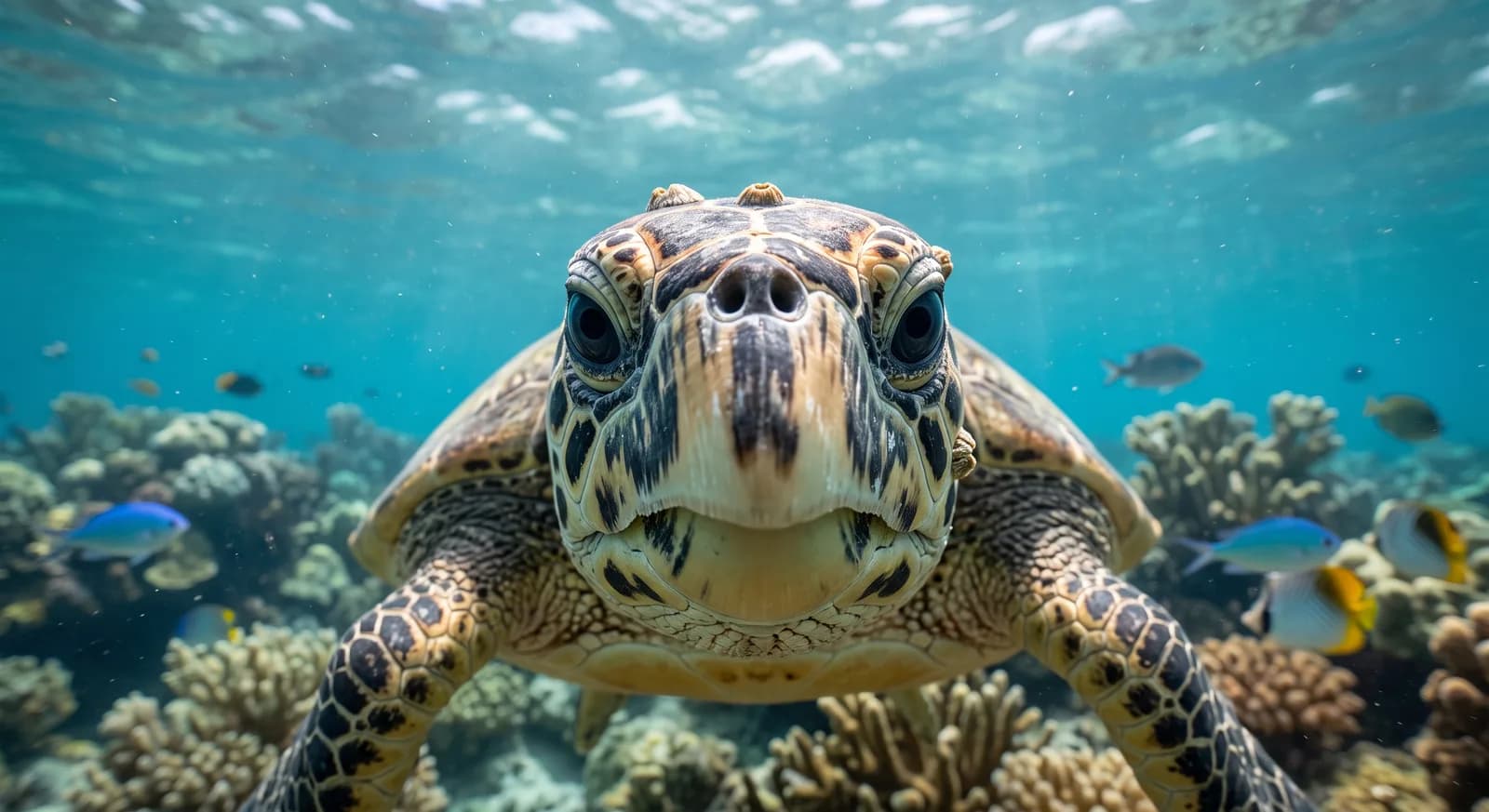
Hawksbill Turtle
Eretmochelys imbricata
 Endangered
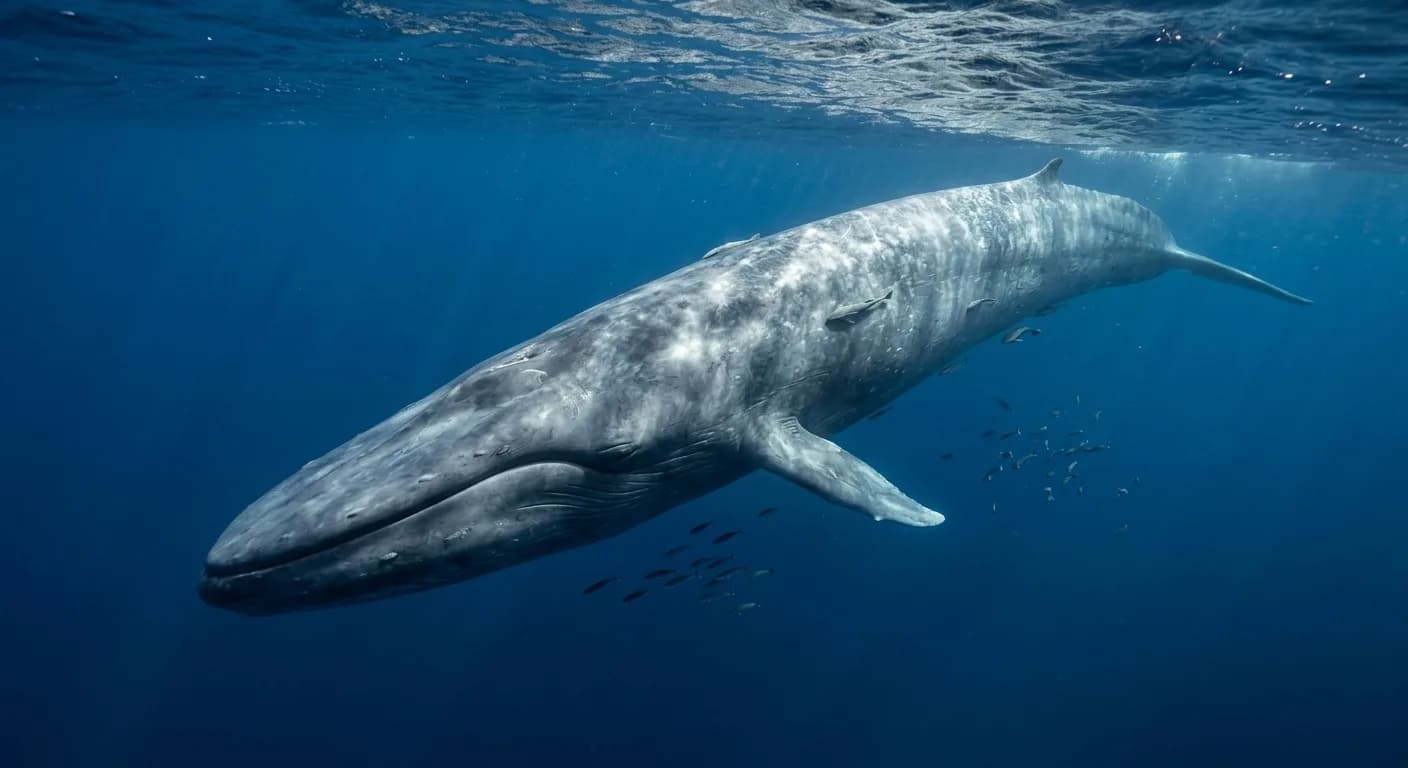
Blue Whale
Balaenoptera musculus
EndangeredAmazon River Dolphin
Inia geoffrensis
 Endangered
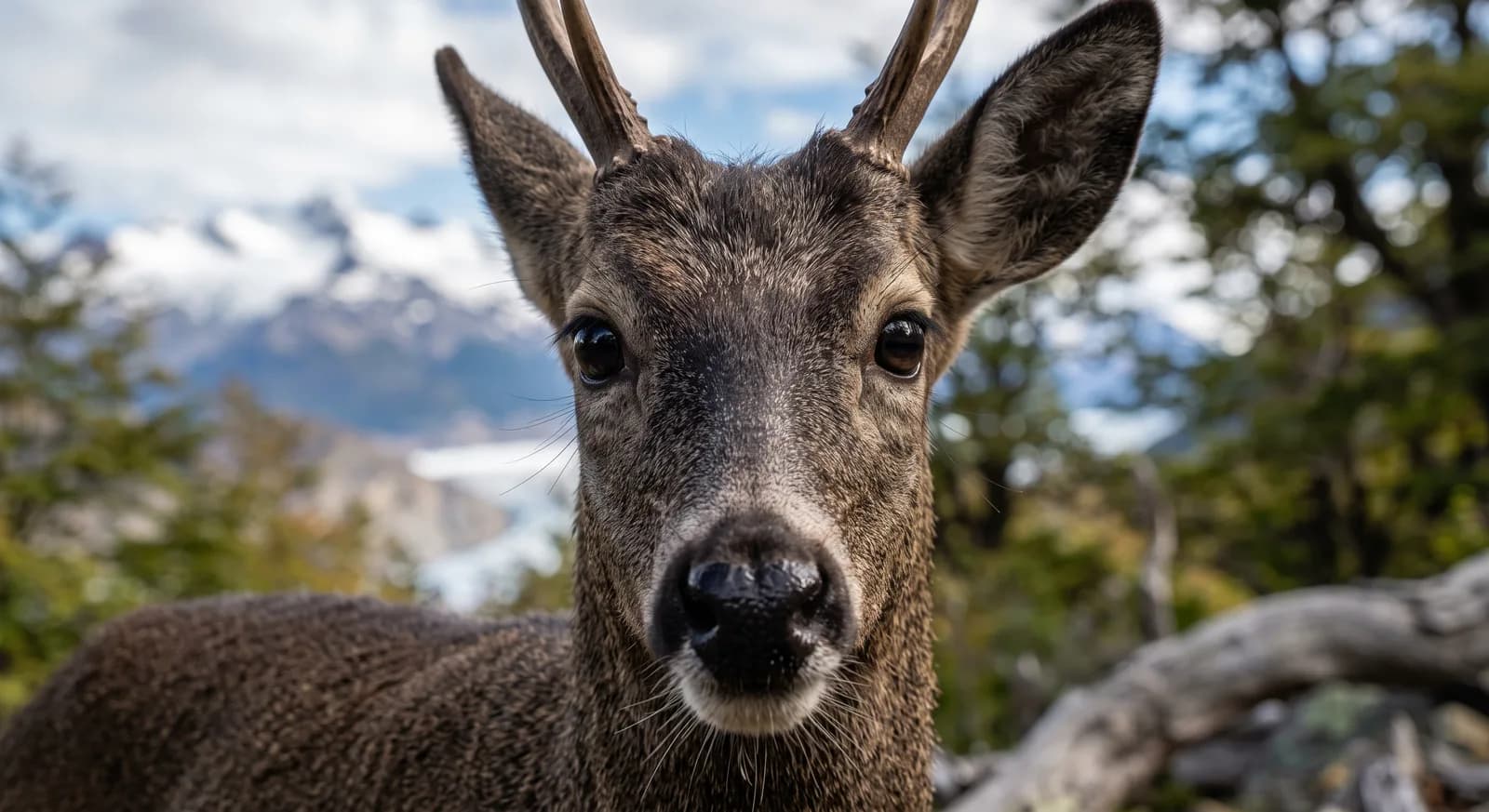
Patagonian Huemul
Hippocamelus bisulcus
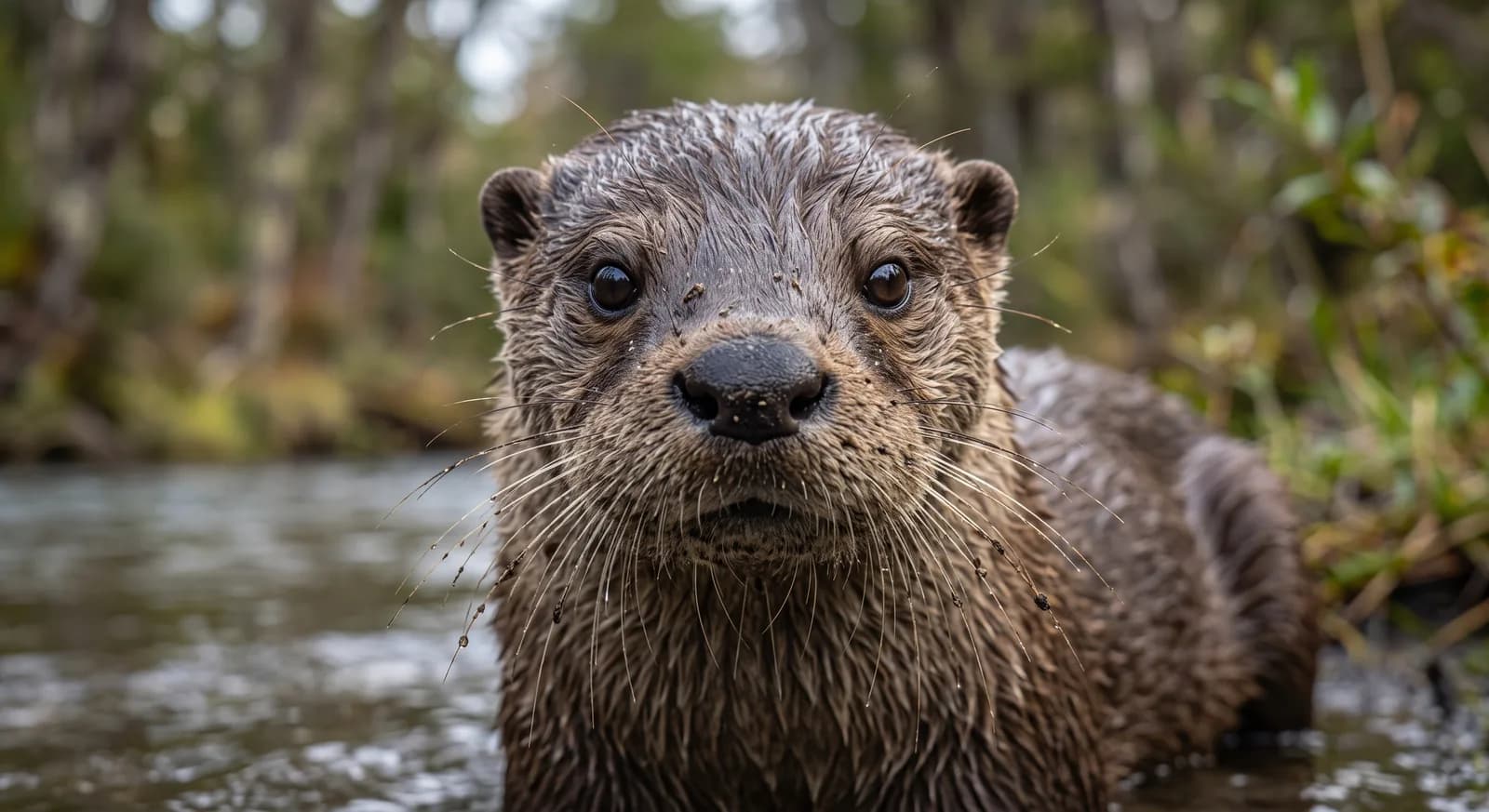 Endangered
Southern River Otter
Lontra provocax
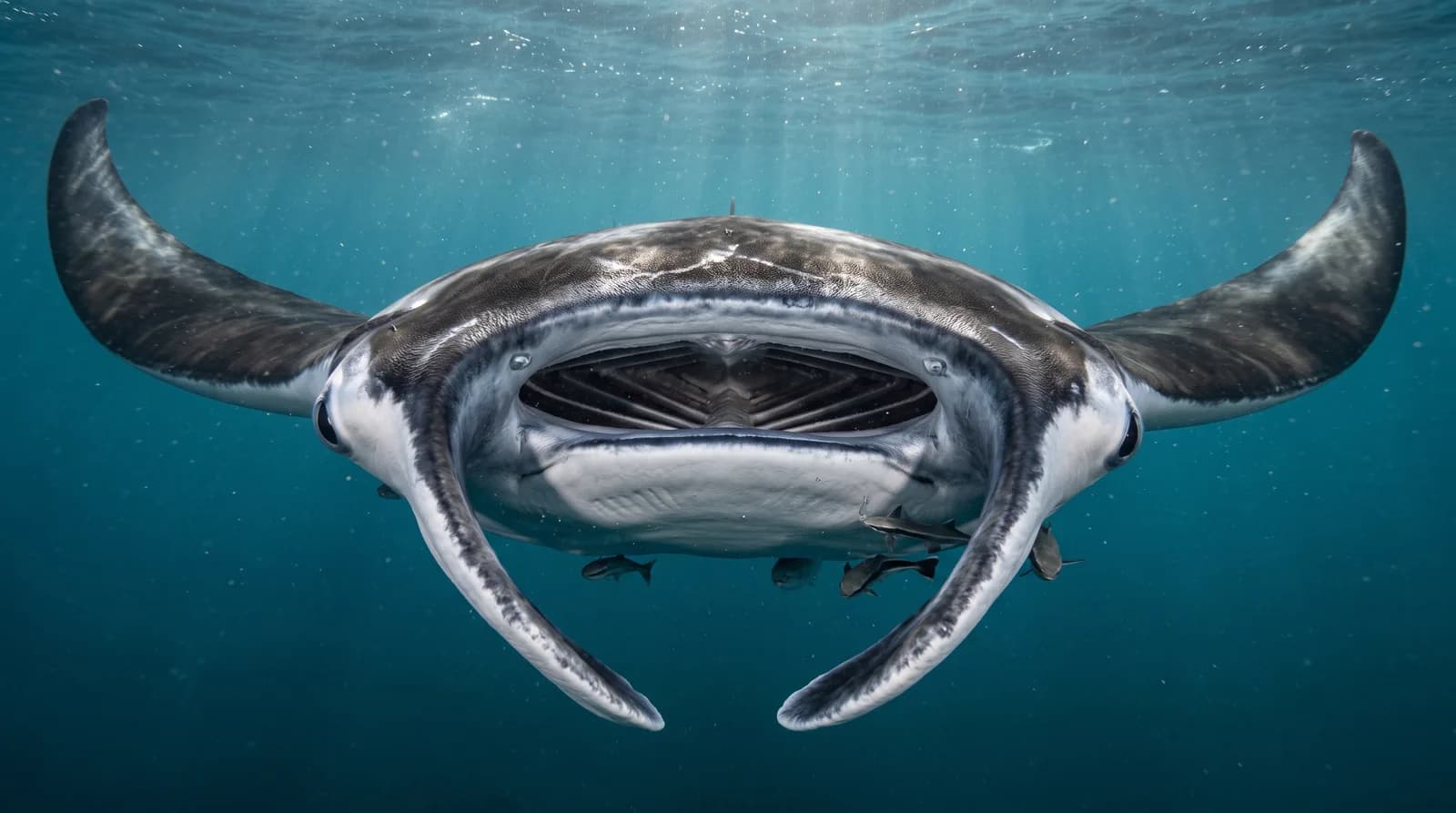 Endangered
Giant Manta
Mobula birostris
EndangeredGiant Otter
Pteronura brasiliensis
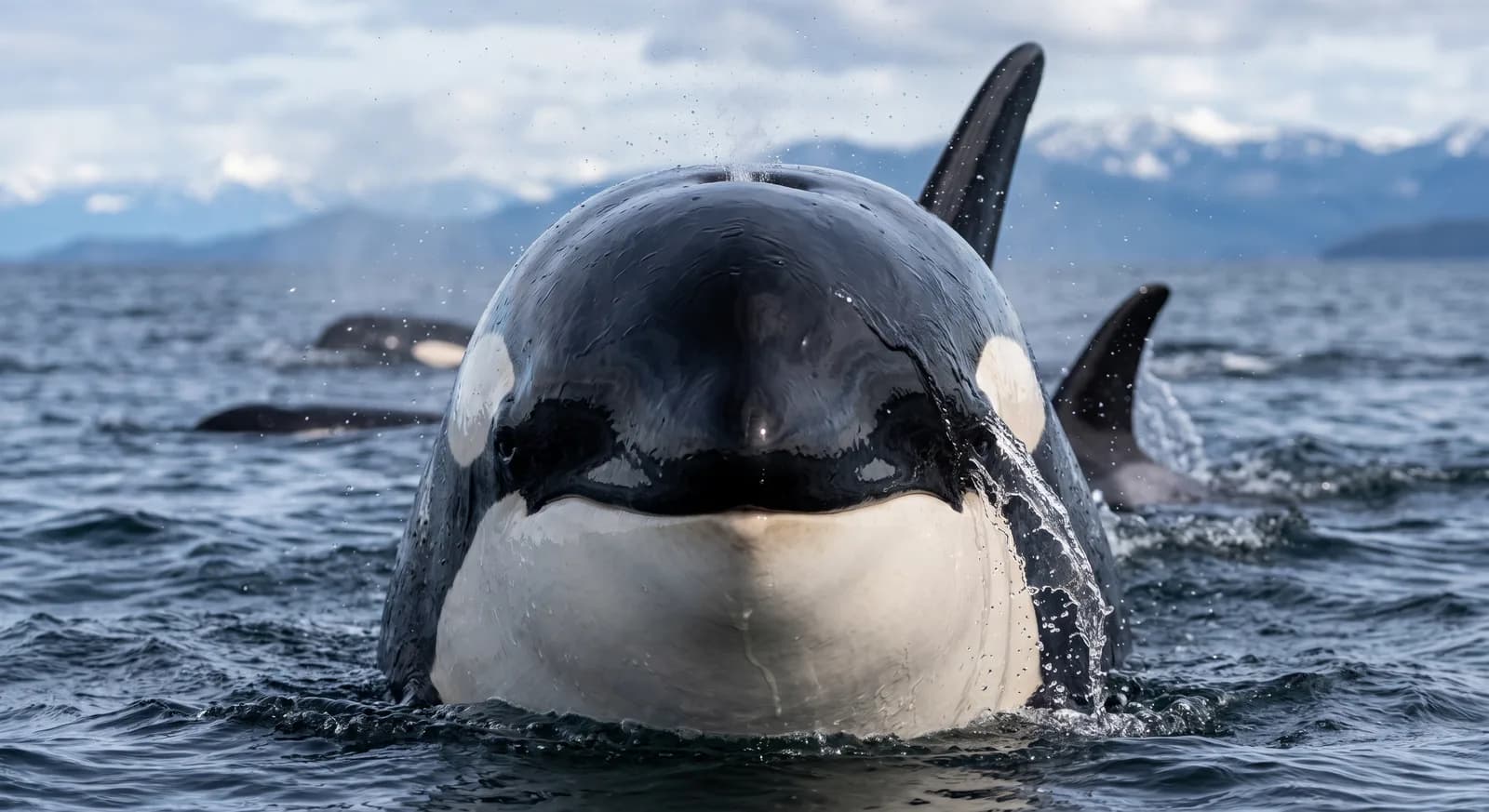 Endangered
Killer Whale
Orcinus orca
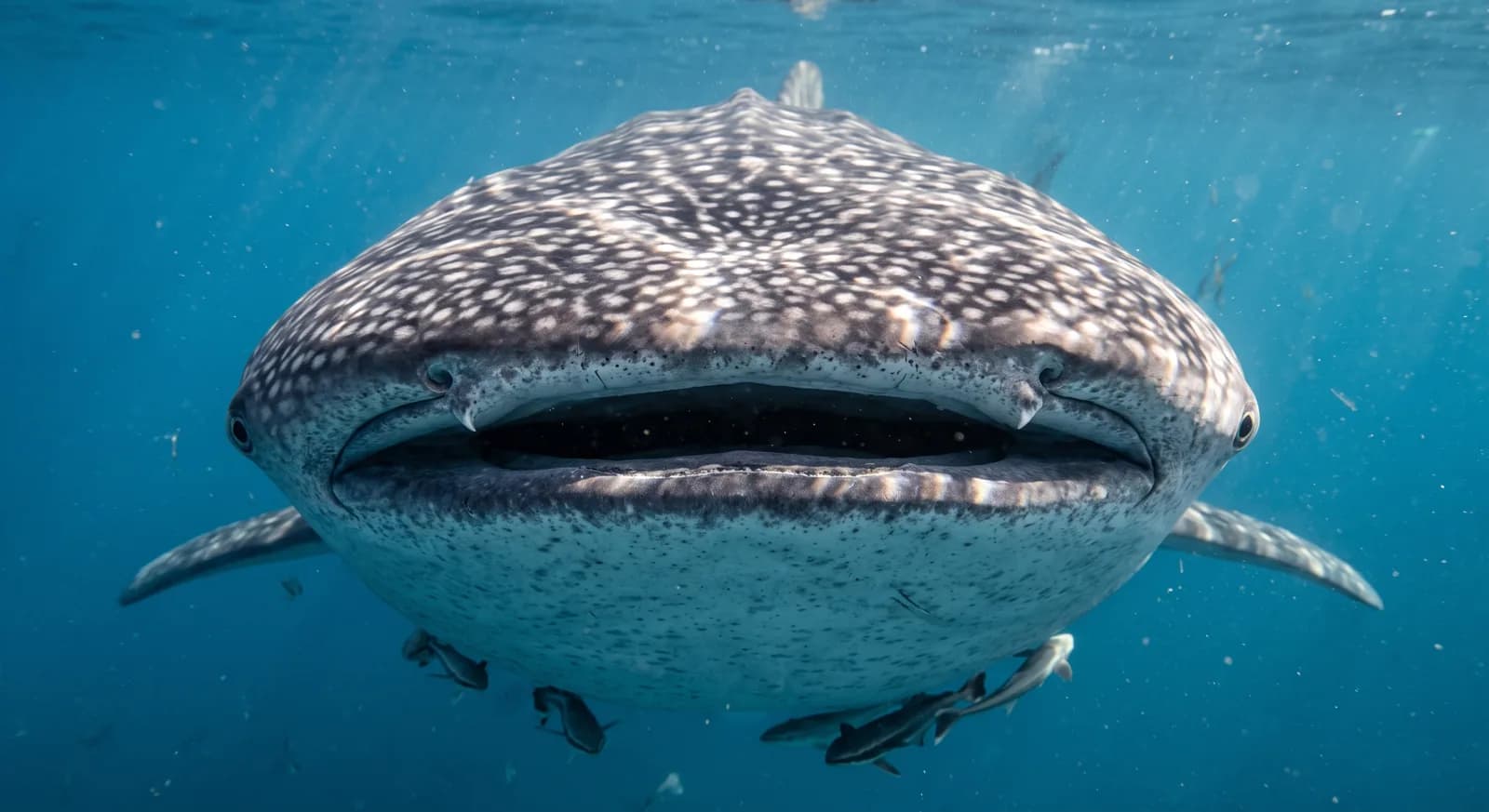 Endangered
Whale Shark
Rhincodon typus
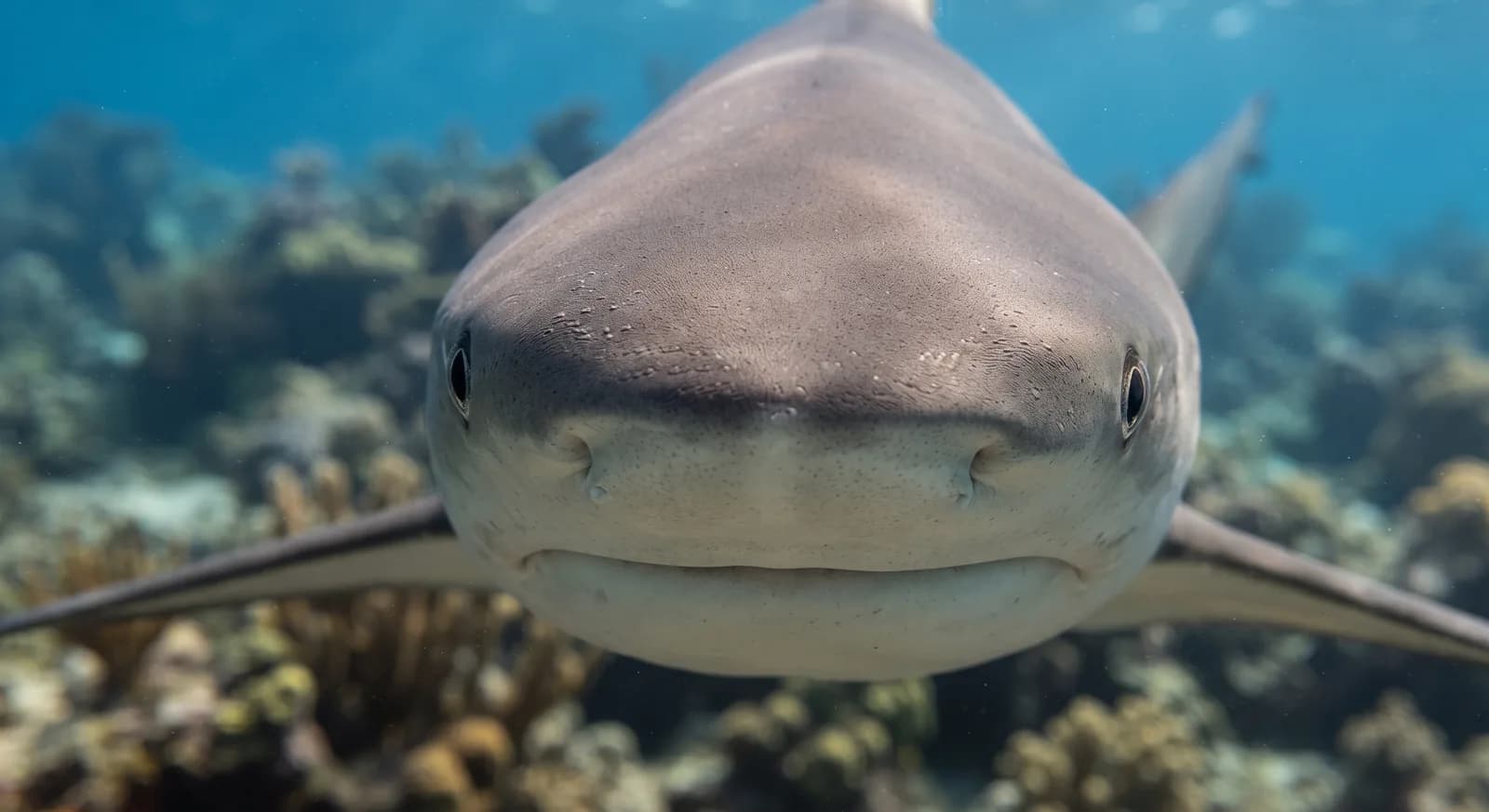 Endangered
Caribbean Reef Shark
Carcharhinus perezi
Keep exploring
Based on what we already know about Brazil.