One of the 3 tamanduas on WAnimals
Mammals · Pilosa · Myrmecophagidae
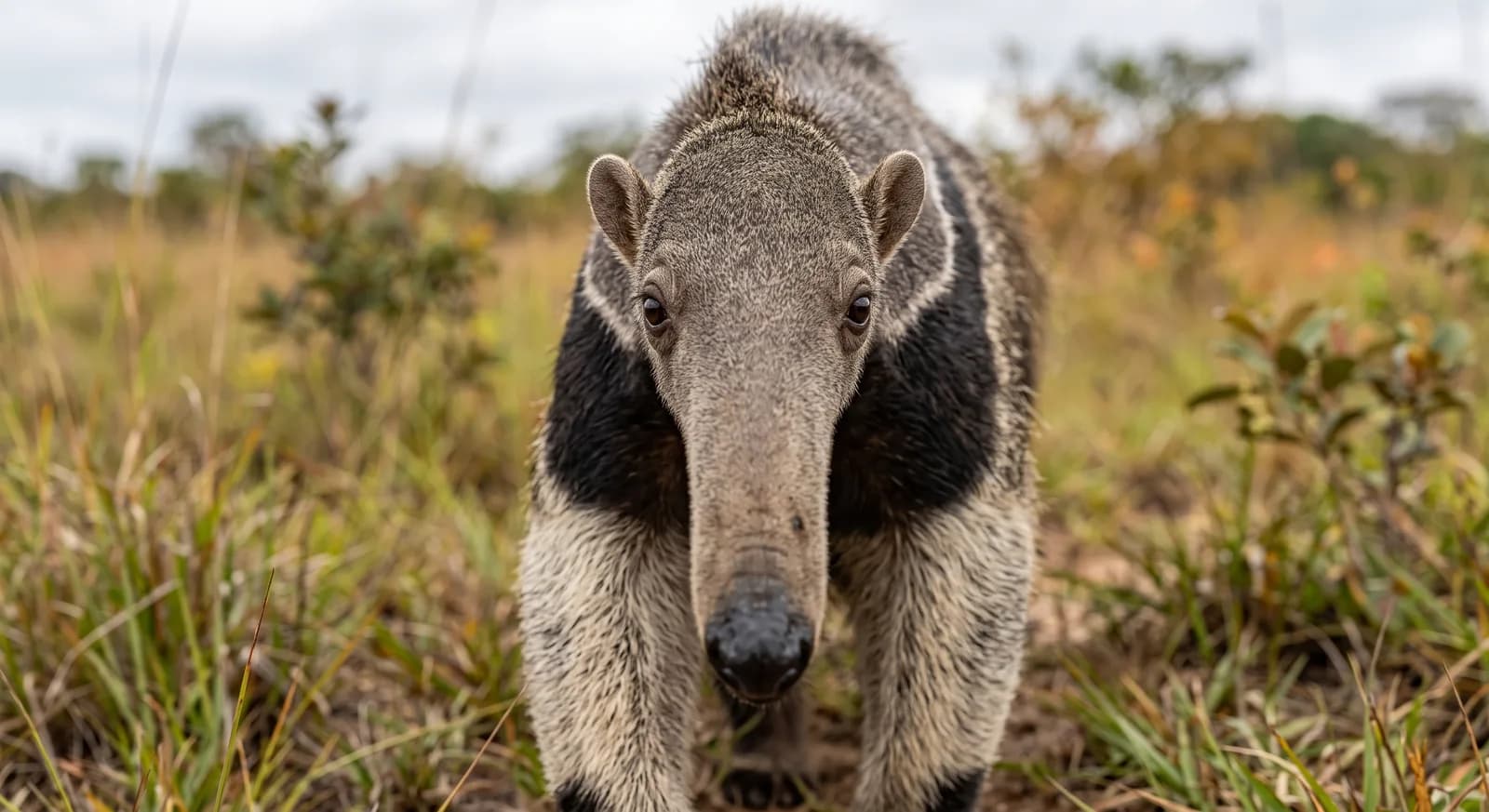
Giant Anteater
Myrmecophaga tridactyla
It faces a high risk of extinction in the wild over the medium term. See full glossary
It eats up to 30,000 ants and termites a day, and never destroys a nest completely so that it can come back and feed from the same colony later.
Weight
18 kg – 45.5 kg
Size
1.8 m – 2.2 m
Lifespan
15 years
Diet
Insectivore
Feeds mainly on insects and other invertebrates.
Activity
Irregular activity
Active at irregular times, by day or night depending on circumstances.
Social structure
Solitary
Lives and hunts alone, joining others only to breed.
Sighting difficulty
Moderate
Fun facts
- It eats up to 30,000 ants and termites a day with a tongue that extends up to 61 cm.
- It carries its pup on its back for about a year, the youngster's stripes lining up with its own as camouflage.
- It never destroys a nest completely, so that it can come back and feed from the same colony.
- anatomíaIt has no teeth, and its tongue — up to 60 cm long — flicks in and out of a nest as often as 150 times a minute.
Life cycle & biology
- Skeleton type
- Vertebrate - internal bony skeleton (mammal)
- Habitat & environment
- Tropical forest, savanna and grassland of Central and South America
- Birth weight
- 1.3-1.6 kg at birth, fully furred and already in the adult pattern
- Size at birth
- 1.3-1.6 kg at birth
- Sexual maturity
- 2.5-4 years
- Gestation / incubation
- 171-190 days (~6 months), possibly with delayed implantation
- Litter / clutch size
- 1 pup per birth, carried on its mother's back for up to a year
- Lifespan in captivity
- Documented record of up to 31 years
Sources consulted: Encyclopedia of Life; AnAge (genomics.senescence.info); Wikipedia (Giant anteater); PMC (threats conservation Cerrado study); Animal Diversity Web; Zoo Thailand; SeaWorld/United Parks; Cleveland Metroparks; PMC (fecal hormone delayed implantation study)
Where to find it
See its range on the interactive mapWhere to watch it
Parques y spots de buceo donde se ha documentado esta especie — se muestran 10 de 23 documentados.
Related species
Other species in the catalogue with the most in common with Giant Anteater — same habitat, park, country, tags or family.
Southern Tamandua
Tamandua tetradactyla
 Vulnerable
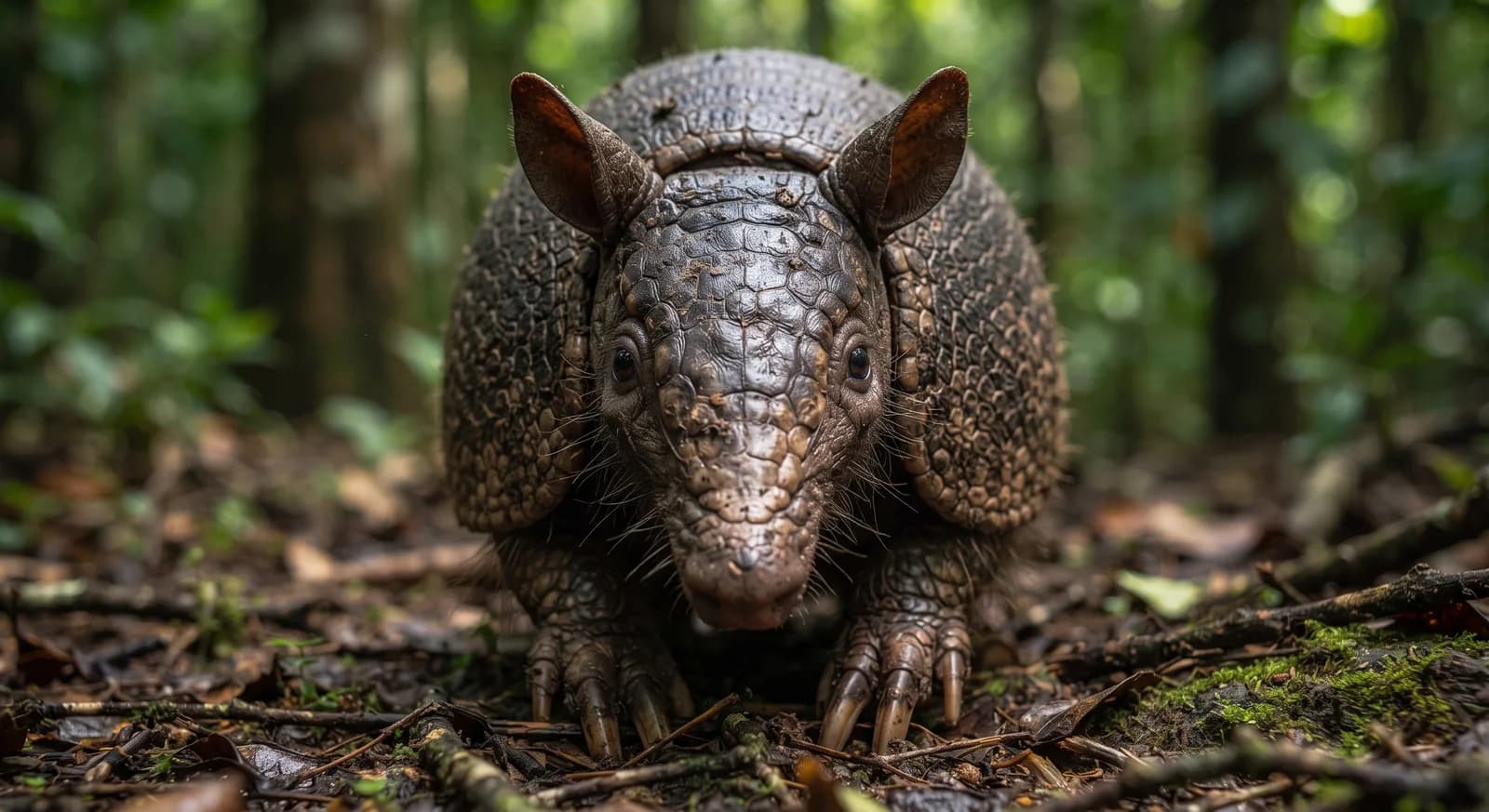
Giant Armadillo
Priodontes maximus
 Vulnerable
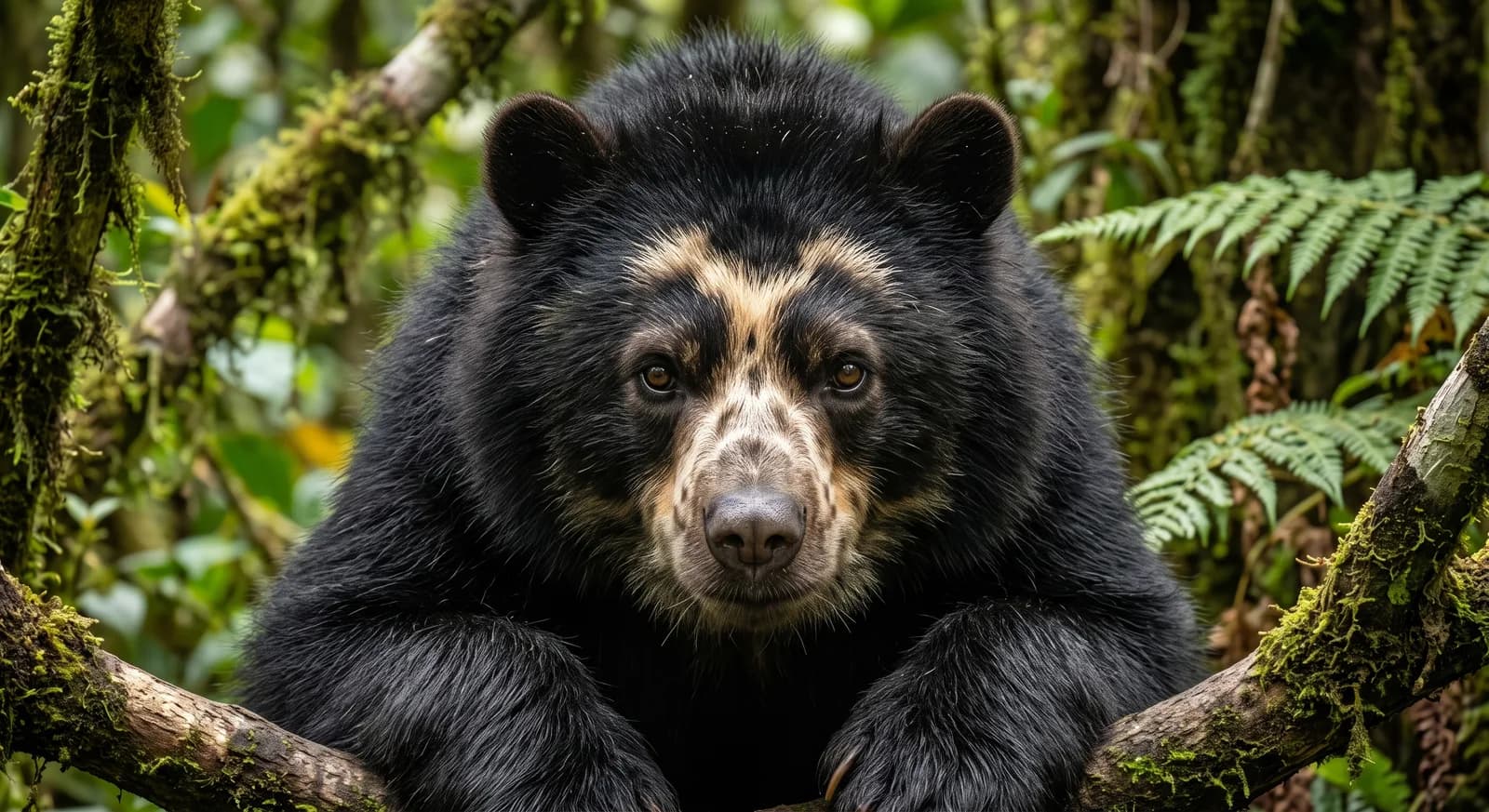
Andean Bear
Tremarctos ornatus
 Vulnerable
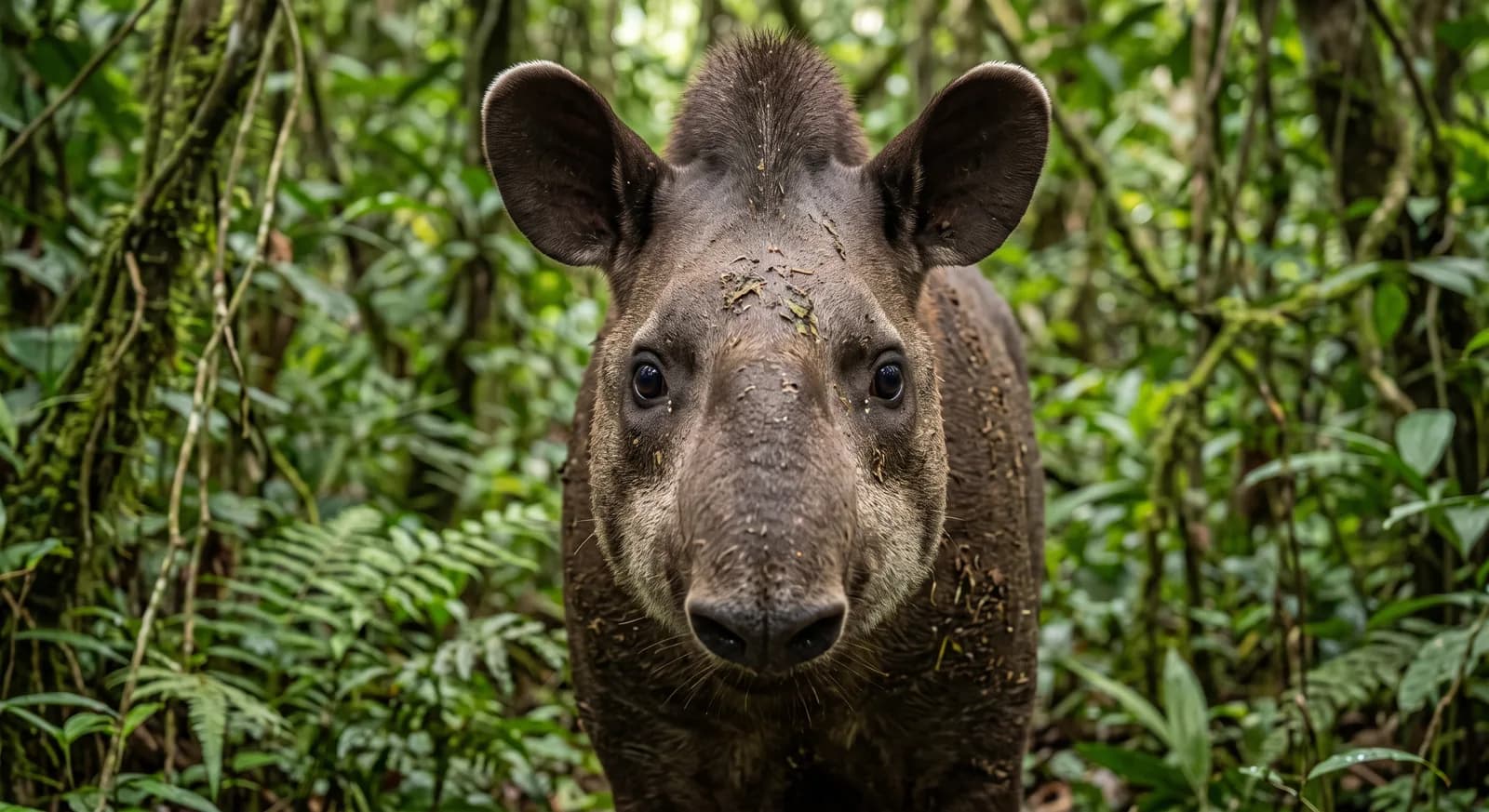
Lowland Tapir
Tapirus terrestris
Northern Tiger Cat
Leopardus tigrinus
Red-Footed Tortoise
Chelonoidis carbonarius
How to help
The giant anteater is classified as vulnerable. Organizations such as UICN, WWF y Wildlife Conservation Society work specifically on its conservation and that of its habitat; looking into their programs is a good starting point if you want to get involved.
It's documented in 10 real protected areas — part of why protecting these places matters for its conservation.
Keep exploring
Based on what we already know about giant anteater.
Comments
Share an experience, a fun fact or a tip for seeing the giant anteater.
Be the first to comment.