Panama
América del Norte
Panama is the narrow land bridge joining North and South America, and its nature is defined by that role as a corridor. In barely eighty kilometres of width it brings together rainforest, cloud forest in the highlands of Chiriquí, mangroves on both coasts and reefs in the Caribbean and the Pacific. The Darién Gap, on the Colombian border, is forest so dense and impenetrable that it breaks the Pan-American Highway. Barro Colorado island, formed when the Chagres valley was flooded to build the canal, became a biological laboratory where tropical forest has been studied continuously for a century, which has probably made it the best-known rainforest in the world.
The nature of Panama
National animal: The harpy eagle, the country's national bird
Did you know?
When the isthmus of Panama closed some three million years ago, two continents that had been separated for tens of millions of years were connected and their faunas mixed in what is called the Great American Interchange. Cats, dogs, bears and deer moved south; armadillos, opossums, porcupines and giant ground sloths moved north. That bridge reorganised life across half the planet and also redirected the ocean currents.
Biodiversity profile
Climate
- •Tropical humedo (Af/Am) en la mayor parte del pais
- •Tropical con estacion seca (Aw) en la vertiente pacifica
Main biomes
- •Bosque tropical humedo (Darien, tercer mayor bloque de selva continua de Mesoamerica)
- •Bosque nuboso de montaña (Volcan Baru)
- •Manglares en ambas costas
- •65% del territorio cubierto por bosque
- •Selva húmeda tropical
- •Manglar de dos océanos
- •Arrecife de coral
- •Isla continental
- •Bosque seco del Pacífico
- •Humedal fluvial
Marine and coastal ecosystems
- •Arrecifes de coral del archipielago de Bocas del Toro (Caribe)
- •Islas Perlas y Parque Nacional Coiba (Pacifico, Patrimonio Mundial)
- •Corredor de migracion de ballenas jorobadas
Flagship wildlife
- •Aguila harpia (ave nacional)
- •Jaguar
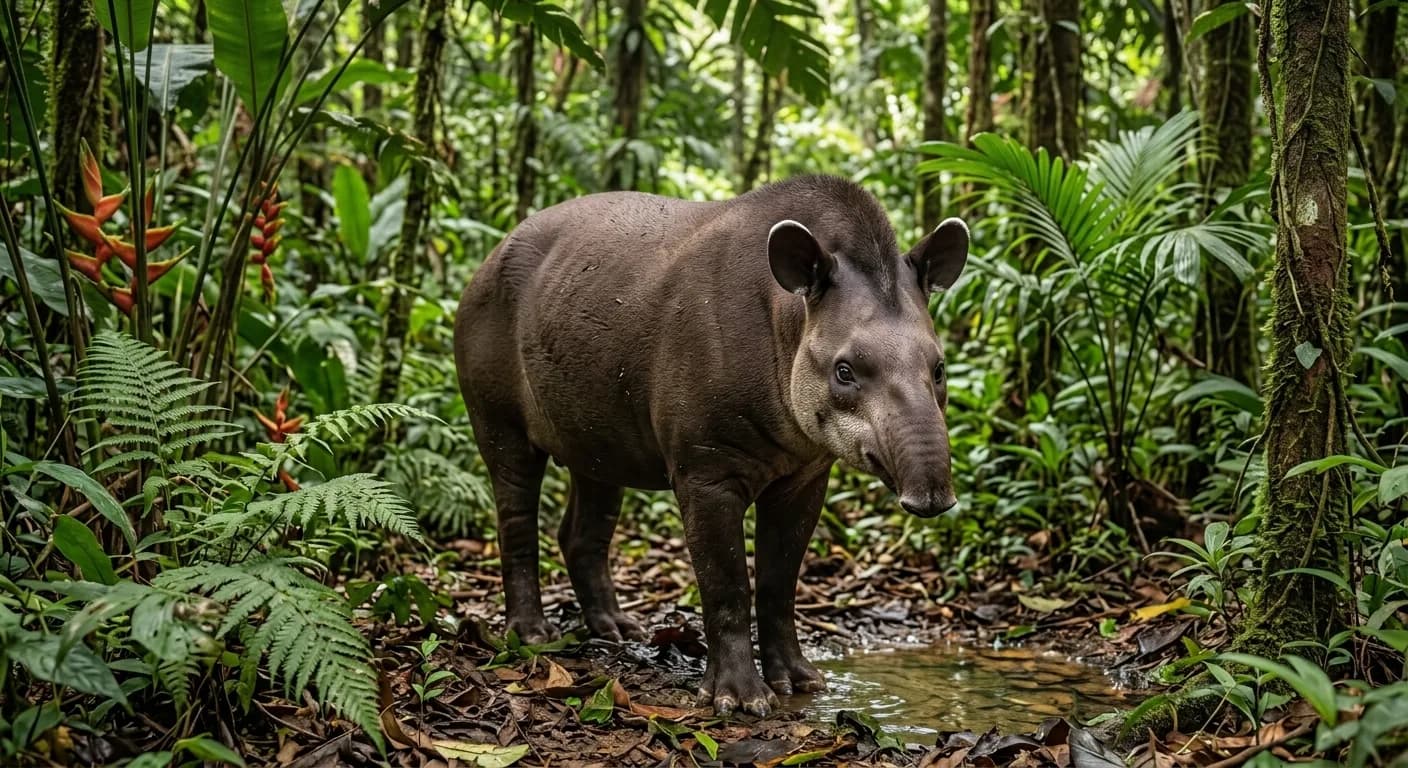
- •Tapir de Baird
- •Rana dorada panameña (En Peligro Critico, posiblemente extinta en estado silvestre)
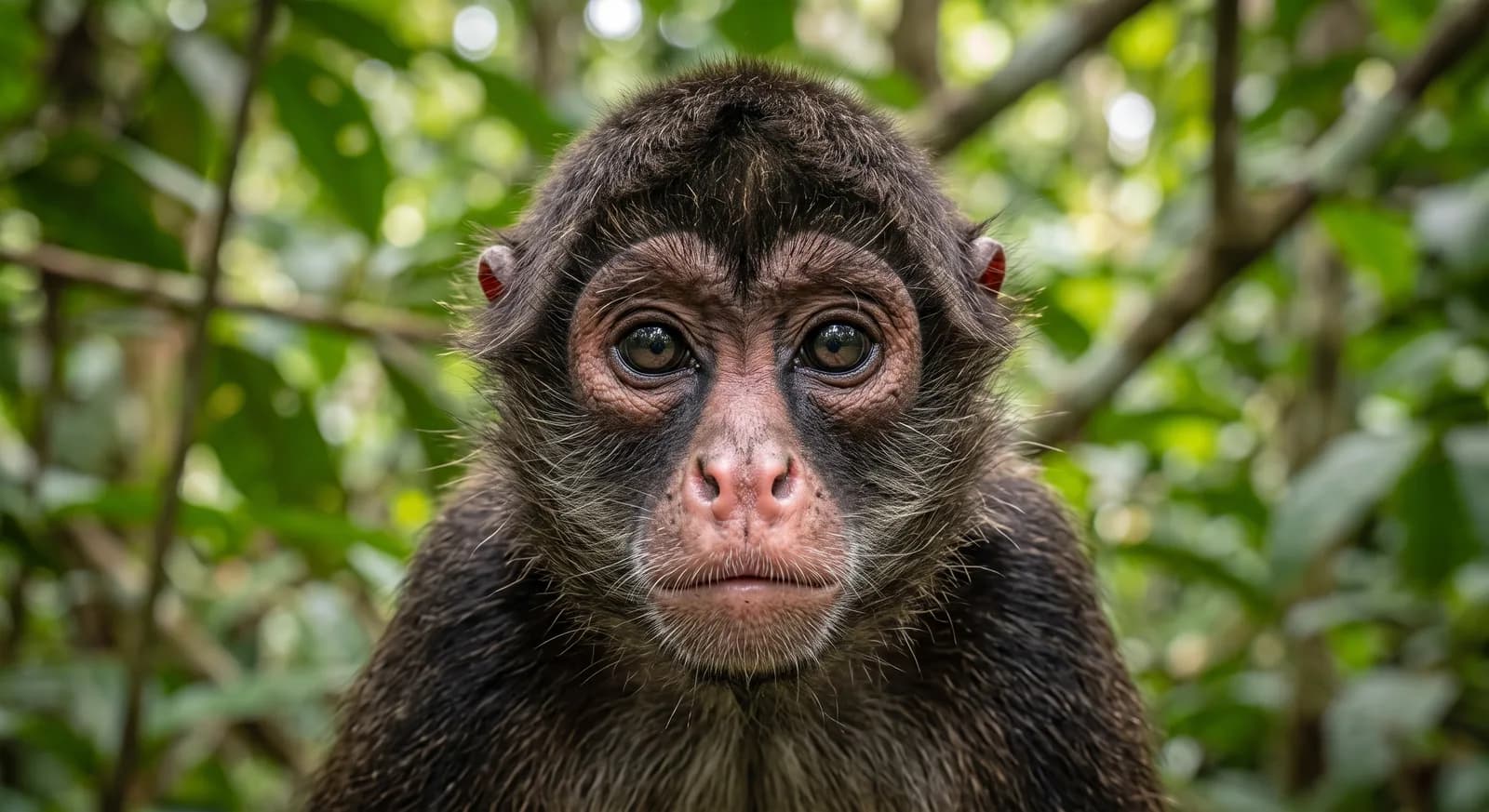
- •Mono araña de Geoffroy
- •Águila arpía
- •Rana dorada de Panamá
- •Perezoso de dos dedos
- •Tapir centroamericano
- •Mono aullador
- •Ballena jorobada
- •Tortuga carey
- •Tucán pico iris
- •Manatí del Caribe
Notable endemic species
- •Rana dorada panameña (icono nacional, posiblemente extinta en la naturaleza por el hongo quitridio)
- •Mono aullador de Coiba y mono araña de Azuero (poblaciones aisladas de subespecies restringidas)
- •1.600 especies de plantas endemicas en la region del Choco-Darien
- •Peces cíclidos endemicos (Amatitlania altoflava y A. nanolutea)
- •Rana dorada de Panamá
- •Mono aullador de Coiba
- •Colibrí de Veraguas
Notable threatened species
- •Rana dorada panameña (En Peligro Critico, posiblemente extinta en vida silvestre por quitridiomicosis)
- •Jaguar (En Peligro, corredor bajo presion en el Choco-Darien)
- •Mas del 50% del bosque de Panama se ha perdido historicamente segun Saving Nature/Chocó-Darien
Notable protected areas
- •Parque Nacional Darien (Patrimonio Mundial, corredor ecologico con Colombia)
- •Parque Nacional Coiba (Patrimonio Mundial, Pacifico)
- •Parque Nacional Soberania
- •Parque Nacional del Darién
- •Isla de Barro Colorado
- •Parque Internacional La Amistad
- •Bocas del Toro
Main conservation threats
- •Mas del 50% del bosque original de la region Choco-Darien ya se ha perdido
- •Fragmentacion del corredor del jaguar entre Mexico y Argentina
- •Hongo quitridio, causante del declive/posible extincion silvestre de la rana dorada
Notable natural phenomena
- •Corredor migratorio de ballenas jorobadas (poblaciones del hemisferio norte y sur convergen en aguas panameñas)
- •El istmo panameño actua como puente biologico entre Norteamerica y Sudamerica desde el Gran Intercambio Biotico Americano
Conservation
The Panamanian golden frog, a national symbol, is considered extinct in the wild because of the chytrid fungus that swept through highland amphibians, and survives only in breeding centres within the country. Coiba, a former penal colony, kept its forests and reefs precisely because it was closed to the public for decades.
Where and when to watch wildlife
Soberanía and Pipeline Road at dawn for birds. Coiba between December and April for reefs and sharks. The Gulf of Chiriquí between July and October for humpback whales.
Sources: BioDB.com - Panama | Saving Nature - Panama (Choco-Darien) | LAC Geo - Natural Landscape of Panama | PMC/PLOS ONE - Mapping climate adaptation corridors Central America
Parks and reserves
La Amistad
The Panamanian side of the largest block of natural forest in Central America, one of the few transboundary properties in the world.
View parkNational ParkCoiba
A Panamanian penal colony until 2004, whose unintended isolation kept the largest island in the American Pacific intact
View parkNational ParkDarien
The largest protected area in Central America; the Darién Gap is the only stretch of the Pan-American Highway never built
View parkNational ParkPortobelo
Seventeenth-century Spanish colonial fortifications that guarded one of the most important gold and silver routes of the Spanish empire
View parkNational ParkCerro Hoya
The last great remnant of humid tropical forest on the Azuero peninsula, the most deforested region in Panama
View parkNational ParkChagres
It protects the catchment of the river Chagres, which supplies the fresh water needed to operate the locks of the Panama Canal
View parkMarine National ParkBastimentos Island
Panama's first marine park; it holds the Bastimentos red frog, endemic and with an exceptional colour variability between neighbouring populations
View parkNational ParkSoberanía
Rainforest on the banks of the Panama Canal, with the most famous stretch of birdwatching in the world.
View parkNational ParkVolcán Barú
Panama's highest peak; on clear days it is the only place in the country from which both the Pacific and the Caribbean can be seen at once
View parkDiving and snorkelling
Coiba National Park
An island that served as a penal colony for almost a century, which left its forests and its seabed practically untouched. It forms part of the Eastern Tropical Pacific marine corridor along with Cocos, Malpelo and the Galápagos.
View dive siteReef/MangroveBocas del Toro
A Caribbean archipelago with shallow reefs and interconnected mangrove ecosystems.
View dive siteLagoon reefSan Blas Islands (Guna Yala)
An autonomous Guna indigenous archipelago with more than 350 practically uninhabited coral islets.
View dive sitePaíses similares
¿A dónde más podría interesarme viajar?
Misma región: Centroamérica y Caribe
Misma región: Centroamérica y Caribe
Misma región: Centroamérica y Caribe
Misma región: Centroamérica y Caribe
Especies documentadas en Panama
308 species found
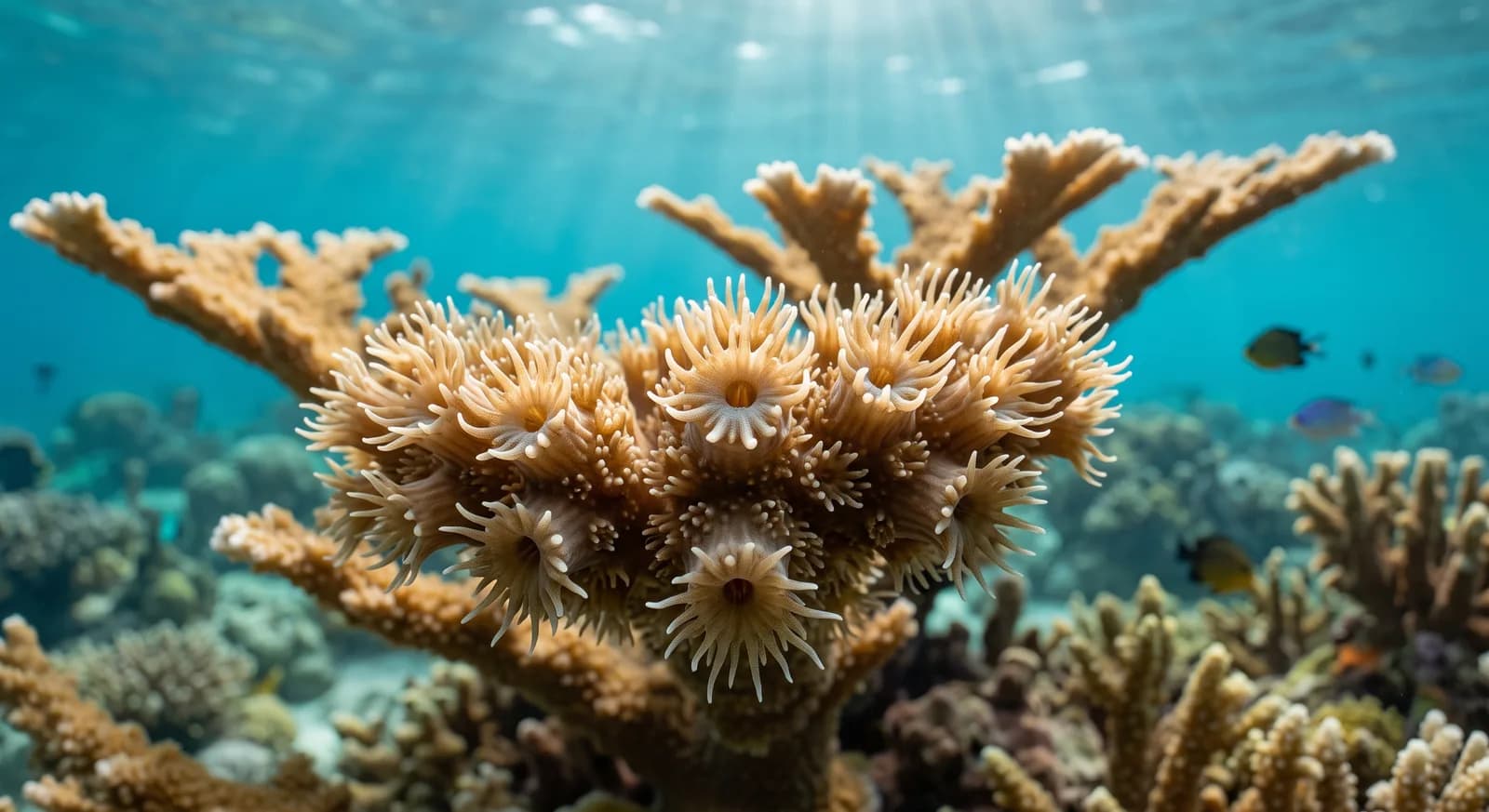 Critically Endangered
Elkhorn Coral
Acropora palmata
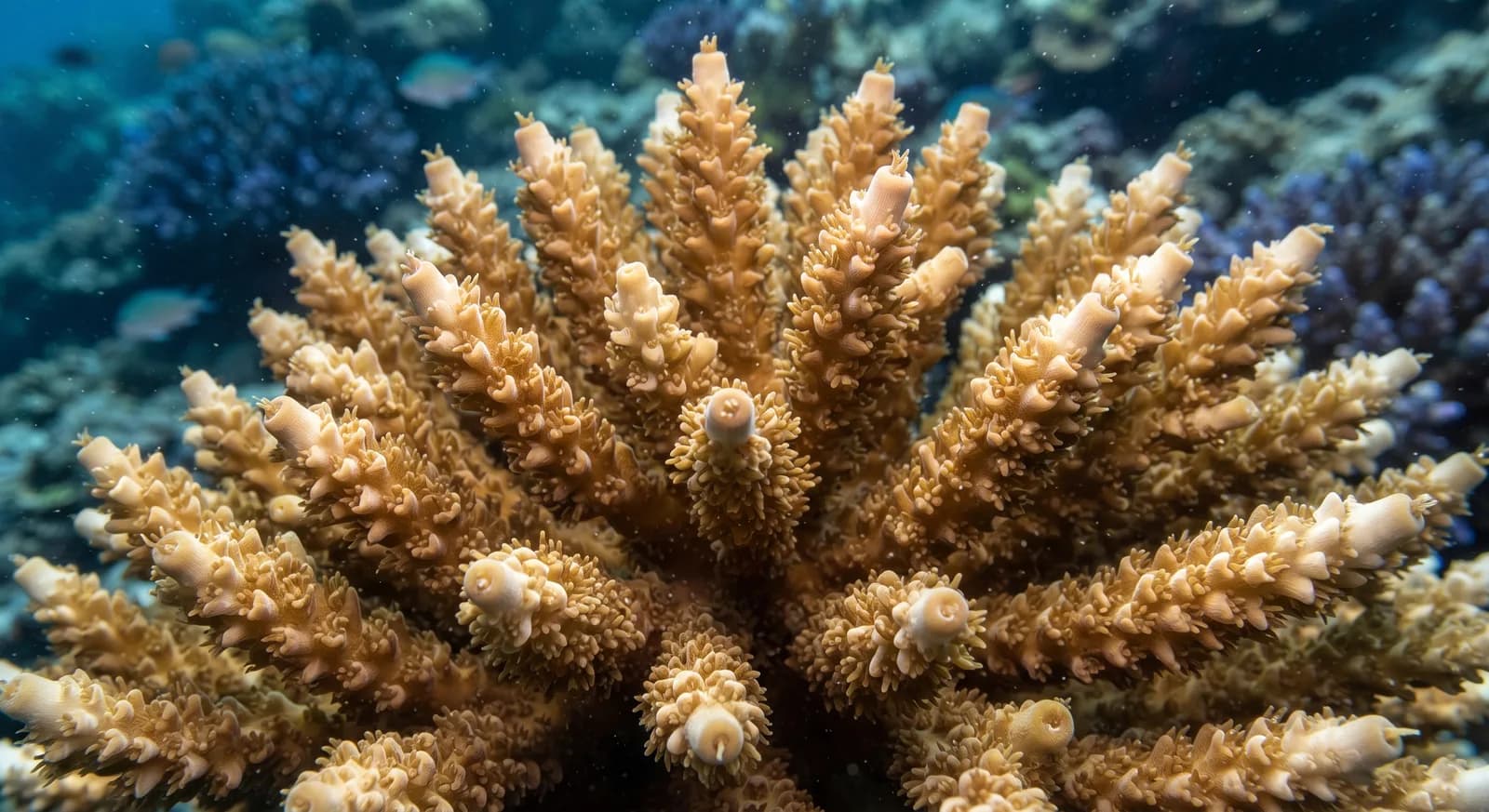 Critically Endangered
Staghorn Coral
Acropora cervicornis
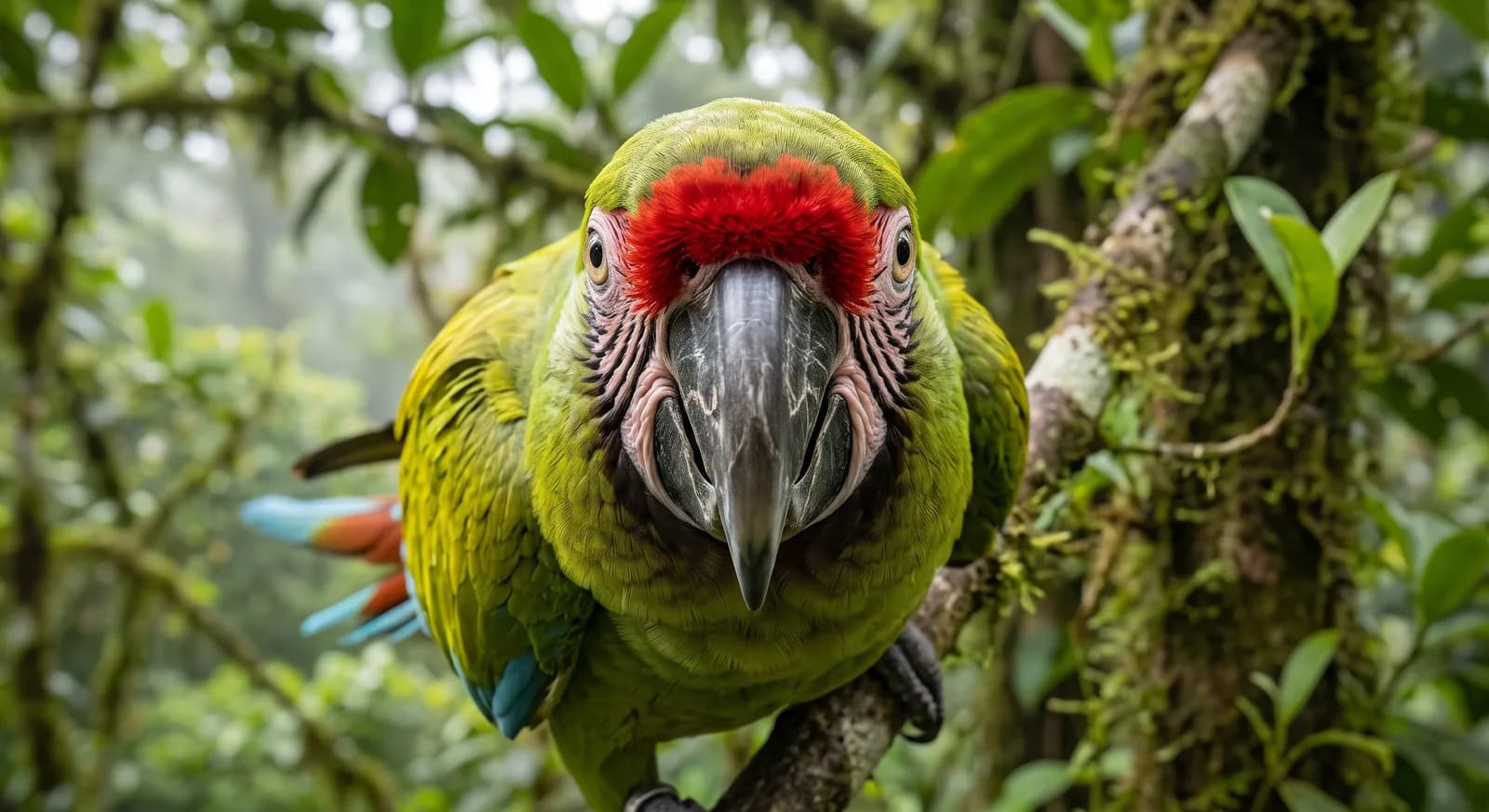 Critically Endangered
Great Green Macaw
Ara ambiguus
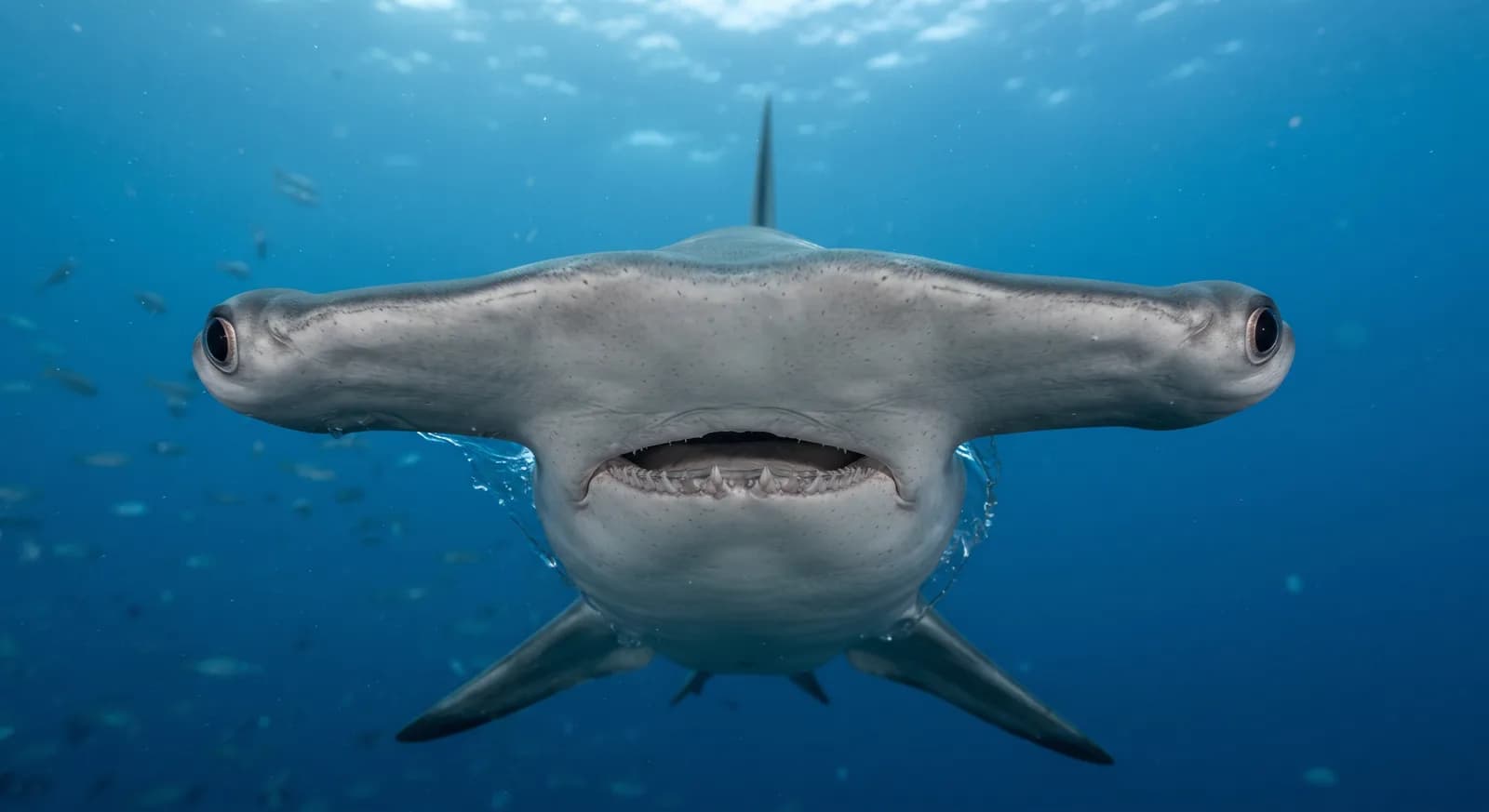 Critically Endangered
Great Hammerhead
Sphyrna mokarran
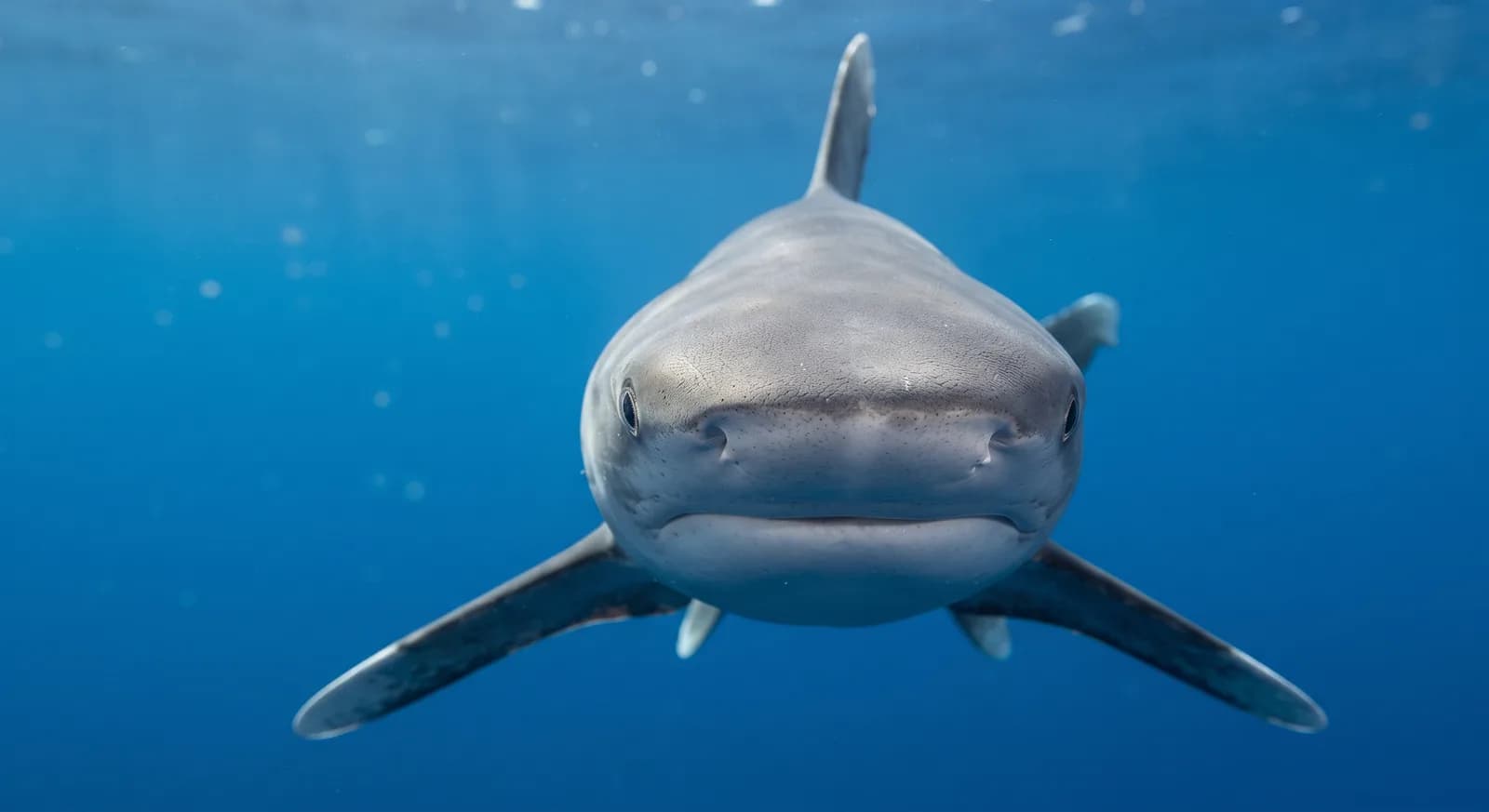 Critically Endangered
Oceanic Whitetip Shark
Carcharhinus longimanus
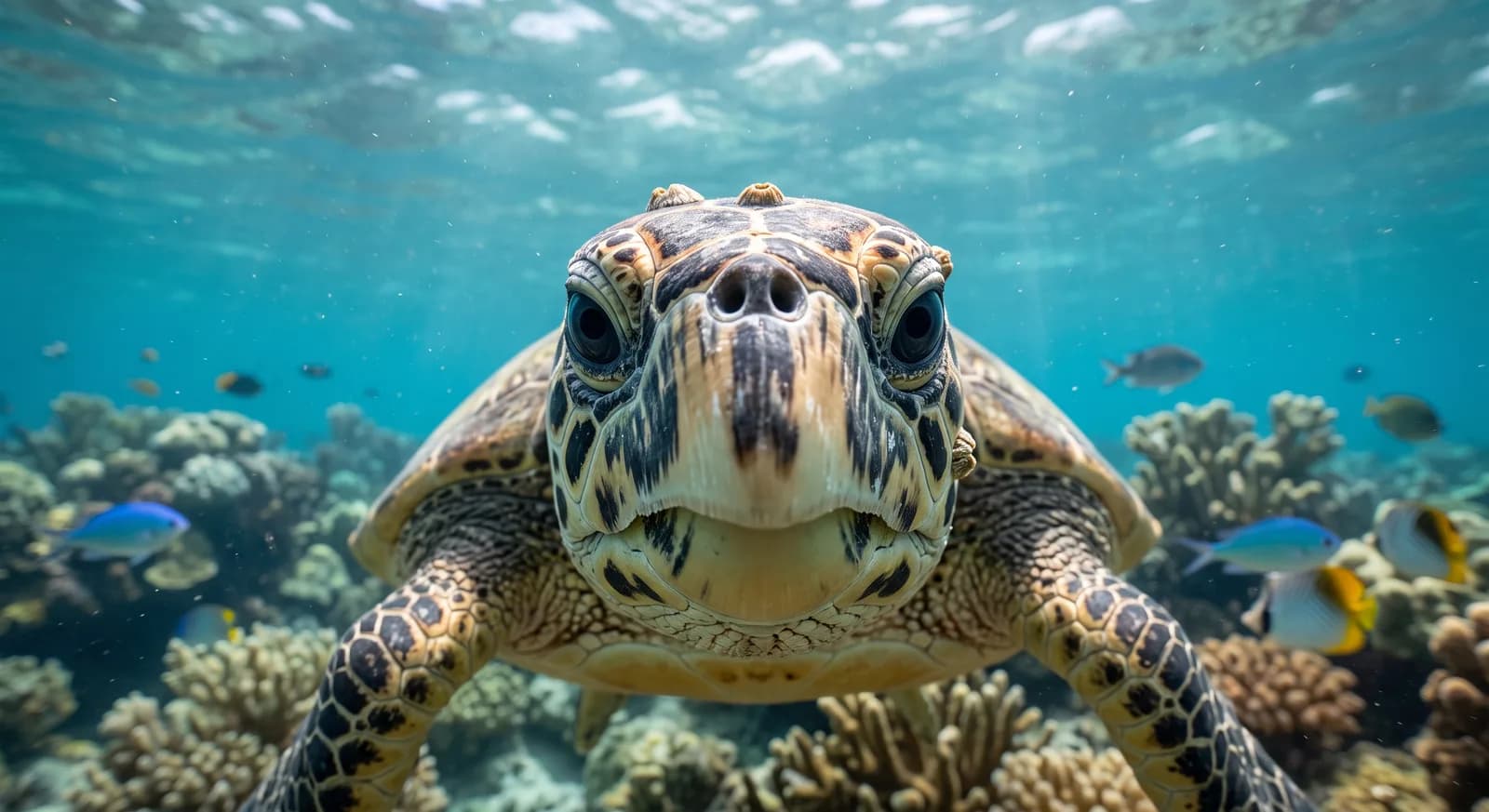 Critically Endangered
Hawksbill Turtle
Eretmochelys imbricata
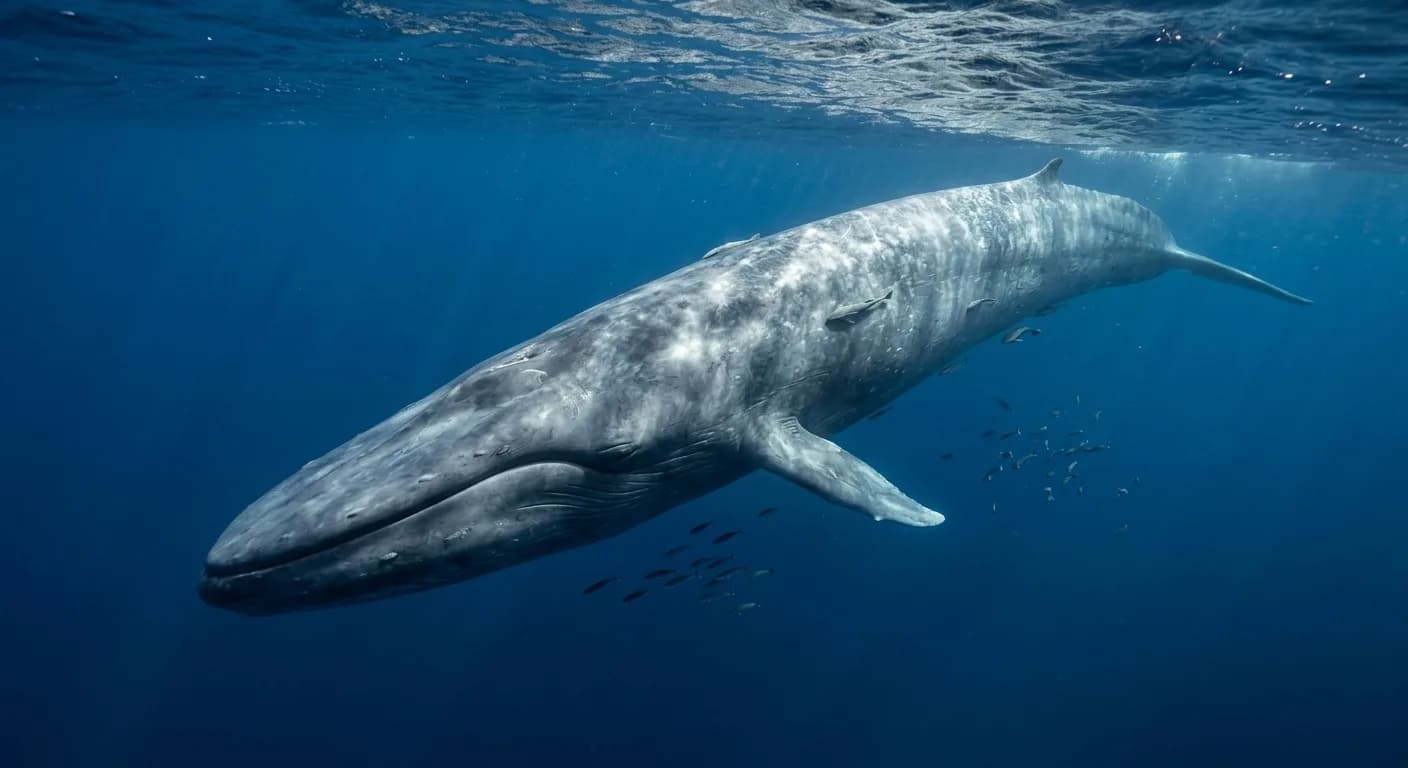 Endangered
Blue Whale
Balaenoptera musculus
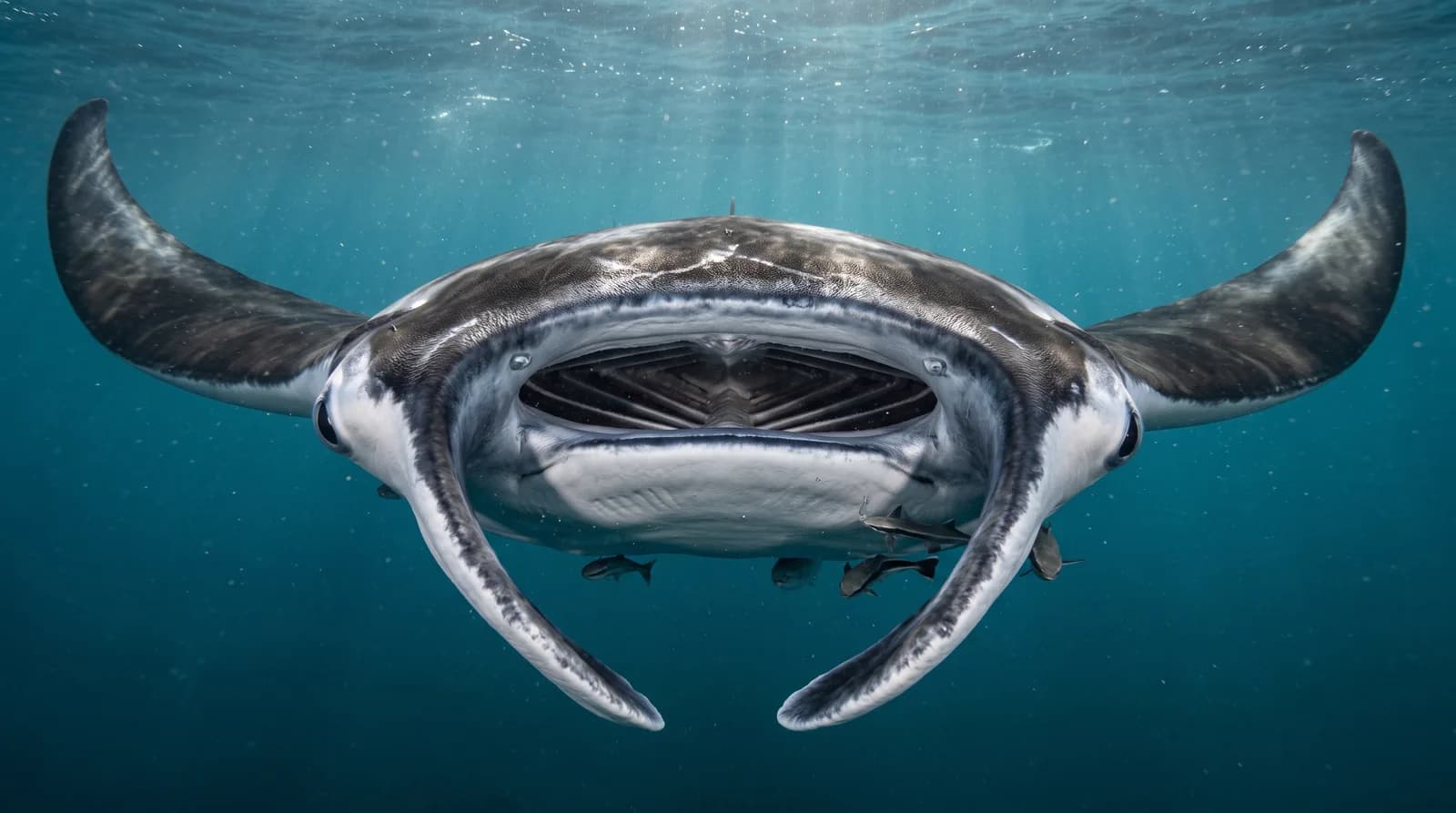 Endangered
Giant Manta
Mobula birostris
 Endangered
Central American Spider Monkey
Ateles geoffroyi
 Endangered
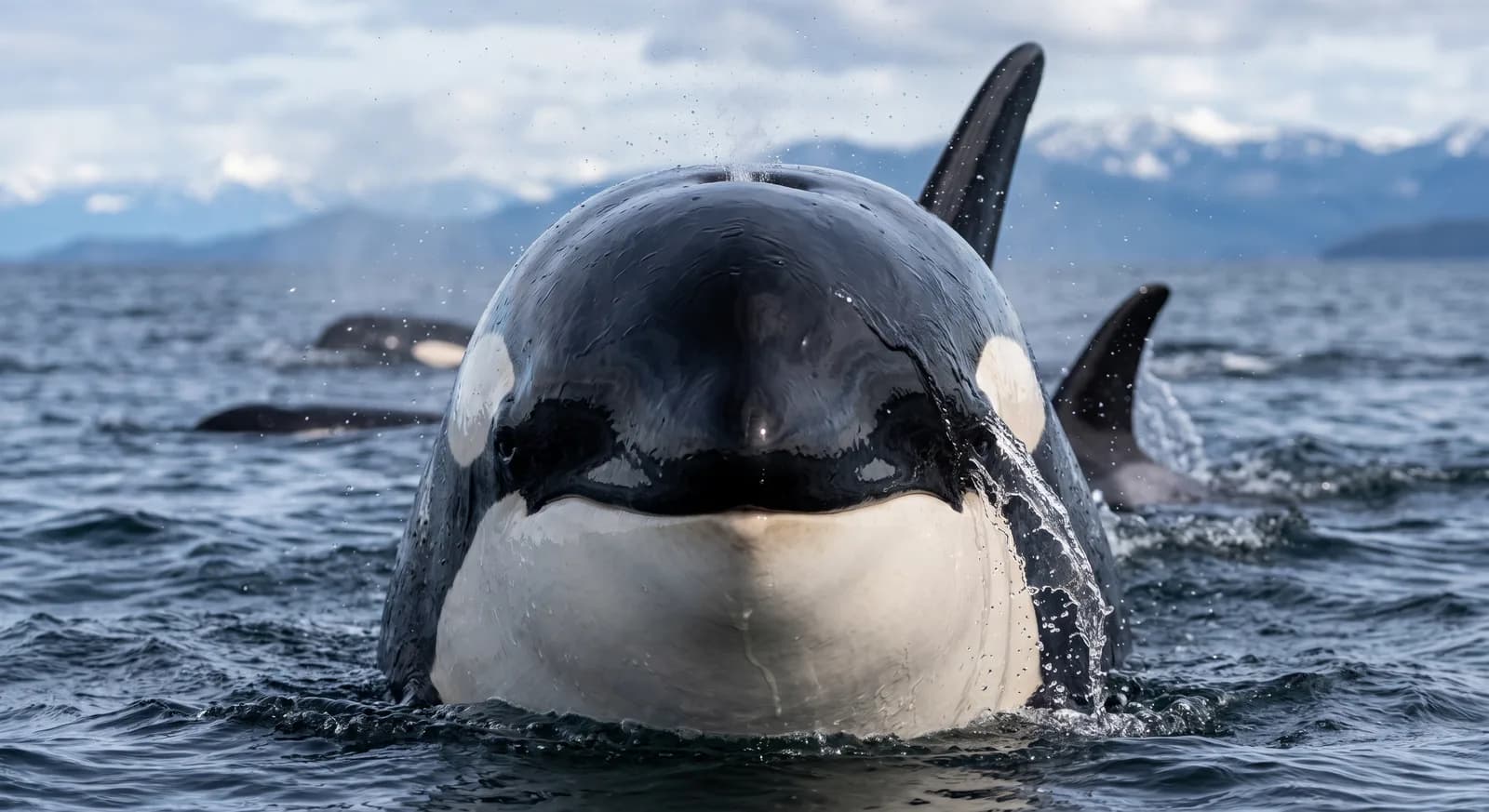
Killer Whale
Orcinus orca
 Endangered
Baird's Tapir
Tapirus bairdii
 Endangered
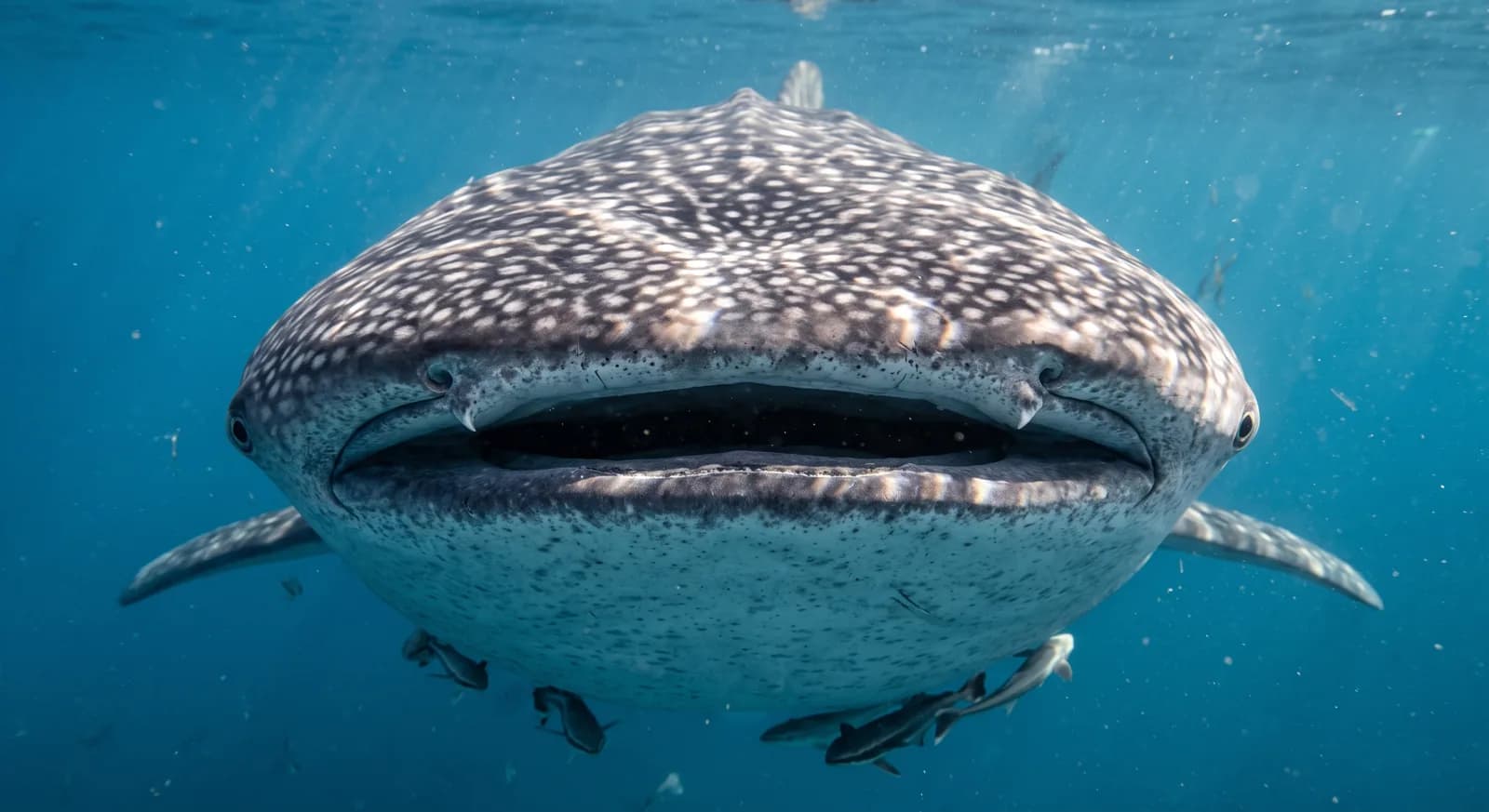
Whale Shark
Rhincodon typus
Keep exploring
Based on what we already know about Panama.