One of the 4 tapirs on WAnimals
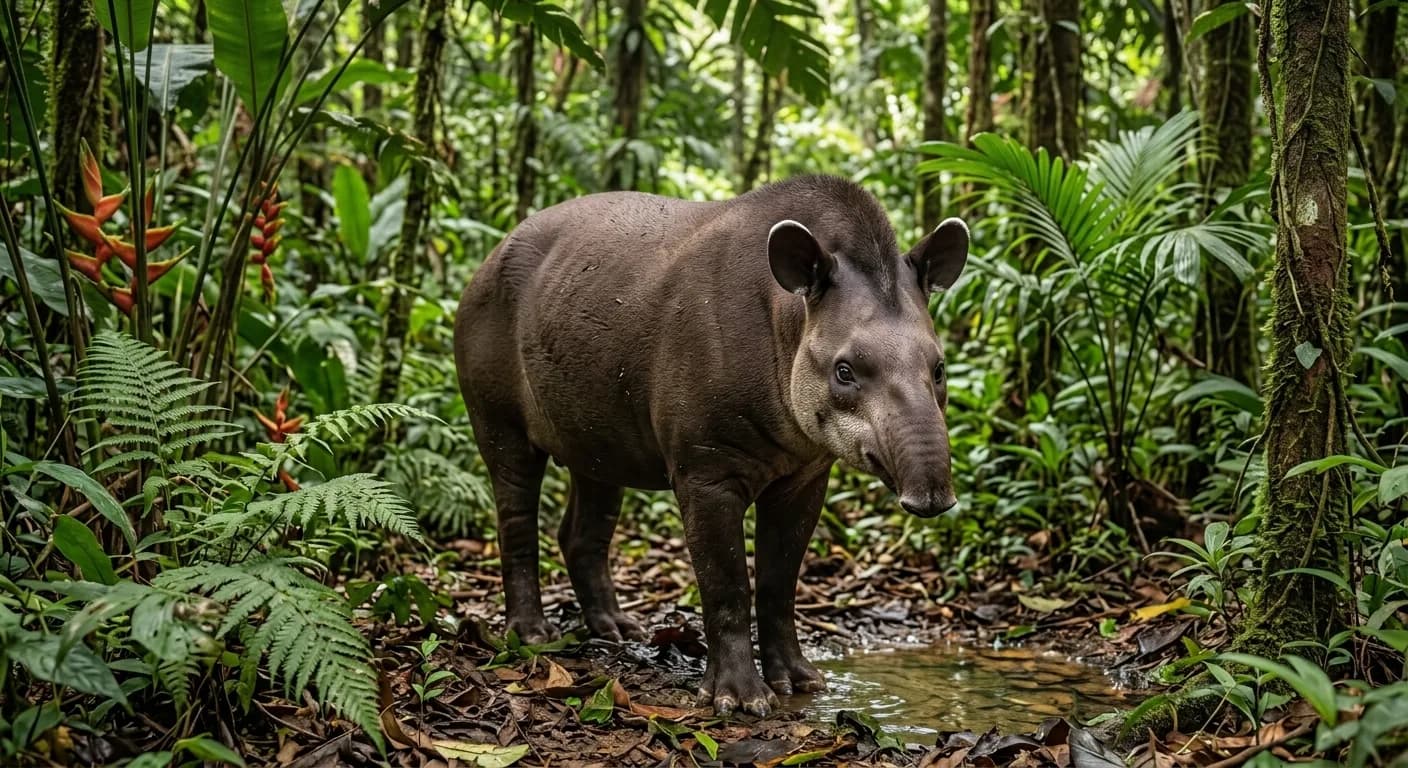
Mammals · Perissodactyla · Tapiridae
Baird's Tapir
Tapirus bairdii
It faces a very high risk of extinction in the wild in the near future. See full glossary
It is the largest native land mammal in Central America and the national animal of Belize, where it is known as the 'mountain cow'. It can swim by three weeks old, and as an adult will stay submerged in pools for hours.
Weight
150 kg – 400 kg
Size
1.8 m – 2.5 m
Lifespan
23 years
Diet
Herbivore
Feeds mainly on plants.
Activity
Nocturnal
Active mainly at night.
Social structure
Solitary
Lives and hunts alone, joining others only to breed.
Sighting difficulty
Hard
Fun facts
- It is the largest native land mammal in Central America.
- It can swim by three weeks old.
- It is the national animal of Belize, where it is called the 'mountain cow'.
Life cycle & biology
- Skeleton type
- Vertebrate - internal bony skeleton (mammal)
- Habitat & environment
- Rainforest, mangroves, savanna and cloud forest of Mexico, Central America and north-western South America, from sea level to 3,600 m
- Birth weight
- 9.4 kg
- Size at birth
- Born with the characteristic 'watermelon' pattern of stripes and spots, which fades by 6 months
- Sexual maturity
- 3-5 years
- Gestation / incubation
- 390-400 days (~13 months)
- Litter / clutch size
- 1 calf, with over a year between births (0.7 litters a year on average)
- Lifespan in captivity
- Documented record of 29.6 years in captivity
Sources consulted: Animal Diversity Web; AnAge; One Earth; Dimensions.com; Los Angeles Zoo; Bright's Zoo; Creatures of the World Wiki; PMC
Where to find it
See its range on the interactive mapWhere to watch it
Parks and dive sites where this species has been documented.
Related species
Other species in the catalogue with the most in common with Baird's Tapir — same habitat, park, country, tags or family.
Mountain Tapir
Tapirus pinchaque
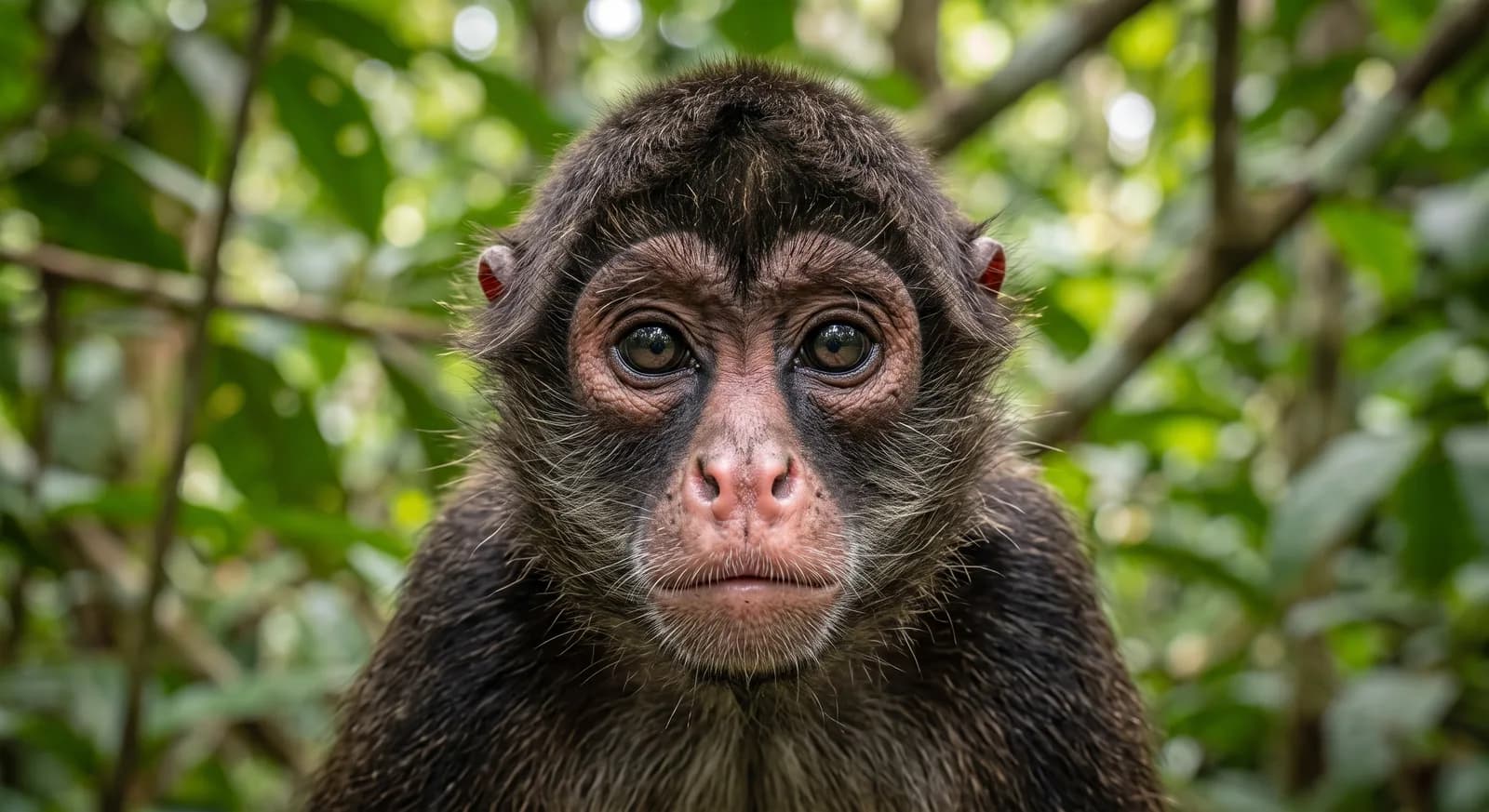 Endangered
Central American Spider Monkey
Ateles geoffroyi
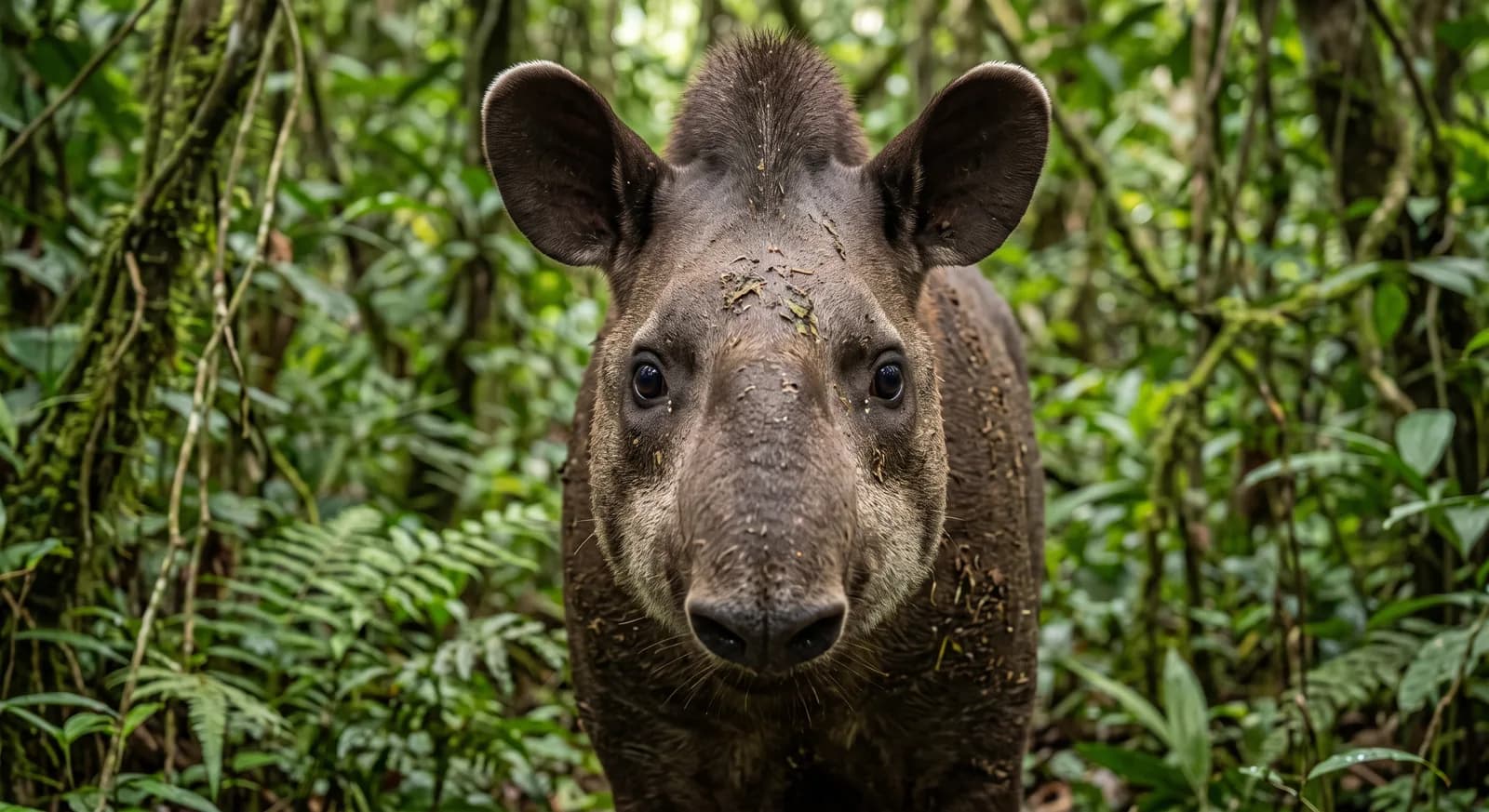 Vulnerable
Lowland Tapir
Tapirus terrestris
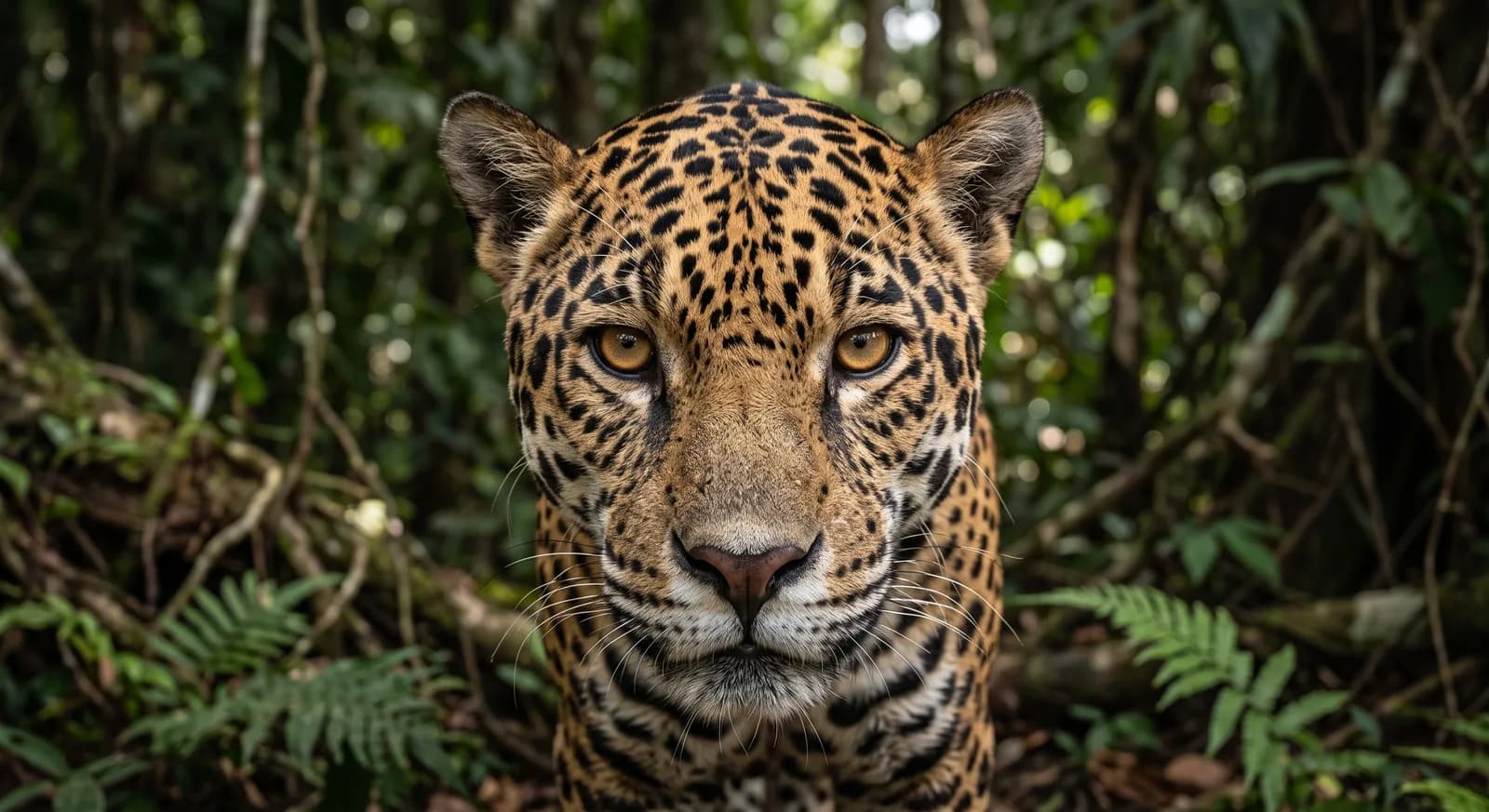 Near Threatened
Jaguar
Panthera onca
Water Opossum
Chironectes minimus
How to help
The baird's tapir is classified as endangered. Organizations such as UICN, WWF y Wildlife Conservation Society work specifically on its conservation and that of its habitat; looking into their programs is a good starting point if you want to get involved.
It's documented in 6 real protected areas — part of why protecting these places matters for its conservation.
Keep exploring
Based on what we already know about baird's tapir.
Comments
Share an experience, a fun fact or a tip for seeing the baird's tapir.
Be the first to comment.