One of the 4 tapirs on WAnimals
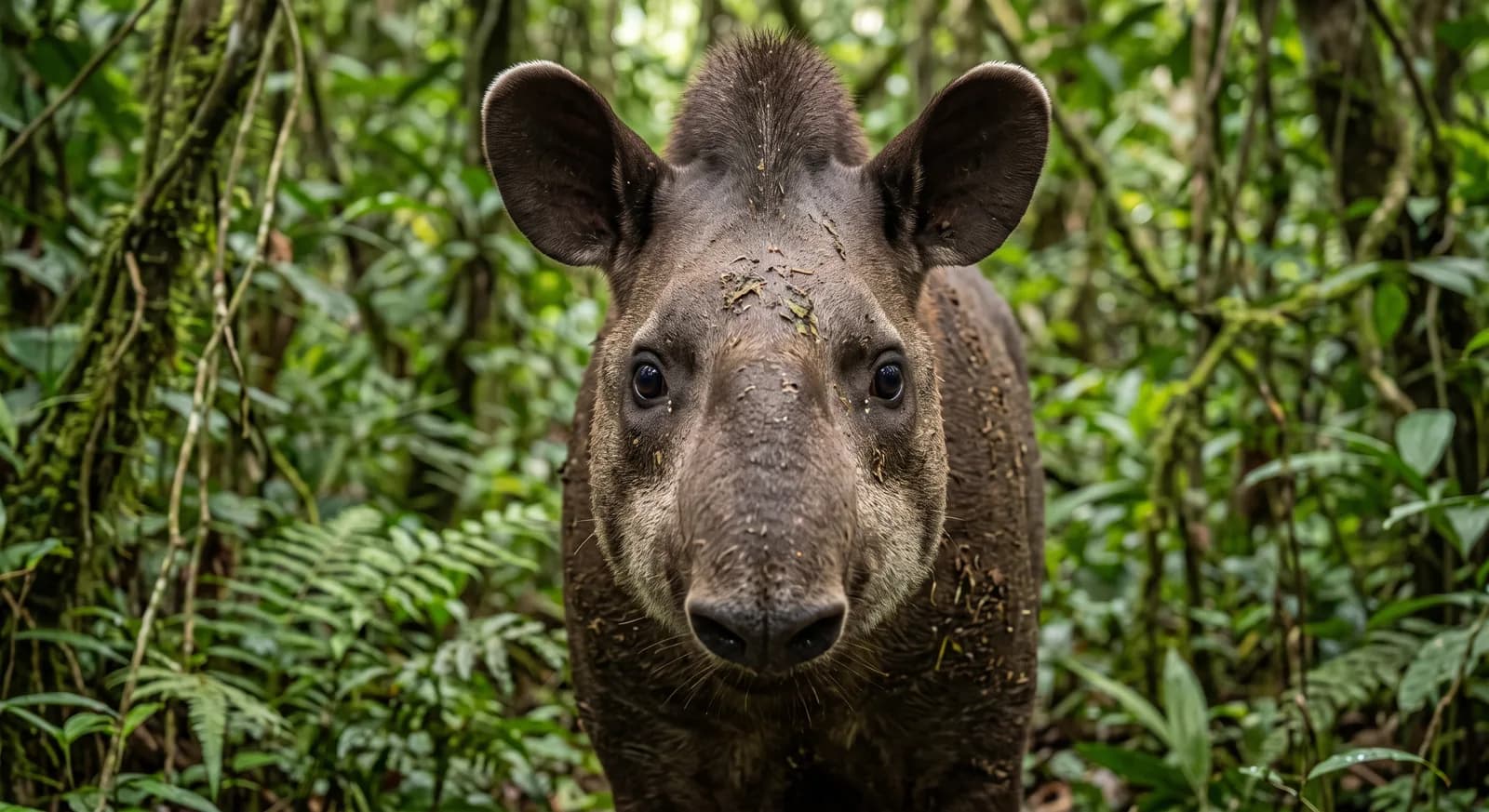
Mammals · Perissodactyla · Tapiridae
Lowland Tapir
Tapirus terrestris
It faces a high risk of extinction in the wild over the medium term. See full glossary
It is the largest native land mammal of the Amazon rainforest, and plays a key ecological role as a seed disperser.
Weight
150 kg – 320 kg
Size
1.7 m – 2.5 m
Lifespan
25 years
Diet
Herbivore
Feeds mainly on plants.
Activity
Nocturnal
Active mainly at night.
Social structure
Solitary
Lives and hunts alone, joining others only to breed.
Sighting difficulty
Moderate
Fun facts
- It is the largest native land mammal of the Amazon rainforest.
- The watermelon-like pattern of spots and stripes it is born with fades by its first birthday.
- It plays a key role in dispersing the seeds of many plant species.
- taxonomíaAlthough it looks like a pig with a trunk, it is far more closely related to rhinoceroses and horses than to pigs or hippos.
Life cycle & biology
- Skeleton type
- Vertebrate - internal bony skeleton (mammal)
- Habitat & environment
- Rainforest, swamps, savanna and wetlands across much of South America, always close to water
- Birth weight
- 3.2-5.8 kg at birth, with striking white stripes and spots for camouflage
- Size at birth
- 3.2-5.8 kg at birth
- Sexual maturity
- 2-3 years
- Gestation / incubation
- 335-439 days (average ~380 days, ~13 months)
- Litter / clutch size
- 1 calf per birth (twins very rare), with 2 years between births
- Lifespan in captivity
- Documented record of up to 35-39.6 years
Sources consulted: Creatures.com; All Species Wiki; Zoo Berlin; Zoo Santo Inácio; Animal Diversity Web; Marwell Zoo; Peak Wildlife Park; AnAge (genomics.senescence.info); PMC (Theileria terrestris study)
Where to find it
See its range on the interactive mapWhere to watch it
Parques y spots de buceo donde se ha documentado esta especie — se muestran 10 de 26 documentados.
Related species
Other species in the catalogue with the most in common with Lowland Tapir — same habitat, park, country, tags or family.
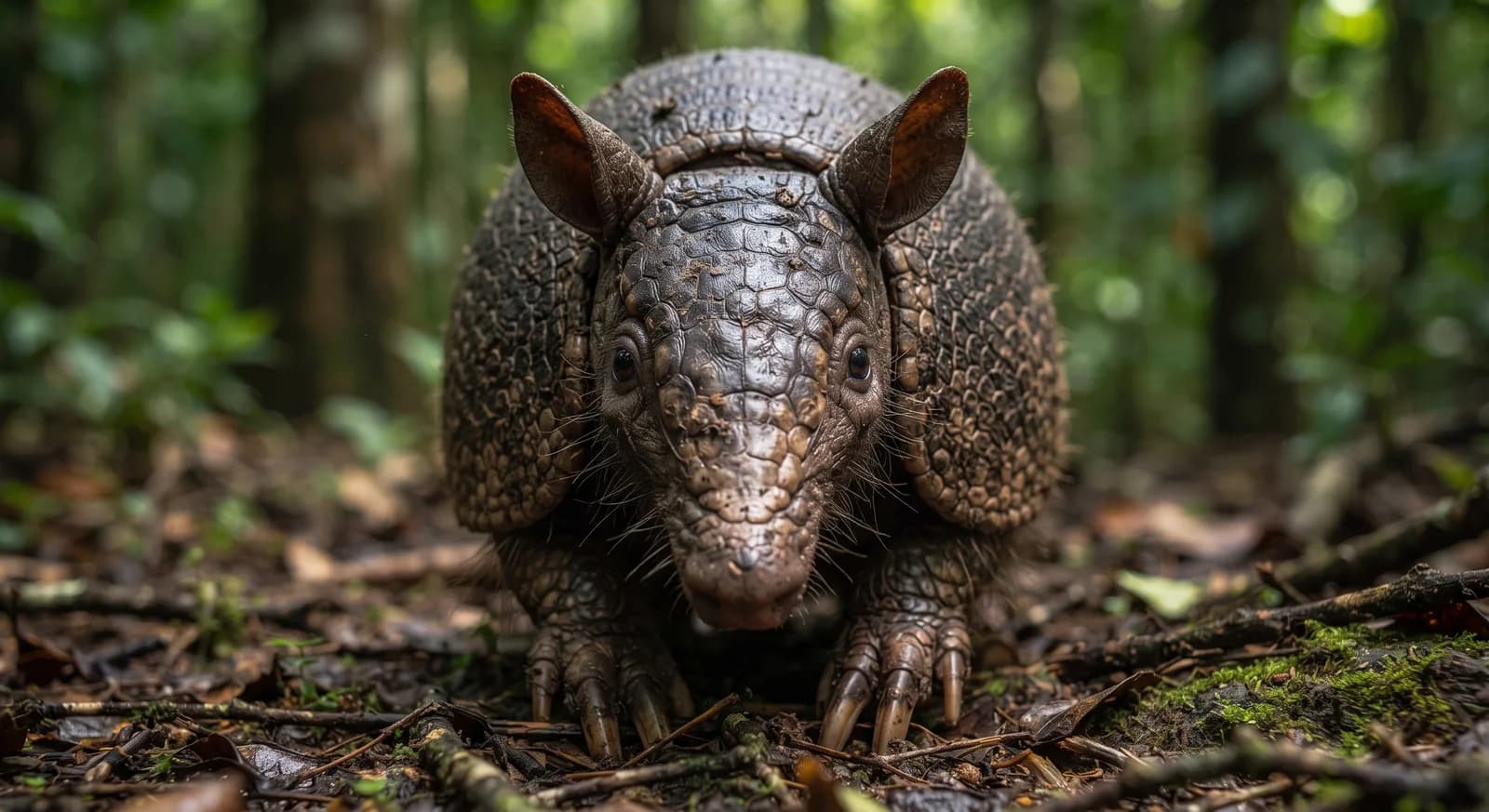
Mountain Tapir
Tapirus pinchaque
 Vulnerable
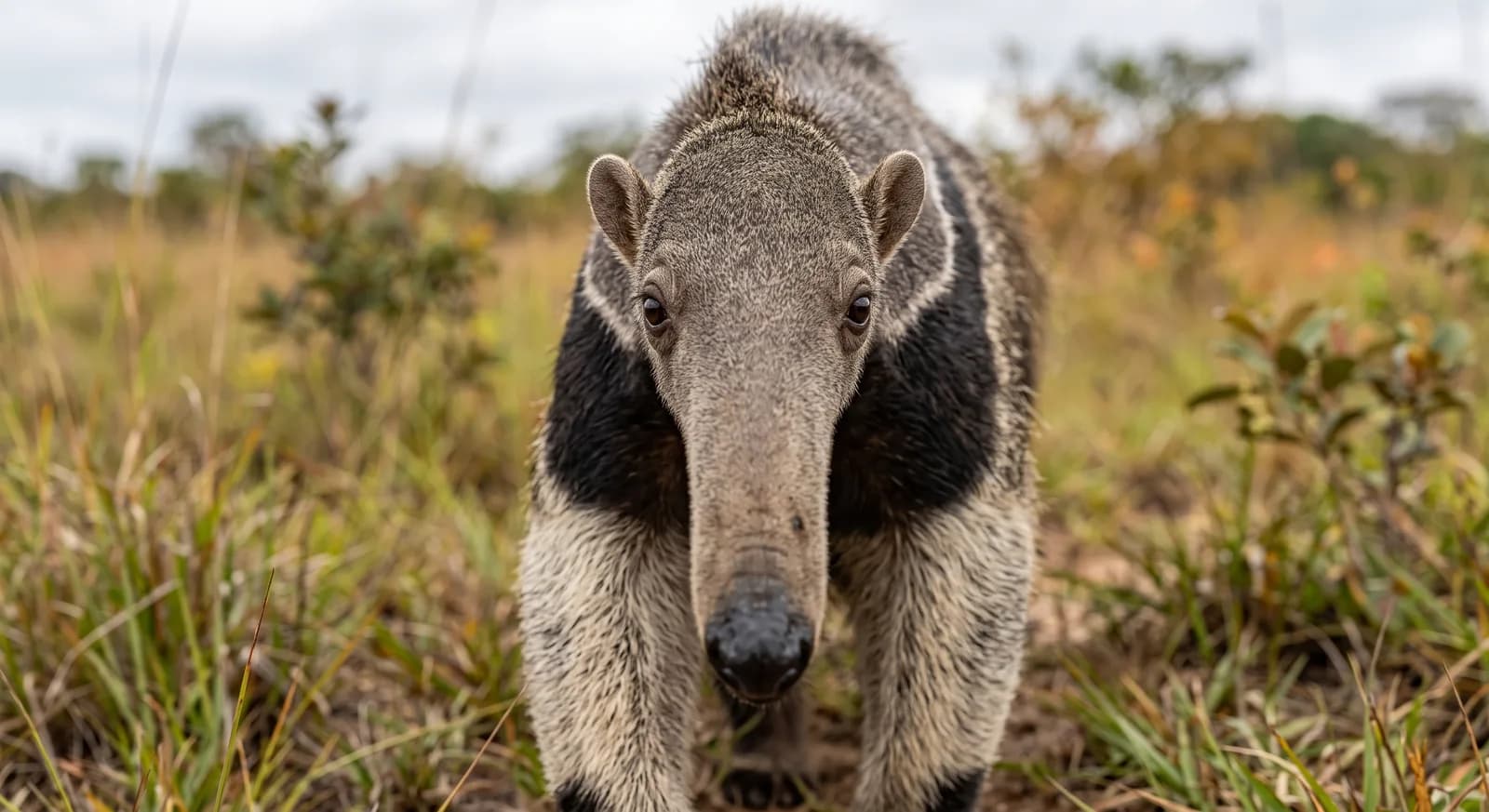
Giant Armadillo
Priodontes maximus
 Vulnerable
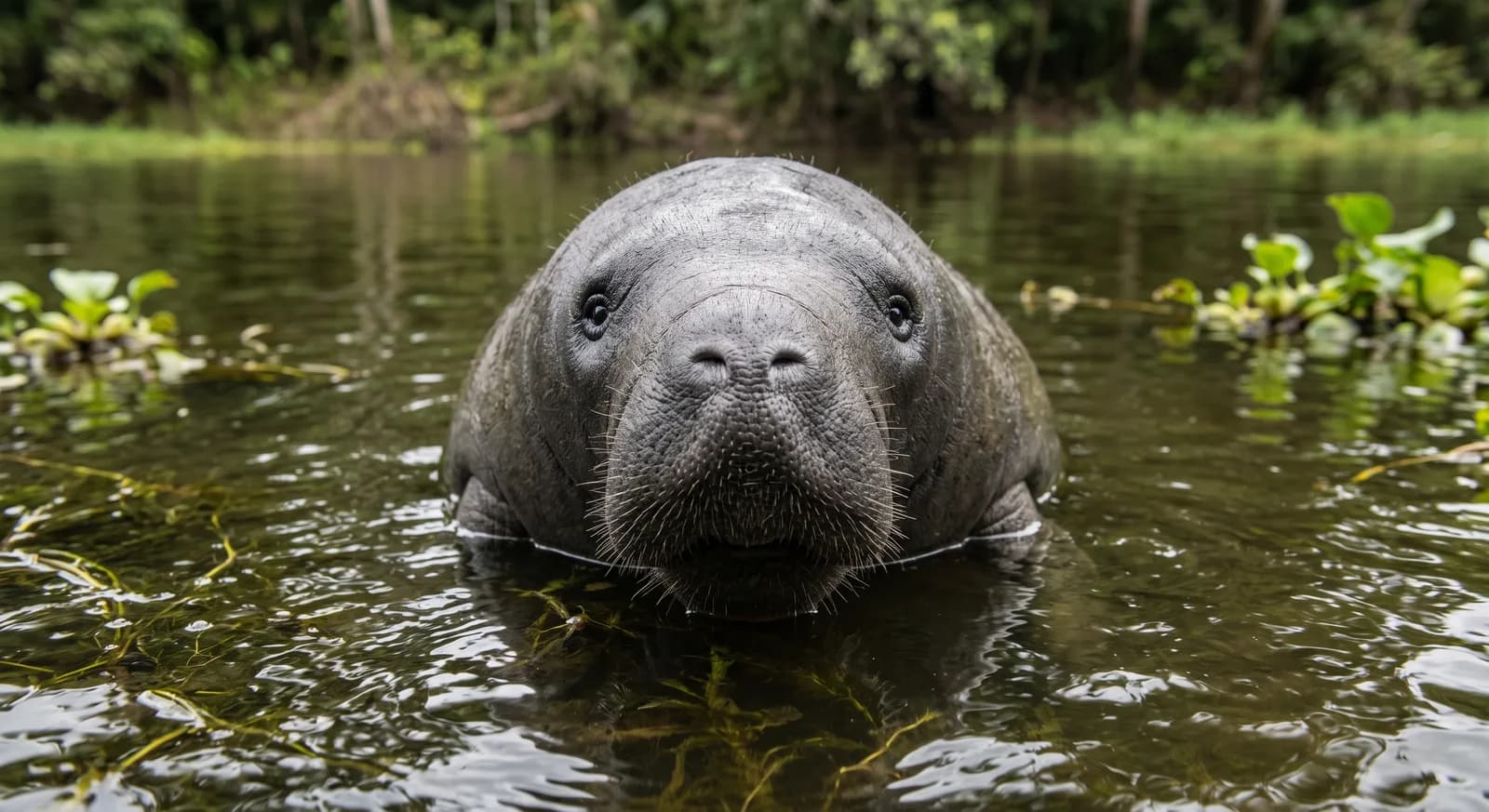
Giant Anteater
Myrmecophaga tridactyla
 Vulnerable
Amazonian Manatee
Trichechus inunguis
White Bald-headed Uakari
Cacajao calvus
 Vulnerable
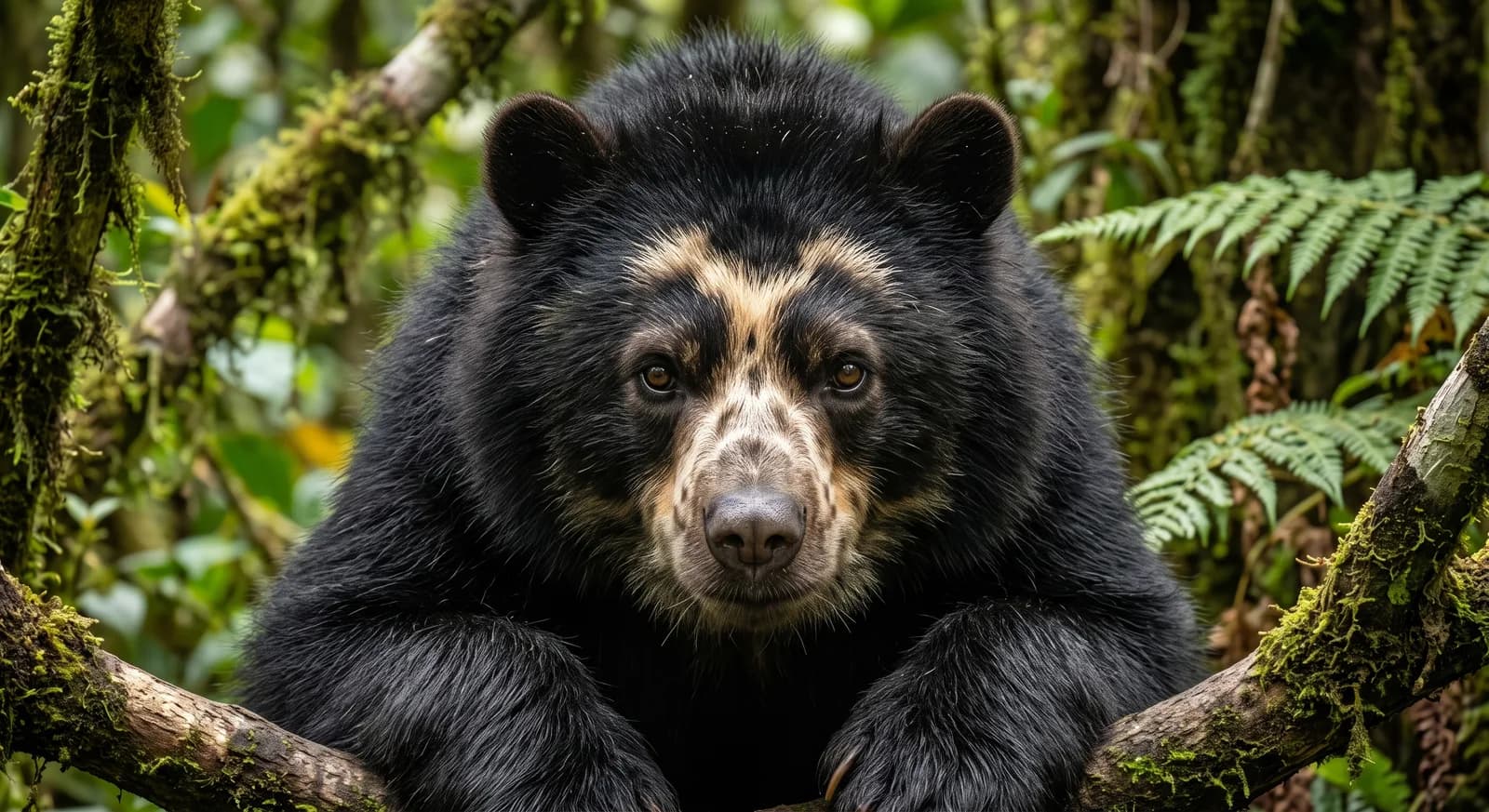
Andean Bear
Tremarctos ornatus
How to help
The lowland tapir is classified as vulnerable. Organizations such as UICN, WWF y Wildlife Conservation Society work specifically on its conservation and that of its habitat; looking into their programs is a good starting point if you want to get involved.
It's documented in 10 real protected areas — part of why protecting these places matters for its conservation.
Keep exploring
Based on what we already know about lowland tapir.
Comments
Share an experience, a fun fact or a tip for seeing the lowland tapir.
Be the first to comment.