Mammals · Primates · Pitheciidae
White Bald-headed Uakari
Cacajao calvus
It faces a high risk of extinction in the wild over the medium term. See full glossary
The bald uakari is an unmistakable Amazonian monkey: a bare face of intense red, a bald head and long fur that may be white, golden or reddish according to the subspecies. It lives in the seasonally flooded forests of the western Amazon, moving through the canopy in groups that can exceed a hundred animals. It feeds mainly on the hard seeds of unripe fruit, which it opens with prominent incisors and powerful jaws, a niche that almost no other primate exploits.
Weight
2.5 kg – 3.5 kg
Size
36 cm – 57 cm
Lifespan
20 years
Diet
Herbivore
Feeds mainly on plants.
Activity
Diurnal
Active mainly during the day.
Social structure
Herd
Lives in large groups as a strategy against predators.
Sighting difficulty
Moderate
Fun facts
- The red of its face is a health indicator: individuals with malaria or parasites turn pale, while healthy ones show an intense red, and females prefer the more highly coloured males.
- It has the shortest tail of any American monkey, barely a third of its body length, an unusual feature among the fauna of the Amazon canopy.
Life cycle & biology
- Skeleton type
- Vertebrate - internal bony skeleton (mammal)
- Habitat & environment
- Flooded várzea and igapó forest of the western Amazon
- Birth weight
- Born with its eyes open, clinging to its mother's fur from the first day
- Size at birth
- Born with its eyes open, clinging to its mother's fur from the first day
- Sexual maturity
- 3.3 years
- Gestation / incubation
- 6 months
- Litter / clutch size
- 1
Sources consulted: https://es.wikipedia.org/wiki/Cacajao_calvus
Where to find it
See its range on the interactive mapBest time: From May to July in the flooded várzea forests of western Amazonia, when the high water makes it possible to travel through them by canoe.
Where to watch it
Parks and dive sites where this species has been documented.
Related species
Other species in the catalogue with the most in common with White Bald-headed Uakari — same habitat, park, country, tags or family.
White-faced Saki
Pithecia pithecia
 Vulnerable
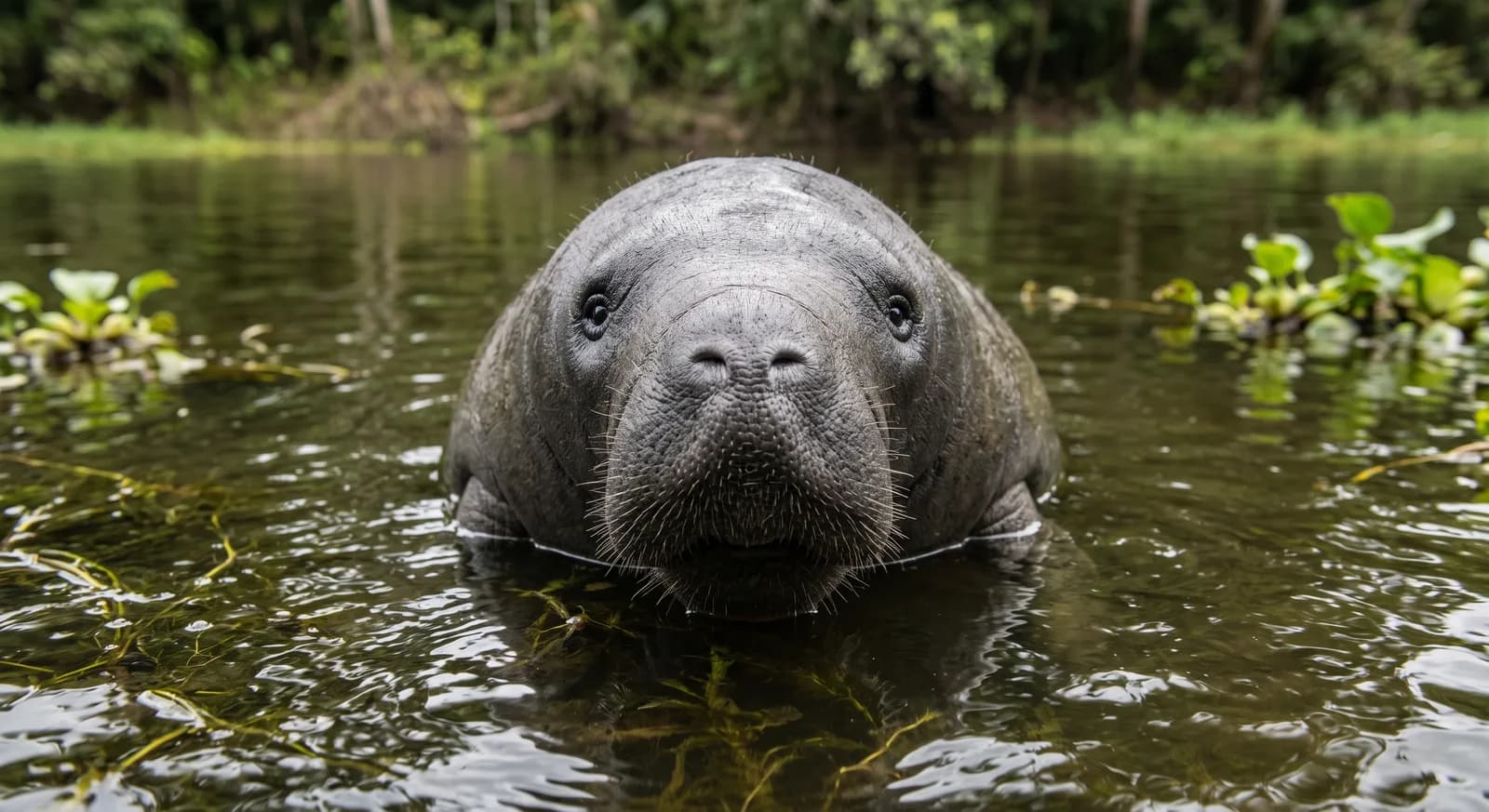
Amazonian Manatee
Trichechus inunguis
 Vulnerable
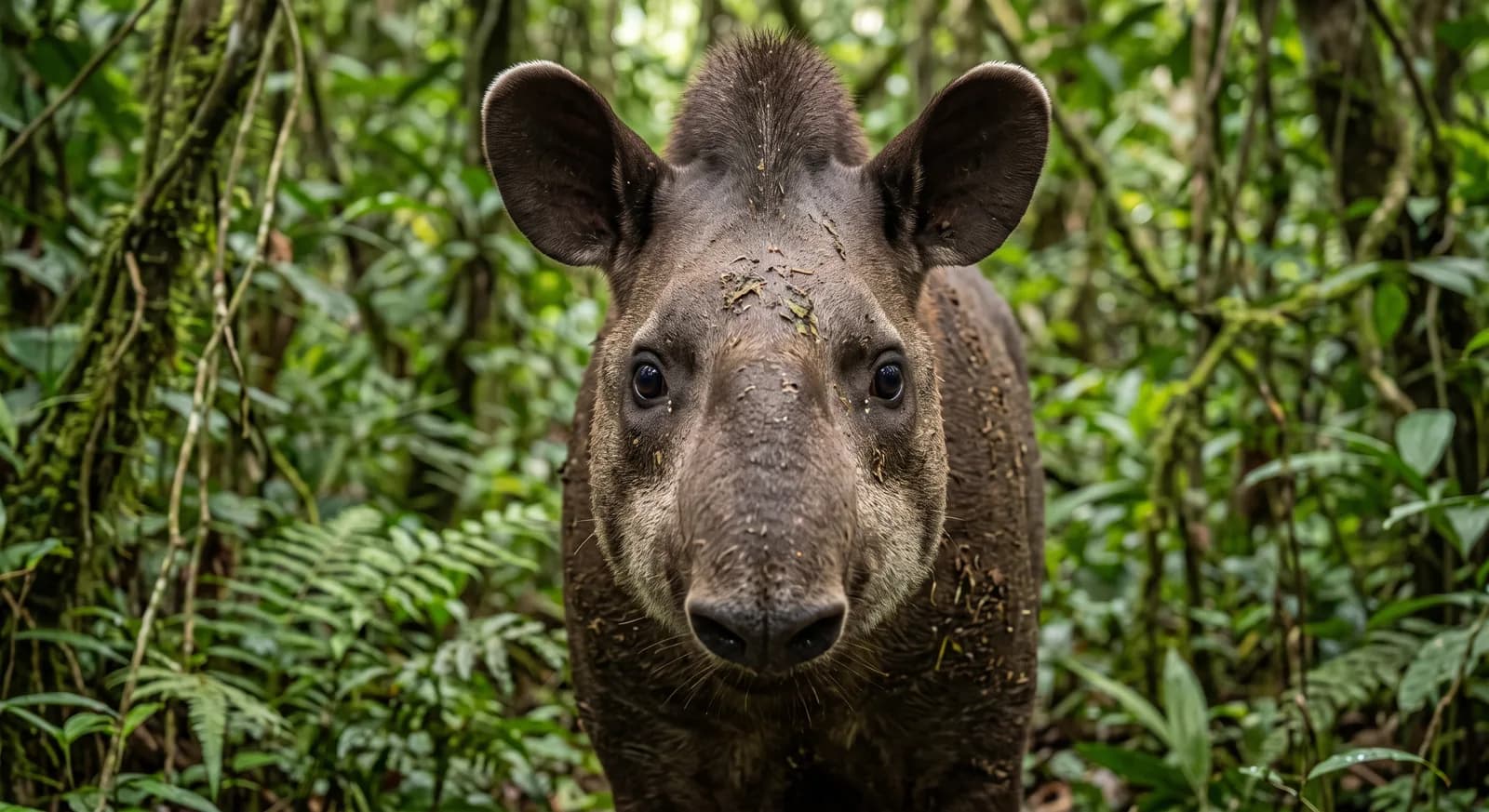
Lowland Tapir
Tapirus terrestris
Northern Pygmy Marmoset
Cebuella pygmaea
Red-Footed Tortoise
Chelonoidis carbonarius
Common Woolly Monkey
Lagothrix lagothricha
How to help
The white bald-headed uakari is classified as vulnerable. Organizations such as UICN, WWF y Wildlife Conservation Society work specifically on its conservation and that of its habitat; looking into their programs is a good starting point if you want to get involved.
It's documented in 2 real protected areas — part of why protecting these places matters for its conservation.
Keep exploring
Based on what we already know about white bald-headed uakari.
Comments
Share an experience, a fun fact or a tip for seeing the white bald-headed uakari.
Be the first to comment.