Paraguay
América del Sur
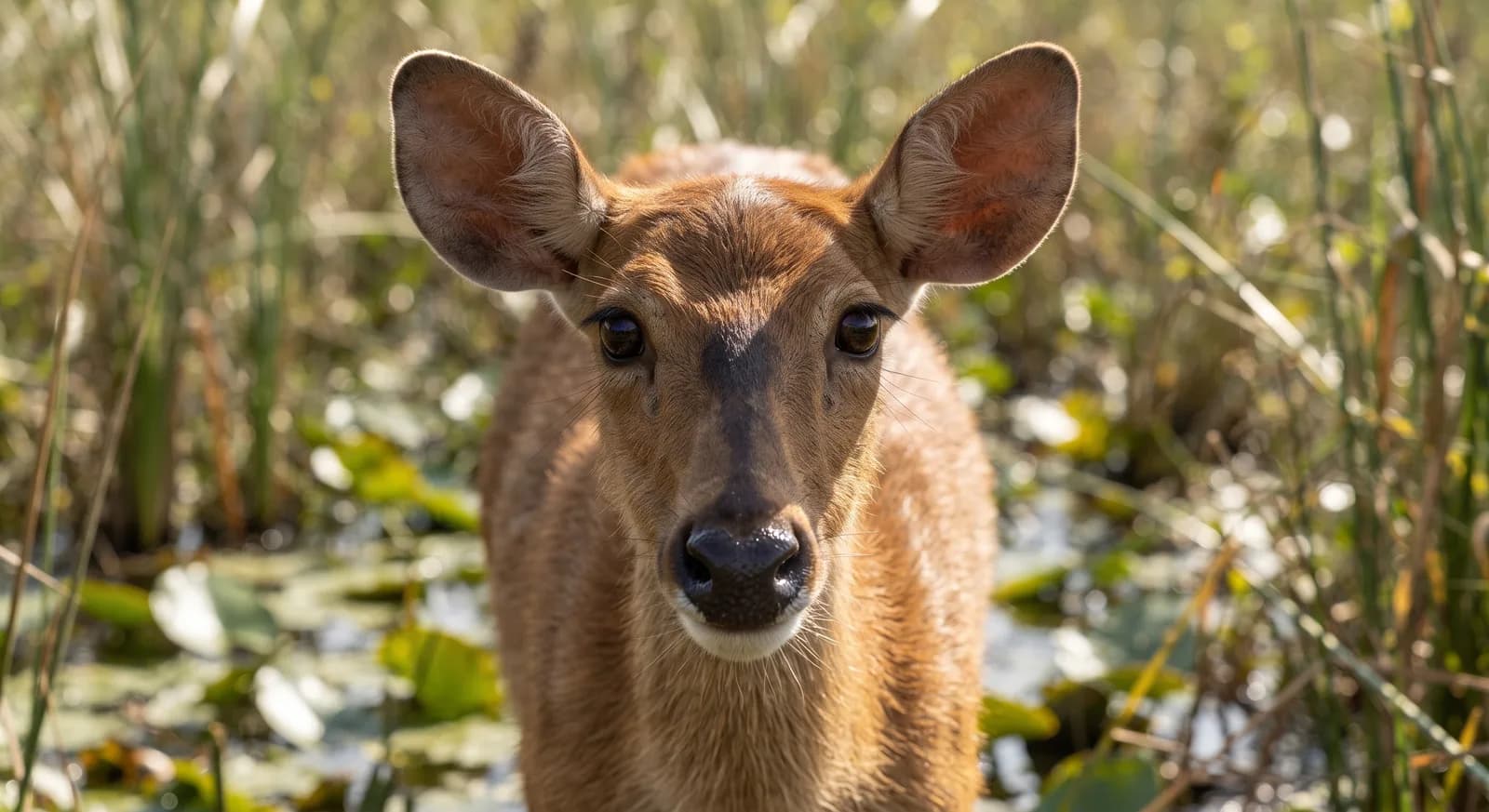
Paraguay is split in two by the river that gives it its name. To the east, the Oriental region held the Upper Paraná Atlantic Forest, of which a reduced fraction remains today, protected in reserves such as Mbaracayú, with jaguars, guans and the bellbird, whose metallic call carries a great distance. To the west stretches the Chaco, an immense plain of thorn forest and palm groves that is the largest continuous dry forest in South America and also one of the territories with the highest deforestation rate in the world. In the north, the Paraguayan Pantanal contributes seasonal wetlands with capybaras, marsh deer and waterbirds. The Chaco is also home to indigenous peoples living in voluntary isolation.
The nature of Paraguay
National animal: No official national animal; the bellbird is the country's national bird
Did you know?
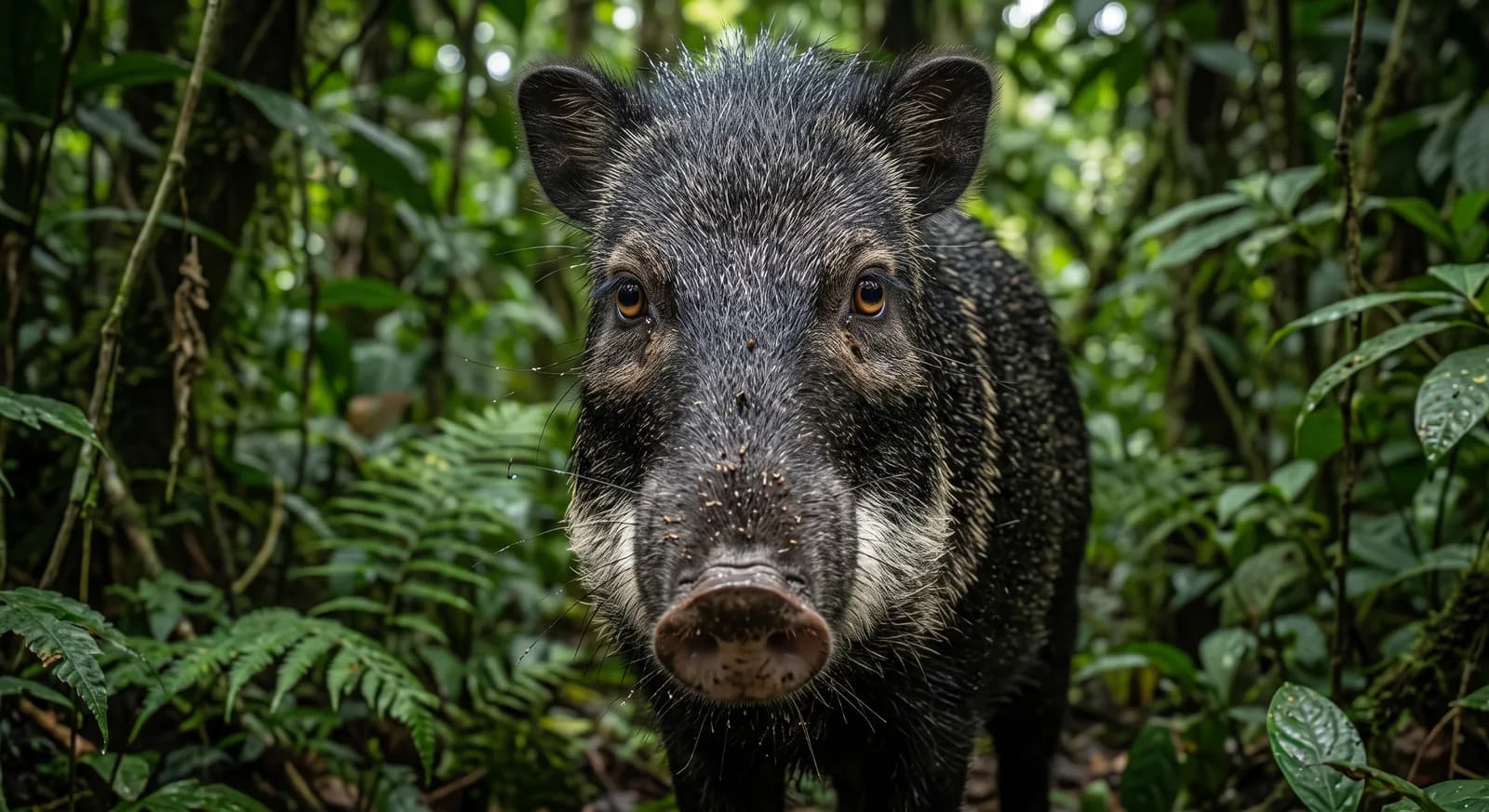
The taguá, a large peccary adapted to the thorny Chaco, was described in 1930 from fossils and was assumed to have been extinct for millennia. In 1975 scientists travelling through the Paraguayan Chaco found it alive and in good numbers, to the surprise of the international community and to none at all of the Ayoreo and other local peoples, who had lived alongside it and hunted it all their lives.
Biodiversity profile
Climate
- •Subtropical humedo (Cfa) en la Region Oriental
- •Tropical semiarido (BSh) en el Chaco paraguayo (Region Occidental)
Main biomes
- •Bosque Atlantico/Mata Atlantica (Region Oriental, hotspot compartido con Brasil y Argentina)
- •Chaco seco (Region Occidental, compartido con Argentina, Bolivia y Brasil)
- •Cerrado (fragmentos en el este)
- •Pantanal (extremo norte)
- •Chaco seco espinoso
- •Bosque Atlántico del Alto Paraná
- •Pantanal estacional
- •Palmar de karanday
- •Sabana de cerrado
- •Bosque de galería
- •Humedal del río Paraguay
Marine and coastal ecosystems
- •No aplica (pais sin litoral); humedales fluviales del rio Paraguay de gran relevancia ecologica
Flagship wildlife
- •Jaguar
- •Tapir
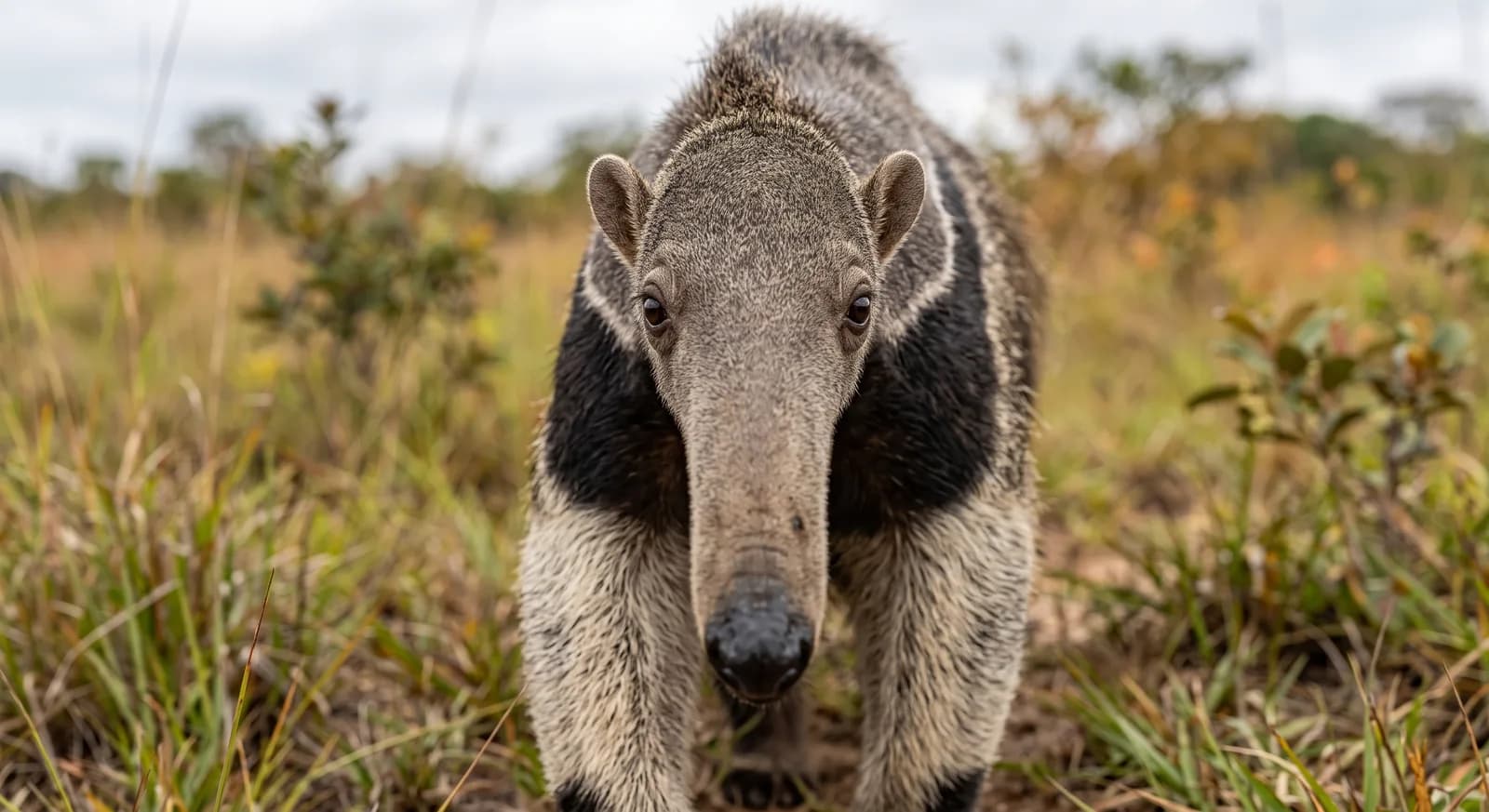
- •Oso hormiguero gigante
- •Guacamayo
- •Yacare (caiman)
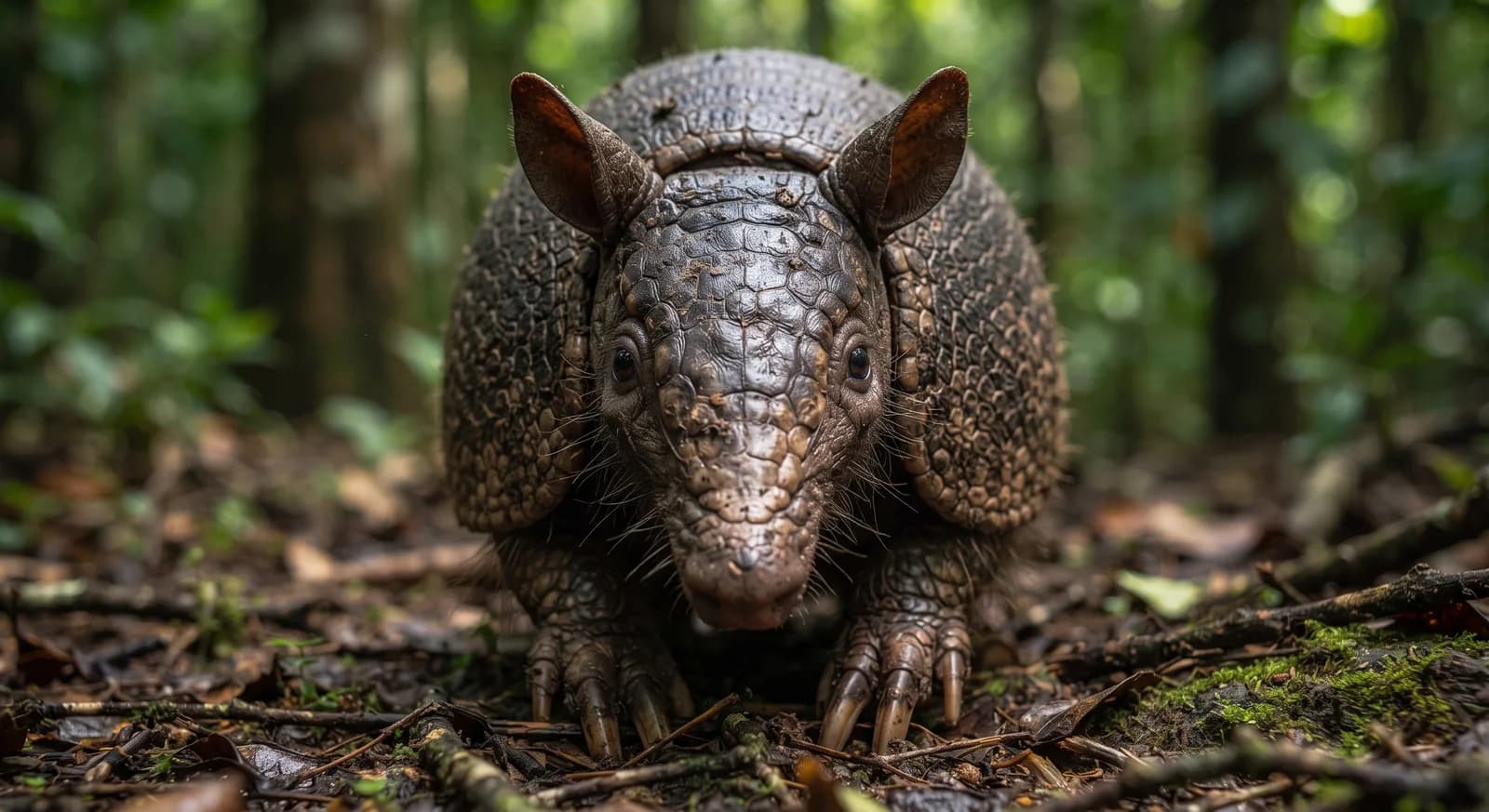
- •Tatu carreta (armadillo gigante)
- •Taguá o pecarí del Chaco
- •Pájaro campana
- •Ciervo de los pantanos
- •Armadillo gigante
- •Capibara
- •Lobo de crin
- •Guacamayo azul y amarillo
Notable endemic species
- •El Bosque Atlantico paraguayo alberga parte de la excepcional diversidad y endemismo de este hotspot (originalmente 1,5 millones de km2 a lo largo de la costa atlantica sudamericana, hoy con habitat severamente reducido)
- •Taguá o pecarí del Chaco
Notable threatened species
- •Jaguar (En Peligro en Paraguay por perdida de habitat en el Chaco)
- •Tatu carreta (Vulnerable)
- •Especies del Bosque Atlantico con habitat historicamente muy fragmentado
Notable protected areas
- •Reserva Natural del Bosque Mbaracayu (Bosque Atlantico)
- •Parque Nacional Defensores del Chaco
- •Parque Nacional Río Negro
- •Parque Nacional Ybycuí
- •Lago Ypacaraí
- •Parque Nacional Cerro Corá
Main conservation threats
- •Deforestacion acelerada del Chaco paraguayo (uno de los frentes de deforestacion mas rapidos del mundo por expansion ganadera)
- •Fragmentacion historica severa del Bosque Atlantico
- •Perdida de habitat para grandes mamiferos como el jaguar
Conservation
The Chaco records one of the fastest rates of conversion from forest to cattle pasture on the planet, which directly threatens the taguá and the giant armadillo. Mbaracayú protects one of the last significant blocks of Atlantic Forest in the country, in a biome that has lost most of its original extent.
Where and when to watch wildlife
Defensores del Chaco in the dry season for taguá and large mammals. Mbaracayú at dawn for the bellbird. The Paraguayan Pantanal between May and September for waterbirds.
Sources: Interactive Country Fiches (UNEP-GRID) - Biodiversity Paraguay | PMC - Diversity and conservation of legumes in the Gran Chaco
Parks and reserves
Especies documentadas en Paraguay
197 species found
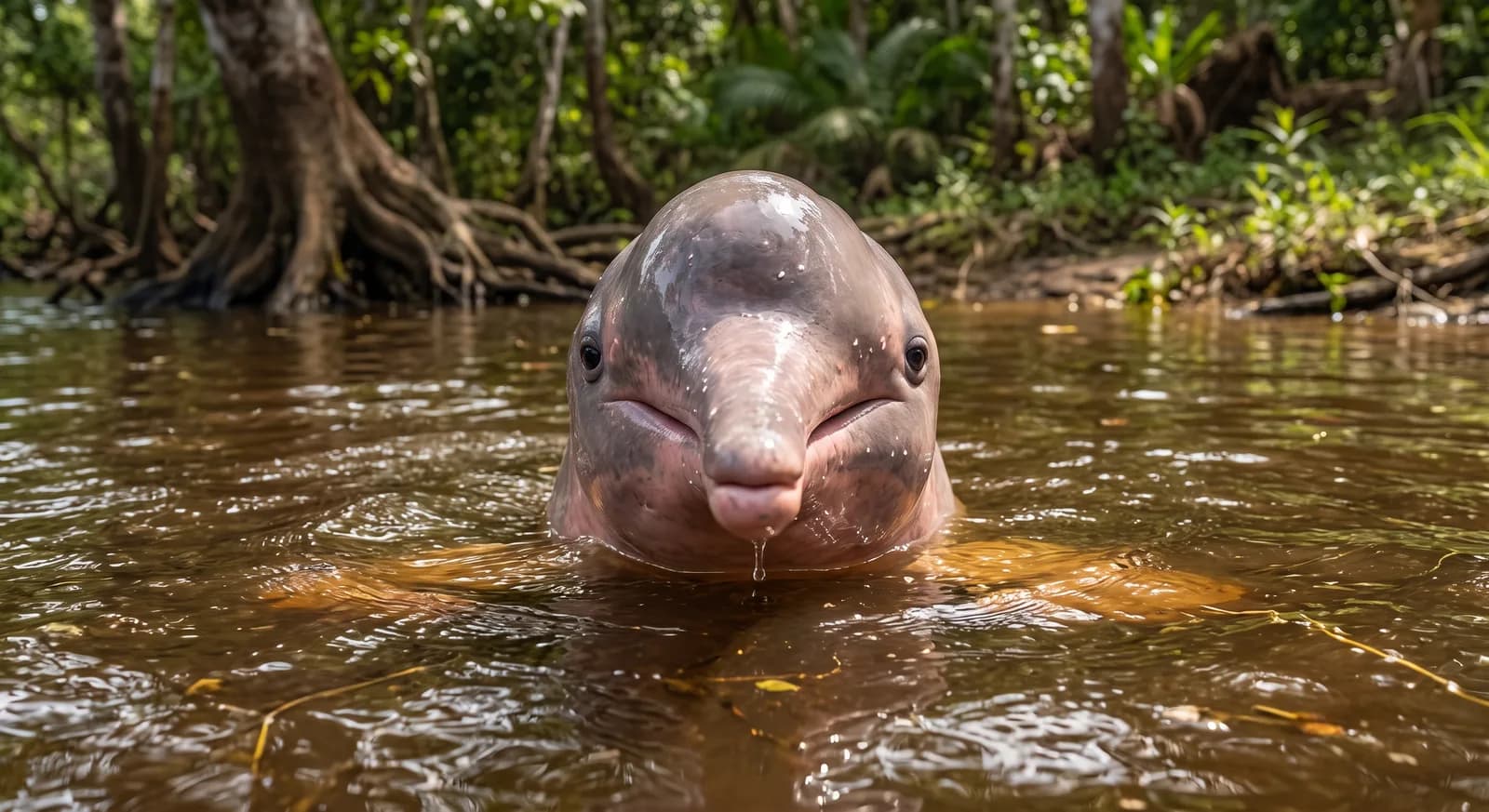 Endangered
Amazon River Dolphin
Inia geoffrensis
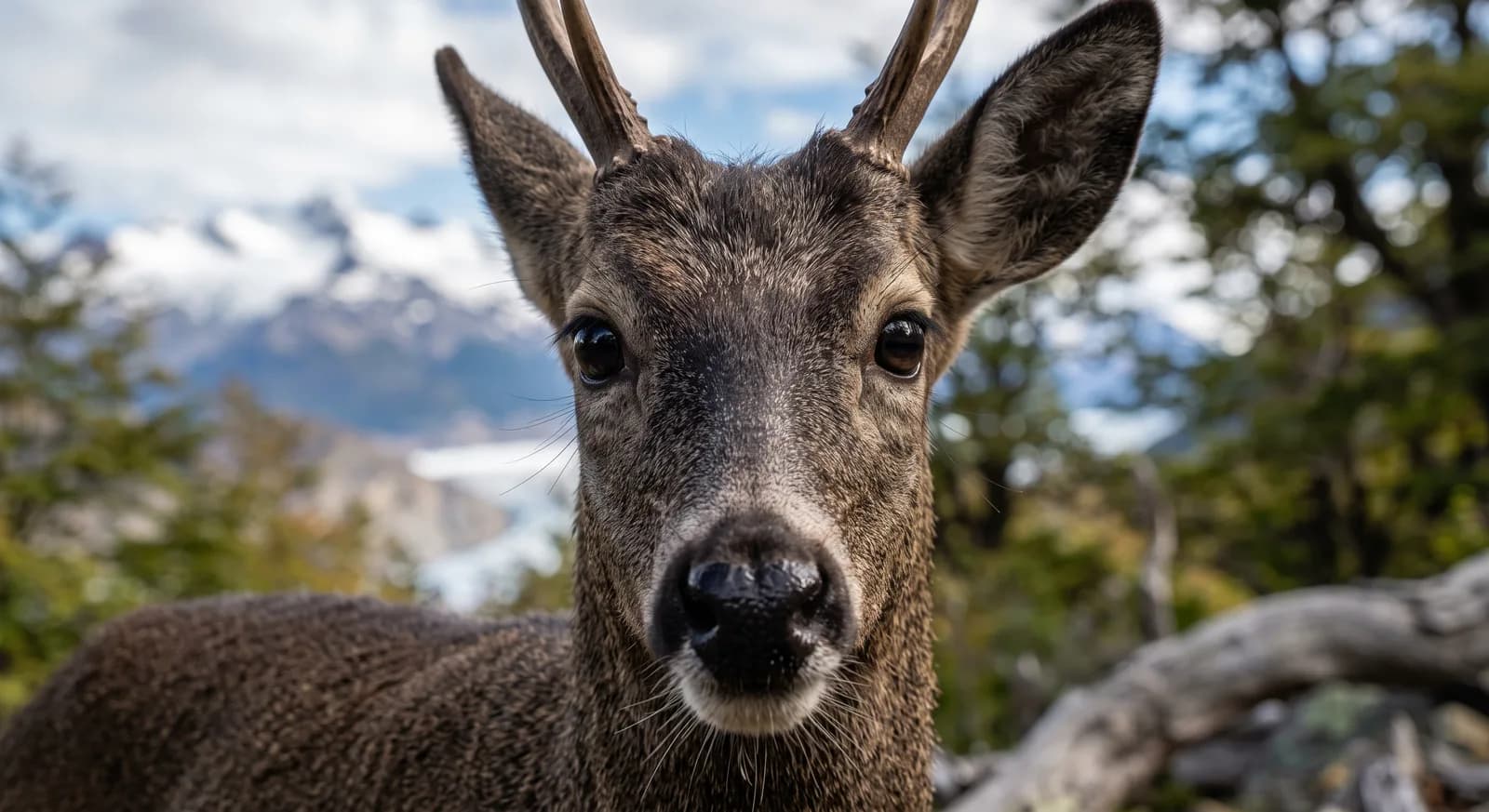 Endangered
Patagonian Huemul
Hippocamelus bisulcus
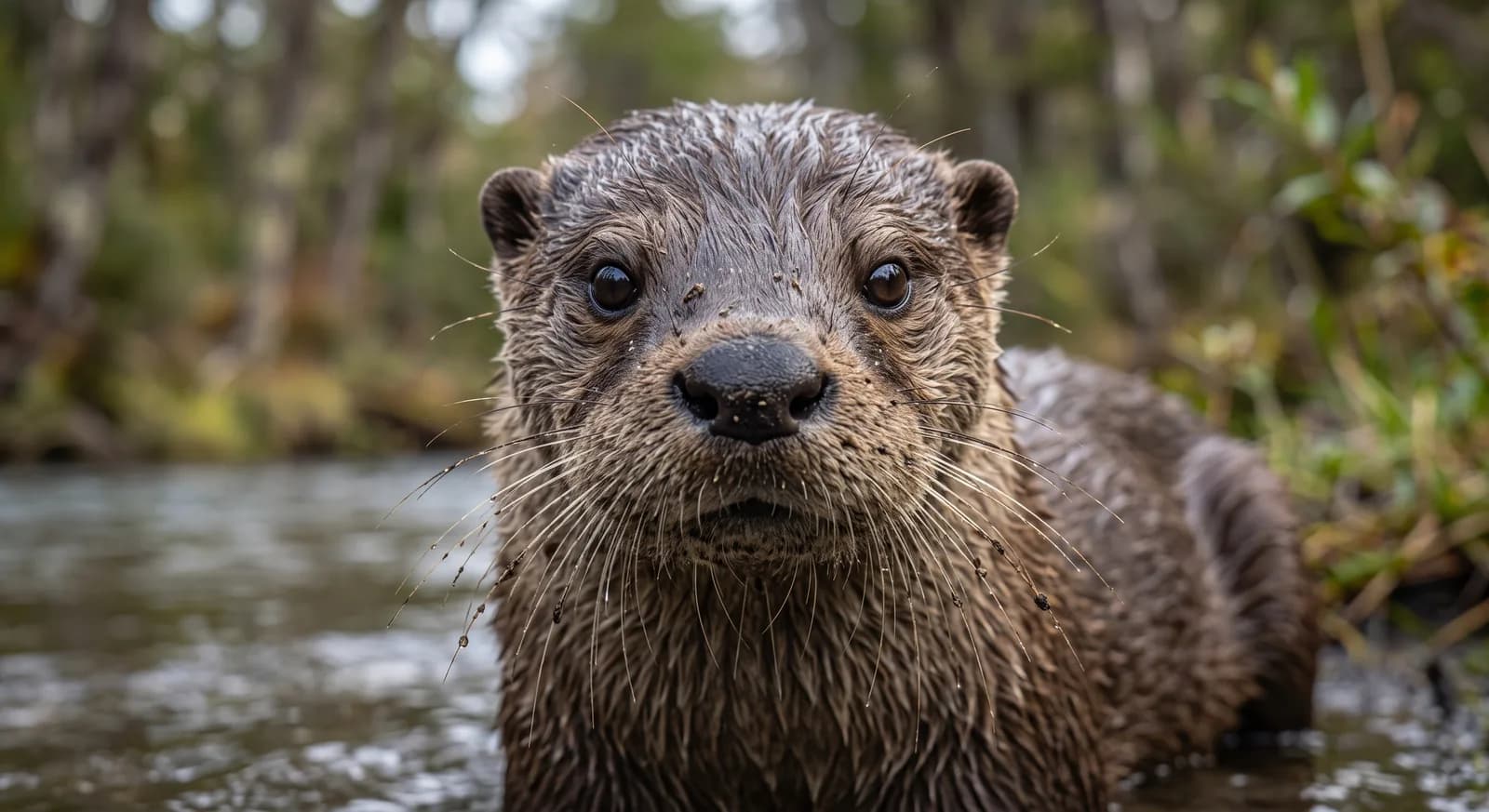 Endangered
Southern River Otter
Lontra provocax
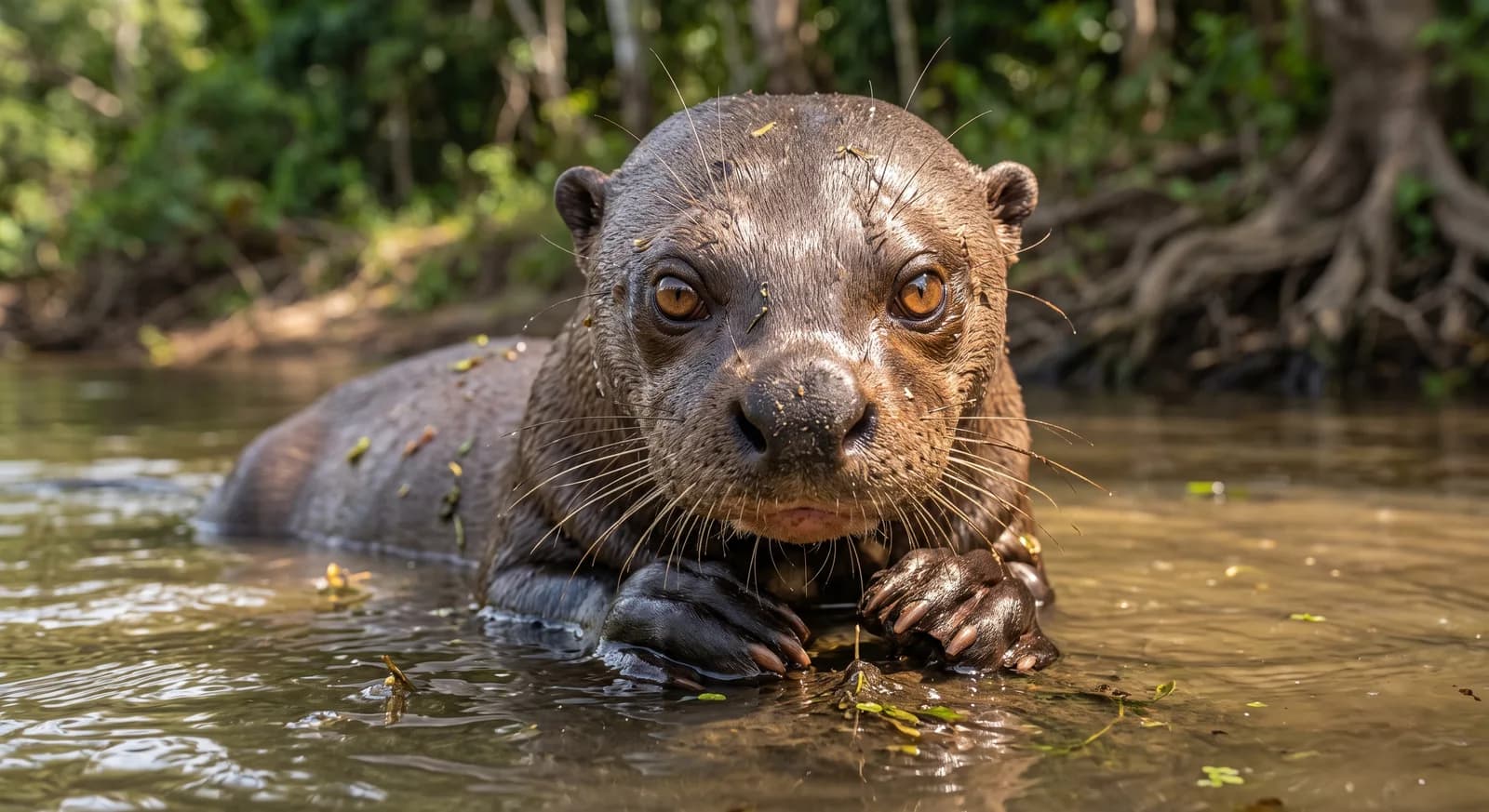 Endangered
Giant Otter
Pteronura brasiliensis
 Vulnerable
Giant Armadillo
Priodontes maximus
 Vulnerable
Marsh Deer
Blastocerus dichotomus
 Vulnerable
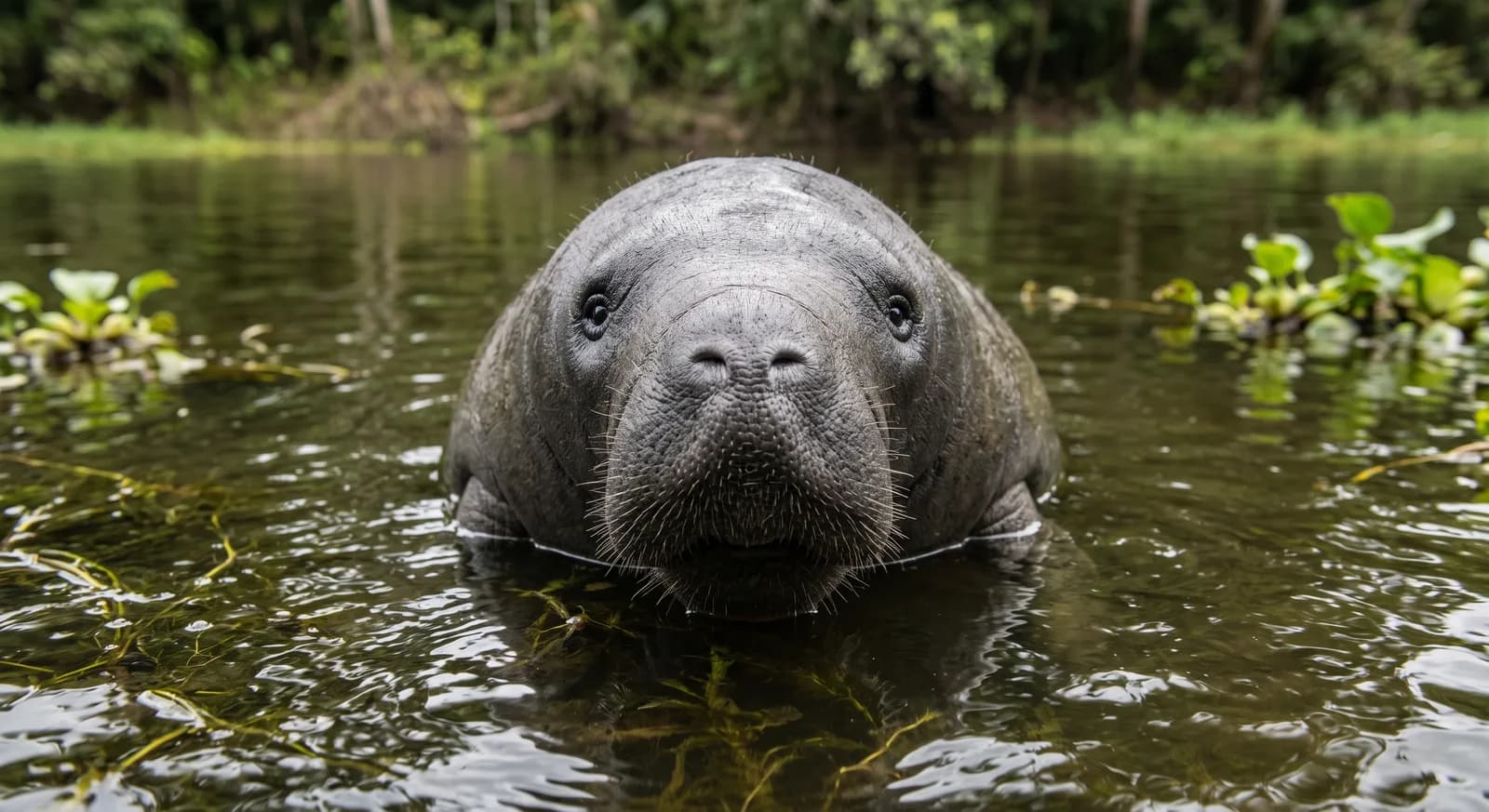
Amazonian Manatee
Trichechus inunguis
 Vulnerable
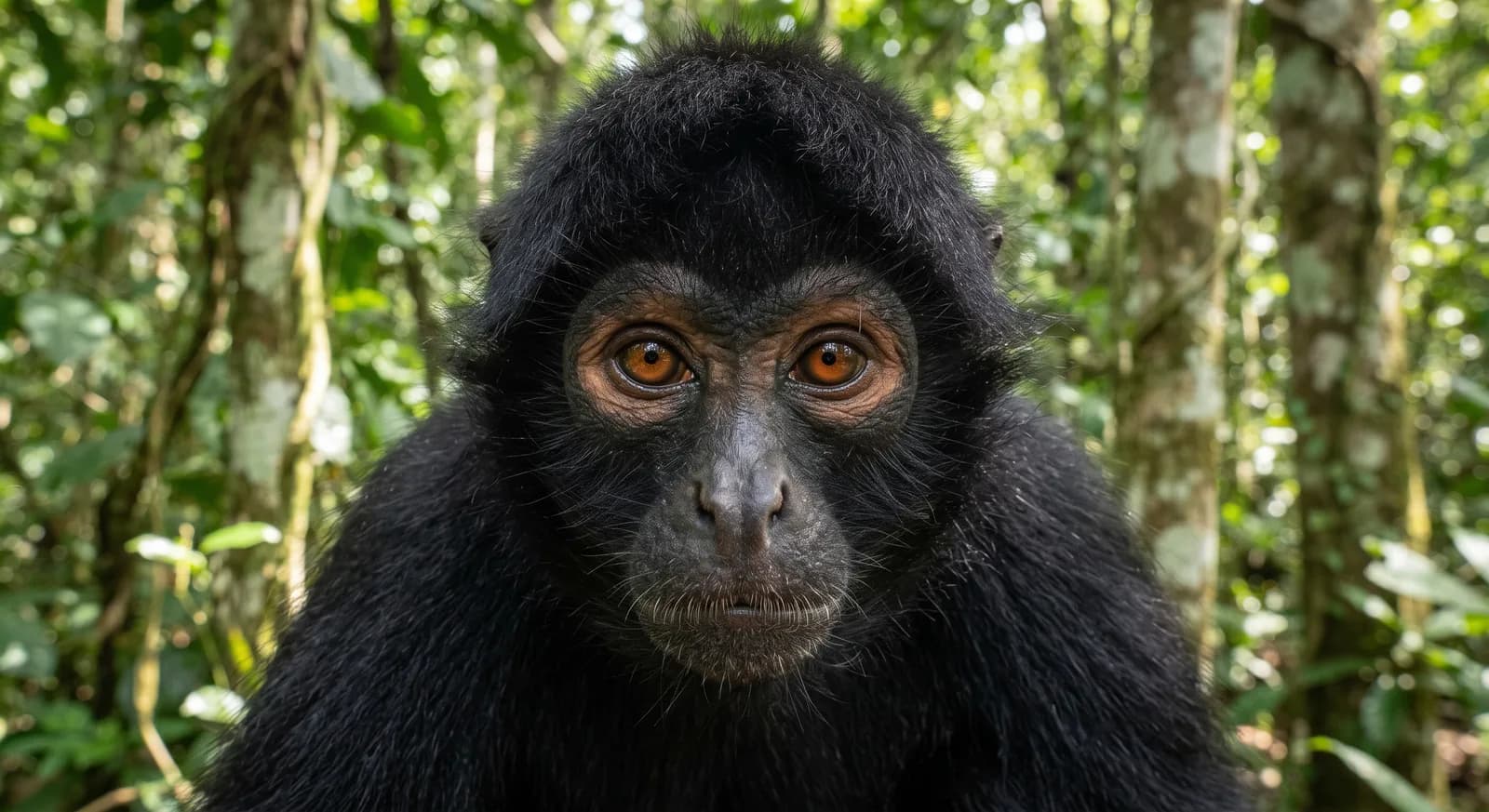
Red-faced Black Spider Monkey
Ateles paniscus
 Vulnerable
Giant Anteater
Myrmecophaga tridactyla
 Vulnerable
White-Lipped Peccary
Tayassu pecari
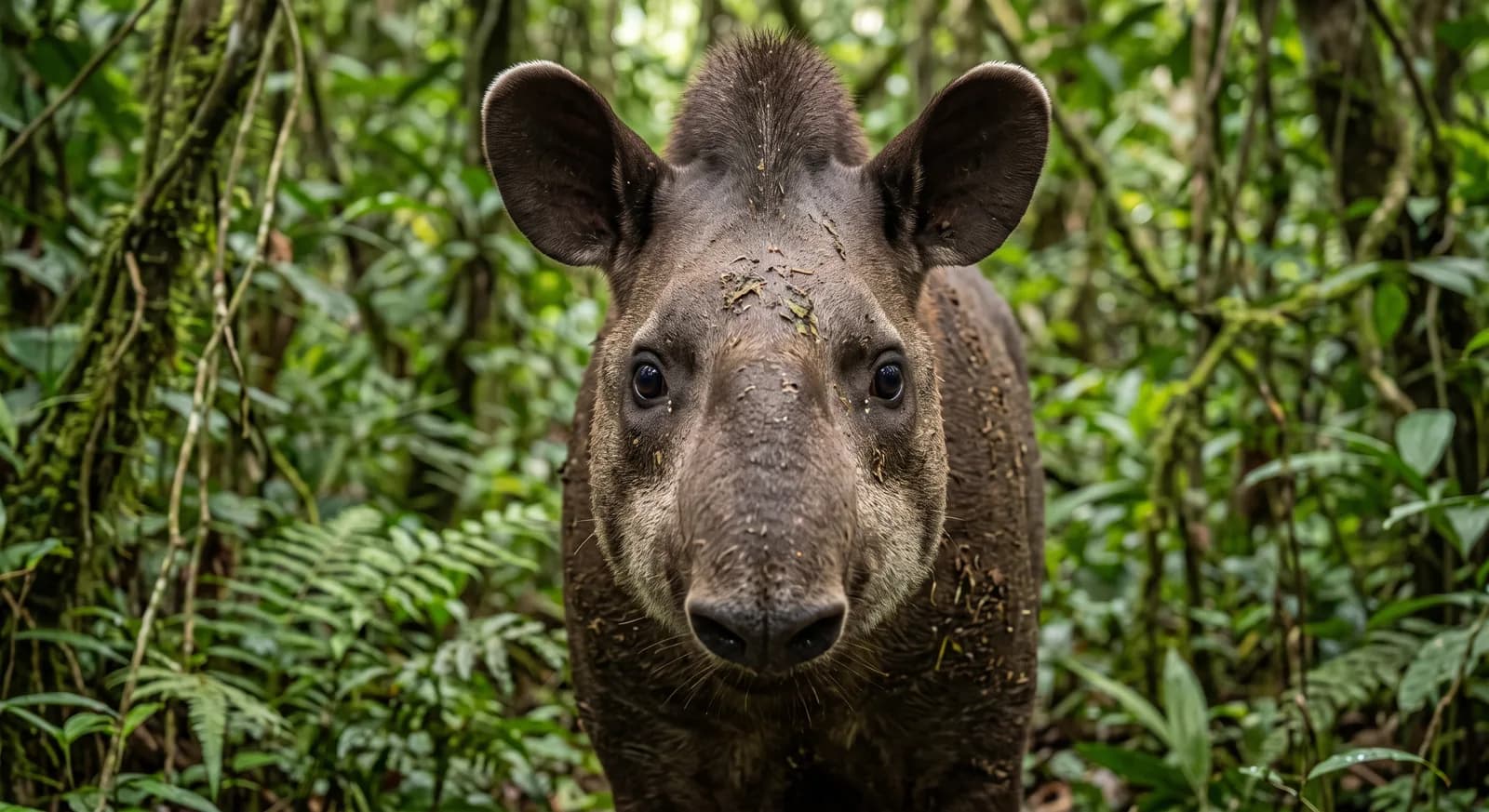 Vulnerable
Lowland Tapir
Tapirus terrestris
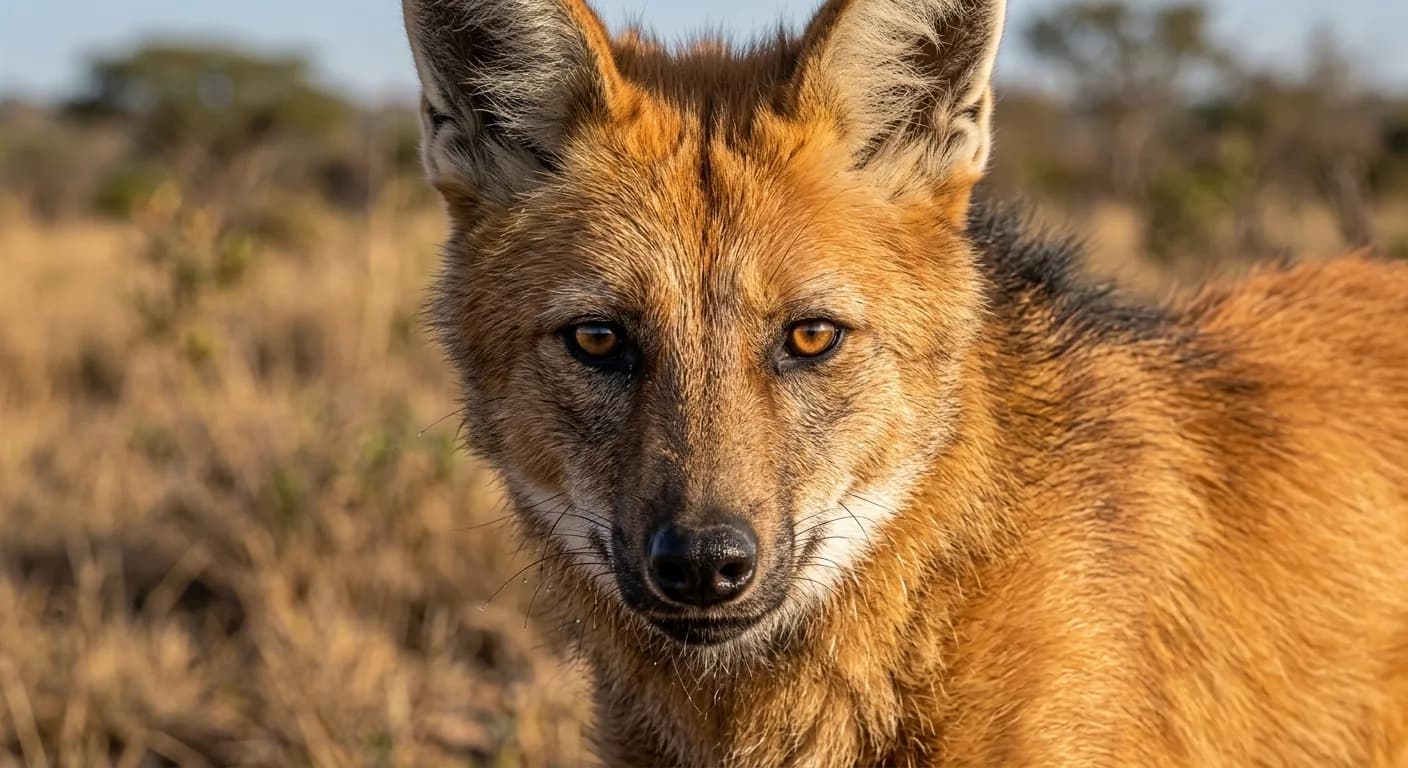 Near Threatened
Maned Wolf
Chrysocyon brachyurus
Keep exploring
Based on what we already know about Paraguay.