One of the 12 deer on WAnimals
Mammals · Artiodactyla · Cervidae
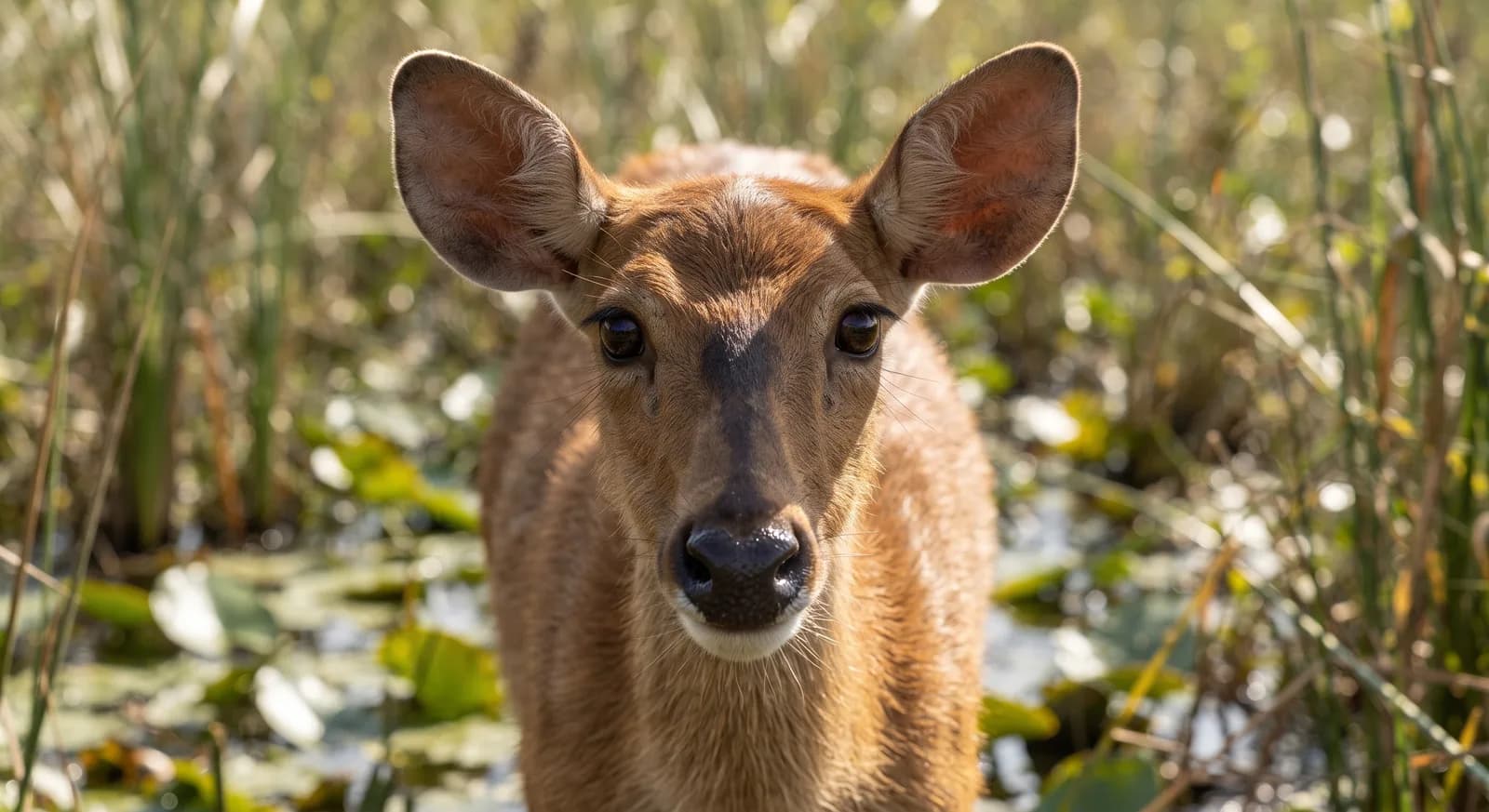
Marsh Deer
Blastocerus dichotomus
It faces a high risk of extinction in the wild over the medium term. See full glossary
The marsh deer is the largest deer in South America and is wholly adapted to life in wetlands. Its hooves are long, widely splayed and joined by an elastic membrane that spreads its weight over the mud and serves as paddles when swimming. Its legs are black to above the knee, as though it were wearing stockings. It browses aquatic plants and rushes. The draining of wetlands for farming and grazing, together with hunting, have broken it up into isolated populations.
Weight
80 kg – 150 kg
Size
1.5 m – 2 m
Lifespan
18 years
Diet
Herbivore
Feeds mainly on plants.
Activity
Crepuscular
Active above all at dawn and dusk.
Social structure
Solitary
Lives and hunts alone, joining others only to breed.
Sighting difficulty
Moderate
Fun facts
- GeneralThe largest deer in South America; it has webbing between its hooves for walking on mud.
- Its hooves are joined by an elastic membrane that spreads as it steps on soft mud and works like a snowshoe: it can walk over mats of floating vegetation where any other deer would sink.
- It is an accomplished swimmer: it crosses wide river channels with only its head and antlers above the water.
Life cycle & biology
- Skeleton type
- Vertebrate - internal bony skeleton (mammal)
- Habitat & environment
- Wetlands, marshes, swamps and floodplains with aquatic vegetation in South America
- Sexual maturity
- 2 years
- Gestation / incubation
- 8.9 months
- Litter / clutch size
- 1
Sources consulted: https://es.wikipedia.org/wiki/Blastocerus_dichotomus
Where to find it
See its range on the interactive mapWhere to watch it
Parks and dive sites where this species has been documented.
Related species
Other species in the catalogue with the most in common with Marsh Deer — same habitat, park, country, tags or family.
Brockets
Subulo gouazoubira
Pampas Deer
Ozotoceros bezoarticus
 Vulnerable
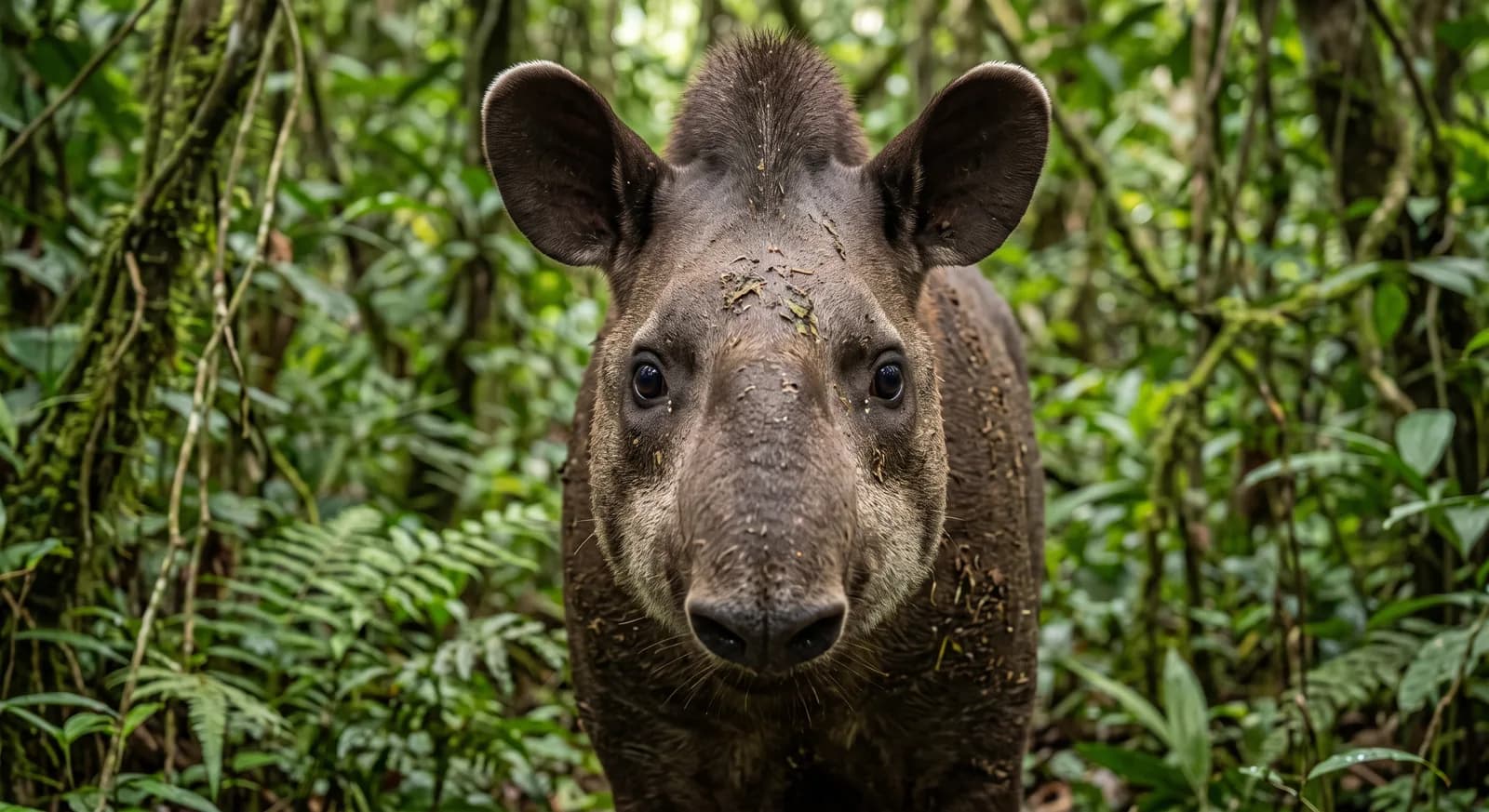
Lowland Tapir
Tapirus terrestris
Hyacinth Macaw
Anodorhynchus hyacinthinus
Pudus
Pudella mephistophiles
 Least Concern
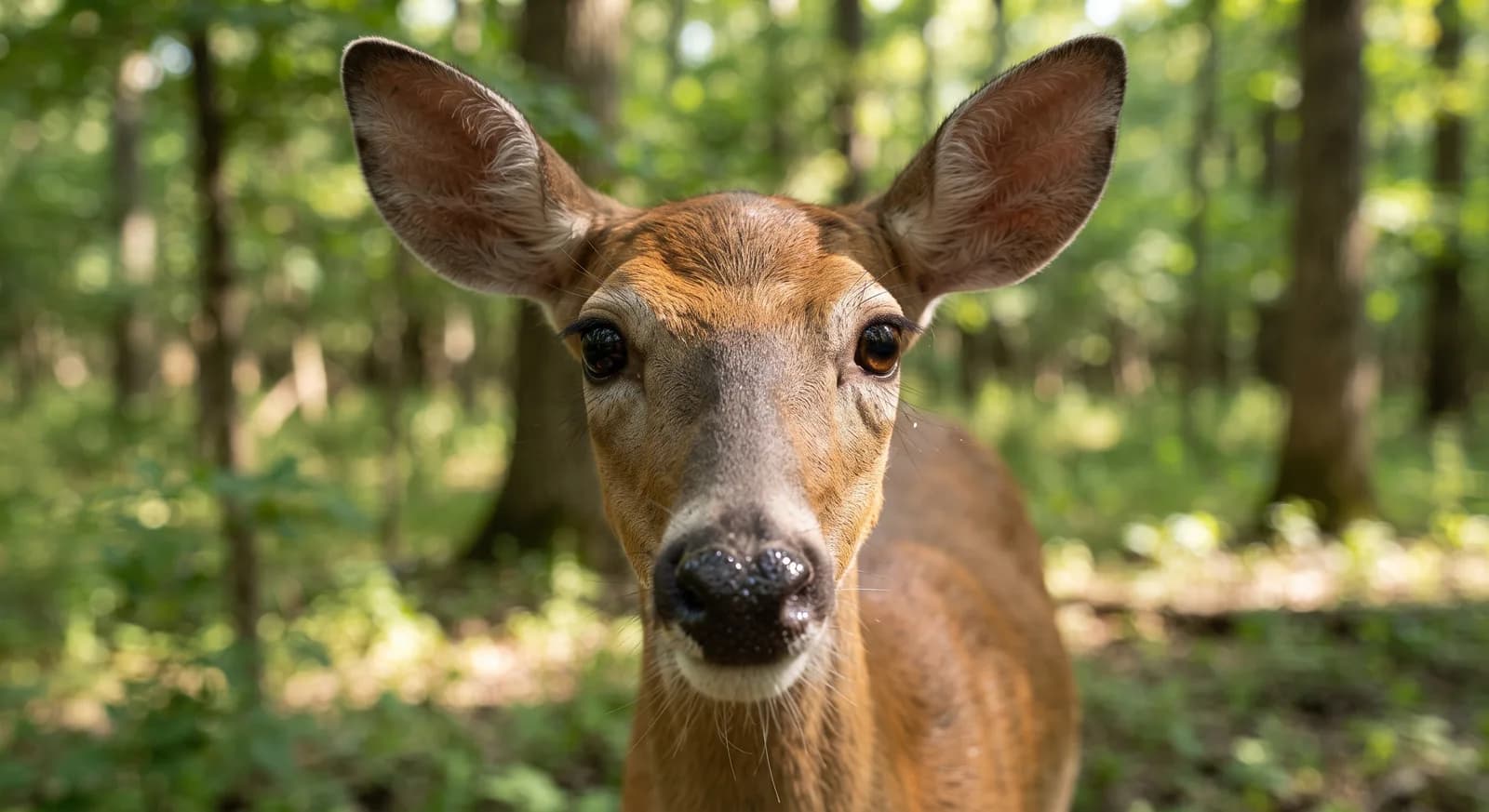
White-Tailed Deer
Odocoileus virginianus
How to help
The marsh deer is classified as vulnerable. Organizations such as UICN, WWF y Wildlife Conservation Society work specifically on its conservation and that of its habitat; looking into their programs is a good starting point if you want to get involved.
It's documented in 5 real protected areas — part of why protecting these places matters for its conservation.
Keep exploring
Based on what we already know about marsh deer.
Comments
Share an experience, a fun fact or a tip for seeing the marsh deer.
Be the first to comment.