One of the 2 brockets on WAnimals
Mammals · Artiodactyla · Cervidae
Brockets
Subulo gouazoubira
The species is abundant and widely distributed; it faces no significant short-term risk. See full glossary
The grey brocket, or guazuncho, is a small South American deer of compact build, with hindquarters higher than its forequarters and a greyish brown coat. Unlike other brockets it prefers dry, open habitats: Brazilian cerrado, chaco and deciduous woodland. It is solitary and very unobtrusive, and feeds mainly on shoots, leaves and fallen fruit. The males have short, straight, unbranched antlers barely ten centimetres long, which they shed irregularly.
Weight
11 kg – 25 kg
Size
85 cm – 1.3 m
Lifespan
12 years
Diet
Herbivore
Feeds mainly on plants.
Activity
Crepuscular
Active above all at dawn and dusk.
Social structure
Solitary
Lives and hunts alone, joining others only to breed.
Sighting difficulty
Easy
Fun facts
- Its straight, pointed, unbranched antlers give the genus Subulo its name, from the Latin subula, meaning an awl.
- It is one of the most adaptable deer in South America: it survives in the farmland mosaics of the Chaco, where other brockets disappear.
Life cycle & biology
- Skeleton type
- Vertebrate - internal bony skeleton (mammal)
- Habitat & environment
- Dry forest, cerrado, chaco and scrub of South America east of the Andes
- Sexual maturity
- 12 months
- Gestation / incubation
- 7 months
- Litter / clutch size
- 1
Sources consulted: https://www.iucnredlist.org/ | https://animaldiversity.org/ | https://es.wikipedia.org/
Where to find it
See its range on the interactive mapWhere to watch it
Parques y spots de buceo donde se ha documentado esta especie — se muestran 10 de 23 documentados.
Related species
Other species in the catalogue with the most in common with Brockets — same habitat, park, country, tags or family.
Pampas Deer
Ozotoceros bezoarticus
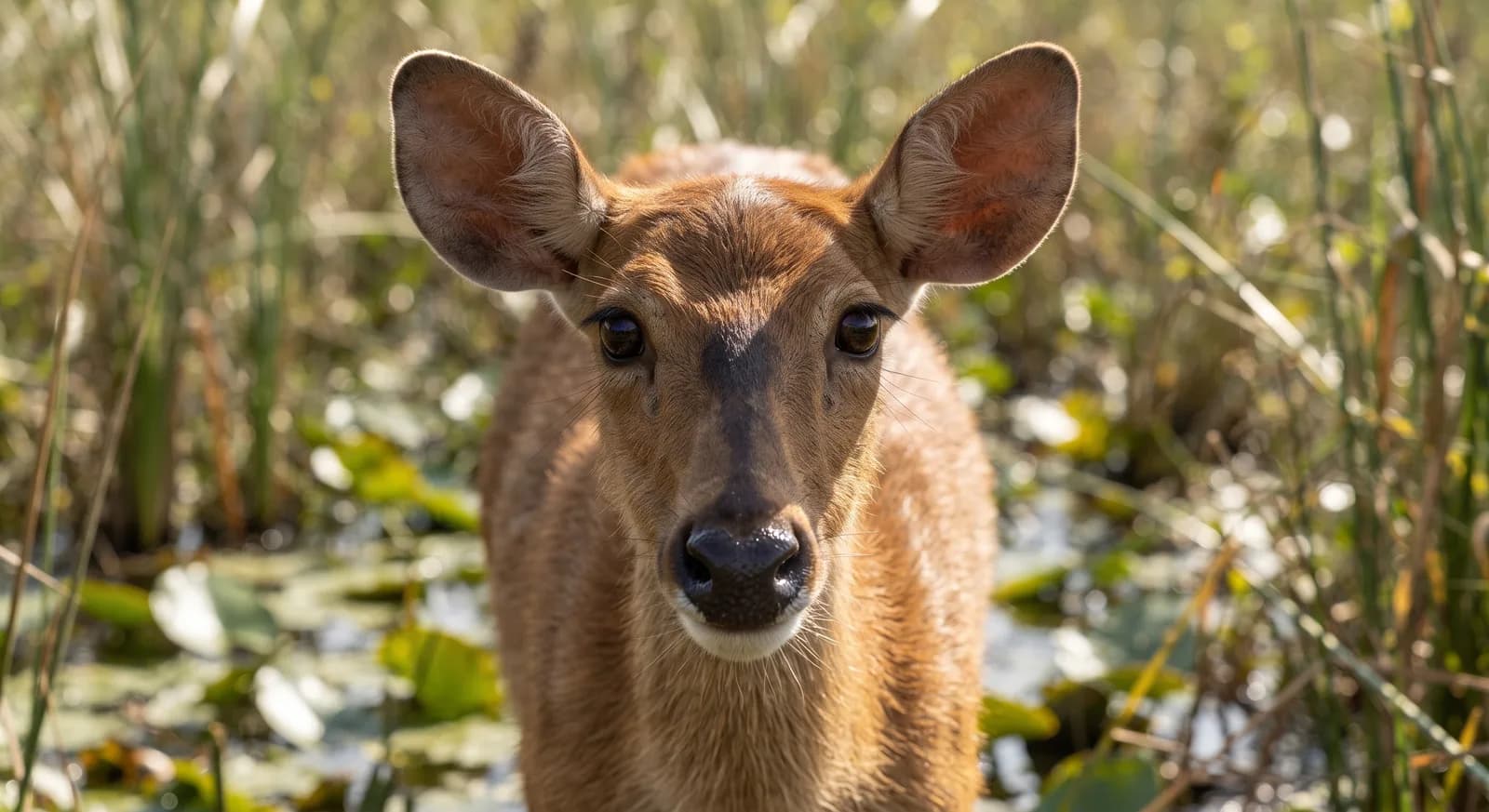 Vulnerable
Marsh Deer
Blastocerus dichotomus
Red Brocket
Mazama americana
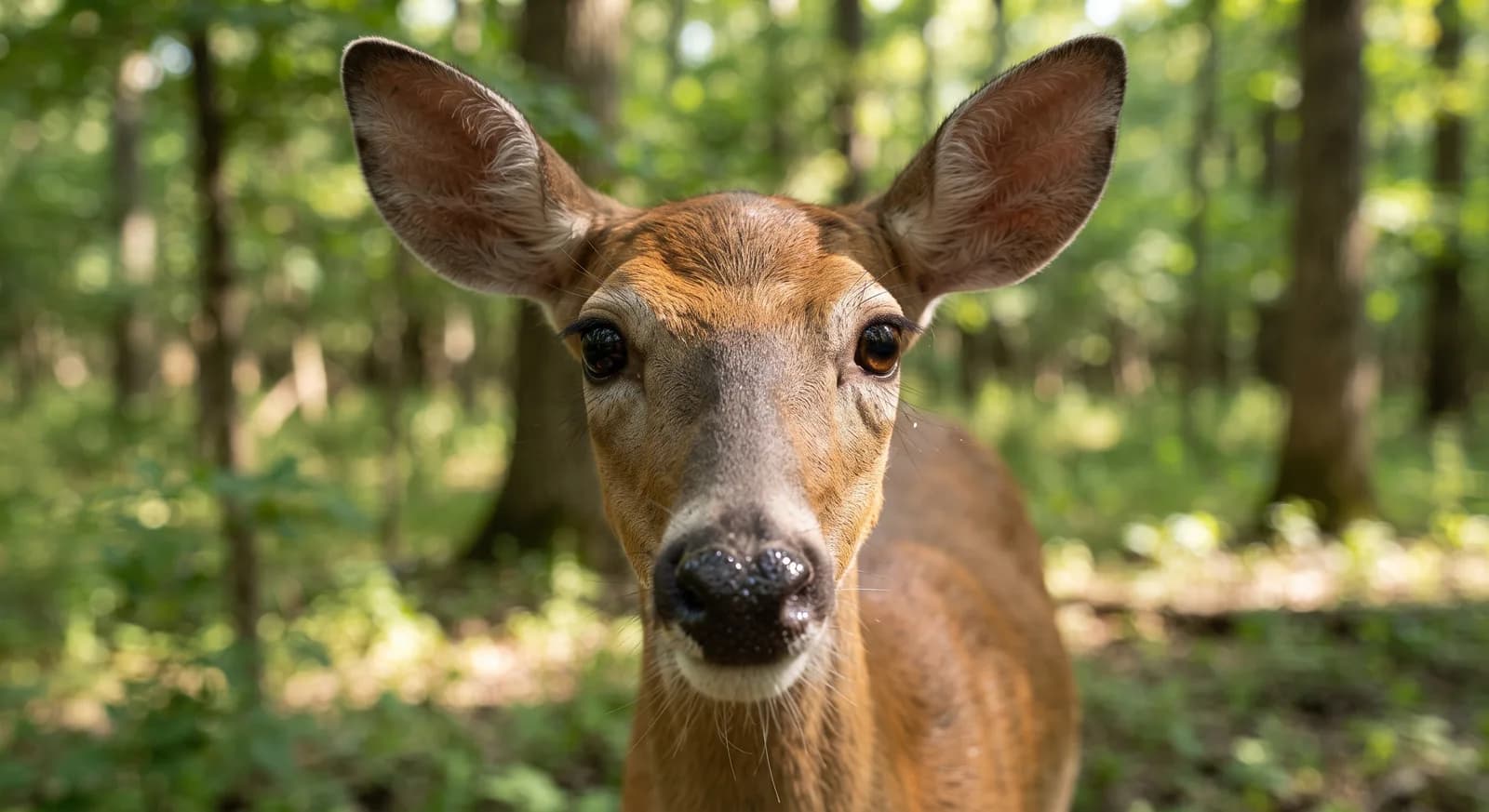 Least Concern
White-Tailed Deer
Odocoileus virginianus
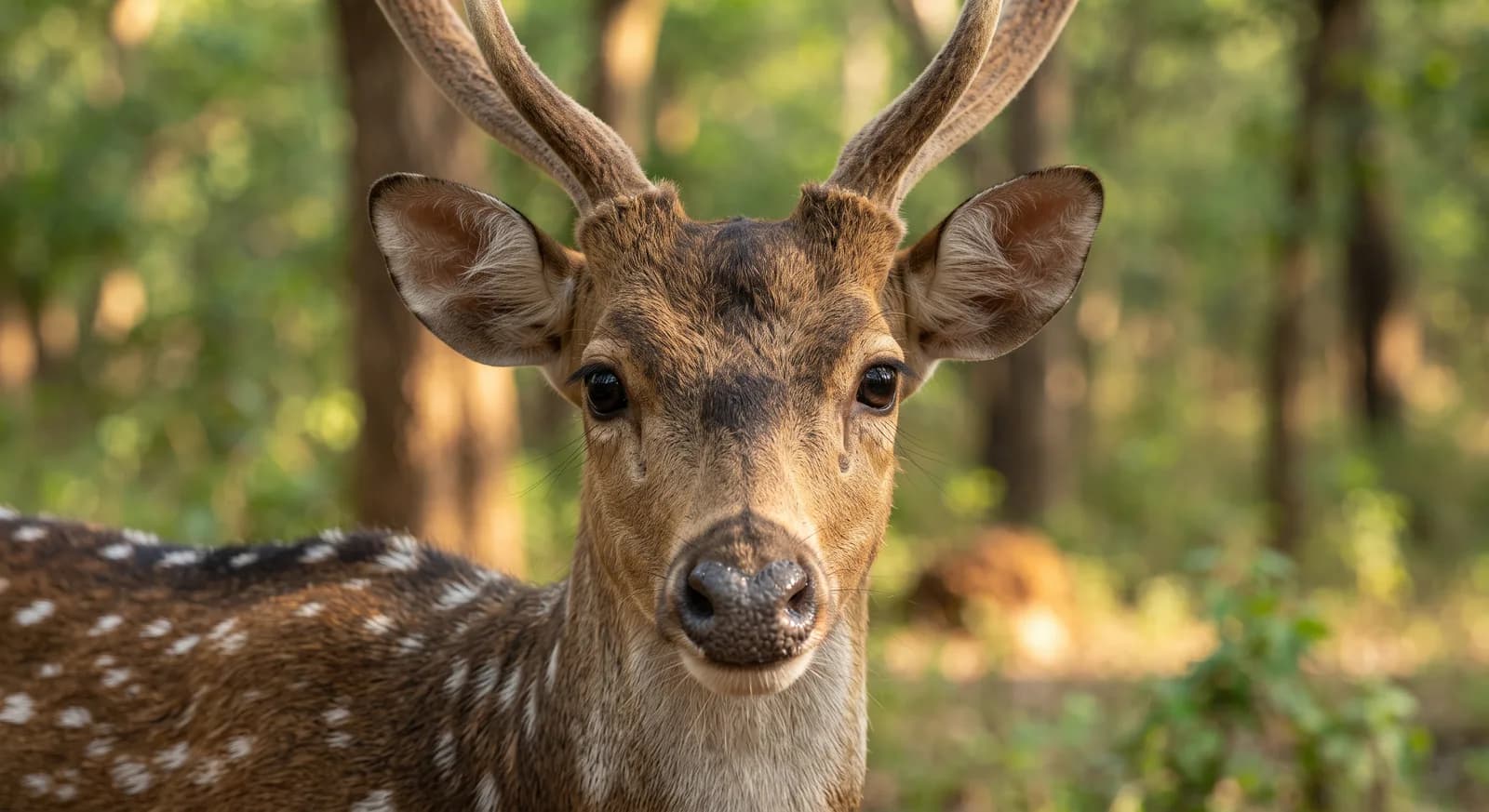 Least Concern
Chital
Axis axis
Roosevelt Elk
Cervus canadensis
Keep exploring
Based on what we already know about brockets.
Comments
Share an experience, a fun fact or a tip for seeing the brockets.
Be the first to comment.