One of the 12 deer on WAnimals
Mammals · Artiodactyla · Cervidae
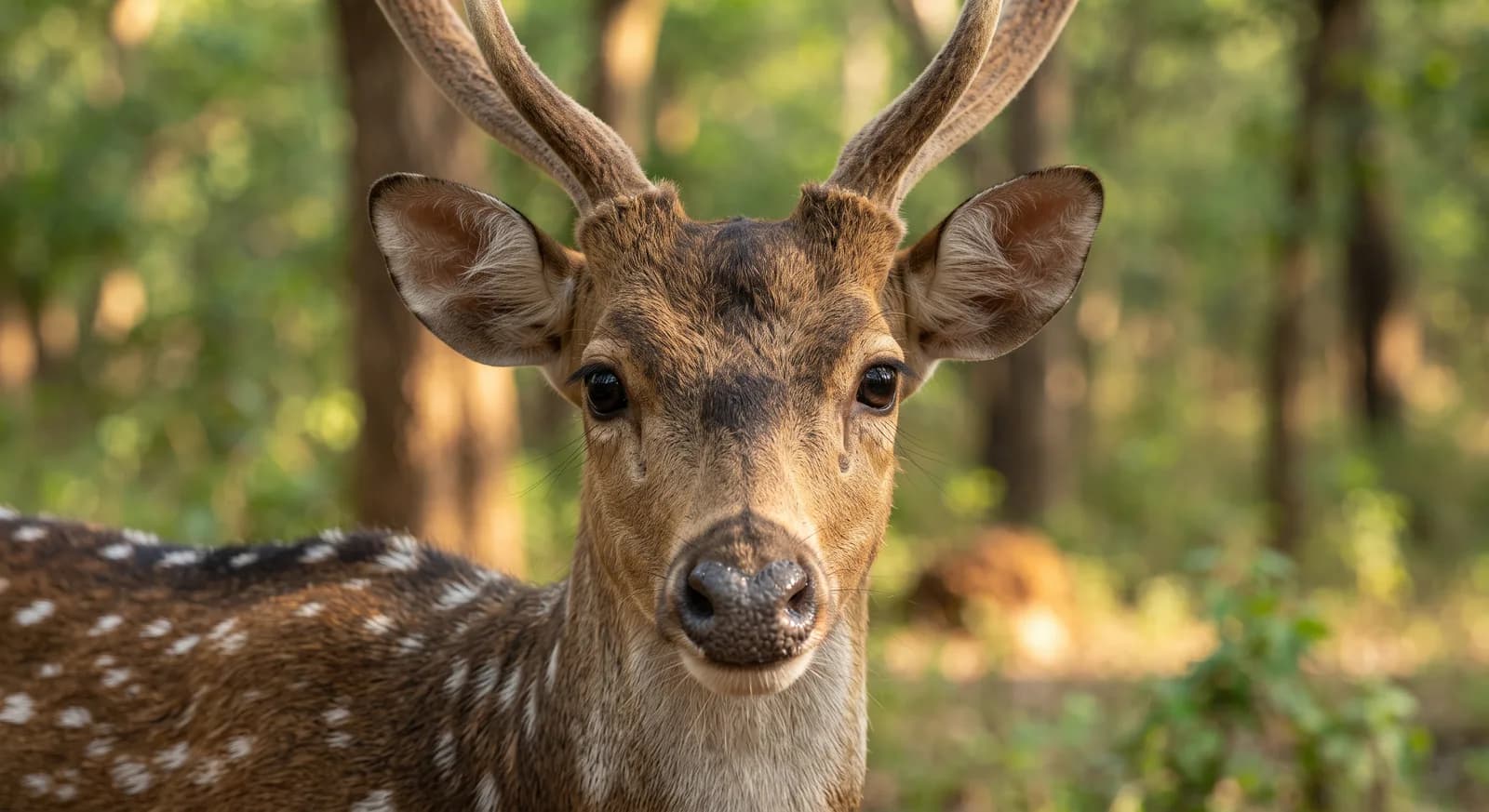
Chital
Axis axis
The species is abundant and widely distributed; it faces no significant short-term risk. See full glossary
The chital, or axis deer, is the most abundant deer in India and keeps its white spots throughout life, not only as a fawn. It lives in large herds in open woodland with clearings and is the main prey of the tiger and the leopard over much of its range. It maintains a close association with Hanuman langurs: it follows the monkey troops to eat the fruit they drop from the canopy, and in return makes use of their alarm calls, which pick up predators from above.
Weight
30 kg – 110 kg
Size
1.1 m – 1.6 m
Lifespan
15 years
Diet
Herbivore
Feeds mainly on plants.
Activity
Diurnal
Active mainly during the day.
Sighting difficulty
Easy
Fun facts
- GeneralIt keeps its spotted coat all its life, and is the Bengal tiger's main prey.
- It follows the langurs through the forest to eat the fruit they drop, and in return benefits from the alarm calls the monkeys give from the canopy on seeing a tiger: an alliance between a primate and a deer that works both ways.
- It is the deer that keeps its spots for life: in most species the dappling belongs to the fawns alone and fades within the first year.
Life cycle & biology
- Skeleton type
- Vertebrate - internal bony skeleton (mammal)
- Habitat & environment
- Open deciduous forest with grassy clearings and riverside woodland of the Indian subcontinent
- Sexual maturity
- 2.1 years
- Gestation / incubation
- 7.4 months
- Litter / clutch size
- 1.03 (average)
Sources consulted: https://es.wikipedia.org/wiki/Axis_axis
Where to find it
See its range on the interactive mapWhere to watch it
Parques y spots de buceo donde se ha documentado esta especie — se muestran 10 de 21 documentados.
Related species
Other species in the catalogue with the most in common with Chital — same habitat, park, country, tags or family.
Barasingha
Rucervus duvaucelii
 Vulnerable
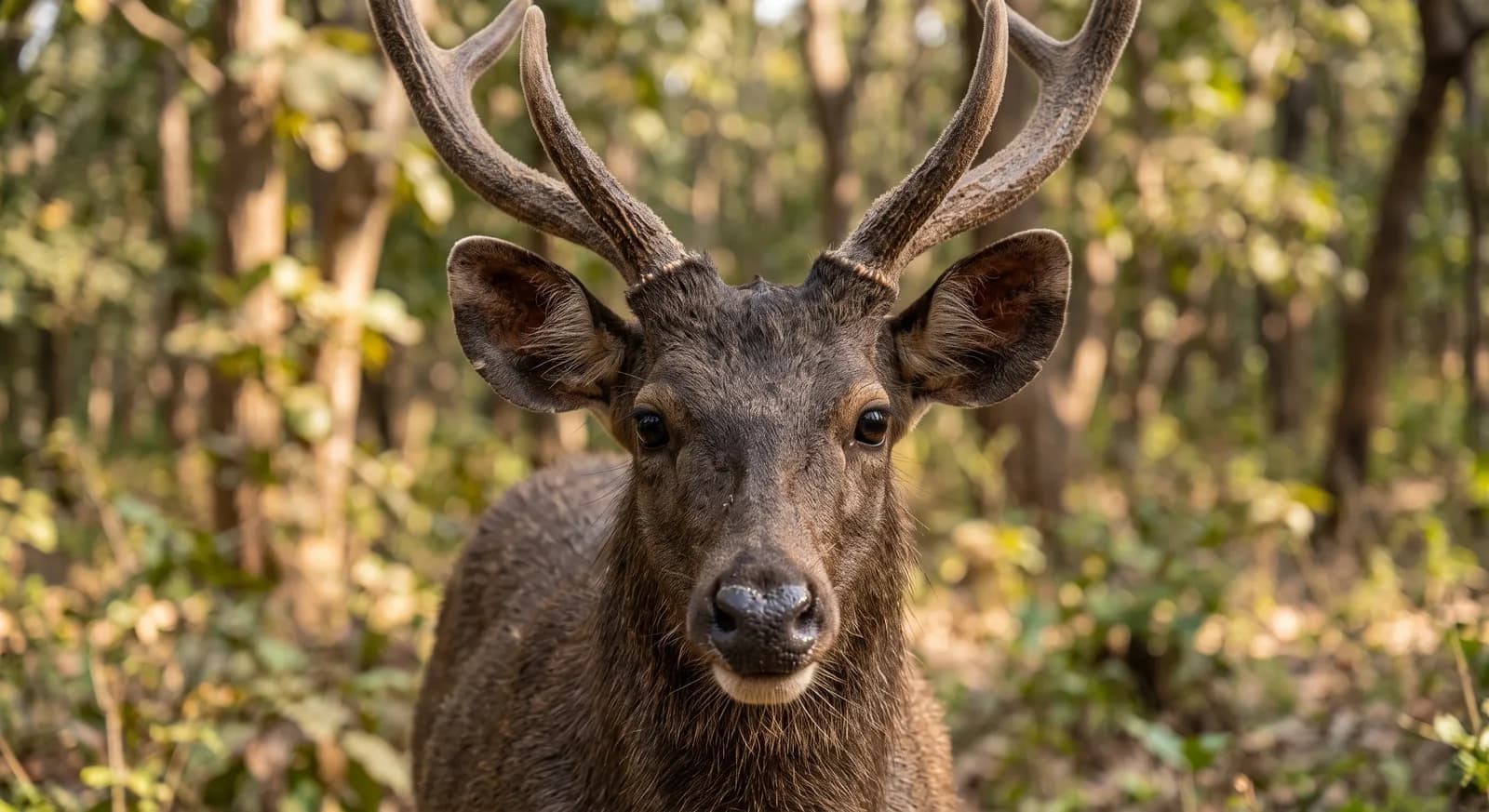
Sambar
Rusa unicolor
Hog Deer
Axis porcinus
Indian Muntjac
Muntiacus muntjak
 Least Concern
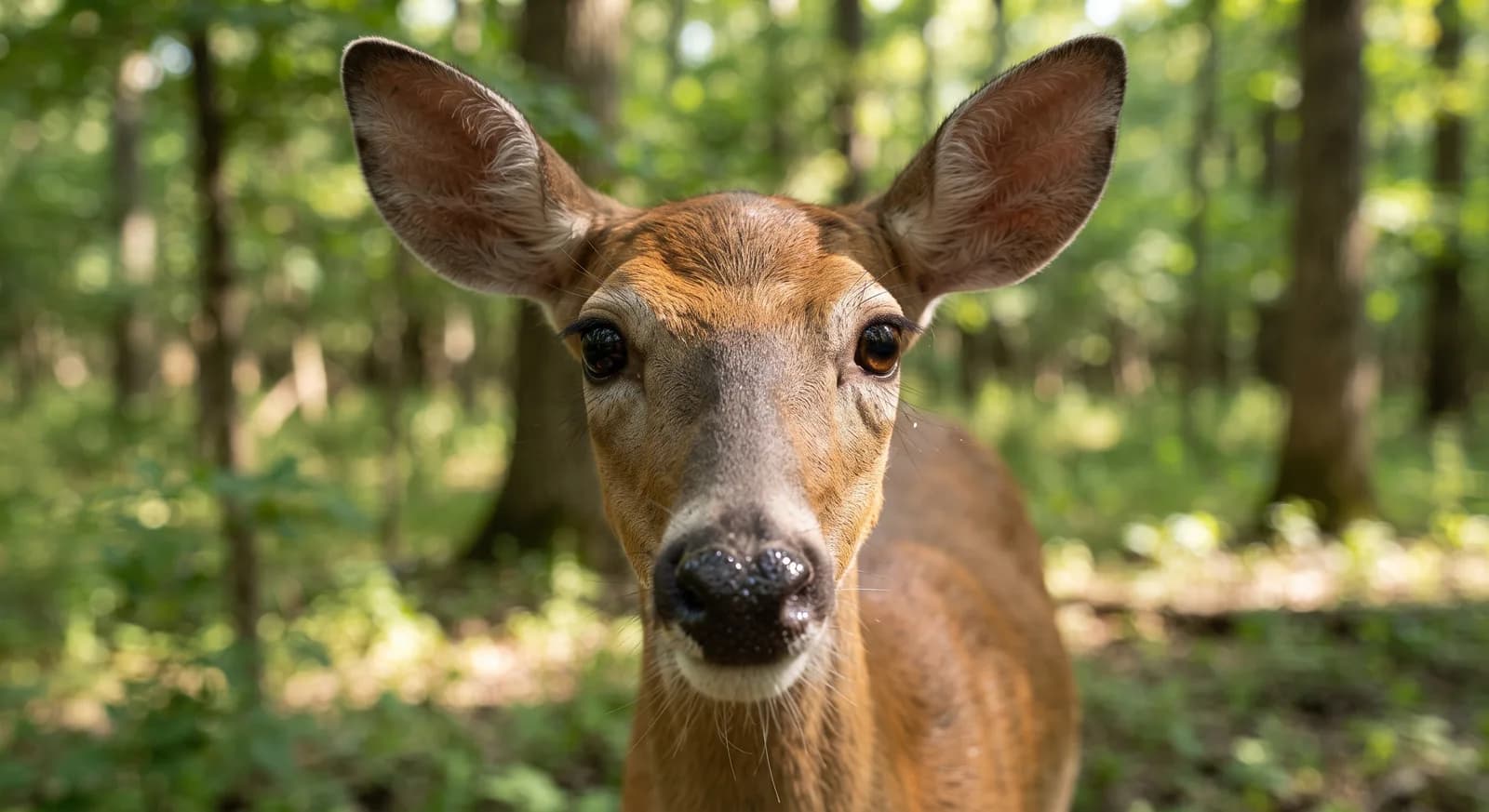
White-Tailed Deer
Odocoileus virginianus
Mule Deer
Odocoileus hemionus
Keep exploring
Based on what we already know about chital.
Comments
Share an experience, a fun fact or a tip for seeing the chital.
Be the first to comment.