Mammals · Artiodactyla · Cervidae
Indian Muntjac
Muntiacus muntjak
It has not yet been assessed against the IUCN criteria. See full glossary
It is popularly known as the barking deer for an alarm call much like a dog's bark.
Weight
15 kg – 35 kg
Size
40 cm – 65 cm
Lifespan
10 years
Diet
Herbivore
Feeds mainly on plants.
Activity
Irregular activity
Active at irregular times, by day or night depending on circumstances.
Social structure
Solitary
Lives and hunts alone, joining others only to breed.
Sighting difficulty
Unknown
Fun facts
- Unlike most deer it can breed all year round, with no defined rut.
- It eats leaves, shoots, forest fruit and fungi.
- It lives in dense tropical forest of South and South East Asia.
Life cycle & biology
- Skeleton type
- Vertebrate - internal bony skeleton (mammal)
- Habitat & environment
- Dense tropical forest of South and South East Asia
- Birth weight
- 550-675 g at birth
- Size at birth
- 550-675 g at birth
- Sexual maturity
- Within the first year in the female
- Gestation / incubation
- 200-230 days (~7-7.5 months)
- Litter / clutch size
- 1 young per birth (twins occasional)
- Lifespan in captivity
- Documented record of up to 18.8 years
Sources consulted: World Deer; Animal Kingdom; A-Z Animals (Muntjac); AnAge (genomics.senescence.info); Encyclopedia.com; Animalia.bio (Southern Red Muntjac)
Where to find it
See its range on the interactive mapWhere to watch it
Parques y spots de buceo donde se ha documentado esta especie — se muestran 10 de 75 documentados.
Related species
Other species in the catalogue with the most in common with Indian Muntjac — same habitat, park, country, tags or family.
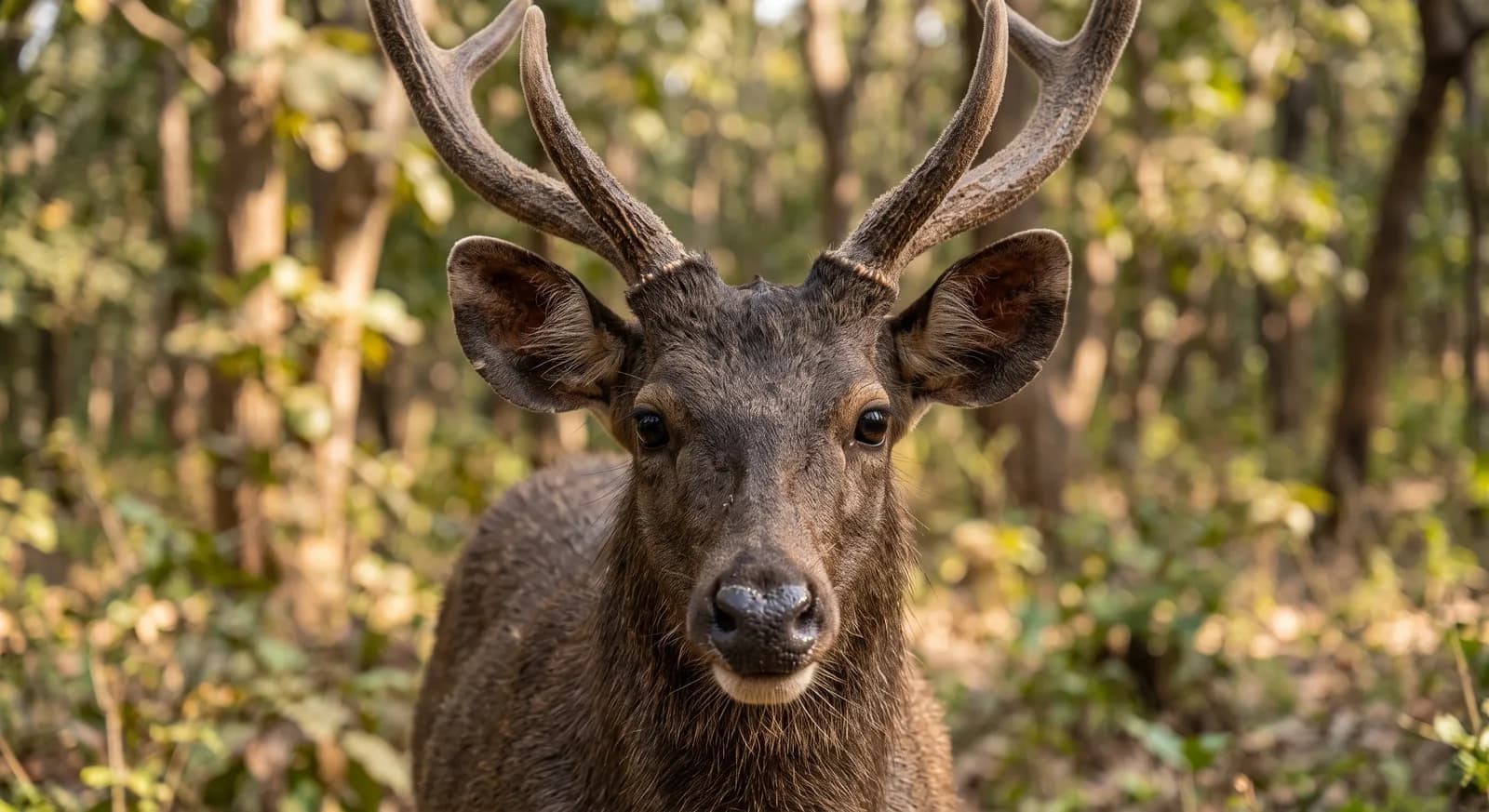 Vulnerable
Sambar
Rusa unicolor
Hog Deer
Axis porcinus
Barasingha
Rucervus duvaucelii
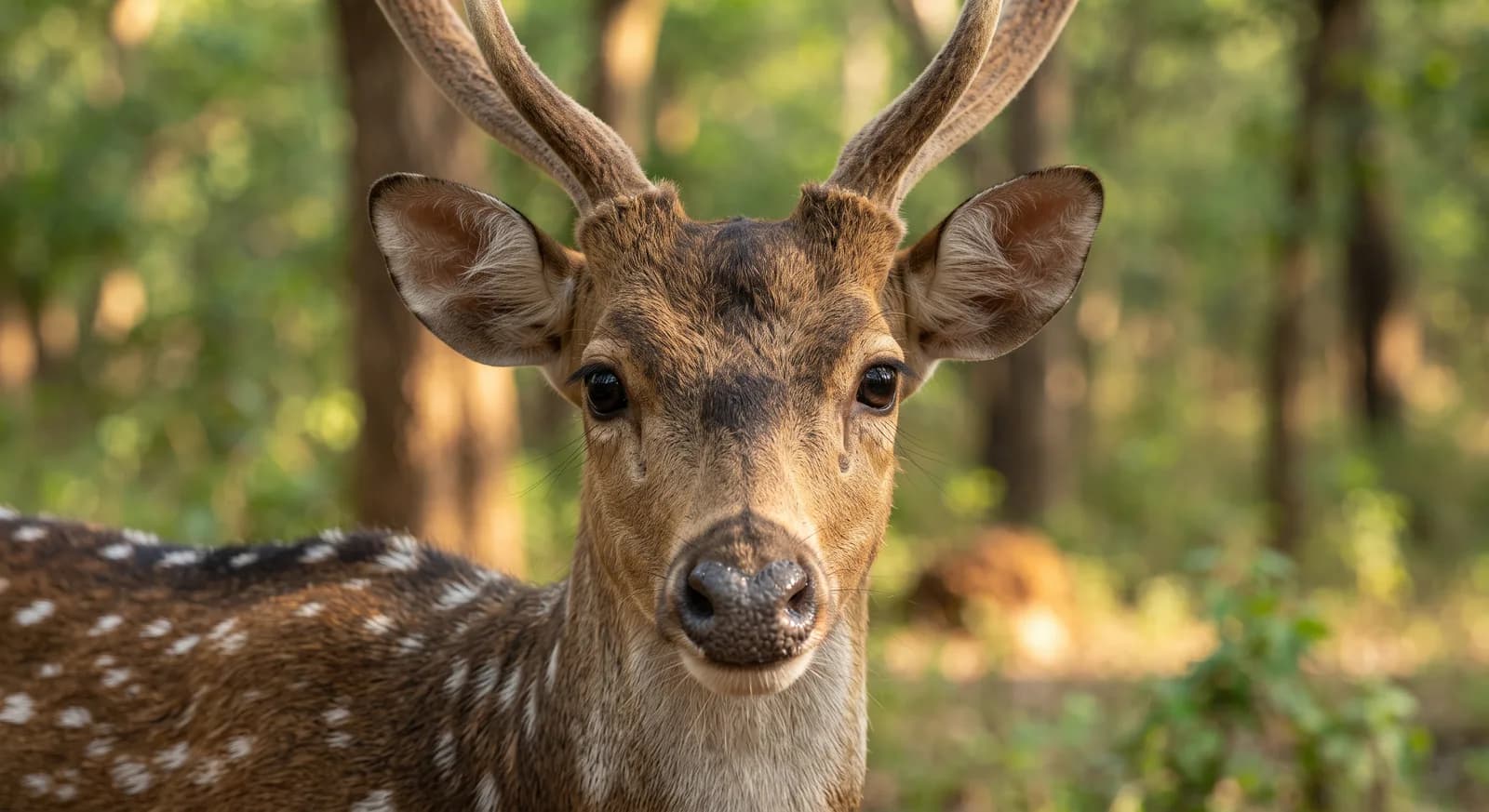 Least Concern
Chital
Axis axis
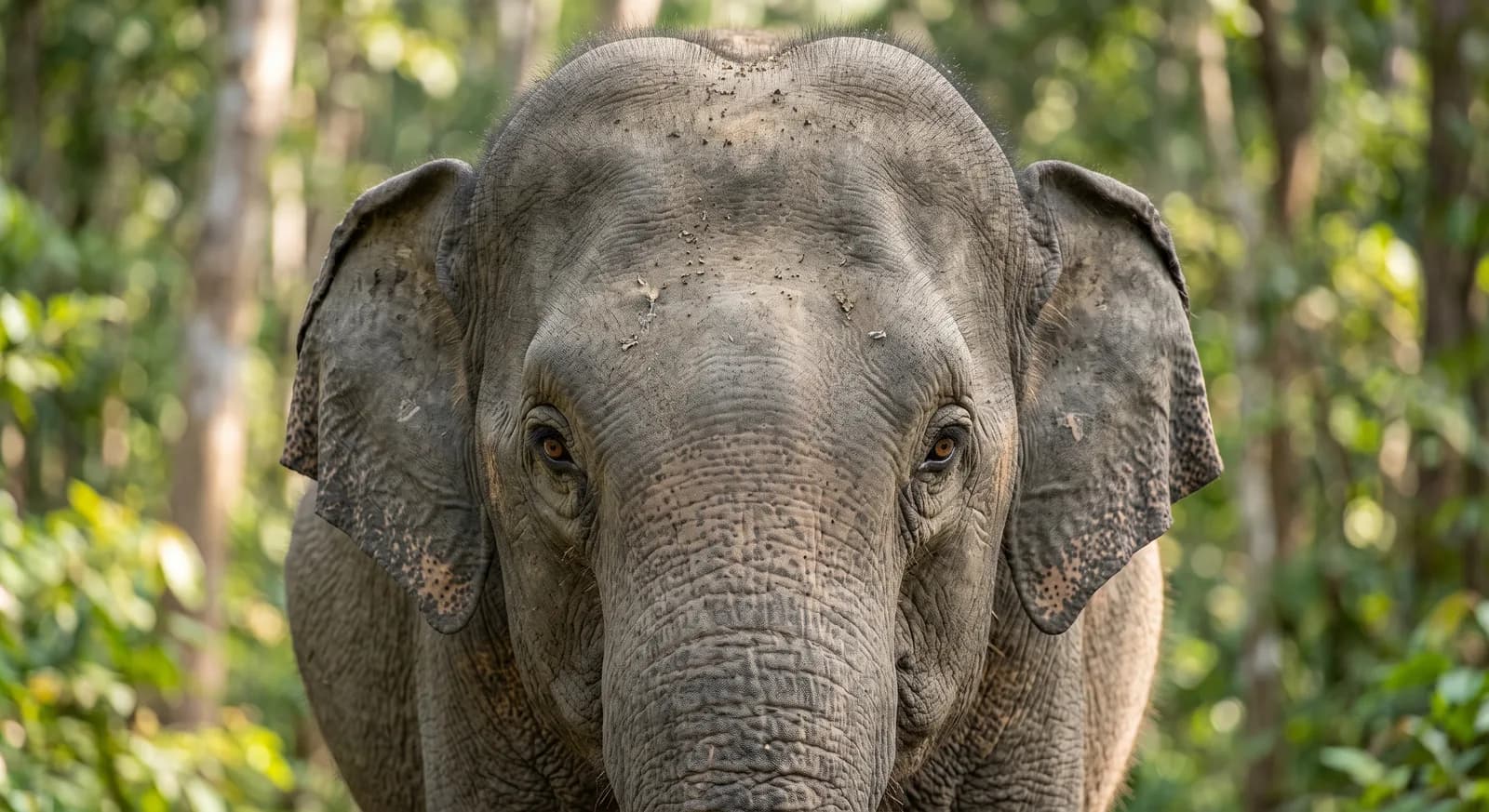 Endangered
Asian Elephant
Elephas maximus
Sunda Flying Lemur
Galeopterus variegatus
Keep exploring
Based on what we already know about indian muntjac.
Comments
Share an experience, a fun fact or a tip for seeing the indian muntjac.
Be the first to comment.