Mammals · Artiodactyla · Cervidae
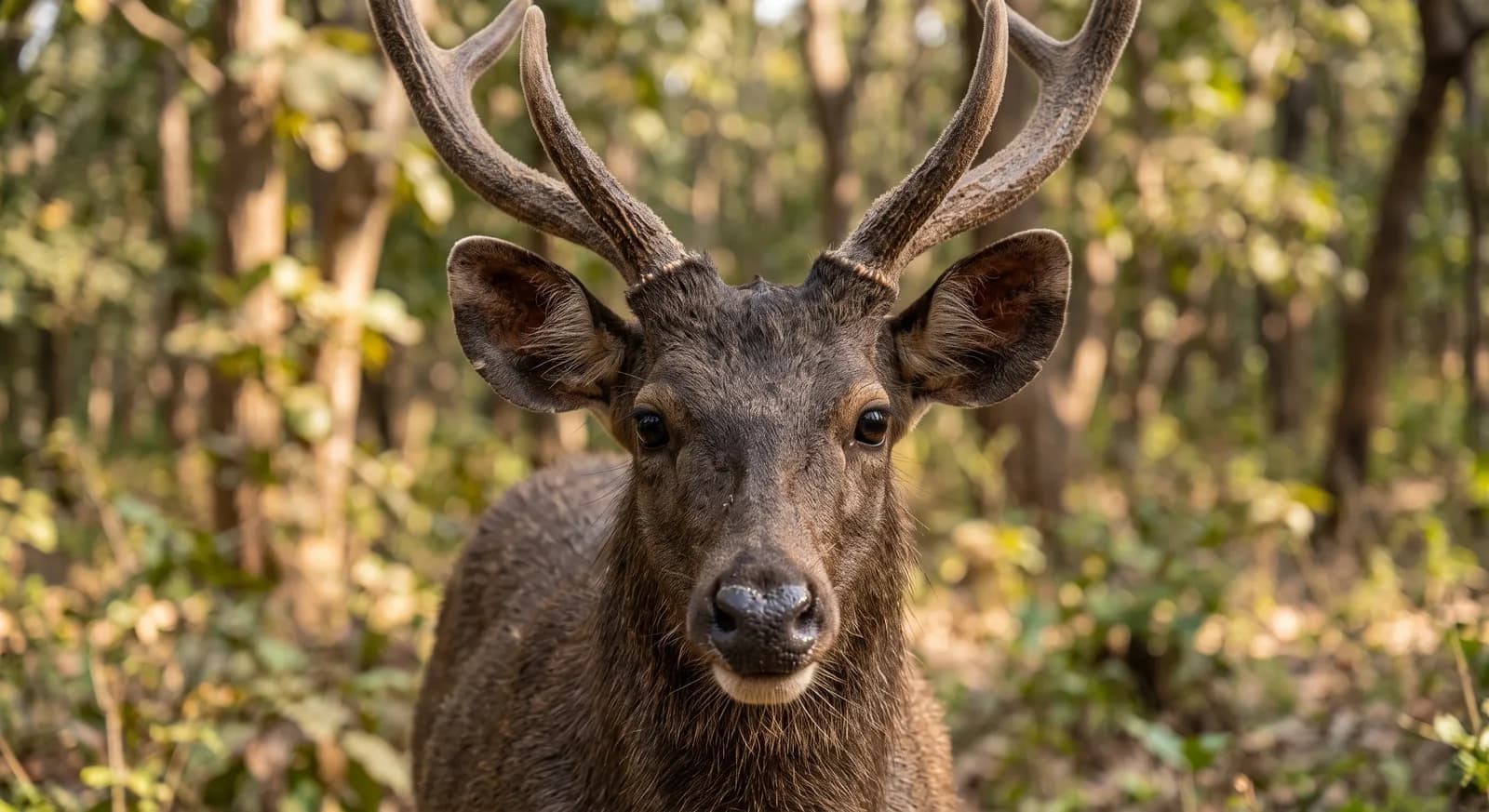
Sambar
Rusa unicolor
It faces a high risk of extinction in the wild over the medium term. See full glossary
The sambar is the largest deer in tropical Asia and the tiger's preferred prey over much of its range. It is robust, with a dark brown, coarse coat, a neck mane more pronounced in males and antlers with only three points per beam. It is largely nocturnal and fairly solitary. It likes water: it wallows in mud and enters rivers and lagoons to eat aquatic plants. Its population has fallen by more than 50% in three generations through hunting and forest loss.
Weight
100 kg – 350 kg
Size
1.6 m – 2.7 m
Lifespan
20 years
Diet
Herbivore
Feeds mainly on plants.
Activity
Nocturnal
Active mainly at night.
Social structure
Solitary
Lives and hunts alone, joining others only to breed.
Sighting difficulty
Moderate
Fun facts
- GeneralThe largest deer in tropical Asia; heavily dependent on water, it takes to swimming often.
- comunicaciónIt is one of the largest deer in Asia, and its alarm call — a loud bark — is used by other forest animals as an indirect warning that a tiger is about.
- It is the tiger's preferred prey wherever the two occur together: a single adult sambar feeds a tiger for several days, and sambar abundance is one of the best predictors of tiger density in a reserve.
- When it detects a predator it gives a powerful alarm bark and stamps its feet, a signal that guides in India use to locate tigers and leopards.
Life cycle & biology
- Skeleton type
- Vertebrate - internal bony skeleton (mammal)
- Habitat & environment
- Dense tropical and subtropical forest, from sea level to 3,500 metres, in southern Asia
- Sexual maturity
- 21.4 months
- Gestation / incubation
- 7.6 months
- Litter / clutch size
- 1
Sources consulted: https://es.wikipedia.org/wiki/Rusa_unicolor
Where to find it
See its range on the interactive mapWhere to watch it
Parques y spots de buceo donde se ha documentado esta especie — se muestran 10 de 42 documentados.
Related species
Other species in the catalogue with the most in common with Sambar — same habitat, park, country, tags or family.
Indian Muntjac
Muntiacus muntjak
Barasingha
Rucervus duvaucelii
 Least Concern
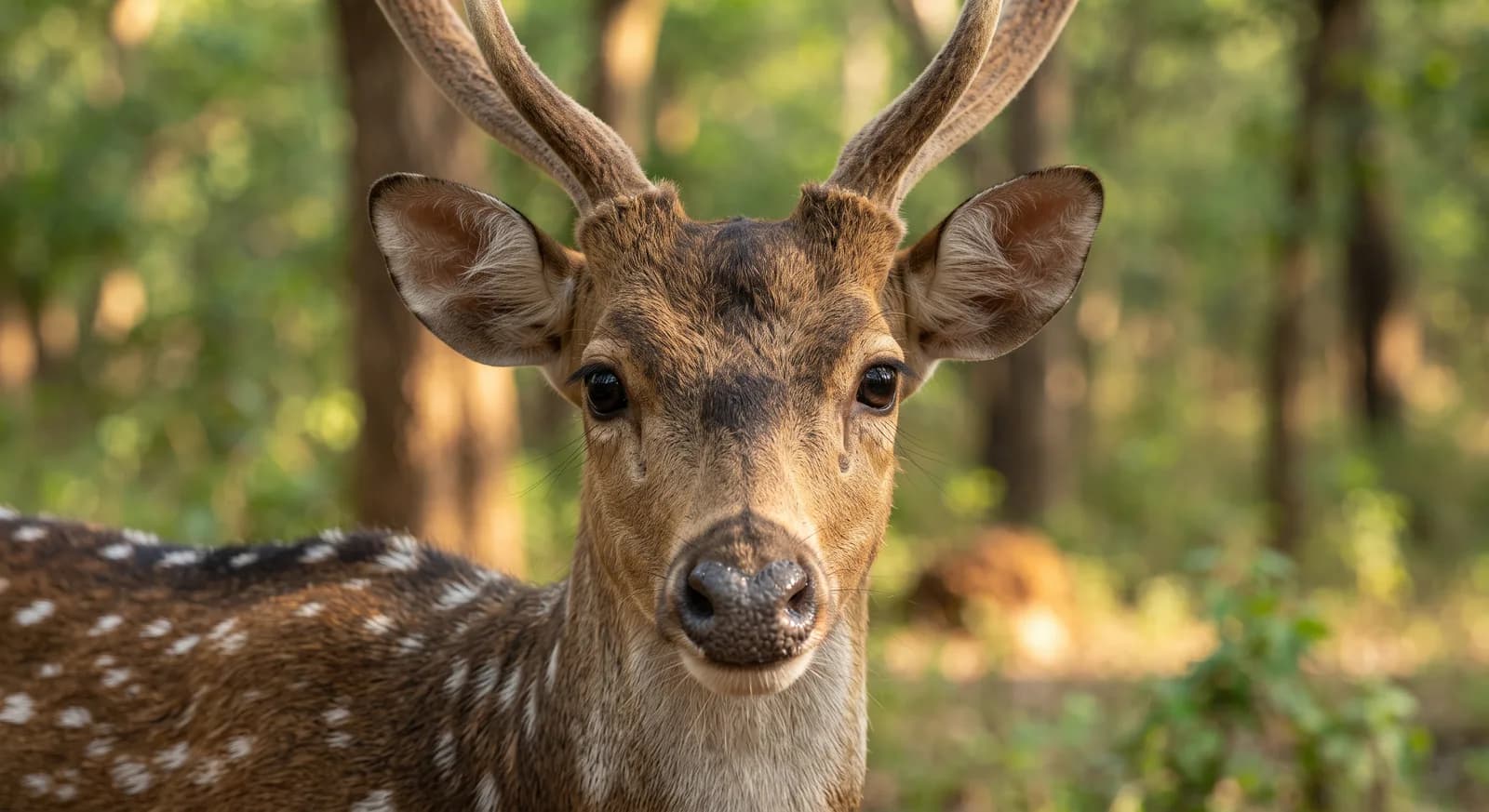
Chital
Axis axis
Hog Deer
Axis porcinus
 Vulnerable
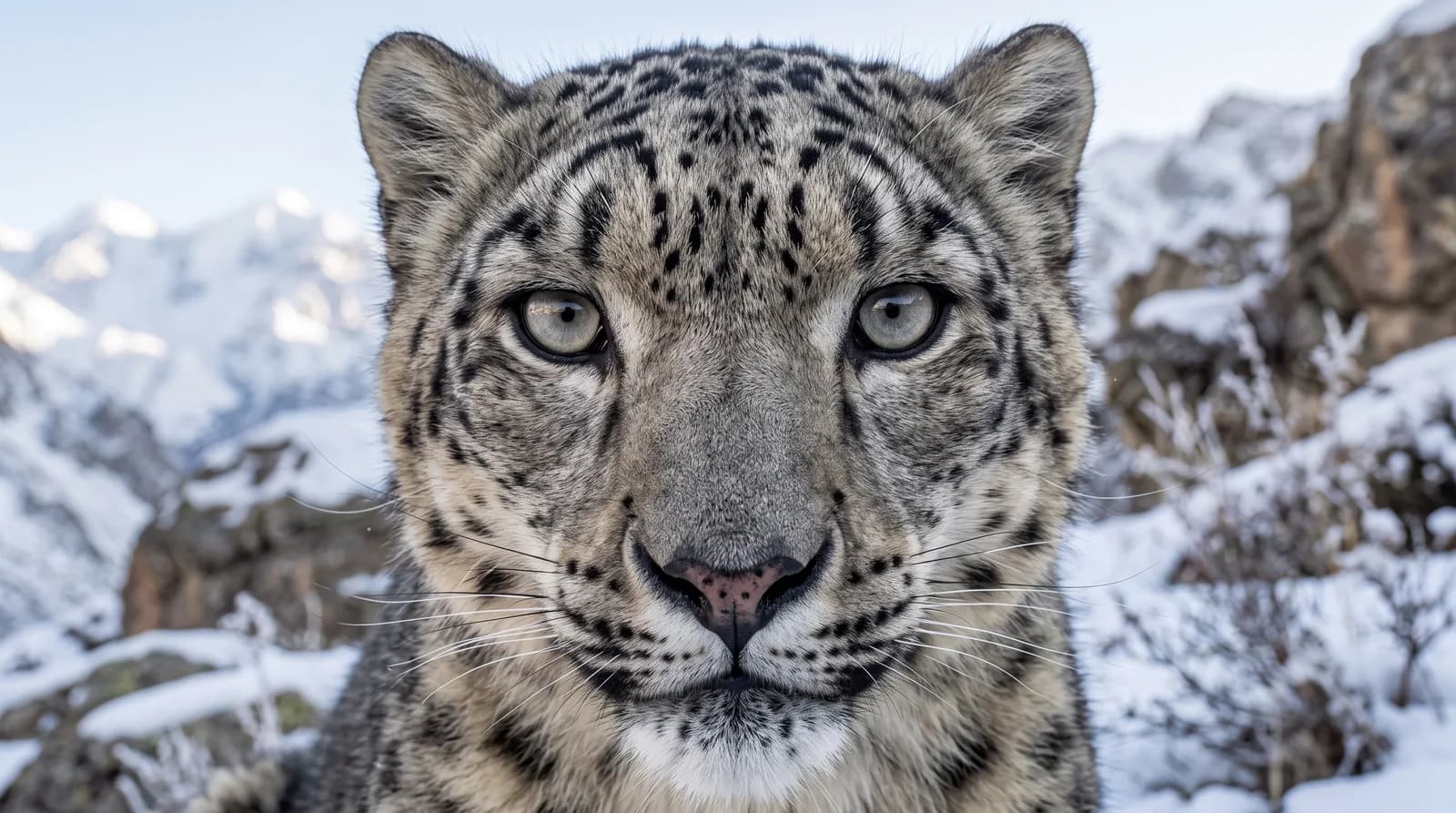
Snow Leopard
Panthera uncia
Western Tarsier
Tarsius bancanus
How to help
The sambar is classified as vulnerable. Organizations such as UICN, WWF y Wildlife Conservation Society work specifically on its conservation and that of its habitat; looking into their programs is a good starting point if you want to get involved.
It's documented in 10 real protected areas — part of why protecting these places matters for its conservation.
Keep exploring
Based on what we already know about sambar.
Comments
Share an experience, a fun fact or a tip for seeing the sambar.
Be the first to comment.