Phong Nha-Ke Bang
Vietnam · South-East AsiaIt contains Son Doong, the largest natural cave in the world by volume, found by a local farmer in 1991
Area
1,233 km²
Declared in
2001
Region
South-East Asia
Climate
Tropical, Montañoso
Highlight
It contains Son Doong, the largest natural cave in the world by volume, found by a local farmer in 1991
Declared a national park in 2001 over an earlier nature reserve, it protects one of the largest areas of limestone karst on the planet, formed over more than 400 million years. Within it lies Son Doong, found by a local farmer named Hồ Khanh in 1991 but not scientifically explored until 2009, by a team from the British Cave Research Association: it is the largest natural cave in the world by volume, with sections so vast that they hold their own rainforest, climate and internal cloud system, and a 40-storey skyscraper would fit whole inside its main galleries. It has been a UNESCO World Heritage Site since 2003.
Location
See on the interactive map15 species documented in Phong Nha-Ke Bang
At conservation risk:Cálao bicorne,Oso malayo,Oso negro asiático,Sambar,Langur de Ha Tinh,Cobra real,Dragón de agua chino,Nutria de uñas cortas asiática
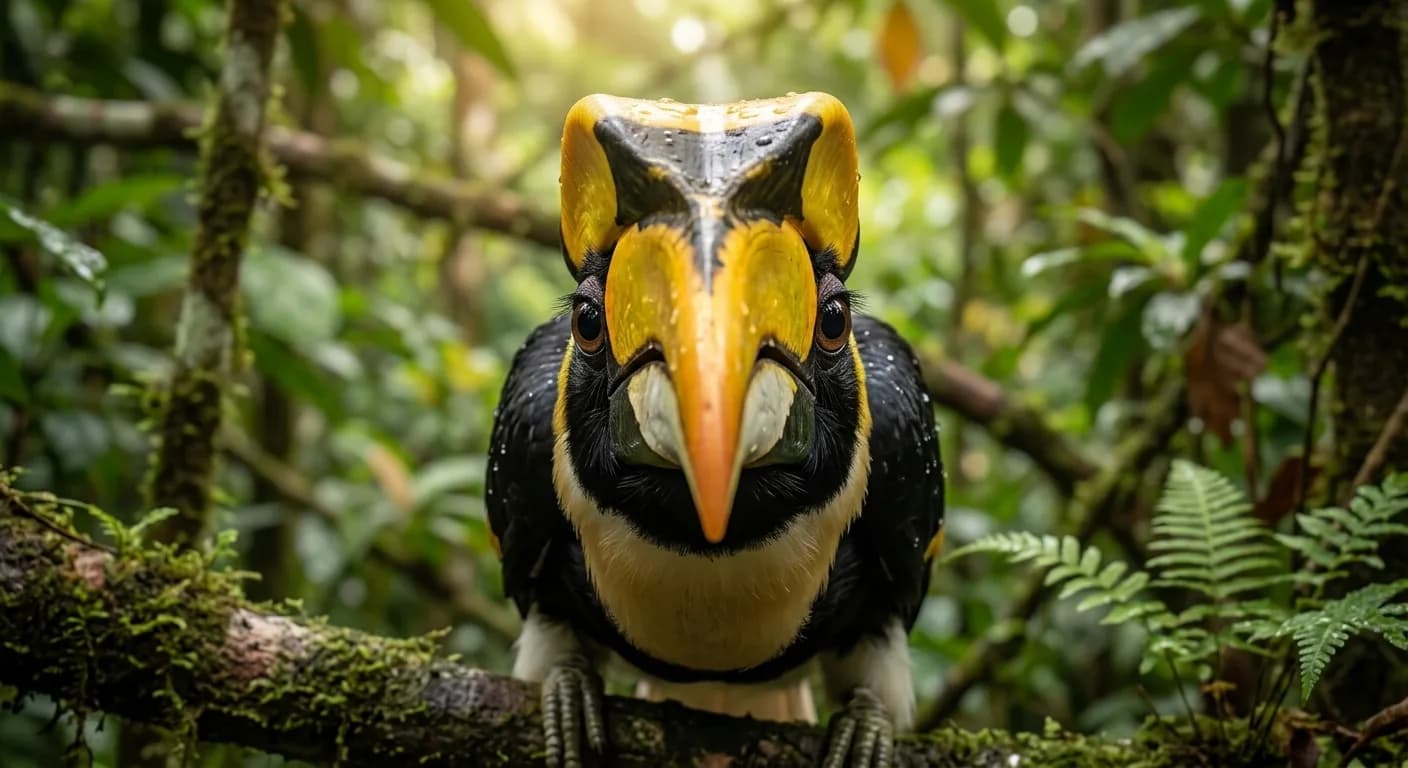 Vulnerable
Cálao bicorne
Buceros bicornis
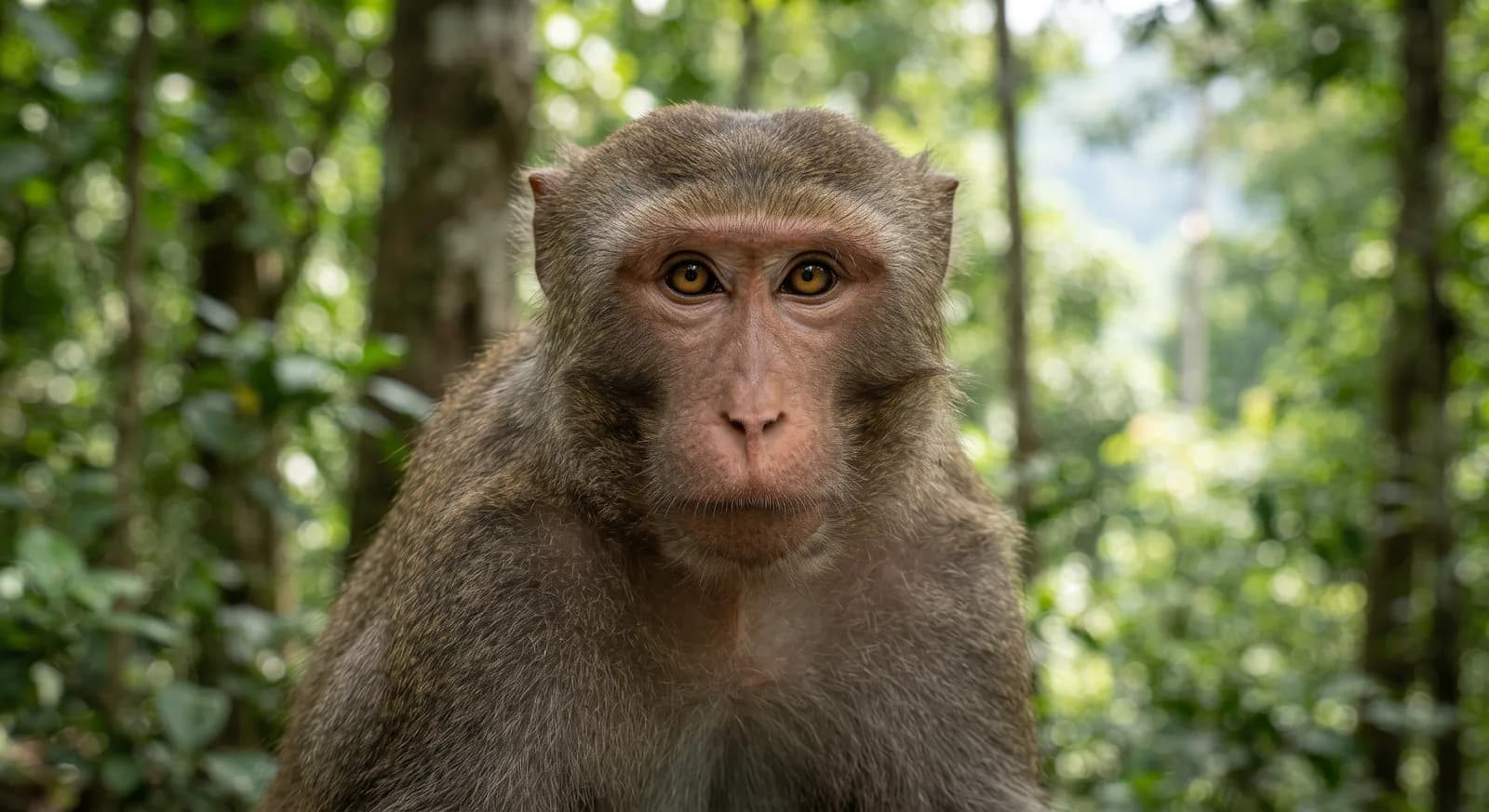 Least Concern
Macaco rhesus
Macaca mulatta
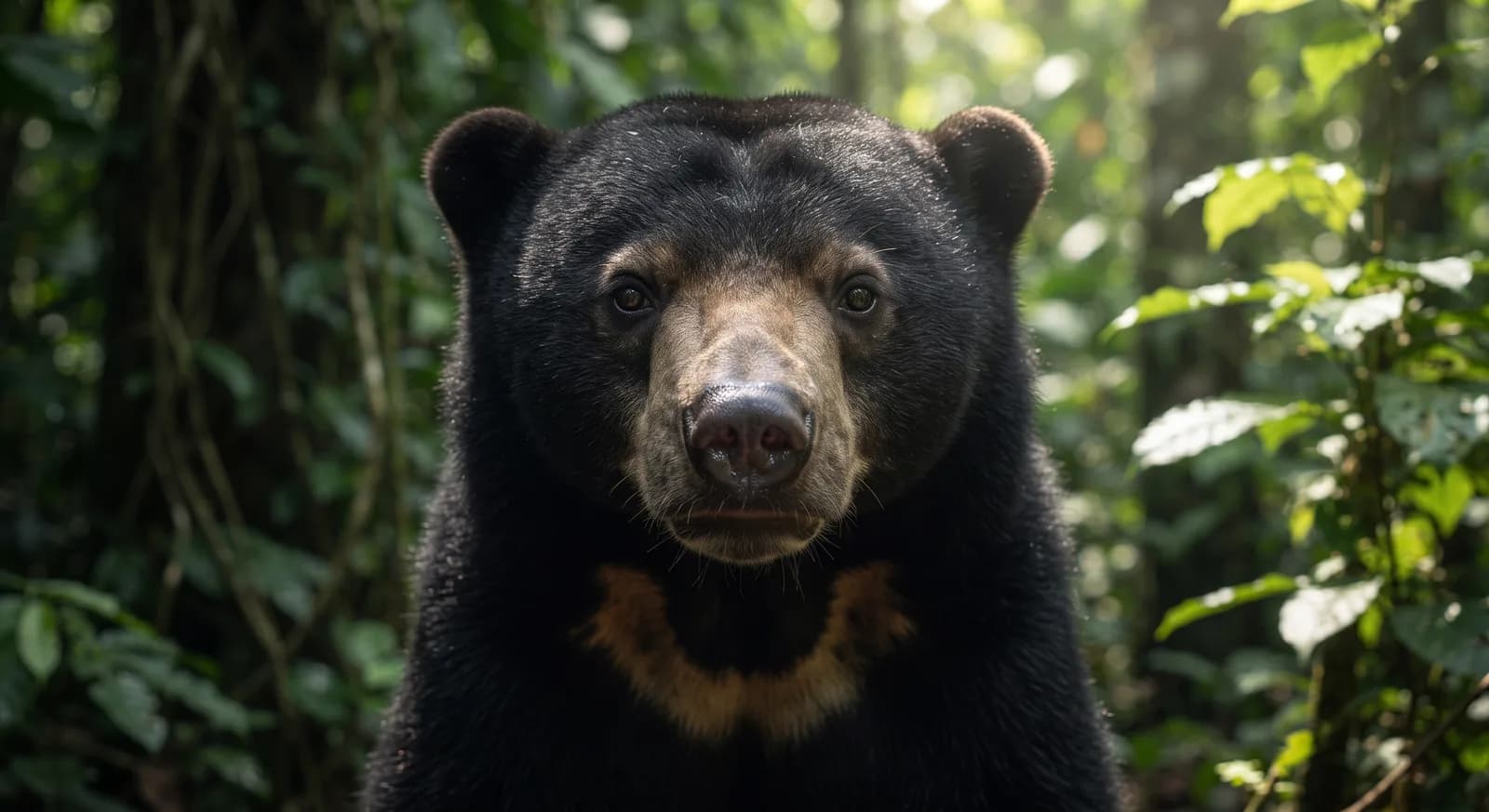 Vulnerable
Oso malayo
Helarctos malayanus
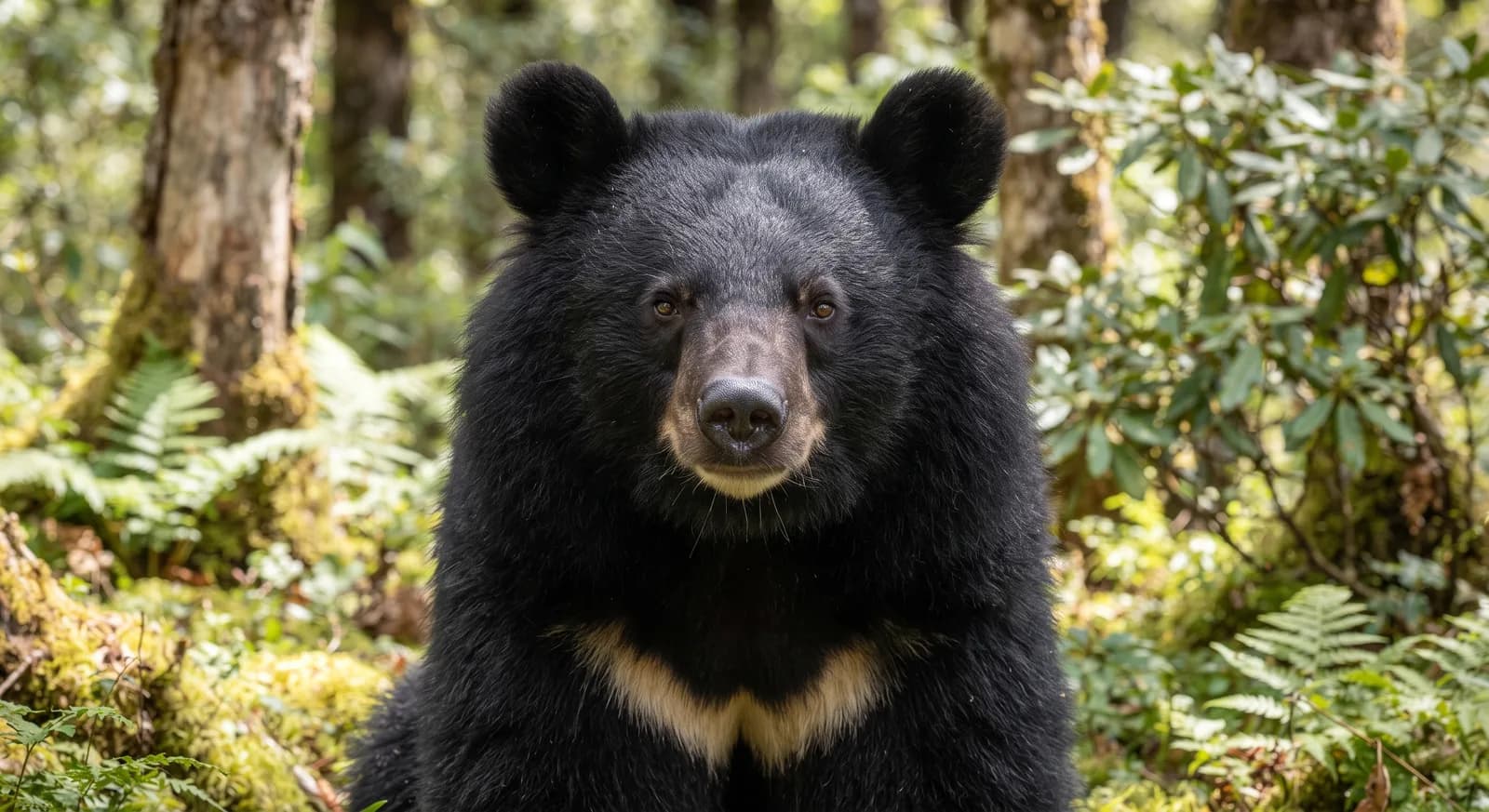 Vulnerable
Oso negro asiático
Ursus thibetanus
 Vulnerable
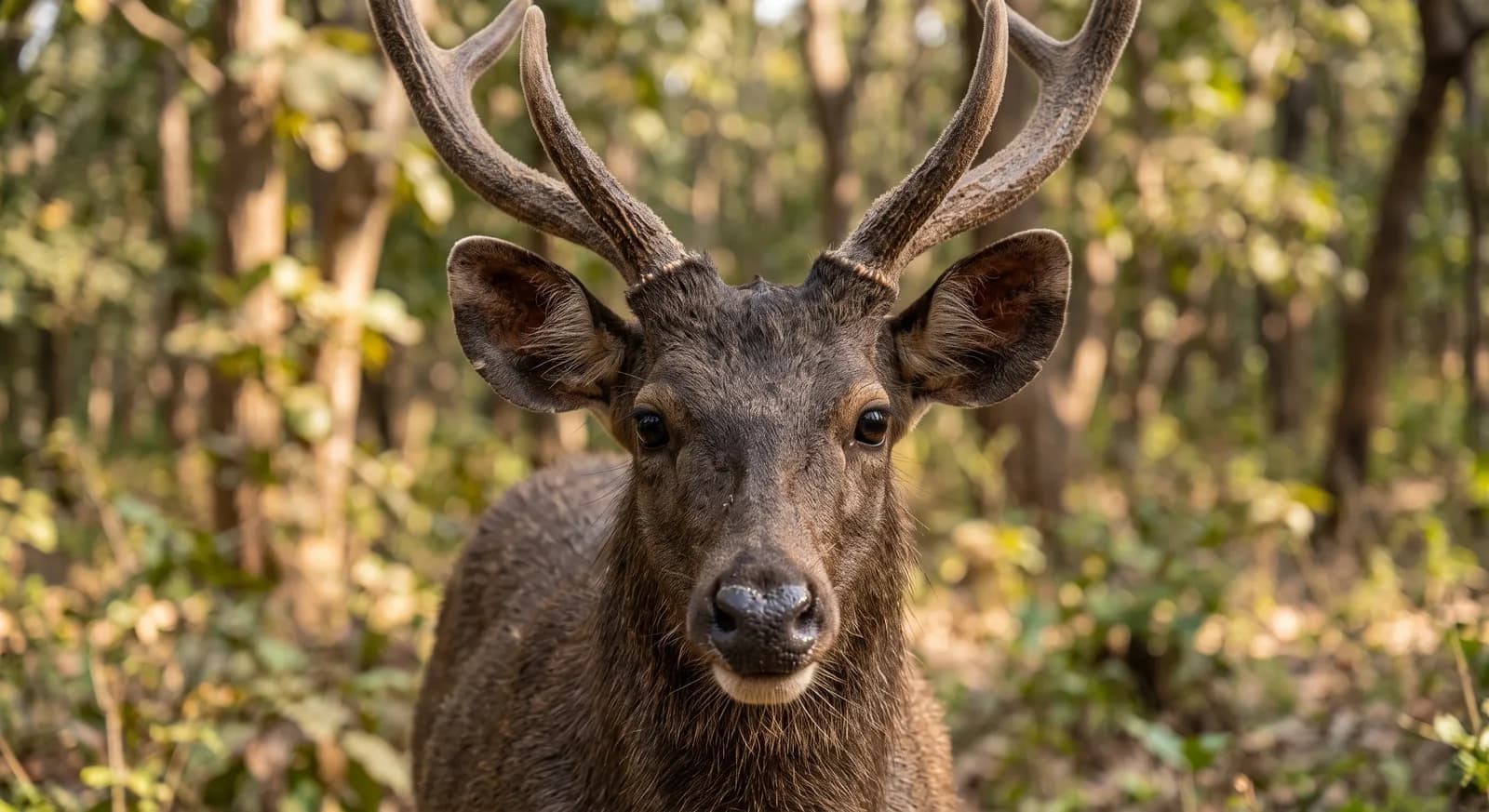
Sambar
Rusa unicolor
Langur de Ha Tinh
Trachypithecus hatinhensis
Abeja gigante asiática
Apis dorsata
Bulbul orejirrojo
Pycnonotus jocosus
Cobra real
Ophiophagus hannah
Dragón de agua chino
Physignathus cocincinus
Insecto hoja gigante
Phyllium giganteum
Muntjac indio (ciervo ladrador)
Muntiacus muntjak
Flora and ecosystems
Ecosystems found in Vietnam, where Phong Nha-Ke Bang lies.
Experiences in this park
Similar parks
Which other parks are like this one?
Cat Ba
Vietnam
Cat Ba Langur · Long-tailed Macaque
View parkMismo país: Vietnam
Con Dao
Vietnam
Green Turtle · Dugong
View parkMismo país: Vietnam
Keep exploring
Based on what we already know about Phong Nha-Ke Bang.
Your rating
How many stars would you give Phong Nha-Ke Bang?
Comments
Share your experience visiting Phong Nha-Ke Bang, or a tip for other travellers.
Be the first to comment.