One of the 4 dragons on WAnimals
Reptiles · Squamata · Agamidae
Chinese Water Dragon
Physignathus cocincinus
It faces a high risk of extinction in the wild over the medium term. See full glossary
At least one case of parthenogenesis has been documented in captivity: a female with no contact with males produced fertile eggs that hatched successfully.
Weight
193 g on average
Size
up to 1 m
Lifespan
10 years
Diet
Omnivore
Combines animal and plant food depending on availability.
Activity
Diurnal
Active mainly during the day.
Social structure
Solitary
Lives and hunts alone, joining others only to breed.
Sighting difficulty
Moderate
Fun facts
- As a defence it can submerge and stay underwater for long spells to escape predators.
- It eats insects, small vertebrates and occasionally plant matter.
- Its tail makes up as much as 70% of its total length.
- fisiologíaIt can stay submerged for long spells to avoid predators, slowing its heart rate while it lies still on the bottom.
Life cycle & biology
- Skeleton type
- Vertebrate - internal bony skeleton (reptile)
- Habitat & environment
- Tropical forest and country near streams and rivers of southern China and mainland South East Asia
- Birth weight
- Weight at hatching not found as a precise figure
- Size at birth
- The young well developed and independent on hatching
- Sexual maturity
- 2-5 years (3 years most commonly given, from 40 cm in length)
- Gestation / incubation
- 60-90 days
- Litter / clutch size
- 6 to 18 eggs per clutch
- Lifespan in captivity
- Documented record of up to 20 years in captivity
Sources consulted: PetMD; LafeberVet; Animalia.bio; ReptiFiles Care Sheet; Reptile Training; AnAge (genomics.senescence.info); Wikipedia (Chinese water dragon); PMC (parthenogenesis study)
Where to find it
See its range on the interactive mapBest time: All year round in South-East Asia, by day, on branches overhanging forest streams and rivers.
Where to watch it
Parques y spots de buceo donde se ha documentado esta especie — se muestran 10 de 12 documentados.
Related species
Other species in the catalogue with the most in common with Chinese Water Dragon — same habitat, park, country, tags or family.
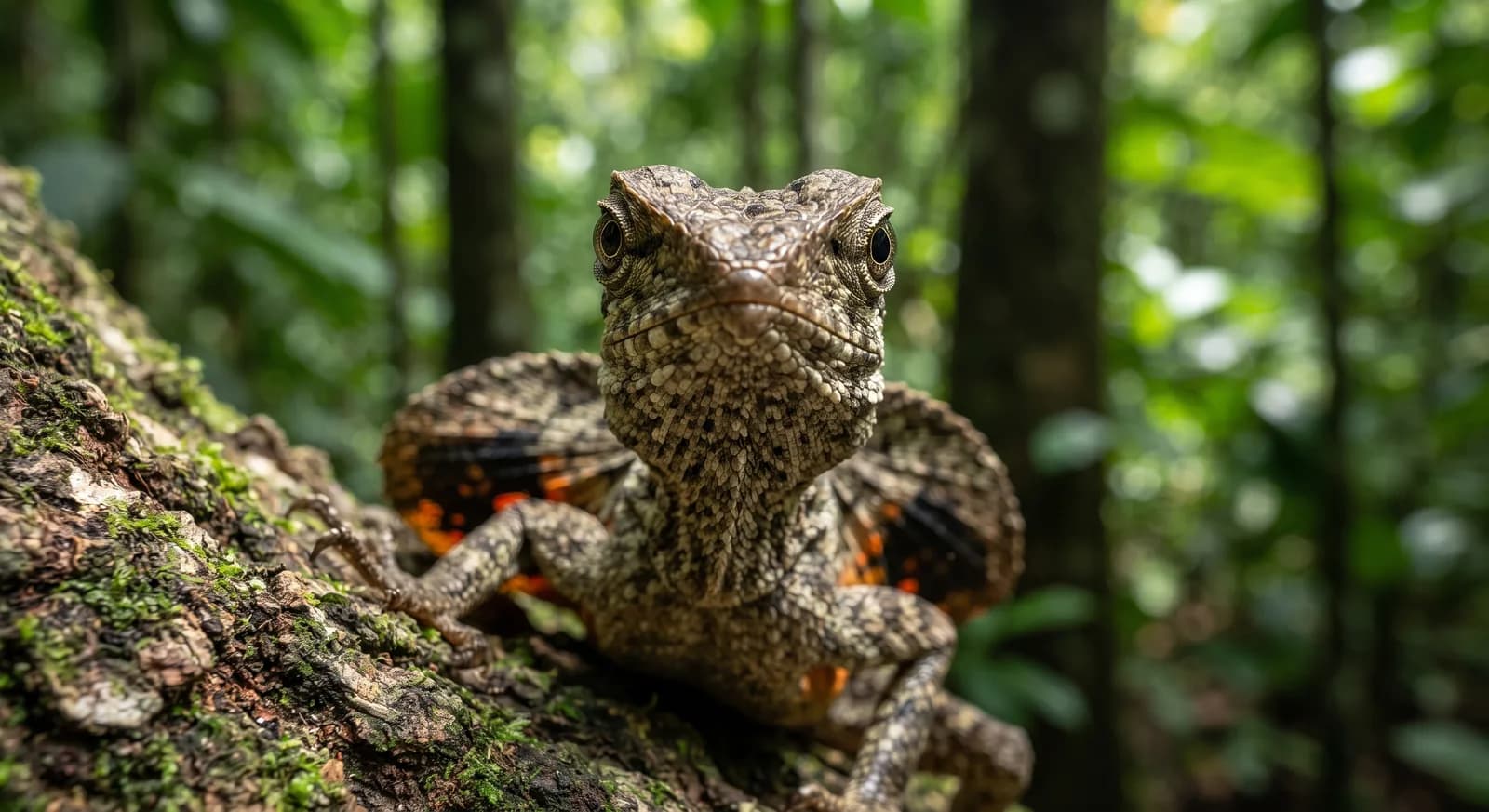 Least Concern
Common Flying Dragon
Draco volans
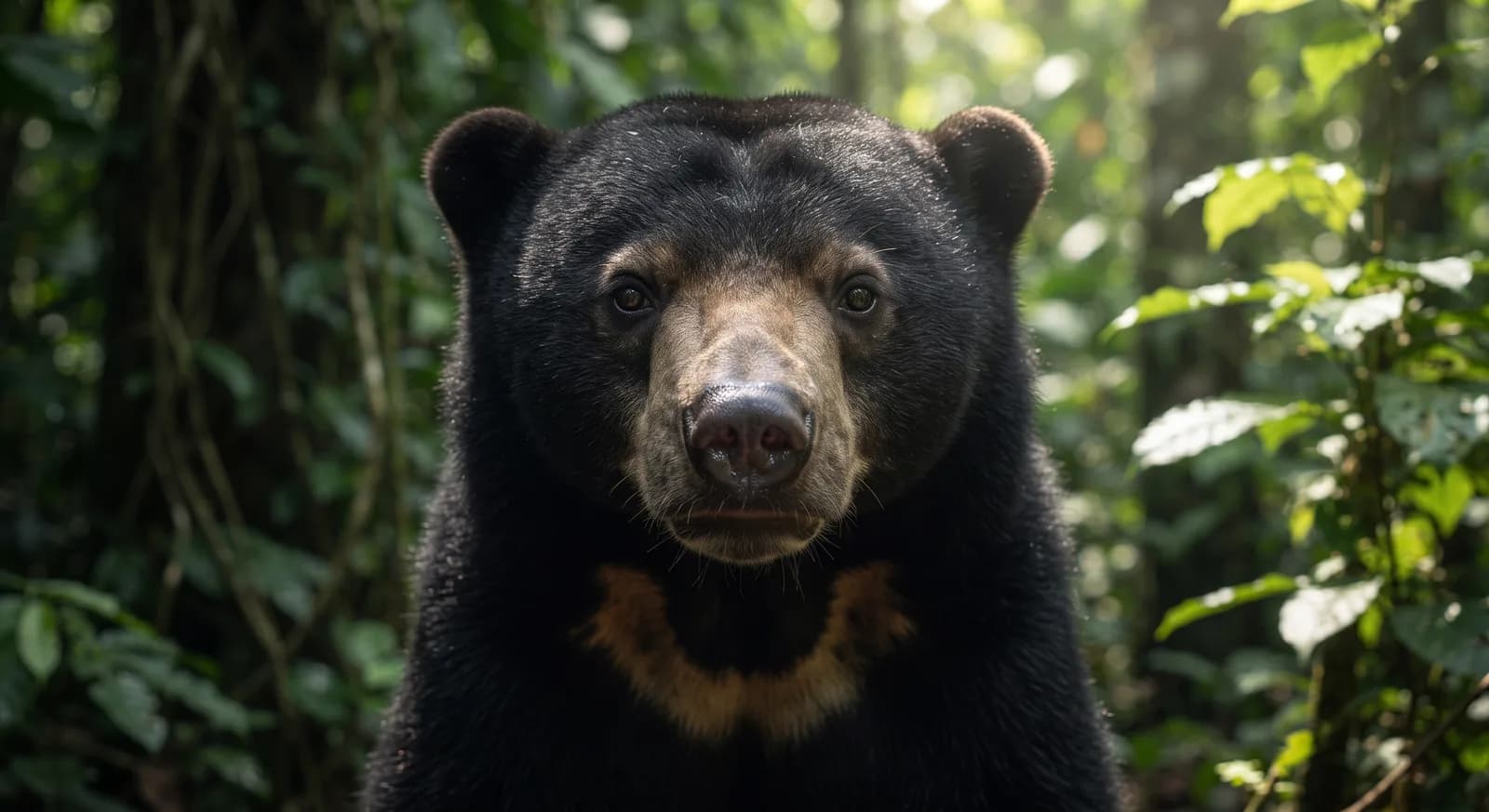 Vulnerable
Sun Bear
Helarctos malayanus
Chinese Softshell Turtle
Pelodiscus sinensis
King Cobra
Ophiophagus hannah
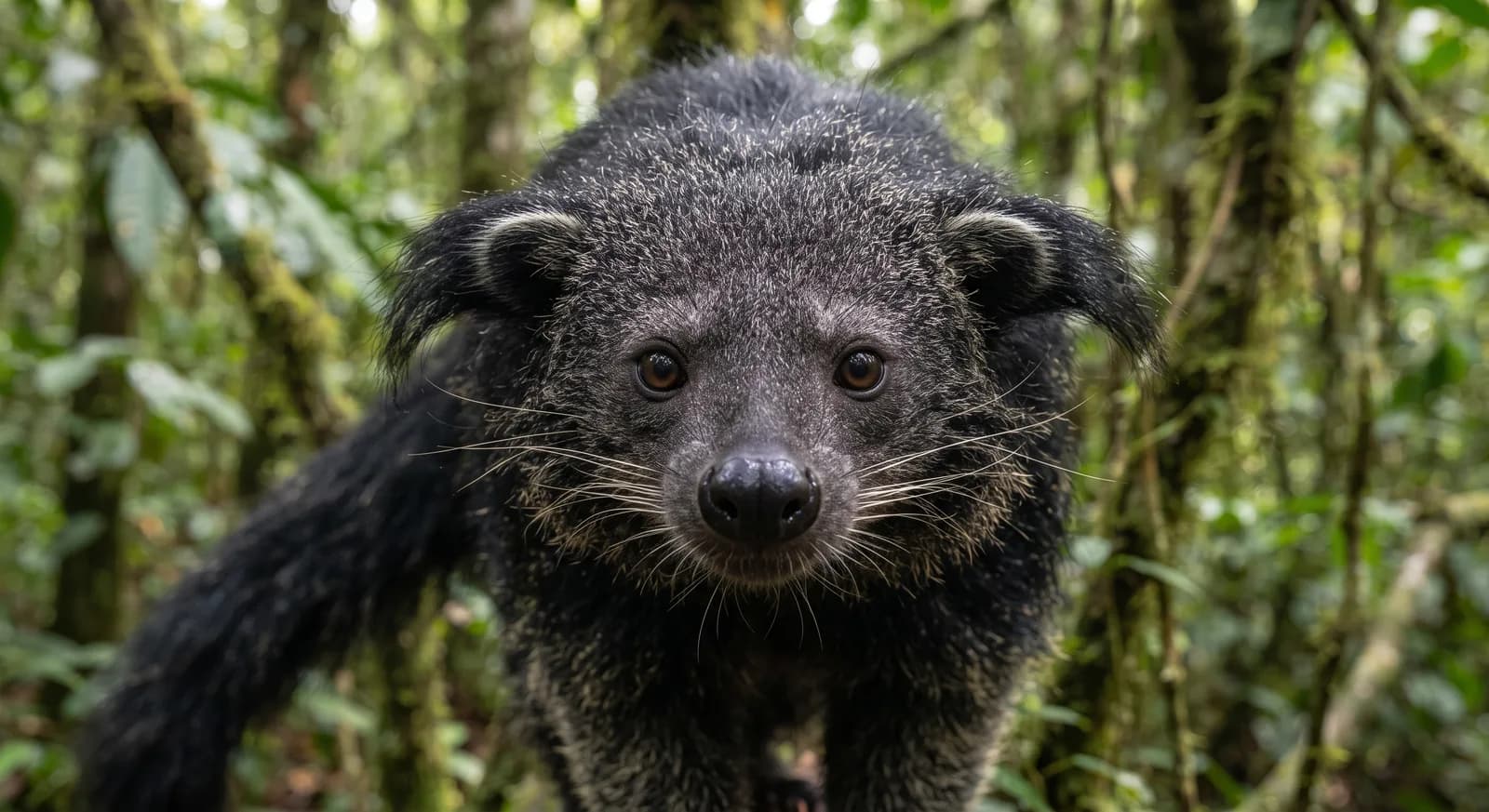 Vulnerable
Binturong
Arctictis binturong
Great Argus
Argusianus argus
How to help
The chinese water dragon is classified as vulnerable. Organizations such as UICN, WWF y Wildlife Conservation Society work specifically on its conservation and that of its habitat; looking into their programs is a good starting point if you want to get involved.
It's documented in 8 real protected areas — part of why protecting these places matters for its conservation.
Keep exploring
Based on what we already know about chinese water dragon.
Comments
Share an experience, a fun fact or a tip for seeing the chinese water dragon.
Be the first to comment.