One of the 8 bears on WAnimals
Mammals · Carnivora · Ursidae
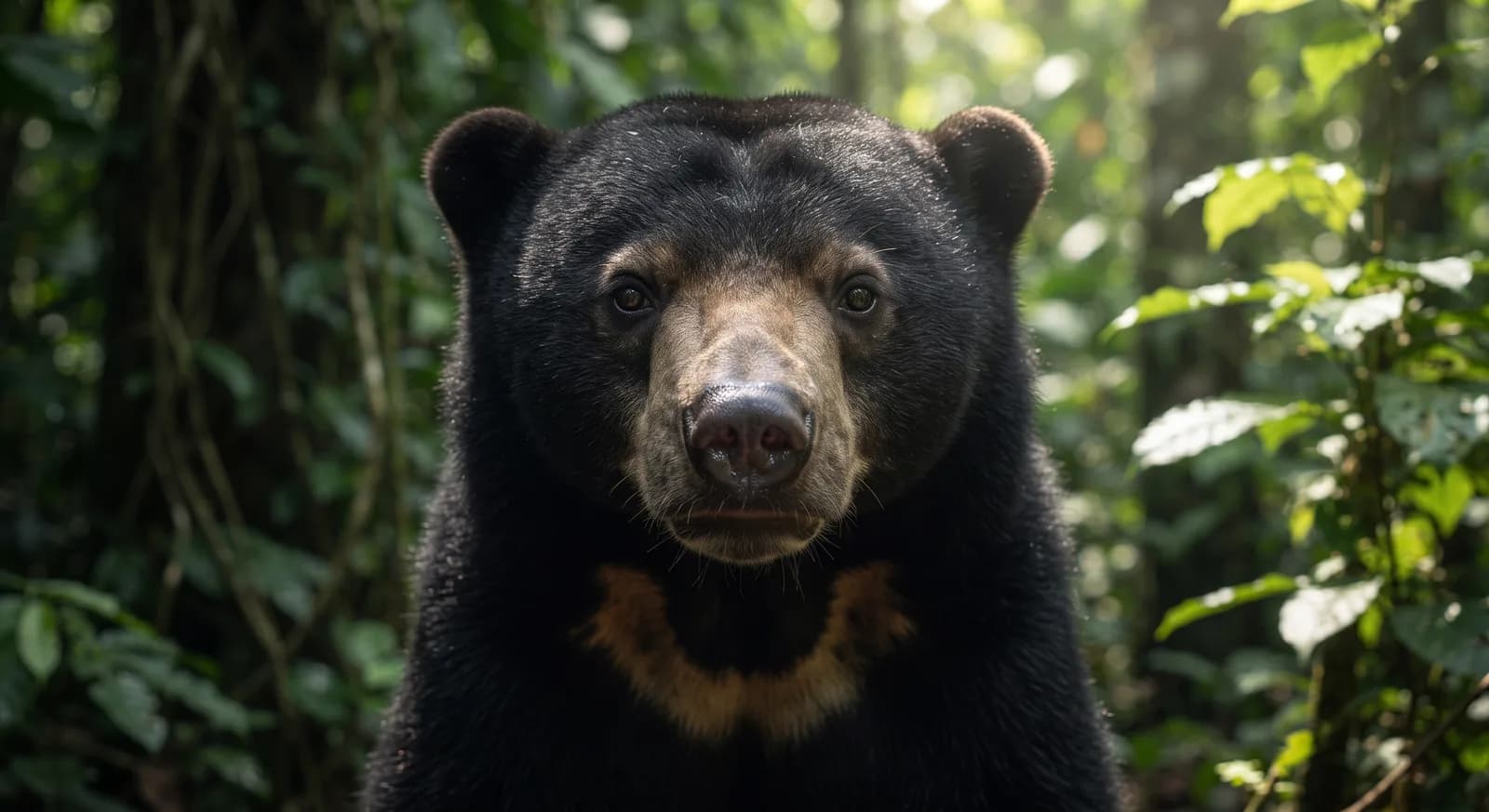
Sun Bear
Helarctos malayanus
It faces a high risk of extinction in the wild over the medium term. See full glossary
It is the smallest and most arboreal bear in the world, with a tongue up to 46 cm long, specialised for extracting honey and insects from trunks and hives.
Weight
27 kg – 65 kg
Size
1.2 m – 1.5 m
Lifespan
20 years
Diet
Omnivore
Combines animal and plant food depending on availability.
Activity
Nocturnal
Active mainly at night.
Social structure
Solitary
Lives and hunts alone, joining others only to breed.
Sighting difficulty
Moderate
Fun facts
- The U-shaped patch on its chest, unique to each animal, is what gives it its English name, sun bear.
- It eats insects — especially termites and ants — along with honey, fruit and small vertebrates.
- It lives in dense lowland tropical forest in South East Asia.
- anatomíaIt is the smallest bear in the world and has the longest tongue of any bear for its size, suited to drawing honey and insects out of trunks and hives.
Life cycle & biology
- Skeleton type
- Vertebrate - internal bony skeleton (mammal)
- Habitat & environment
- Dense lowland tropical forest of South East Asia
- Birth weight
- ~300-325 grams
- Size at birth
- Blind, hairless and wholly helpless at birth
- Sexual maturity
- 2-4 years (some sources give as much as 3-5 years)
- Gestation / incubation
- 95-240 days, with evidence of delayed implantation stretching the process considerably in some cases
- Litter / clutch size
- 1 to 2 young per litter (rarely 3)
- Lifespan in captivity
- Documented record of up to 31-35.9 years in captivity
Sources consulted: AnAge (genomics.senescence.info); Mammalian Species (Helarctos malayanus monograph); Animal Diversity Web; Animalia.bio; PBS Nature; Storm Crow Survival; The Animal Facts; IABRM
Where to find it
See its range on the interactive mapWhere to watch it
Parques y spots de buceo donde se ha documentado esta especie — se muestran 10 de 15 documentados.
Related species
Other species in the catalogue with the most in common with Sun Bear — same habitat, park, country, tags or family.
 Vulnerable
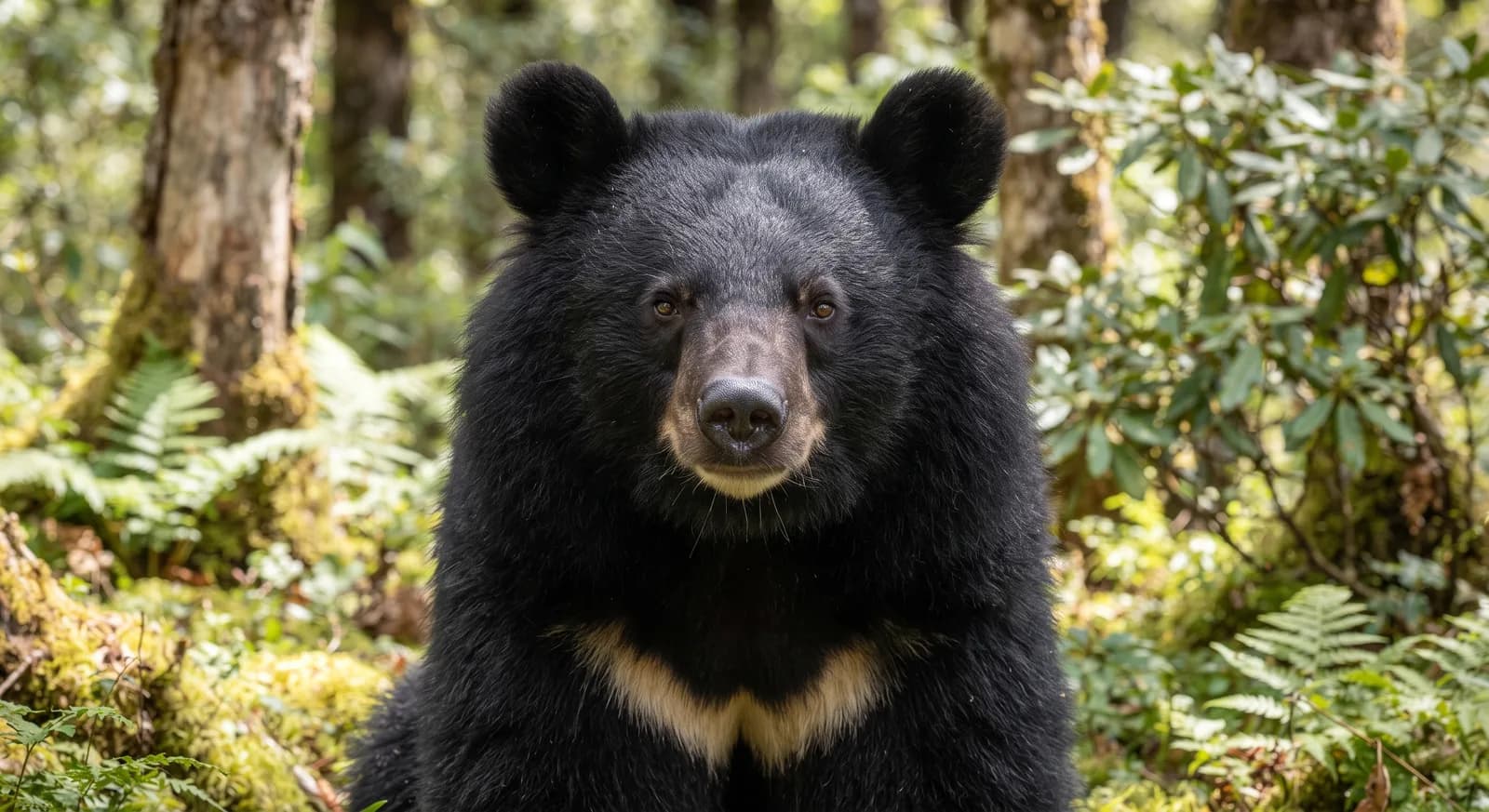
Asiatic Black Bear
Ursus thibetanus
 Vulnerable
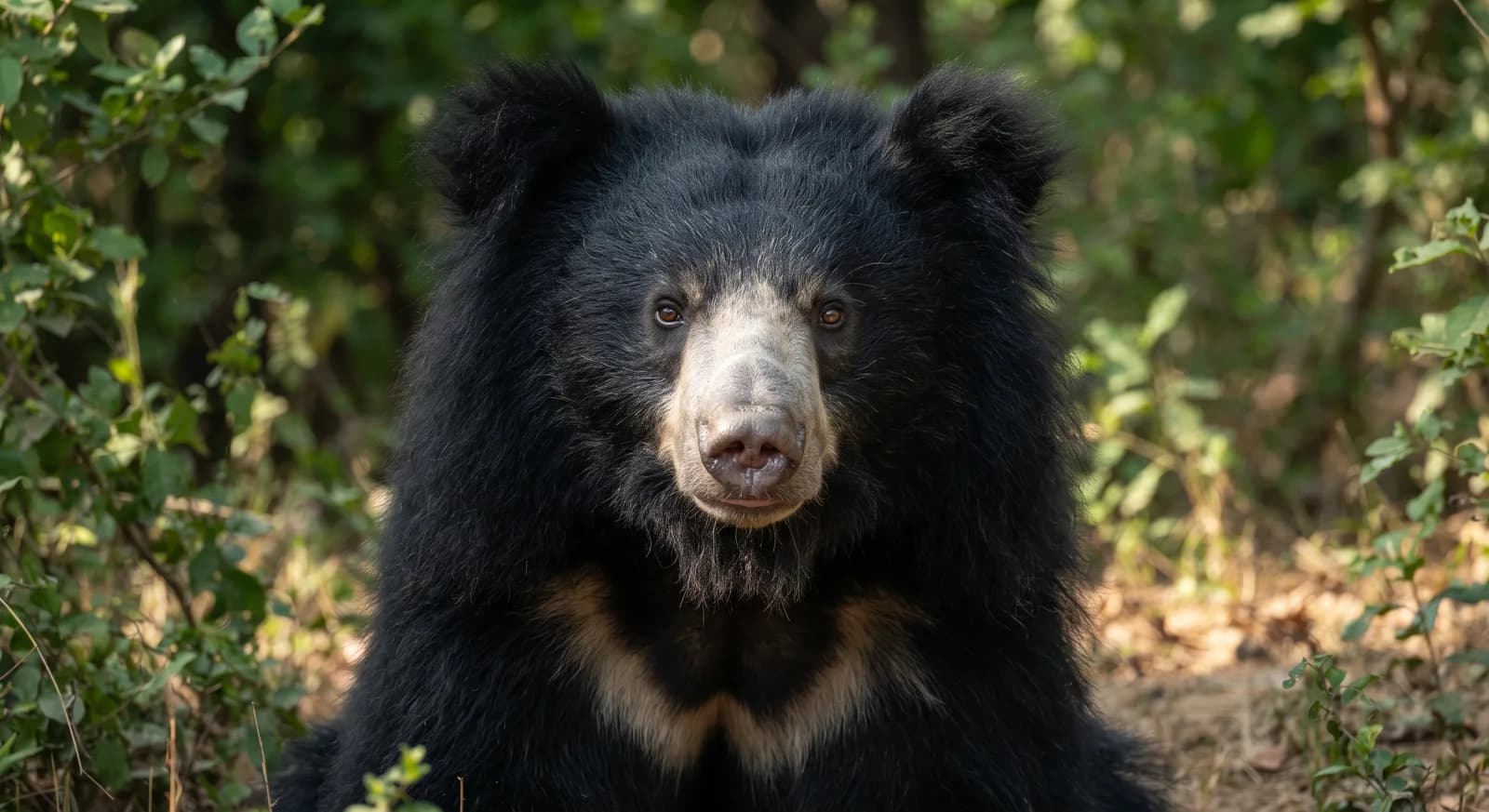
Sloth Bear
Melursus ursinus
Western Tarsier
Tarsius bancanus
 Vulnerable
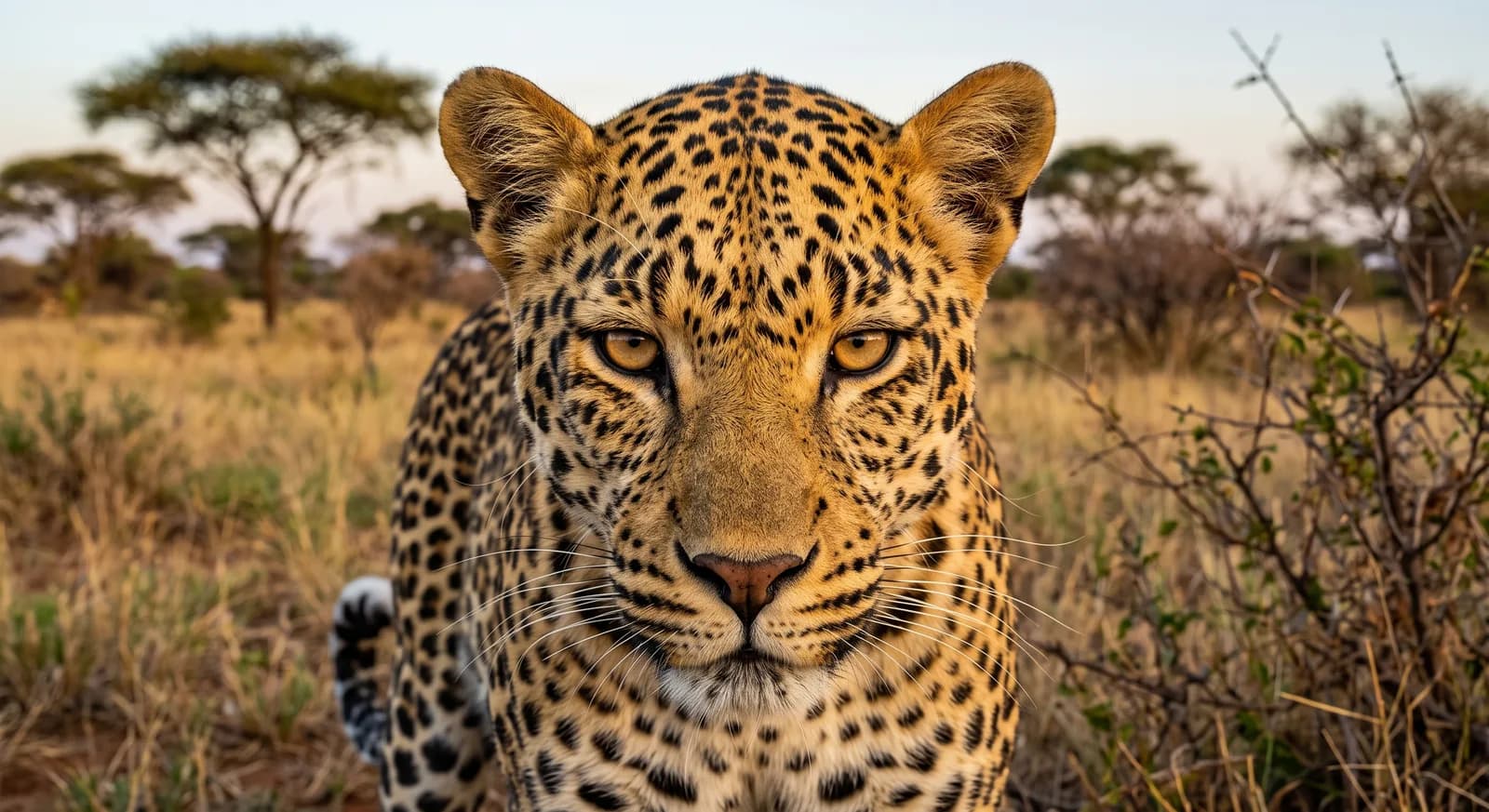
Leopard
Panthera pardus
 Vulnerable
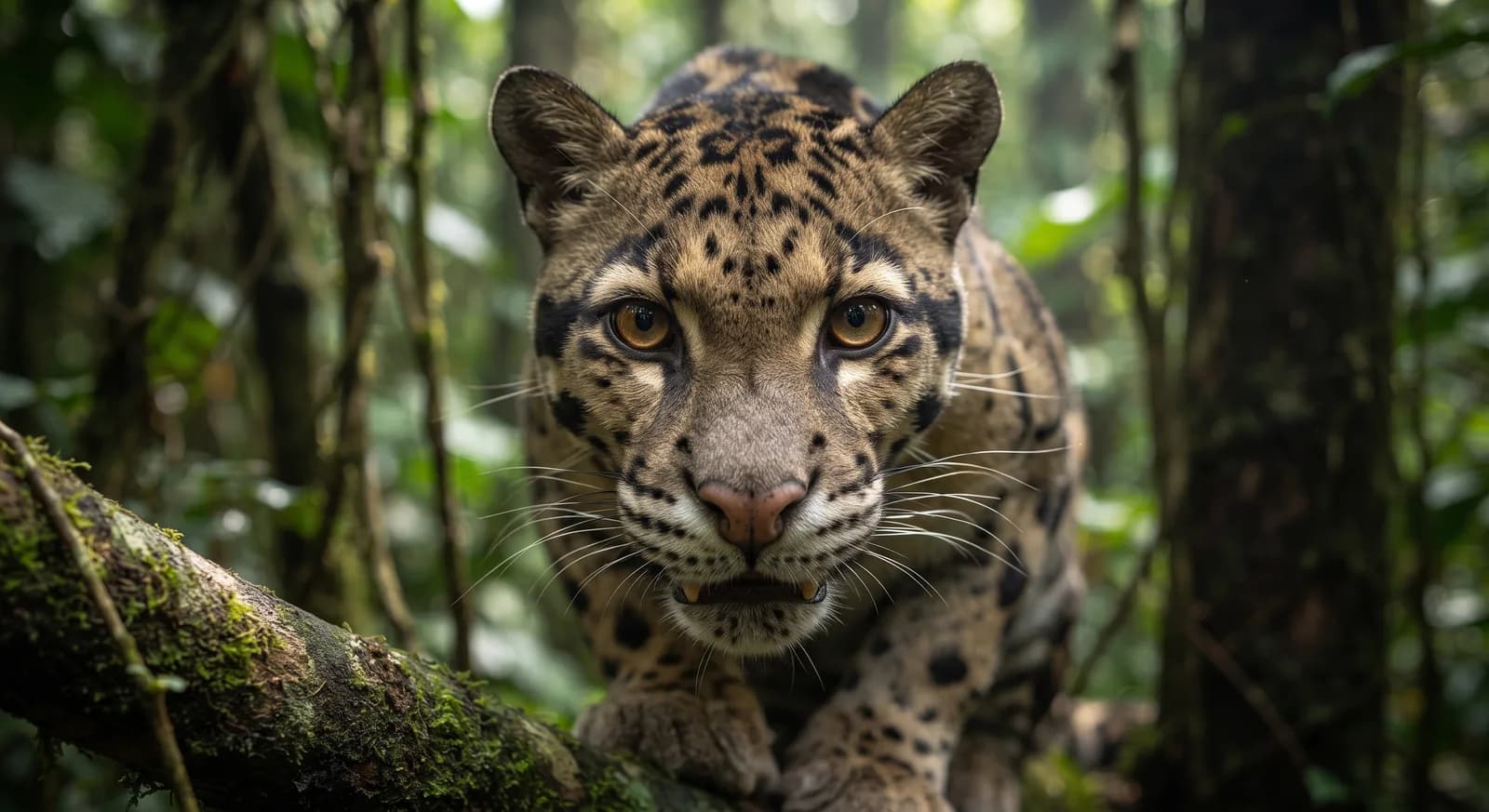
Clouded Leopard
Neofelis nebulosa
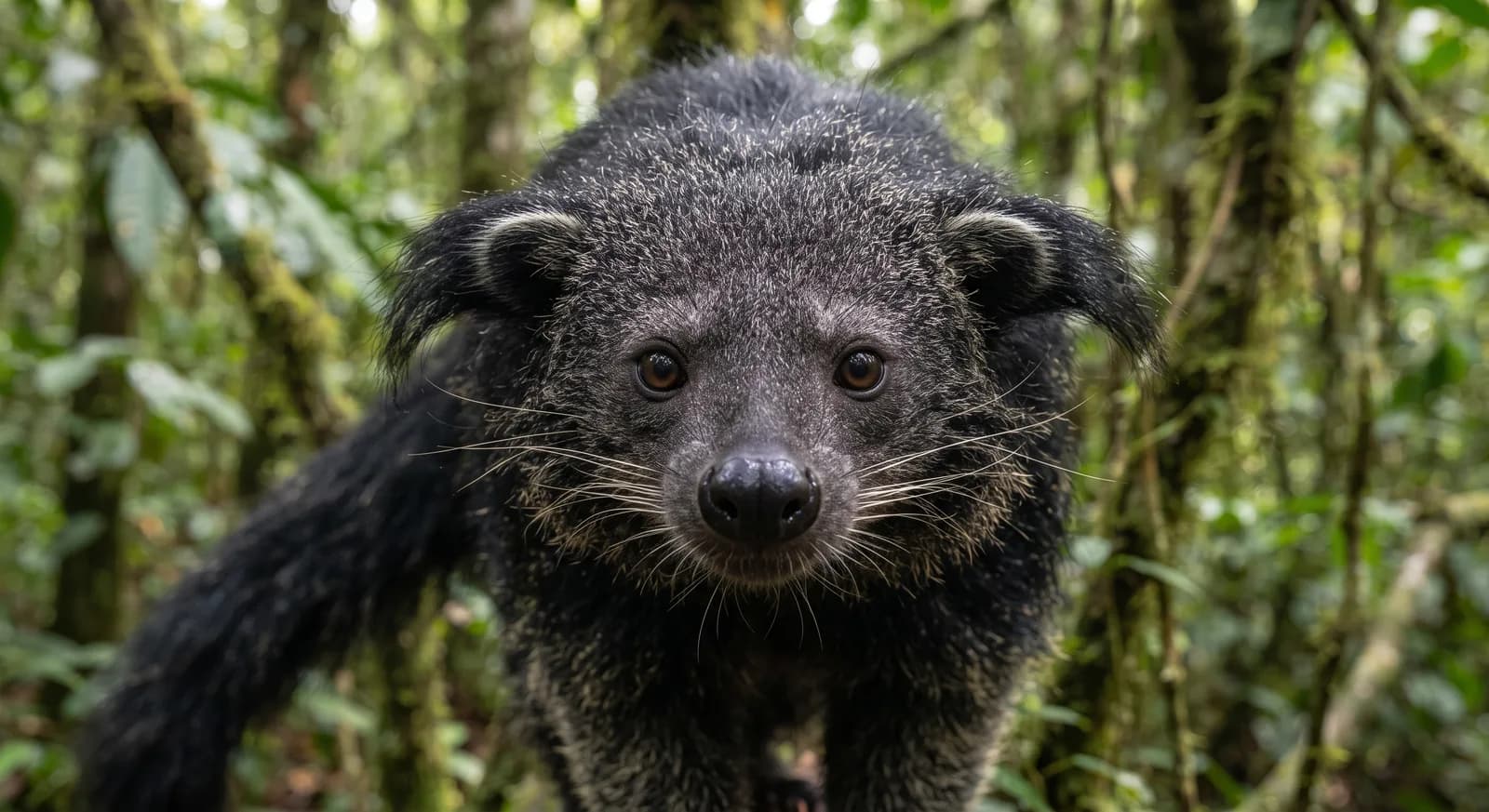 Vulnerable
Binturong
Arctictis binturong
How to help
The sun bear is classified as vulnerable. Organizations such as UICN, WWF y Wildlife Conservation Society work specifically on its conservation and that of its habitat; looking into their programs is a good starting point if you want to get involved.
It's documented in 8 real protected areas — part of why protecting these places matters for its conservation.
Keep exploring
Based on what we already know about sun bear.
Comments
Share an experience, a fun fact or a tip for seeing the sun bear.
Be the first to comment.