One of the 3 tarsiers on WAnimals
Mammals · Primates · Tarsiidae
Western Tarsier
Tarsius bancanus
It faces a high risk of extinction in the wild over the medium term. See full glossary
Horsfield's tarsier, also called the western tarsier, is a tiny nocturnal primate of South-East Asia, now placed by many authors in the genus Cephalopachus. It has enormous eyes, very long hind legs with an elongated tarsus that gives the group its name, and it can leap more than five metres between vertical trunks. It hunts by ambush, taking insects, lizards, small birds and even bats. It lives in dense understorey and suffers from the conversion of rainforest into oil palm plantations.
Weight
85 g – 135 g
Size
12 cm – 15 cm
Lifespan
12 years
Diet
Carnivore
Feeds mainly on other animals.
Activity
Nocturnal
Active mainly at night.
Social structure
Solitary
Lives and hunts alone, joining others only to breed.
Sighting difficulty
Moderate
Fun facts
- Each of its eyes weighs more than its brain and it cannot move them within the socket, so it turns its head almost 180 degrees, like an owl.
- It is the only primate in the world whose diet is entirely animal: it eats no fruit and no plant matter at all.
Life cycle & biology
- Skeleton type
- Vertebrate - internal bony skeleton (mammal)
- Habitat & environment
- Understorey of primary and secondary rainforest of Borneo and Sumatra, up to about 100 m of altitude
- Gestation / incubation
- 6 months
- Litter / clutch size
- 1
Sources consulted: https://es.wikipedia.org/wiki/Cephalopachus_bancanus
Where to find it
See its range on the interactive mapWhere to watch it
Parques y spots de buceo donde se ha documentado esta especie — se muestran 10 de 11 documentados.
Related species
Other species in the catalogue with the most in common with Western Tarsier — same habitat, park, country, tags or family.
Spectral Tarsier
Tarsius tarsier
 Vulnerable
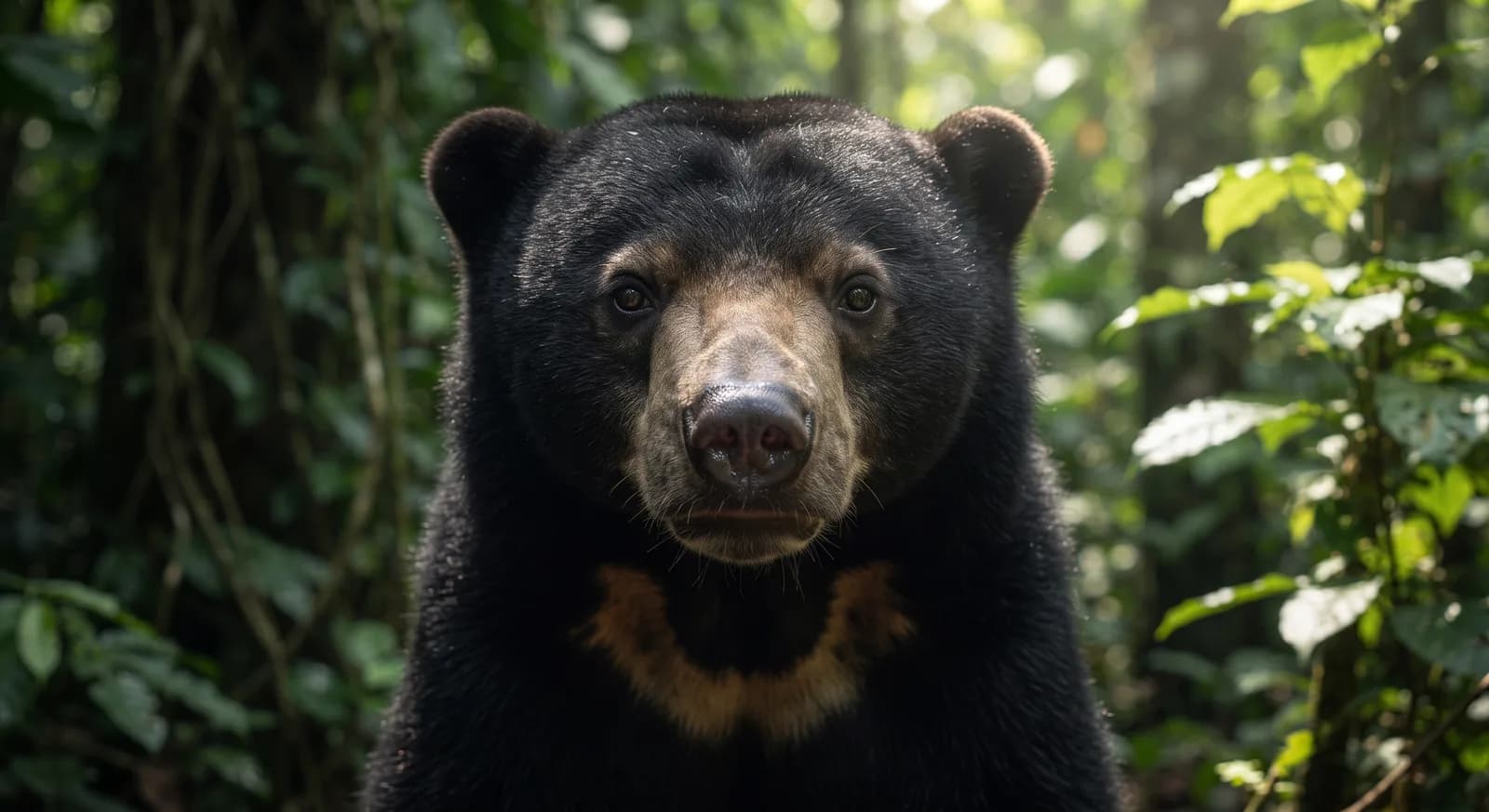
Sun Bear
Helarctos malayanus
King Cobra
Ophiophagus hannah
 Vulnerable
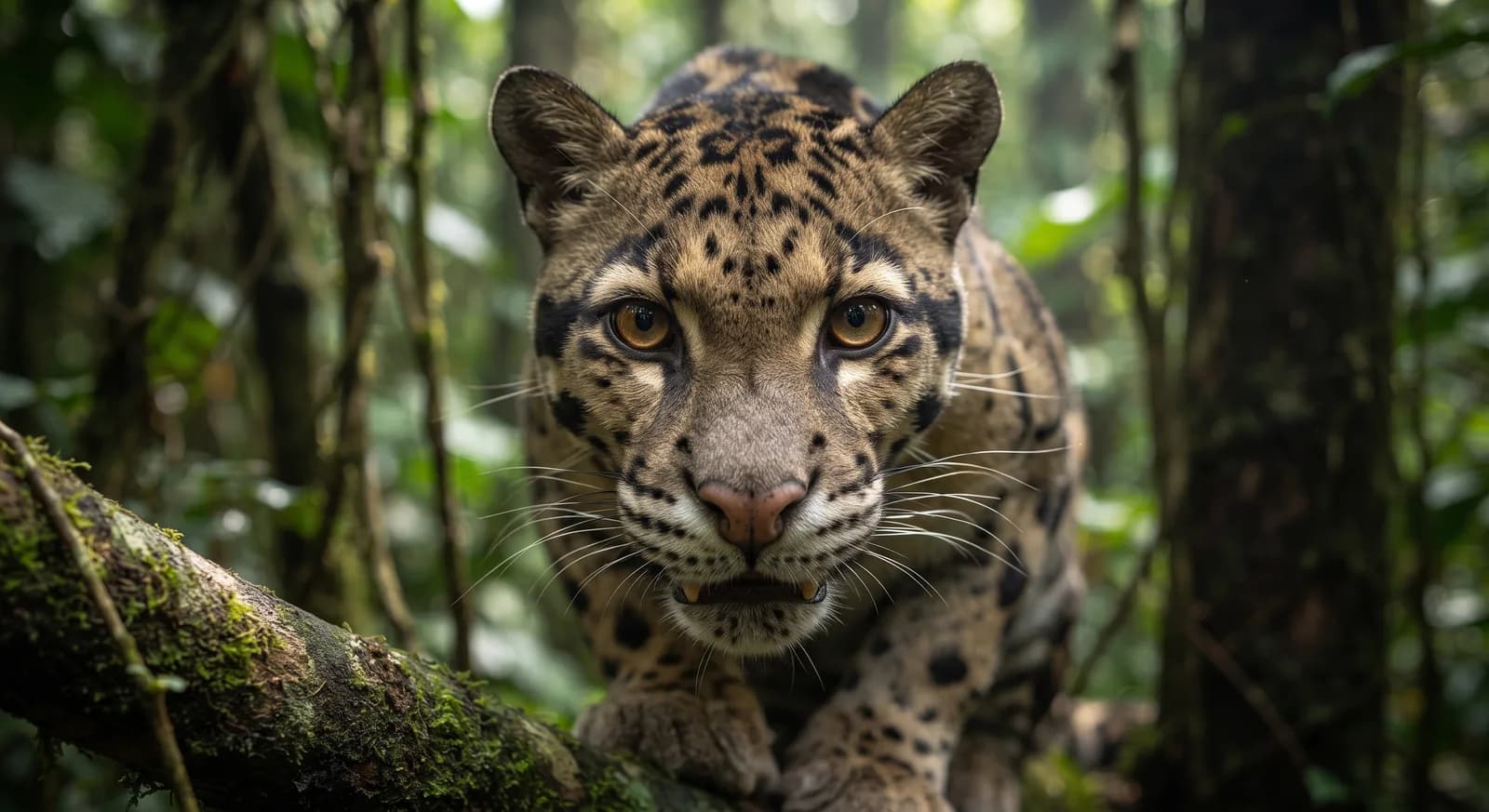
Clouded Leopard
Neofelis nebulosa
 Vulnerable
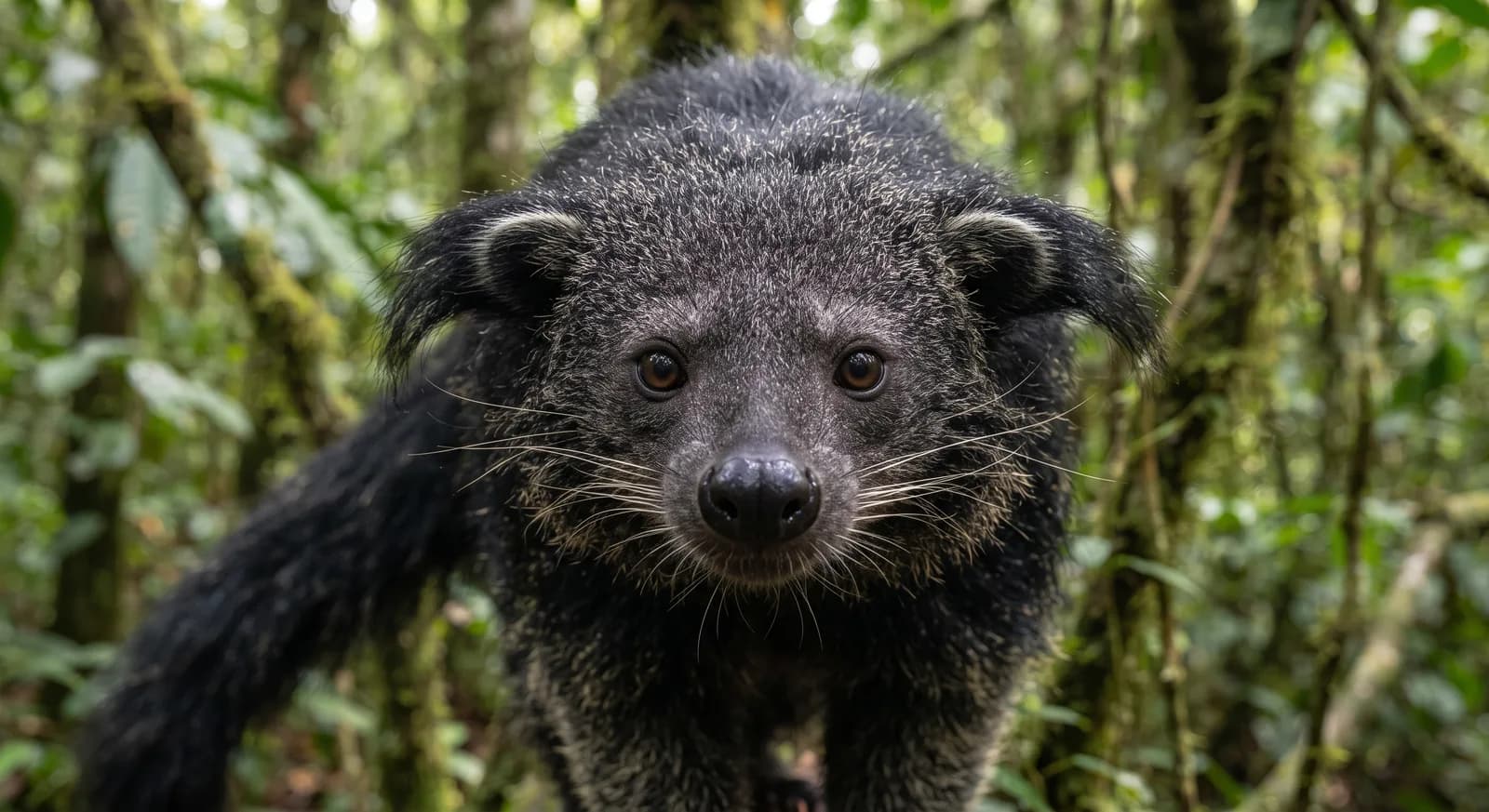
Binturong
Arctictis binturong
 Vulnerable
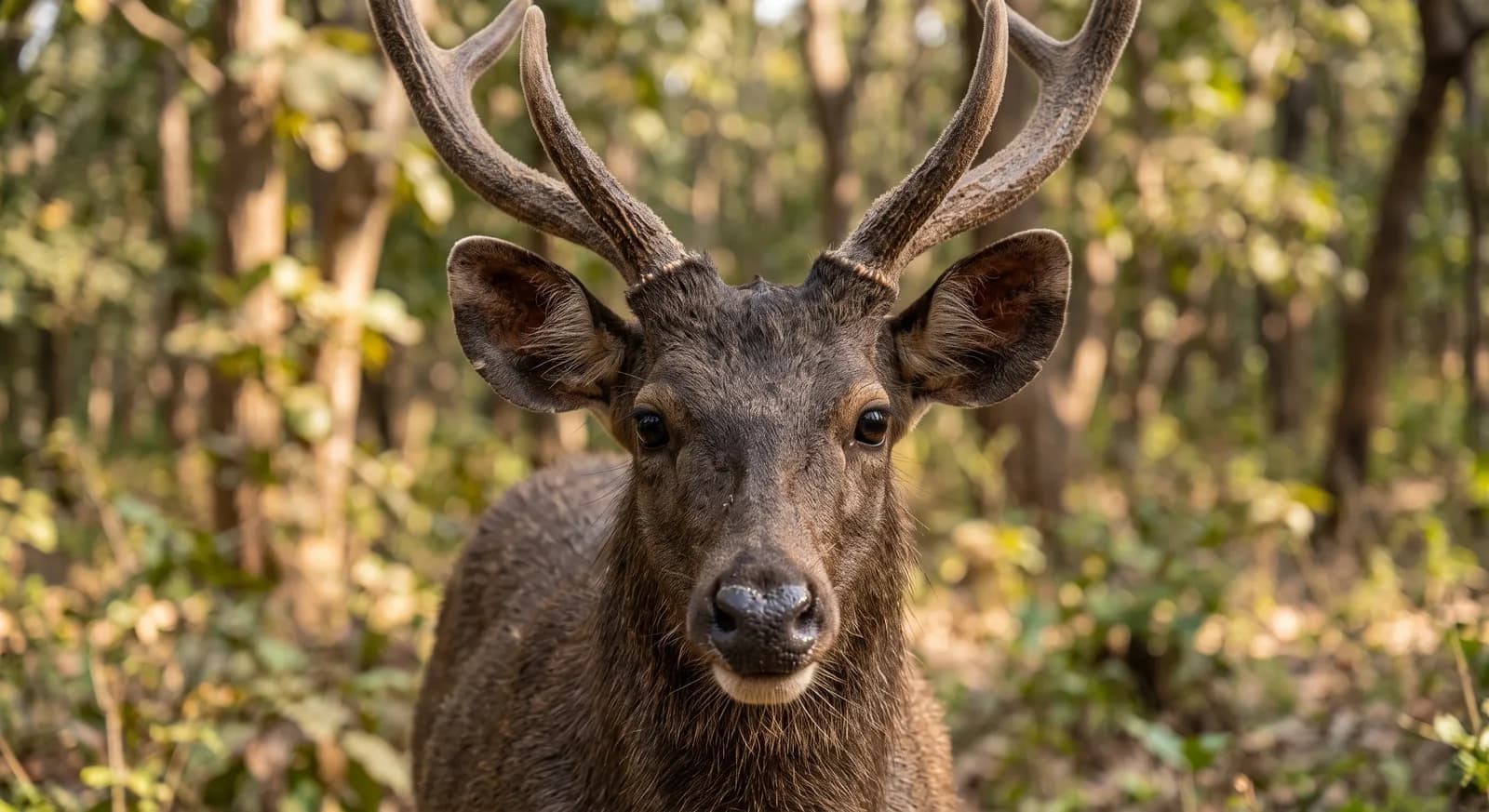
Sambar
Rusa unicolor
How to help
The western tarsier is classified as vulnerable. Organizations such as UICN, WWF y Wildlife Conservation Society work specifically on its conservation and that of its habitat; looking into their programs is a good starting point if you want to get involved.
It's documented in 9 real protected areas — part of why protecting these places matters for its conservation.
Keep exploring
Based on what we already know about western tarsier.
Comments
Share an experience, a fun fact or a tip for seeing the western tarsier.
Be the first to comment.