Laos
Asia
Laos is the only landlocked country in Southeast Asia and also one of the most forested and mountainous in the region. The Annamite range, which marks the border with Vietnam, is one of the biologically most surprising areas on the planet: its isolation and its humid climate have allowed the survival of large mammals unknown to science until a few decades ago. The Mekong runs through the country from north to south and at its southern end opens out into the Four Thousand Islands archipelago and the Khone falls, the widest waterfall in the world, where the river's last Irrawaddy dolphins survive. The Bolaven plateau, with its volcanic soils, and the Khammouane karsts, with their underground rivers, complete the mosaic.
The nature of Laos
National animal: The Asian elephant, historic symbol of a country once known as the land of a million elephants
Did you know?
In 1992, in the forests of the Annamite range, the saola was identified, a bovid with straight, parallel horns nicknamed the Asian unicorn. It was the first large mammal new to science in more than half a century, and it remains an enigma: no biologist has ever observed it in the wild, and everything known about it comes from village trophies, from a few captured animals and from a handful of camera-trap photographs, the last of them from 2013.
Biodiversity profile
Climate
- •Tropical monzonico (Am), con estacion seca y humeda marcadas; clima mas fresco en las tierras altas montañosas (80% del territorio es montañoso)
Main biomes
- •Bosque humedo montano subtropical del norte de Indochina
- •Bosque humedo de la Cordillera Annamita (compartido con Vietnam y Camboya)
- •Bosque seco de Indochina
- •Cuenca y llanuras inundables del rio Mekong, que recorre toda la longitud del pais
- •Selva húmeda de la cordillera Annamita
- •Karst calizo con ríos subterráneos
- •Bosque de ribera del Mekong
- •Meseta volcánica
- •Bosque caducifolio
- •Archipiélago fluvial
- •Cascada y rápidos
Marine and coastal ecosystems
- •No aplica (pais sin litoral); el rio Mekong y sus afluentes constituyen el eje ecologico principal del pais
Flagship wildlife
- •Elefante asiatico
- •Tigre indochino (poblacion critica)
- •Saola (presente en la frontera con Vietnam)
- •Delfin del Irrawaddy (Mekong)
- •Pato de alas blancas
- •Gibón de mejillas blancas
- •Muntíaco gigante
- •Oso malayo
- •Pangolín chino
- •Bagre gigante del Mekong
- •Langur de François
- •Tigre de Indochina
Notable endemic species
- •Laos es uno de los lugares mas biodiversos del mundo, con continuos descubrimientos de nuevas especies
- •Entre 8.000 y 11.000 especies de plantas con flor, 166 especies de reptiles y anfibios, 700 especies de aves, 90 especies de murcielagos, 500 especies de peces y 100 especies de mamiferos
- •El norte de Laos, junto a Yunnan (China) y el norte de Myanmar, es el origen genetico de todas las variedades de te del mundo
- •Saola
- •Muntíaco gigante
- •Roedor de roca laosiano
Notable threatened species
- •Saola (En Peligro Critico, presente en la frontera Laos-Vietnam)
- •Tigre indochino (En Peligro Critico, poblacion muy reducida)
- •Cocodrilo siamés (En Peligro Critico)
- •Pato de alas blancas (En Peligro)
Notable protected areas
- •Area Nacional Protegida de Nam Ha (primer Parque Patrimonio ASEAN de Laos, 2003)
- •Zonas protegidas de la Cordillera Annamita
- •Área Protegida de Nam Et-Phou Louey
- •Área Protegida de Nakai-Nam Theun
- •Cataratas de Khone
- •Cuatro Mil Islas
- •Parque Nacional de Hin Nam No
- •Meseta de Bolaven
Main conservation threats
- •Caza y comercio ilegal de vida silvestre
- •Construccion de represas hidroelectricas sobre el Mekong y sus afluentes
- •Perdida de bosque por expansion agricola en terreno montañoso
Notable natural phenomena
- •El pais alberga uno de los mayores reservorios geneticos de variedades de arroz glutinoso de Asia
Conservation
The Laotian rock rat, discovered in a market in 2005, turned out to belong to a family that was believed to have been extinct for eleven million years. The dams on the Mekong and its tributaries threaten the migratory fish on which much of the region's protein depends.
Where and when to watch wildlife
Nam Et-Phou Louey in the dry season for night safaris by boat. The Four Thousand Islands for the last Irrawaddy dolphins. The Khammouane karsts for bats and cliff-dwelling birds.
Sources: Interactive Country Fiches (UNEP-GRID) - Biodiversity Lao PDR | ASEAN Centre for Biodiversity - ASEAN Biodiversity | FAO - GMS Forest Policy Brief 03
Parks and reserves
Nam Et-Phou Louey National Protected Area
The largest protected area in Laos, refuge of one of the last Indochinese tiger populations in the region.
View parkNational Protected AreaNakai-Nam Theun
The forest where the saola was discovered in 1992, one of the most important zoological finds of the twentieth century.
View parkNational Protected AreaNam Ha
A protected area in northern Laos that has become a world reference for community ecotourism.
View parkEspecies documentadas en Laos
118 species found
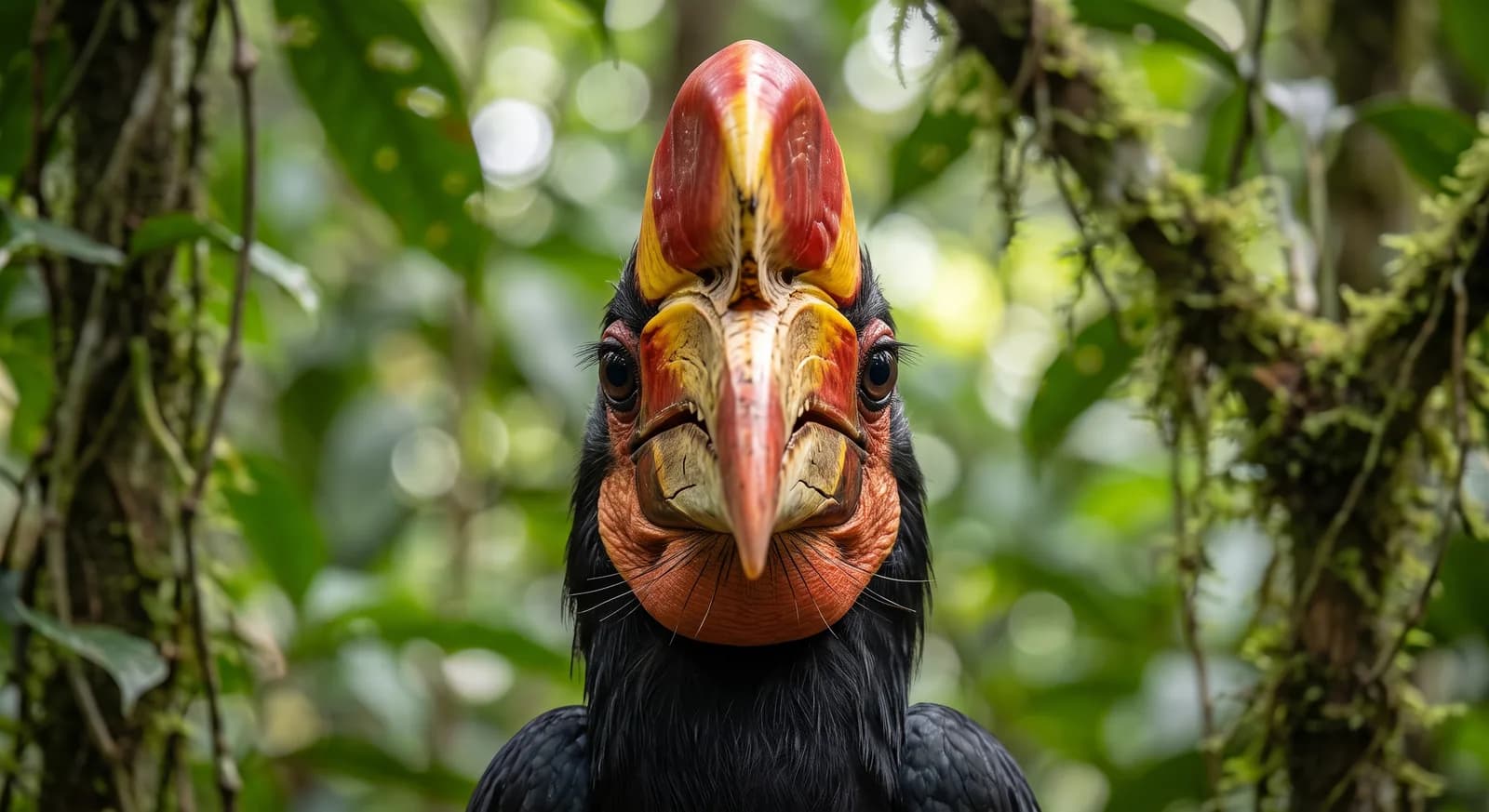 Critically Endangered
Helmeted Hornbill
Rhinoplax vigil
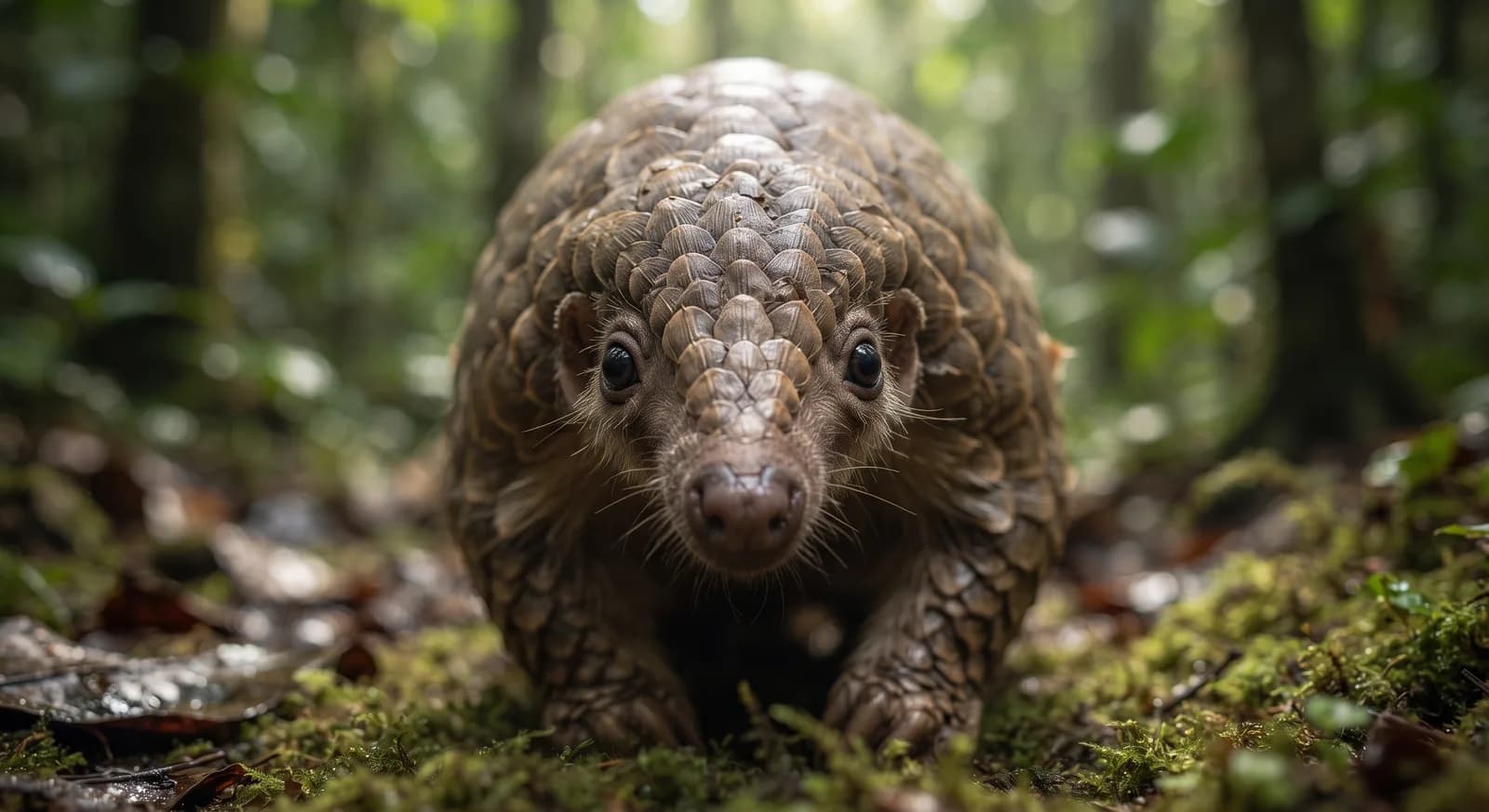 Critically Endangered
Chinese Pangolin
Manis pentadactyla
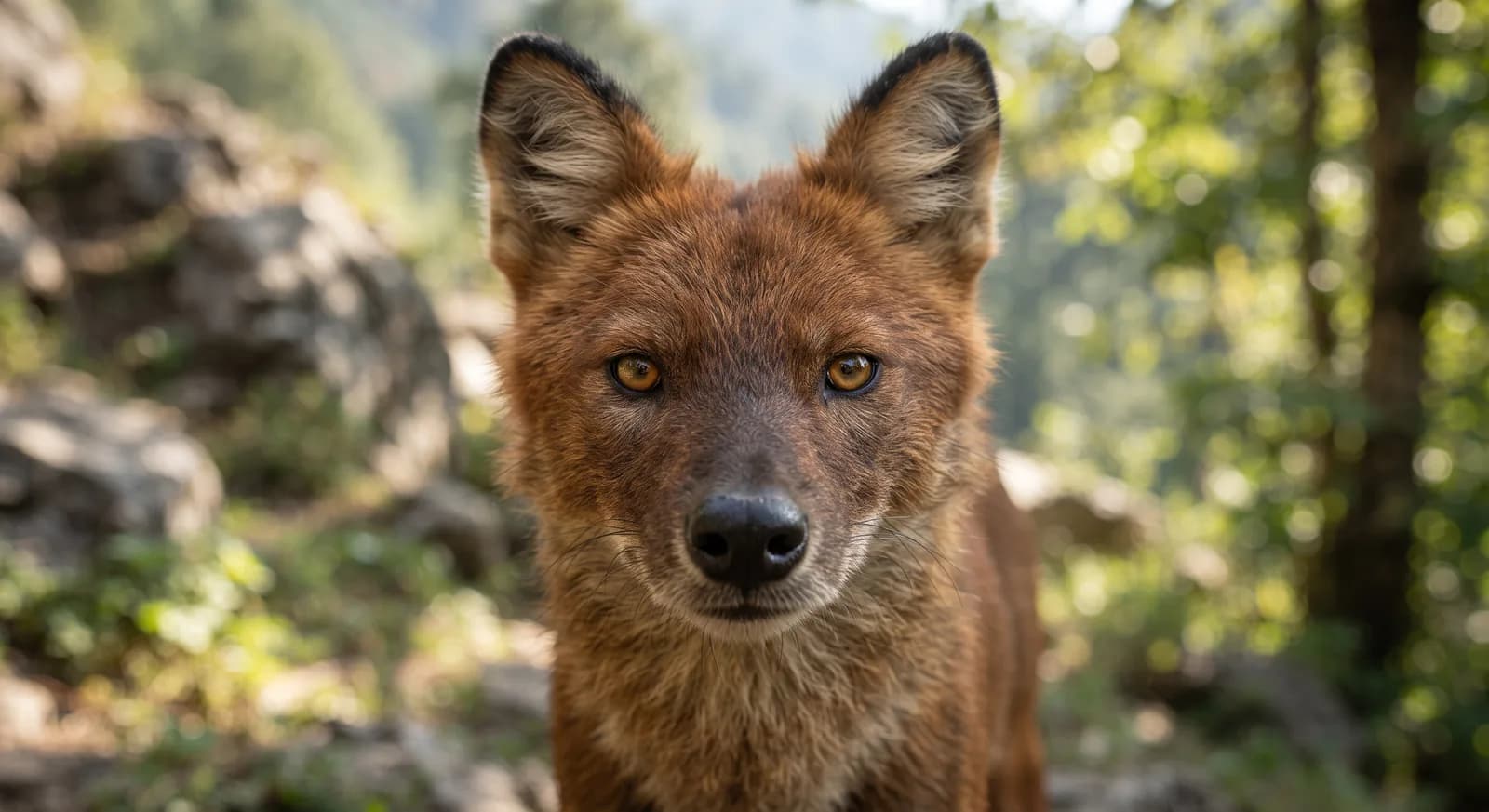 Endangered
Dhole
Cuon alpinus
 Endangered
Irrawaddy Dolphin
Orcaella brevirostris
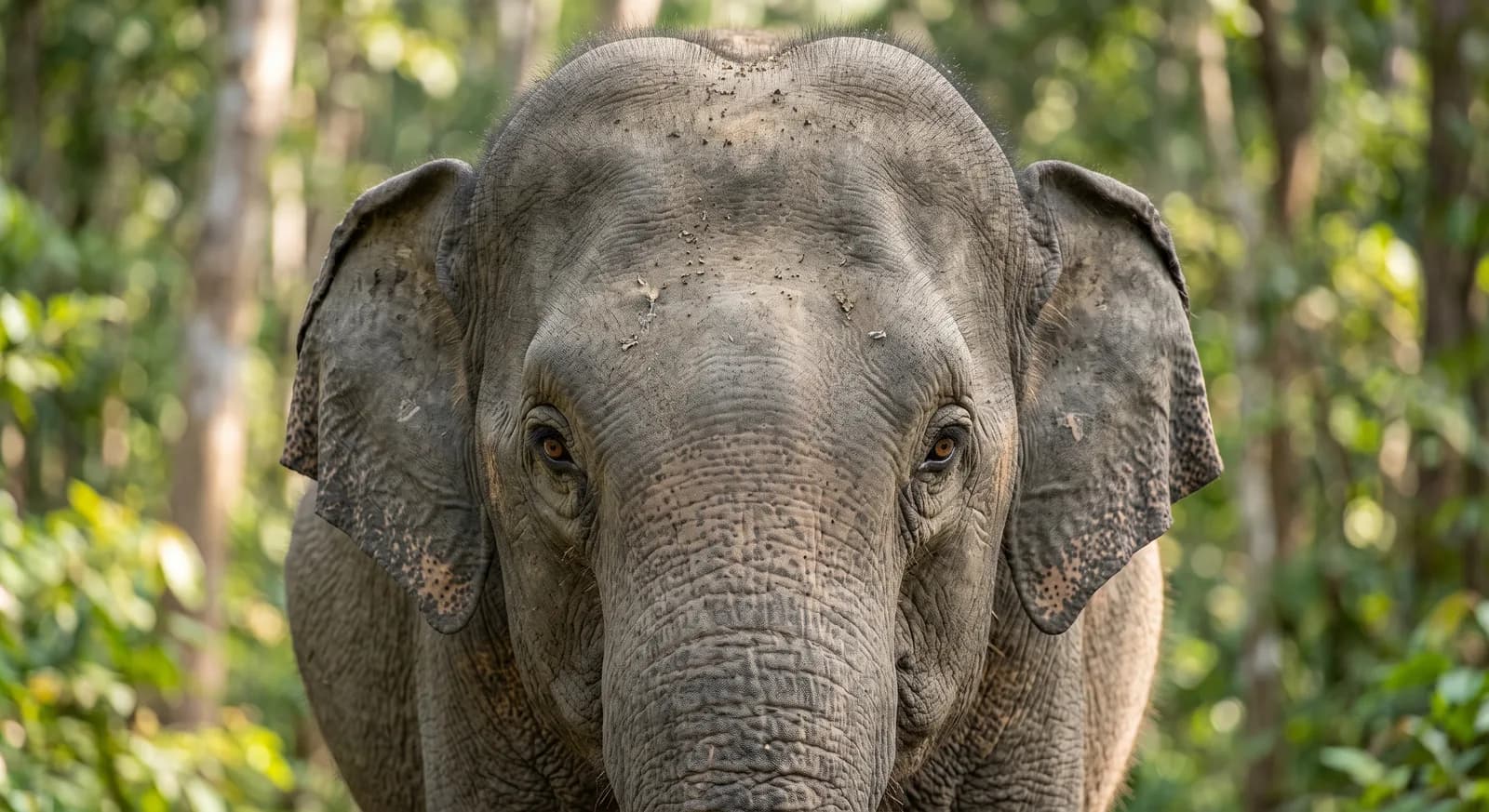 Endangered
Asian Elephant
Elephas maximus
 Endangered
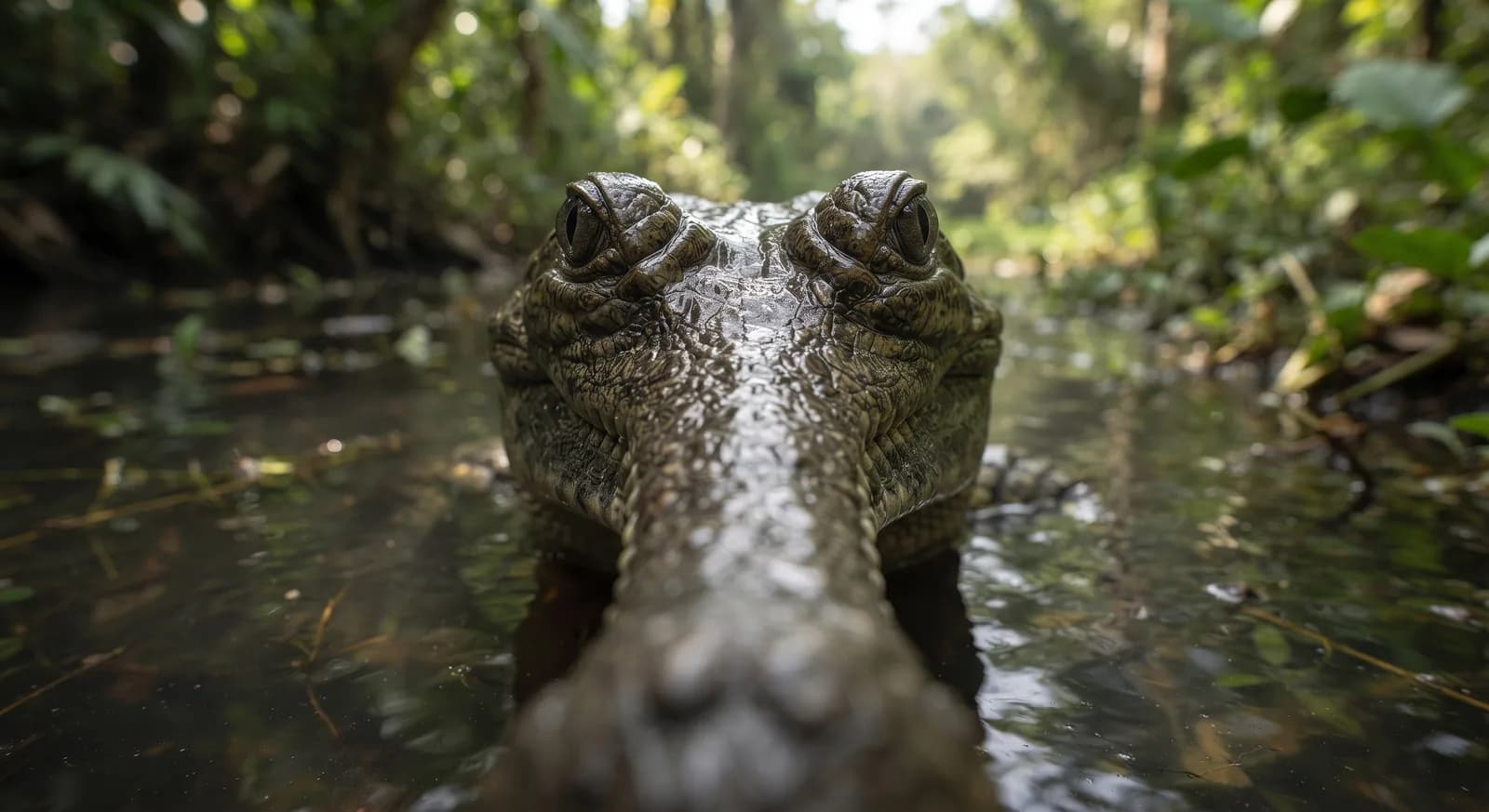
Sunda Gharial
Tomistoma schlegelii
 Endangered
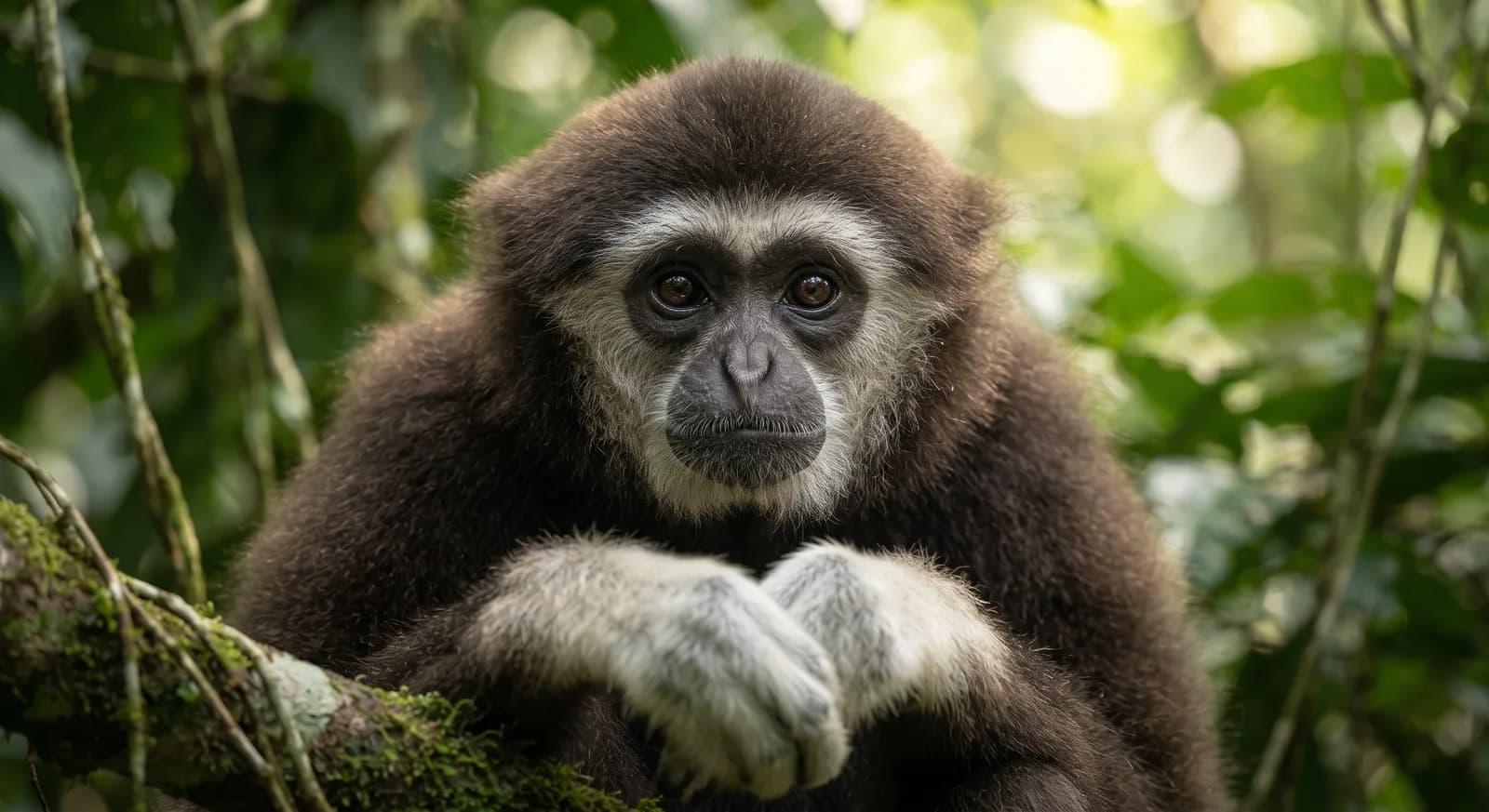
Lar Gibbon
Hylobates lar
 Endangered
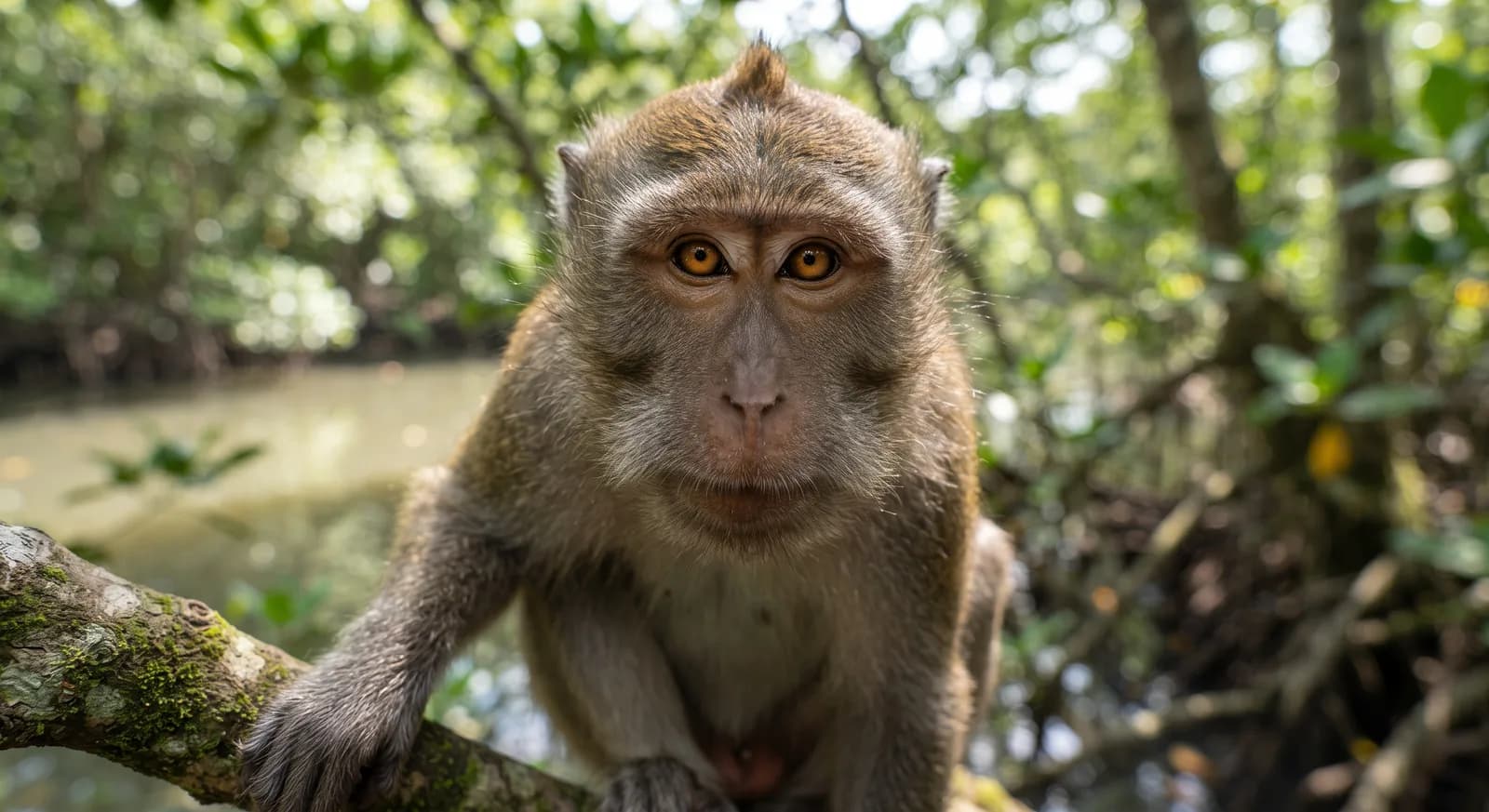
Long-tailed Macaque
Macaca fascicularis
 Endangered
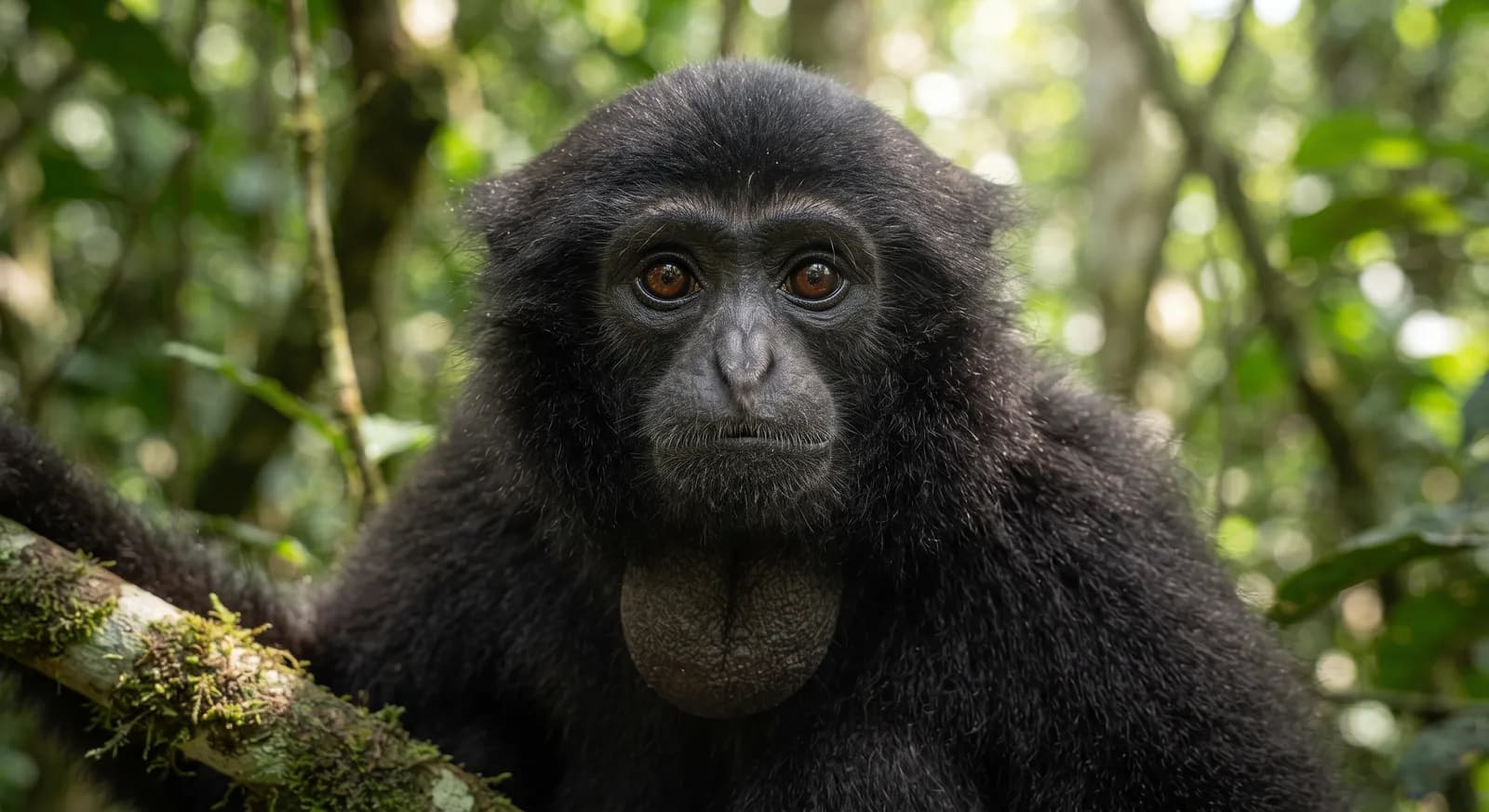
Siamang
Symphalangus syndactylus
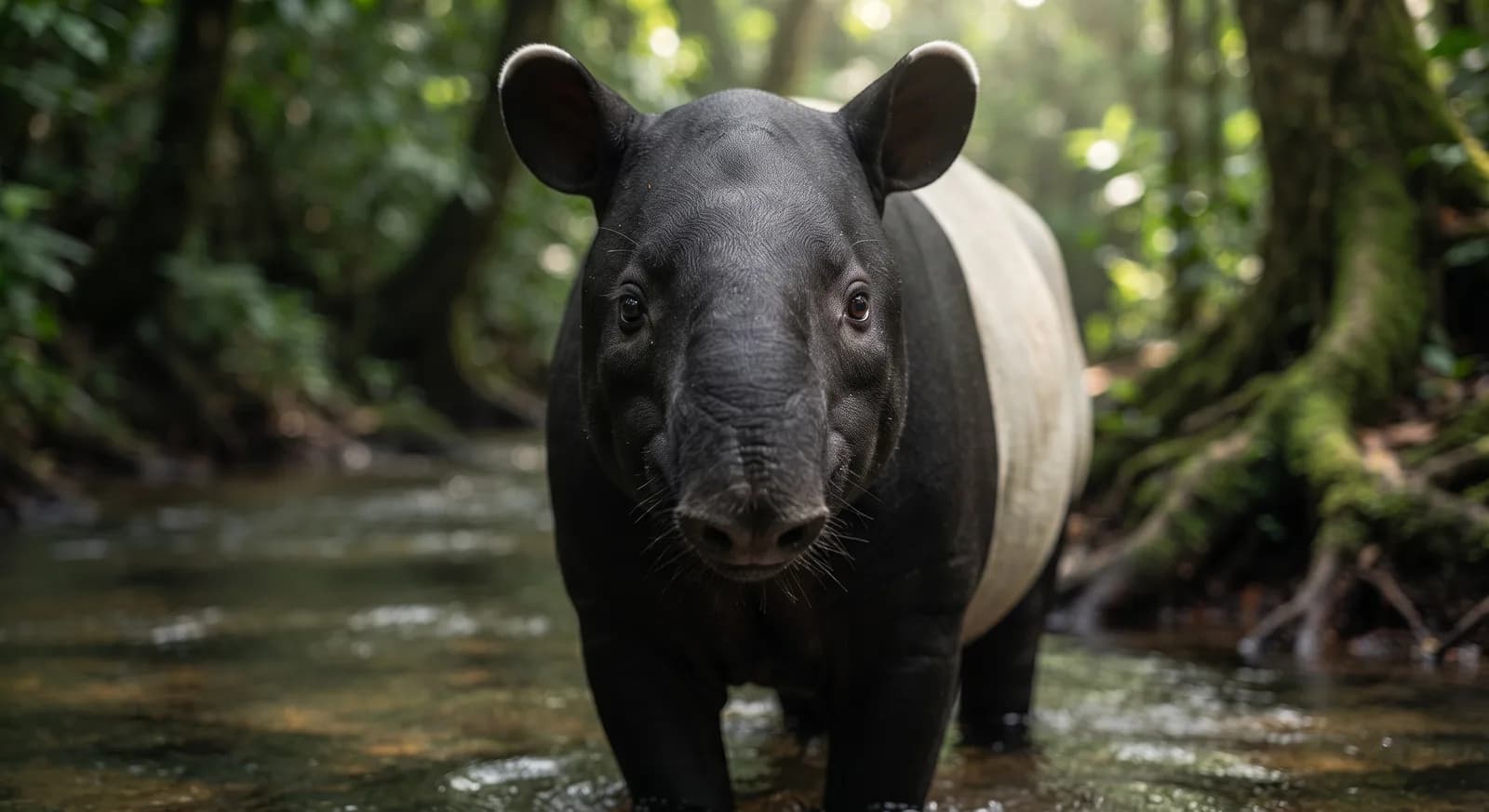 Endangered
Malayan Tapir
Tapirus indicus
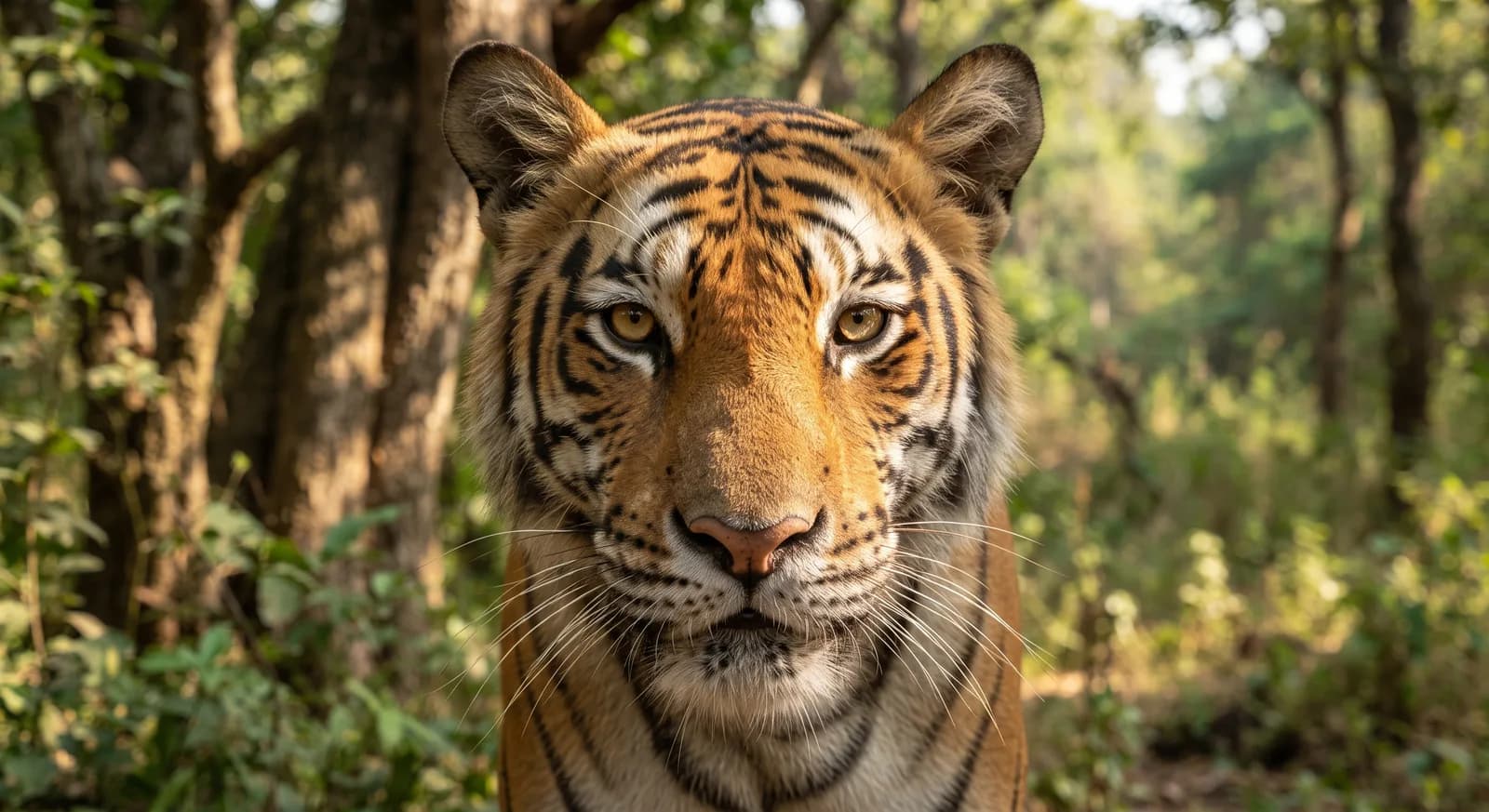 Endangered
Tiger
Panthera tigris
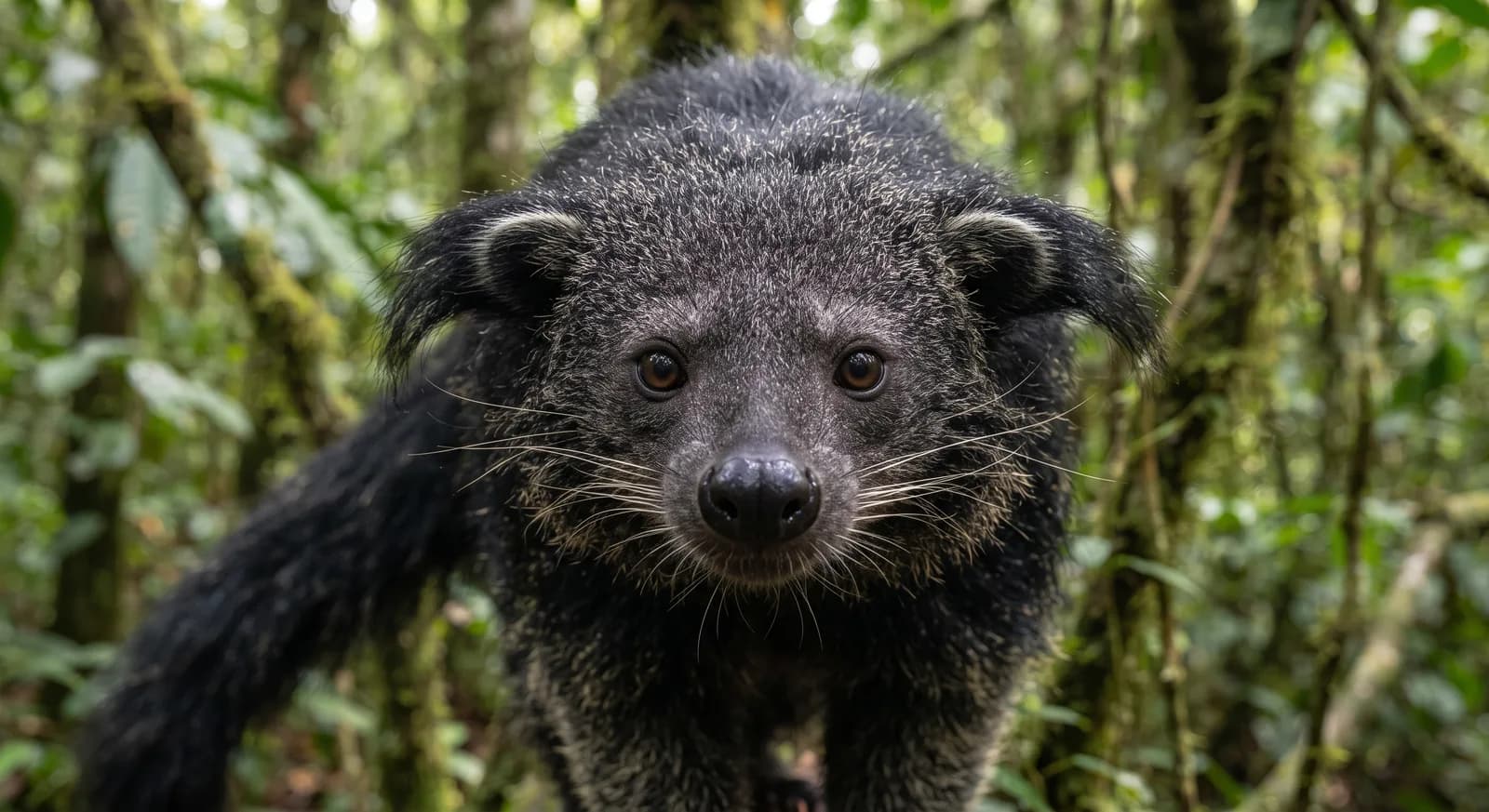 Vulnerable
Binturong
Arctictis binturong
Keep exploring
Based on what we already know about Laos.