One of the 6 macaques on WAnimals
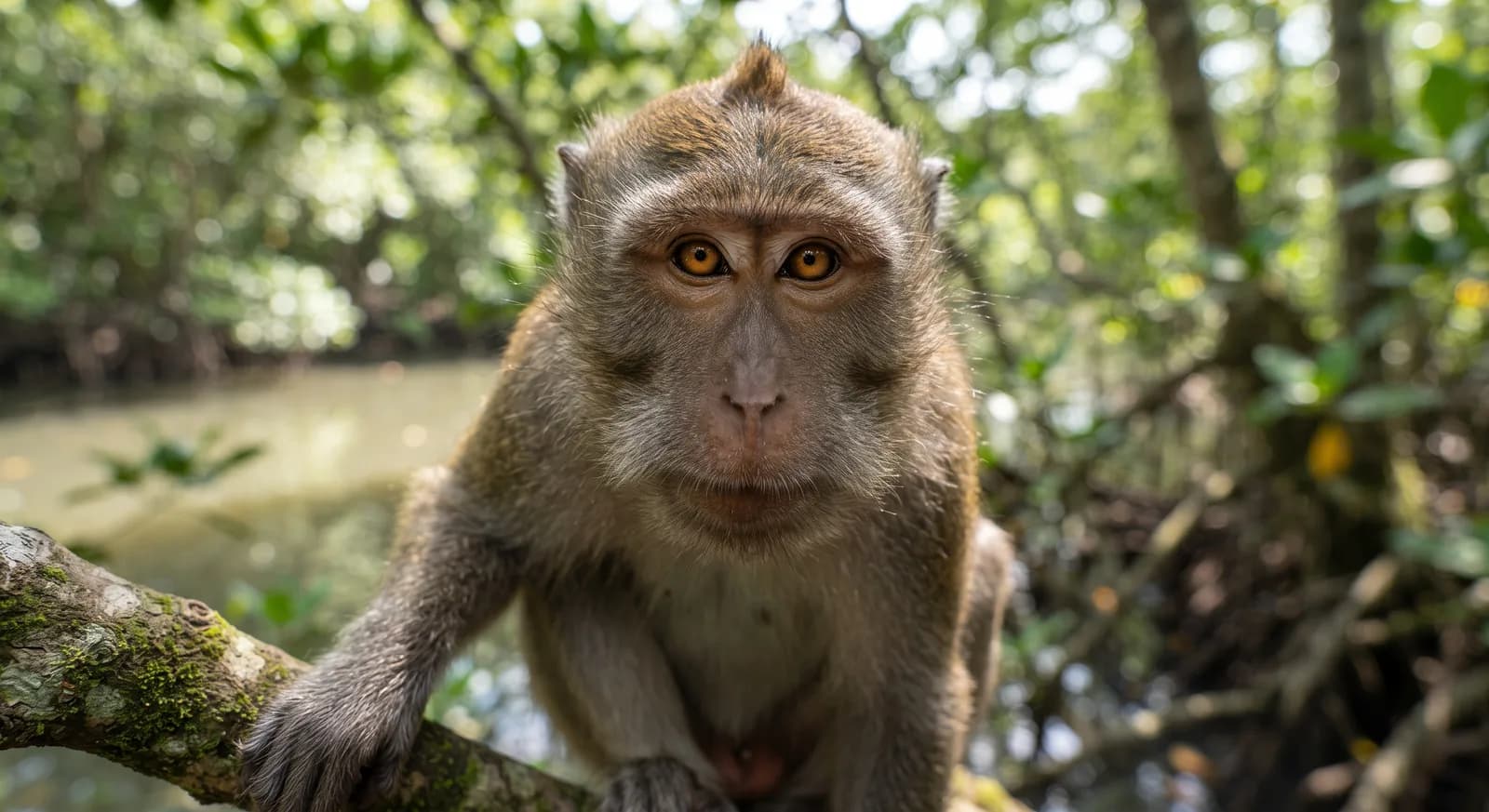
Mammals · Primates · Cercopithecidae
Long-tailed Macaque
Macaca fascicularis
It faces a very high risk of extinction in the wild in the near future. See full glossary
It is the non-human primate most used in biomedical and pharmacological research in the world.
Weight
2.7 kg – 8.6 kg
Size
38 cm – 55 cm
Lifespan
25 years
Diet
Omnivore
Combines animal and plant food depending on availability.
Activity
Diurnal
Active mainly during the day.
Social structure
Herd
Lives in large groups as a strategy against predators.
Sighting difficulty
Hard
Fun facts
- It is the only Old World monkey recorded using stone tools in its everyday foraging.
- It eats fruit, seeds, invertebrates, small vertebrates and crabs, which is where its common name comes from.
- It lives in secondary forest, mangrove and land near human settlements across South East Asia.
Life cycle & biology
- Skeleton type
- Vertebrate - internal bony skeleton (mammal)
- Habitat & environment
- Secondary forest, mangrove and land near human settlements across South East Asia
- Birth weight
- Born precocial, clinging to its mother's fur
- Size at birth
- Born precocial
- Sexual maturity
- ~4 years
- Gestation / incubation
- 162-193 days (~5.5-6.5 months)
- Litter / clutch size
- 1 young per birth
- Lifespan in captivity
- Documented record of up to 37.1-37.6 years
Sources consulted: A-Z Animals; IUCN GISD; Wikipedia (Macaca fascicularis); Columbia University Invasion Biology; CABI Compendium
Where to find it
See its range on the interactive mapWhere to watch it
Parques y spots de buceo donde se ha documentado esta especie — se muestran 10 de 14 documentados.
Related species
Other species in the catalogue with the most in common with Long-tailed Macaque — same habitat, park, country, tags or family.
Southern Pig-tailed Macaque
Macaca nemestrina
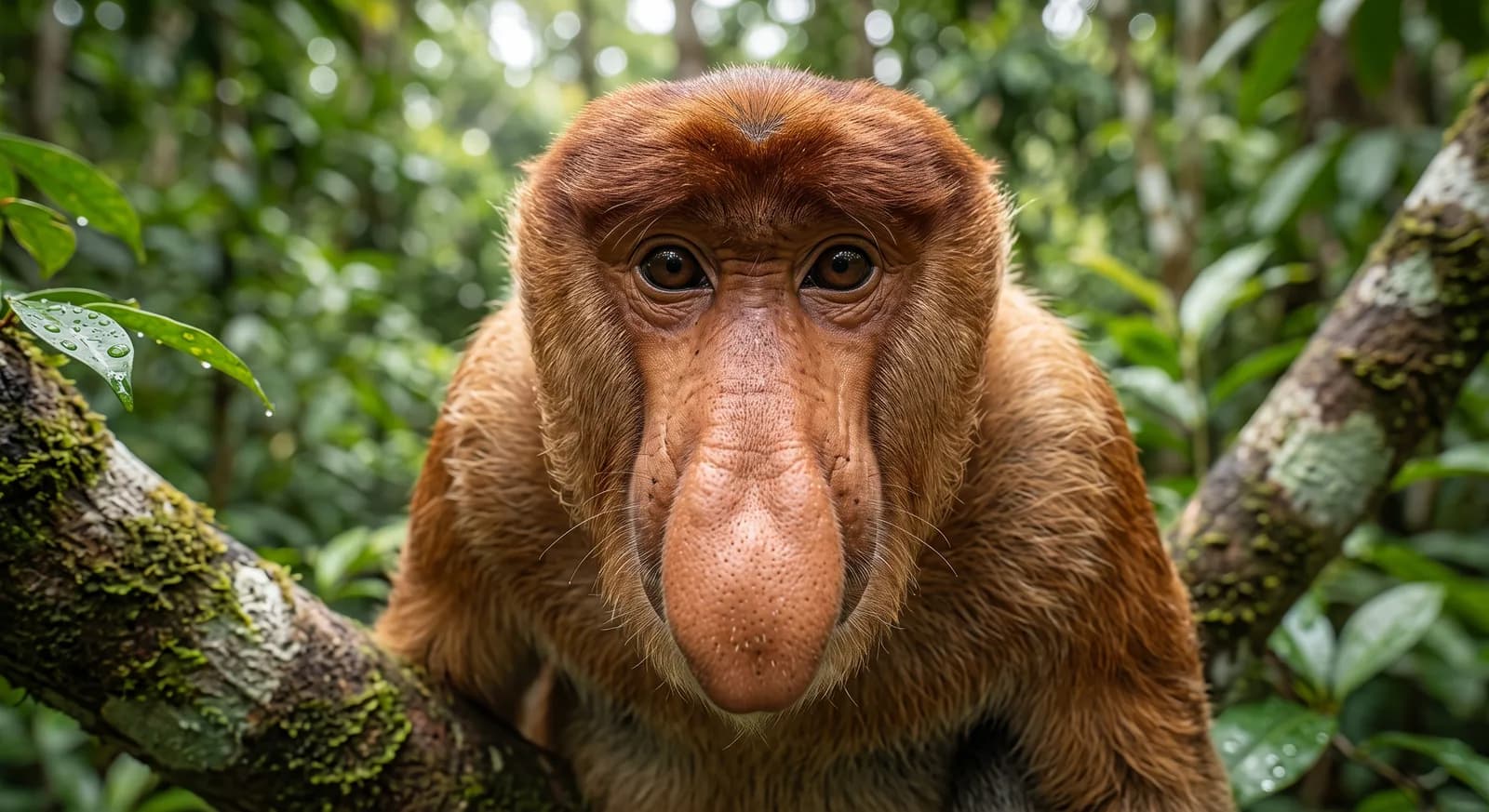 Endangered
Proboscis Monkey
Nasalis larvatus
Javan Surili
Presbytis comata
Phayre’s Leaf-monkey
Trachypithecus phayrei
 Least Concern
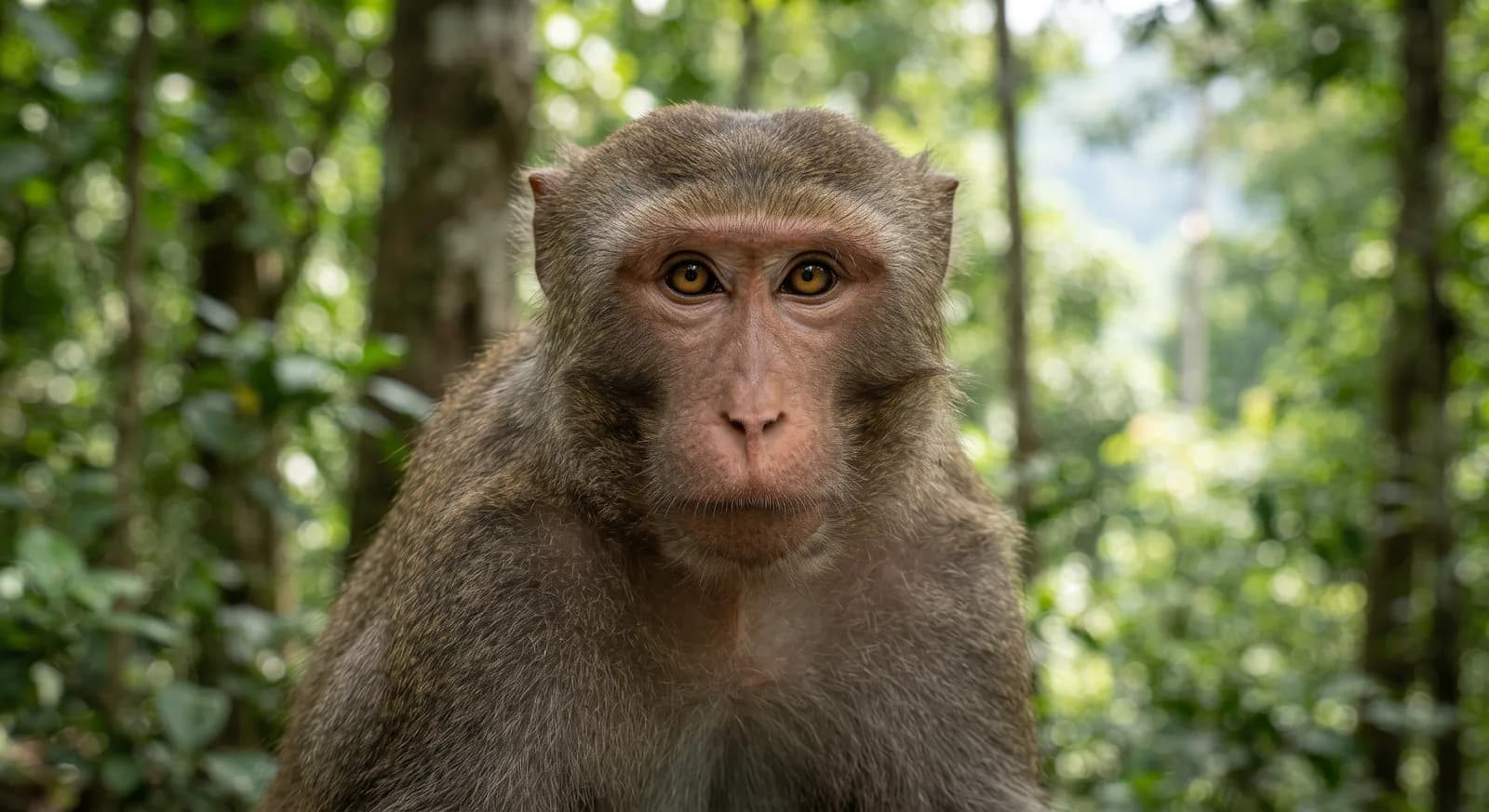
Rhesus Monkey
Macaca mulatta
Thomas’s Langur
Presbytis thomasi
How to help
The long-tailed macaque is classified as endangered. Organizations such as UICN, WWF y Wildlife Conservation Society work specifically on its conservation and that of its habitat; looking into their programs is a good starting point if you want to get involved.
It's documented in 8 real protected areas — part of why protecting these places matters for its conservation.
Keep exploring
Based on what we already know about long-tailed macaque.
Comments
Share an experience, a fun fact or a tip for seeing the long-tailed macaque.
Be the first to comment.