One of the 9 langurs on WAnimals
Mammals · Primates · Cercopithecidae
Thomas’s Langur
Presbytis thomasi
It faces a high risk of extinction in the wild over the medium term. See full glossary
Thomas's langur is a primate endemic to northern Sumatra, unmistakable for its hairstyle: a bristling crest of white hair in the shape of a mohican over a dark face framed by white cheeks. It lives in groups of one male and several females in the forests of Aceh, including the Leuser Ecosystem. It eats leaves and fruit. The conversion of forest into oil palm plantations is the chief cause of its decline.
Weight
5 kg – 8 kg
Size
45 cm – 60 cm
Lifespan
20 years
Diet
Herbivore
Feeds mainly on plants.
Activity
Diurnal
Active mainly during the day.
Sighting difficulty
Moderate
Fun facts
- Its bristling white mohican crest has made it one of the most photographed primates in Sumatra and a tourist draw for Gunung Leuser National Park.
- It shares its range with the Sumatran orangutan and the Sumatran tiger: all three depend on the same Leuser Ecosystem, one of the few places on the planet where orangutans, tigers, rhinoceroses and elephants live side by side.
Life cycle & biology
- Skeleton type
- Vertebrate - internal bony skeleton (mammal)
- Habitat & environment
- Primary and secondary rainforest of northern Sumatra, in the province of Aceh
- Sexual maturity
- 4 years
- Gestation / incubation
- 6 months
- Litter / clutch size
- 1
Sources consulted: https://es.wikipedia.org/wiki/Presbytis_thomasi
Where to watch it
Parks and dive sites where this species has been documented.
Related species
Other species in the catalogue with the most in common with Thomas’s Langur — same habitat, park, country, tags or family.
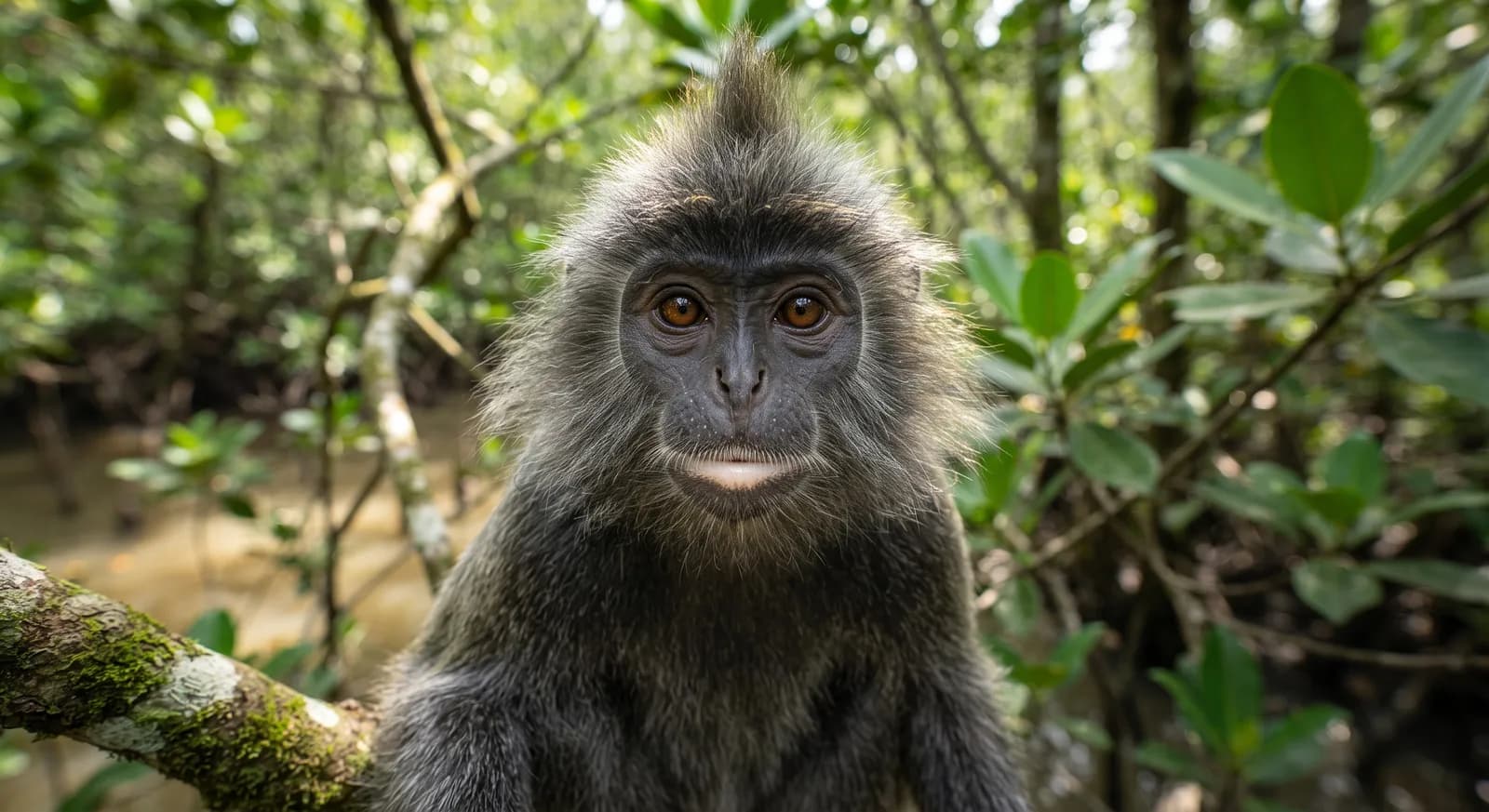 Vulnerable
Silvery Lutung
Trachypithecus cristatus
Southern Pig-tailed Macaque
Macaca nemestrina
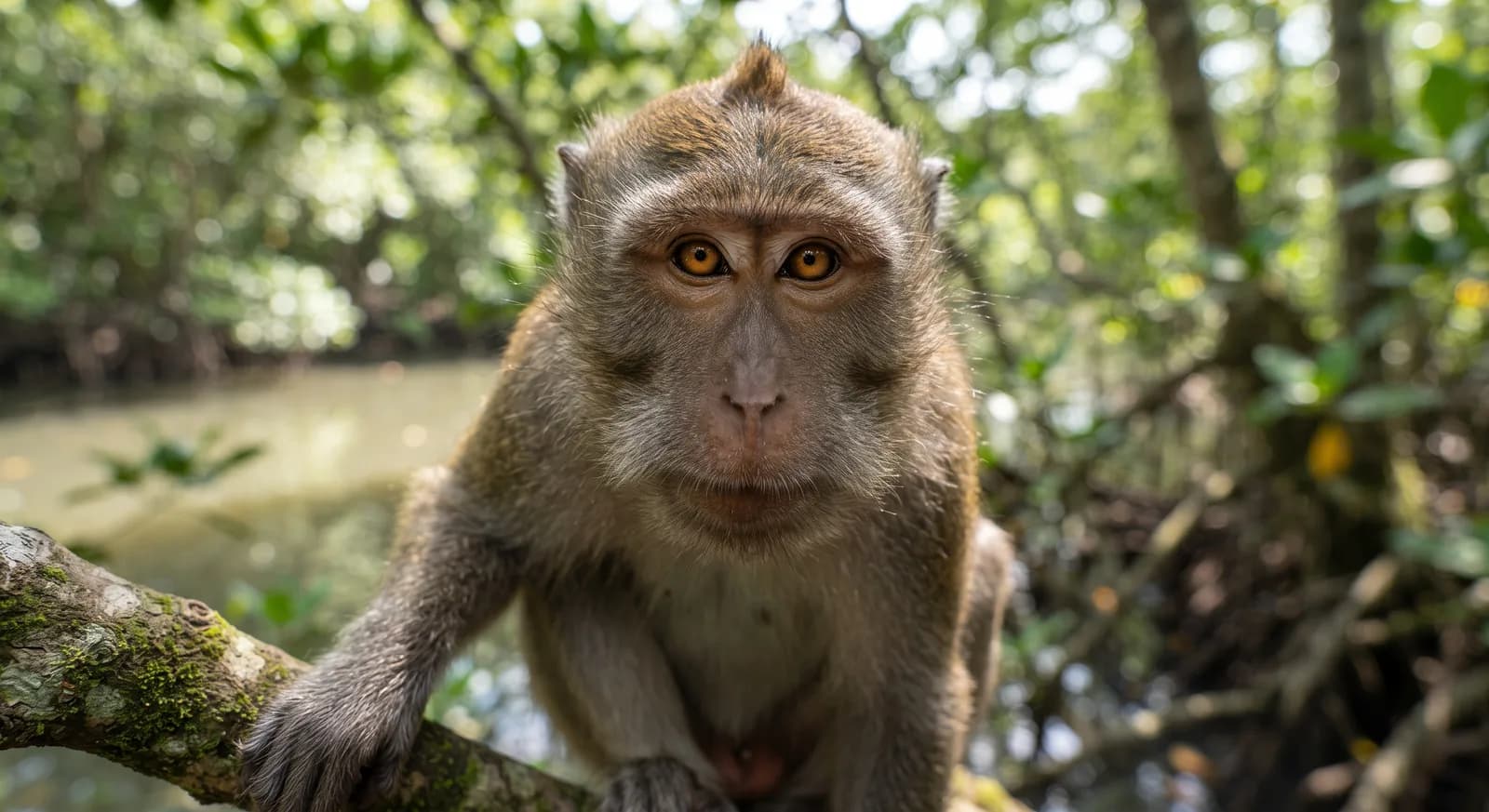 Endangered
Long-tailed Macaque
Macaca fascicularis
Oriental Small-clawed Otter
Aonyx cinereus
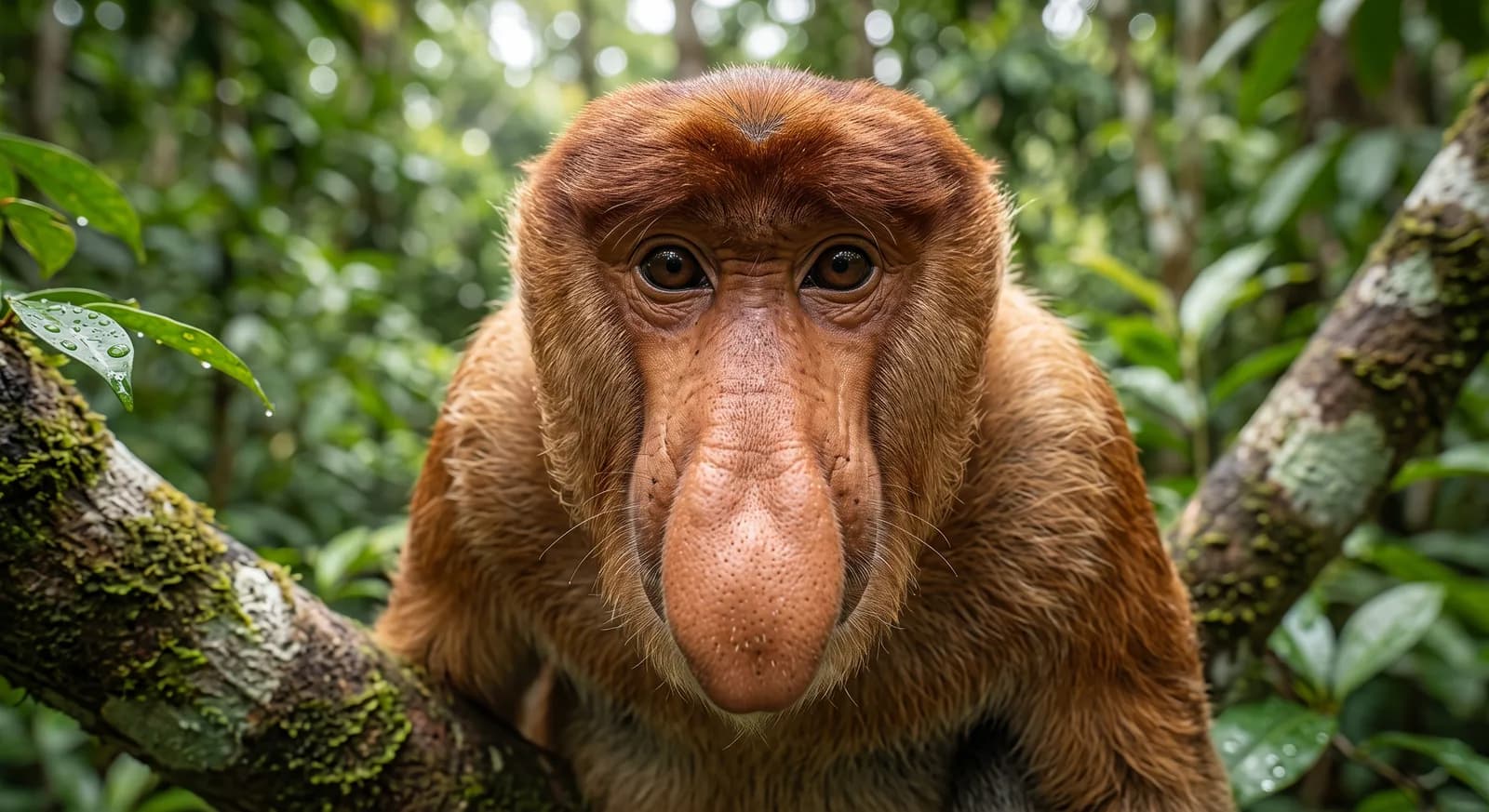 Endangered
Proboscis Monkey
Nasalis larvatus
Javan Surili
Presbytis comata
How to help
The thomas’s langur is classified as vulnerable. Organizations such as UICN, WWF y Wildlife Conservation Society work specifically on its conservation and that of its habitat; looking into their programs is a good starting point if you want to get involved.
It's documented in 2 real protected areas — part of why protecting these places matters for its conservation.
Keep exploring
Based on what we already know about thomas’s langur.
Comments
Share an experience, a fun fact or a tip for seeing the thomas’s langur.
Be the first to comment.