One of the 8 otters on WAnimals
Mammals · Carnivora · Mustelidae
Oriental Small-clawed Otter
Aonyx cinereus
It faces a high risk of extinction in the wild over the medium term. See full glossary
The Oriental small-clawed otter is the smallest otter in the world and one of the most social: it lives in family groups of up to a dozen individuals that communicate with a wide repertoire of squeaks and whistles. Unlike other otters it does not chase fish by swimming: it feels about with its hands under stones and in the mud for crabs, molluscs and amphibians. Its claws are reduced to tiny spines that do not project beyond the pads, which leaves it extraordinarily dextrous fingers.
Weight
2.7 kg – 5.4 kg
Size
45 cm – 61 cm
Lifespan
15 years
Diet
Carnivore
Feeds mainly on other animals.
Activity
Diurnal
Active mainly during the day.
Social structure
Family group
Lives in small family groups with close bonds.
Sighting difficulty
Moderate
Fun facts
- GeneralThe smallest otter in the world; it uses its hands with great dexterity to hunt for crabs.
- It uses its hands as though they were a primate's: it feels under stones and in the mud with a sensitivity of touch that makes up for the poor visibility of murky water.
- Its popularity in social media videos has driven up the illegal trade in cubs as pets in South-East Asia, one of the reasons for its inclusion in Appendix I of CITES in 2019.
Life cycle & biology
- Skeleton type
- Vertebrate - internal bony skeleton (mammal)
- Habitat & environment
- Mangroves, rice fields and slow rivers
- Size at birth
- Born blind and helpless; it opens its eyes at around five weeks
- Sexual maturity
- 2 years
- Gestation / incubation
- 2.1 months
- Litter / clutch size
- 1.42 (average)
Sources consulted: https://es.wikipedia.org/wiki/Aonyx_cinereus
Where to find it
See its range on the interactive mapBest time: All year round in southern and South-East Asia, by day; it moves in very noisy family groups through rice paddies, mangroves and streams.
Where to watch it
Parques y spots de buceo donde se ha documentado esta especie — se muestran 10 de 56 documentados.
Related species
Other species in the catalogue with the most in common with Oriental Small-clawed Otter — same habitat, park, country, tags or family.
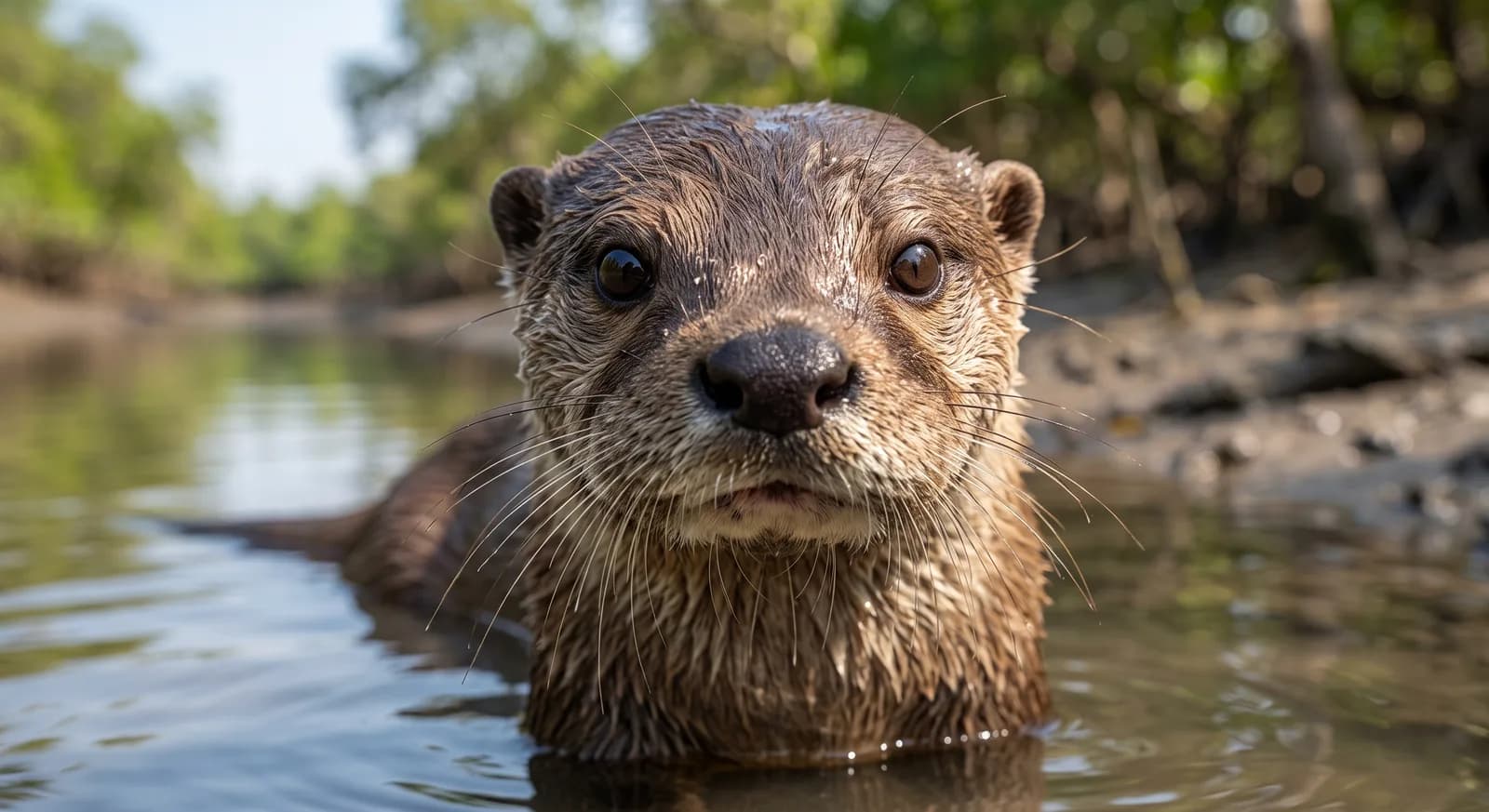 Vulnerable
Smooth-coated Otter
Lutrogale perspicillata
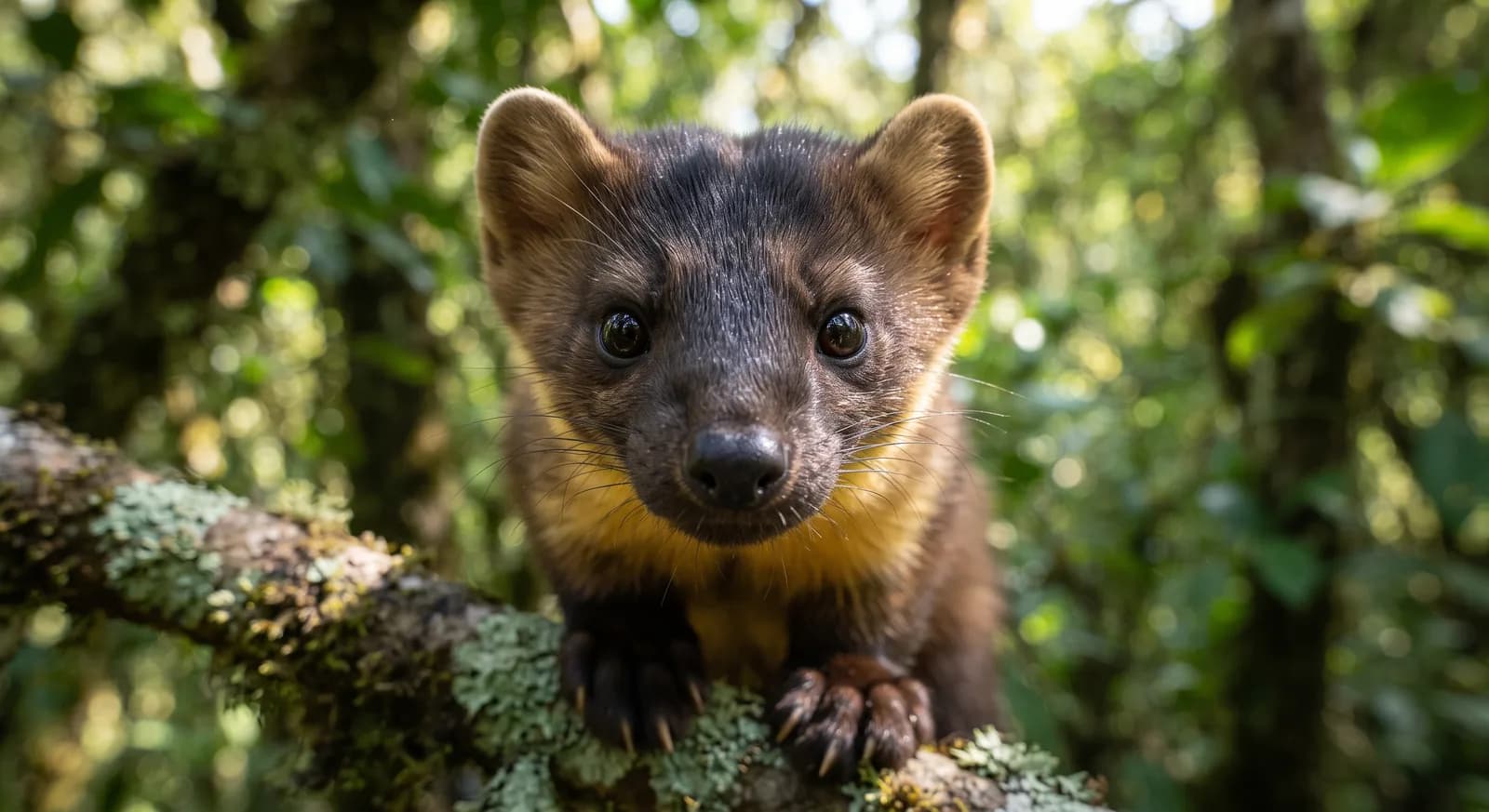 Least Concern
Yellow-throated Marten
Martes flavigula
Western Tarsier
Tarsius bancanus
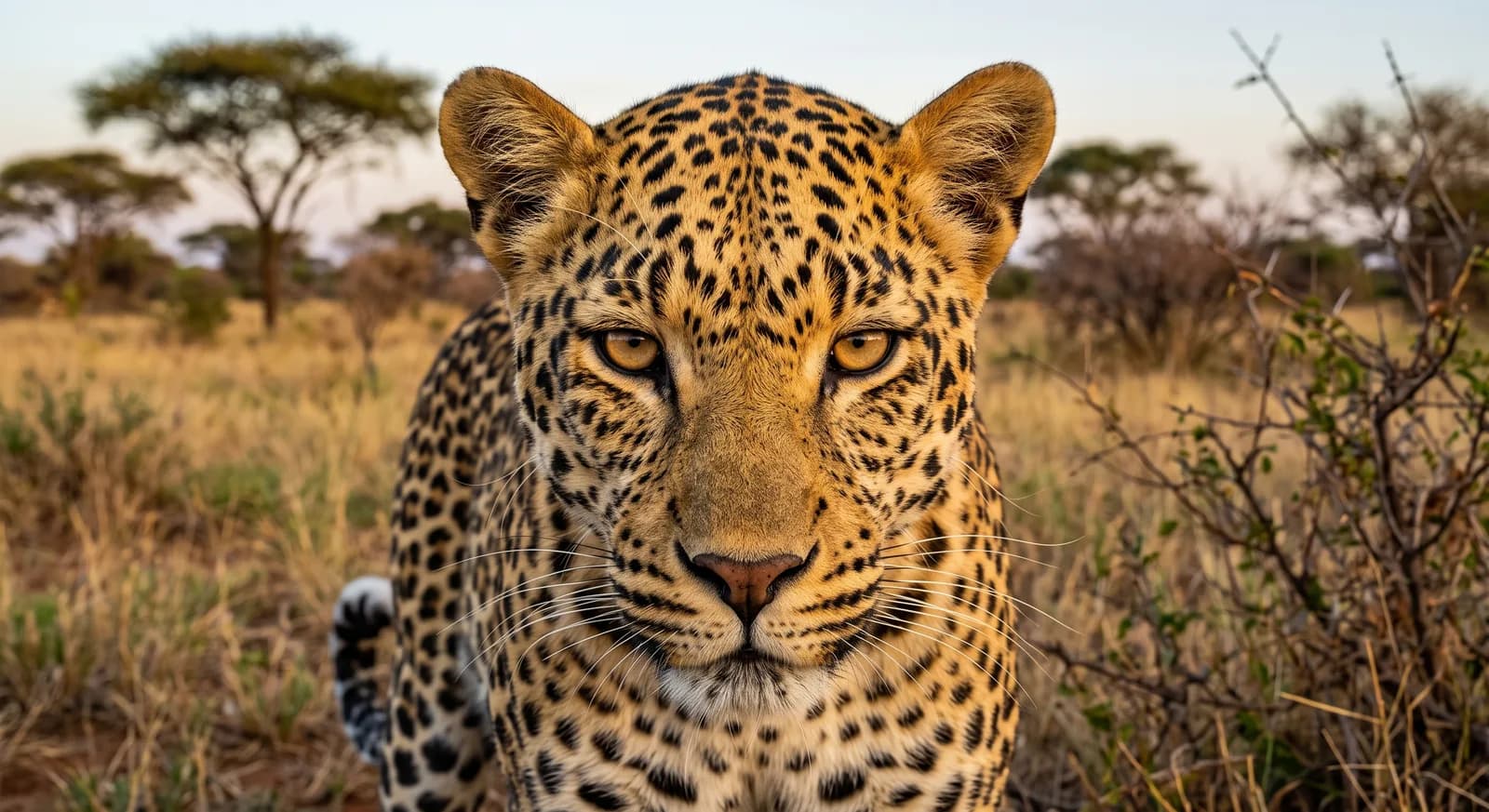 Vulnerable
Leopard
Panthera pardus
King Cobra
Ophiophagus hannah
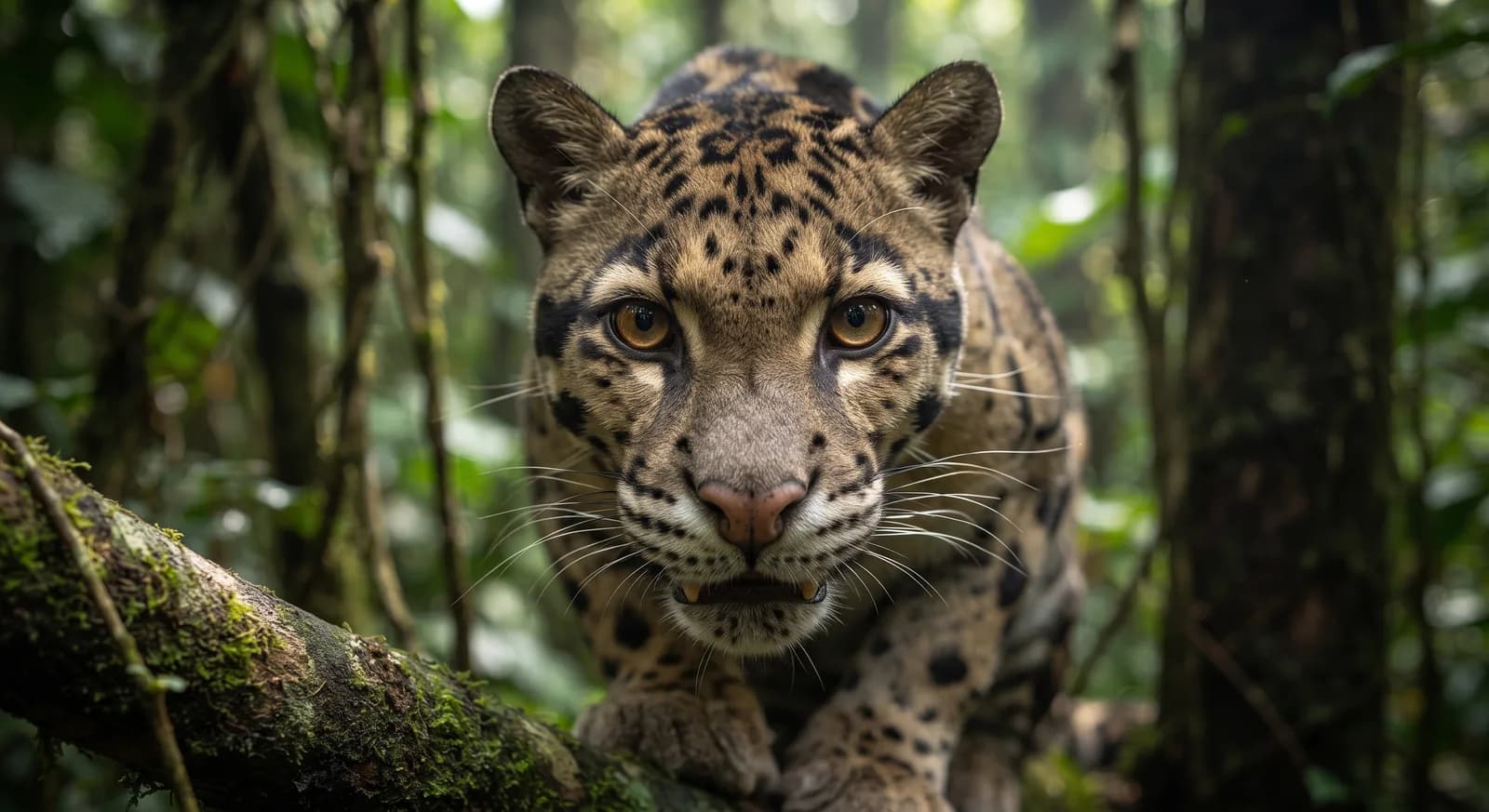 Vulnerable
Clouded Leopard
Neofelis nebulosa
How to help
The oriental small-clawed otter is classified as vulnerable. Organizations such as UICN, WWF y Wildlife Conservation Society work specifically on its conservation and that of its habitat; looking into their programs is a good starting point if you want to get involved.
It's documented in 10 real protected areas — part of why protecting these places matters for its conservation.
Keep exploring
Based on what we already know about oriental small-clawed otter.
Comments
Share an experience, a fun fact or a tip for seeing the oriental small-clawed otter.
Be the first to comment.