One of the 8 otters on WAnimals
Mammals · Carnivora · Mustelidae
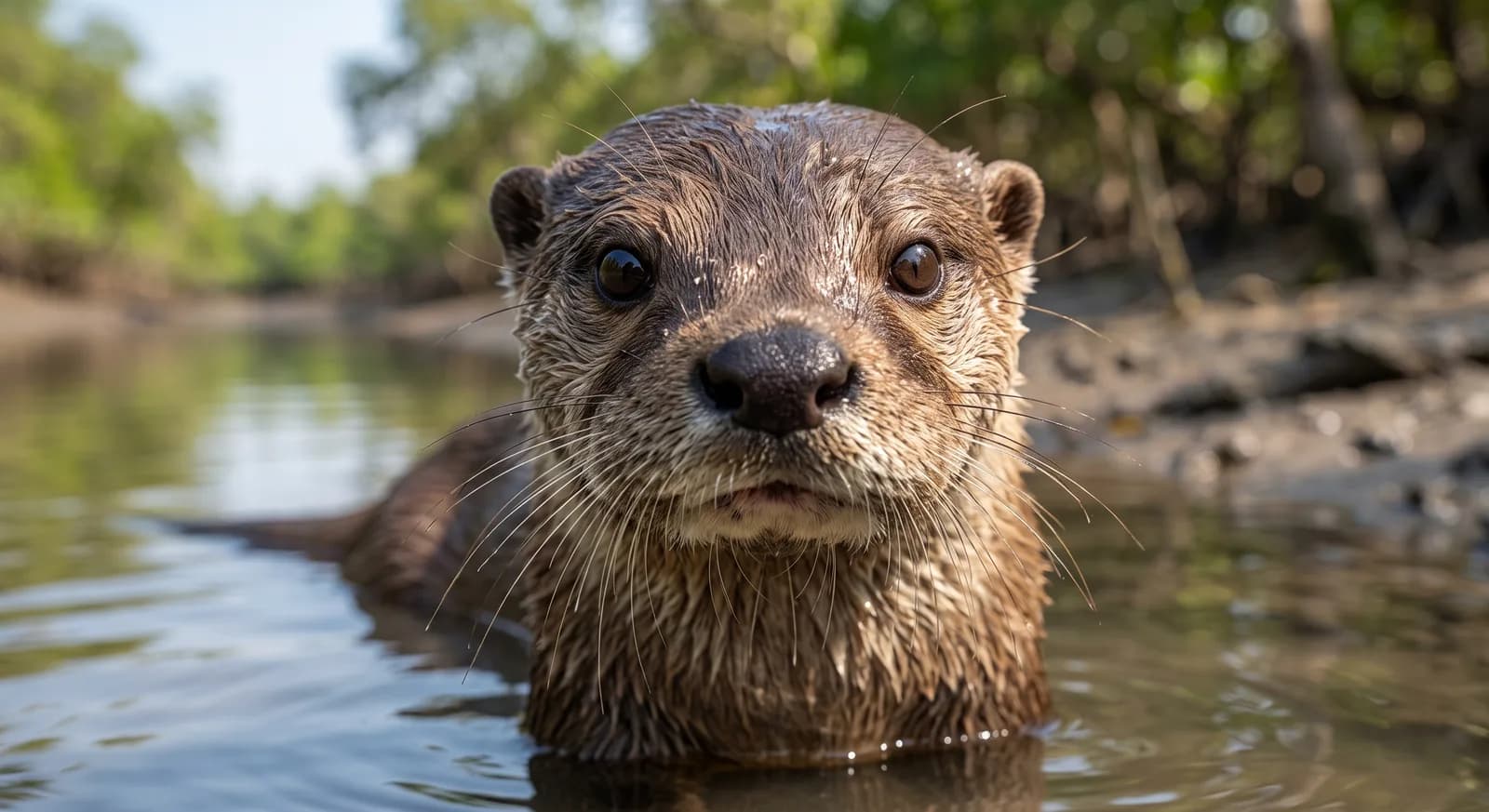
Smooth-coated Otter
Lutrogale perspicillata
It faces a high risk of extinction in the wild over the medium term. See full glossary
The smooth-coated otter is the largest otter in Asia, with a short, dense, silky coat that gives it the sleek, glossy look from which it takes its name. It lives in tightly knit family groups that hunt as a team, forming a line that sweeps the water and drives fish into the shallows. It occupies large rivers, wetlands and mangroves from Iraq to Indonesia. Water pollution, the loss of wetlands and hunting for its fur have fragmented its populations.
Weight
7 kg – 11 kg
Size
65 cm – 79 cm
Lifespan
12 years
Diet
Carnivore
Feeds mainly on other animals.
Activity
Diurnal
Active mainly during the day.
Sighting difficulty
Moderate
Fun facts
- There is a relict population in the marshes of Mesopotamia, in Iraq, separated from the rest of the species by thousands of kilometres, which survived even the deliberate draining of those wetlands in the 1990s.
- In Bangladesh fishermen have for generations raised trained smooth-coated otters that drive fish towards the nets, a centuries-old tradition that is now almost extinct.
Life cycle & biology
- Skeleton type
- Vertebrate - internal bony skeleton (mammal)
- Habitat & environment
- Large rivers, lakes, mangroves, rice fields and wetlands of South and South-East Asia
- Sexual maturity
- 2.6 years
- Gestation / incubation
- 2.1 months
- Litter / clutch size
- 5
Sources consulted: https://es.wikipedia.org/wiki/Lutrogale_perspicillata
Where to find it
See its range on the interactive mapWhere to watch it
Parques y spots de buceo donde se ha documentado esta especie — se muestran 10 de 13 documentados.
Related species
Other species in the catalogue with the most in common with Smooth-coated Otter — same habitat, park, country, tags or family.
Oriental Small-clawed Otter
Aonyx cinereus
Fishing Cat
Prionailurus viverrinus
 Vulnerable
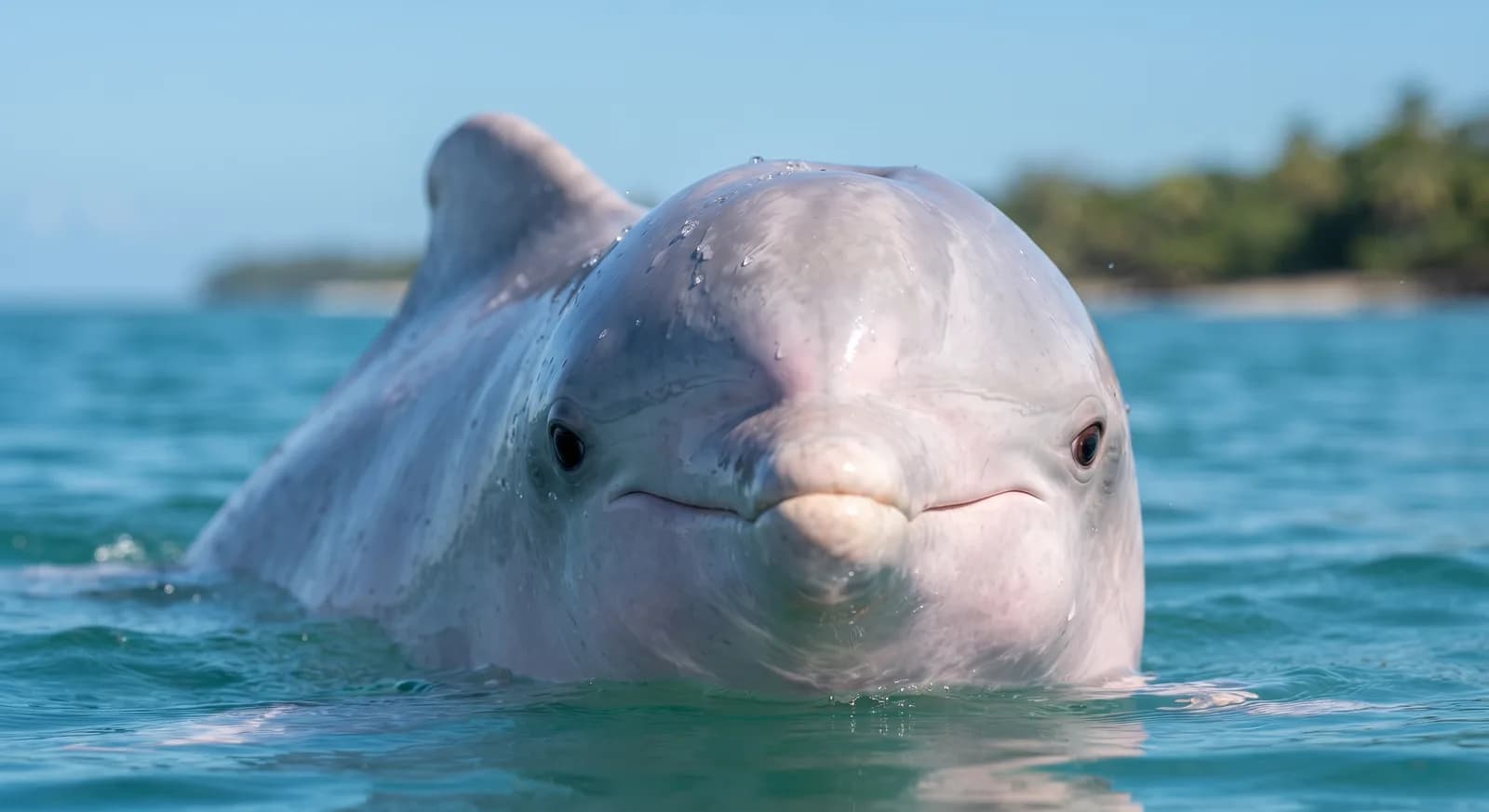
Indo-Pacific Humpback Dolphin
Sousa chinensis
Barasingha
Rucervus duvaucelii
 Vulnerable
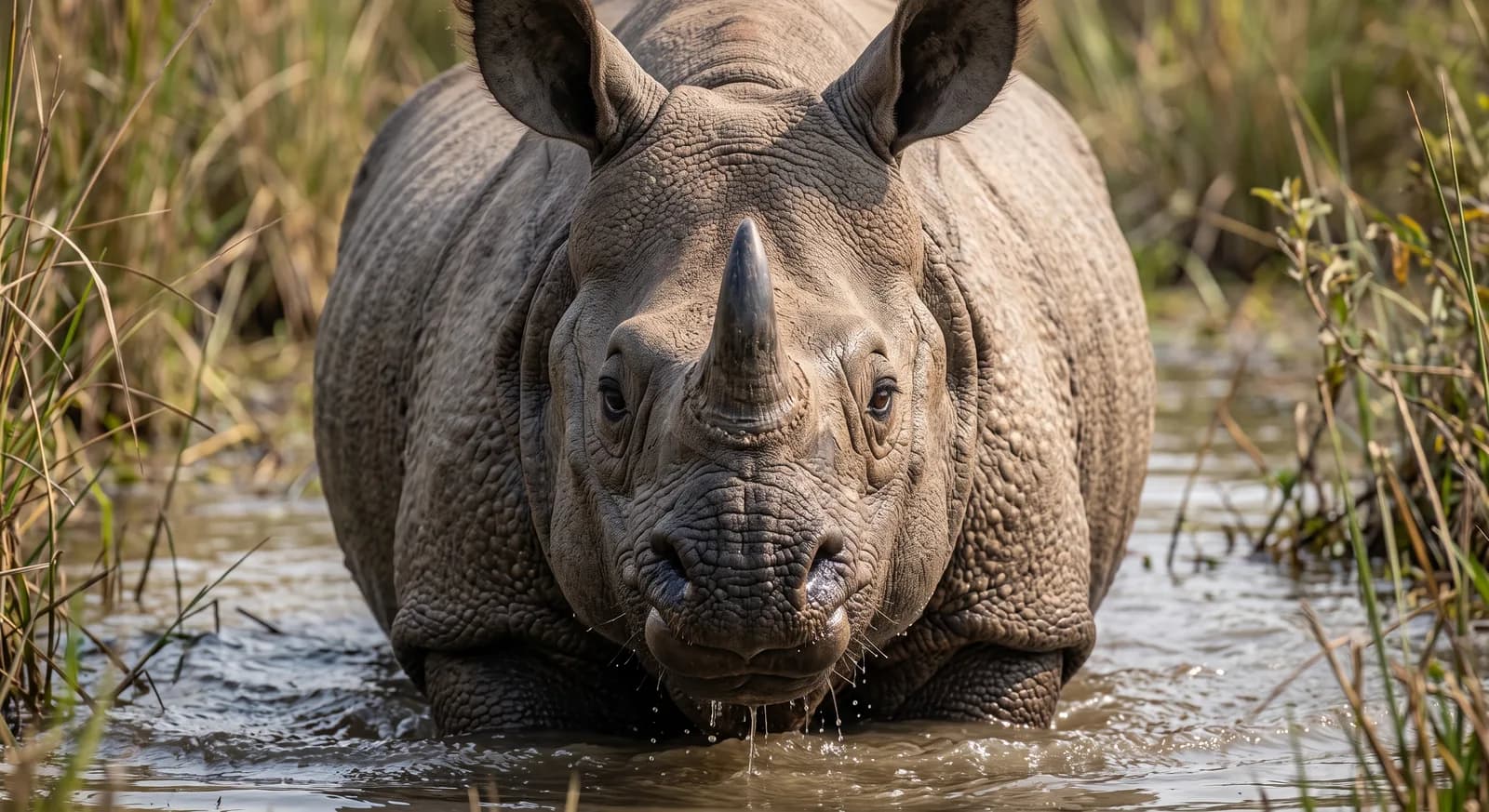
Greater One-horned Rhino
Rhinoceros unicornis
Sarus Crane
Antigone antigone
How to help
The smooth-coated otter is classified as vulnerable. Organizations such as UICN, WWF y Wildlife Conservation Society work specifically on its conservation and that of its habitat; looking into their programs is a good starting point if you want to get involved.
It's documented in 10 real protected areas — part of why protecting these places matters for its conservation.
Keep exploring
Based on what we already know about smooth-coated otter.
Comments
Share an experience, a fun fact or a tip for seeing the smooth-coated otter.
Be the first to comment.