Iraq
Asia
Iraq is defined by the Tigris and the Euphrates, the two rivers that created Mesopotamia and that join before flowing into the Persian Gulf, forming the largest wetland system in western Asia. The Mesopotamian marshes are mazes of reedbeds, channels and floating islands where an amphibious culture based on the water buffalo, fishing and reed houses has been practised for thousands of years. To the north, Iraqi Kurdistan rises into the Zagros mountains, with oak woodland, gorges and winter snow, a refuge for the Persian leopard, the bezoar goat and the Syrian brown bear. The rest of the country is steppe and stony desert, with seasonal wadis and salt sabkhas. The marshes and the Gulf coast work as wintering grounds for large concentrations of migratory waterbirds.
The nature of Iraq
National animal: No official national animal; the Eagle of Saladin is the heraldic emblem
Did you know?
The Mesopotamian marshes were deliberately drained in the 1990s and were reduced to a tiny fraction of their extent, with the almost total disappearance of their wildlife. After 2003 the dykes were broken and the water came back in: the reedbeds regrew, the water buffalo returned with their herders and birds such as the Basra reed warbler, which breeds nowhere else in the world, occupied the wetland once again.
Biodiversity profile
Climate
- •Desertico y semiarido (BWh/BSh) en la mayor parte del pais
- •Clima mediterraneo de montaña en el Kurdistan iraqui (Zagros, norte)
- •Clima subtropical en las llanuras y marismas del sur
Main biomes
- •Desierto occidental (extension del Desierto Sirio)
- •Estepa arida de Jazira (norte-oeste)
- •Montañas Zagros y tierras altas del Kurdistan (bosques de roble, refugio del leopardo persa)
- •Marismas mesopotamicas del sur (Tigris-Eufrates)
- •Marisma de carrizo
- •Llanura aluvial mesopotámica
- •Bosque de robles del Zagros
- •Estepa árida
- •Desierto pedregoso
- •Sebja salina
- •Litoral del golfo Pérsico
Marine and coastal ecosystems
- •Pequeño acceso costero al Golfo Perico a traves del Shatt al-Arab, con habitat para el geco Murray de dedos en peine, de rango muy restringido
Flagship wildlife
- •Nutria lisa (marismas)
- •Tortuga blanda del Eufrates (una de solo 2 especies vivas del genero Rafetus en el mundo)
- •Leopardo persa (Zagros/Kurdistan, en el extremo occidental de su area de distribucion)
- •Pelicano dalmata (migratorio)
- •Búfalo de agua
- •Carricero de Basora
- •Nutria de Mesopotamia
- •Cabra bezoar
- •Oso pardo sirio
- •Pelícano ceñudo
- •Flamenco común
- •Chacal dorado
- •Águila imperial oriental
Notable endemic species
- •Babbler de Iraq, especie casi endemica restringida principalmente a las marismas bajas del Tigris-Eufrates
- •Rata canguro de Bunn, endemica de las Marismas de Mesopotamia (posiblemente extinta)
- •Gerbo mesopotamico, de rango restringido
- •Carricero de Basora
- •Nutria de Mesopotamia
- •Rana de Mesopotamia
Notable threatened species
- •Tortuga blanda del Eufrates (En Peligro, presente solo en unas pocas localidades de Irak e Iran)
- •Rata canguro de Bunn (En Peligro Critico, posiblemente extinta)
- •Leopardo persa (En Peligro, poblacion relictual en el Kurdistan)
Notable protected areas
- •Los Ahwar del Sur de Irak (Patrimonio Mundial UNESCO, Marismas Mesopotamicas)
- •Zona de Barzan y Reserva Natural de Gali Balnda (Kurdistan)
- •Marismas de Mesopotamia
- •Parque Nacional de Ahwar Central
- •Marisma de Hawizeh
- •Montañas de Zagros en Kurdistán
- •Lago Habbaniya
- •Cañón de Rawanduz
Main conservation threats
- •Decadas de conflicto y desecacion deliberada historica de las marismas mesopotamicas
- •Construccion de presas rio arriba (Turquia, Siria, Iran) que reduce el caudal disponible
- •Contaminacion y degradacion de habitat en zonas de posguerra
Notable natural phenomena
- •Las Marismas Mesopotamicas son consideradas el paisaje relicto de las antiguas ciudades sumerias y un refugio critico de biodiversidad tras su parcial restauracion posterior a 2003
Conservation
The marshes were declared a World Heritage Site in 2016 as a natural and cultural landscape. Their future depends on the flow that reaches them from the dams built upstream in Turkey, Syria and Iran, and on increasing salinisation.
Where and when to watch wildlife
The Hawizeh marshes and the Ahwar in winter for waterbirds and in spring for the Basra reed warbler. The Kurdish Zagros in spring for mountain birds and flora.
Sources: UNESCO World Heritage Centre - The Ahwar of Southern Iraq | a-z-animals.com - Wildlife in Iraq | FAO - State of Iraq's Biodiversity for Food and Agriculture | One Earth - Tigris-Euphrates Alluvial Salt Marsh
Países similares
¿A dónde más podría interesarme viajar?
Misma región: Oriente Medio y Asia Occidental
Misma región: Oriente Medio y Asia Occidental
Misma región: Oriente Medio y Asia Occidental
Misma región: Oriente Medio y Asia Occidental
Especies documentadas en Iraq
126 species found
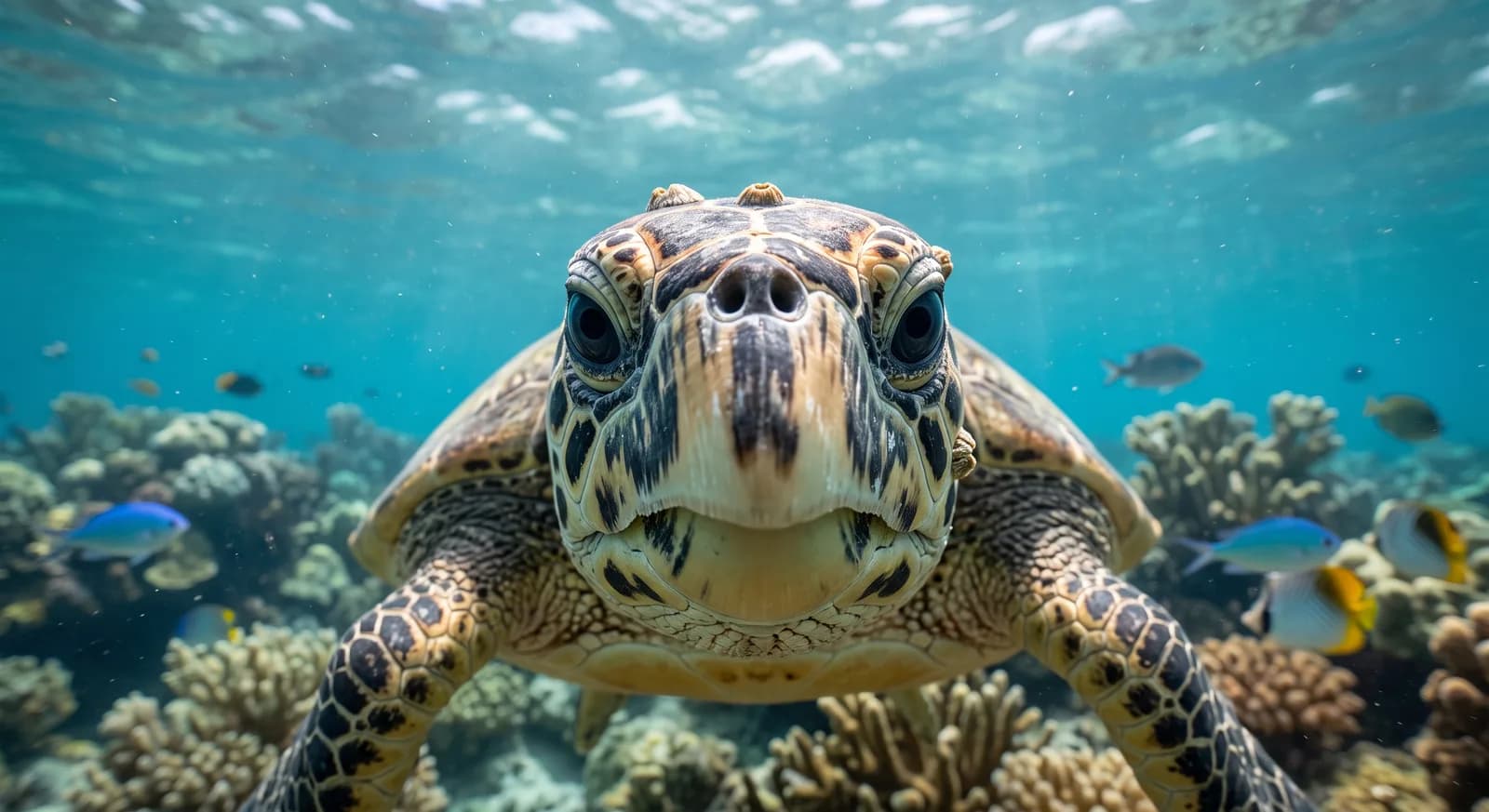 Critically Endangered
Hawksbill Turtle
Eretmochelys imbricata
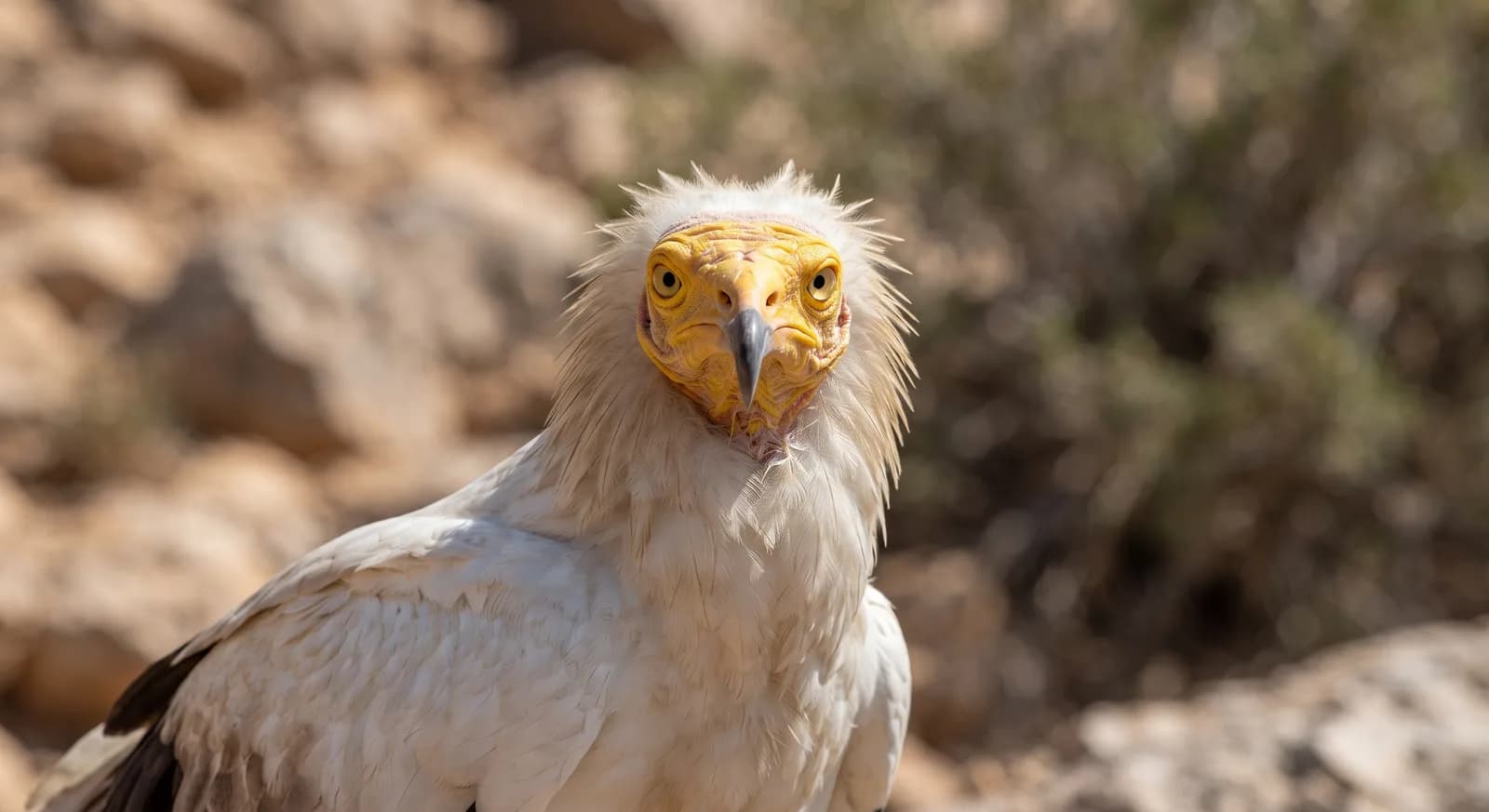 Endangered
Egyptian Vulture
Neophron percnopterus
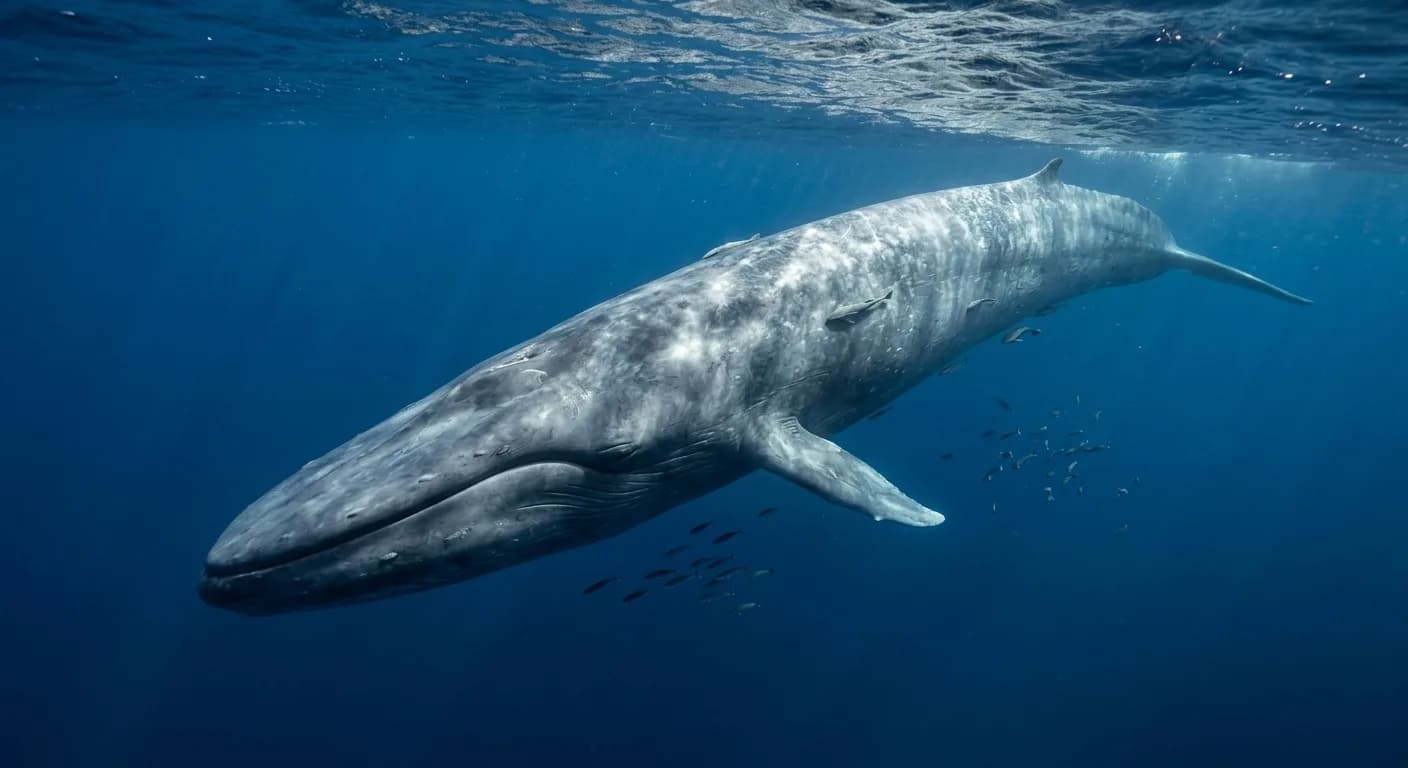 Endangered
Blue Whale
Balaenoptera musculus
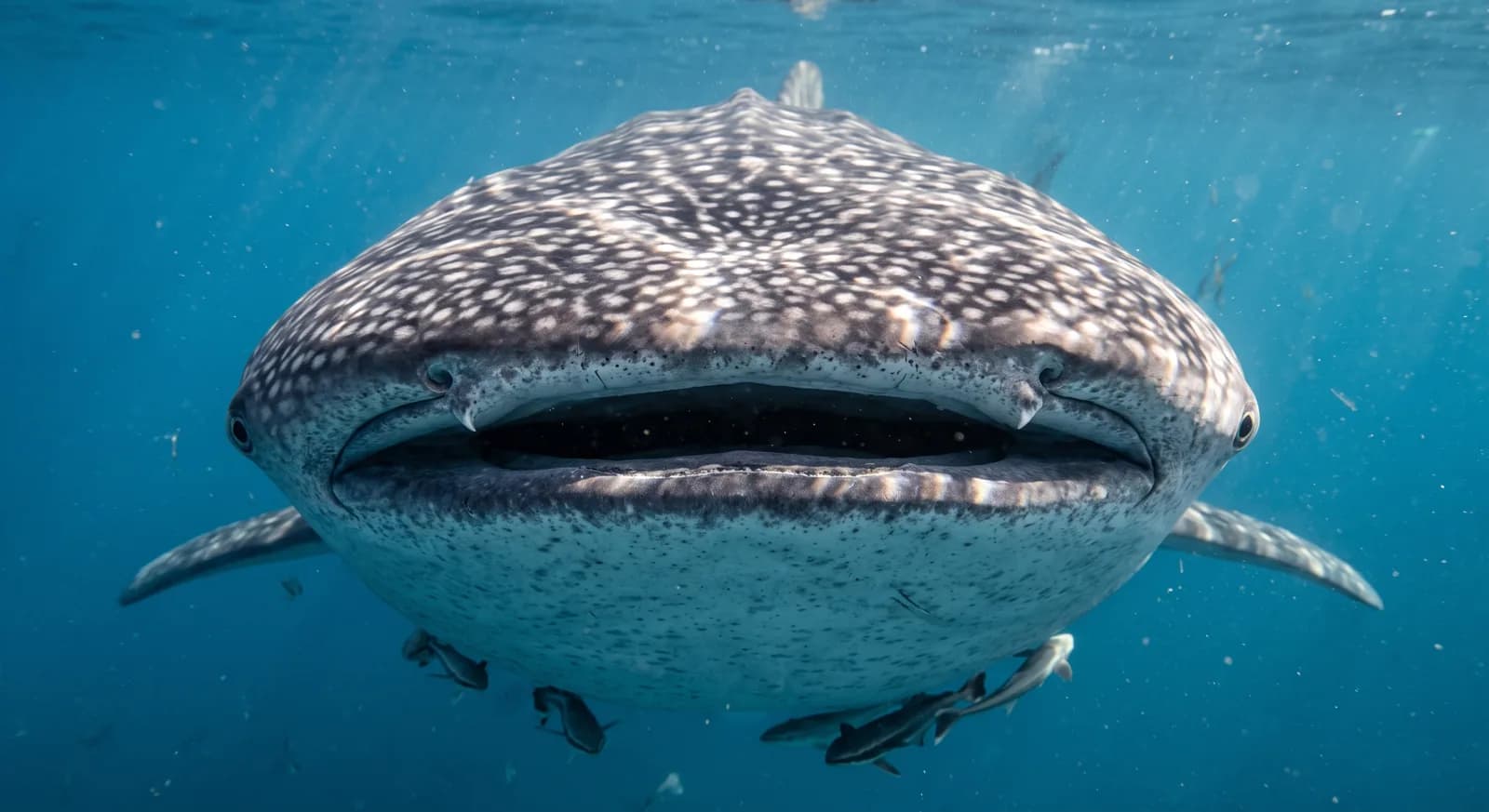 Endangered
Whale Shark
Rhincodon typus
 Endangered
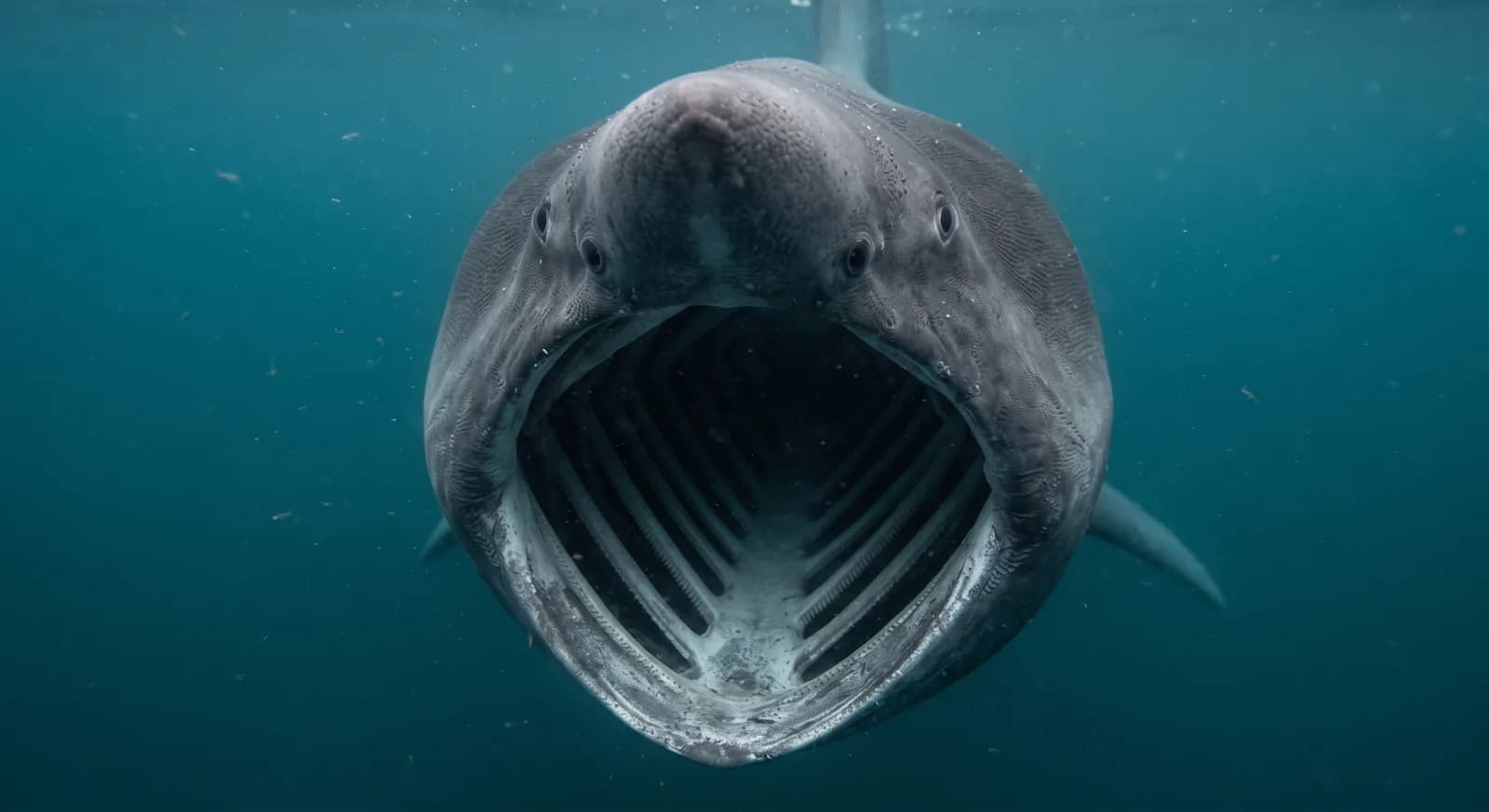
Basking Shark
Cetorhinus maximus
 Endangered
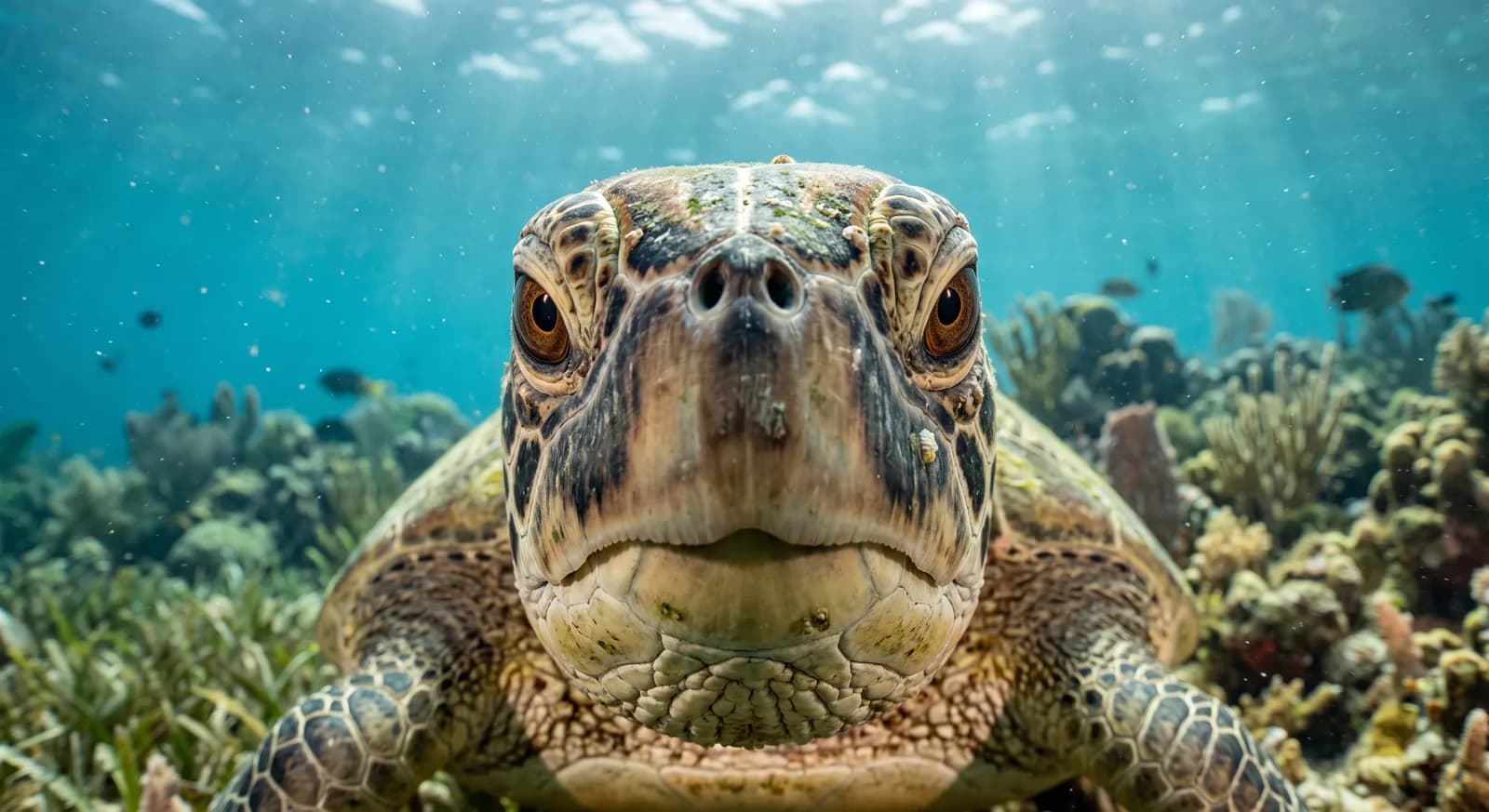
Green Turtle
Chelonia mydas
 Vulnerable
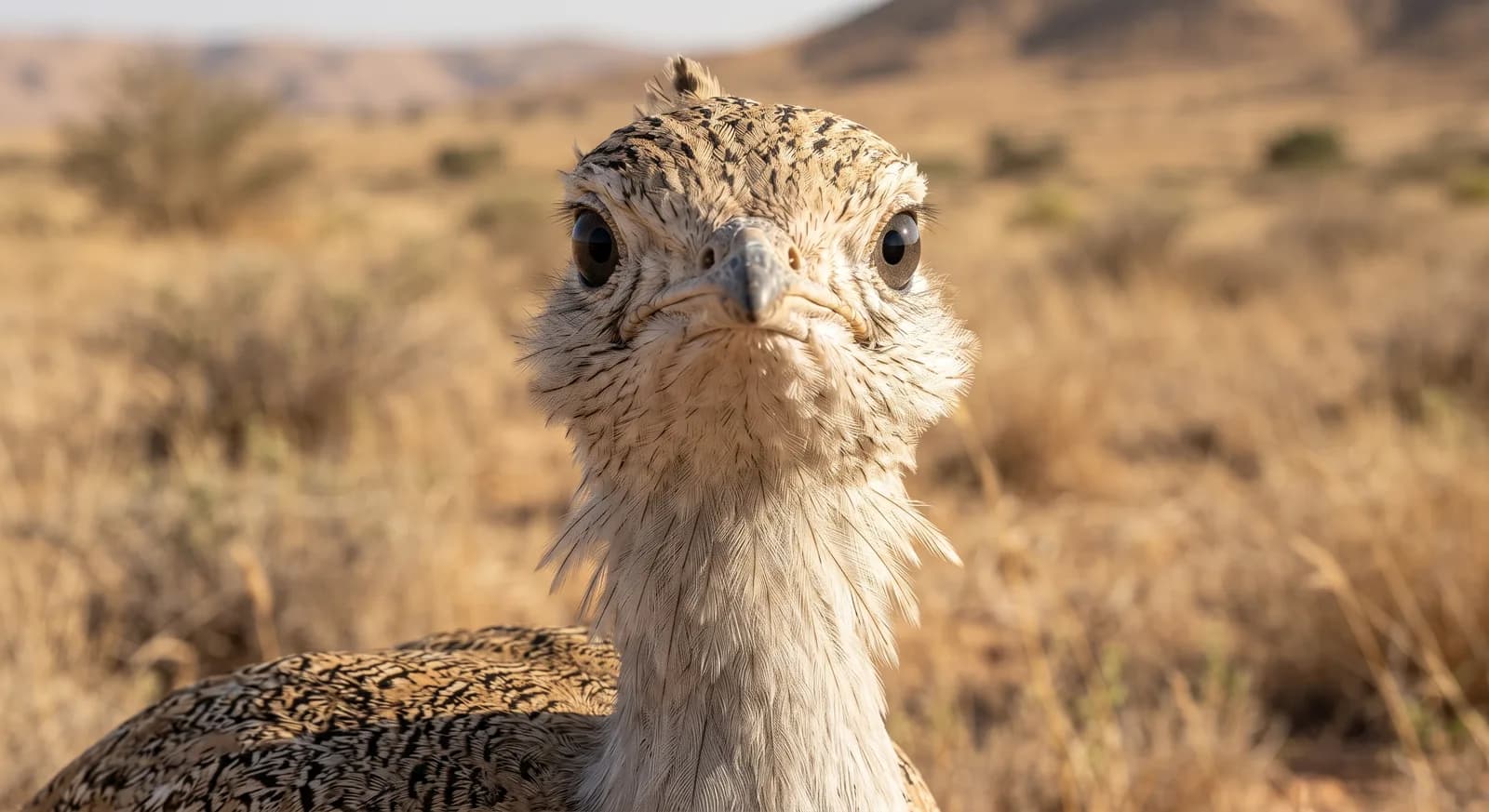
Houbara Bustard
Chlamydotis undulata
 Vulnerable
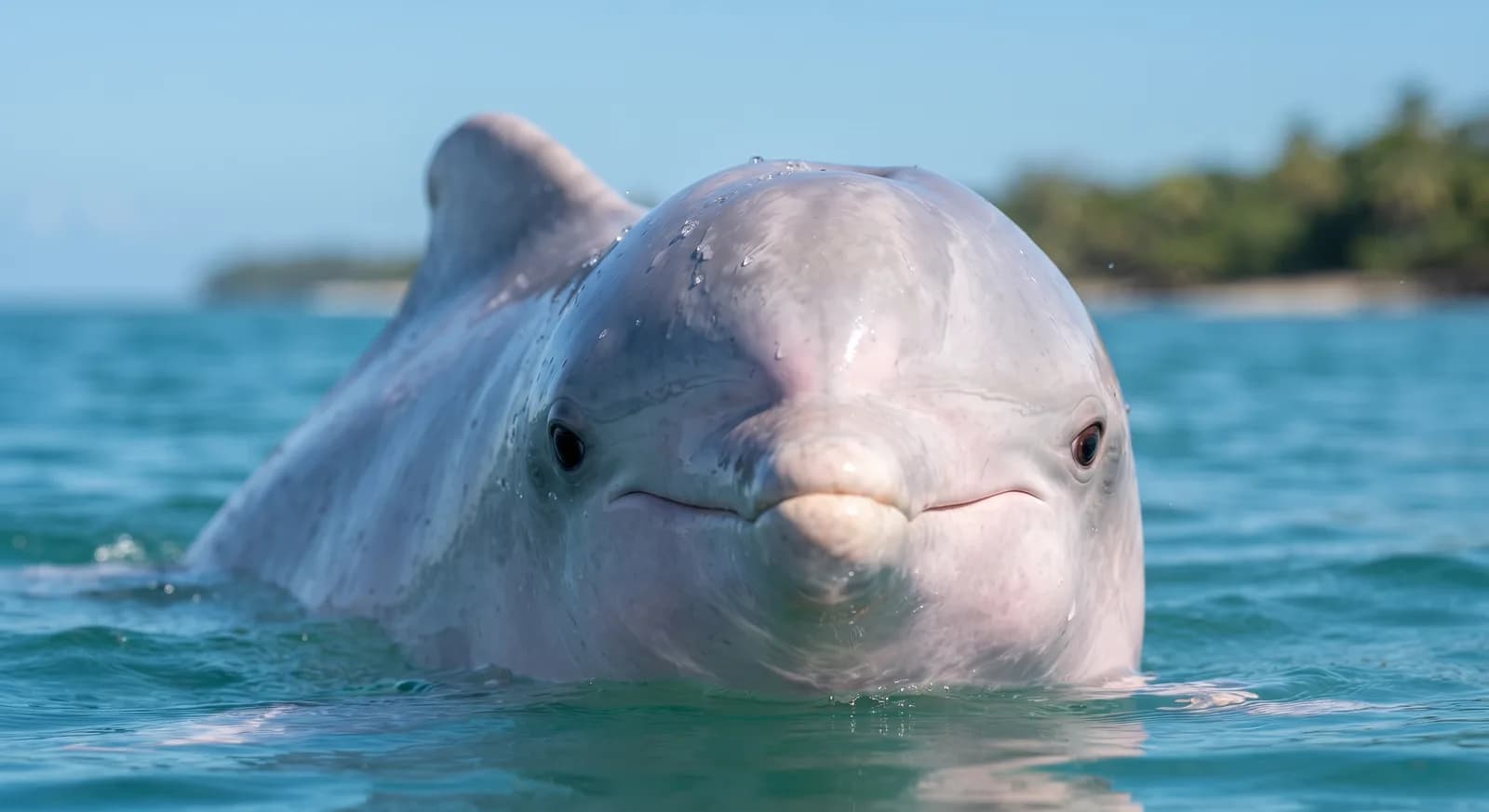
Indo-Pacific Humpback Dolphin
Sousa chinensis
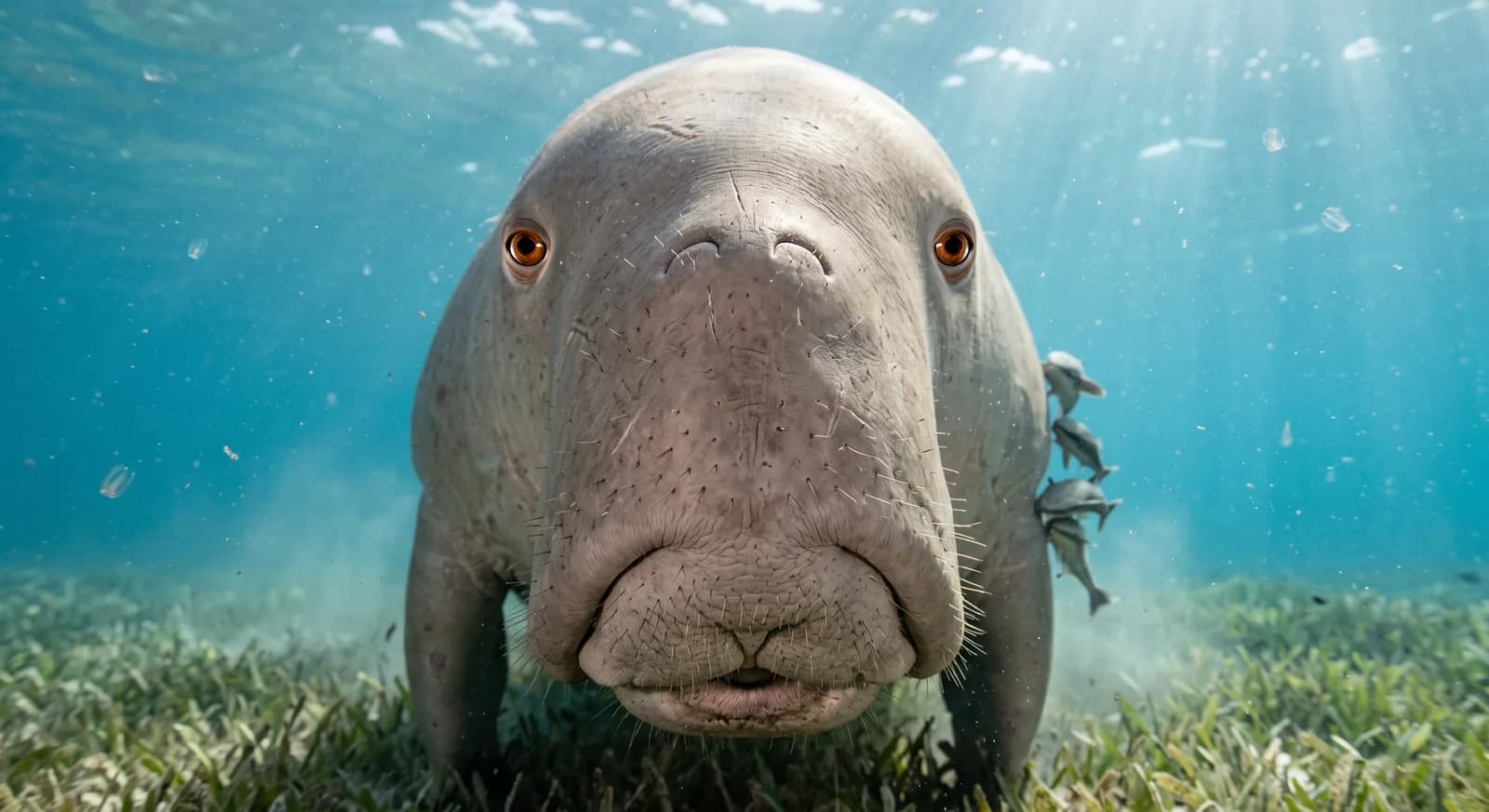 Vulnerable
Dugong
Dugong dugon
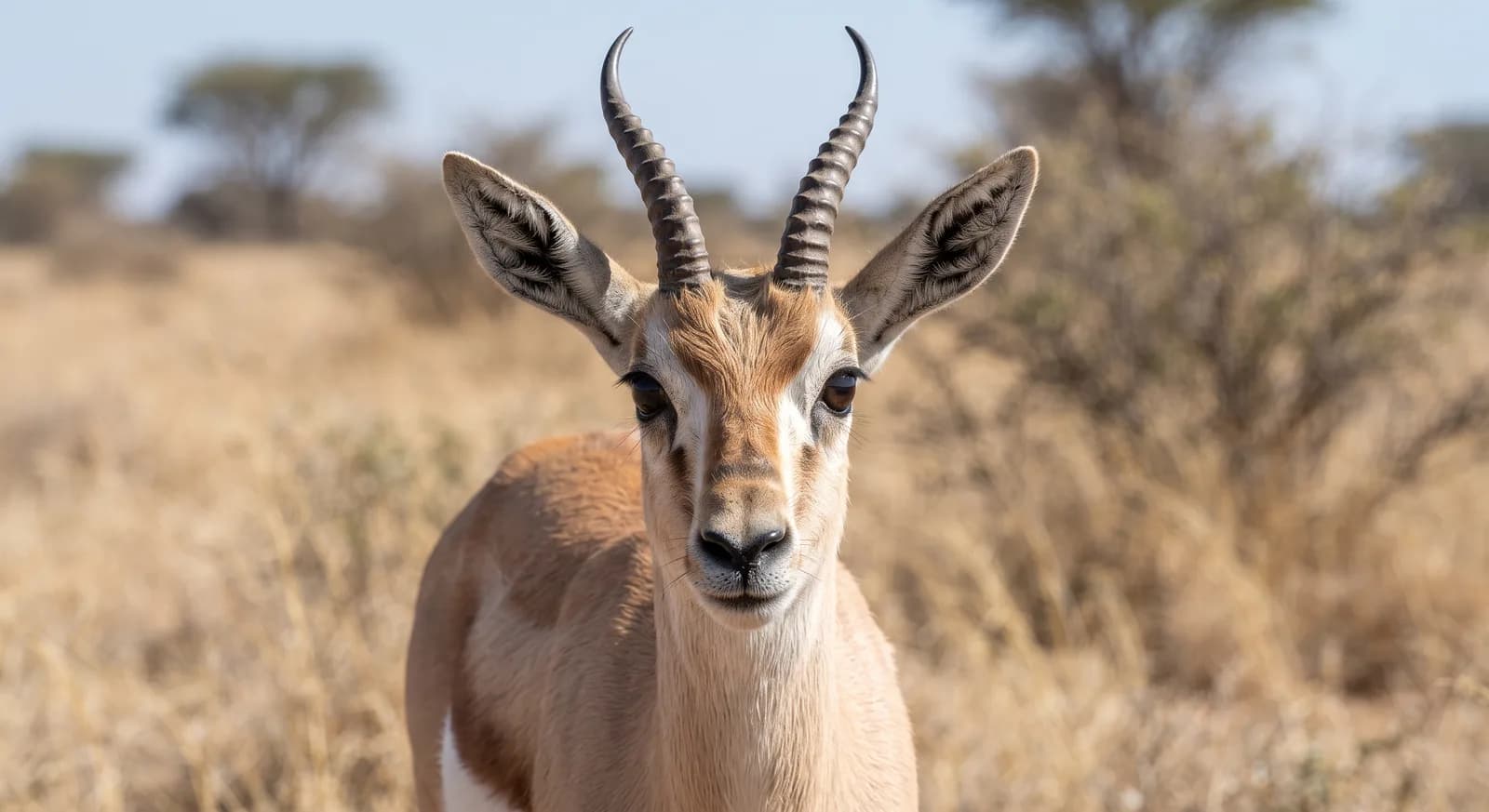 Vulnerable
Dorcas Gazelle
Gazella dorcas
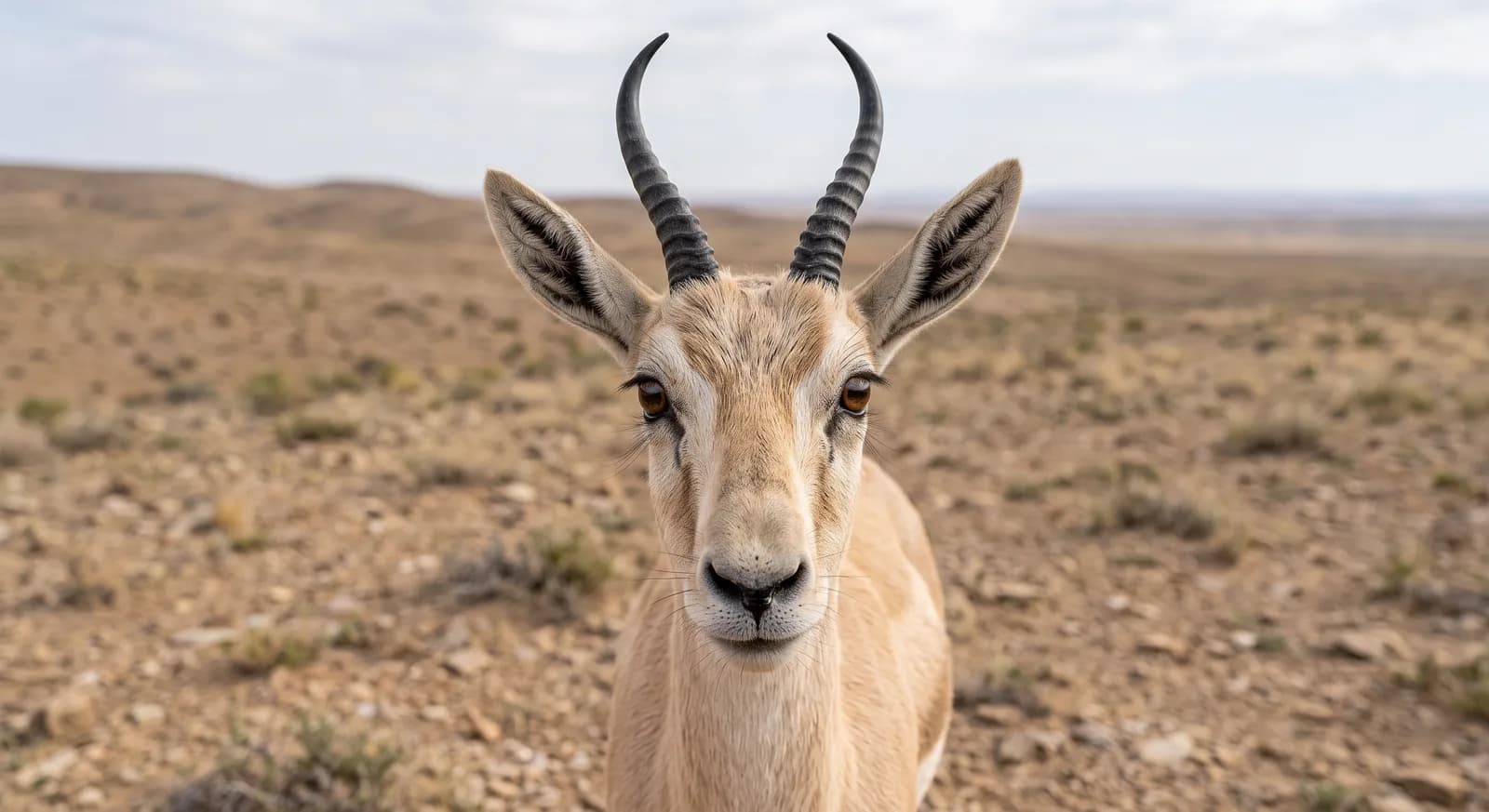 Vulnerable
Goitered Gazelle
Gazella subgutturosa
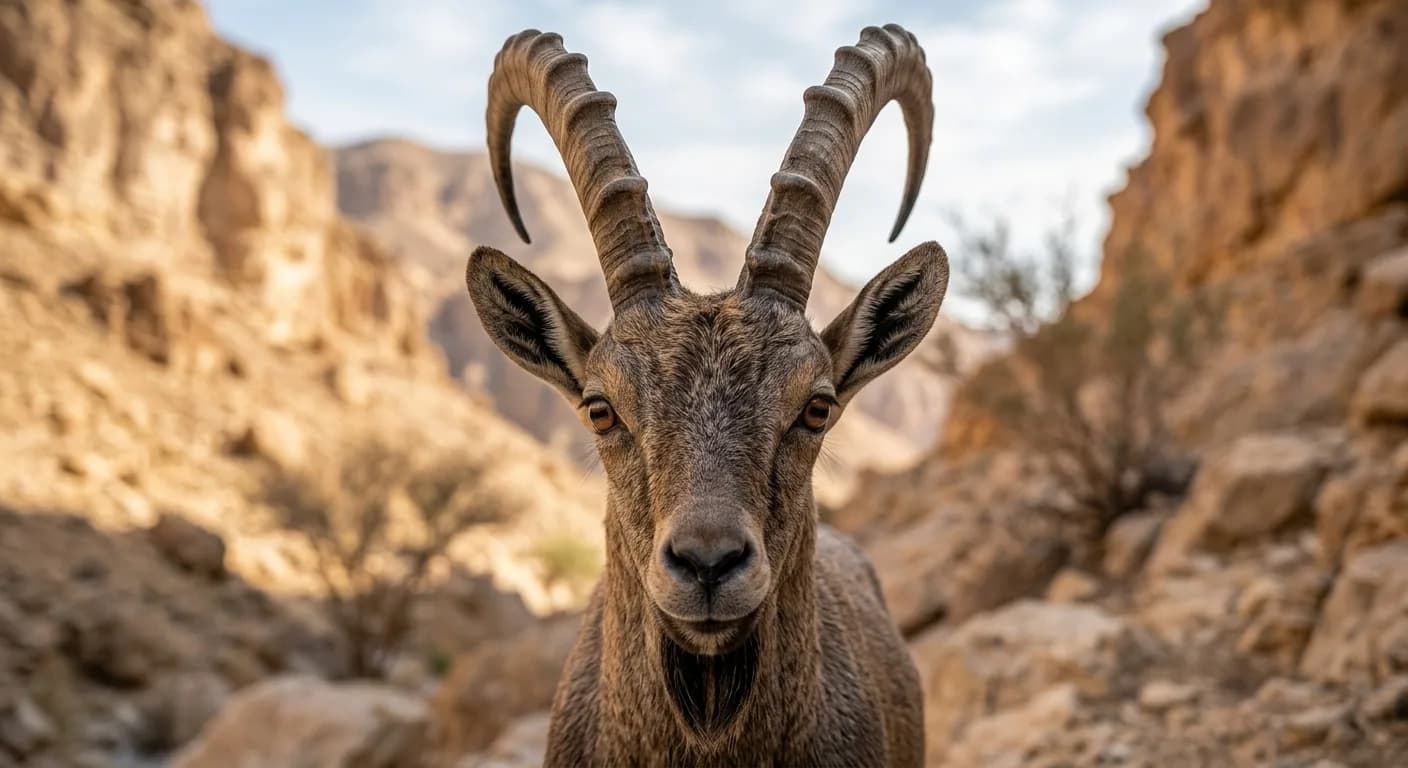 Vulnerable
Nubian Ibex
Capra nubiana
Keep exploring
Based on what we already know about Iraq.