One of the 7 gazelles on WAnimals
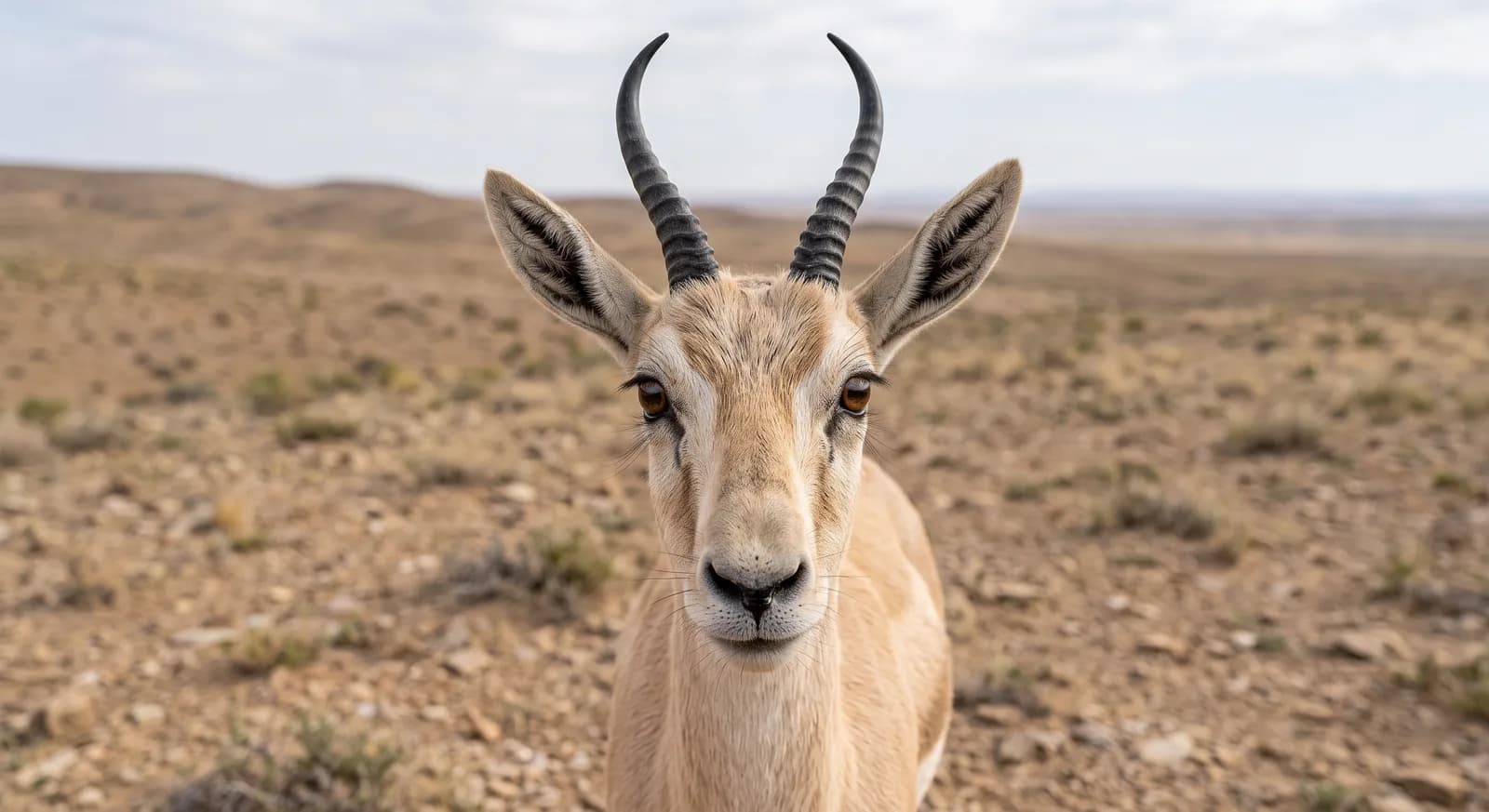
Mammals · Artiodactyla · Bovidae
Goitered Gazelle
Gazella subgutturosa
It faces a high risk of extinction in the wild over the medium term. See full glossary
The goitered gazelle takes its scientific name, subgutturosa, from a swelling the males develop at the throat during the rut: an enlarged larynx that amplifies their calls. It is the gazelle of the steppes of western and central Asia, from Turkey to Mongolia. It makes seasonal migrations of hundreds of kilometres and forms winter herds that can gather hundreds of animals. Hunting and border fences that cut its routes have reduced it drastically.
Weight
18 kg – 33 kg
Size
90 cm – 1.2 m
Lifespan
12 years
Diet
Herbivore
Feeds mainly on plants.
Activity
Diurnal
Active mainly during the day.
Sighting difficulty
Moderate
Fun facts
- During the rut the males develop a visible swelling at the throat, an enlarged larynx that lets them give deep bellows and that gives the species its name.
- Unlike almost all gazelles, it frequently bears twins, a strategy that once let it recover quickly from harsh steppe winters, though today it does not offset hunting pressure.
Life cycle & biology
- Skeleton type
- Vertebrate - internal bony skeleton (mammal)
- Habitat & environment
- Semi-desert steppe, gravel plains and shrub deserts of western and central Asia
- Sexual maturity
- 21.2 months
- Gestation / incubation
- 5.7 months
- Litter / clutch size
- 1.3 (average)
Sources consulted: https://www.iucnredlist.org/ | https://animaldiversity.org/ | https://es.wikipedia.org/
Where to find it
See its range on the interactive mapWhere to watch it
Parks and dive sites where this species has been documented.
Related species
Other species in the catalogue with the most in common with Goitered Gazelle — same habitat, park, country, tags or family.
Arabian Oryx
Oryx leucoryx
Urial
Ovis vignei
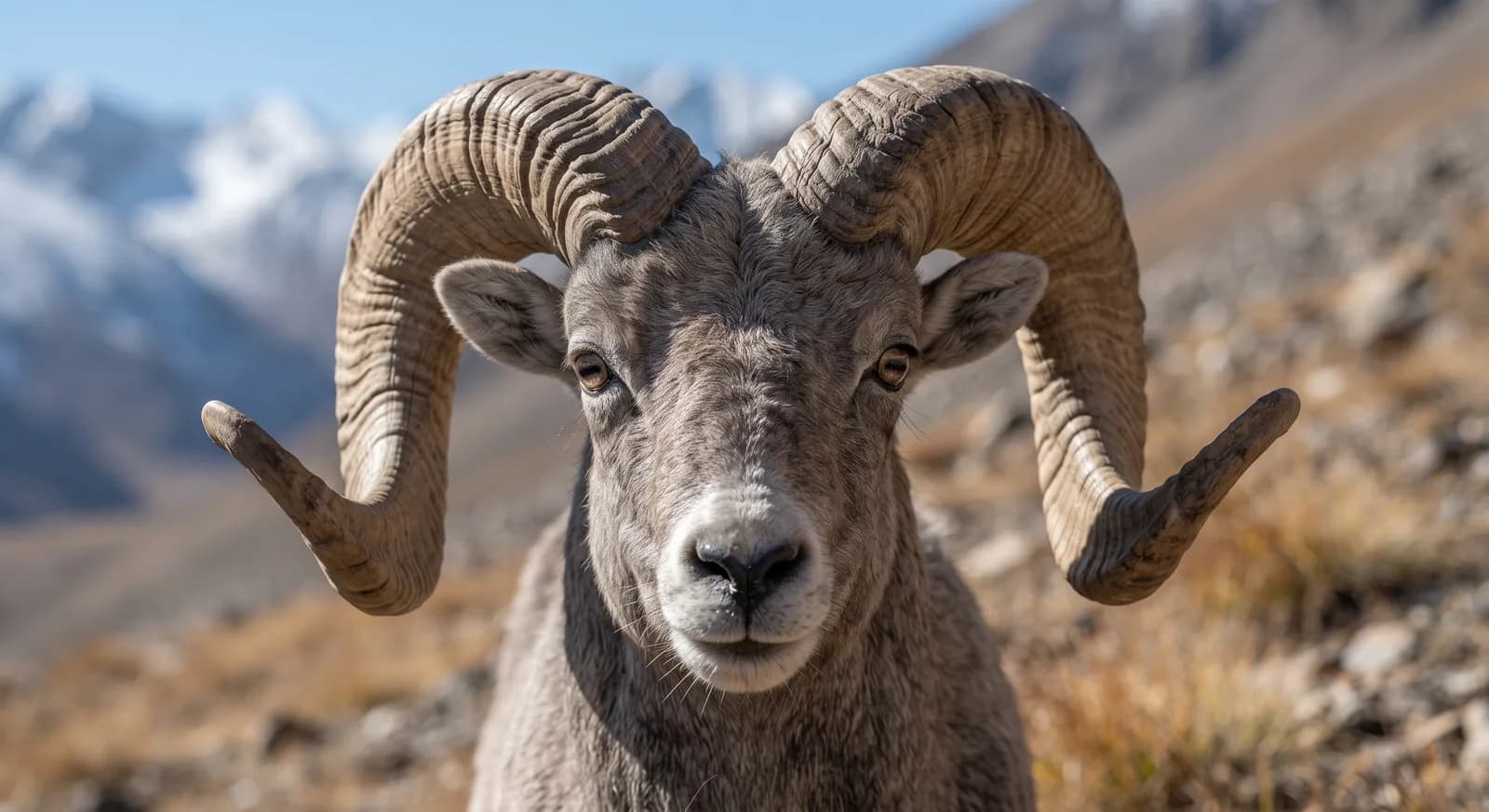 Near Threatened
Argali
Ovis ammon
Siberian Ibex
Capra sibirica
Markhor
Capra falconeri
 Vulnerable
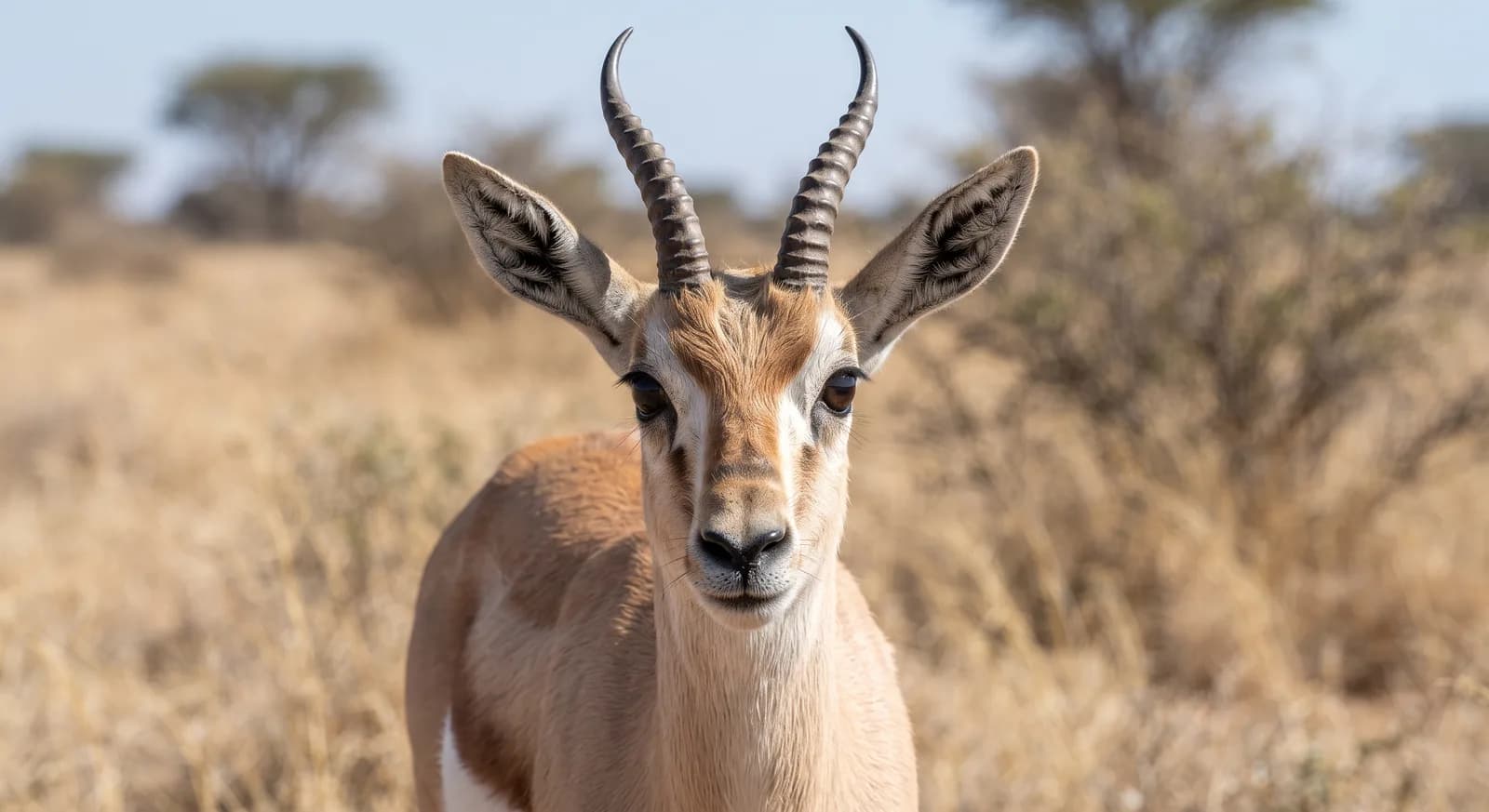
Dorcas Gazelle
Gazella dorcas
How to help
The goitered gazelle is classified as vulnerable. Organizations such as UICN, WWF y Wildlife Conservation Society work specifically on its conservation and that of its habitat; looking into their programs is a good starting point if you want to get involved.
It's documented in 4 real protected areas — part of why protecting these places matters for its conservation.
Keep exploring
Based on what we already know about goitered gazelle.
Comments
Share an experience, a fun fact or a tip for seeing the goitered gazelle.
Be the first to comment.