Georgia
Asia
Georgia forms part of the Caucasus biodiversity hotspot, one of the richest and most singular regions of the Palaearctic. In barely three hundred kilometres you pass from the glaciers of the Greater Caucasus, above five thousand metres, to the rainforests of Colchis on the Black Sea coast, and to the semi-desert hills of Vashlovani in the east. The Colchic forests are a relict of the Tertiary that survived the glaciations thanks to the buffering effect of the sea, and they keep tree and fern species that vanished from the rest of Europe. The mountains hold tur, a wild goat found only in the Caucasus, along with chamois, bears, wolves and the last traces of the Persian leopard. Meltwater rivers, the Kolkheti peat bogs and the eastern steppes complete an exceptional mosaic.
The nature of Georgia
National animal: No official national animal; the Persian leopard and the Caucasian tur are the country's wildlife symbols
Did you know?
Every autumn, around a million raptors cross a very narrow corridor over Batumi, hemmed in between the Black Sea and the mountains of the Lesser Caucasus. Honey buzzards, black kites and harriers are forced through that funnel because they cannot cross the sea on soaring flight. For decades they were shot as they passed; today volunteers from all over the world count them from observation stations on the hills.
Biodiversity profile
Climate
- •Subtropical humedo (Cfa) en la costa del Mar Negro (region de Colchis)
- •Continental de montaña en el interior y el Gran Caucaso
- •Semiarido en el este (frontera con Azerbaiyan)
Main biomes
- •Bosque templado lluvioso de Colchis (relicto terciario, costa del Mar Negro)
- •Bosque mixto del Caucaso (uno de los de mayor endemismo del mundo templado)
- •Estepa y semidesierto en el este
- •Bosque lluvioso cólquico
- •Alta montaña caucásica
- •Semidesierto continental
- •Turbera costera
- •Bosque de hayas de montaña
- •Estepa arbolada
- •Glaciar
Marine and coastal ecosystems
- •Costa del Mar Negro, con playas y humedales costeros de la region de Colchis
Flagship wildlife
- •Tur del Caucaso Occidental (cabra montes de grandes cuernos en espiral, especie insignia del Caucaso)
- •Leopardo persa (reintroducido en el este de Georgia)
- •Bisonte del Caucaso (extinto en estado silvestre, en programas de restauracion regional)
- •Oso pardo
- •Tur del Cáucaso
- •Lobo gris
- •Rebeco
- •Gacela de Persia
- •Halcón abejero
- •Buitre leonado
- •Quebrantahuesos
- •Águila real
Notable endemic species
- •El Caucaso alberga 2.791 especies de plantas endemicas y mas de 120 especies de vertebrados endemicos, uno de los niveles de endemismo mas altos del mundo templado
- •Mas del 25% de las 6.400 especies de plantas del Caucaso son endemicas de la region
- •Tur del Cáucaso occidental
- •Tur del Cáucaso oriental
- •Gallo lira del Cáucaso
- •Salamandra del Cáucaso
- •Topo del Cáucaso
Notable threatened species
- •Leopardo persa (En Peligro Critico en el Caucaso, con reintroducciones activas en el este de Georgia)
- •Tur del Caucaso Occidental (Casi Amenazado, especie bandera de las alturas georgianas)
Notable protected areas
- •Parque Nacional Borjomi-Kharagauli (uno de los mas grandes de Europa)
- •Reservas Naturales de Tusheti y Lagodekhi
- •Parque Nacional de Borjomi-Kharagauli
- •Parque Nacional de Kolkheti
- •Parque Nacional de Vashlovani
- •Parque Nacional de Tusheti
- •Parque Nacional de Lagodekhi
- •Corredor migratorio de Batumi
Main conservation threats
- •Tala ilegal y recoleccion de leña
- •Sobrepastoreo
- •Fragmentacion de bosques por agricultura y desarrollo de plantaciones de te y avellano en el noreste de Turquia y zonas colindantes
Notable natural phenomena
- •El Caucaso funciona como un crisol biogeografico donde convergen especies de Europa central y septentrional, Asia Central, Oriente Medio y el norte de Africa
Conservation
The rainforests of Colchis were declared a World Heritage Site in 2021 for their relict character. The Persian leopard is detected only occasionally on camera traps and depends on the connection with populations in Iran and Azerbaijan.
Where and when to watch wildlife
The hills of Batumi between August and October for the raptor migration. Kazbegi and Tusheti in summer for tur and bearded vulture. Vashlovani in spring for gazelles and steppe wildlife.
Sources: One Earth - Caucasus Mixed Forests | Kew - Threatened Biodiversity Hotspots Caucasus | CEPF - Caucasus | WWF Caucasus - Our Story | Caucasus Nature Fund - Ecoregion
Parks and reserves
Kolkheti
Colchic peat bogs and wetlands on the Black Sea coast, inscribed as World Heritage in 2021.
View parkNational ParkBorjomi-Kharagauli
One of Europe's largest national parks, at the crossroads of the Lesser Caucasus and Colchis.
View parkNational ParkTusheti
A Greater Caucasus valley cut off by snow eight months a year, with medieval defensive towers and living transhumance.
View parkPaíses similares
¿A dónde más podría interesarme viajar?
Misma región: Oriente Medio y Asia Occidental
Misma región: Oriente Medio y Asia Occidental
Misma región: Oriente Medio y Asia Occidental
Misma región: Oriente Medio y Asia Occidental
Especies documentadas en Georgia
413 species found
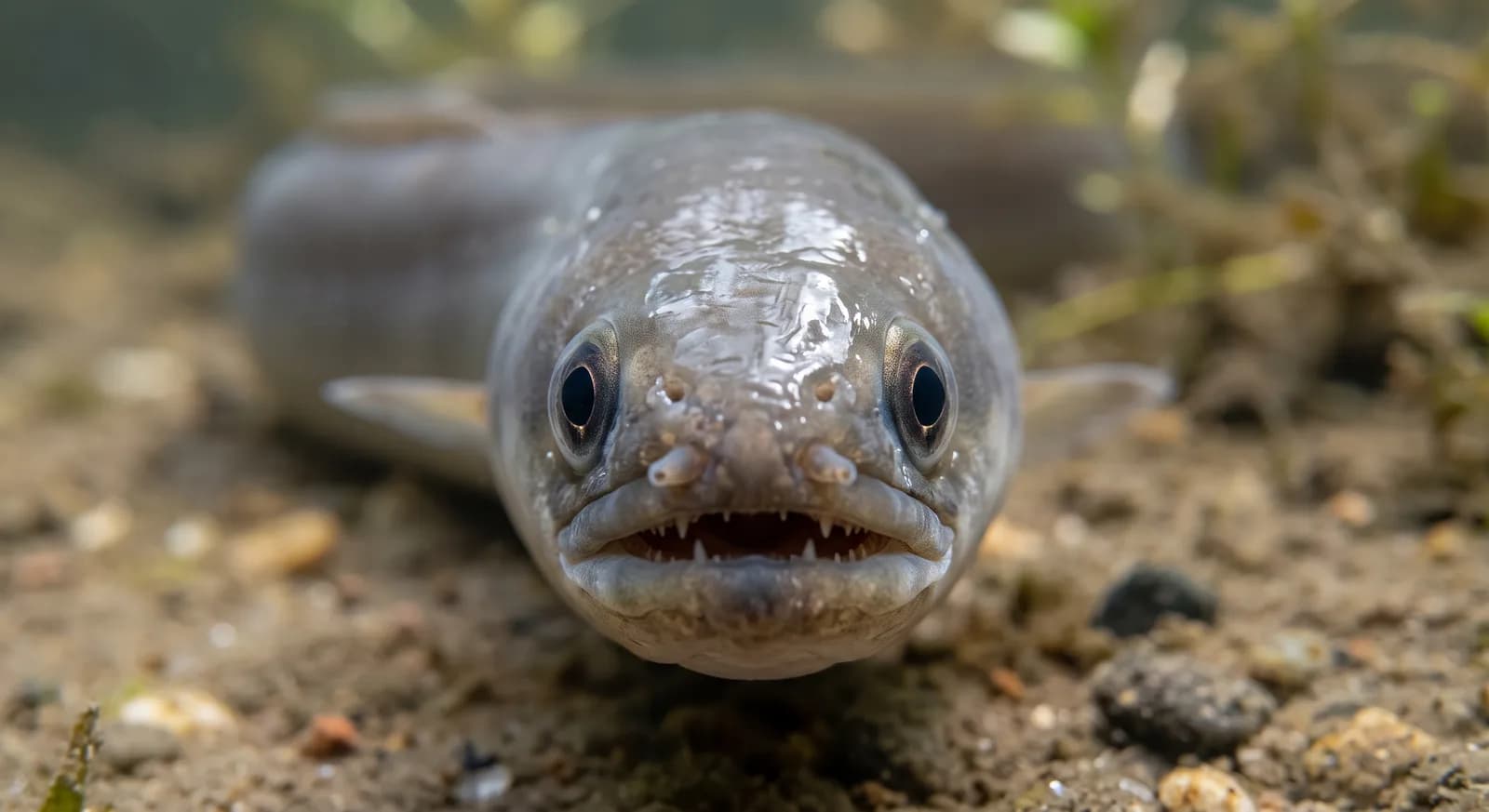 Critically Endangered
European Eel
Anguilla anguilla
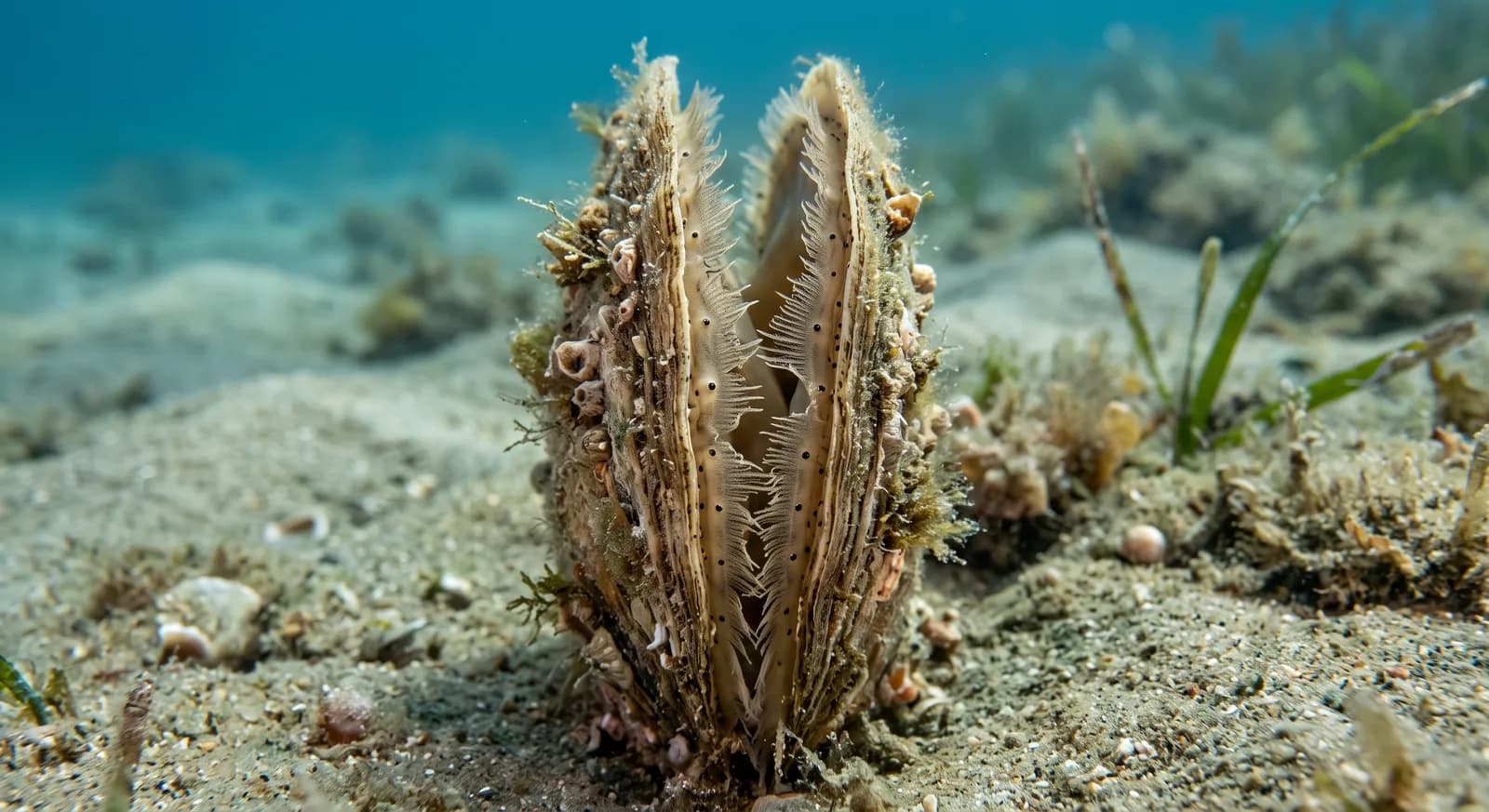 Critically Endangered
Fan Mussel
Pinna nobilis
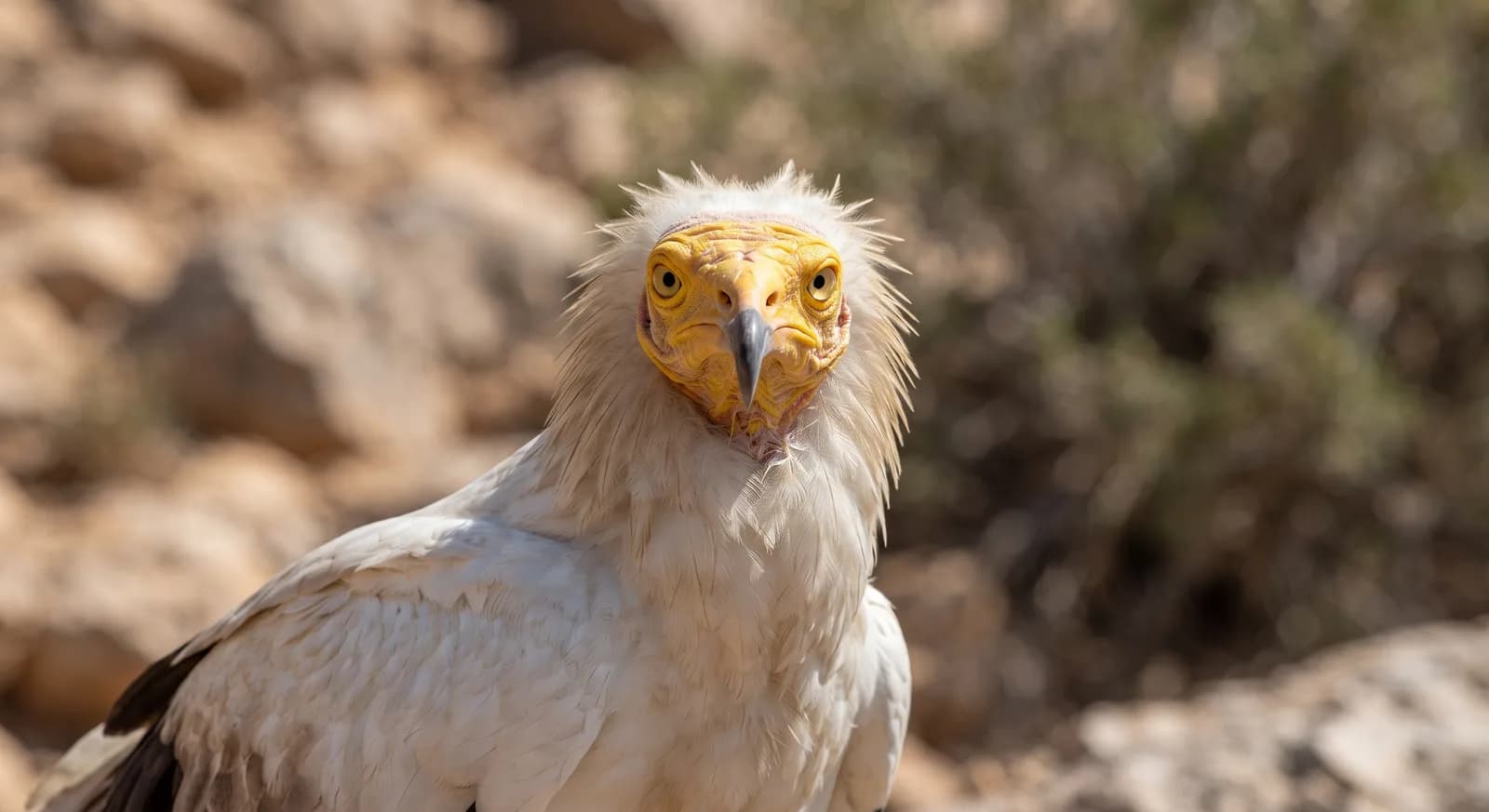 Endangered
Egyptian Vulture
Neophron percnopterus
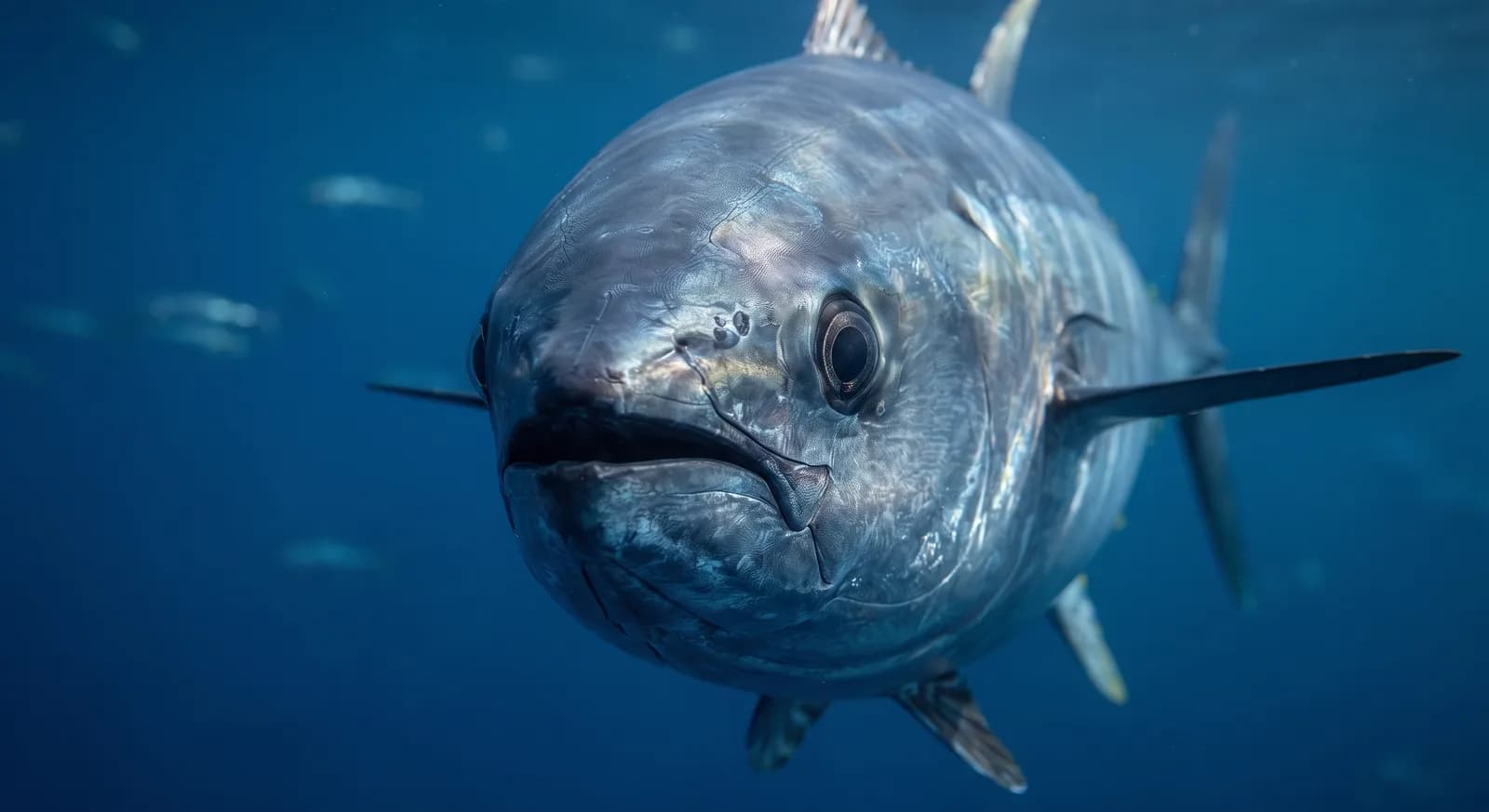 Endangered
Atlantic Bluefin Tuna
Thunnus thynnus
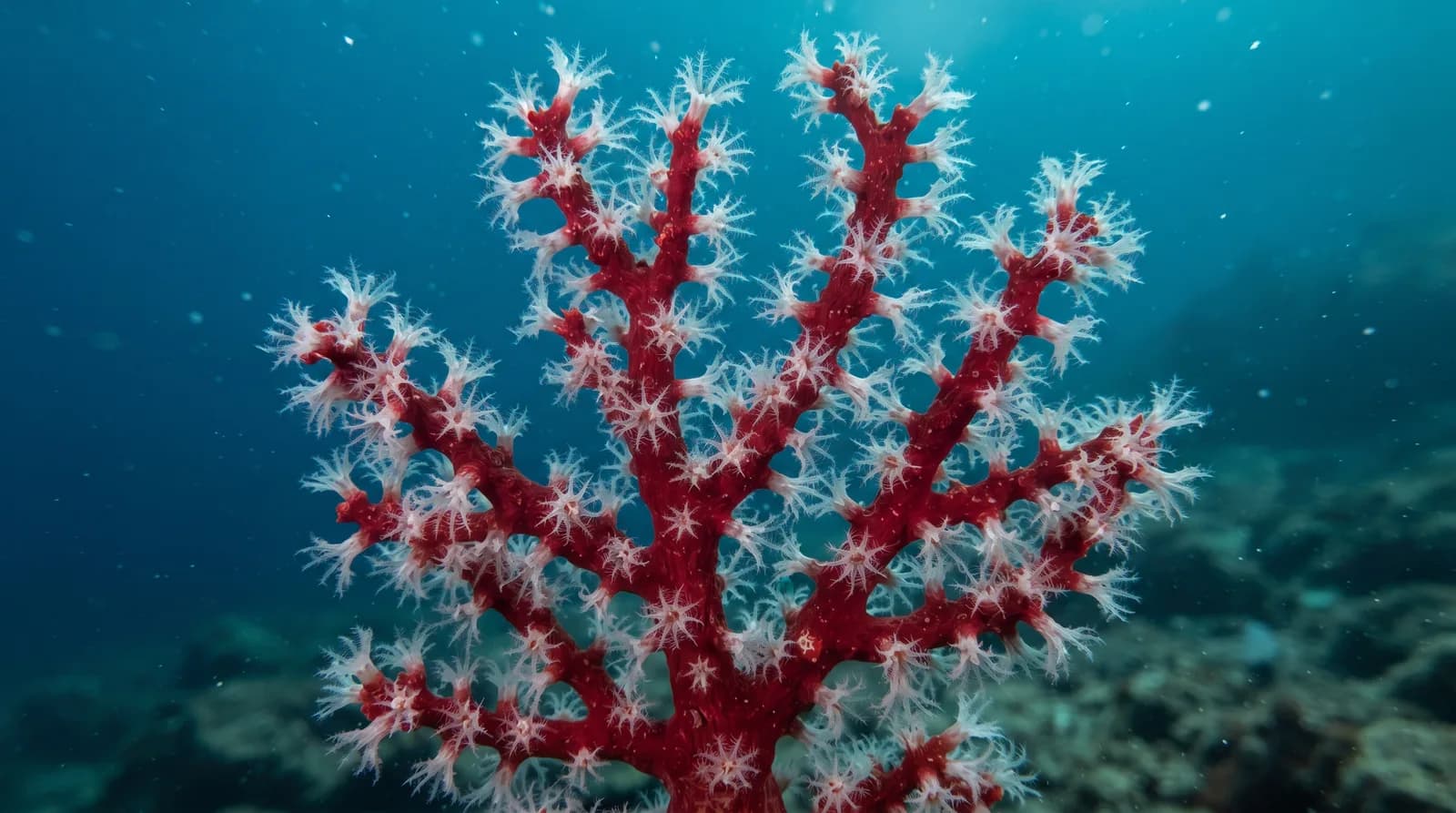 Endangered
Red Coral
Corallium rubrum
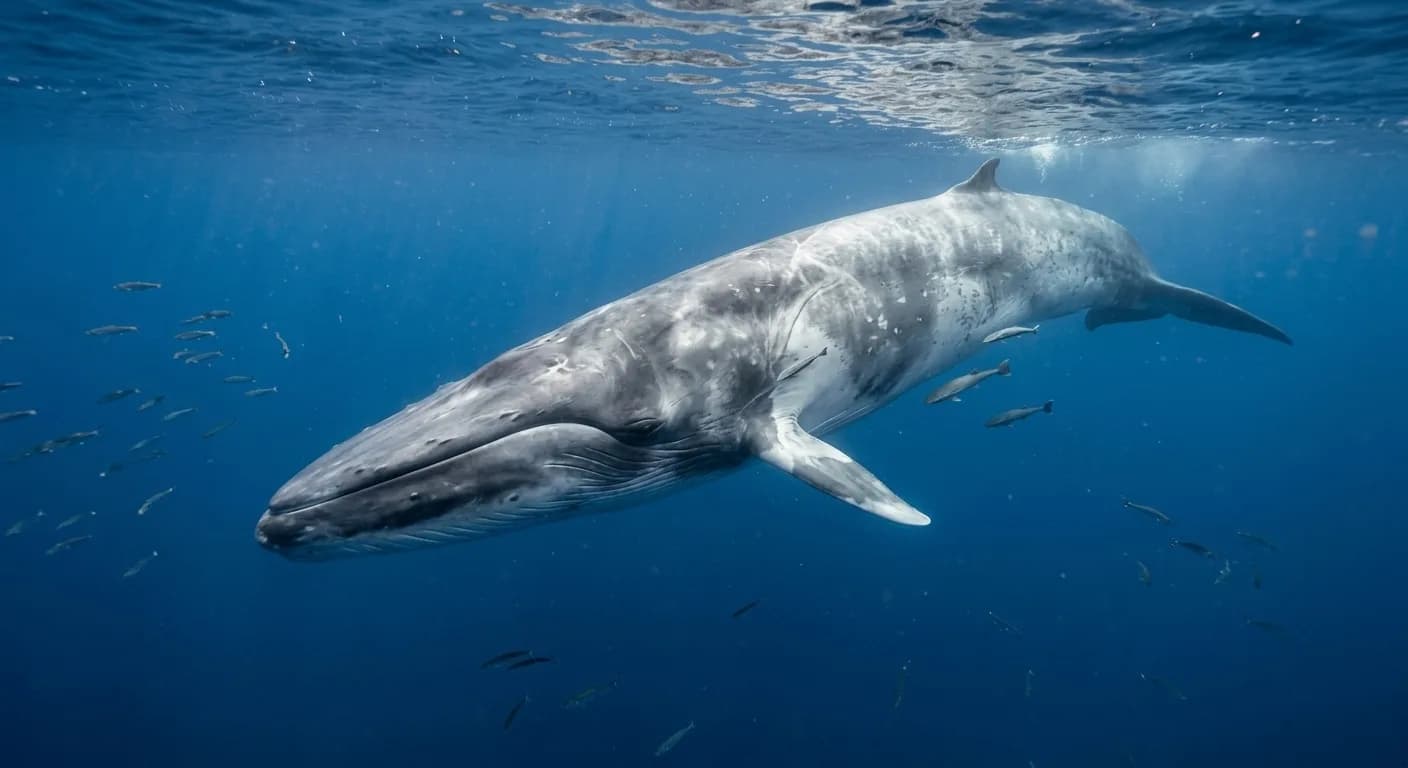 Endangered
Fin Whale
Balaenoptera physalus
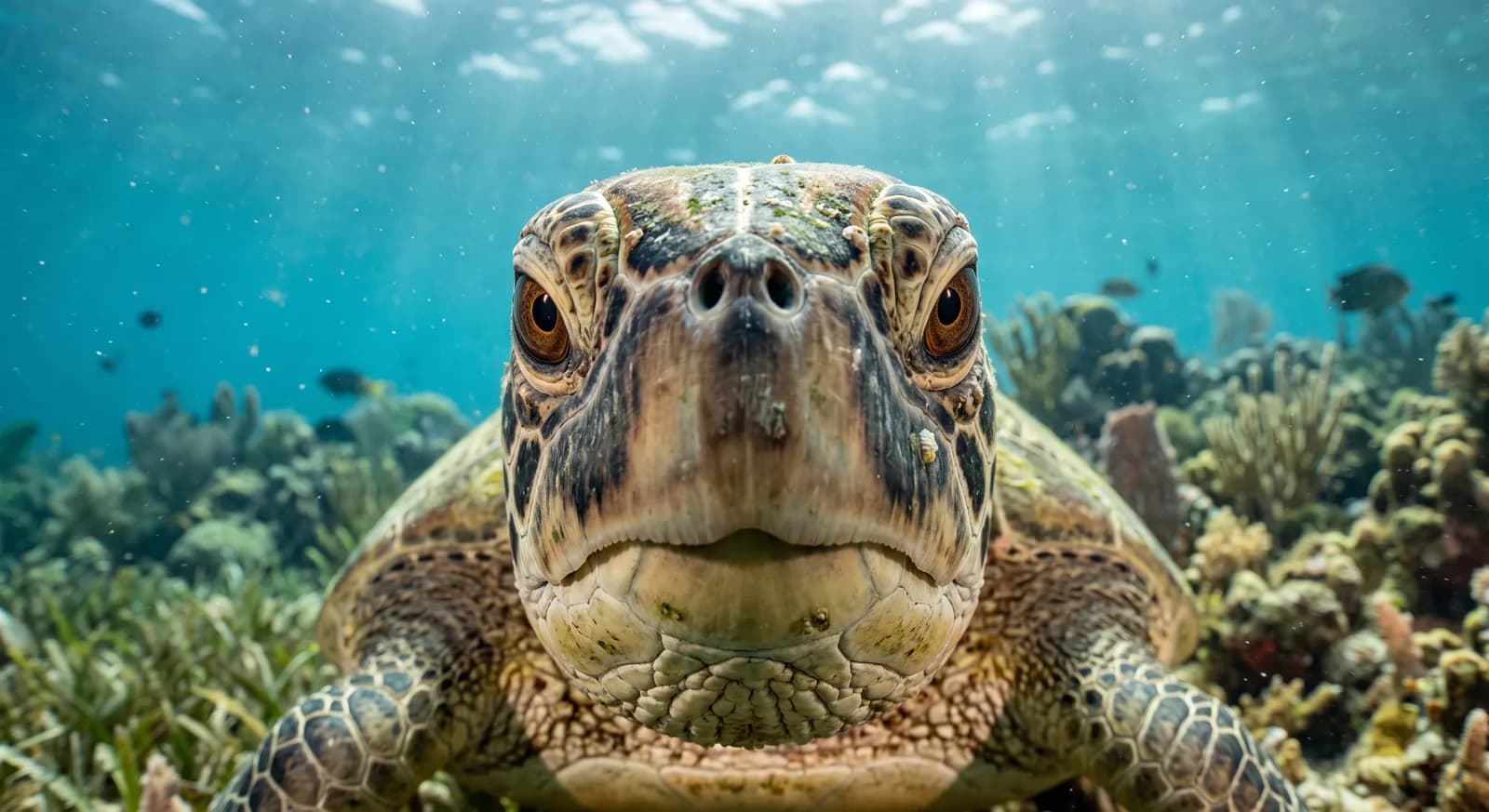 Endangered
Green Turtle
Chelonia mydas
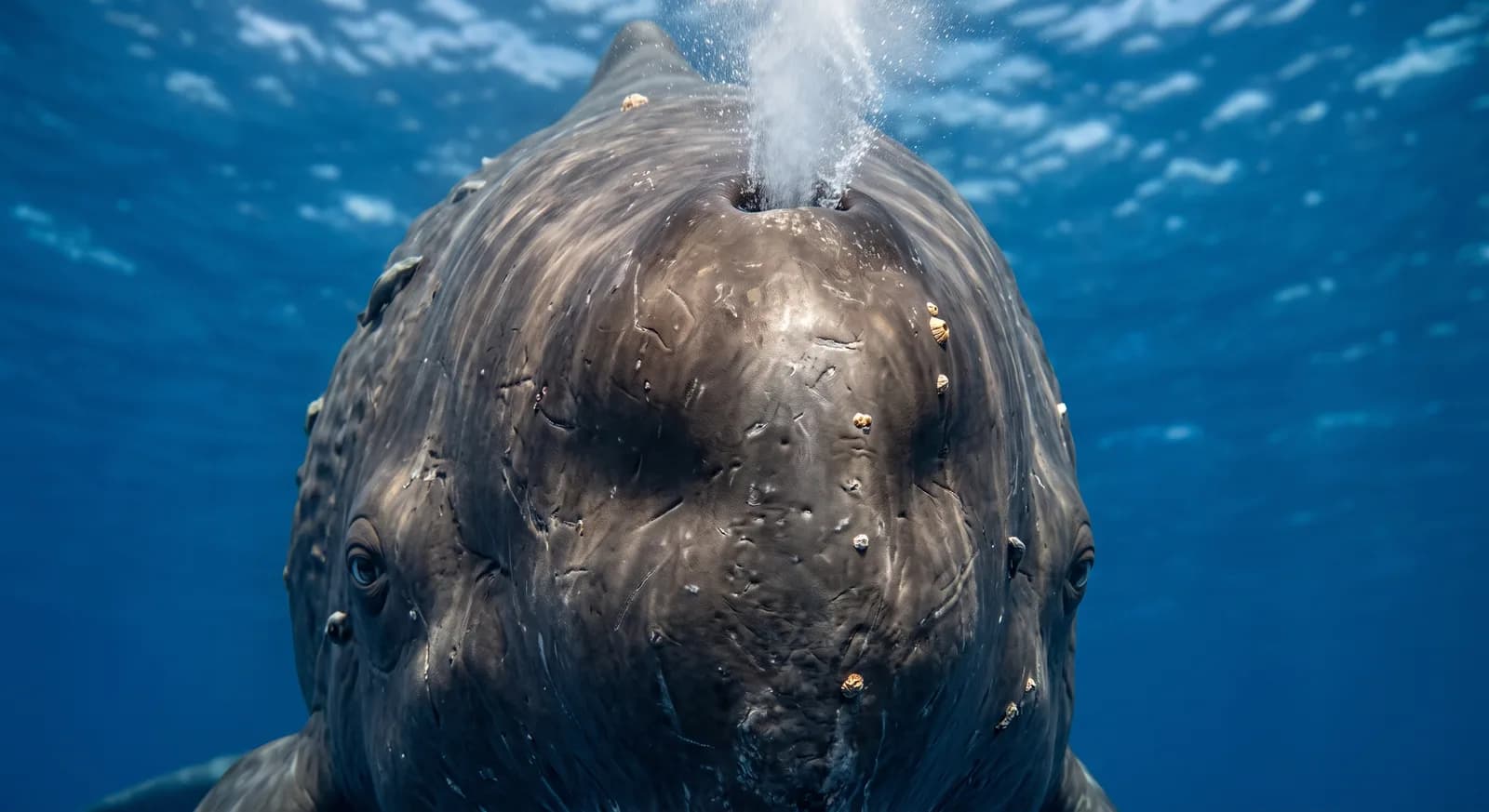 Vulnerable
Sperm Whale
Physeter macrocephalus
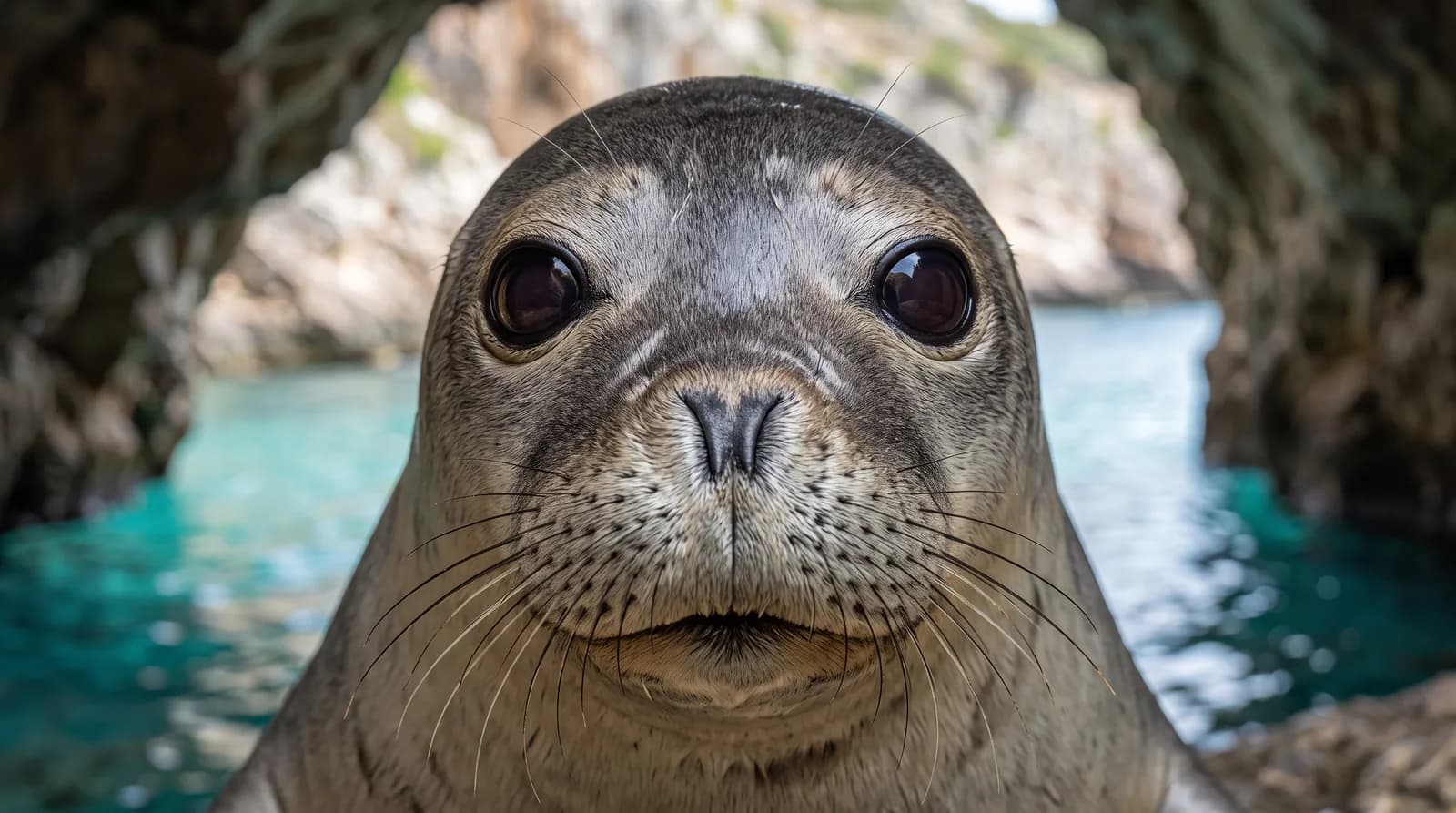 Vulnerable
Mediterranean Monk Seal
Monachus monachus
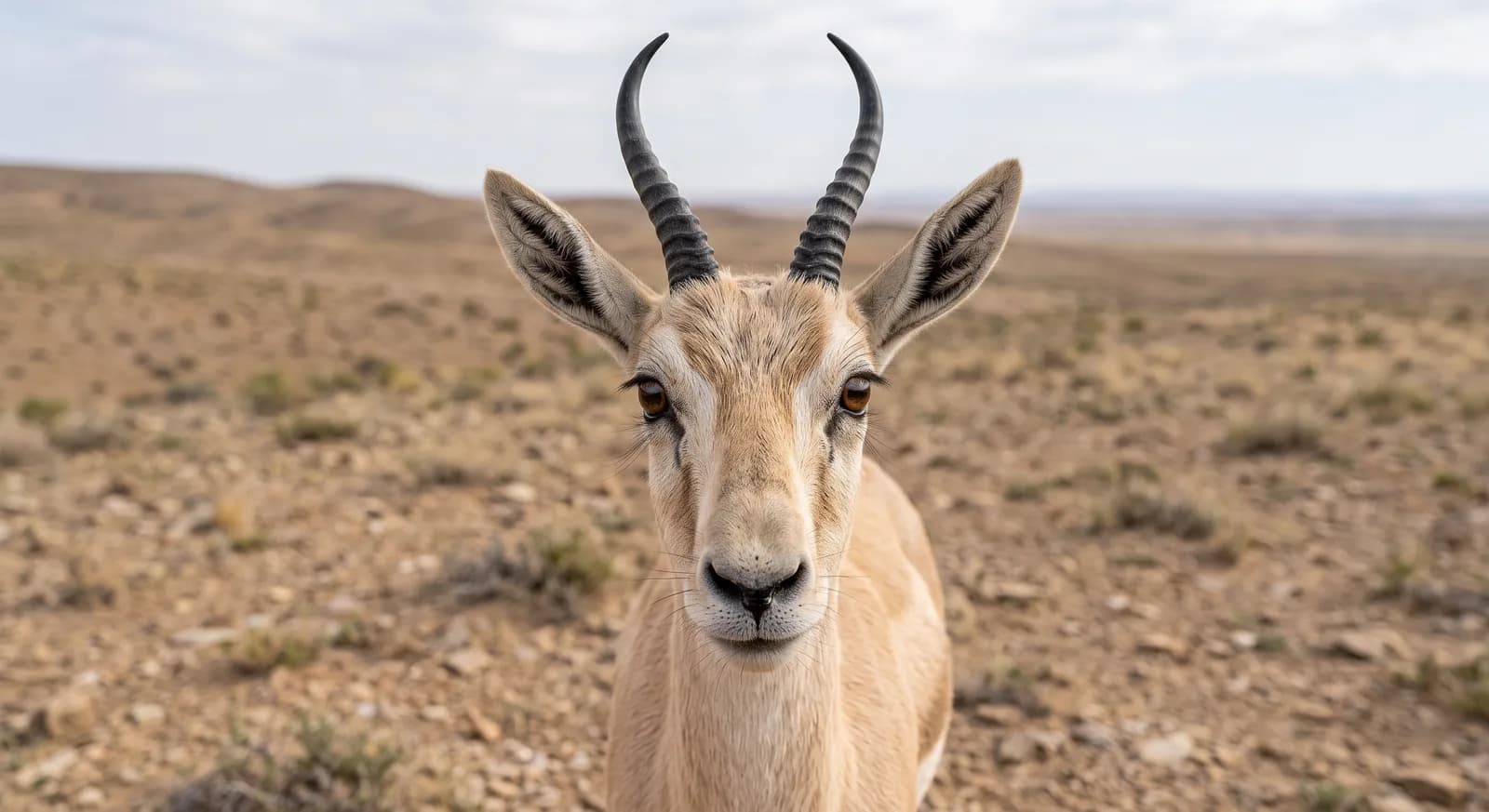 Vulnerable
Goitered Gazelle
Gazella subgutturosa
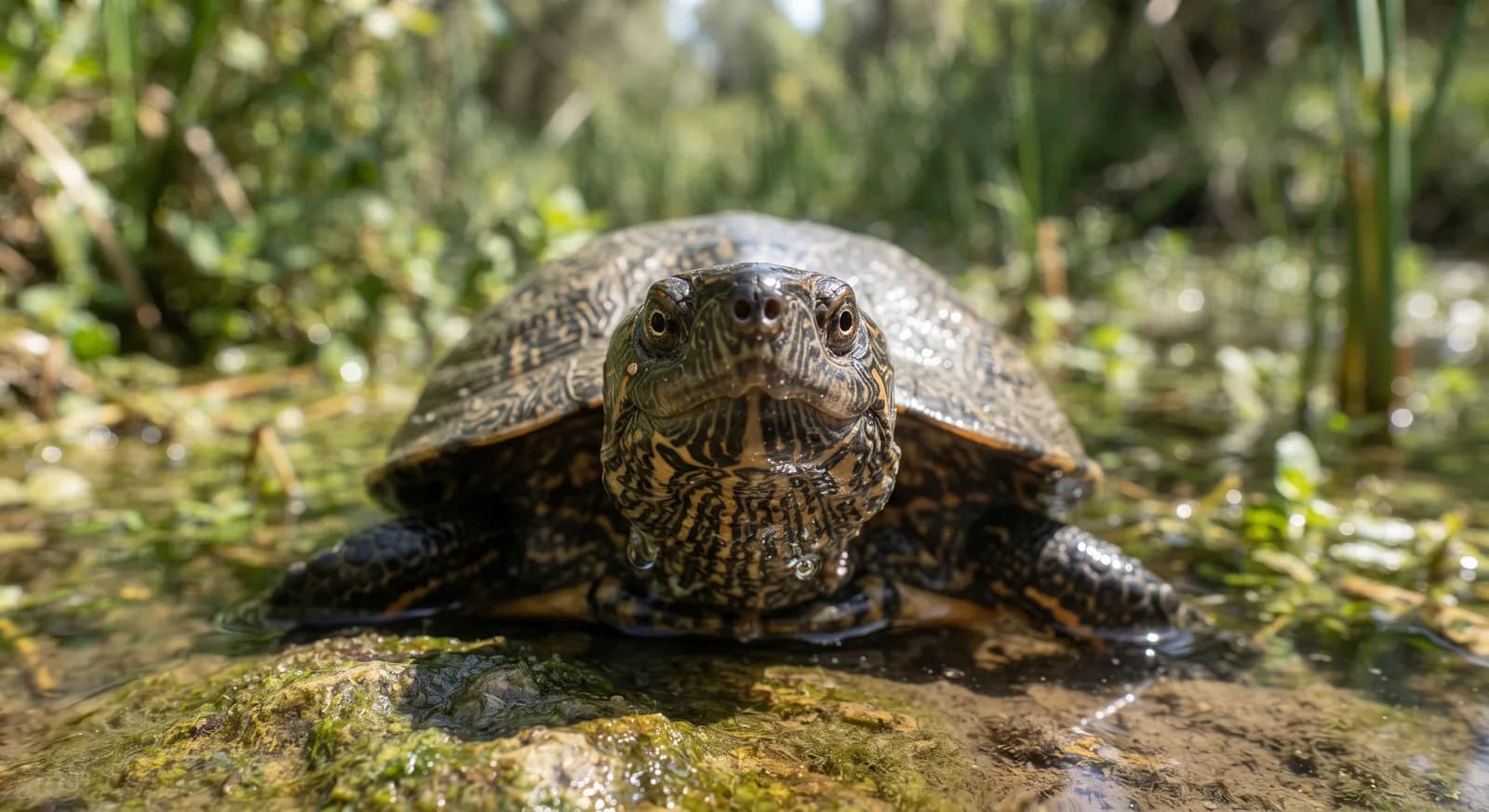 Vulnerable
Spanish Terrapin
Mauremys leprosa
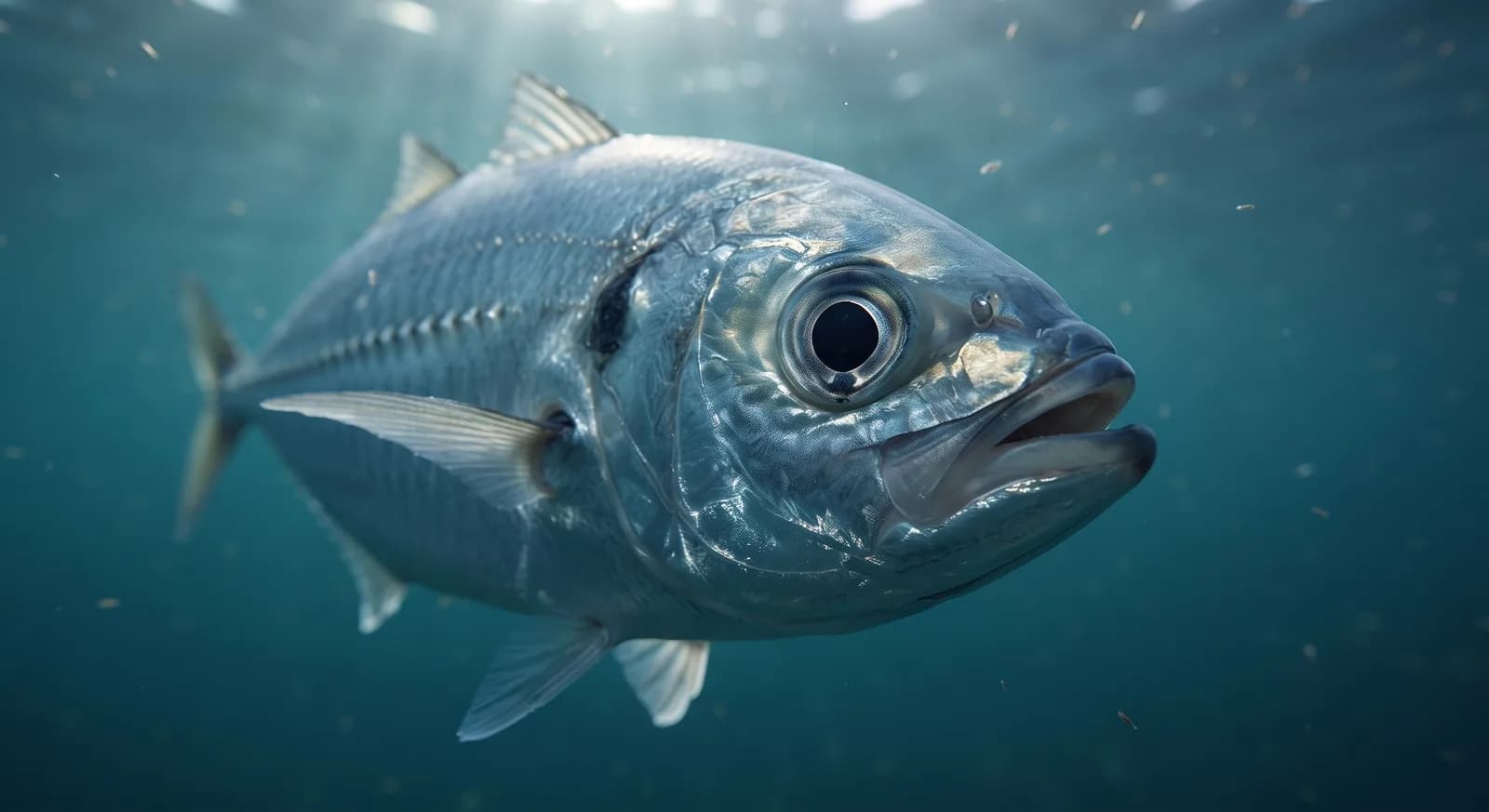 Vulnerable
Horse Mackerel
Trachurus trachurus
Keep exploring
Based on what we already know about Georgia.