Iran
Asia
Iran is one of the most diverse countries in western Asia because it combines two mountain ranges that act as barrier and refuge, the Zagros and the Alborz, with two seas and two great interior deserts. On the northern slope of the Alborz, facing the Caspian, grow the Hyrcanian forests, a relict temperate rainforest tens of millions of years old that survived the glaciations and keeps trees absent from the rest of Eurasia. Inland, the Dasht-e Kavir and the Dasht-e Lut alternate salt crusts, yardangs and dune fields, and in the Lut the highest surface temperatures on the planet have been recorded. The south descends to the Persian Gulf and the Sea of Oman, with mangroves, reefs and turtle nesting beaches. Iran keeps the largest Persian leopard population in the world.
The nature of Iran
National animal: The Persian lion, now extinct in the country, is the historic emblem; the Asiatic cheetah is the national conservation symbol
Did you know?
The Asiatic cheetah, which once ran from India to the Arabian peninsula, survives today only in Iran, with a few dozen animals scattered across the arid plains of the centre and east. Its situation is so critical that at the 2014 football World Cup the Iranian squad wore its image printed on their shirts to draw attention to the species, and its monitoring relies almost entirely on camera traps.
Biodiversity profile
Climate
- •Arido y semiarido (BWh/BSk) en la meseta central (Dasht-e Kavir, Desierto de Lut)
- •Templado humedo (Cfa) en la costa del Caspio (bosques hircanos)
- •Mediterraneo y de montaña en los Zagros y el Alborz
Main biomes
- •Bosques hircanos del Caspio (relictos terciarios, 7% del territorio, 44% de la flora del pais)
- •Desierto central (Dasht-e Kavir, Lut)
- •Bosque y estepa de montaña de los Zagros y Alborz
- •Humedales costeros del Caspio
- •Bosque hircanio subtropical
- •Desierto salino interior
- •Montaña del Zagros
- •Manglar del golfo Pérsico
- •Estepa árida
- •Lago hipersalino
- •Alta montaña del Alborz
Marine and coastal ecosystems
- •Costa del Mar Caspio (norte) y del Golfo Perico/Mar de Oman (sur), con humedales de importancia para aves migratorias
Flagship wildlife
- •Guepardo asiatico (unica poblacion mundial superviviente)
- •Leopardo persa (mas de dos tercios de la poblacion mundial)
- •Salamandra de montaña de Gorgan (endemica, En Peligro Critico)
- •Onagro asiatico
- •Gamo persa
- •Oso pardo sirio
- •Íbice del Zagros
- •Flamenco común
- •Tortuga carey
- •Gacela de Persia
- •Foca del Caspio
Notable endemic species
- •Salamandra de montaña de Gorgan, endemica de los bosques hircanos del Caspio
- •Vibora de Latifi, endemica de la estepa forestal del Elburz
- •Iran alberga mas de dos tercios de la poblacion mundial de leopardo persa (550-850 individuos)
- •Guepardo asiático
- •Gamo persa
- •Ciervo rojo del Caspio
- •Víbora cornuda persa
Notable threatened species
- •Guepardo asiatico (En Peligro Critico, aprox. 17-30 individuos remanentes en 2025, unica poblacion mundial de la especie, restringida a los desiertos centrales)
- •Leopardo persa (En Peligro, principal refugio mundial de la subespecie)
- •Esturion persa y esturion beluga (En Peligro Critico, Mar Caspio)
Notable protected areas
- •Parque Nacional Golestan (primer parque nacional de Iran, bosques hircanos)
- •Reserva de la Biosfera de Touran (principal bastion del guepardo asiatico)
- •Refugio de Vida Silvestre de Miandasht
- •Parque Nacional de Golestán
- •Parque Nacional de Kavir
- •Reserva de Turan
- •Lago Urmía
- •Reserva de Miankaleh
- •Parque Nacional de Lar
Main conservation threats
- •Fragmentacion de habitat por carreteras e infraestructura energetica en el rango del guepardo asiatico
- •Caza furtiva de ungulados presa, que reduce la disponibilidad de alimento para grandes carnivoros
- •Mortalidad de leopardos por atropello y conflicto con ganaderos, mayoritariamente fuera de areas protegidas
Notable natural phenomena
- •Los bosques hircanos del Caspio son bosques relictos terciarios de gran valor evolutivo, sobrevivientes de la vegetacion que cubria gran parte de Eurasia hace millones de años
Conservation
Lake Urmia, one of the largest salt lakes in the world, has shrunk drastically through irrigation and dams, affecting flamingos and the brine shrimp they feed on. The Persian fallow deer was believed extinct until it was rediscovered in Khuzestan in the 1950s.
Where and when to watch wildlife
Turan and Kavir in winter for Asiatic cheetah and onager. The Hyrcanian forests in autumn for woodland birds and deer. Miankaleh between November and February for wintering waterbirds.
Sources: phys.org - Mapping Iran's biodiversity hotspots | biologyinsights.com - Notable Iranian Animals | biorxiv - Alarming circumstances Asiatic cheetah Iran | BioDB.com - Iran
Parks and reserves
Bosques Hircanios
Relict Tertiary forests along the Caspian, extended into Azerbaijan in 2023.
View parkWorld Heritage Site (Natural)Desierto de Lut
The place where the highest surface temperature on Earth has been recorded, with yardangs tens of metres high.
View parkNational ParkKavir
Iran's "little Africa", a salt desert near Tehran with Persian onager and Asiatic cheetah.
View parkNational ParkGolestan National Park
Iran's oldest national park, with Caspian forest, steppe and mountains in the north-east of the country.
View parkPaíses similares
¿A dónde más podría interesarme viajar?
Misma región: Oriente Medio y Asia Occidental
Misma región: Oriente Medio y Asia Occidental
Misma región: Oriente Medio y Asia Occidental
Misma región: Oriente Medio y Asia Occidental
Especies documentadas en Iran
253 species found
 Critically Endangered
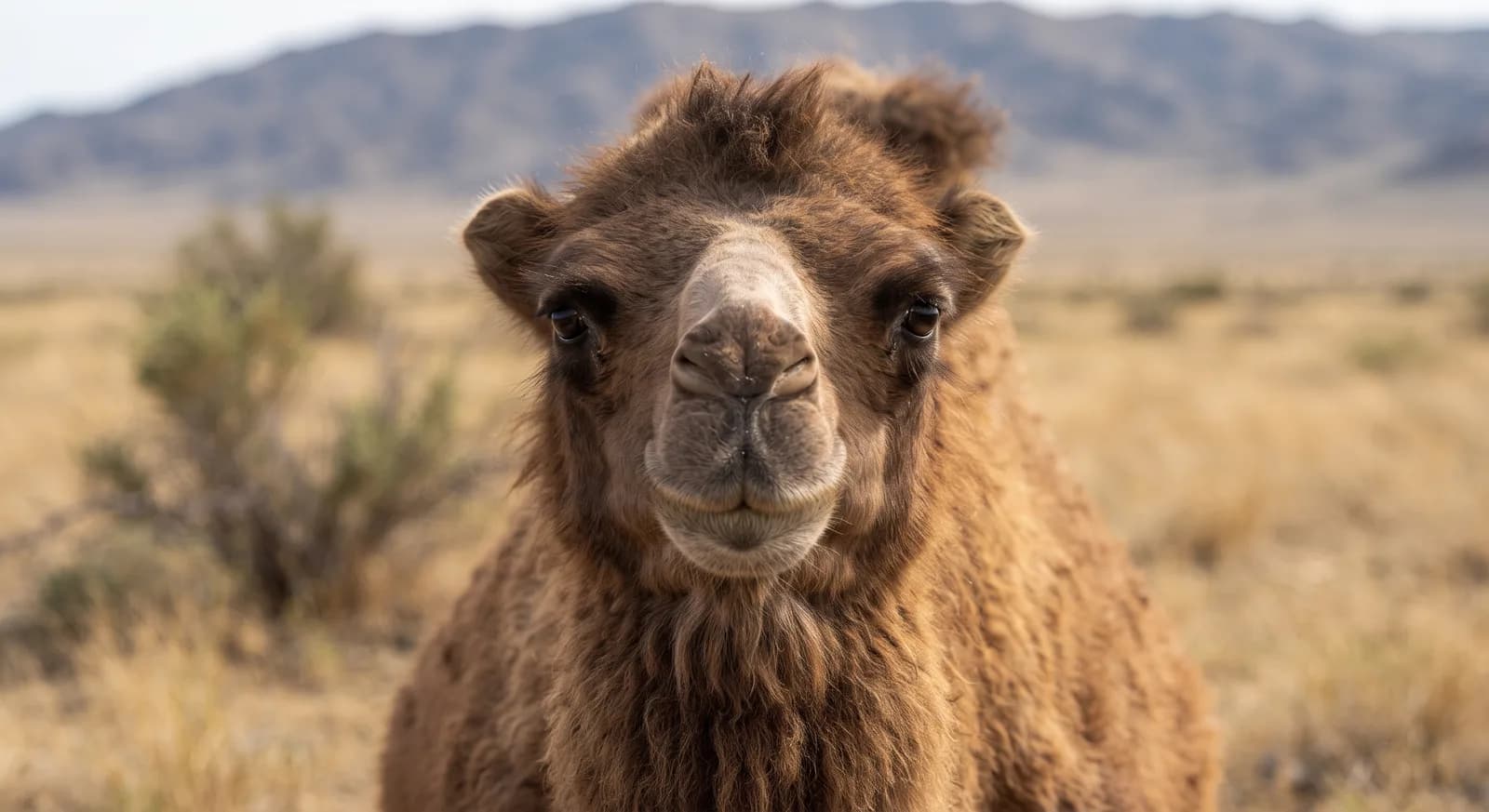
Bactrian Camel
Camelus bactrianus
 Critically Endangered
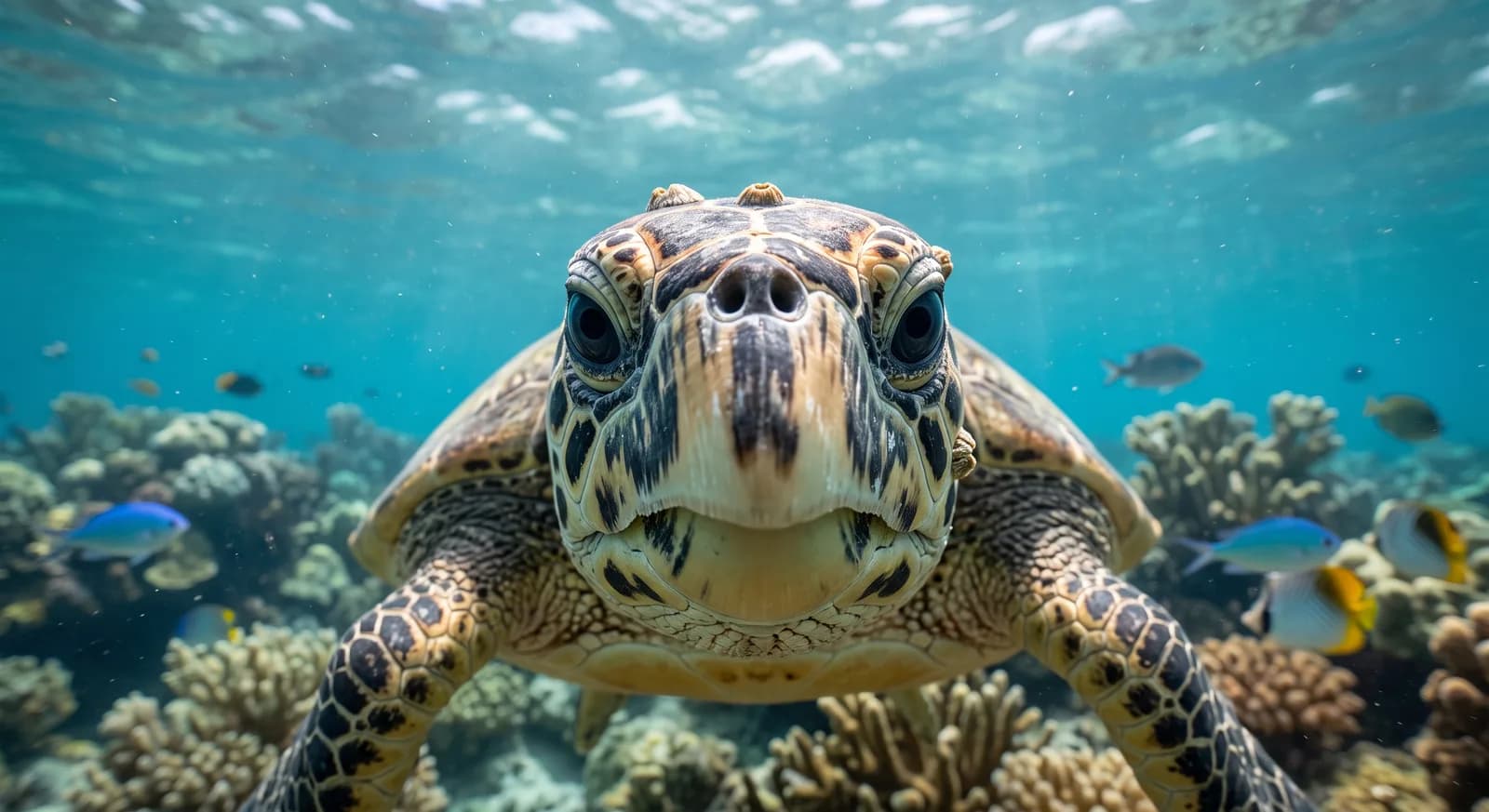
Hawksbill Turtle
Eretmochelys imbricata
 Endangered
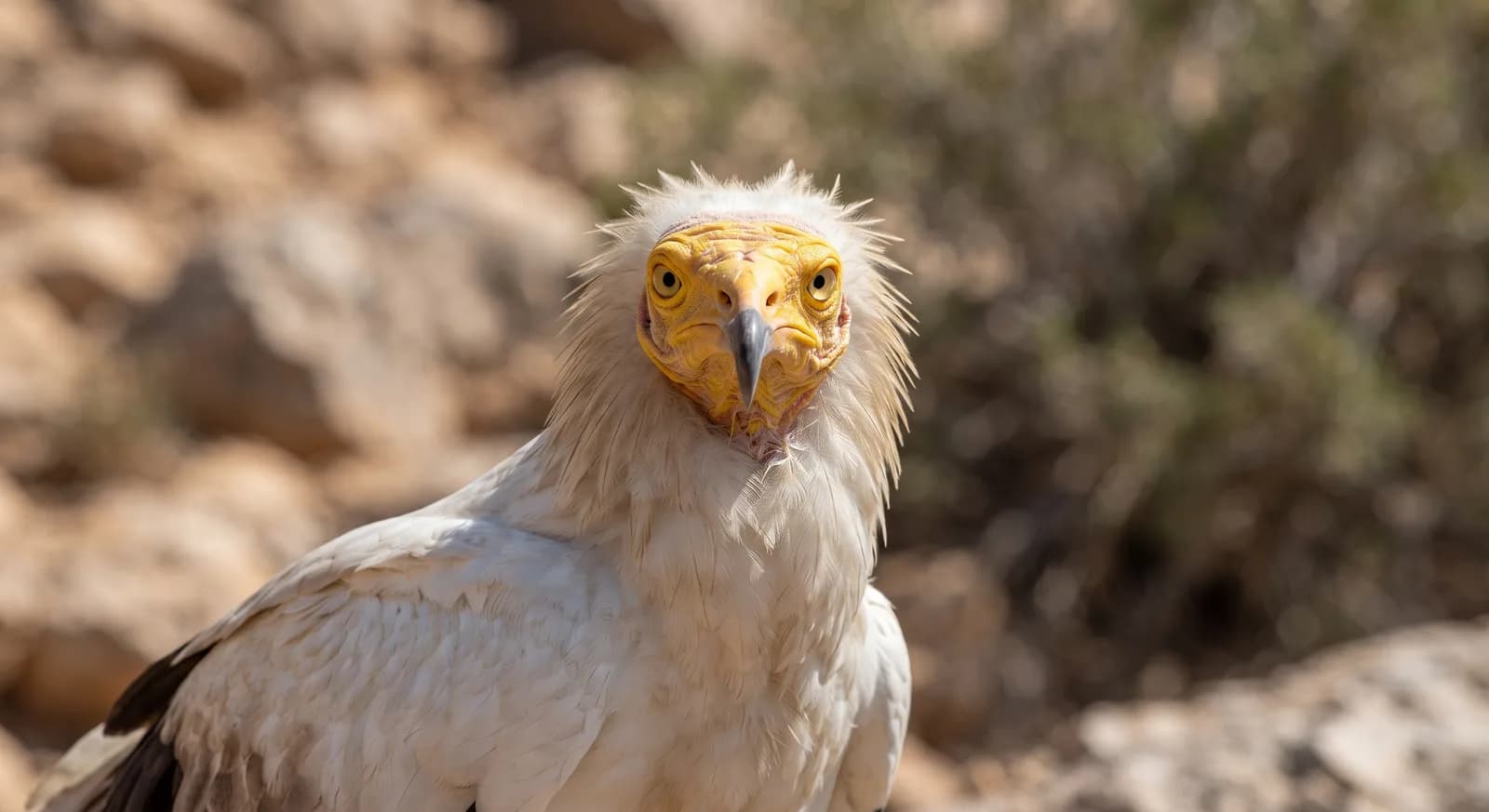
Egyptian Vulture
Neophron percnopterus
 Endangered
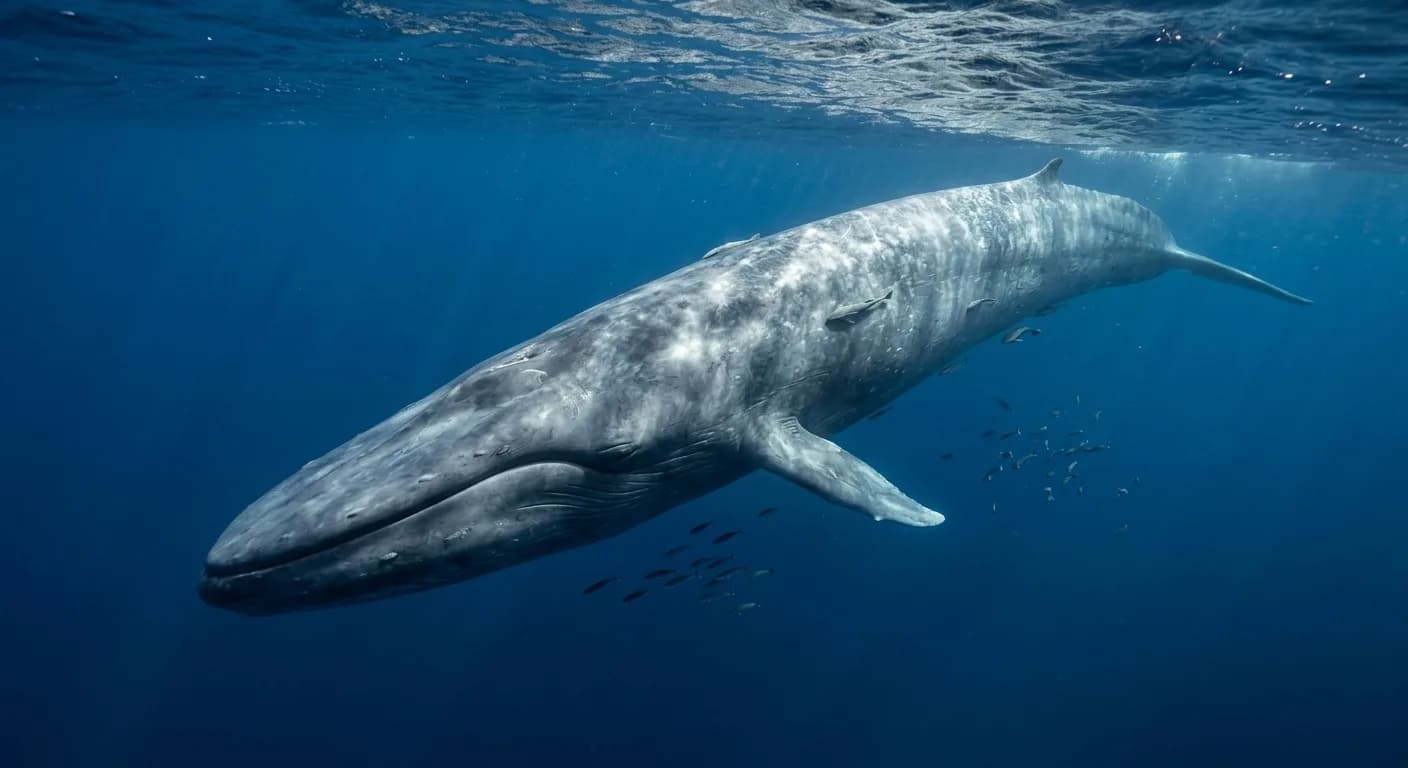
Blue Whale
Balaenoptera musculus
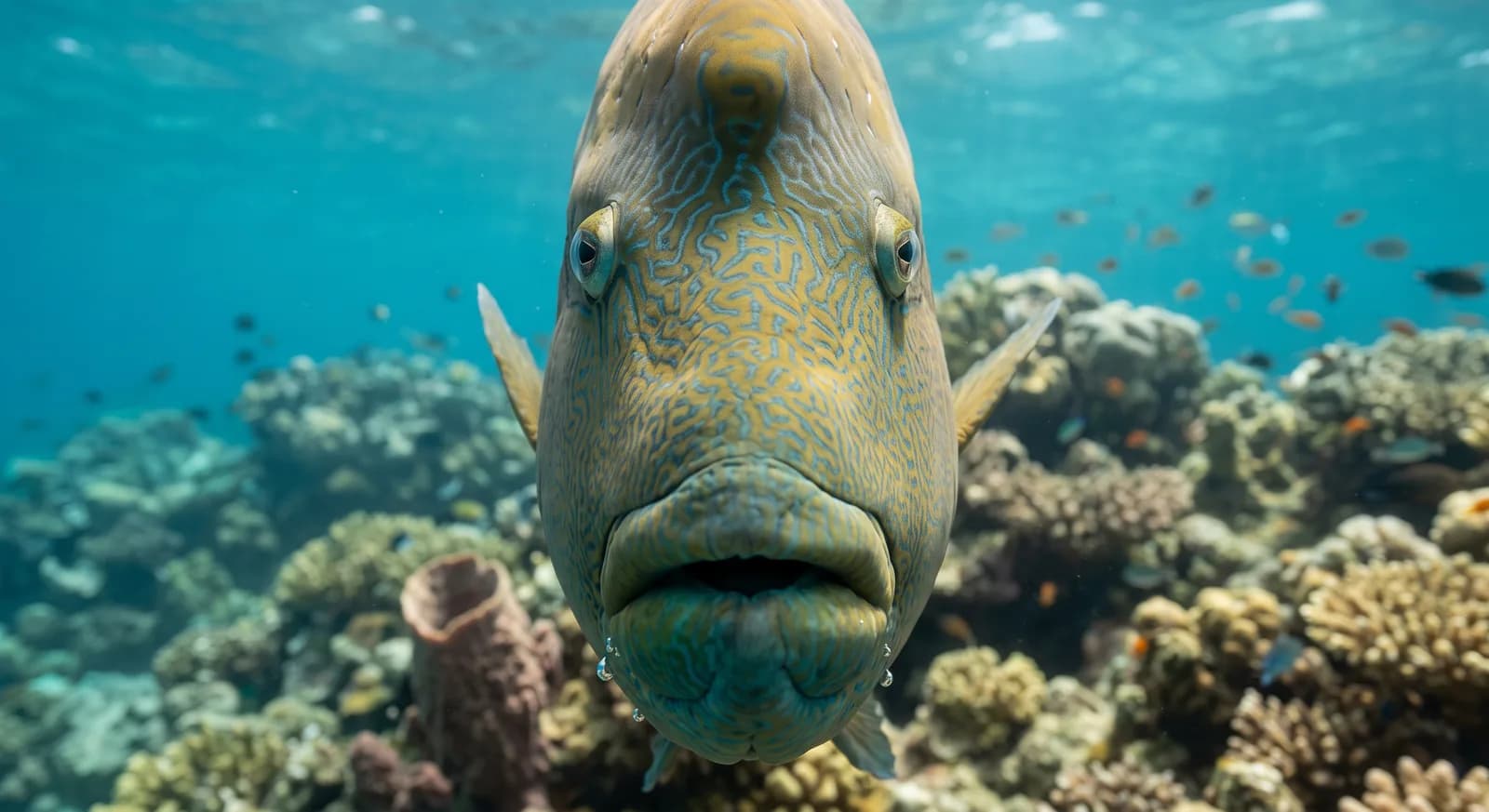 Endangered
Humphead Wrasse
Cheilinus undulatus
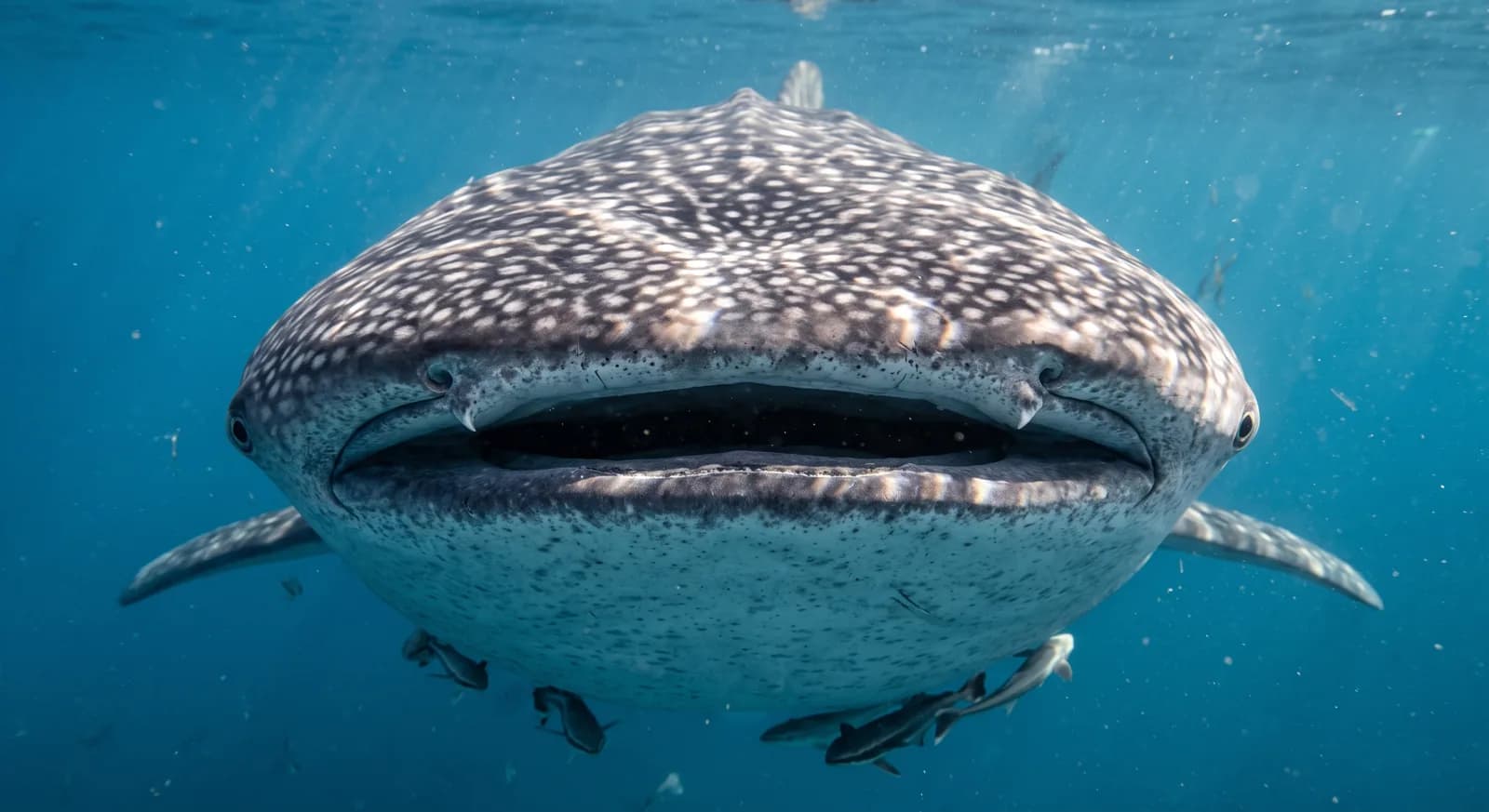 Endangered
Whale Shark
Rhincodon typus
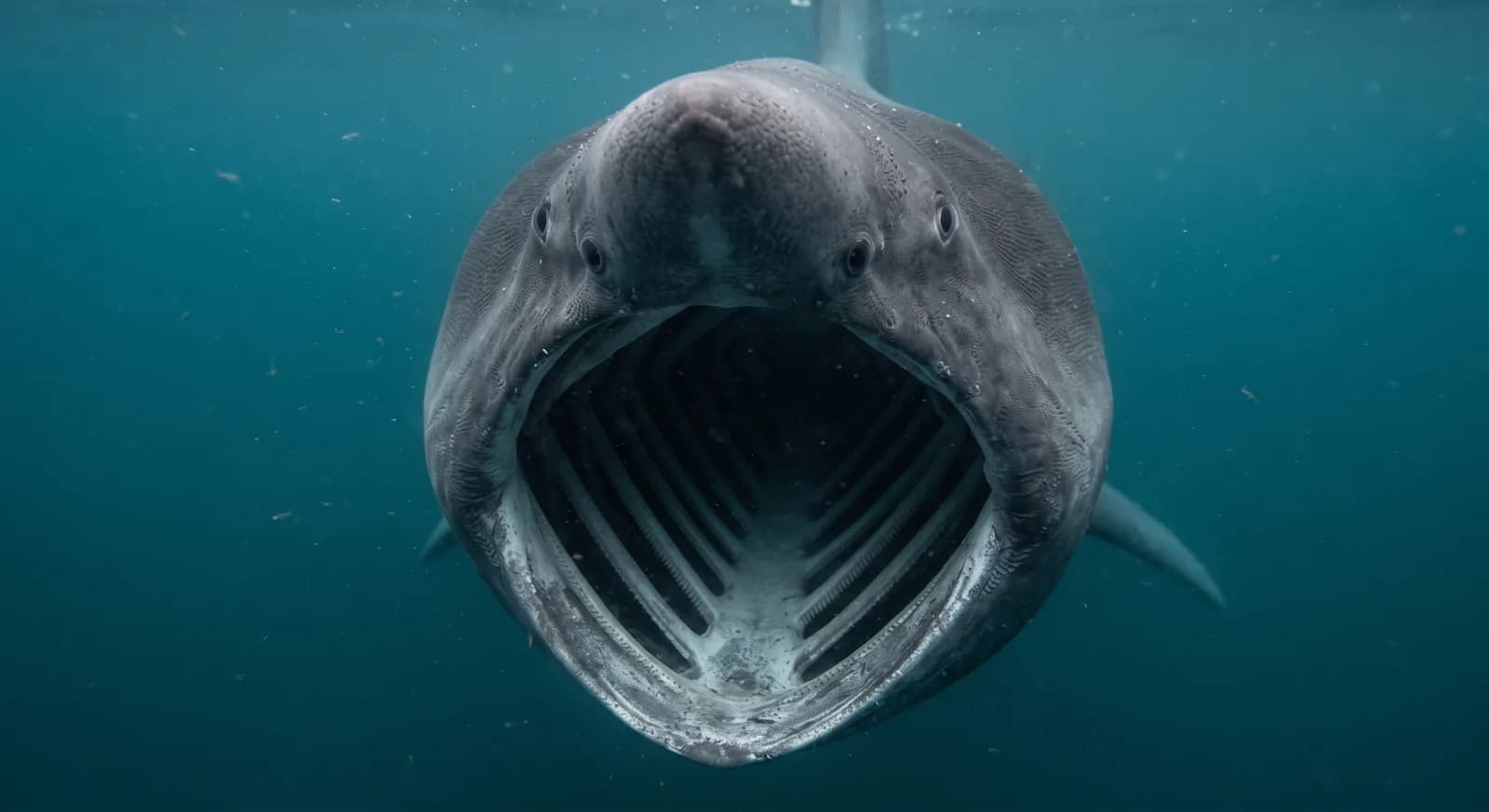 Endangered
Basking Shark
Cetorhinus maximus
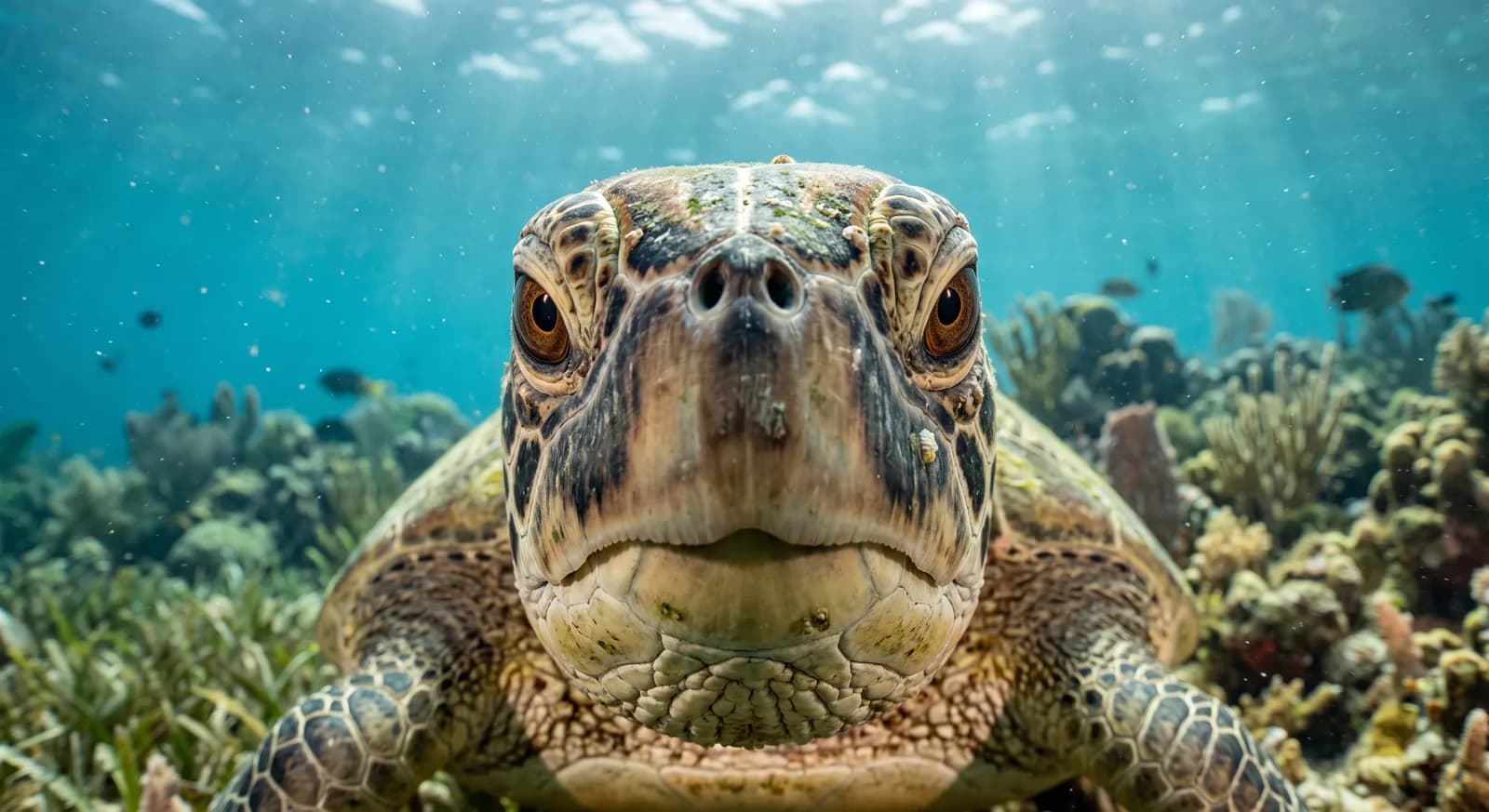 Endangered
Green Turtle
Chelonia mydas
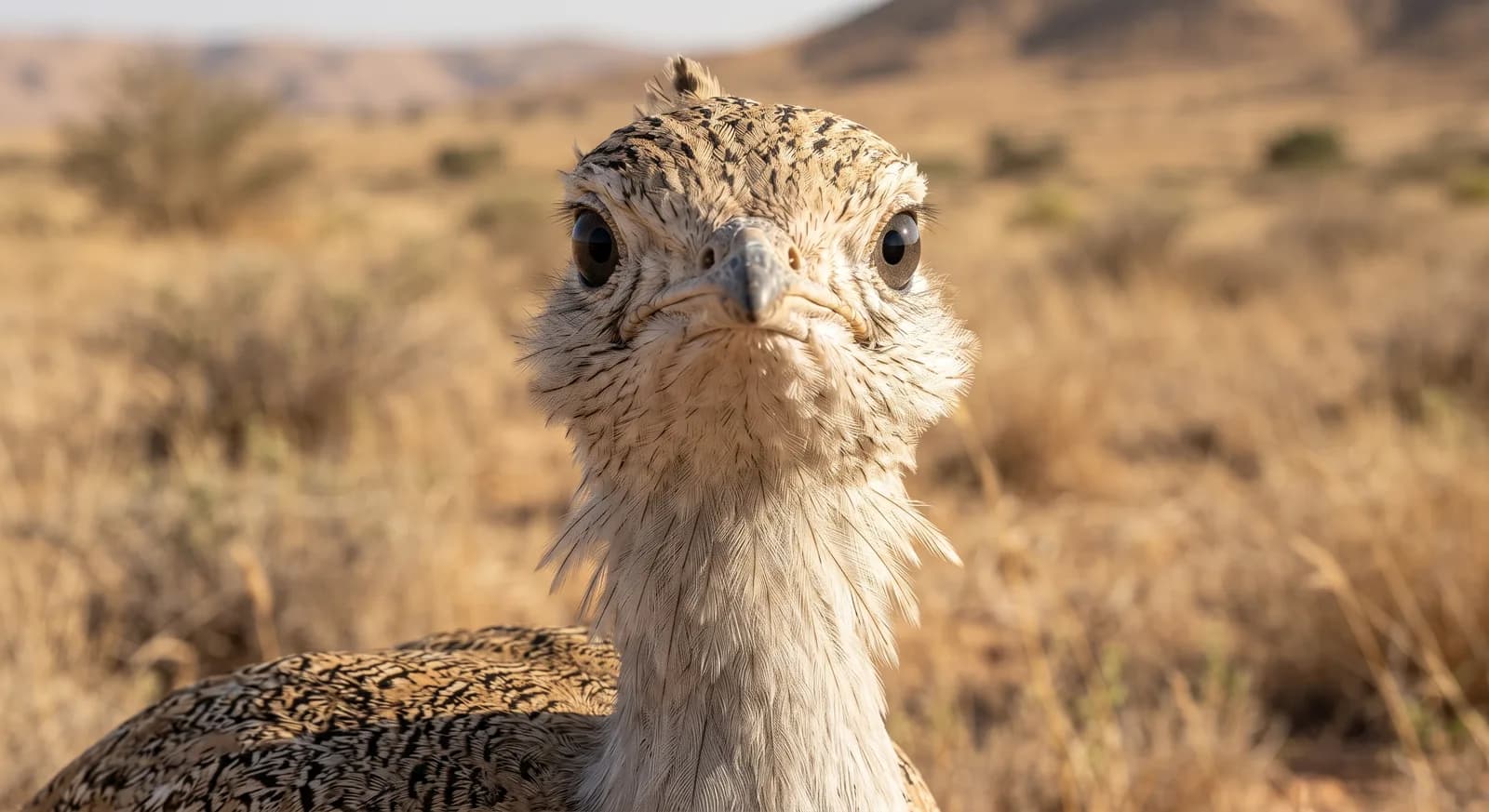 Vulnerable
Houbara Bustard
Chlamydotis undulata
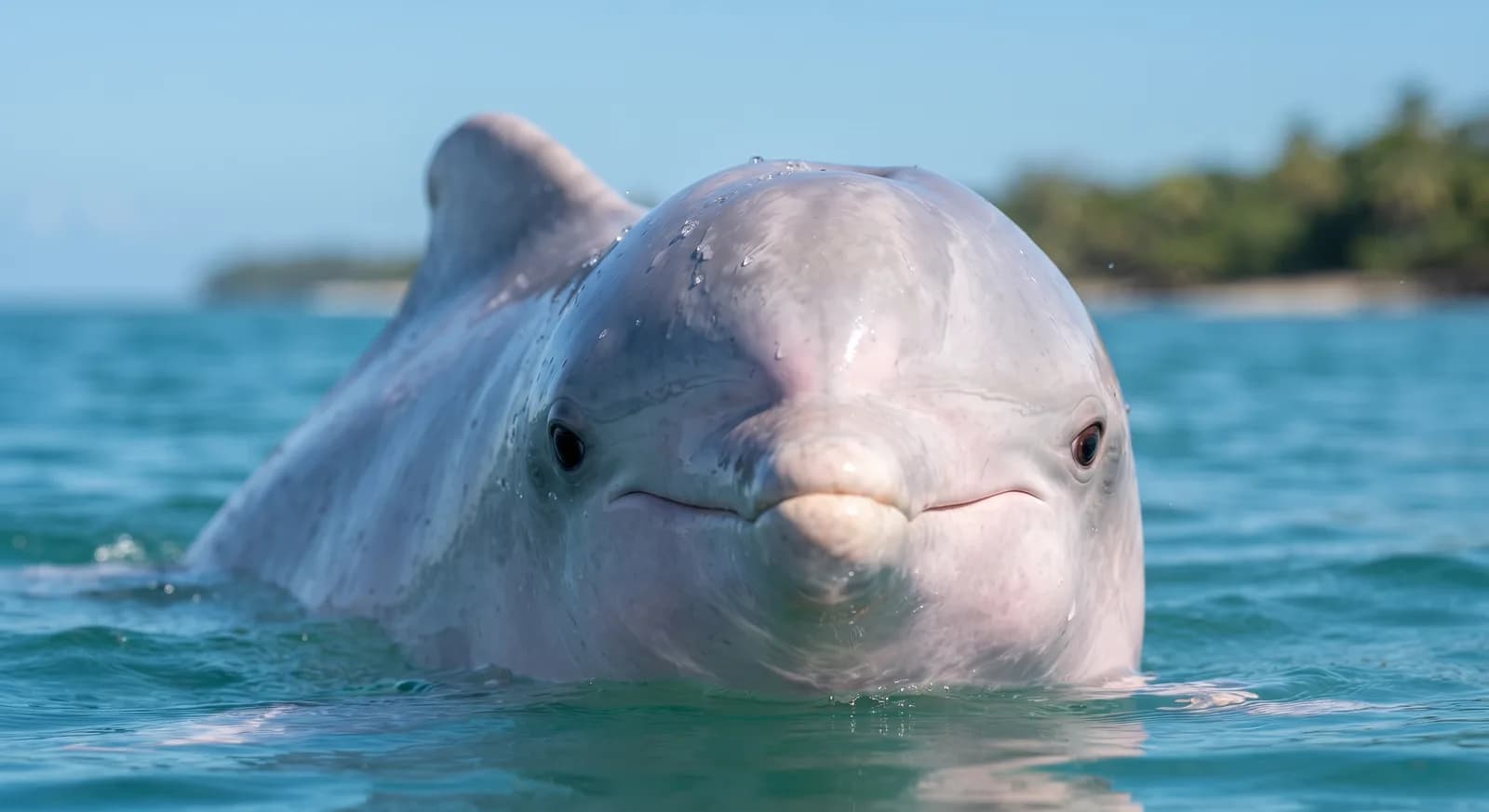 Vulnerable
Indo-Pacific Humpback Dolphin
Sousa chinensis
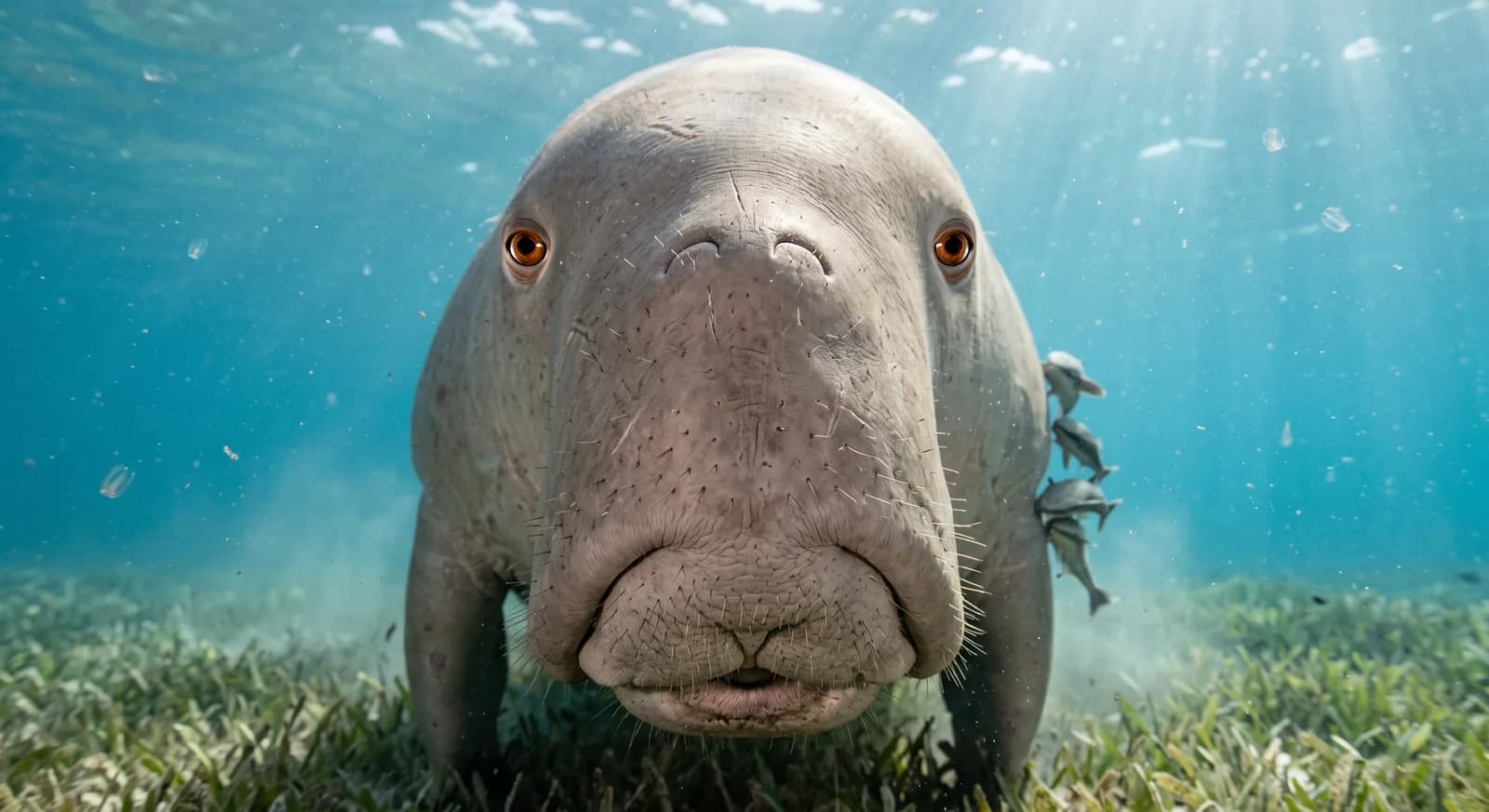 Vulnerable
Dugong
Dugong dugon
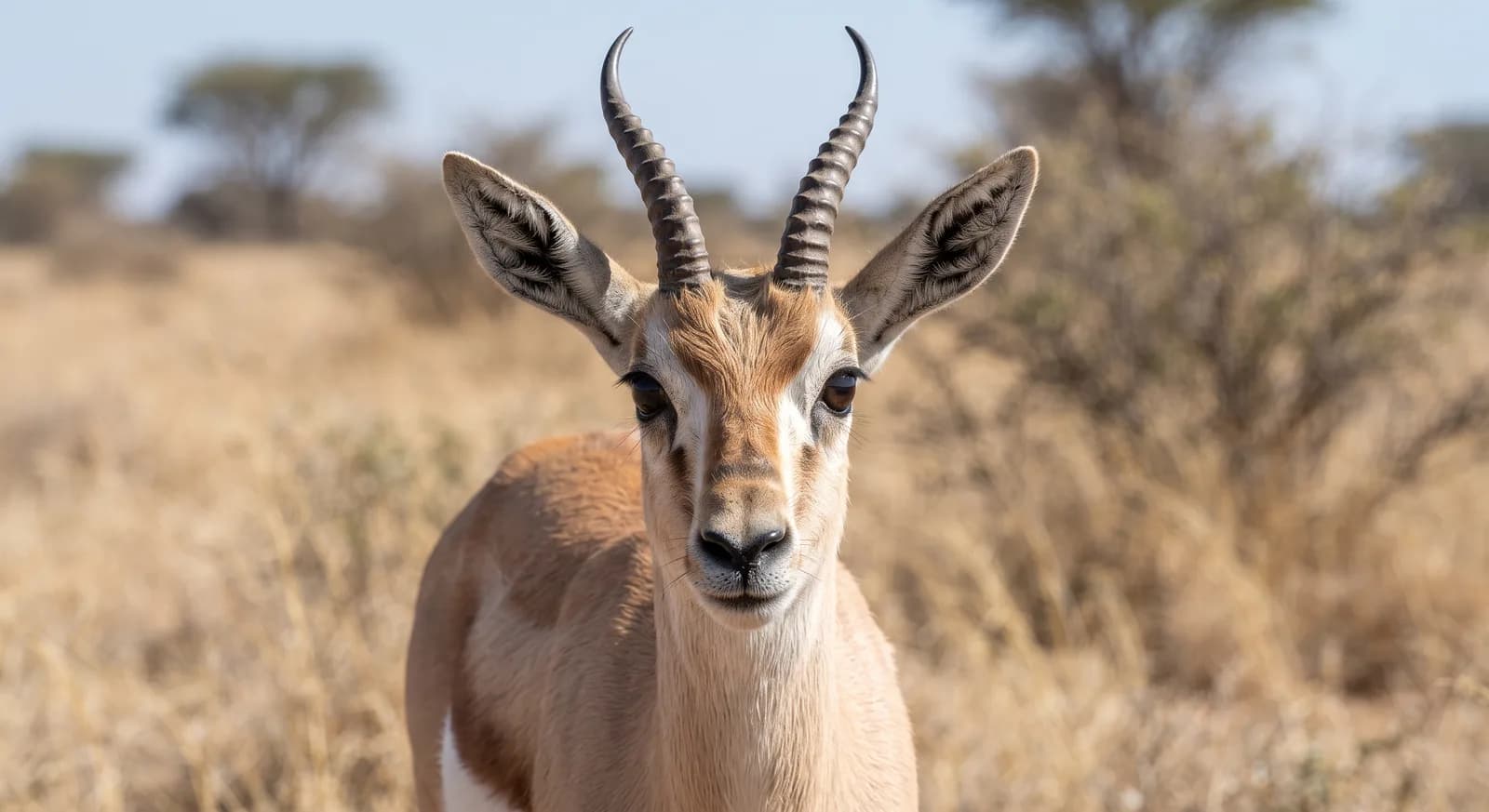 Vulnerable
Dorcas Gazelle
Gazella dorcas
Keep exploring
Based on what we already know about Iran.