One of the 17 dolphins on WAnimals
Mammals · Artiodactyla · Delphinidae
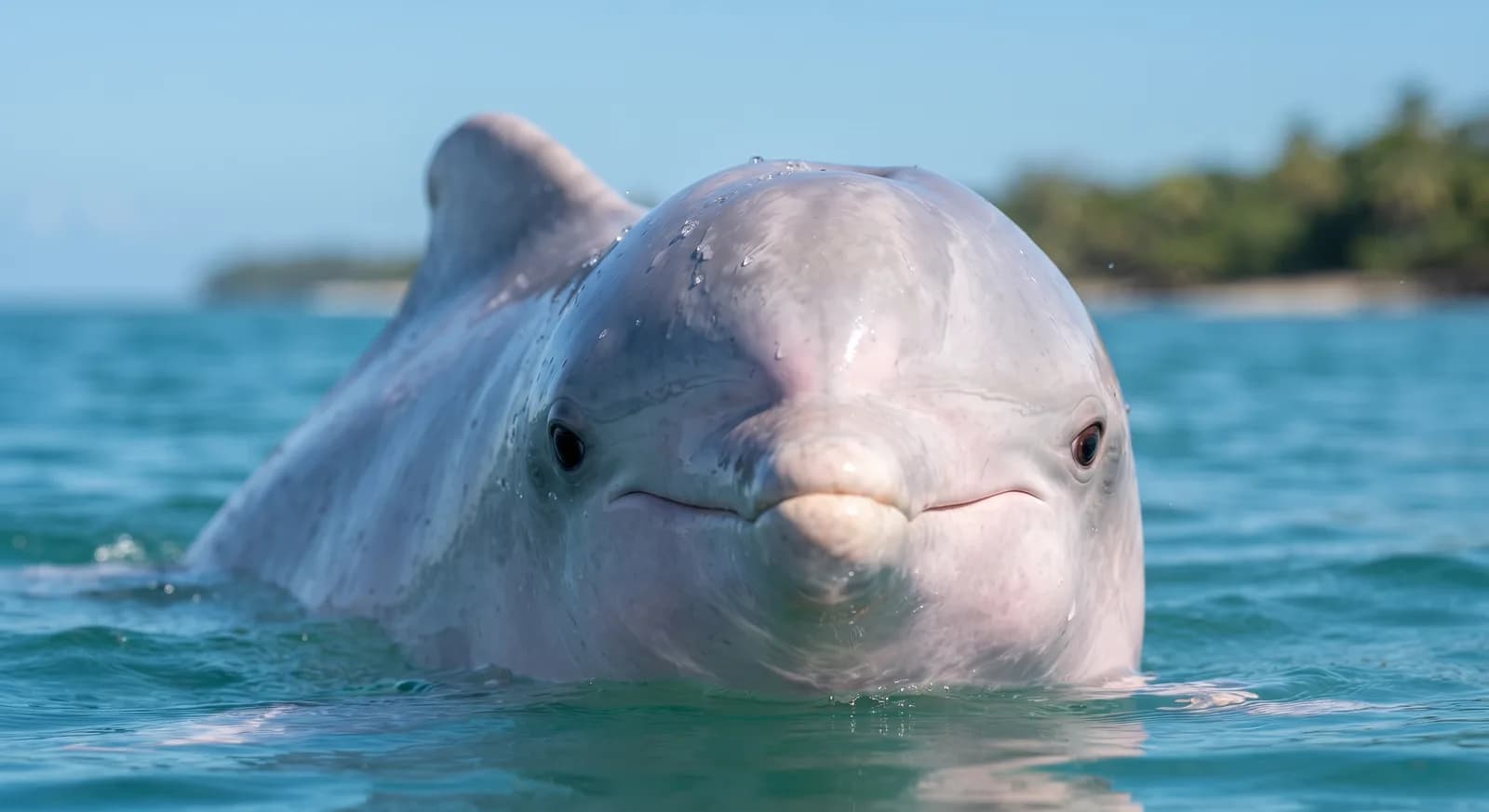
Indo-Pacific Humpback Dolphin
Sousa chinensis
It faces a high risk of extinction in the wild over the medium term. See full glossary
The Chinese white dolphin is an odontocete cetacean of the family Delphinidae. This species lives in South-East Asia, between the Bay of Bengal, the southern coast of Indonesia and the west coast of Taiwan. Phylogenetic studies have separated the Chinese white dolphin from the Indian Ocean humpback dolphin, which lives from the coasts of Africa to those of India, and from the Australian humpback dolphin, which was thought to be a subspecies of the latter until 2014.
Weight
150 kg – 230 kg
Size
2 m – 2.8 m
Lifespan
40 years
Diet
Carnivore
Feeds mainly on other animals.
Sighting difficulty
Moderate
Fun facts
- biologíaCalves are born dark grey and lighten with age, turning almost entirely pink as adults in some populations.
- The adults of the Pearl River delta are a vivid pink: the colour comes from no pigment but from blood vessels showing through skin almost devoid of melanin, which dilate to shed heat.
- The Hong Kong population is one of the best studied and also one of the fastest shrinking: the building of the Hong Kong-Zhuhai-Macao bridge and the airport land reclamation have fragmented its habitat in barely two decades.
Life cycle & biology
- Skeleton type
- Vertebrate - internal bony skeleton (mammal)
- Habitat & environment
- Shallow coastal waters, estuaries and mangroves of the western Indo-Pacific, always close to land
- Sexual maturity
- 9.5 years
- Gestation / incubation
- 12 months
- Litter / clutch size
- 1
Sources consulted: https://es.wikipedia.org/wiki/Sousa_chinensis
Where to find it
See its range on the interactive mapWhere to watch it
Parques y spots de buceo donde se ha documentado esta especie — se muestran 20 de 38 documentados.
Related species
Other species in the catalogue with the most in common with Indo-Pacific Humpback Dolphin — same habitat, park, country, tags or family.
 Endangered
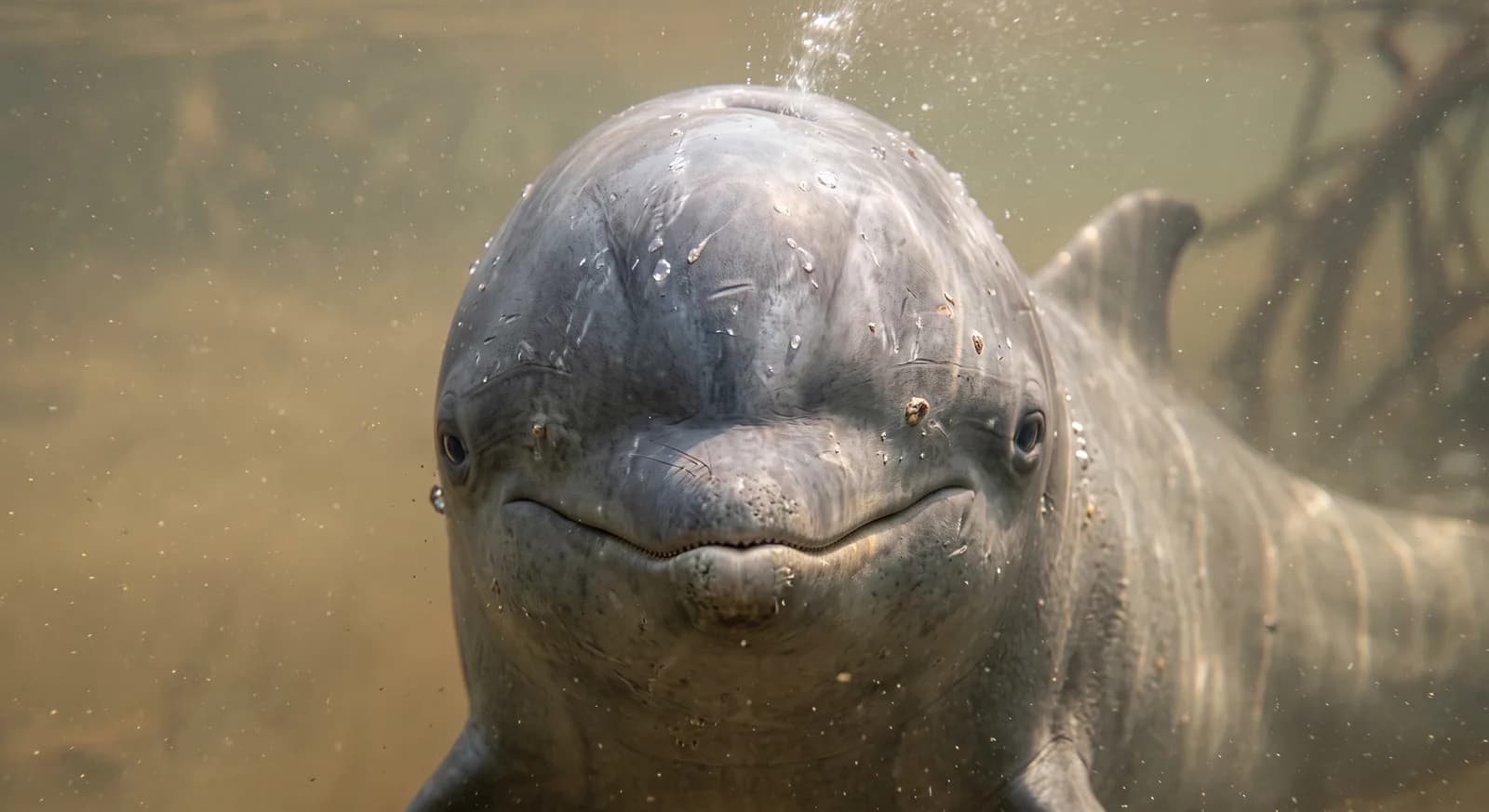
Irrawaddy Dolphin
Orcaella brevirostris
Spinner Dolphin
Stenella longirostris
 Least Concern
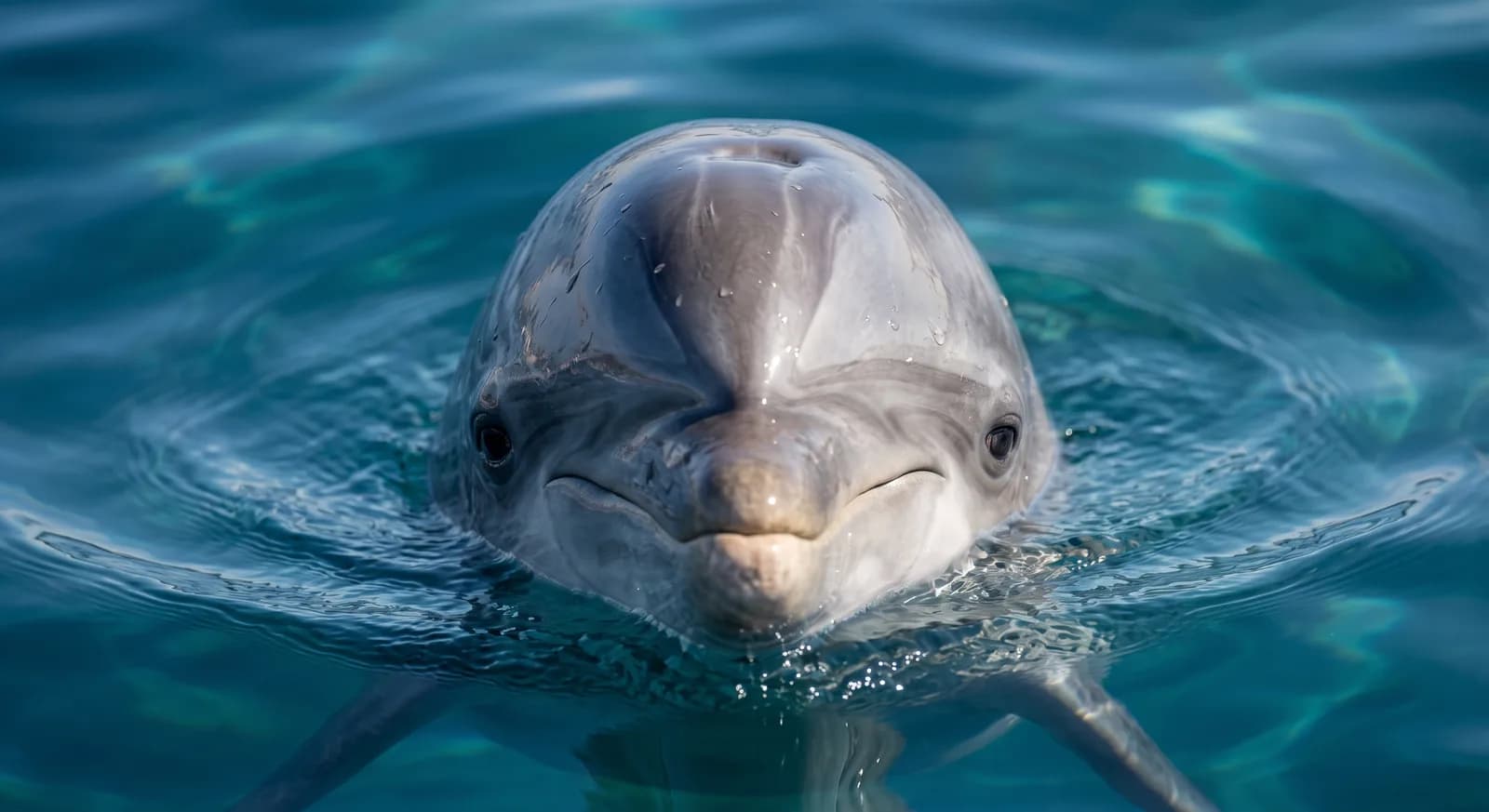
Bottlenose Dolphin
Tursiops truncatus
 Vulnerable
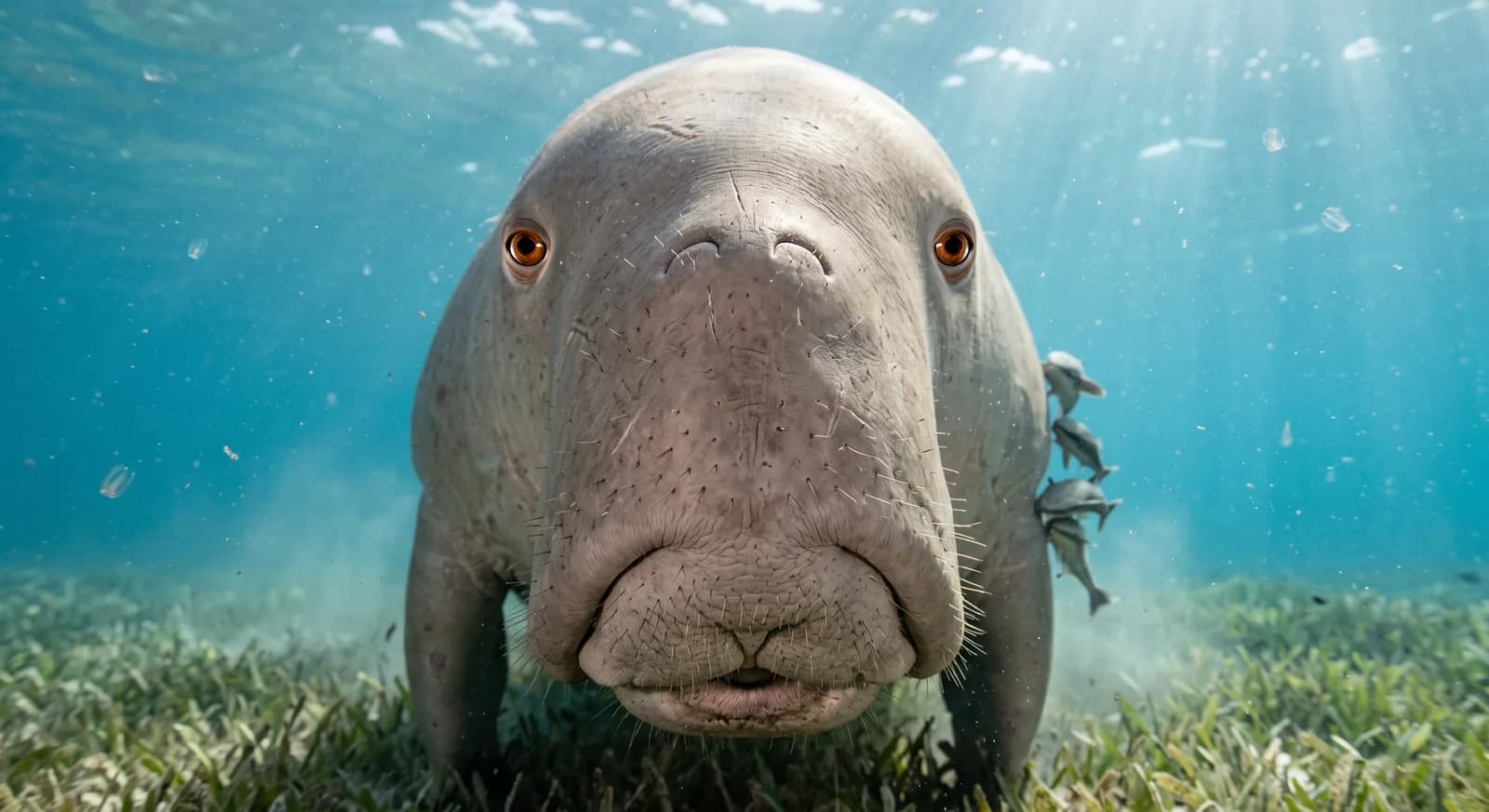
Dugong
Dugong dugon
Blacktip Reef Shark
Carcharhinus melanopterus
Spotted Seahorse
Hippocampus kuda
How to help
The indo-pacific humpback dolphin is classified as vulnerable. Organizations such as UICN, WWF y Wildlife Conservation Society work specifically on its conservation and that of its habitat; looking into their programs is a good starting point if you want to get involved.
It's documented in 6 real protected areas — part of why protecting these places matters for its conservation.
Keep exploring
Based on what we already know about indo-pacific humpback dolphin.
Comments
Share an experience, a fun fact or a tip for seeing the indo-pacific humpback dolphin.
Be the first to comment.