Australia
Oceanía
Australia has been isolated from the other landmasses for some fifty million years, and that solitude has produced a fauna like nowhere else: marsupials here fill the roles that placental mammals play on other continents, and the world's only egg-laying mammals still survive. The interior is dominated by red deserts and spinifex scrub, the tropical north by savannahs and mangroves flooded by the monsoon, the southeast by eucalypt forests and the southwest by a hotspot of plant diversity. Off the northeast coast, the Great Barrier Reef stretches more than two thousand kilometres and is the largest structure built by living creatures on the planet.
The nature of Australia
National animal: The red kangaroo, the national animal, and the emu, both on the country's coat of arms
Did you know?
The platypus so baffled European naturalists that the first specimens sent to London were dismissed as a hand-stitched hoax. It is a mammal that lays eggs, feeds its young by sweating milk through the skin, carries a venomous spur on the males' hind legs, and hunts with eyes, ears and nostrils shut, detecting the electric fields generated by its prey's muscles through receptors spread across its bill.
Biodiversity profile
Climate
- •Tropical monzonico (N)
- •Sabana tropical (N/NE)
- •Desertico arido y semiarido (centro-oeste)
- •Subtropical humedo (E costa)
- •Mediterraneo (SO/S)
- •Oceanico templado (Tasmania/SE)
Main biomes
- •Sabana tropical (norte)
- •Desierto y semidesierto (Outback, ~35% del territorio)
- •Bosque esclerofilo templado (SE)
- •Bosque tropical (Queensland NE)
- •Pastizales de spinifex (centro)
- •Matorral mediterraneo (SO)
- •Arrecife de coral
- •Desierto rojo de spinifex
- •Bosque de eucaliptos
- •Sabana tropical del norte
- •Matorral mediterráneo del suroeste
- •Selva lluviosa de Queensland
- •Manglar y llanura mareal
Marine and coastal ecosystems
- •Gran Barrera de Coral (NE)
- •Arrecifes de Ningaloo (O)
- •Praderas de posidonia (S)
- •Manglares tropicales (N)
Flagship wildlife
- •Canguro rojo
- •Koala
- •Ornitorrinco
- •Diablo de Tasmania
- •Emu
- •Wombat
- •Equidna
- •Cocodrilo de estuario
- •Dingo
- •Demonio de Tasmania
- •Equidna de hocico corto
- •Casuario austral
- •Tiburón ballena
- •Ualabí
Notable endemic species
- •Ornitorrinco (Ornithorhynchus anatinus)
- •Equidna de hocico corto
- •Numbat
- •Bilby mayor
- •Casuario meridional
- •Koala
- •Demonio de Tasmania
- •Ave lira soberbia
Notable threatened species
- •Diablo de Tasmania (En Peligro)
- •Koala (Vulnerable, poblaciones en declive)
- •Posum pigmeo de montana (En Peligro Critico)
- •Wombat de nariz peluda del norte (En Peligro Critico)
Notable protected areas
- •Parque Nacional Kakadu
- •Gran Barrera de Coral (Patrimonio Mundial)
- •Parque Nacional Uluru-Kata Tjuta
- •Tropicos Humedos de Queensland
- •Parque Nacional de Kakadu
- •Selva de Daintree
- •Parque Nacional de Uluru-Kata Tjuta
- •Costa de Ningaloo
- •Bahía Shark
Main conservation threats
- •Mayor tasa mundial de extincion de mamiferos en los ultimos 200 años
- •Mas de 1.900 especies y comunidades ecologicas amenazadas
- •Incendios forestales extremos
- •Especies invasoras (gatos y zorros ferales)
- •Cambio climatico y blanqueamiento coralino
- •Perdida y fragmentacion de habitat
Notable natural phenomena
- •Blanqueamiento masivo periodico de corales en la Gran Barrera
- •Floraciones deserticas tras lluvias en el Outback
Conservation
Since the 1990s the Tasmanian devil has suffered a transmissible facial cancer, one of the very few contagious tumours known, which has decimated the species and forced the creation of insurance populations on disease-free islands. Mass coral bleaching events have hit the Great Barrier Reef with growing frequency.
Where and when to watch wildlife
Ningaloo between March and July for whale sharks. Kakadu in the dry season, from May to September, for waterbirds and crocodiles. Tasmania at dusk for devils and wallabies.
Datos de % protegido varian segun la fuente (DCCEEW vs otras); usar como referencia aproximada, no exacta.
Sources: DCCEEW (dcceew.gov.au) - State of the Environment 2021 | CSIRO Climate Adaptation | Wikipedia - Eastern Australian temperate forests | BioDB.com
Natural phenomena in Australia
- Migración de cangrejos rojos en Isla Christmas — Octubre a enero (desove nov-dic)
- Migración de tiburón ballena en Ningaloo Reef — Marzo a agosto (pico abril-junio)
- Desove masivo de coral en la Gran Barrera — Octubre a diciembre (según la luna llena)
Parks and reserves
Uluru-Kata Tjuta
The most famous sandstone monolith in the world, returned to its Anangu owners in 1985; climbing Uluru was banned in 2019
View parkNational ParkCoorong
Immortalised in the Australian novel and film Storm Boy; a 140 km coastal lagoon behind a dune barrier
View parkNational ParkKakadu
One of the few places in the world with a dual UNESCO listing for natural and cultural value; Aboriginal rock art over 20,000 years old
View parkWorld Heritage Site (Natural)Bahía Shark
One of the few places in the world inscribed under all four natural criteria, with living stromatolites and the largest seagrass meadow on the planet.
View parkNational ParkBarrington Tops
One of the last remnants of ancient temperate forest from Australian Gondwana, with Nothofagus trees over 400 years old
View parkNational ParkBlue Mountains
Named for the bluish haze its eucalypt forests give off, from the volatile oils they release
View parkNational ParkBorder Ranges
It protects the eroded remains of a 23-million-year-old shield volcano, one of the largest ever to have existed on the Australian continent
View parkWorld Heritage Site (Natural)Costa de Ningaloo
Australia's largest fringing reef, where the largest known aggregation of whale sharks gathers every year.
View parkNational ParkCradle Mountain-Lake St Clair
Tasmania's most iconic landscape, with Dove Lake below Cradle Mountain and Australia's deepest natural lake.
View parkNational ParkDaintree
Reckoned the oldest continuous rainforest in the world, with more than 180 million years of unbroken history
View parkDiving and snorkelling
Agincourt Reefs
A group of ribbon reefs on the outer edge, close to the continental shelf, which gives them excellent visibility. The Caves is one of its sites, with small and highly photogenic caverns.
View dive siteReefCod Hole
A site celebrated for close encounters with enormous potato cod, at the northern end of the Great Barrier Reef.
View dive sitePlatform reefFlynn Reef
An outer reef with individual coral bommies ringed by sand, popular for both macro and wide-angle photography.
View dive siteCoral reefHeron Island
A coral cay in the southern section of the Great Barrier Reef, with a research station of its own. 3 Rocks is one of its classic drift sites.
View dive siteCoral reefLady Elliot Island
An eco-resort reef island at the southern tip of the Great Barrier Reef; high densities of manta rays and turtles.
View dive siteCoastal reefNingaloo Reef
Australia's longest fringing reef, some 260 km, and one of the few great reefs in the world that literally hugs the land. The continental shelf is unusually narrow here, so that deep ocean water, the reef and the coast lie very close together: that concentrates an amount of marine life out of all proportion to the size of the place.
View dive sitePlatform reefNorman Reef
One of the most popular day-trip reefs from Cairns, with shallow coral gardens ideal for beginners.
View dive siteWreckSS Yongala
A 109 m passenger ship that sank during a cyclone in 1911. She is probably the most cited wreck in Australia and appears regularly in lists of the ten best dives in the world. Being exposed and subject to strong currents, she is reserved for experienced divers.
View dive siteCoral reefWhitsunday Islands (Bahía Chalkies)
An archipelago of 74 islands beside the Great Barrier Reef, with reefs reachable on day trips from Airlie Beach.
View dive siteOceanic swim-through caveFish Rock Cave (South West Rocks)
A tunnel some 120-125 m long running through Fish Rock from east to west: the only true ocean cave in Australia that is dived regularly. The shallow entrance lies at about 12 m and is a wide cavern with natural light and pink gorgonians; the deep one, at 24 m, is where the sharks gather. Around 80 m of the route lies outside the light zone, so a torch is essential, and there are blind side passages that demand attention.
View dive sitePaíses similares
¿A dónde más podría interesarme viajar?
Misma región: Oceanía
Misma región: Oceanía
Misma región: Oceanía
Misma región: Oceanía
Especies documentadas en Australia
385 species found
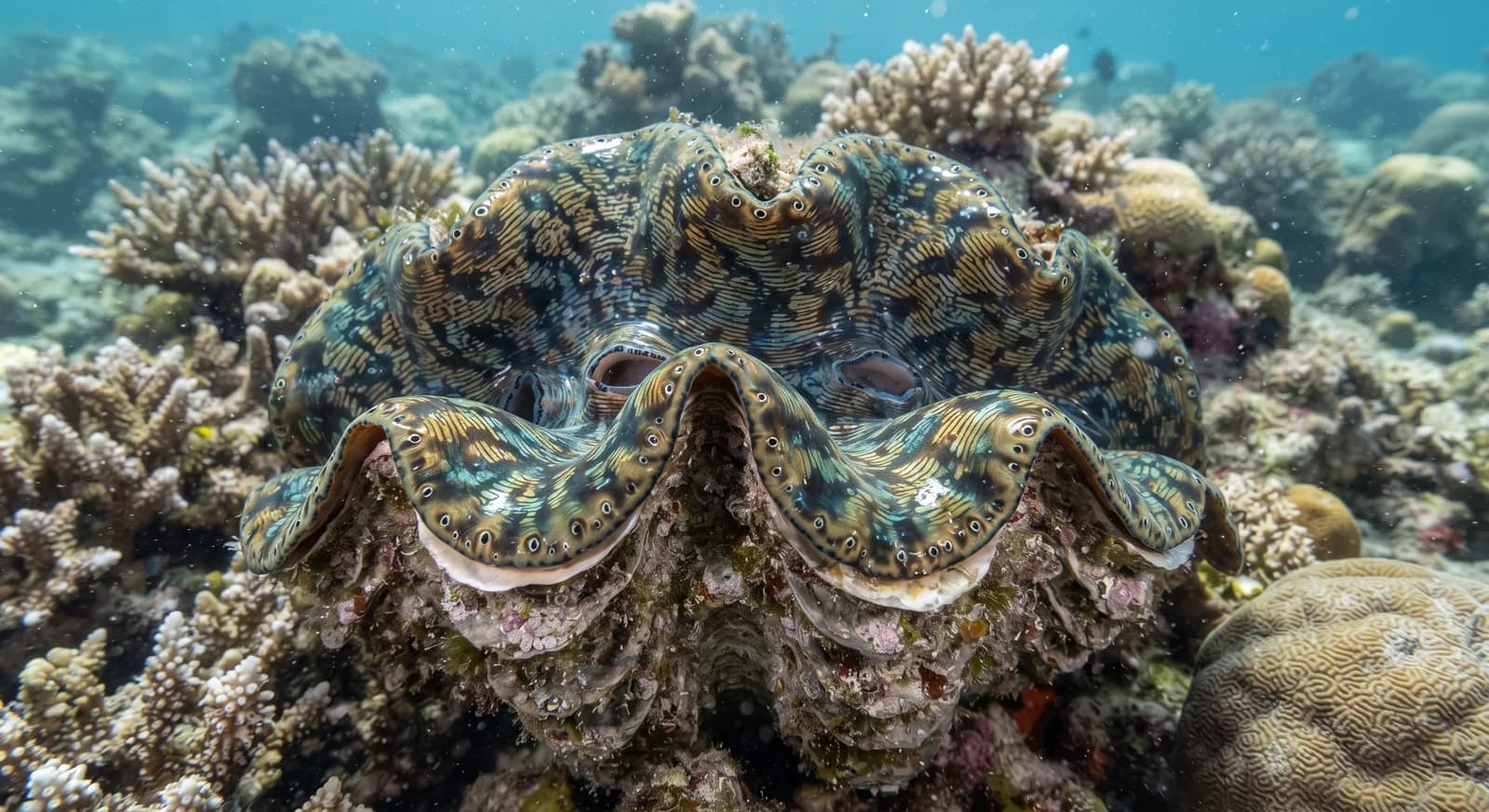 Critically Endangered
Giant Clam
Tridacna gigas
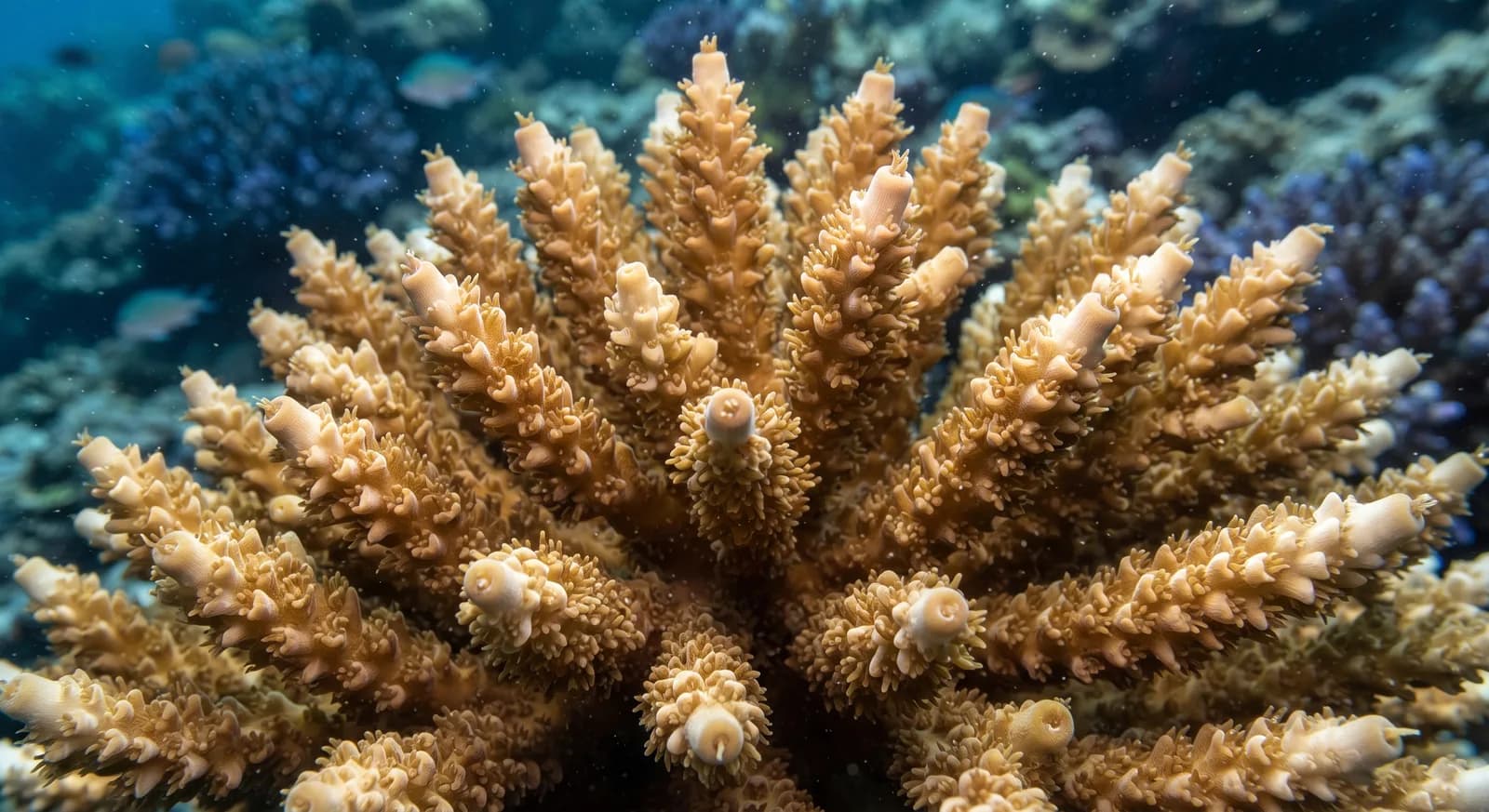 Critically Endangered
Staghorn Coral
Acropora cervicornis
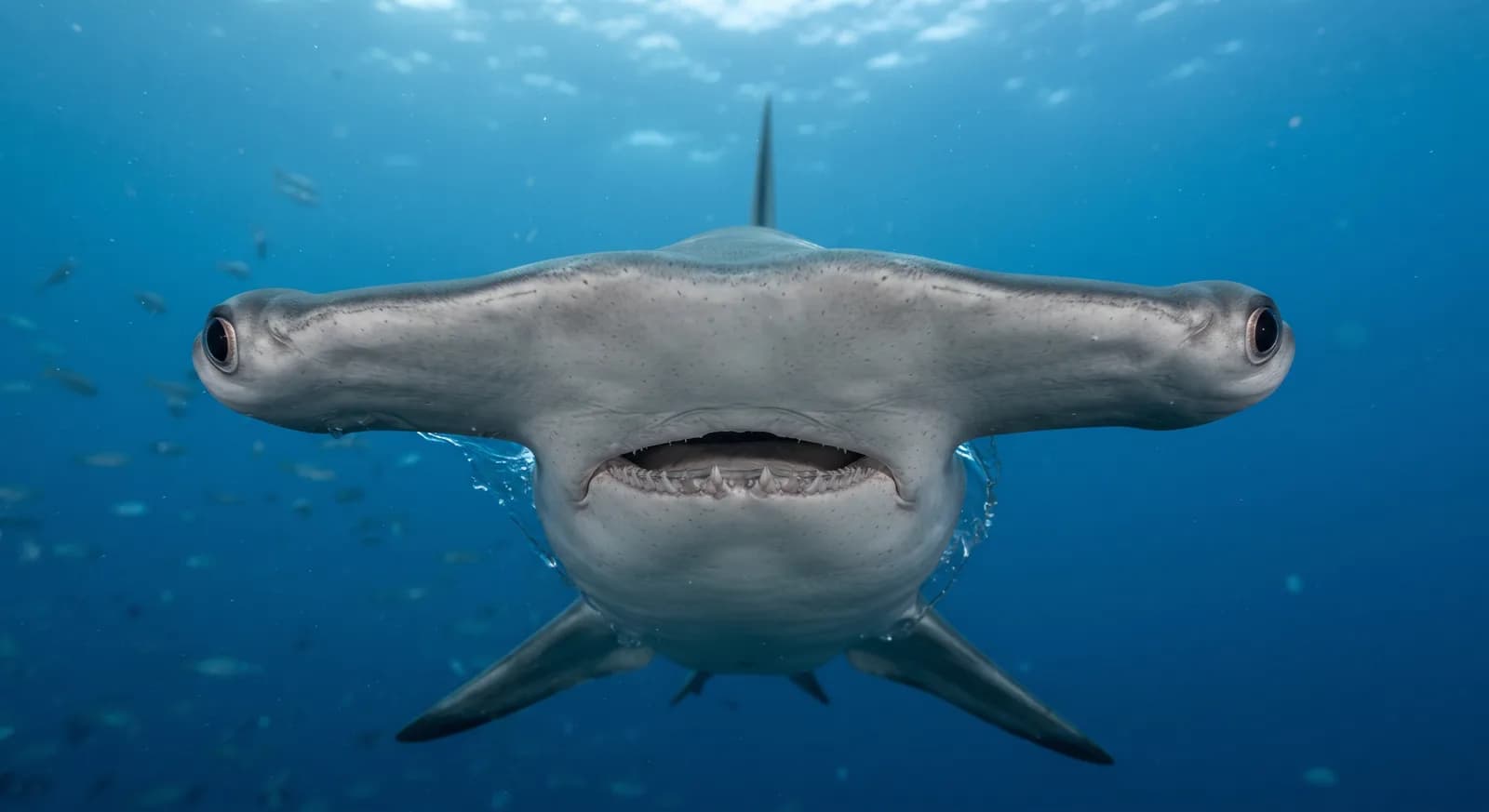 Critically Endangered
Great Hammerhead
Sphyrna mokarran
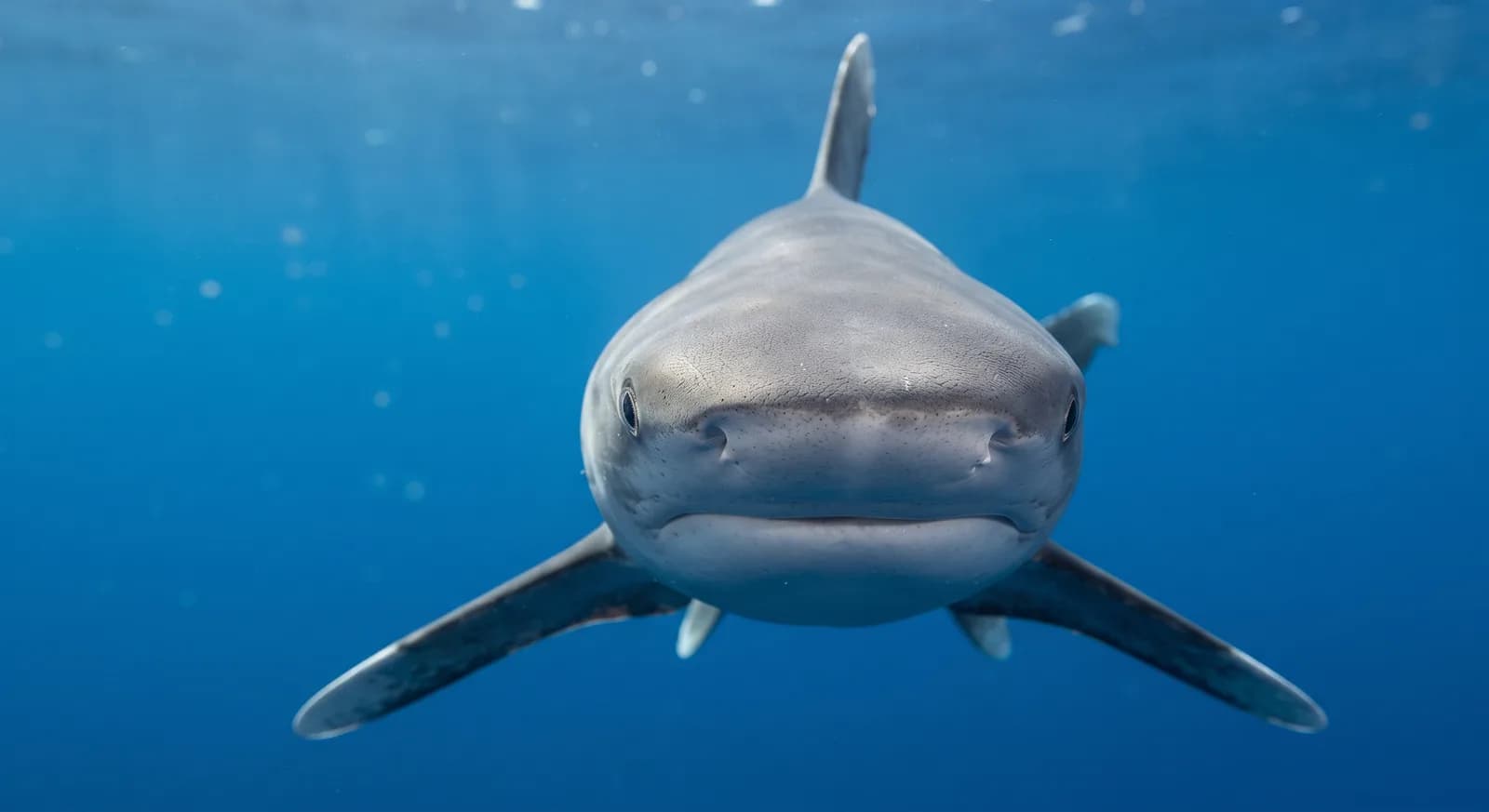 Critically Endangered
Oceanic Whitetip Shark
Carcharhinus longimanus
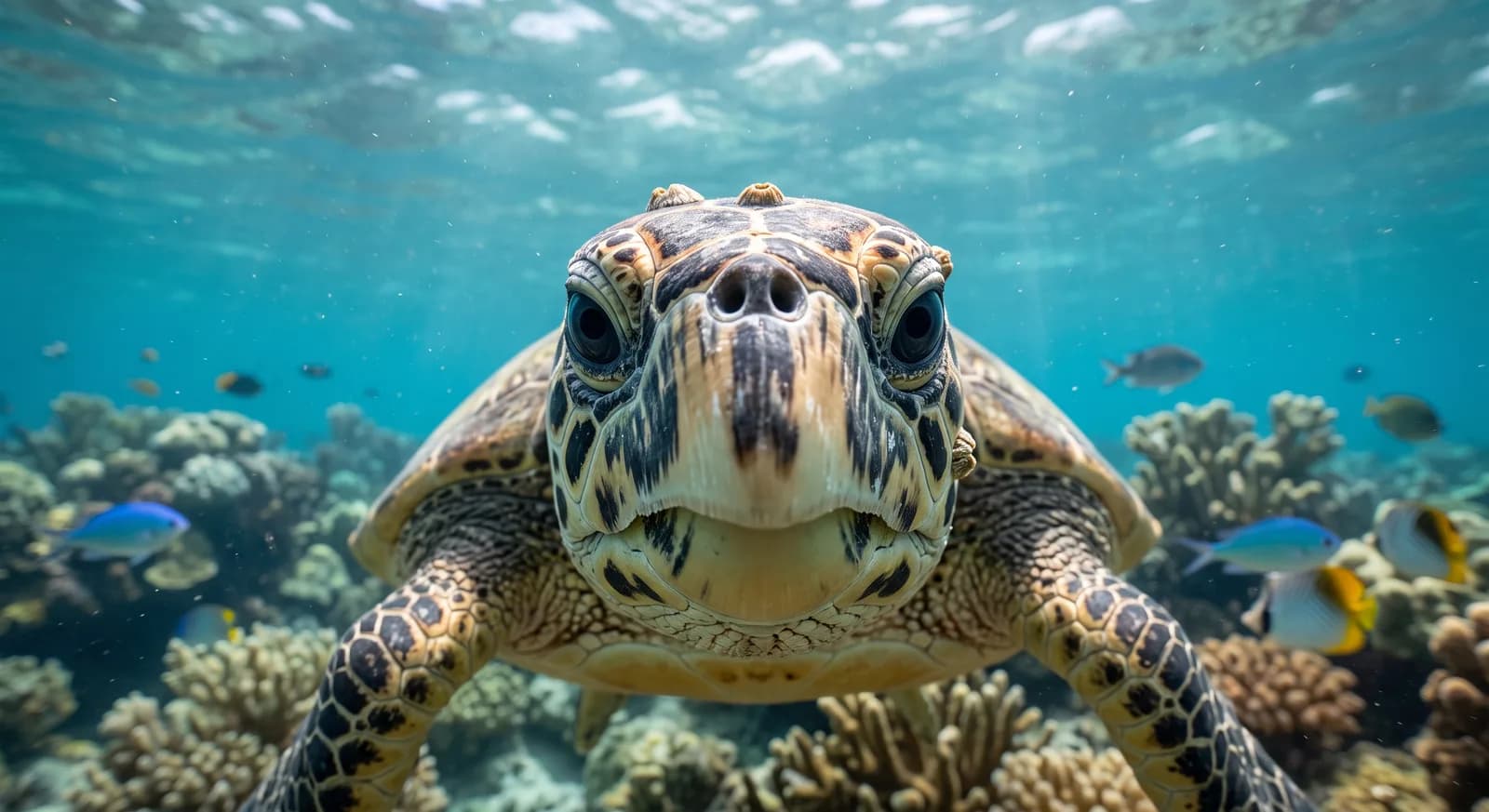 Critically Endangered
Hawksbill Turtle
Eretmochelys imbricata
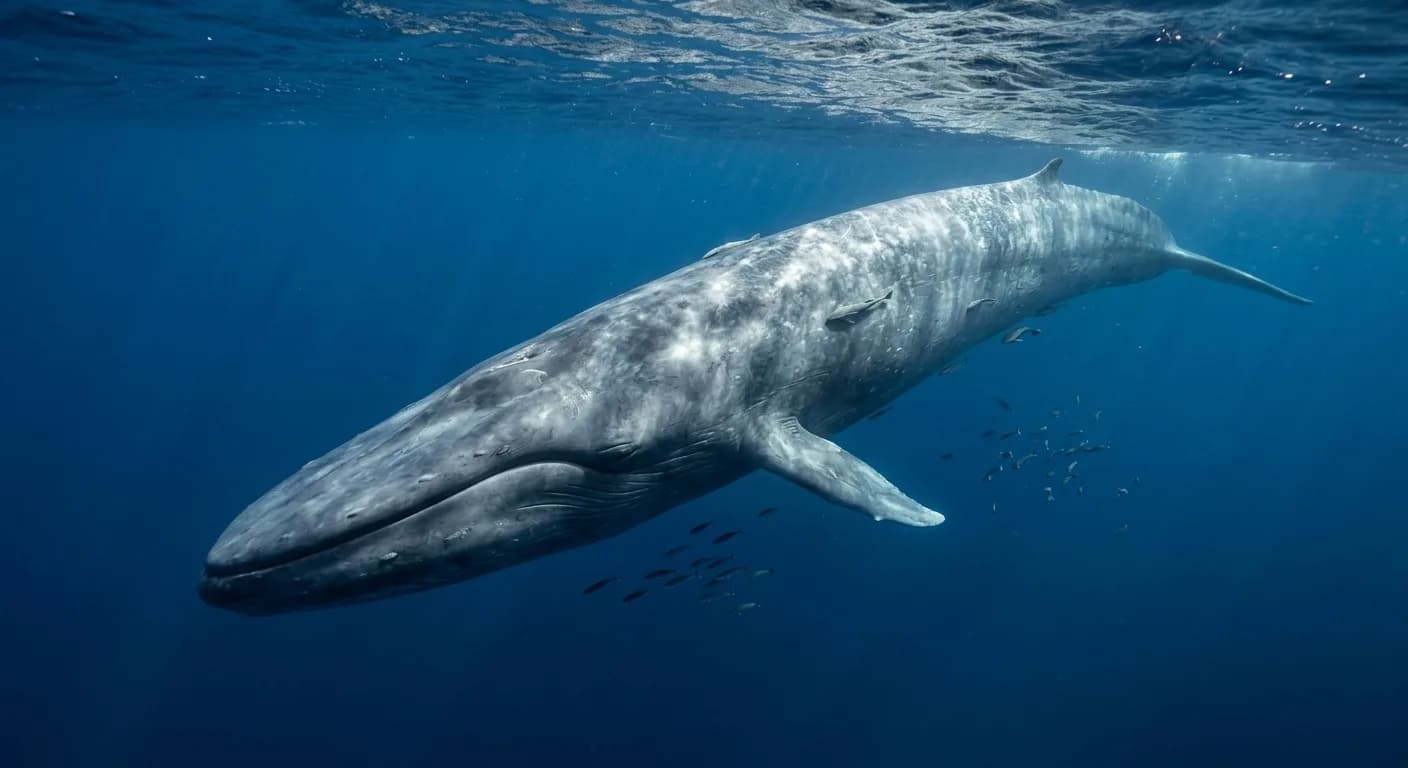 Endangered
Blue Whale
Balaenoptera musculus
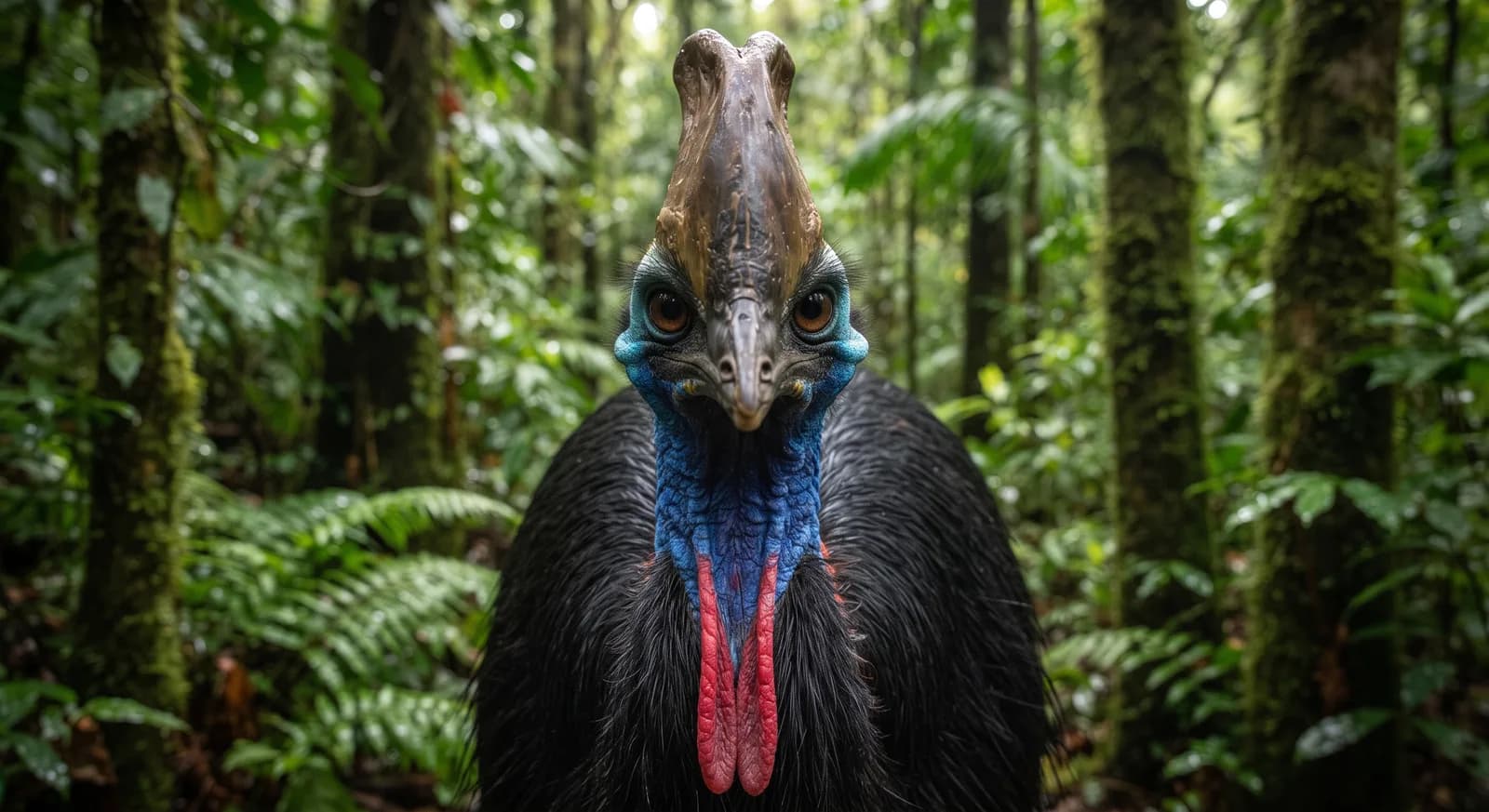 Endangered
Southern Cassowary
Casuarius casuarius
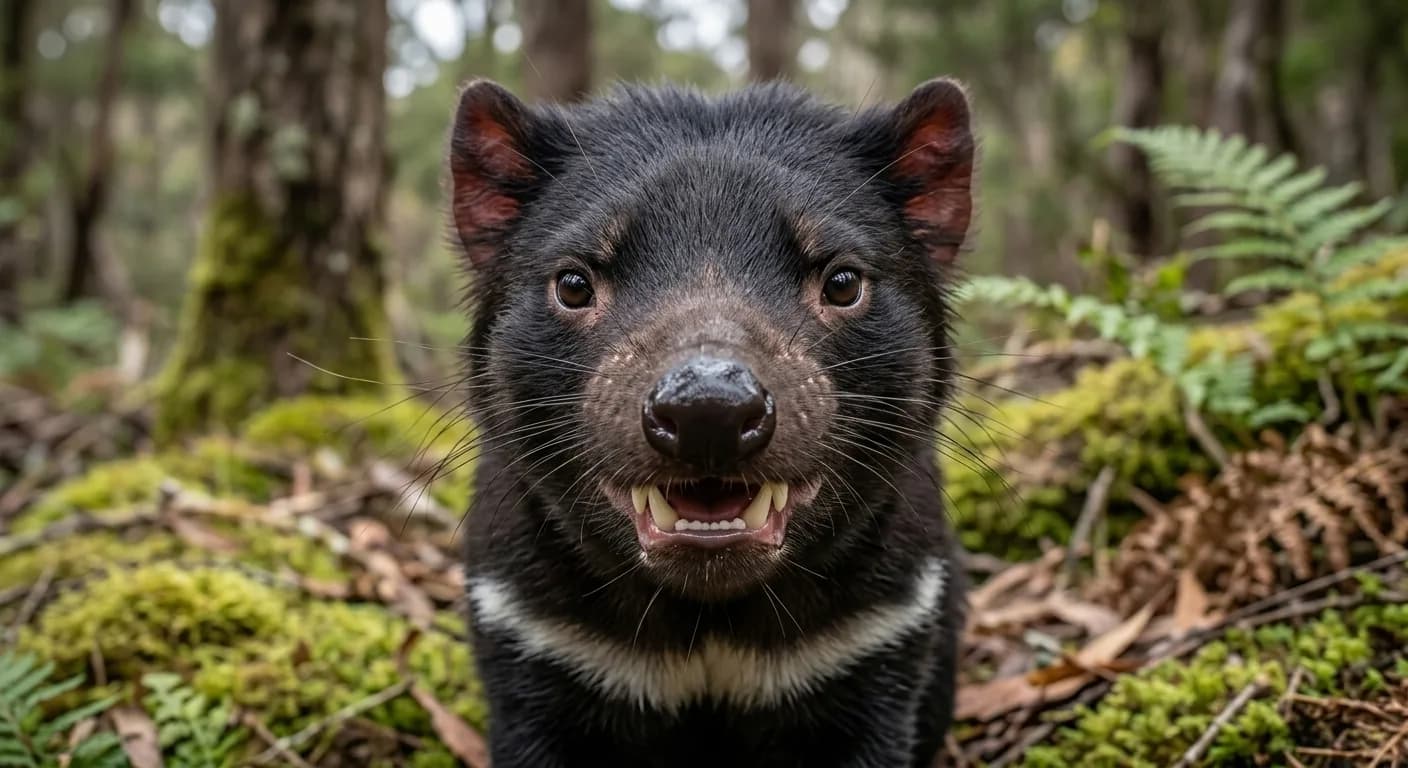 Endangered
Tasmanian Devil
Sarcophilus harrisii
 Endangered
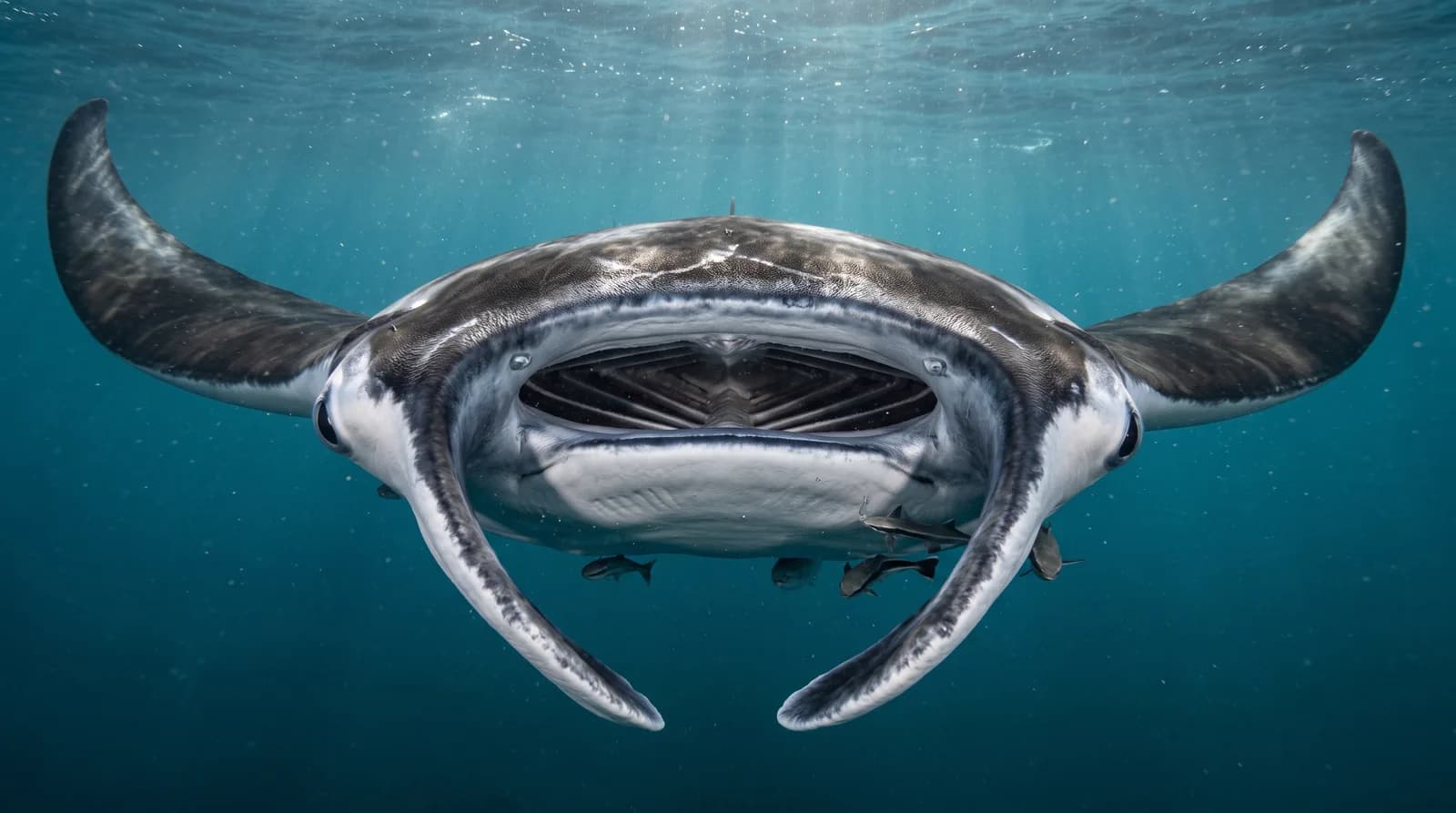
Giant Manta
Mobula birostris
 Endangered
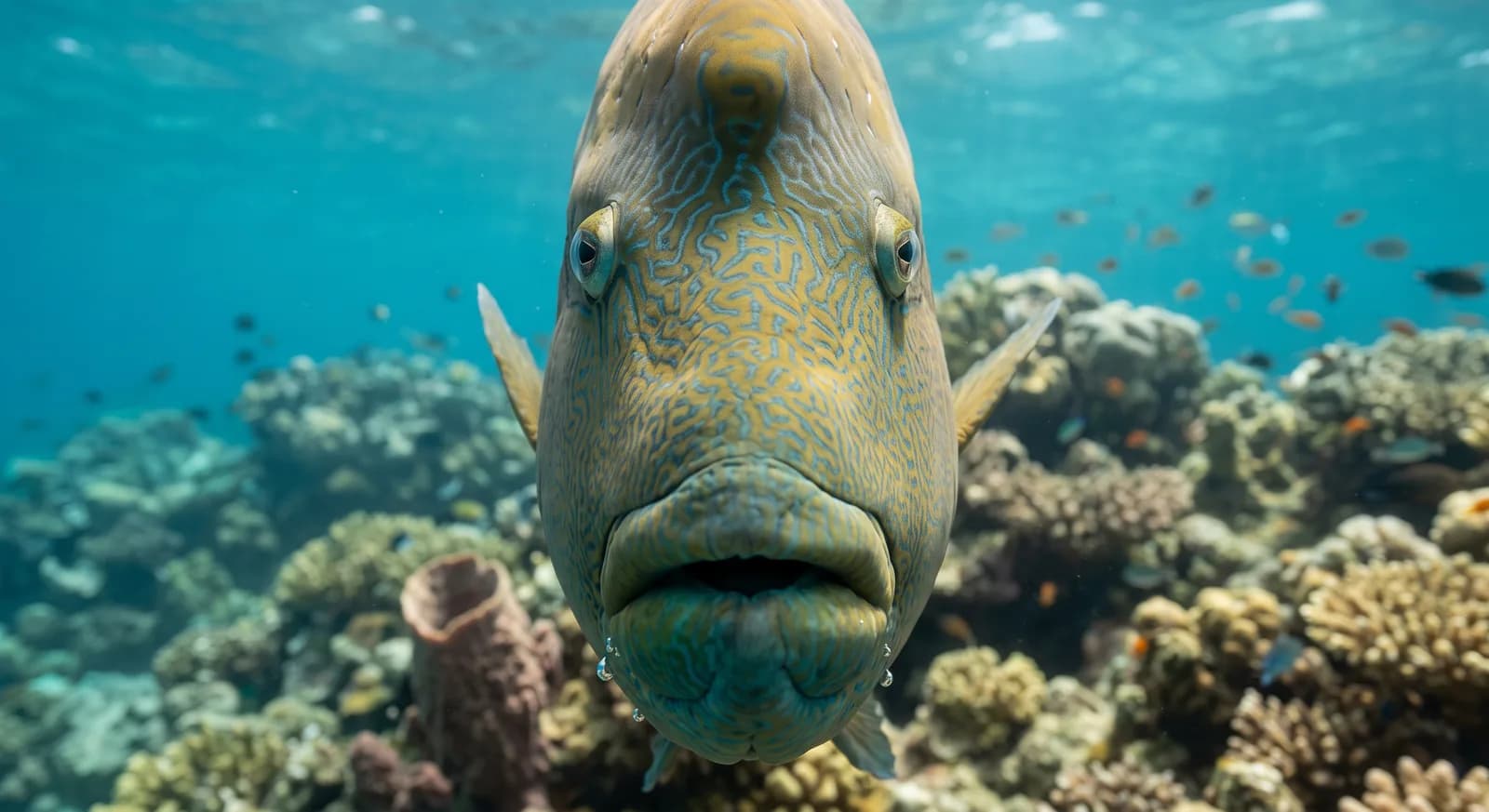
Humphead Wrasse
Cheilinus undulatus
 Endangered
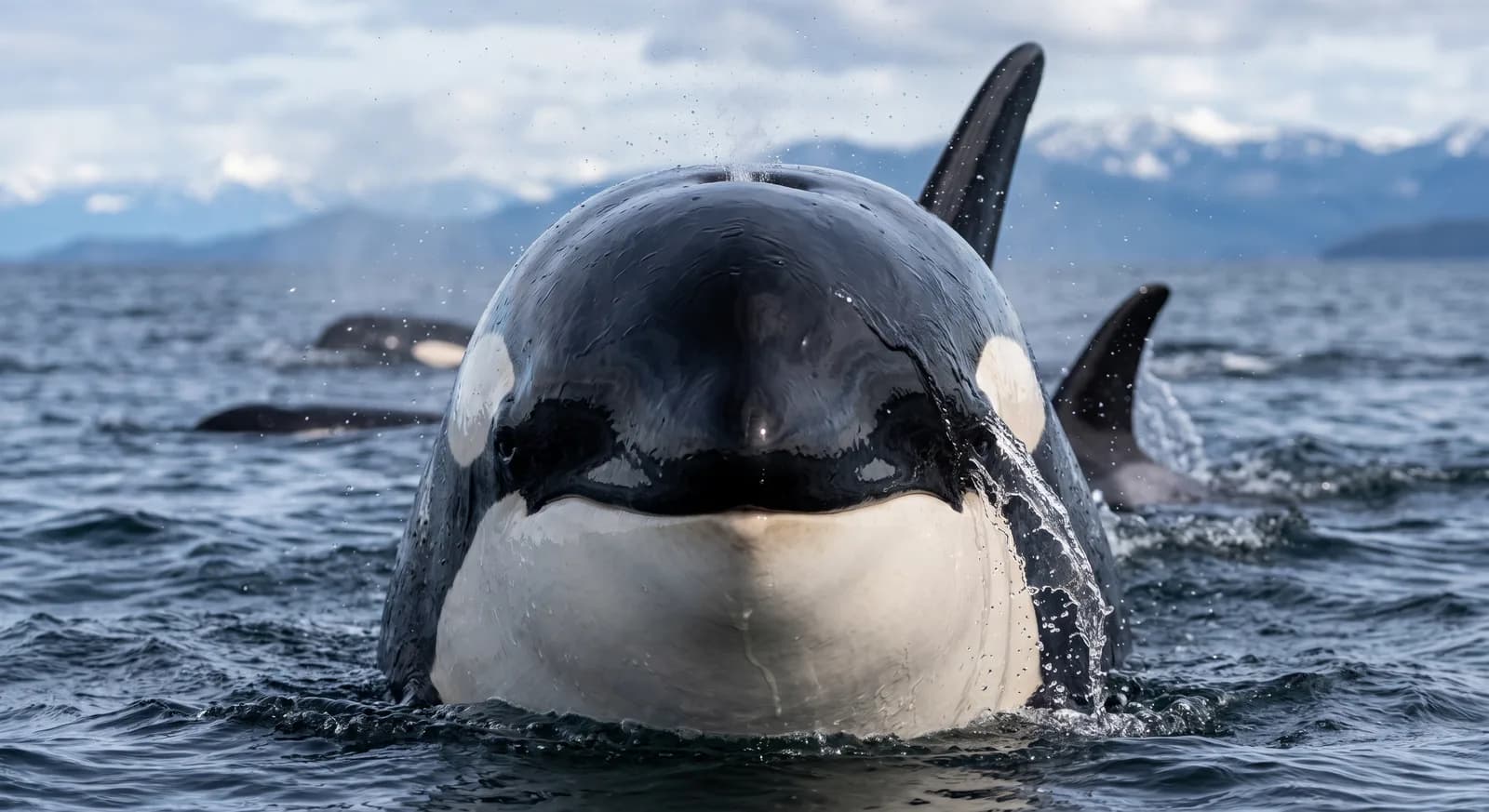
Killer Whale
Orcinus orca
 Endangered
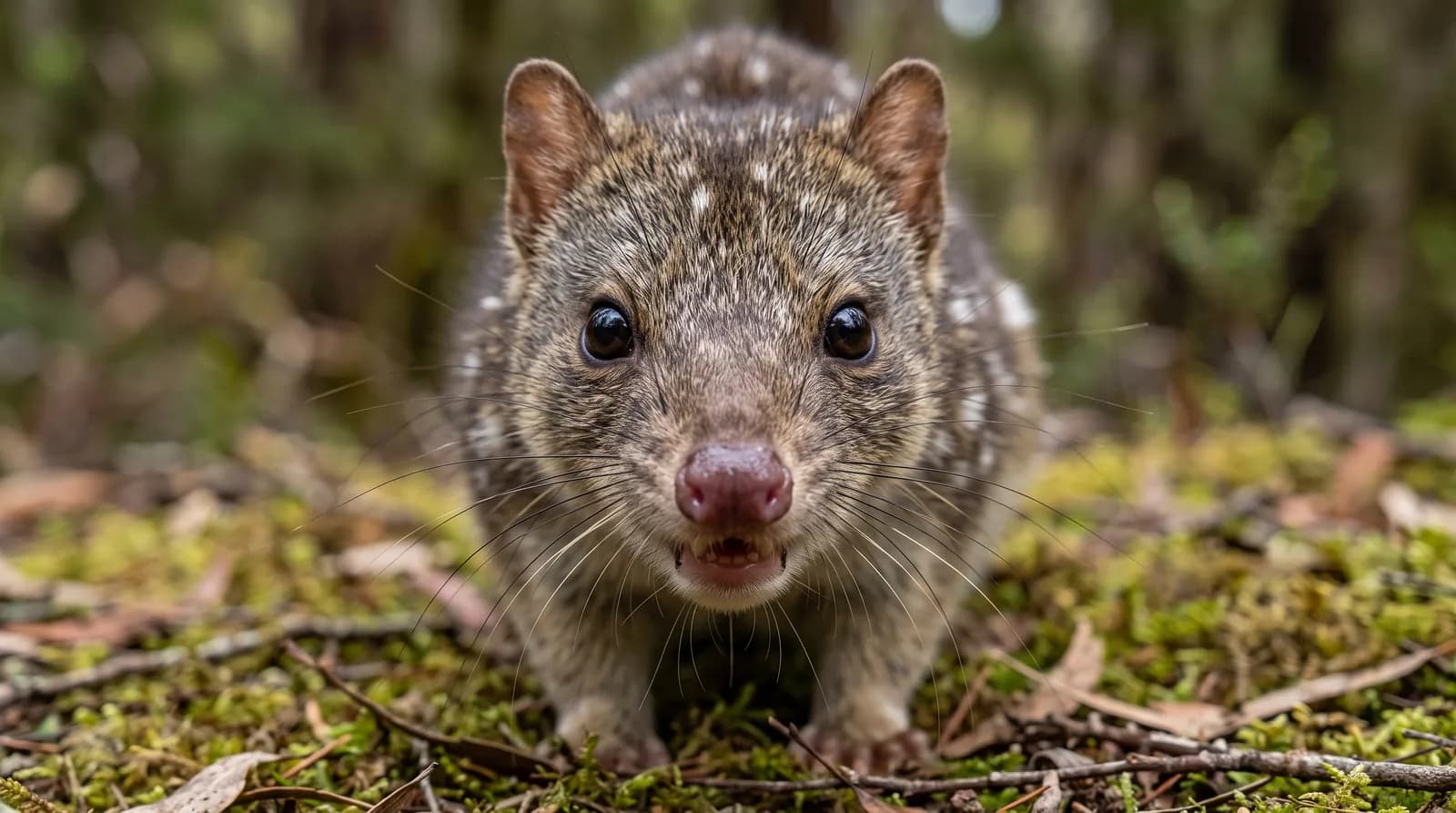
Eastern Quoll
Dasyurus viverrinus
Keep exploring
Based on what we already know about Australia.