Mammals · Carnivora · Canidae
Dingo
Canis lupus dingo
It faces a high risk of extinction in the wild over the medium term. See full glossary
The dingo is Australia's wild canid, which reached the continent some 3,500 to 4,000 years ago, probably with seafarers from South-East Asia. It is the country's largest land predator and plays a key part in regulating populations of kangaroos and of feral foxes and cats. It lives in family groups with a dominant breeding pair and breeds only once a year. Its main threat is not direct persecution but hybridisation with domestic dogs, which is diluting its gene pool.
Weight
13 kg – 20 kg
Size
85 cm – 1.2 m
Lifespan
10 years
Diet
Carnivore
Feeds mainly on other animals.
Activity
Nocturnal
Active mainly at night.
Sighting difficulty
Moderate
Fun facts
- GeneralIt reached Australia some 3,500 to 4,000 years ago; it does not bark like a dog but communicates by howling.
- comunicaciónUnlike domestic dogs it rarely barks, communicating mainly through howls and other calls closer to a wolf's.
- The Dingo Fence, put up to protect the sheep flocks of the south-east, runs for more than 5,600 kilometres and is one of the longest continuous structures ever built by people.
- Unlike the domestic dog it barely barks: it communicates mainly by howling, and comes into season only once a year instead of twice.
Life cycle & biology
- Skeleton type
- Vertebrate - internal bony skeleton (mammal)
- Habitat & environment
- Desert, savannah, open woodland and scrub
- Sexual maturity
- 22 months
- Gestation / incubation
- 63 days
- Litter / clutch size
- 5
Sources consulted: https://es.wikipedia.org/wiki/Canis_lupus_dingo
Where to watch it
Parques y spots de buceo donde se ha documentado esta especie — se muestran 10 de 11 documentados.
Related species
Other species in the catalogue with the most in common with Dingo — same habitat, park, country, tags or family.
Rufous Hare-wallaby
Lagorchestes hirsutus
Grey-headed Flying Fox
Pteropus poliocephalus
Western Gray Kangaroo
Macropus fuliginosus
 Least Concern
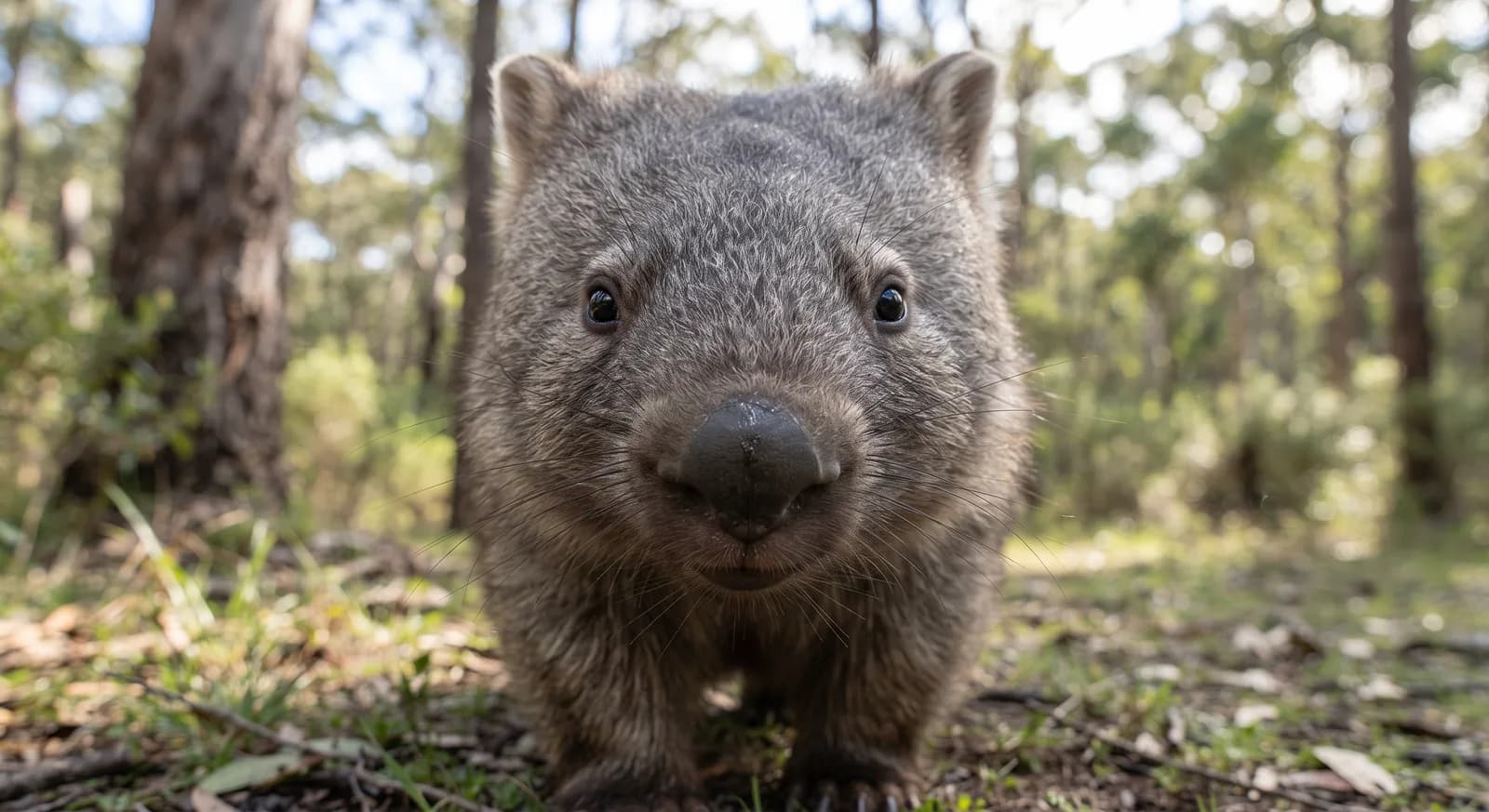
Bare-nosed Wombat
Vombatus ursinus
Red-necked Wallaby
Notamacropus rufogriseus
Common Death Adder
Acanthophis antarcticus
How to help
The dingo is classified as vulnerable. Organizations such as UICN, WWF y Wildlife Conservation Society work specifically on its conservation and that of its habitat; looking into their programs is a good starting point if you want to get involved.
It's documented in 9 real protected areas — part of why protecting these places matters for its conservation.
Keep exploring
Based on what we already know about dingo.
Comments
Share an experience, a fun fact or a tip for seeing the dingo.
Be the first to comment.