One of the 8 flying foxes on WAnimals
Mammals · Chiroptera · Pteropodidae
Grey-headed Flying Fox
Pteropus poliocephalus
It faces a high risk of extinction in the wild over the medium term. See full glossary
The grey-headed flying fox is the largest bat in Australia, with a wingspan of more than a metre. It is endemic to the eastern strip of the continent and forms daytime colonies of thousands of individuals in trees, increasingly often inside cities such as Sydney and Melbourne. At night it travels tens of kilometres feeding on nectar and fruit, and it is a key pollinator and seed disperser of the eucalypts and the Australian subtropical rainforests. Extreme heatwaves cause mass die-offs.
Weight
600 g – 1 kg
Size
23 cm – 29 cm
Lifespan
15 years
Diet
Herbivore
Feeds mainly on plants.
Activity
Nocturnal
Active mainly at night.
Social structure
Colony
Lives in large concentrations, often for breeding reasons.
Sighting difficulty
Moderate
Fun facts
- It is an essential pollinator: as it feeds on the nectar of eucalypts and banksias it carries pollen tens of kilometres, far further than any insect, which keeps isolated fragments of forest connected.
- Heatwaves kill it in their thousands: when the thermometer passes 42 degrees, whole colonies drop out of the trees within a few hours, something that is happening more and more often.
Life cycle & biology
- Skeleton type
- Vertebrate - internal bony skeleton (mammal)
- Habitat & environment
- Eucalypt woodland, subtropical rainforest and urban trees of eastern Australia
- Sexual maturity
- 17.7 months
- Gestation / incubation
- 6.2 months
- Litter / clutch size
- 1
Sources consulted: https://www.iucnredlist.org/ | https://animaldiversity.org/ | https://es.wikipedia.org/
Where to watch it
Parques y spots de buceo donde se ha documentado esta especie — se muestran 10 de 14 documentados.
Related species
Other species in the catalogue with the most in common with Grey-headed Flying Fox — same habitat, park, country, tags or family.
Black Flying Fox
Pteropus alecto
Spectacled Flying Fox
Pteropus conspicillatus
 Vulnerable
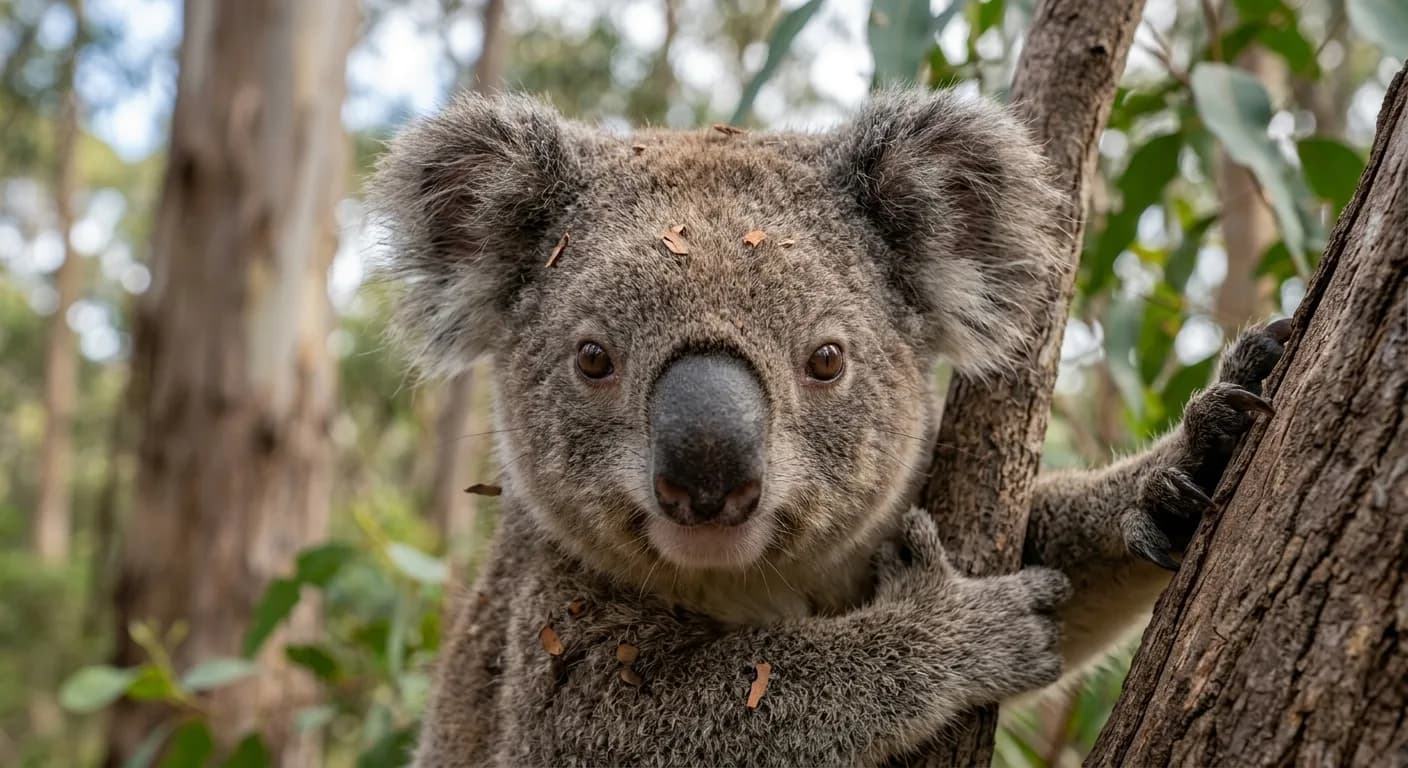
Koala
Phascolarctos cinereus
Brush-tailed Rock Wallaby
Petrogale penicillata
Dingo
Canis lupus dingo
 Near Threatened
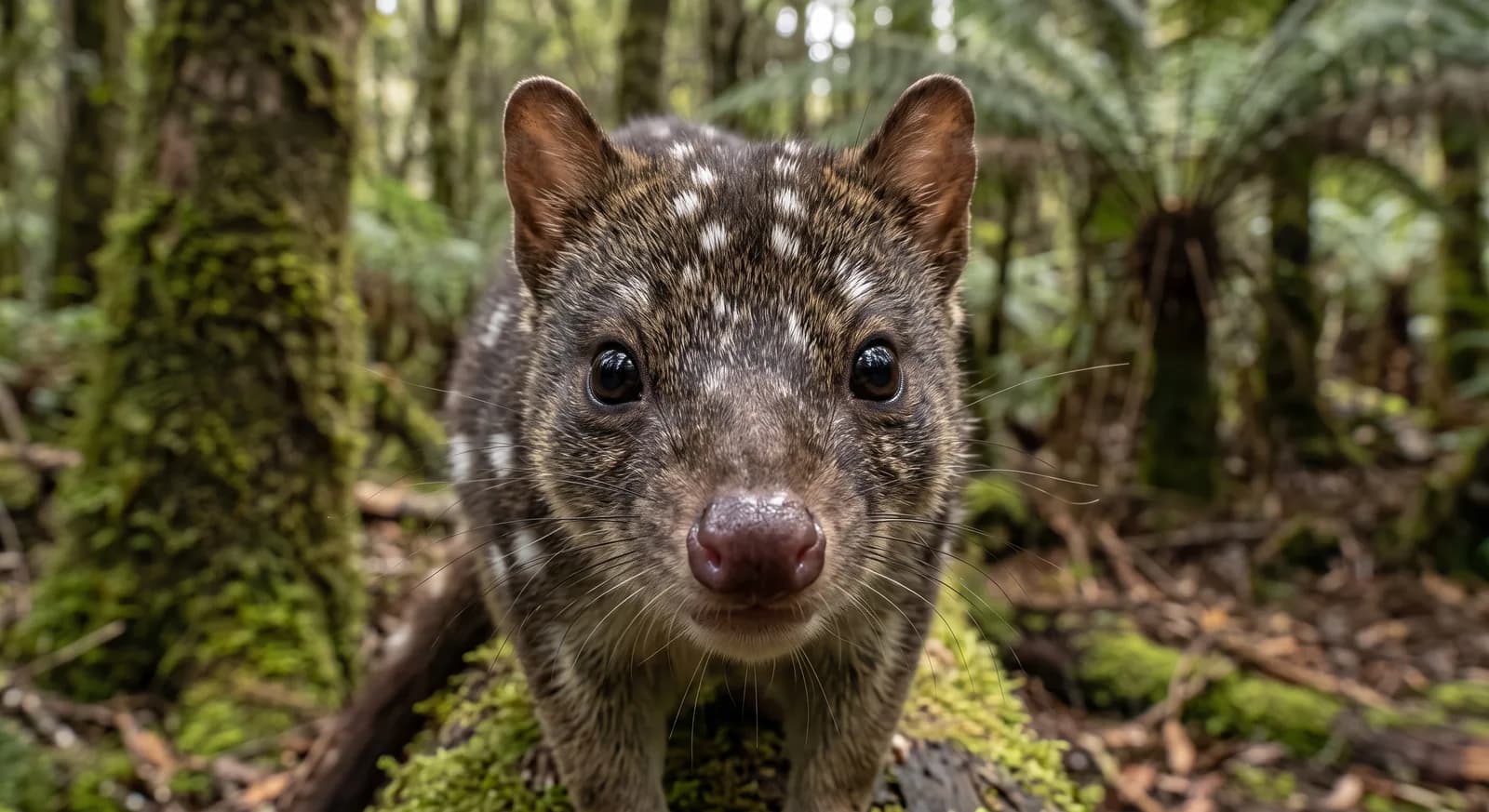
Spotted-tailed Quoll
Dasyurus maculatus
How to help
The grey-headed flying fox is classified as vulnerable. Organizations such as UICN, WWF y Wildlife Conservation Society work specifically on its conservation and that of its habitat; looking into their programs is a good starting point if you want to get involved.
It's documented in 10 real protected areas — part of why protecting these places matters for its conservation.
Keep exploring
Based on what we already know about grey-headed flying fox.
Comments
Share an experience, a fun fact or a tip for seeing the grey-headed flying fox.
Be the first to comment.