Mammals · Peramelemorphia · Thylacomyidae
Bilby
Macrotis lagotis
It faces a high risk of extinction in the wild over the medium term. See full glossary
The greater bilby is a burrowing marsupial with enormous ears, a long snout and a two-toned tail tipped with a white crest. It is the last survivor of its family: the lesser bilby became extinct in the mid-twentieth century. It once occupied 70% of Australia and today survives across barely 20%, driven back by foxes, feral cats and rabbits. It digs spiral burrows up to three metres long and is an ecosystem engineer: its tunnels and its feeding pits shelter dozens of other species.
Weight
1.5 kg – 3 kg
Size
29 cm – 55 cm
Lifespan
7 years
Diet
Omnivore
Combines animal and plant food depending on availability.
Activity
Nocturnal
Active mainly at night.
Social structure
Solitary
Lives and hunts alone, joining others only to breed.
Sighting difficulty
Moderate
Fun facts
- anatomíaIts outsized ears both pick up predators and shed body heat in the arid Australian interior.
- It has one of the shortest gestations of any mammal, barely two weeks: the young is born the size of a bean and finishes developing in the pouch.
- Its pouch opens backwards so that it does not fill with soil while digging, a solution shared by other burrowing marsupials such as the wombats.
Life cycle & biology
- Skeleton type
- Vertebrate - internal bony skeleton (mammal)
- Habitat & environment
- Sandy deserts, acacia scrub and spinifex grassland of the Australian interior
- Sexual maturity
- 4.9 months
- Gestation / incubation
- 17 days
- Litter / clutch size
- 2
Sources consulted: https://es.wikipedia.org/wiki/Macrotis_lagotis
Related species
Other species in the catalogue with the most in common with Bilby — same habitat, park, country, tags or family.
Rufous Hare-wallaby
Lagorchestes hirsutus
Bridled Nailtail Wallaby
Onychogalea fraenata
Dingo
Canis lupus dingo
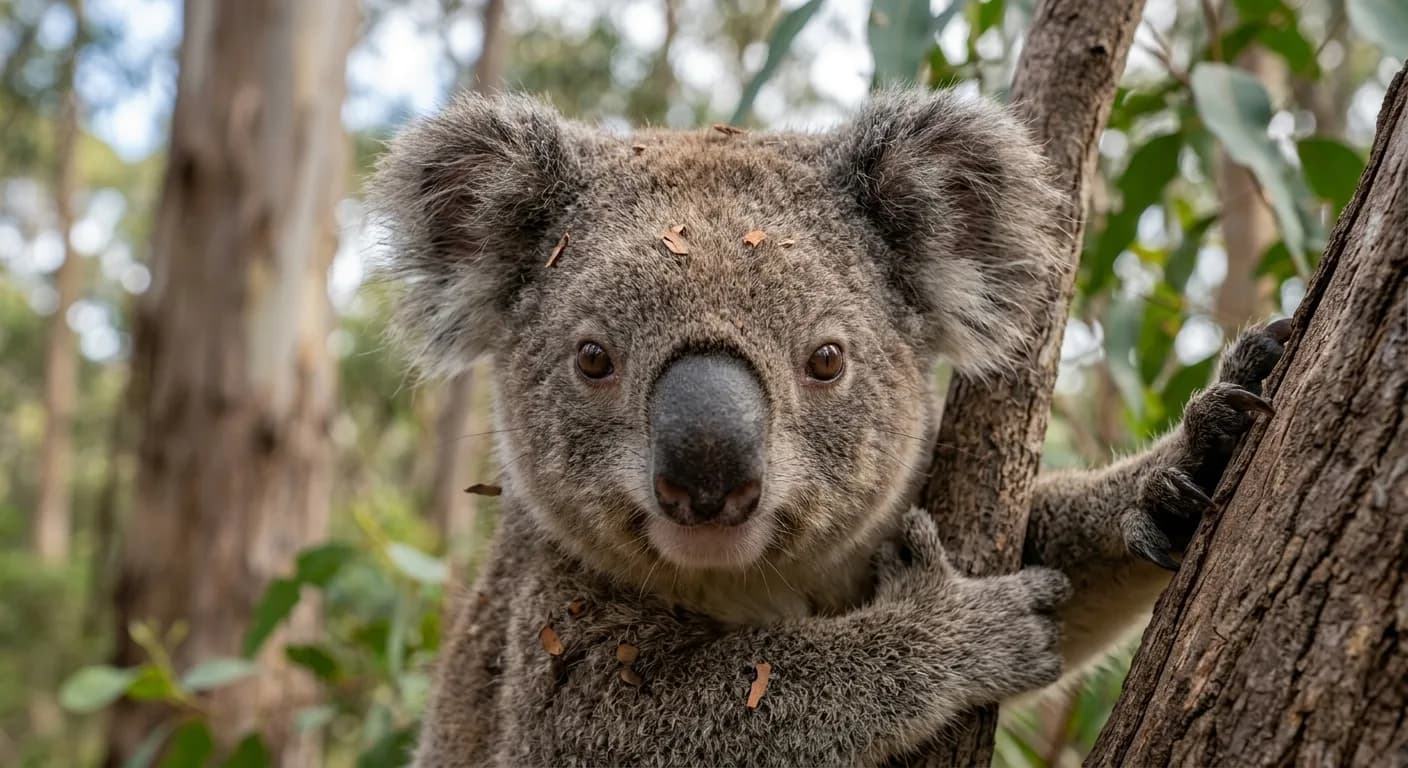 Vulnerable
Koala
Phascolarctos cinereus
Western Gray Kangaroo
Macropus fuliginosus
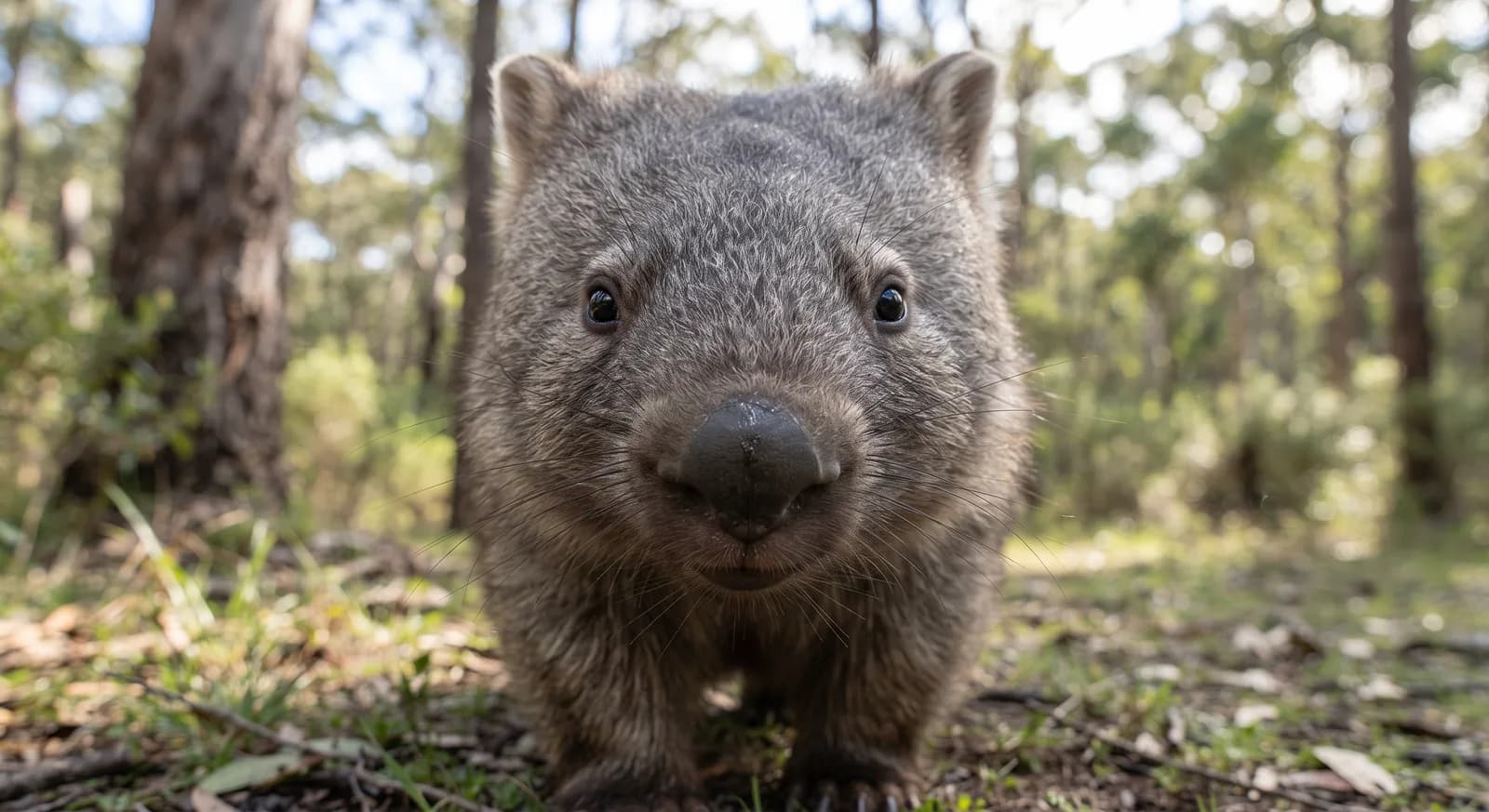 Least Concern
Bare-nosed Wombat
Vombatus ursinus
How to help
The bilby is classified as vulnerable. Organizations such as UICN, WWF y Wildlife Conservation Society work specifically on its conservation and that of its habitat; looking into their programs is a good starting point if you want to get involved.
Keep exploring
Based on what we already know about bilby.
Comments
Share an experience, a fun fact or a tip for seeing the bilby.
Be the first to comment.