One of the 2 manta rays on WAnimals
Cartilaginous fish · Myliobatiformes · Mobulidae
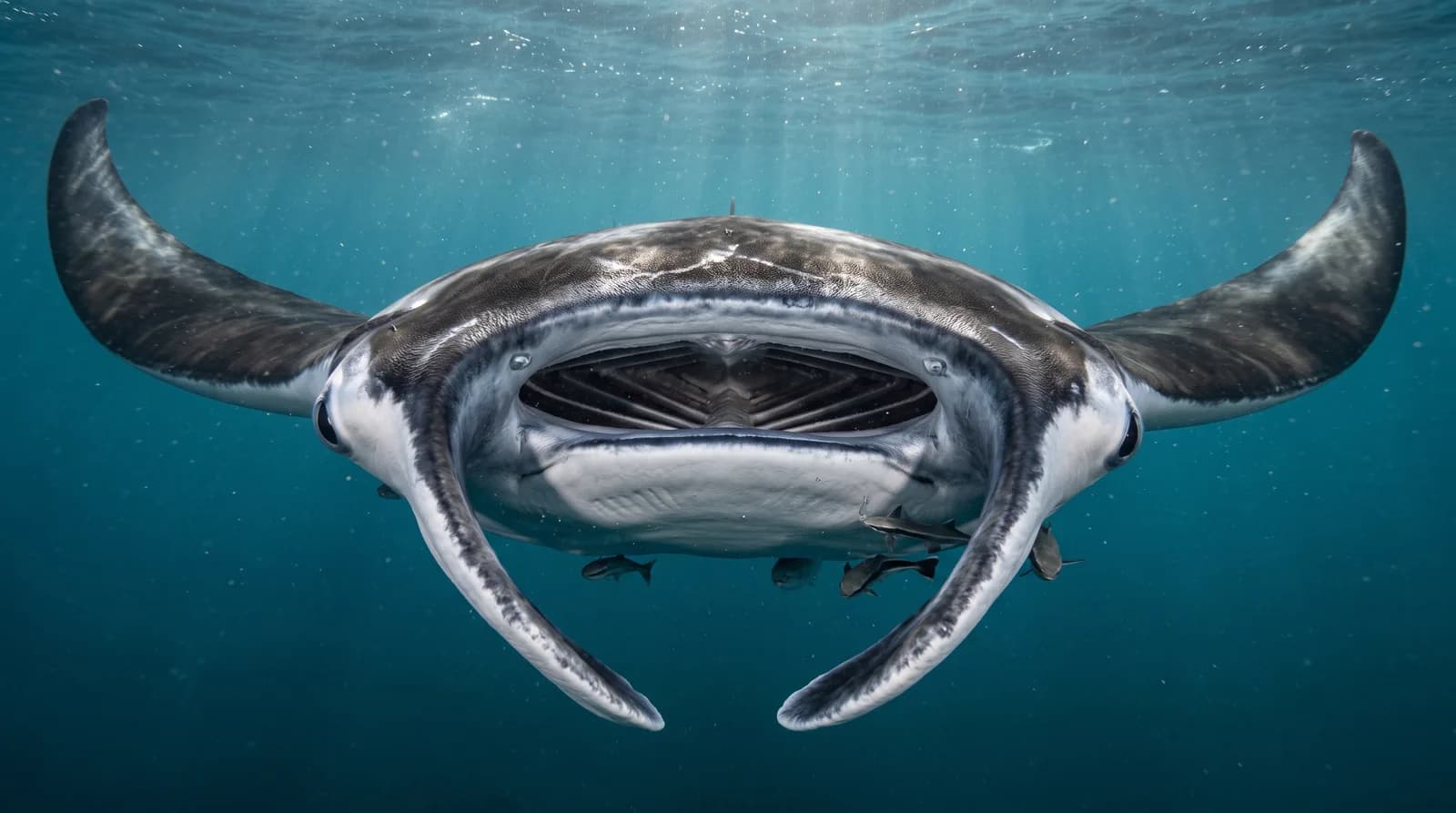
Giant Manta
Mobula birostris
It faces a very high risk of extinction in the wild in the near future. See full glossary
It has the largest brain-to-body ratio of any known fish. Its extremely low reproductive rate makes it acutely vulnerable to overfishing and bycatch.
Weight
2 t – 3 t
Size
1.4 m – 9 m
Lifespan
45 years
Diet
Omnivore
Combines animal and plant food depending on availability.
Activity
Irregular activity
Active at irregular times, by day or night depending on circumstances.
Social structure
Solitary
Lives and hunts alone, joining others only to breed.
Sighting difficulty
Hard
Fun facts
- It has the largest brain relative to body size of any fish in the world.
- It has the highest brain-to-body ratio of any known fish.
- It produces just 4 to 7 pups in its entire lifetime, one of the slowest rates among sharks and rays.
- It feeds by filtering zooplankton with its specialised cephalic lobes.
- It is the largest ray in the world, reaching up to 9 metres across the disc.
- It has only one pup every 2 to 5 years, which leaves it highly vulnerable to overfishing.
- anatomíaRelative to its body, it has one of the largest and most complex brains of any known fish.
Life cycle & biology
- Skeleton type
- Vertebrate - cartilaginous skeleton (fish)
- Habitat & environment
- Tropical and subtropical ocean waters worldwide, near reefs and seamounts and in the open sea
- Birth weight
- 1.4 m disc width; ~9 kg at birth
- Size at birth
- 1.4 m disc width at birth, already looking like a miniature adult
- Sexual maturity
- 8-10 years
- Gestation / incubation
- ~12-13 months
- Litter / clutch size
- 1 pup (rarely 2), with 2-5 years between births
Sources consulted: Animalia.bio; A-Z Animals; Dimensions.com; Australian Geographic; Manta Watch NZ; Namubak; Manta Trust; Grokipedia (Giant oceanic manta ray); NOAA Fisheries
Where to find it
See its range on the interactive mapWhere to watch it
Parques y spots de buceo donde se ha documentado esta especie — se muestran 20 de 47 documentados.
Related species
Other species in the catalogue with the most in common with Giant Manta — same habitat, park, country, tags or family.
 Vulnerable
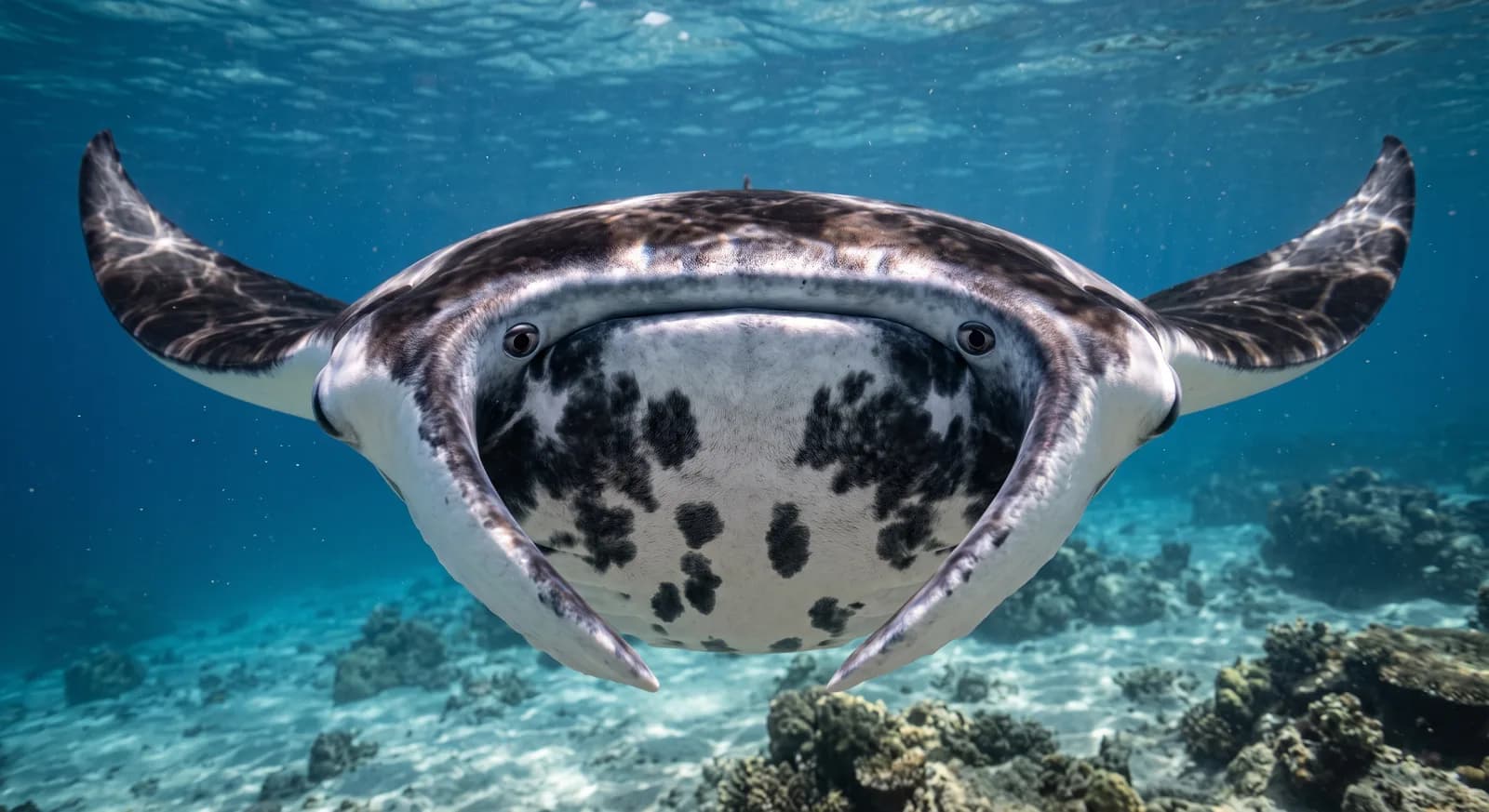
Reef Manta Ray
Mobula alfredi
 Endangered
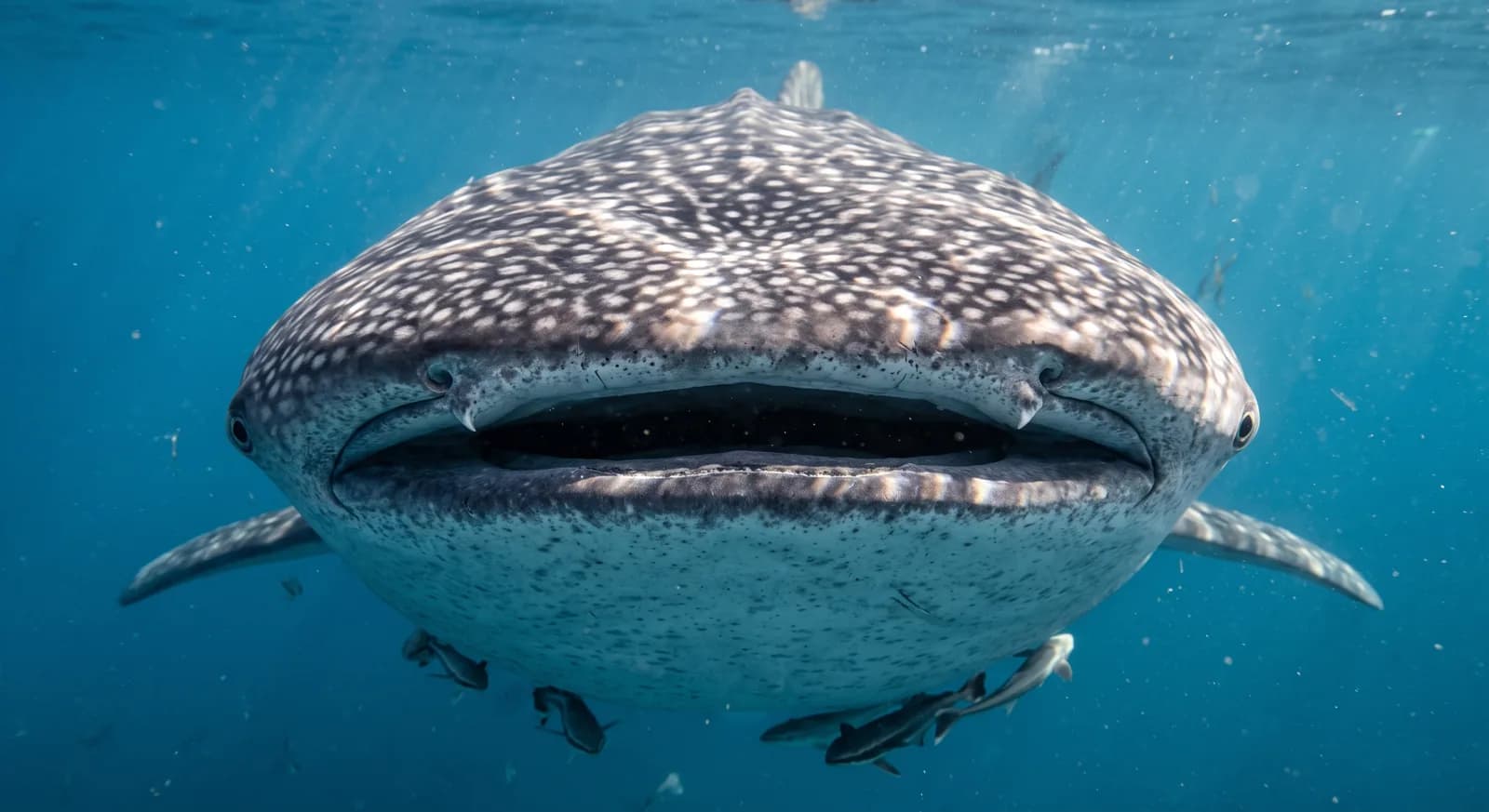
Whale Shark
Rhincodon typus
 Endangered
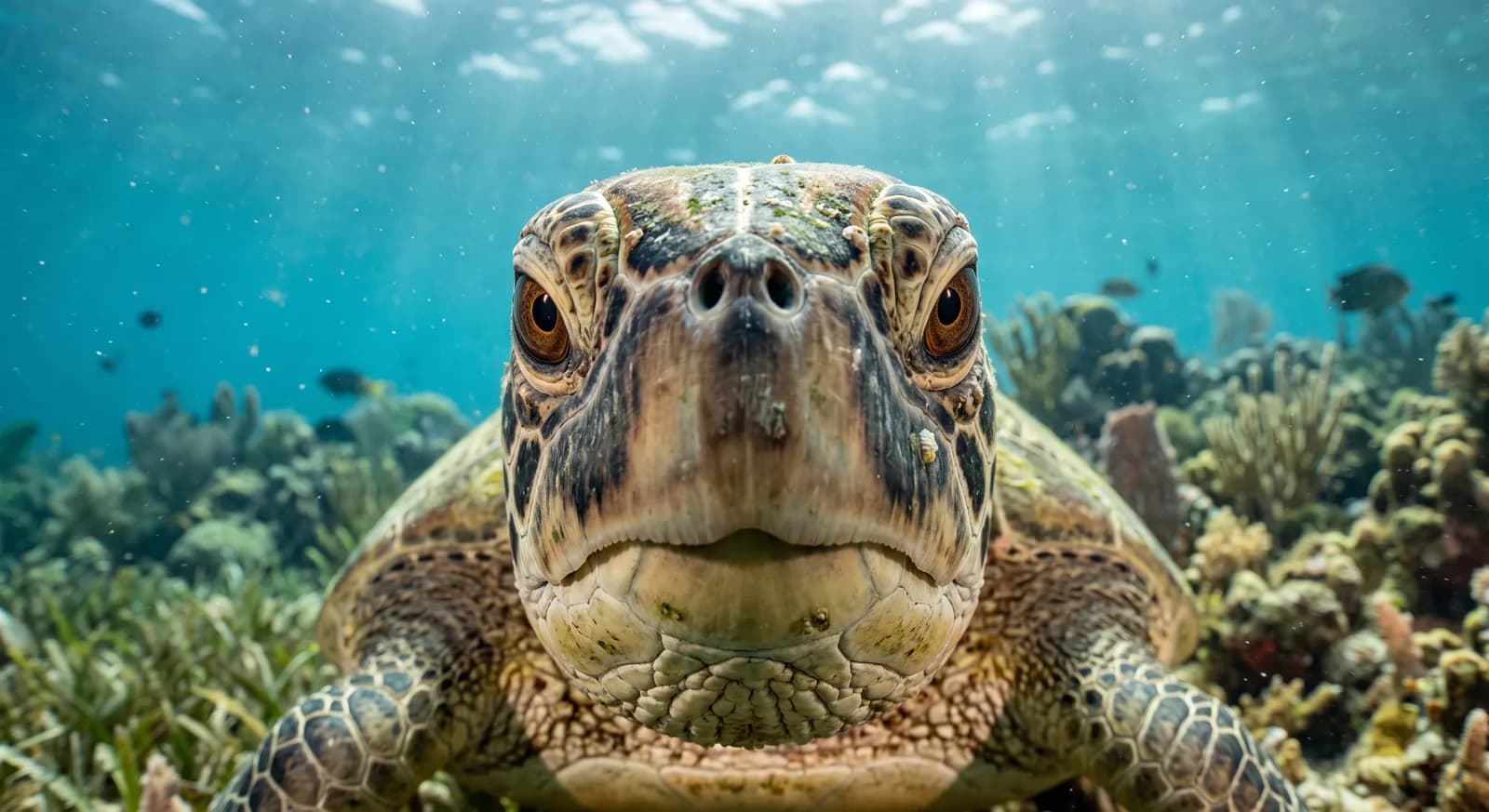
Green Turtle
Chelonia mydas
Spotted Eagle Ray
Aetobatus narinari
 Endangered
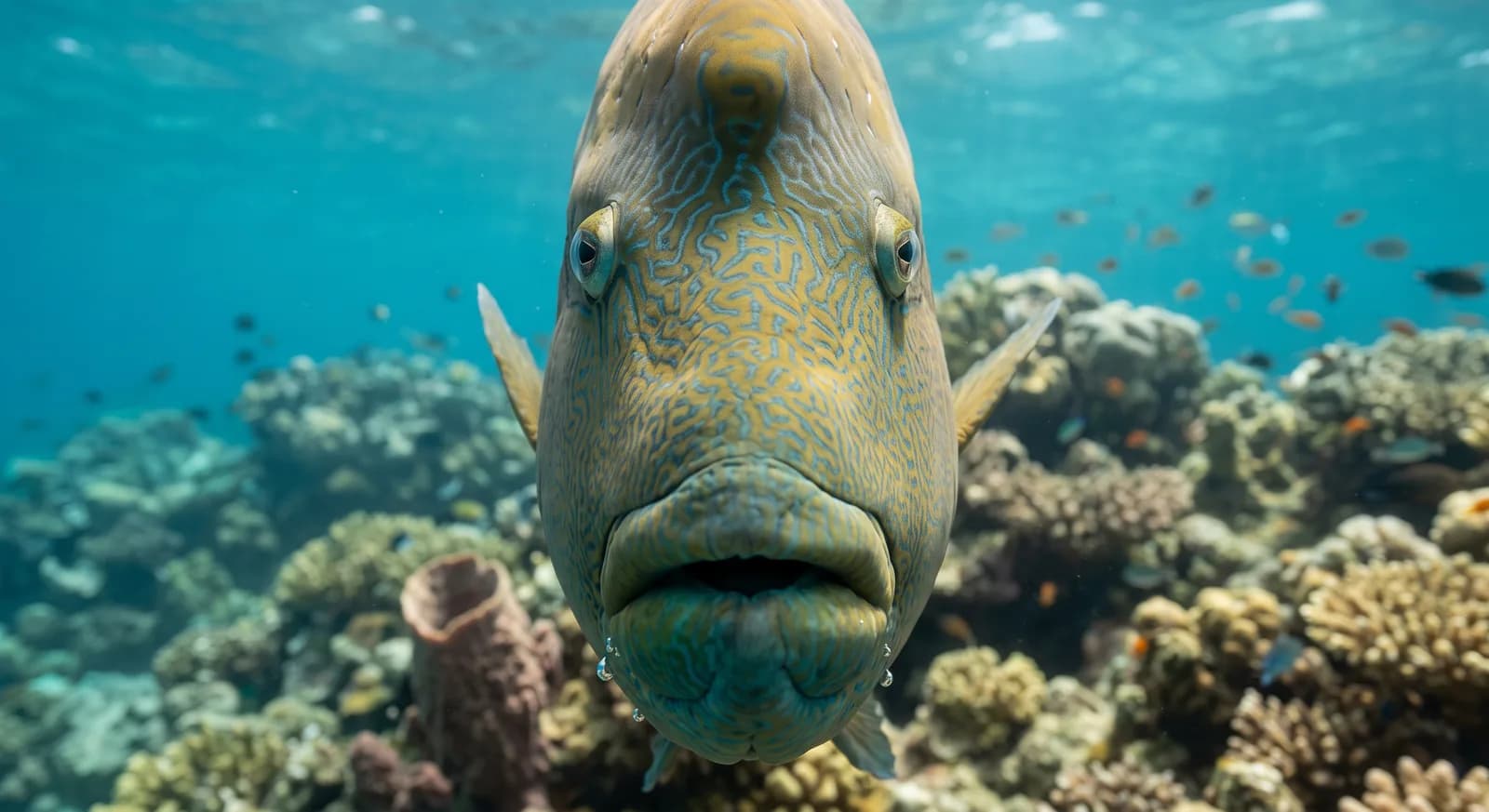
Humphead Wrasse
Cheilinus undulatus
Golden Sandfish
Holothuria scabra
How to help
The giant manta is classified as endangered. Organizations such as UICN, WWF y Wildlife Conservation Society work specifically on its conservation and that of its habitat; looking into their programs is a good starting point if you want to get involved.
It's documented in 19 real protected areas — part of why protecting these places matters for its conservation.
Keep exploring
Based on what we already know about giant manta.
Comments
Share an experience, a fun fact or a tip for seeing the giant manta.
Be the first to comment.