Cartilaginous fish · Myliobatiformes · Myliobatidae
Spotted Eagle Ray
Aetobatus narinari
It faces a very high risk of extinction in the wild in the near future. See full glossary
The spotted eagle ray — known in Spanish as raya jaspeada or águila marina moteada, and in Venezuela as chucho pintado and in Ecuador as raya pintada — is a cartilaginous fish that lives in shallow coastal waters over coral reefs and in bays, at depths of up to 80 metres. Its tail is generally two to three times as long as its body and carries several venomous spines at the base.
Weight
50 kg – 230 kg
Size
1.5 m – 3.3 m
Lifespan
25 years
Diet
Carnivore
Feeds mainly on other animals.
Activity
Diurnal
Active mainly during the day.
Social structure
Solitary
Lives and hunts alone, joining others only to breed.
Sighting difficulty
Hard
Fun facts
- comportamientoIt can leap clear of the water, and on rare occasions has been documented landing accidentally on boats.
- It leaps clear of the water: full jumps several metres high have been documented, and the most widely accepted explanation is that they serve to shed parasites or to escape predators, although the behaviour is still debated.
- Its snout works like a shovel: it digs into the sand in search of buried bivalves, which it crushes with flattened dental plates able to break thick shells.
- The pattern of white spots is unique to each individual, like a fingerprint, and researchers use it to identify particular animals without having to tag them.
Life cycle & biology
- Skeleton type
- Vertebrate - cartilaginous skeleton (fish)
- Habitat & environment
- Reefs, bays, estuaries and tropical and subtropical coastal waters in every ocean
- Birth weight
- 17-36 cm disc width at birth
- Size at birth
- 17-36 cm disc width at birth; it is ovoviviparous
- Sexual maturity
- 5 years
- Gestation / incubation
- 12 months of gestation
- Litter / clutch size
- 3 live young
Sources consulted: https://es.wikipedia.org/wiki/Aetobatus_narinari
Where to find it
See its range on the interactive mapBest time: All year round in shallow tropical waters; in the Caribbean and the Indo-Pacific it is often seen over sandy bottoms and in mangrove channels.
Where to watch it
Parques y spots de buceo donde se ha documentado esta especie — se muestran 20 de 159 documentados.
Related species
Other species in the catalogue with the most in common with Spotted Eagle Ray — same habitat, park, country, tags or family.
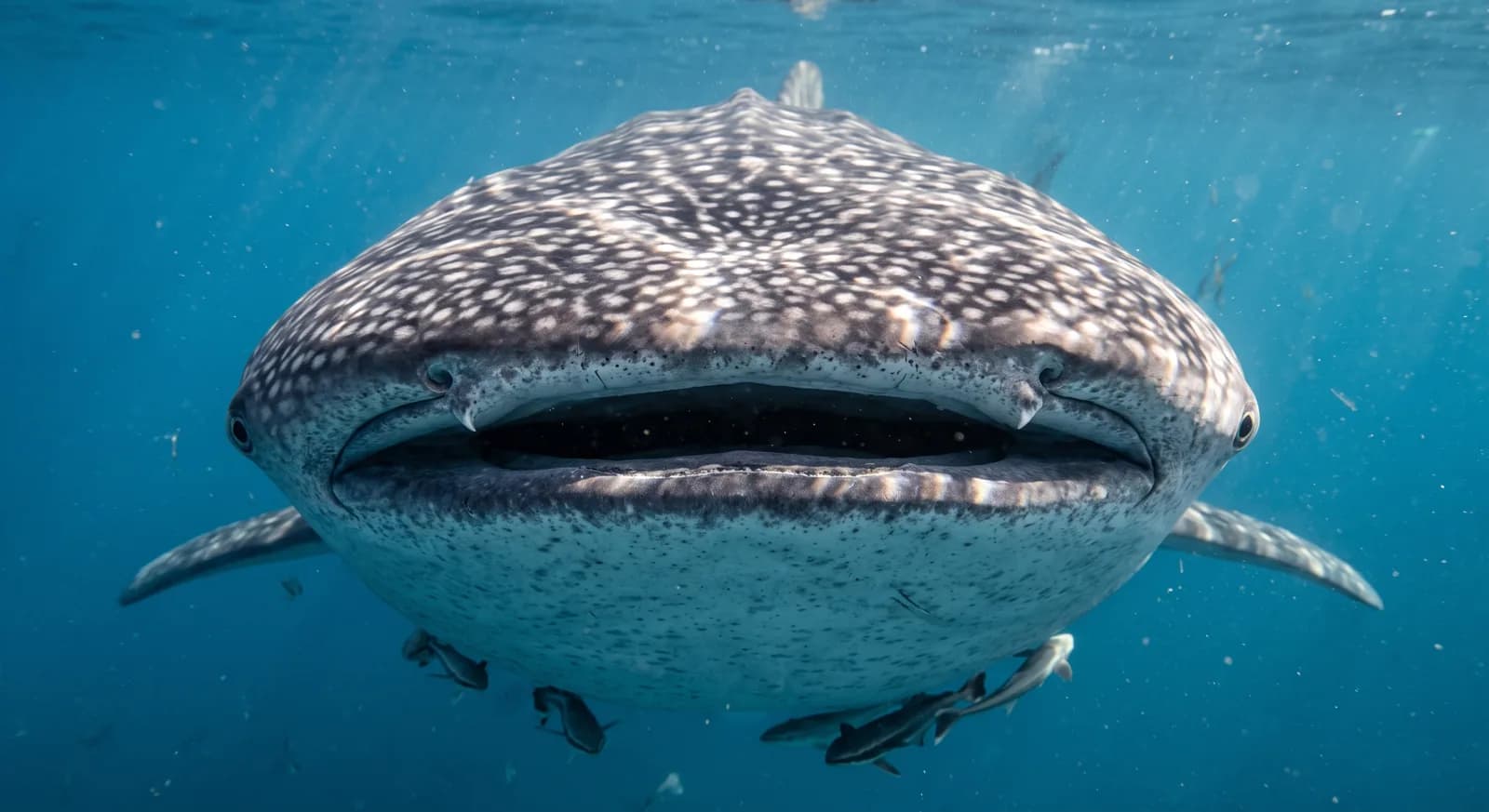 Endangered
Whale Shark
Rhincodon typus
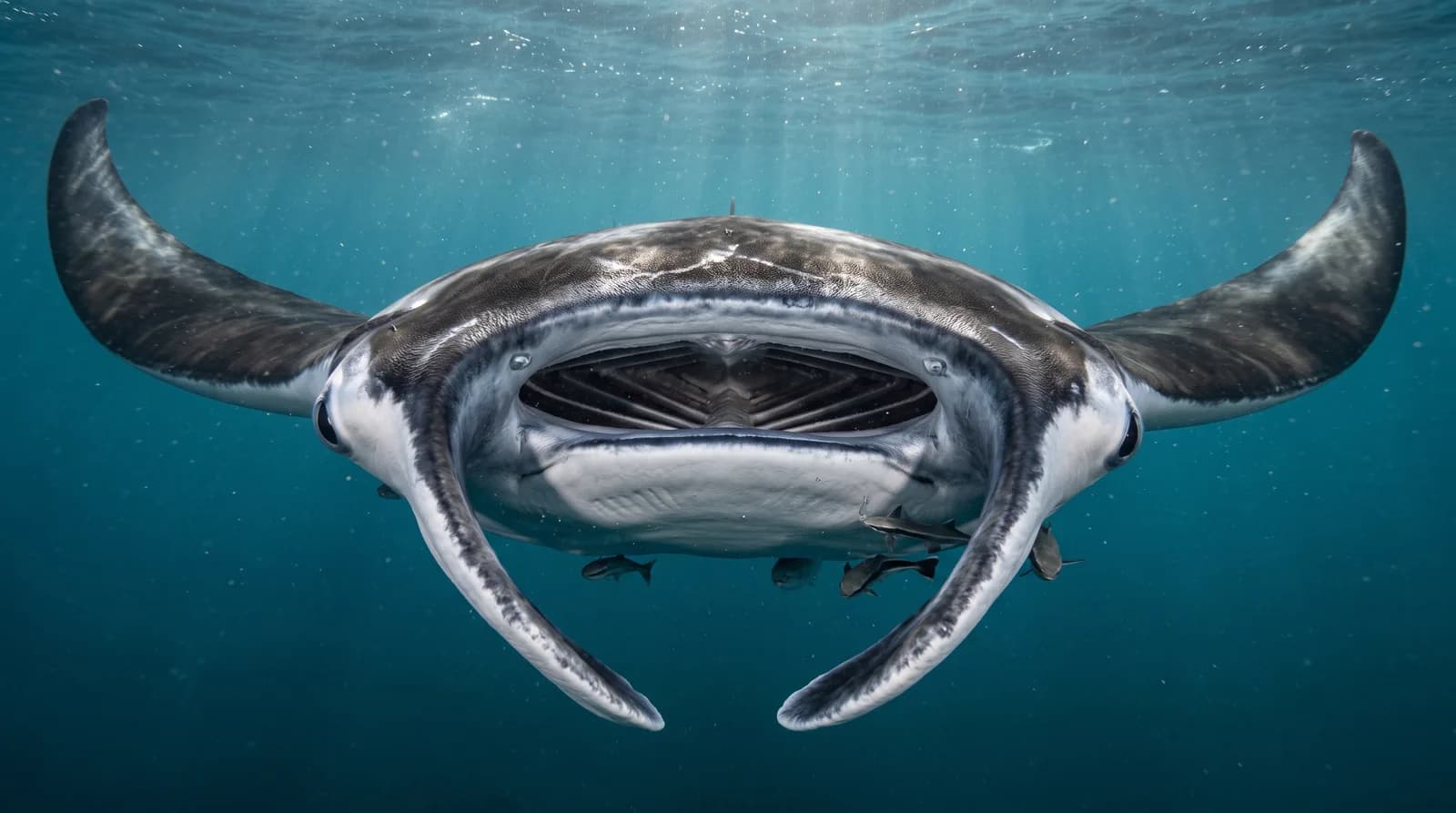 Endangered
Giant Manta
Mobula birostris
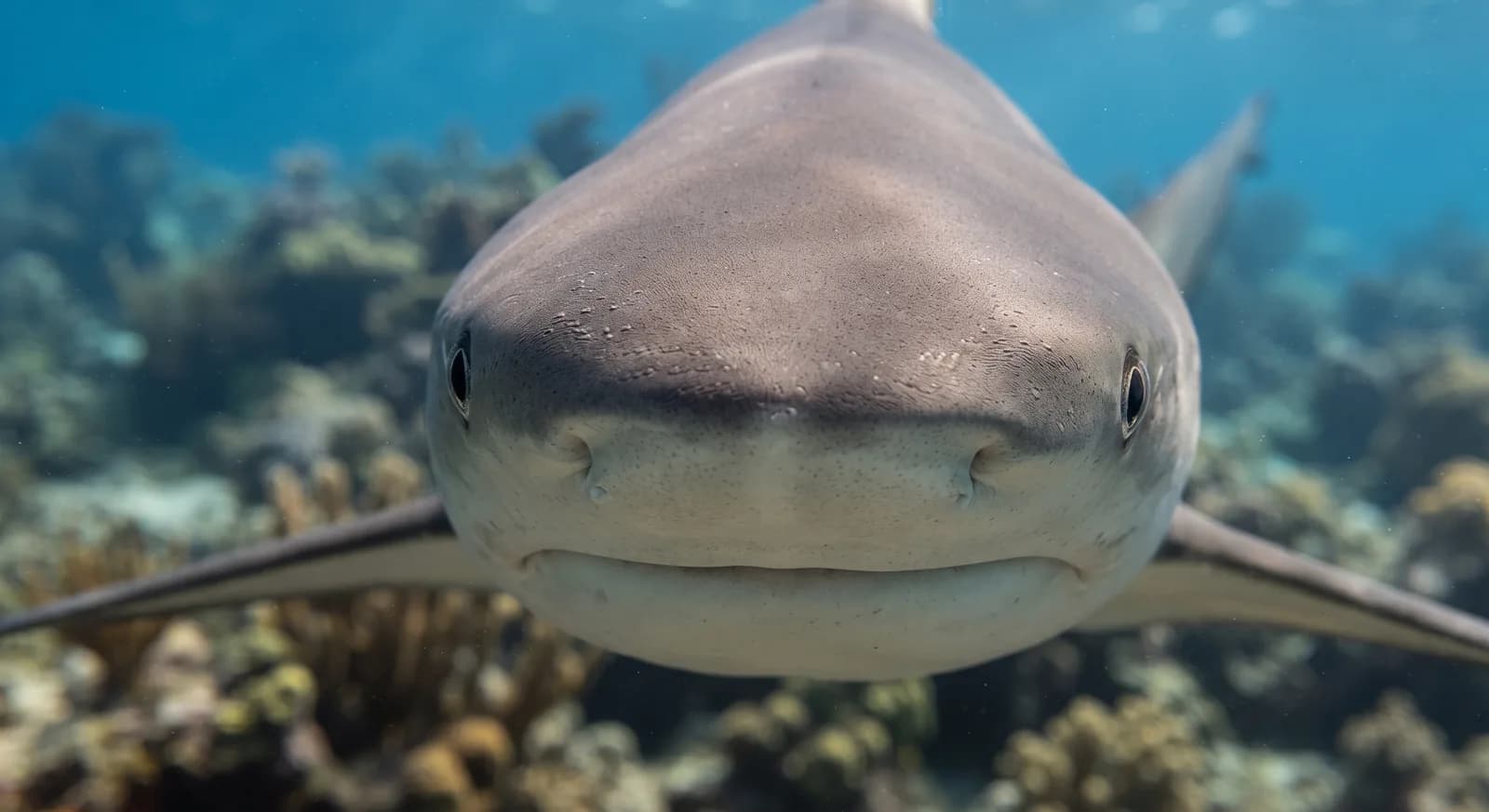 Endangered
Caribbean Reef Shark
Carcharhinus perezi
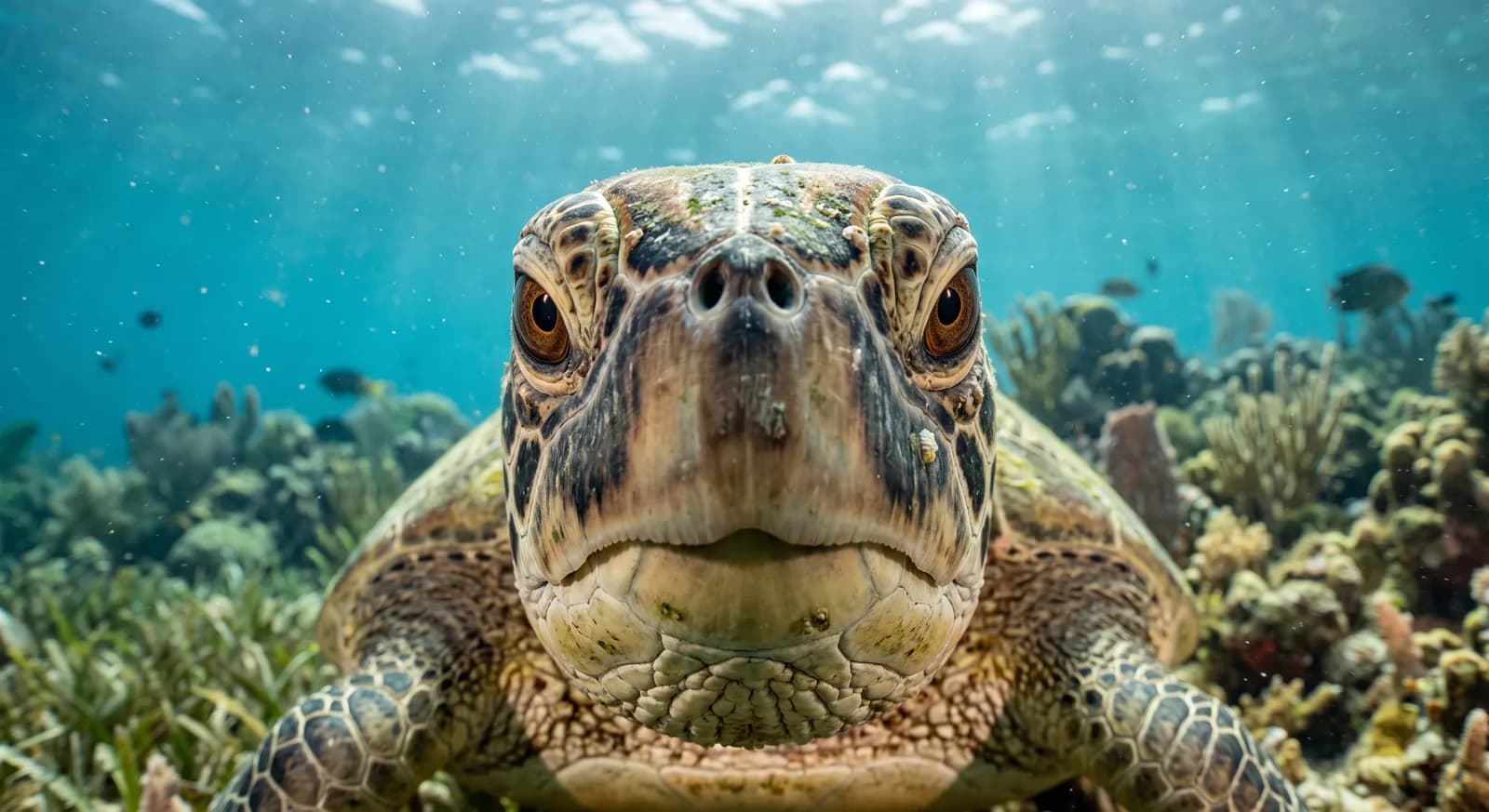 Endangered
Green Turtle
Chelonia mydas
Diamondback Terrapin
Malaclemys terrapin
 Near Threatened
Bull Shark
Carcharhinus leucas
How to help
The spotted eagle ray is classified as endangered. Organizations such as UICN, WWF y Wildlife Conservation Society work specifically on its conservation and that of its habitat; looking into their programs is a good starting point if you want to get involved.
It's documented in 18 real protected areas — part of why protecting these places matters for its conservation.
Keep exploring
Based on what we already know about spotted eagle ray.
Comments
Share an experience, a fun fact or a tip for seeing the spotted eagle ray.
Be the first to comment.