Angola
África
Angola is one of the countries with the greatest variety of environments in southern Africa: in the north, the Maiombe rainforest, an extension of the Congo basin; in the centre, a high plateau of savannah and miombo woodland; in the south, the aridity of the Namibe desert, where the welwitschia grows, a plant that can live more than a thousand years with only two leaves that never stop growing. In the eastern highlands rise the rivers that feed the Okavango delta, so that the conservation of those headwaters determines the future of one of the most famous wetlands on the continent. The Atlantic coast is bathed by the cold and highly productive Benguela Current, with sea turtles, humpback whales and seabird colonies. Kissama and Iona are its most emblematic parks.
The nature of Angola
National animal: The giant sable antelope, an antelope exclusive to the country and a national symbol
Did you know?
The giant sable antelope, with enormous horns curving backwards and glossy black coat, exists only in Angola and is the country's national symbol. After decades of civil war it was feared to have disappeared, until in 2004 camera traps set in Cangandala photographed several females and confirmed its survival. Since then it has been managed with protective enclosures and translocations to reinforce the few nuclei that remain.
Biodiversity profile
Climate
- •Tropical humedo (Af/Am) en el norte (selva)
- •Tropical con estacion seca (Aw) en el centro (miombo)
- •Desertico (BWh) en el sur (extension del Desierto del Namib)
Main biomes
- •Selva tropical humeda (norte, Cabinda y zonas colindantes con la RD Congo)
- •Bosque de miombo humedo (meseta central, Huila, Huambo, Bie)
- •Desierto del Namib (sur, franja costera)
- •Sabana y matorral en zonas de transicion
- •Bosque de miombo
- •Selva húmeda de Maiombe
- •Desierto del Namibe
- •Sabana de meseta
- •Cabecera fluvial del Okavango
- •Litoral de la corriente de Benguela
- •Bosque de galería
Marine and coastal ecosystems
- •Extensa costa atlantica, con corriente fria de Benguela al sur, de gran productividad pesquera
Flagship wildlife
- •Antilope sable gigante (endemico, simbolo nacional de Angola)
- •Elefante de sabana
- •Gorila y chimpance (norte, en el limite del hotspot de los Bosques Guineanos)
- •Leon africano
- •Palanca negra gigante
- •Elefante africano de sabana
- •Antílope ruano
- •Cebra de montaña de Hartmann
- •Órix gemsbok
- •Ballena jorobada
- •Tortuga laúd
- •Hipopótamo
- •Guepardo
- •Manatí africano
Notable endemic species
- •Angola contiene 7 de los 9 biomas de Africa y 15 de sus ecoregiones, situandose en segundo lugar del continente en diversidad de ecoregiones, solo detras de Sudafrica
- •Antilope sable gigante, endemico y simbolo nacional, restringido a una pequeña area del centro-este del pais
- •Raton trepador de Vernay, unico mamifero estrictamente endemico confirmado del bosque de miombo humedo angoleño
- •Palanca negra gigante
- •Welwitschia
- •Turaco de Angola
Notable threatened species
- •Antilope sable gigante (En Peligro Critico, poblacion extremadamente reducida y restringida, historicamente al borde de la extincion por la guerra civil)
- •0,5% del territorio angoleño catalogado como de amenaza "Muy Alta" y 23,9% como "Alta" para especies de arboles maderables de la familia Leguminosae
Notable protected areas
- •Parque Nacional de Cangandala y Parque Nacional de Luando (refugio del antilope sable gigante)
- •Parque Nacional de Iona (Namib angoleño)
- •Parque Nacional de Cangandala
- •Reserva Natural de Luando
- •Parque Nacional de Kissama
- •Parque Nacional de Bicuar
- •Parque Nacional de Maiombe
Main conservation threats
- •Legado de decadas de guerra civil sobre las poblaciones de grandes mamiferos, incluido el antilope sable gigante, casi extinguido durante el conflicto
- •Deforestacion del bosque de miombo, con altas tasas en el sur de Africa subsahariana
- •Caza furtiva y sobreexplotacion de especies maderables valiosas
Notable natural phenomena
- •El antilope sable gigante fue considerado posiblemente extinto durante la guerra civil angoleña y su redescubrimiento posterior se considera un hito de la conservacion africana
Conservation
The civil war decimated the wildlife of Angola's parks and left mined areas that still condition their management. The Okavango headwaters, in Cuando Cubango, are the subject of an international protection programme because of their role in the Botswanan delta.
Where and when to watch wildlife
Cangandala and Luando for the giant sable antelope, with very restricted access. Iona in the austral winter for welwitschias and desert wildlife. The Namibe coast between July and October for whales.
Sources: World Land Trust - Angola | One Earth - Angolan Wet Miombo Woodlands | PMC - Assessing conservation Miombo timber species Angola | Wikipedia - Angolan miombo woodlands
Parks and reserves
Países similares
¿A dónde más podría interesarme viajar?
Misma región: África Austral
Misma región: África Austral
Misma región: África Austral
Misma región: África Austral
Especies documentadas en Angola
323 species found
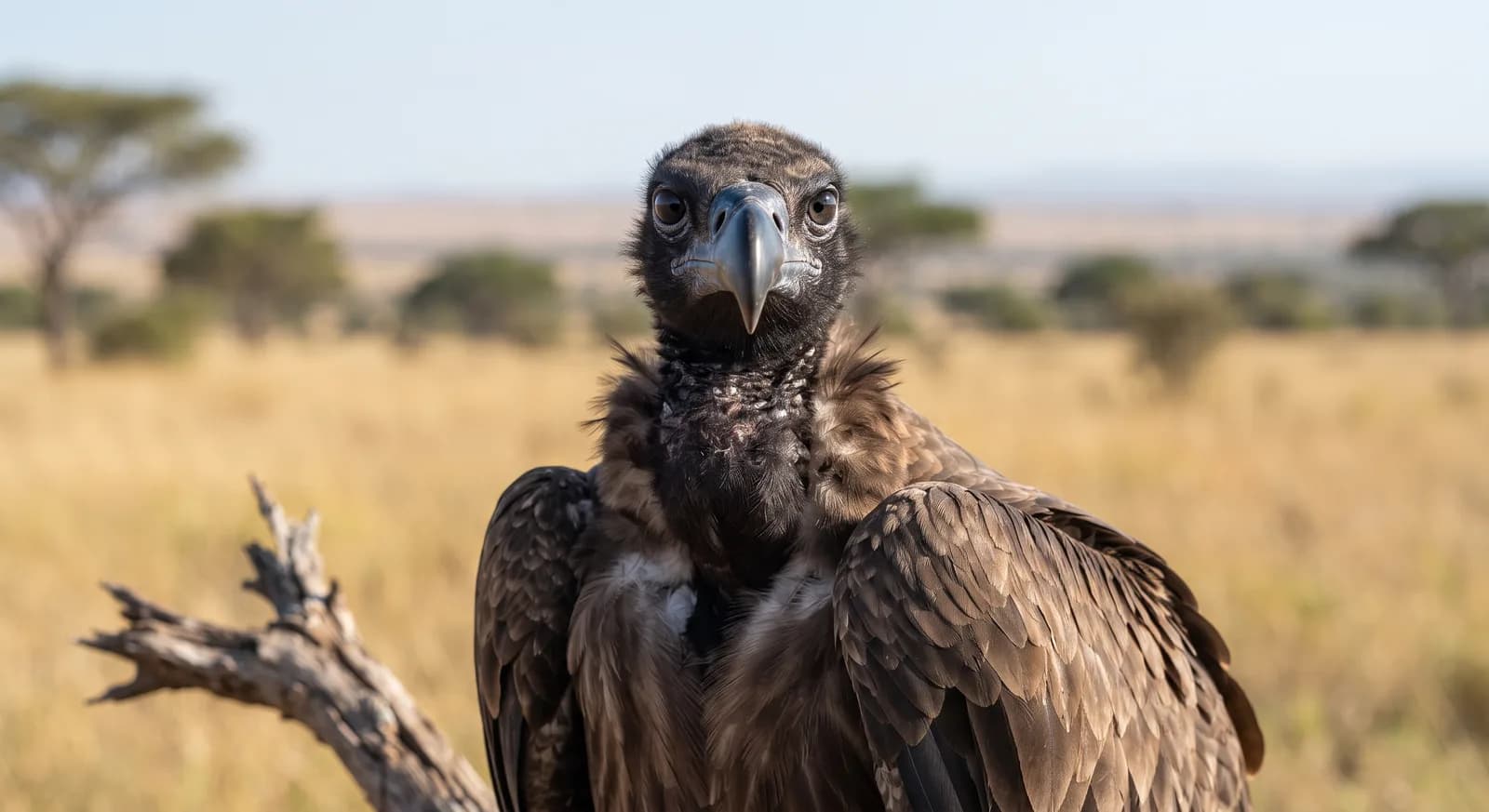 Critically Endangered
White-backed Vulture
Gyps africanus
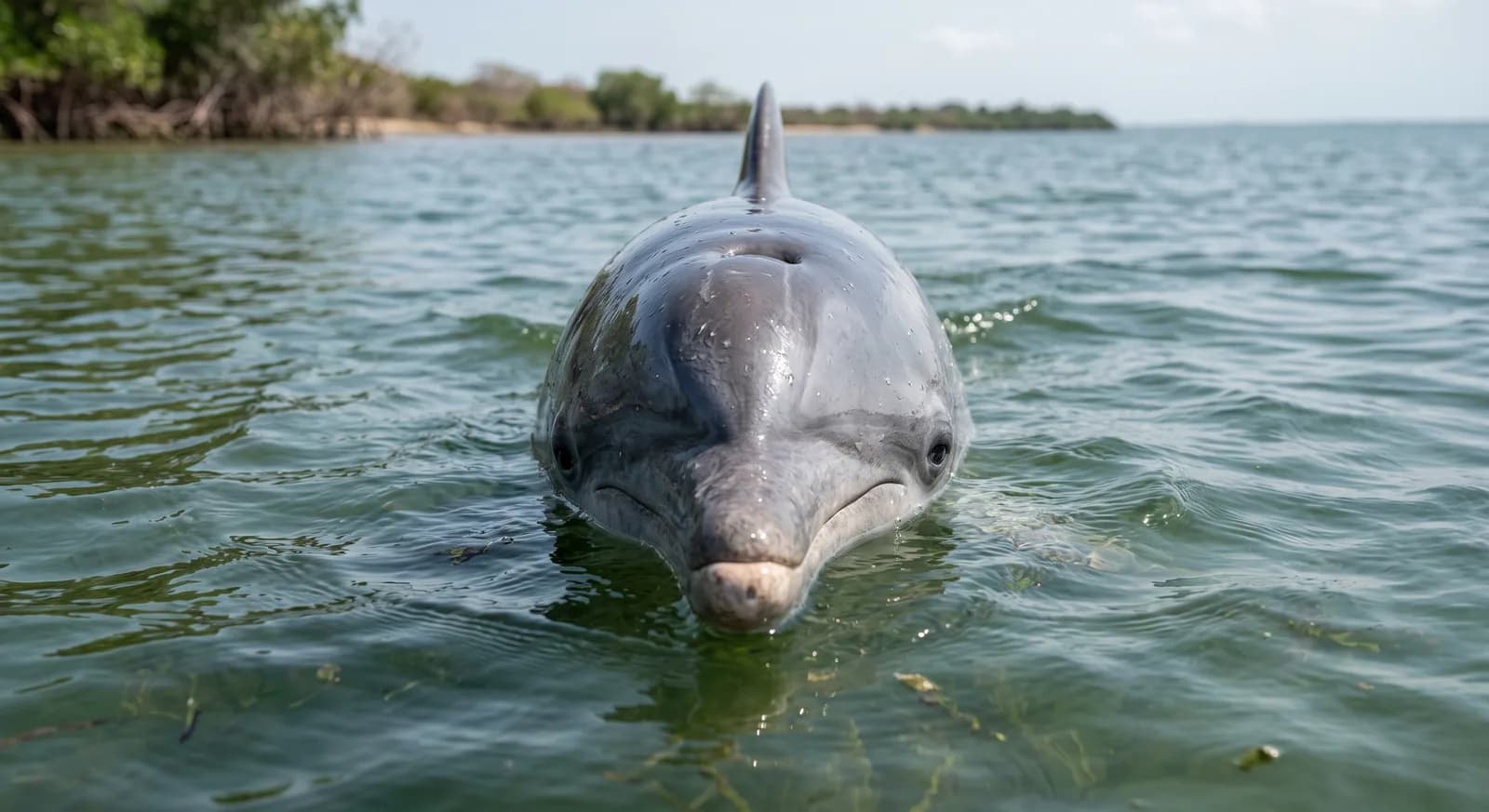 Critically Endangered
Atlantic Humpback Dolphin
Sousa teuszii
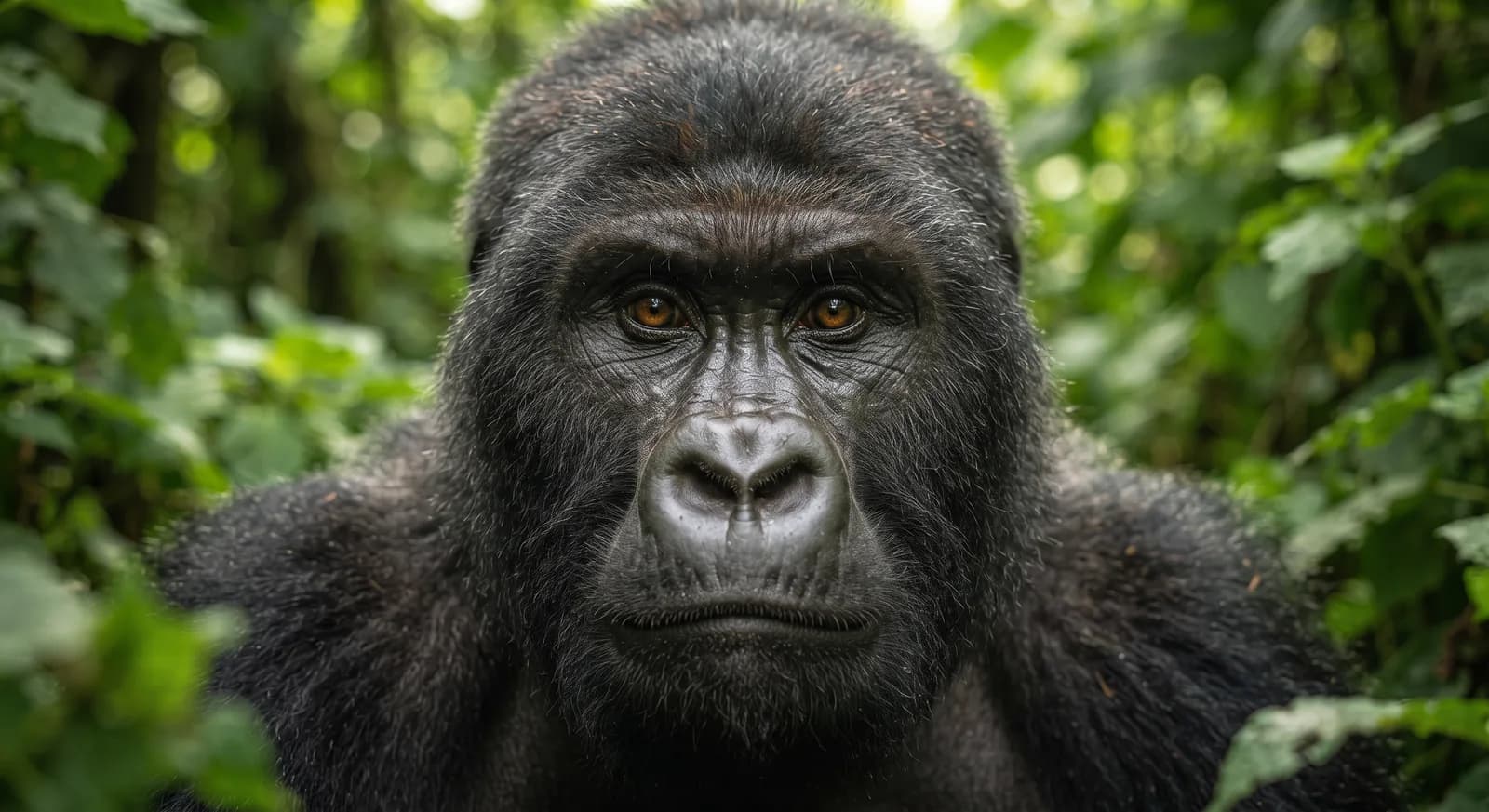 Critically Endangered
Western Gorilla
Gorilla gorilla
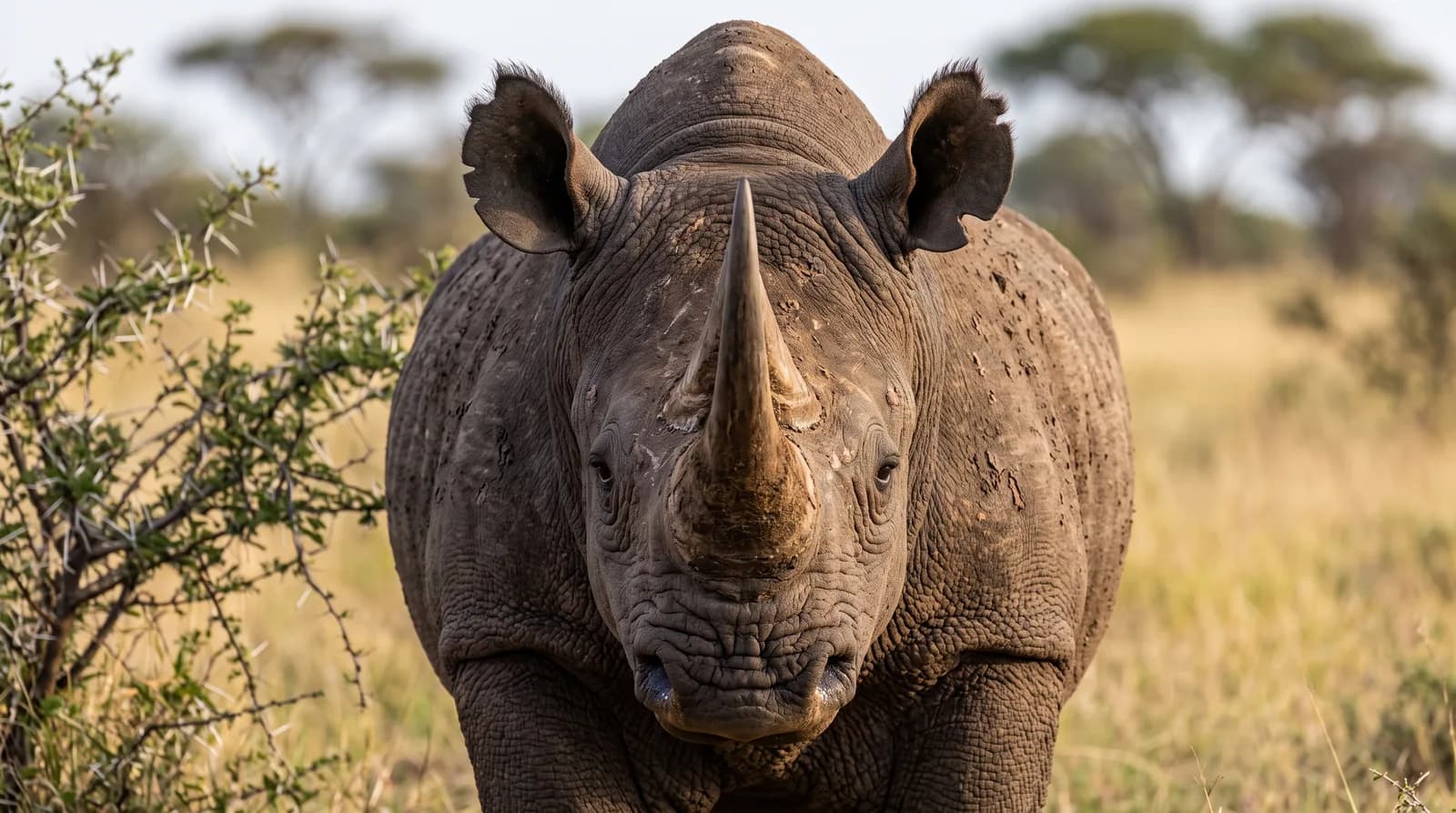 Critically Endangered
Black Rhinoceros
Diceros bicornis
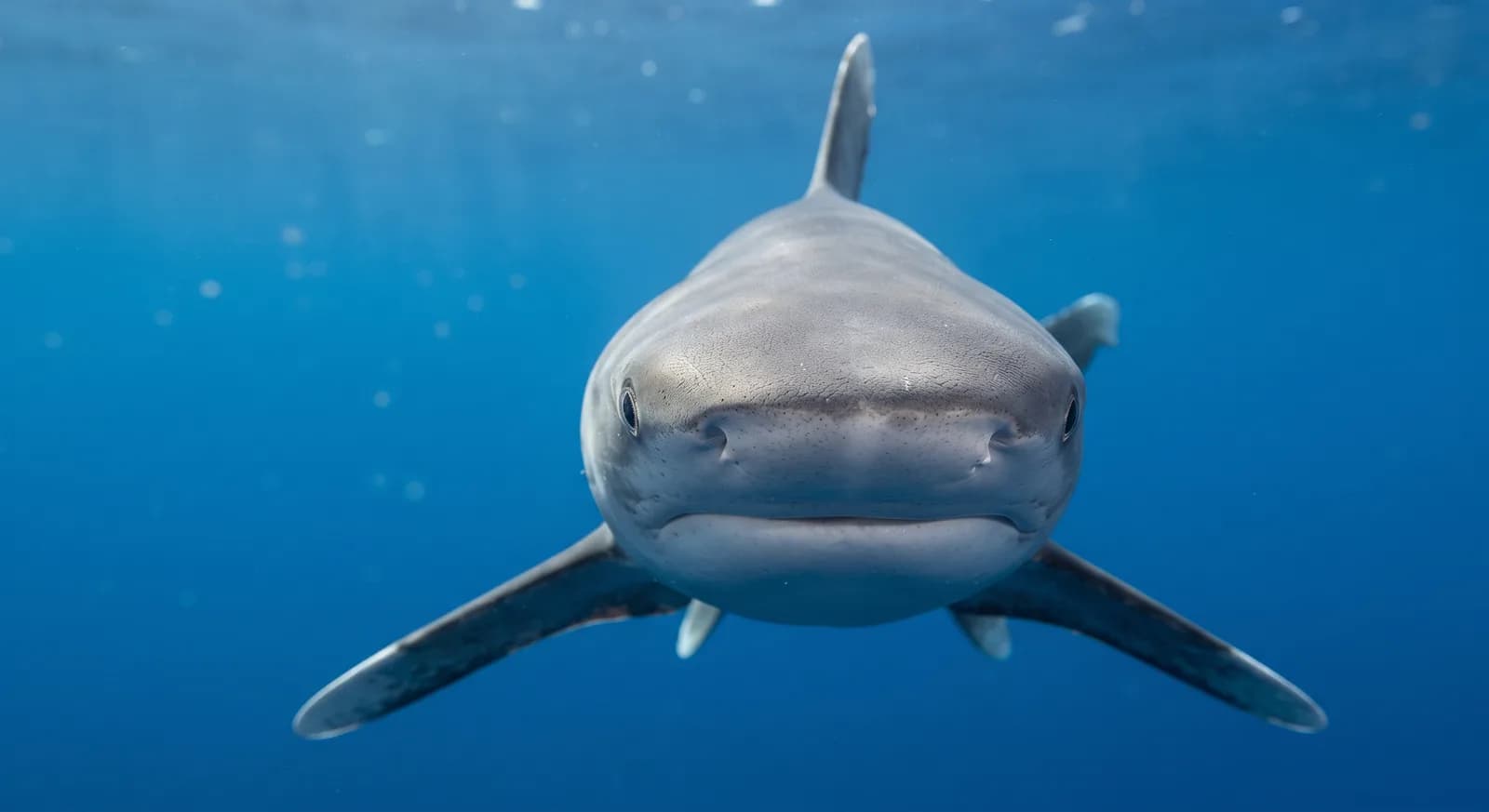 Critically Endangered
Oceanic Whitetip Shark
Carcharhinus longimanus
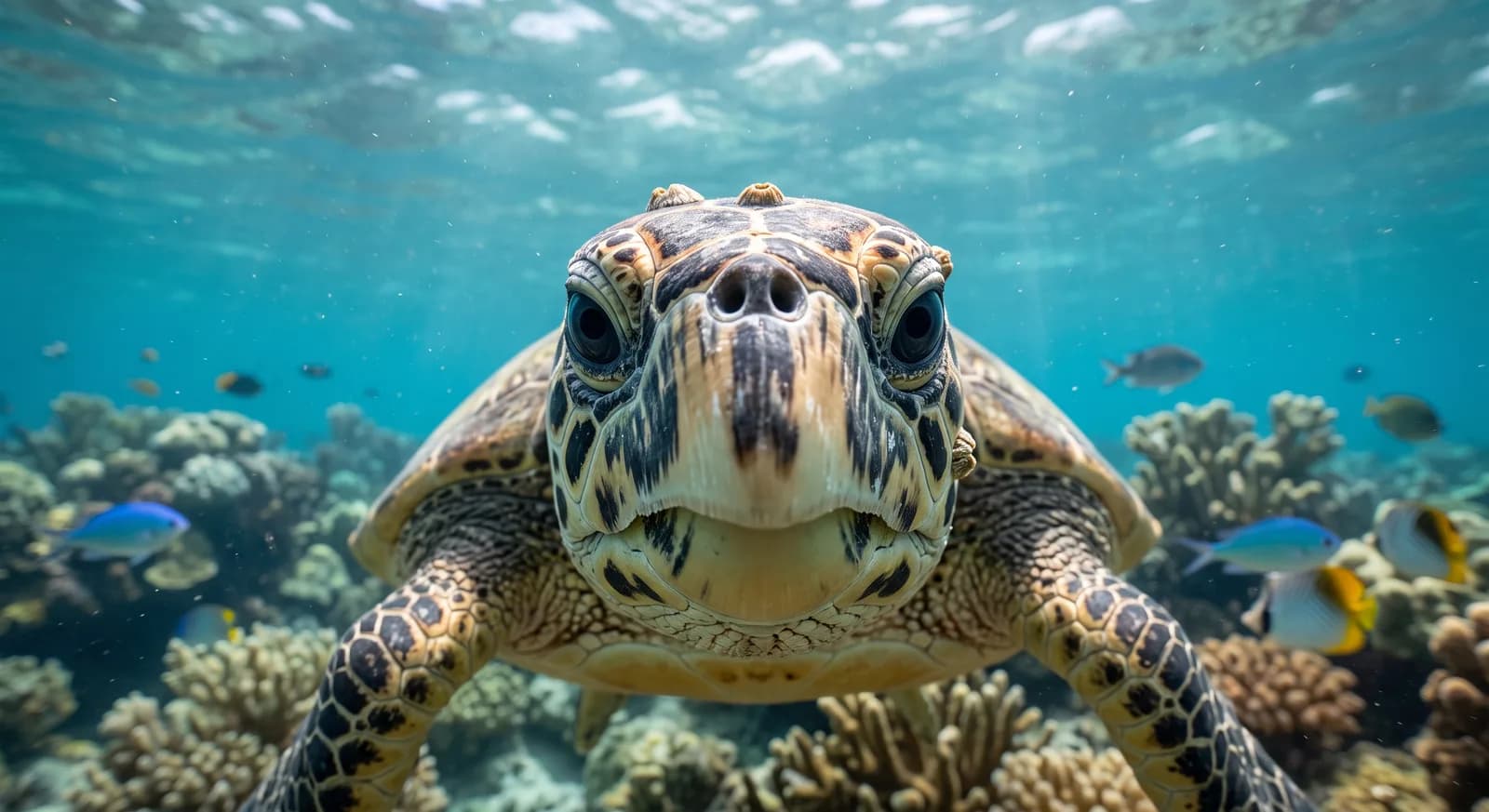 Critically Endangered
Hawksbill Turtle
Eretmochelys imbricata
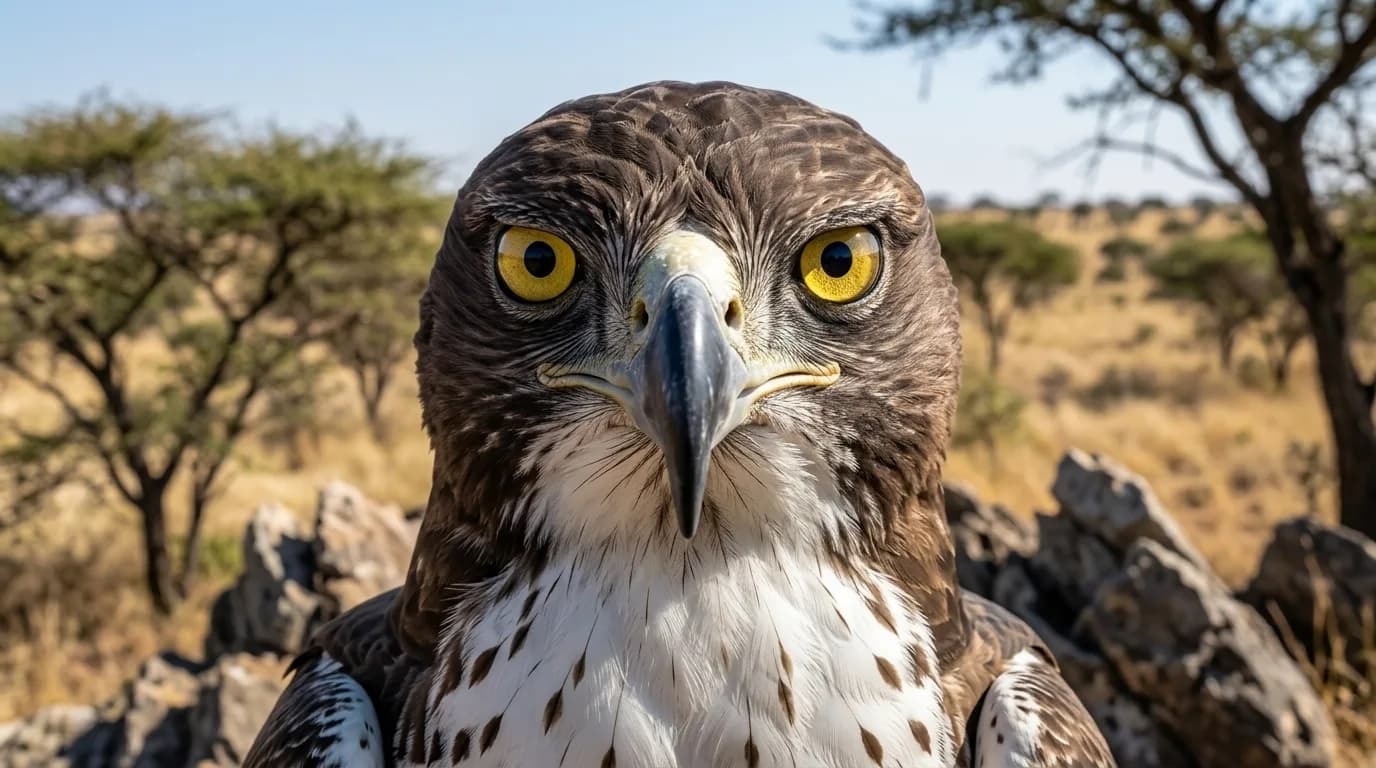 Endangered
Martial Eagle
Polemaetus bellicosus
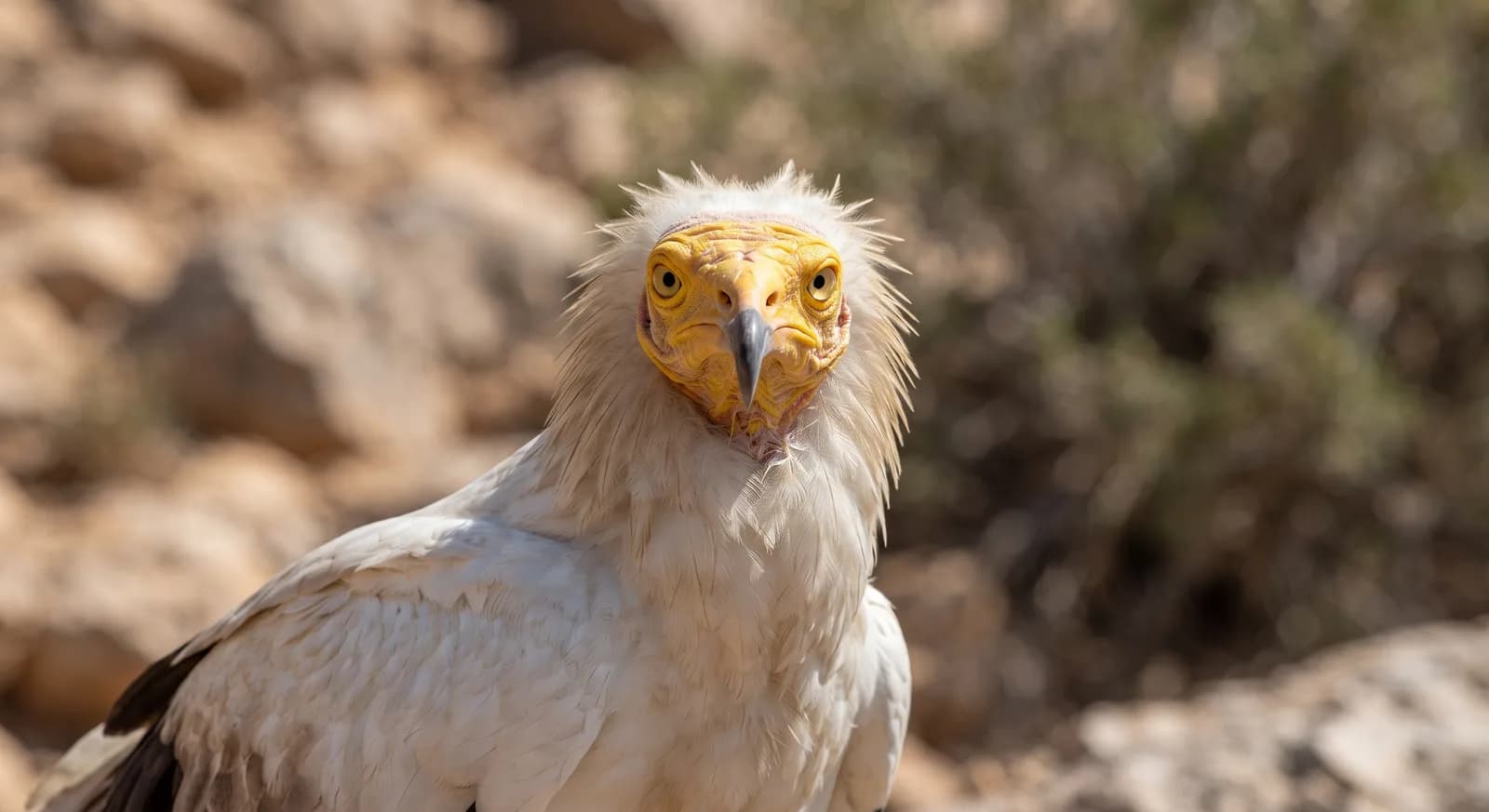 Endangered
Egyptian Vulture
Neophron percnopterus
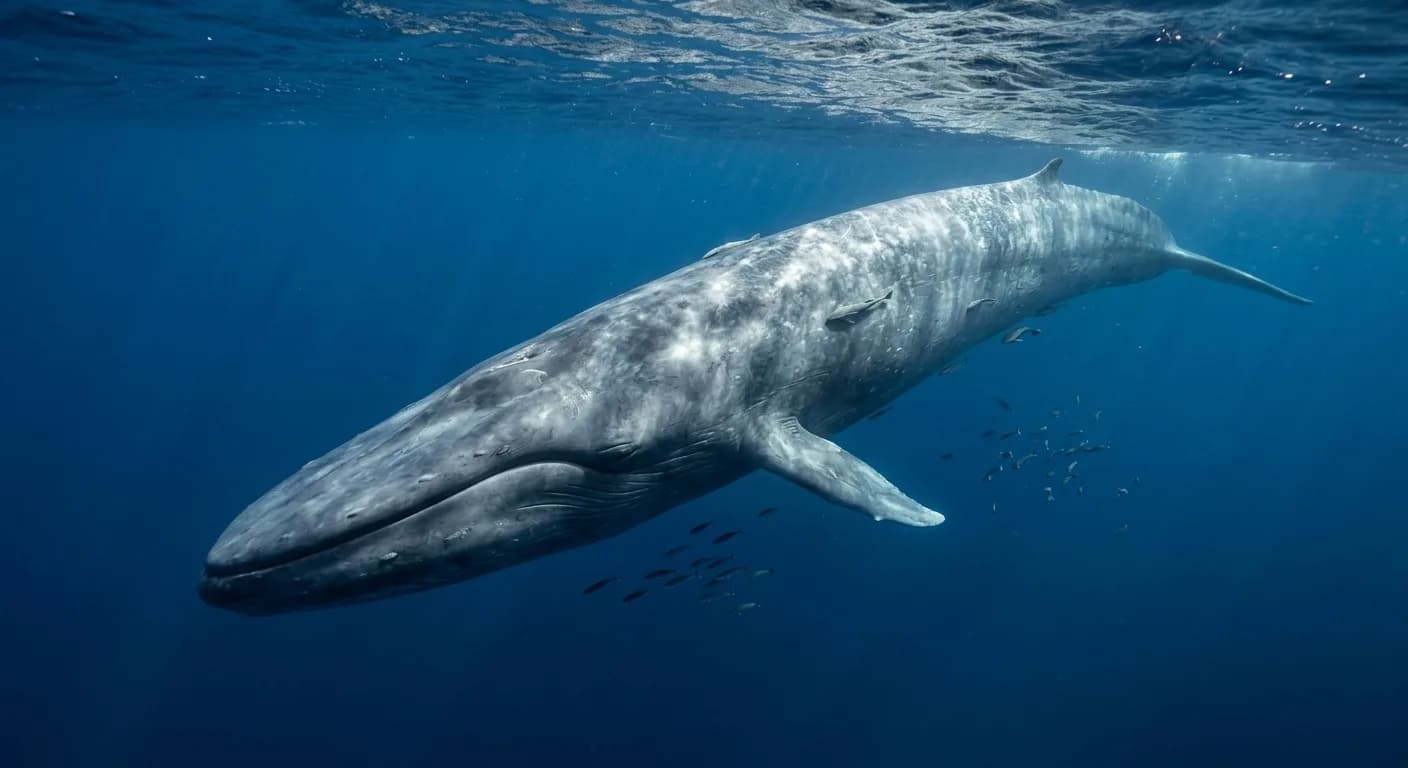 Endangered
Blue Whale
Balaenoptera musculus
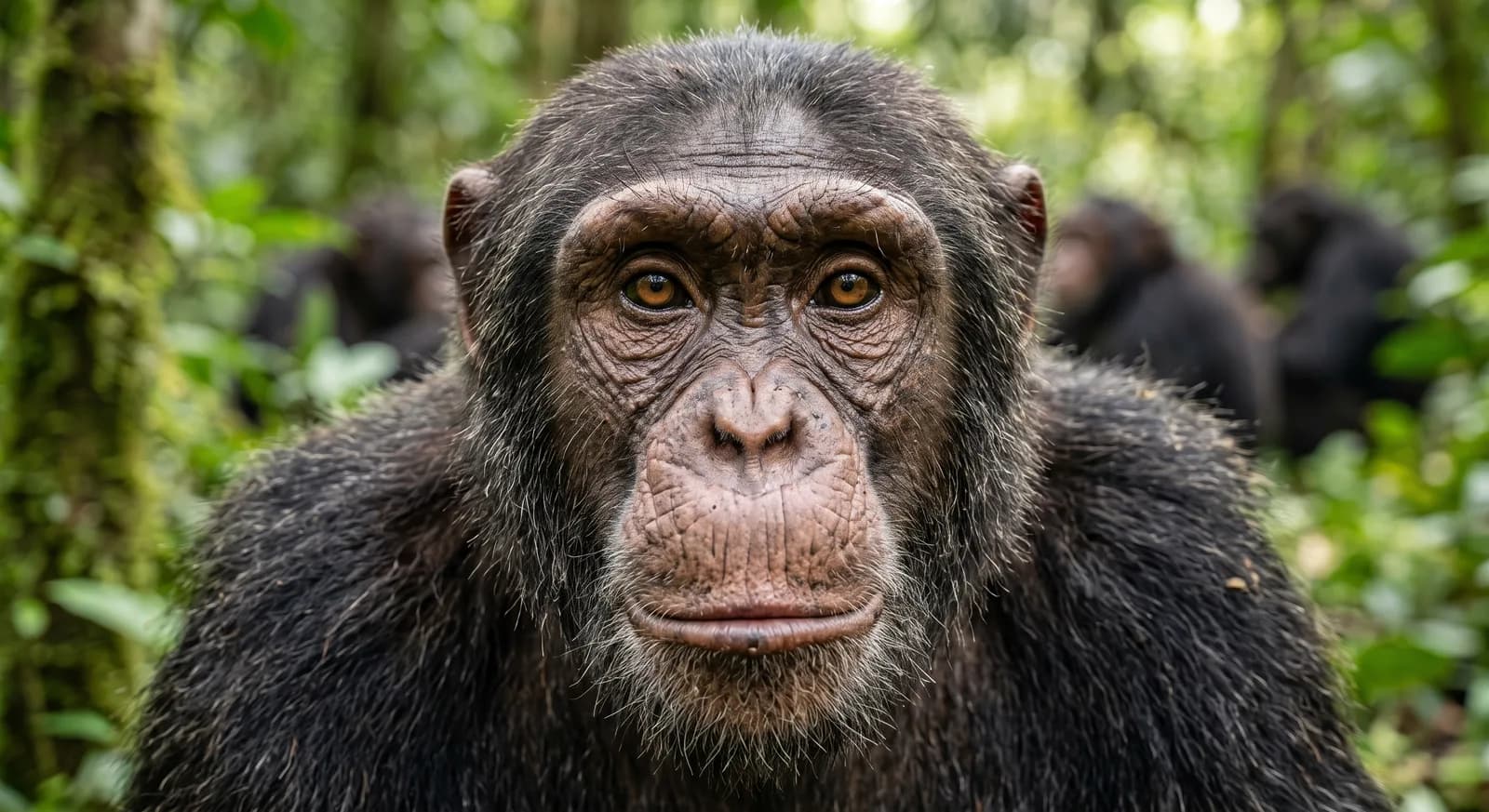 Endangered
Chimpanzee
Pan troglodytes
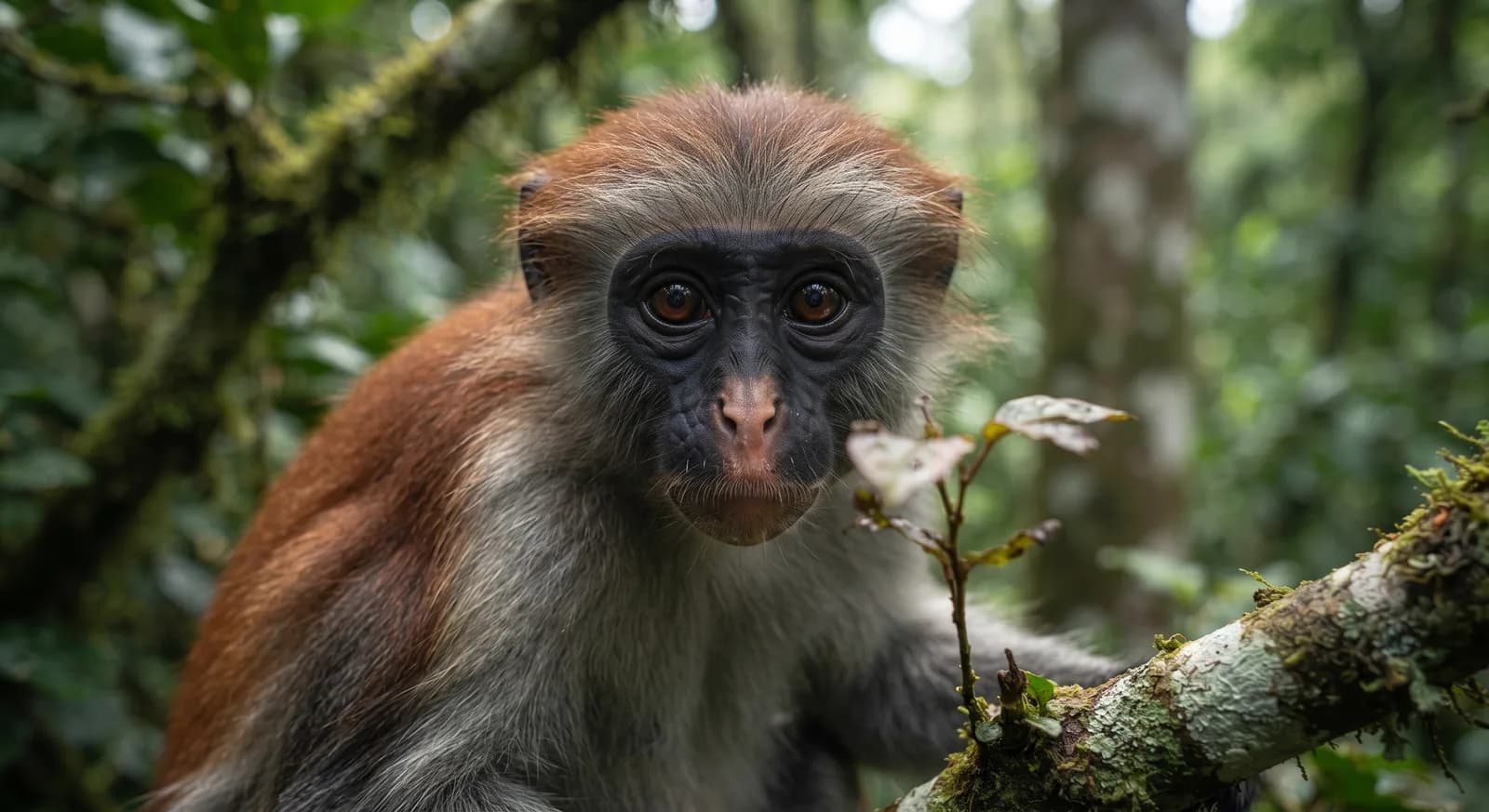 Endangered
Western Red Colobus
Piliocolobus badius
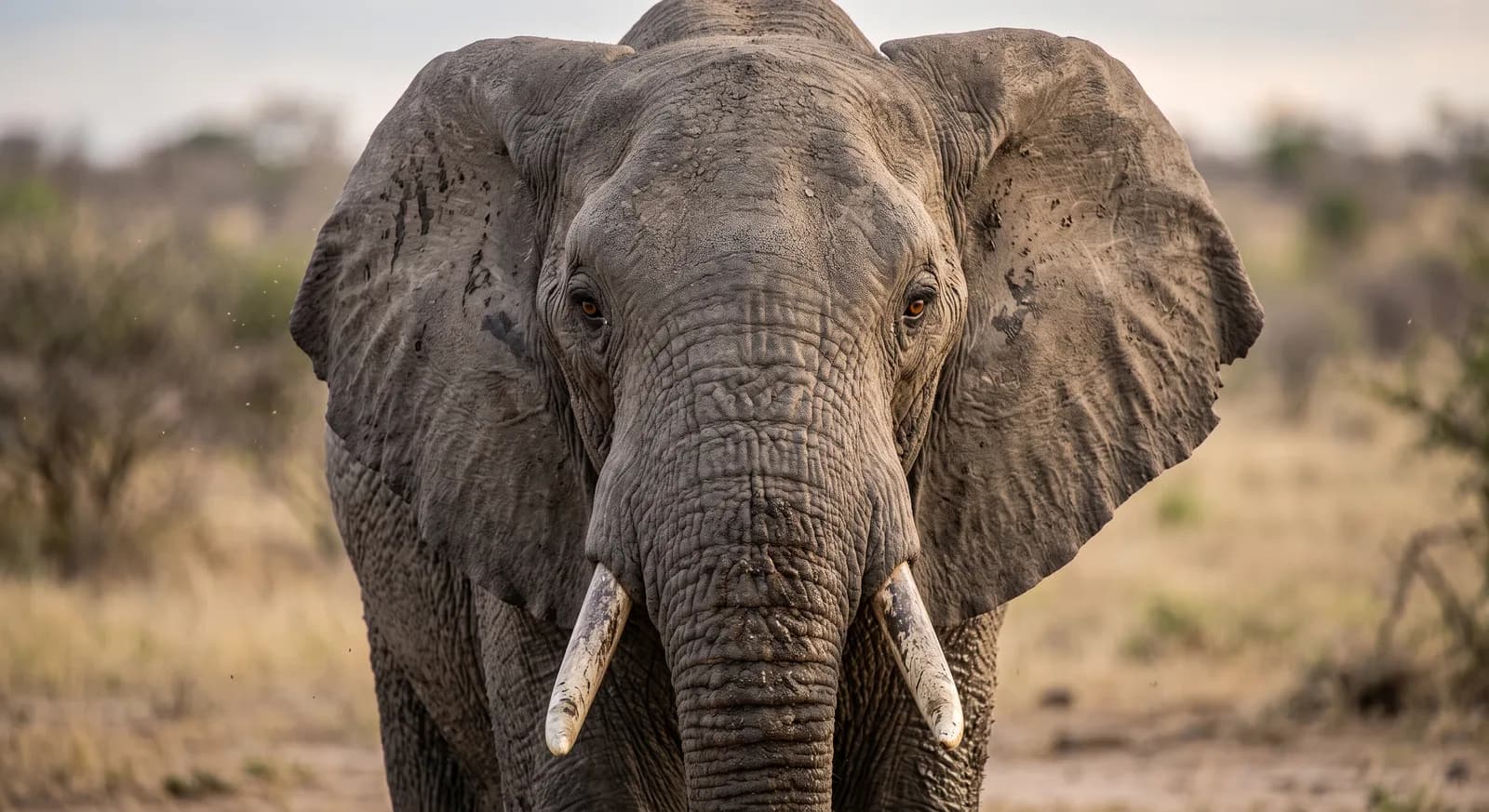 Endangered
African Savanna Elephant
Loxodonta africana
Keep exploring
Based on what we already know about Angola.