Namibia
África
Namibia is dominated by two deserts: the Namib, a coastal belt considered the oldest desert in the world, with red sand dunes falling straight into the Atlantic, and the Kalahari in the eastern interior. Between them rises the central plateau, with granite massifs and shrub savannah. The cold Benguela Current generates a persistent fog that pushes inland and is the only reliable source of water for the Namib's wildlife. In the north, the Etosha salt pan concentrates wildlife around springs during the dry season, and in the northwest, in Damaraland and Kaokoveld, desert-adapted populations of elephant and black rhinoceros survive, covering enormous distances between dry riverbeds. The Skeleton Coast adds immense Cape fur seal colonies.
The nature of Namibia
National animal: The gemsbok oryx, on the national coat of arms
Did you know?
A beetle of the Namib dunes has solved the problem of drinking where it never rains: at dawn it climbs to the crest of the dune, turns its body into the fog and stands on its head, so that the moisture condenses on its shell and the drops run down the grooves of its wing cases into its mouth. The design of its surface has inspired artificial materials for harvesting water from fog.
Biodiversity profile
Climate
- •Desertico (BWh/BWk) en la costa y el interior (Desierto del Namib, el mas antiguo del mundo)
- •Semiarido (BSh) en el norte y este (transicion al Kalahari)
Main biomes
- •Desierto del Namib (costero, con dunas entre las mas altas del mundo)
- •Karoo Nama (semidesierto de meseta)
- •Sabana arida del Kalahari (este)
- •Desierto costero de niebla
- •Duna de arena
- •Salina o pan
- •Sabana arbustiva del Kalahari
- •Cauce seco o río efímero
- •Macizo de granito
- •Litoral de la corriente de Benguela
Marine and coastal ecosystems
- •Corriente fria de Benguela (costa atlantica), una de las zonas marinas mas productivas del planeta, con grandes colonias de lobos marinos y aves guaneras
Flagship wildlife
- •Elefante del desierto (poblacion adaptada al Namib)
- •Oryx gemsbok (icono nacional)
- •Rinoceronte negro del desierto (una de las mayores poblaciones libres del mundo)
- •Foca de El Cabo
- •Escarabajo de la niebla del Namib
- •Órix gemsbok
- •Rinoceronte negro
- •León africano
- •Lobo marino de El Cabo
- •Cebra de montaña de Hartmann
- •Guepardo
- •Flamenco enano
- •Suricata
Notable endemic species
- •El Desierto del Namib, considerado el mas antiguo del mundo (con al menos 55-80 millones de años de aridez continua), alberga endemismos unicos adaptados a la niebla costera como fuente de agua, incluyendo la Welwitschia mirabilis, planta relicta viviente de miles de años de antigüedad
- •Welwitschia
- •Topo dorado de Grant
- •Geco palmeado del Namib
- •Escarabajo de la niebla del Namib
Notable threatened species
- •Rinoceronte negro (En Peligro Critico, Namibia alberga una de las mayores poblaciones libres del mundo gracias a programas comunitarios de conservacion)
- •Elefante del desierto (poblacion pequeña y unica, adaptada a condiciones hiperaridas)
Notable protected areas
- •Parque Nacional Etosha (una de las mayores concentraciones de vida silvestre de Africa Austral)
- •Parque Nacional Namib-Naukluft (dunas de Sossusvlei)
- •Parque Nacional de Etosha
- •Parque Namib-Naukluft
- •Costa de los Esqueletos
- •Sossusvlei y Deadvlei
- •Cabo Cross
- •Parque Nacional de Bwabwata
Main conservation threats
- •Escasez extrema de agua, que condiciona toda la biodiversidad del pais
- •Caza furtiva de rinocerontes y elefantes, aunque mitigada por el exito del modelo comunitario de conservacion
- •Cambio climatico sobre un ecosistema ya extremadamente arido
Notable natural phenomena
- •El Desierto del Namib es considerado el desierto mas antiguo del mundo, con especies como la Welwitschia mirabilis que pueden vivir mas de 1.500 años
Conservation
Namibia was the first African country to write environmental protection into its constitution and has developed a system of communal conservancies that manages an enormous share of the territory and has allowed the largest free-ranging black rhinoceros population in the world to recover.
Where and when to watch wildlife
Etosha between July and October at the waterholes. Sossusvlei at dawn for dunes and desert wildlife. Cape Cross between November and December for the fur seal colony with pups.
Sources: Wikipedia - Kalahari acacia-baikiaea woodlands | geographyworlds.com - What Is Southern Africa
Parks and reserves
Mar de Arena del Namib
The only coastal desert in the world with extensive dune fields shaped by fog.
View parkNational ParkNamib-Naukluft
The largest national park in Africa; it takes in the highest sand dunes in the world, at Sossusvlei
View parkNational ParkAi-Ais Hot Springs
The Fish River Canyon, the second largest in the world, in a transfrontier park with South Africa.
View parkNational ParkBwabwata
A national park where people live: 5,500 of them share the land with elephants in the Kavango-Zambezi corridor.
View parkNature ReserveFish River Canyon
The second largest canyon in the world after the Grand Canyon, with a five-day trek reckoned among the toughest in Africa
View parkNational ParkSkeleton Coast
Named for the hundreds of shipwrecks and whale skeletons stranded on one of the deadliest coasts in the world to navigate
View parkNational ParkDorob
A park created in 2010 to give unbroken protection to the whole Namibian coast, from the Kunene to the Orange.
View parkNational ParkEtosha
One of the largest national parks in Africa, dominated by a vast white salt pan visible from space
View parkNational ParkWaterberg Plateau
An isolated rocky plateau turned into the Noah's ark of Namibian conservation, with rhino and other reintroductions since the 1970s
View parkNational ParkMudumu
Mopane woodland and floodplains of the Kwando river, recovered after decades of poaching.
View parkPaíses similares
¿A dónde más podría interesarme viajar?
Misma región: África Austral
Misma región: África Austral
Misma región: África Austral
Misma región: África Austral
Especies documentadas en Namibia
238 species found
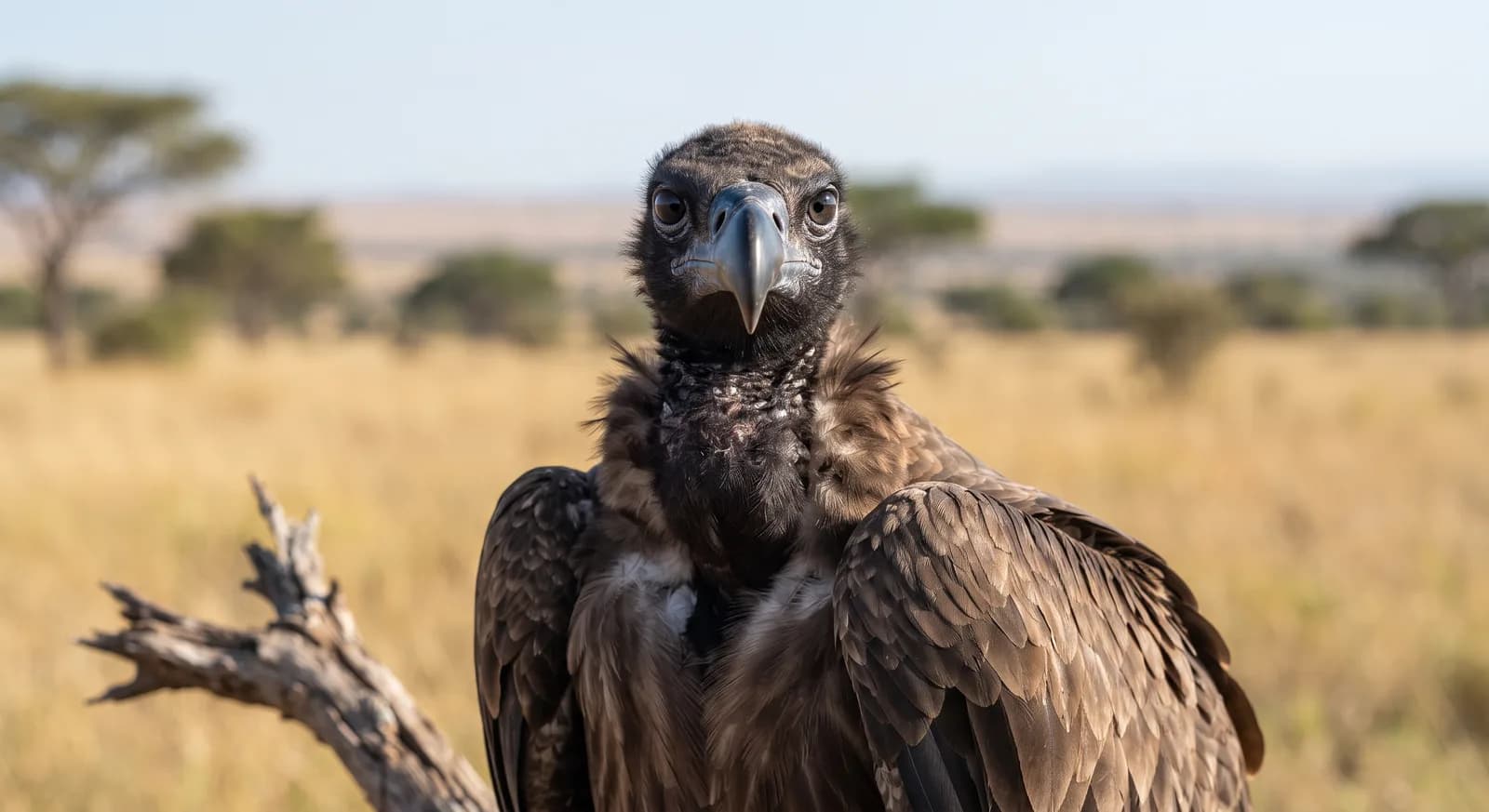 Critically Endangered
White-backed Vulture
Gyps africanus
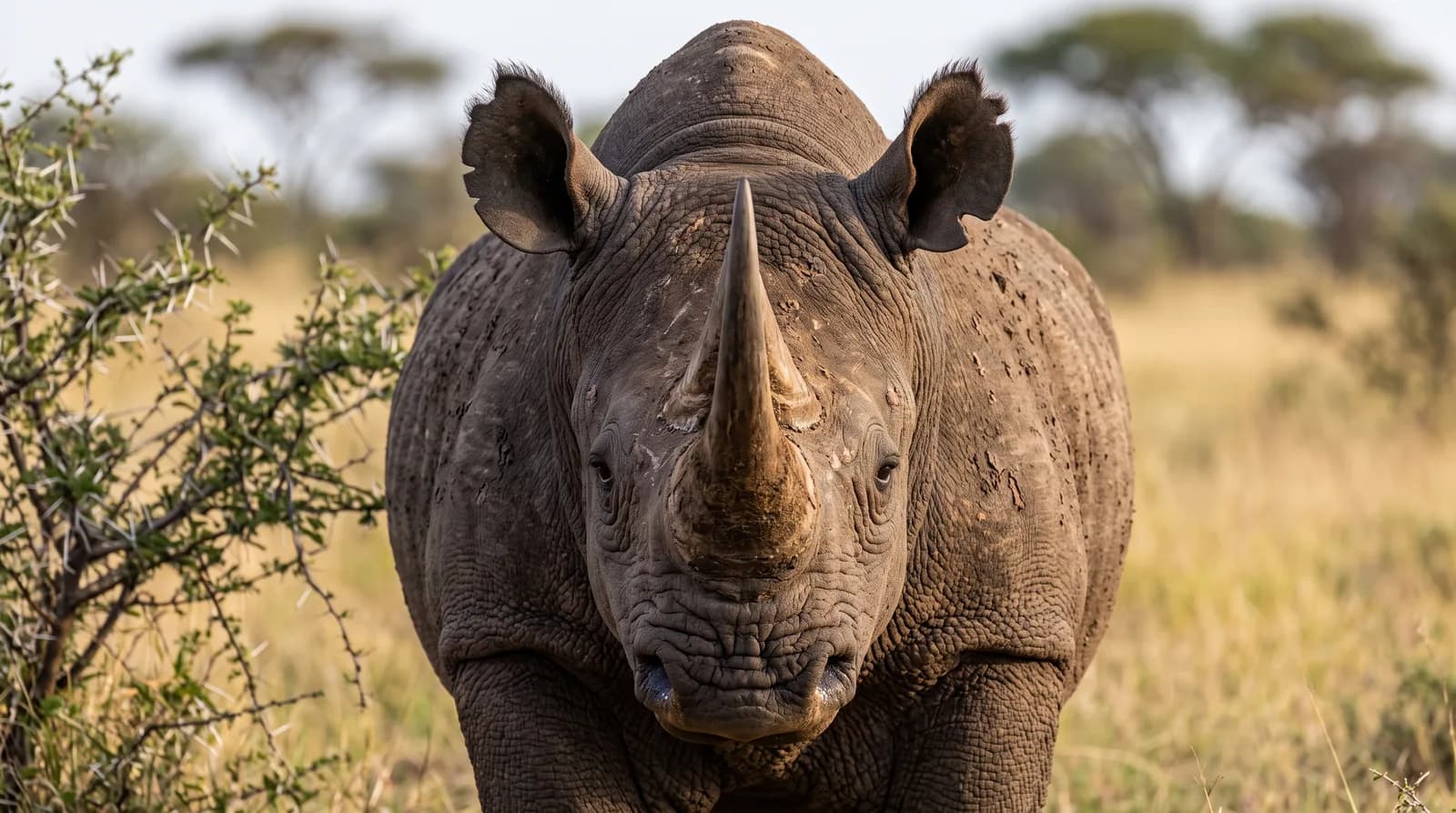 Critically Endangered
Black Rhinoceros
Diceros bicornis
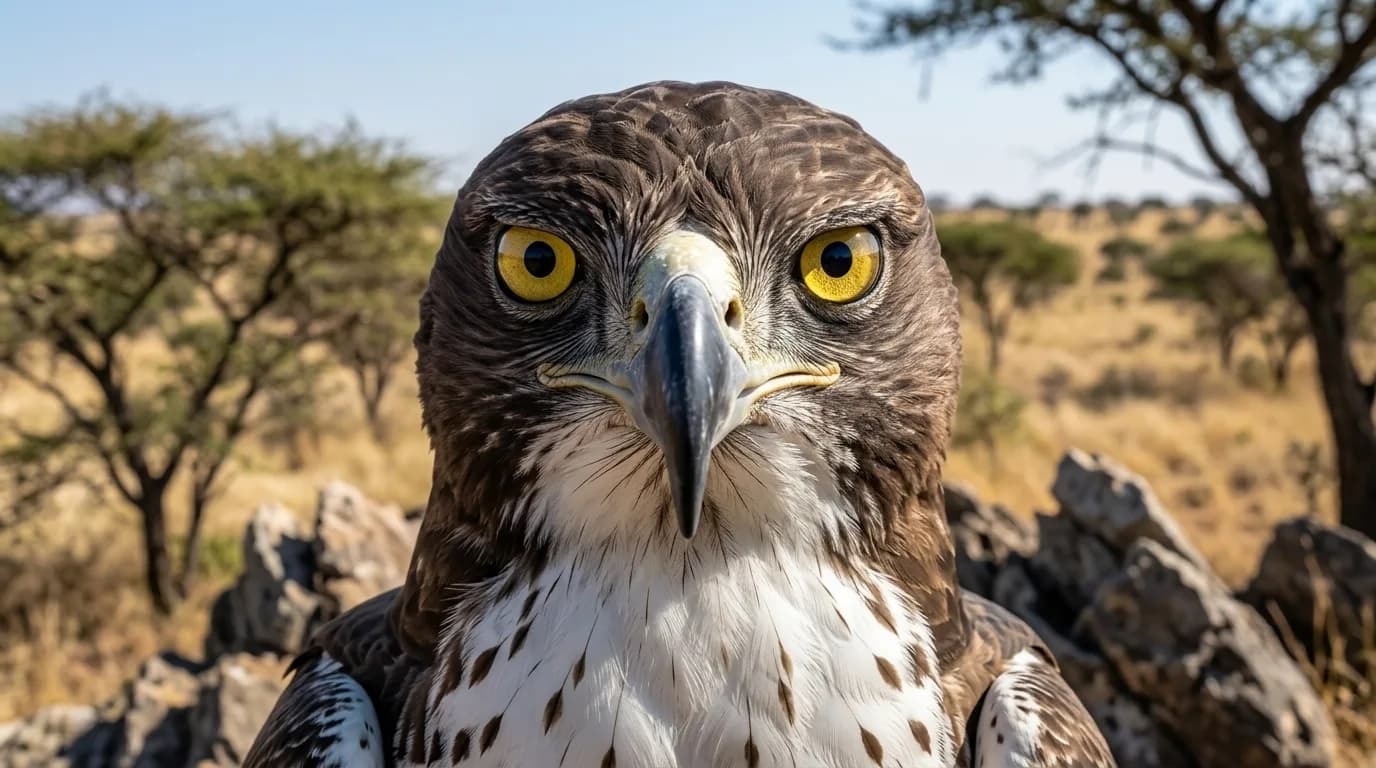 Endangered
Martial Eagle
Polemaetus bellicosus
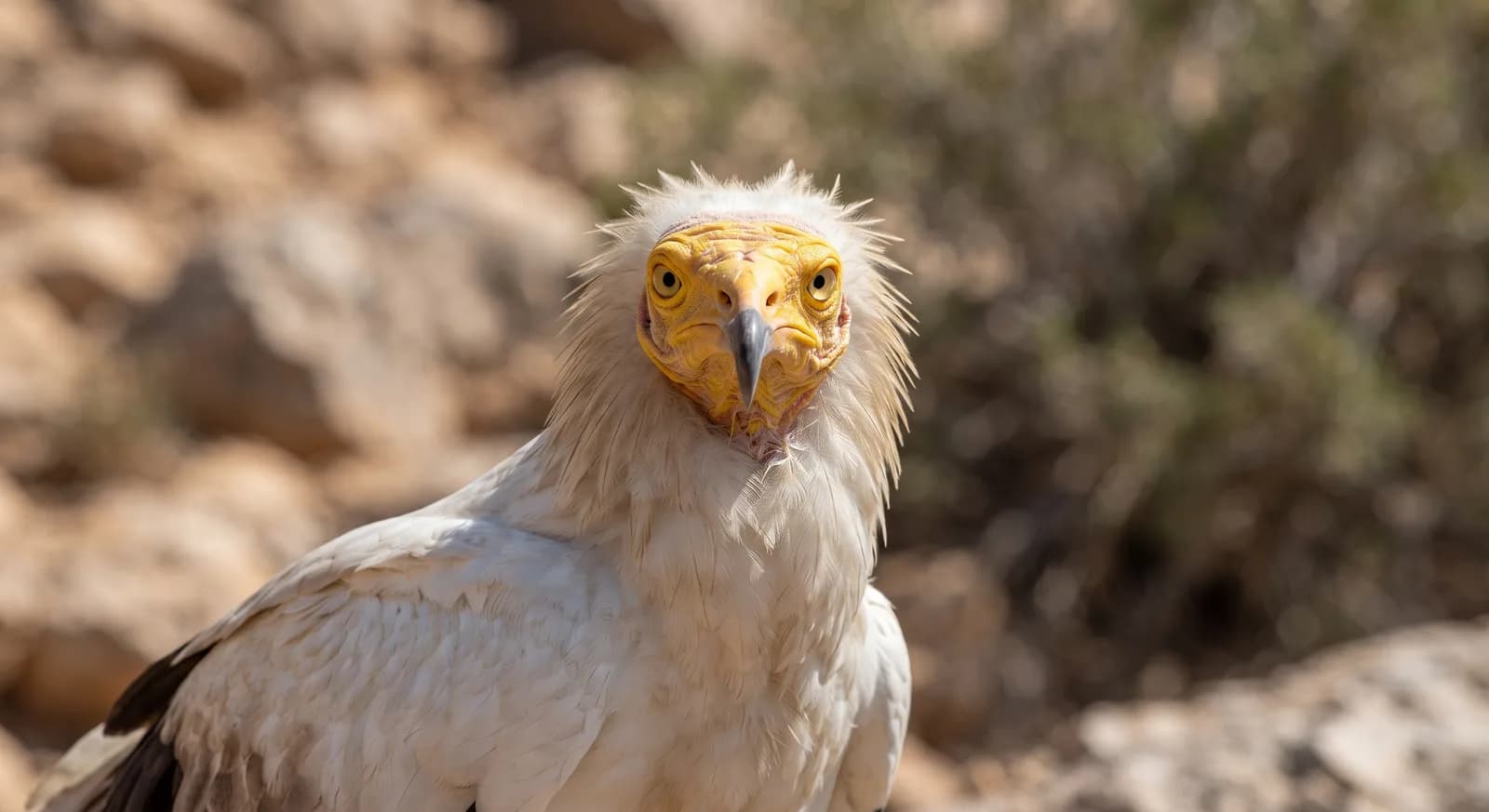 Endangered
Egyptian Vulture
Neophron percnopterus
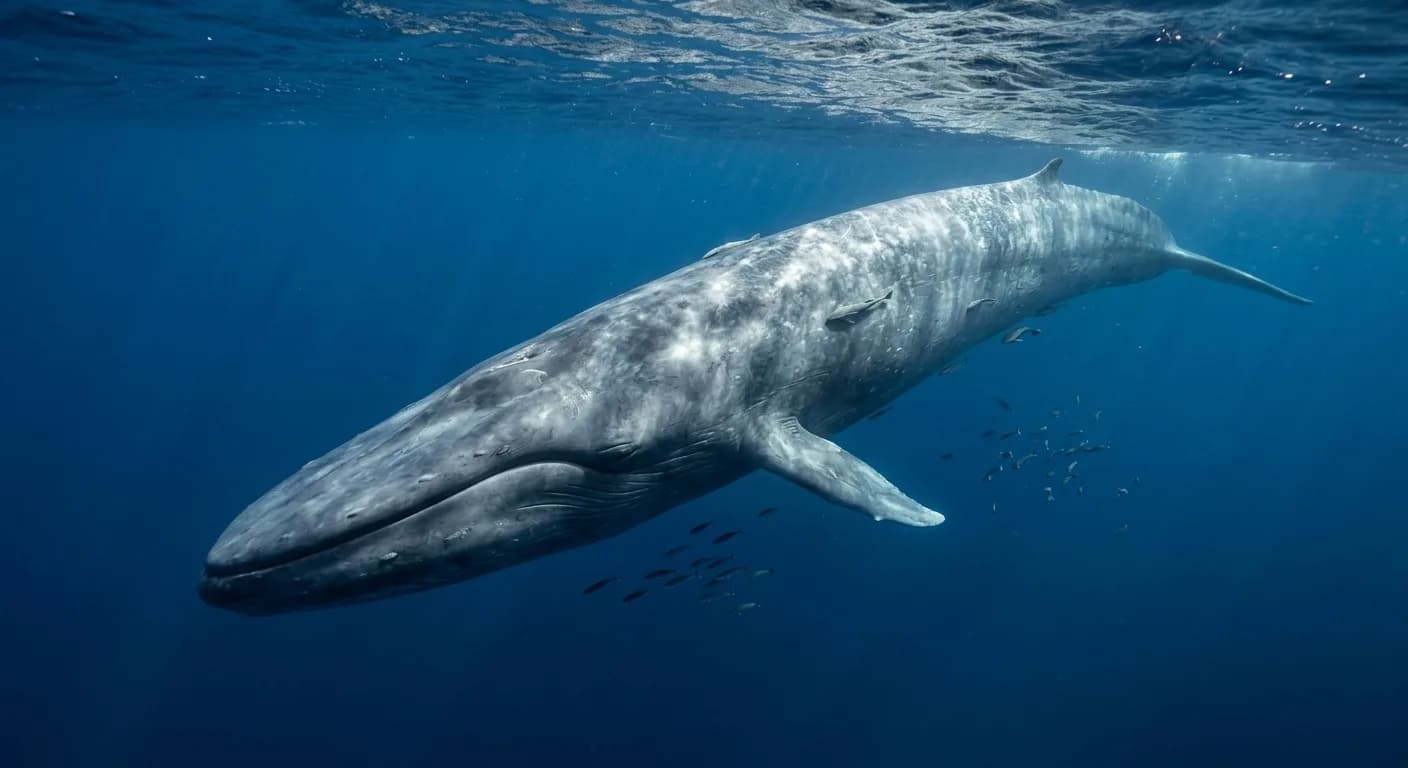 Endangered
Blue Whale
Balaenoptera musculus
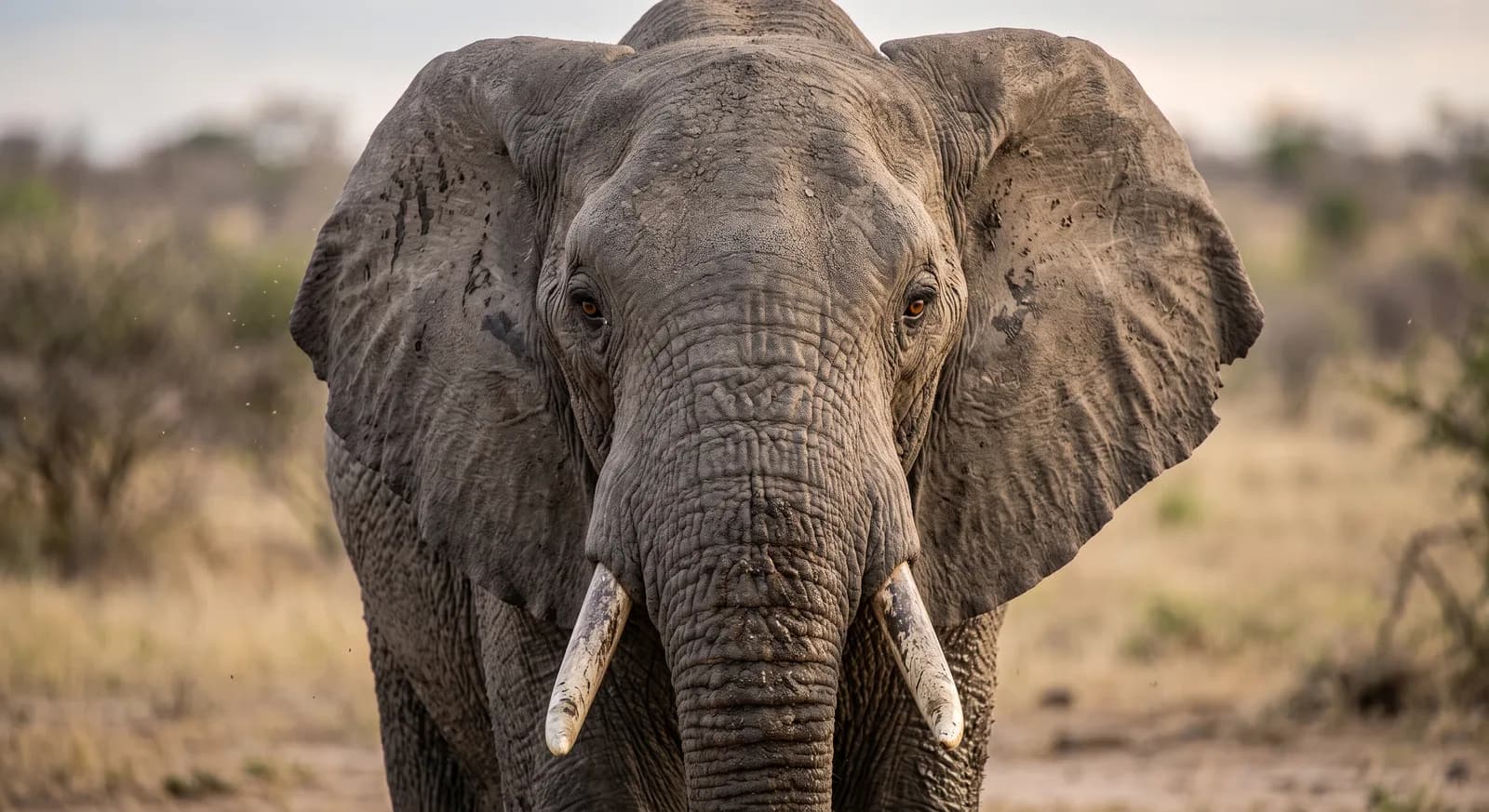 Endangered
African Savanna Elephant
Loxodonta africana
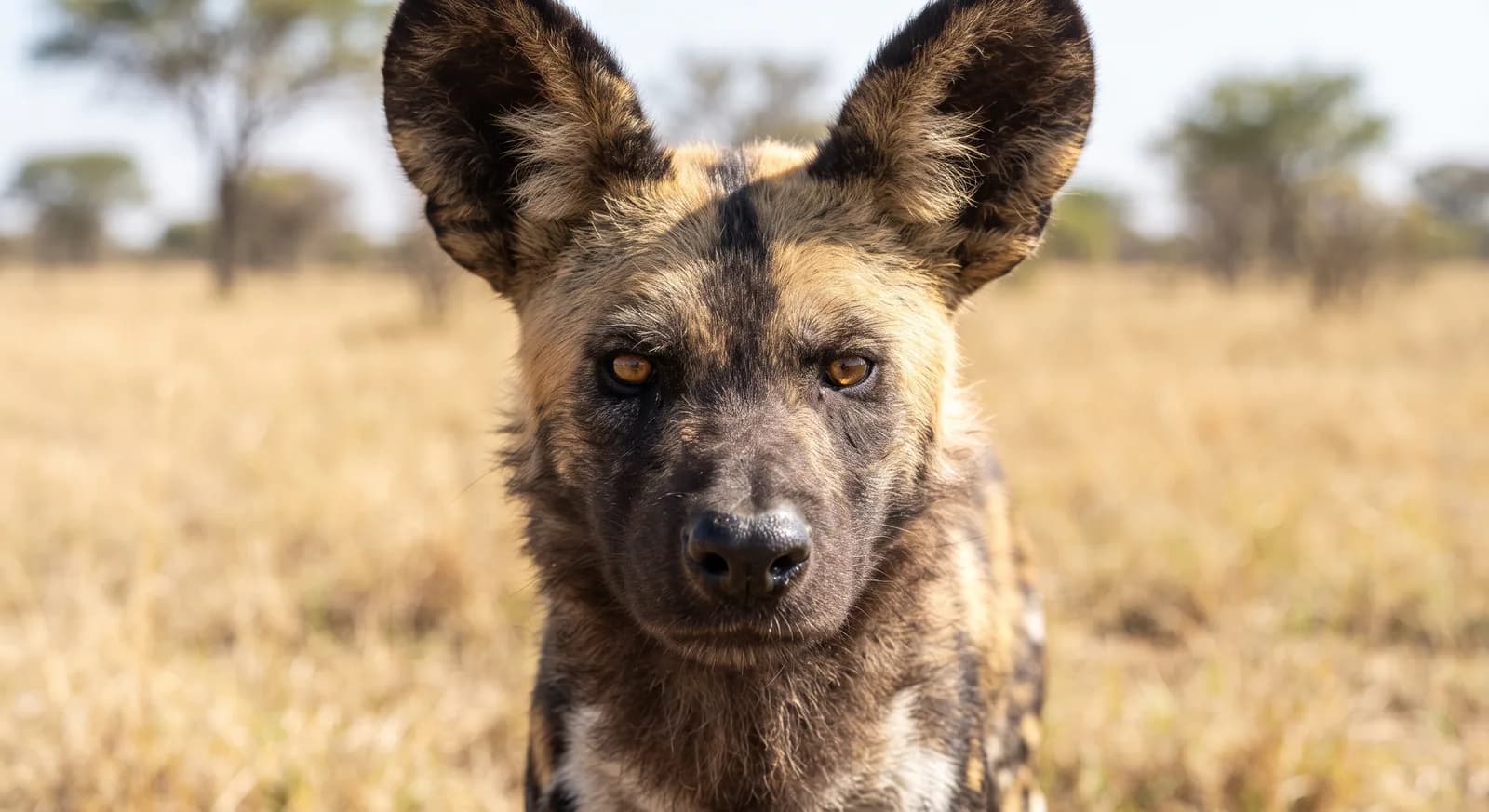 Endangered
African Wild Dog
Lycaon pictus
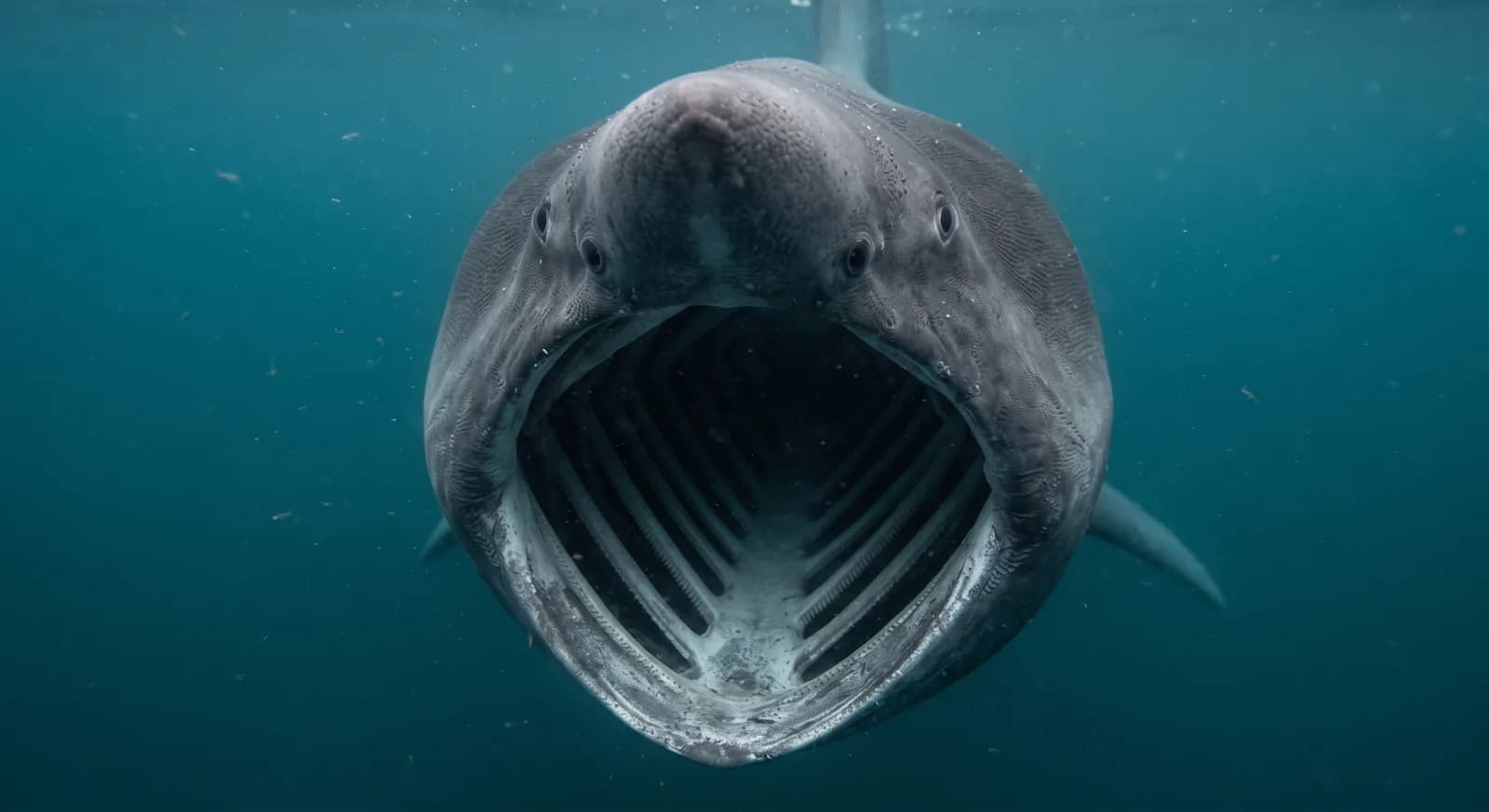 Endangered
Basking Shark
Cetorhinus maximus
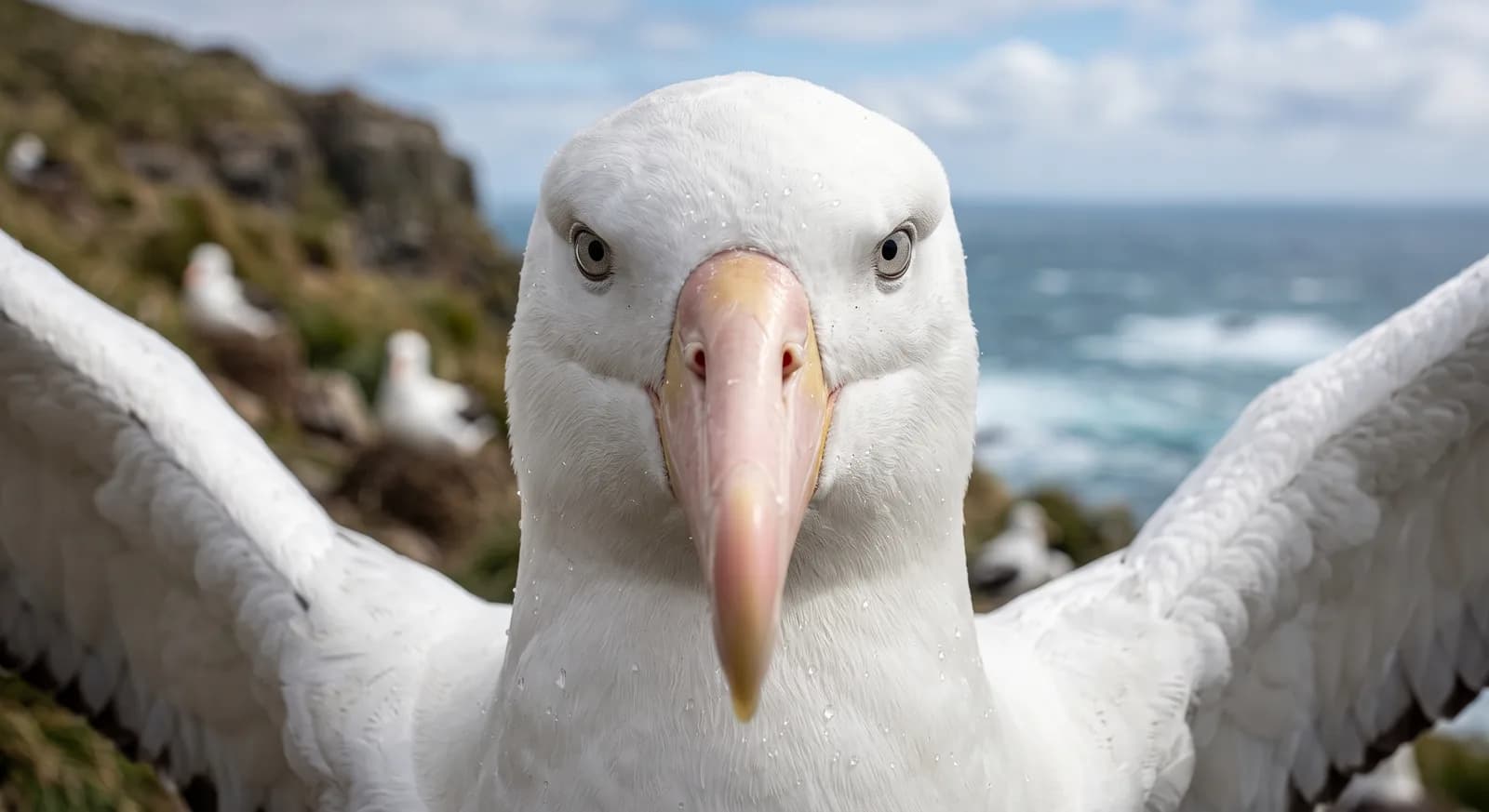 Vulnerable
Southern Royal Albatross
Diomedea epomophora
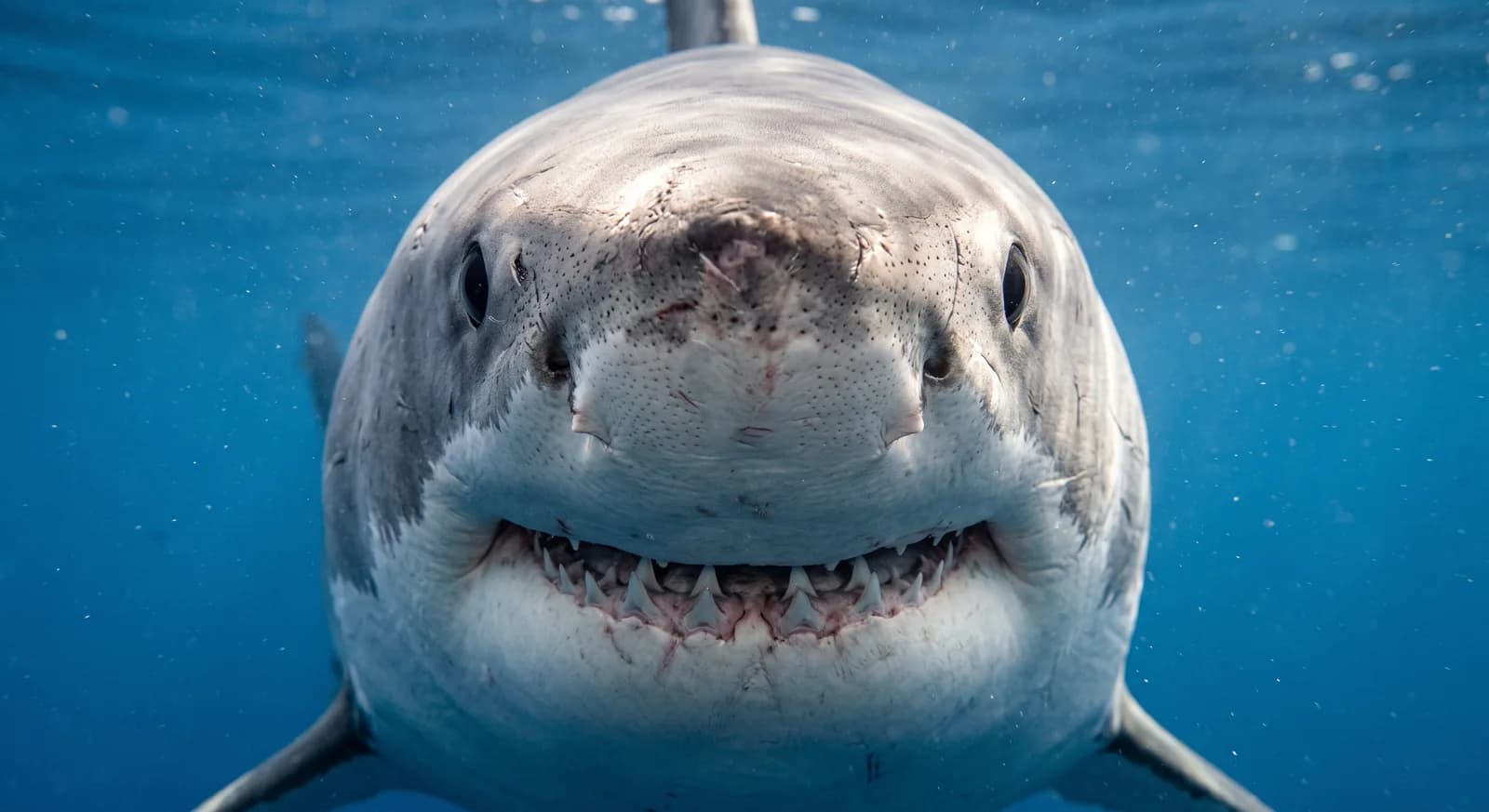 Vulnerable
Great White Shark
Carcharodon carcharias
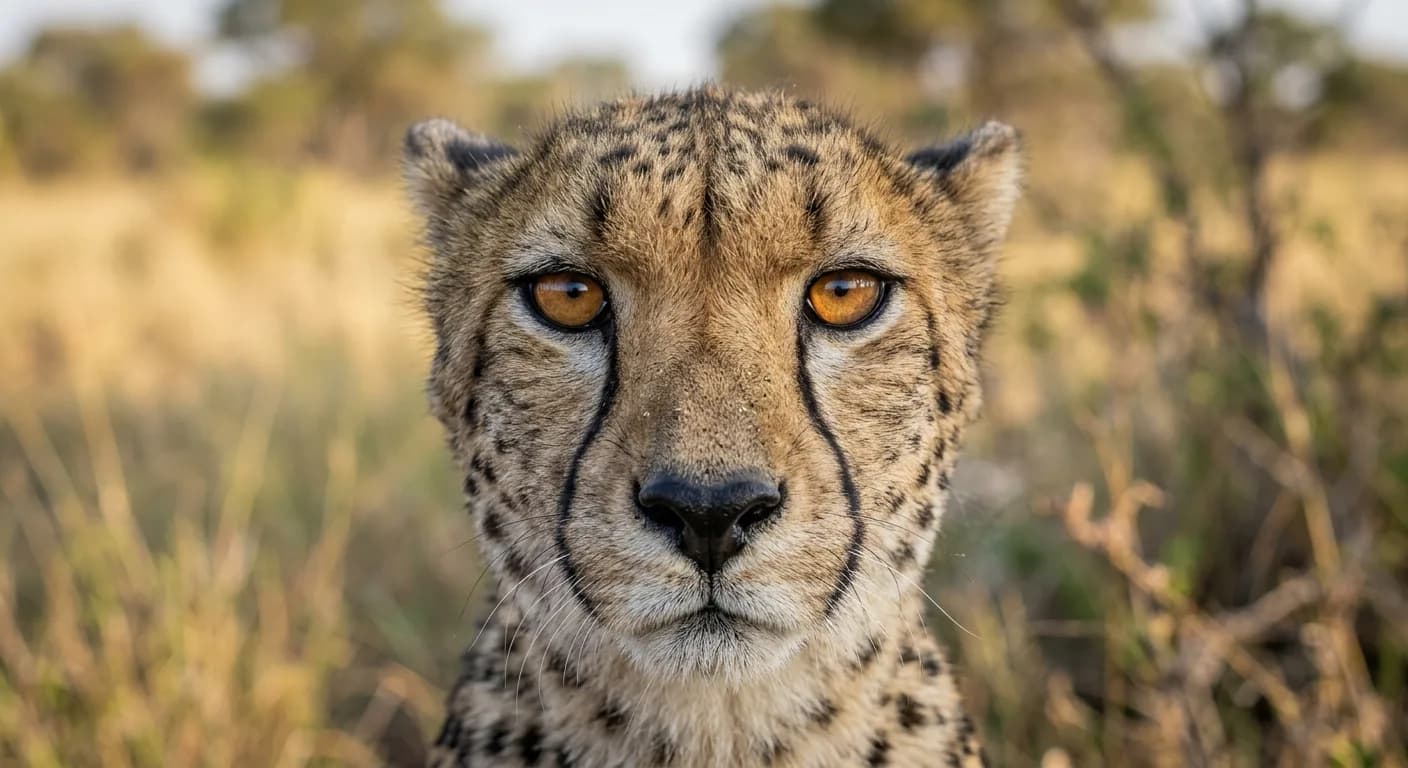 Vulnerable
Cheetah
Acinonyx jubatus
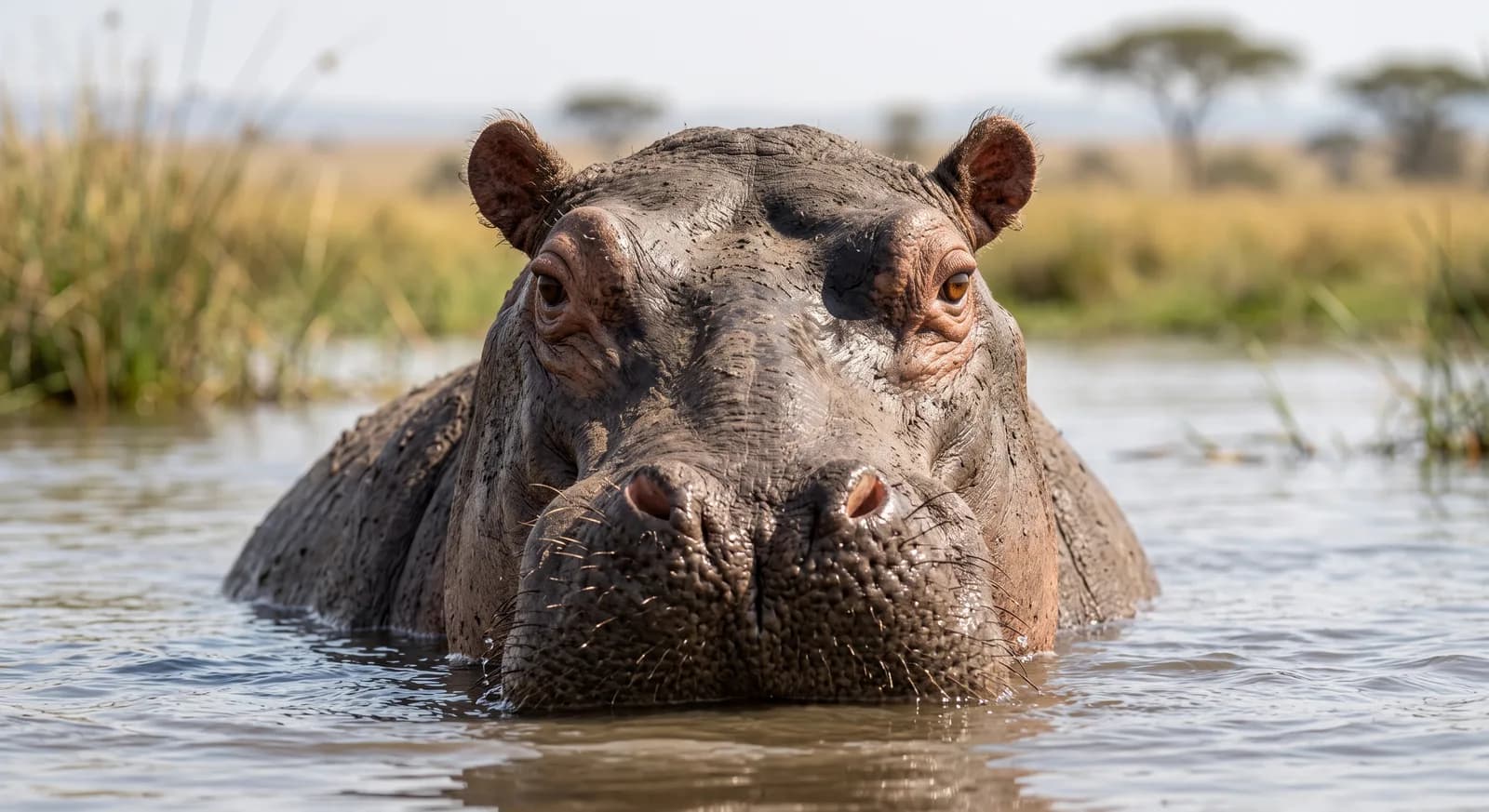 Vulnerable
Common Hippopotamus
Hippopotamus amphibius
Keep exploring
Based on what we already know about Namibia.