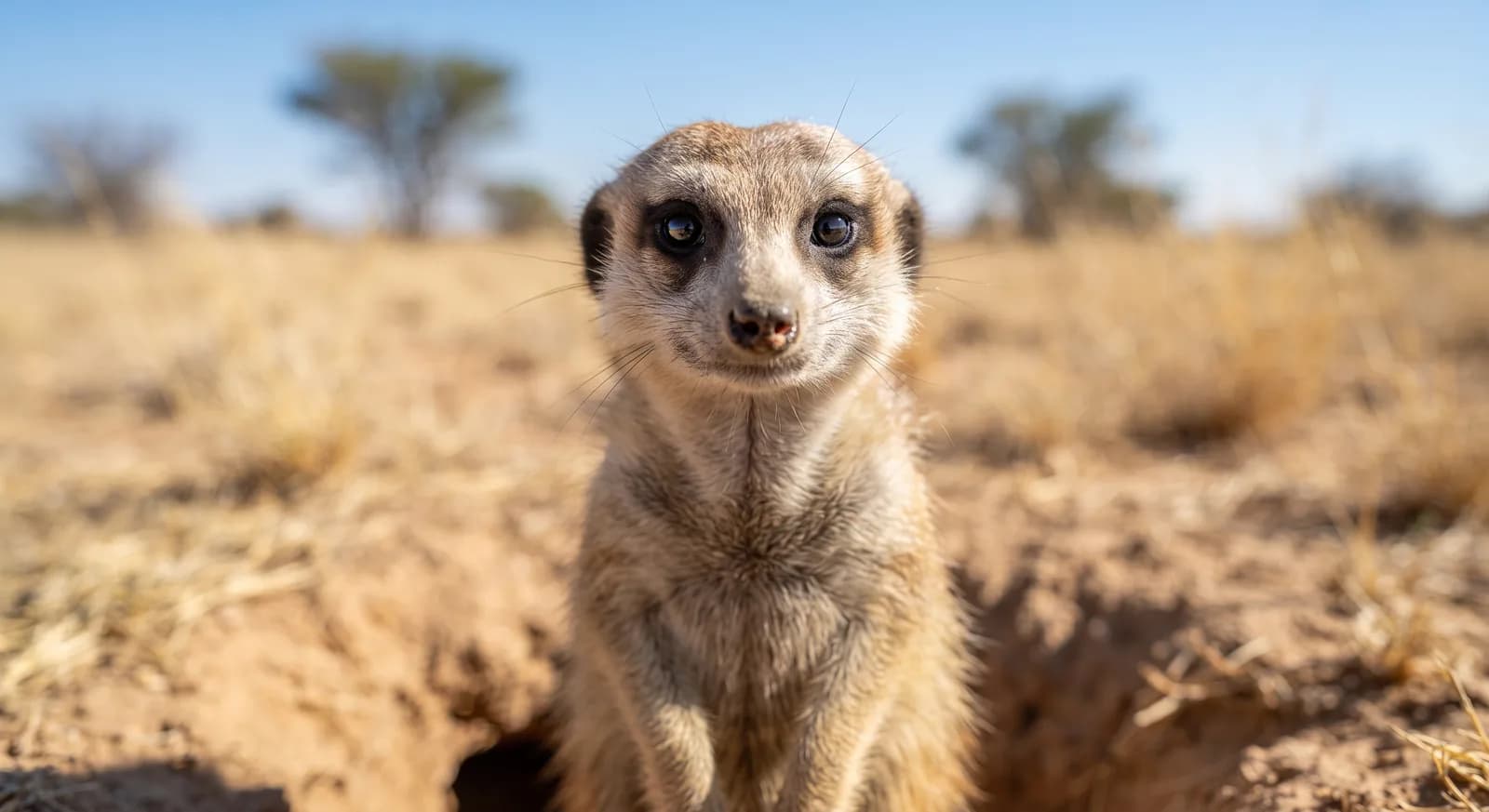
Mammals · Carnivora · Herpestidae
Meerkat
Suricata suricatta
The species is abundant and widely distributed; it faces no significant short-term risk. See full glossary
It lives in highly structured cooperative societies where usually only the dominant pair breeds, while the rest of the group act as volunteer helpers.
Weight
600 g – 1.1 kg
Size
25 cm – 35 cm
Lifespan
13 years
Diet
Insectivore
Feeds mainly on insects and other invertebrates.
Activity
Diurnal
Active mainly during the day.
Social structure
Colony
Lives in large concentrations, often for breeding reasons.
Sighting difficulty
Easy
Fun facts
- Usually only the dominant pair breeds; the rest of the group act as volunteer helpers.
- It lives in systems of underground burrows in the Kalahari Desert.
- Animals that make more trips away from the group live shorter lives.
- reproducciónIn some groups the dominant female may drive out pregnant subordinates, a behaviour tied to competition over breeding.
- comunicaciónThey take turns standing sentry on their hind legs while the rest of the group forages, giving different alarm calls for different kinds of predator.
Life cycle & biology
- Skeleton type
- Vertebrate - internal bony skeleton (mammal)
- Habitat & environment
- The Kalahari Desert and arid and semi-arid regions of south-western Africa, in complex underground burrow systems
- Birth weight
- 25-36 g at birth, eyes and ears closed
- Size at birth
- 25-36 g at birth
- Sexual maturity
- 1-3 years (10-12 months usually given in some sources)
- Gestation / incubation
- 60-70 days (~11 weeks)
- Litter / clutch size
- 1 to 8 young per litter (3-4 most often), with up to 3-4 litters a year in the dominant female
- Lifespan in captivity
- Documented record of up to 20.6 years
Sources consulted: JungleDragon; Wikipedia (comparative reference via Bilderreich); Animal Diversity Web; SANBI; A-Z Animals; Marwell Zoo; AnAge (genomics.senescence.info); PMC (gestational growth study)
Where to find it
See its range on the interactive mapWhere to watch it
Parks and dive sites where this species has been documented.
Related species
Other species in the catalogue with the most in common with Meerkat — same habitat, park, country, tags or family.
Yellow Mongoose
Cynictis penicillata
Banded Mongoose
Mungos mungo
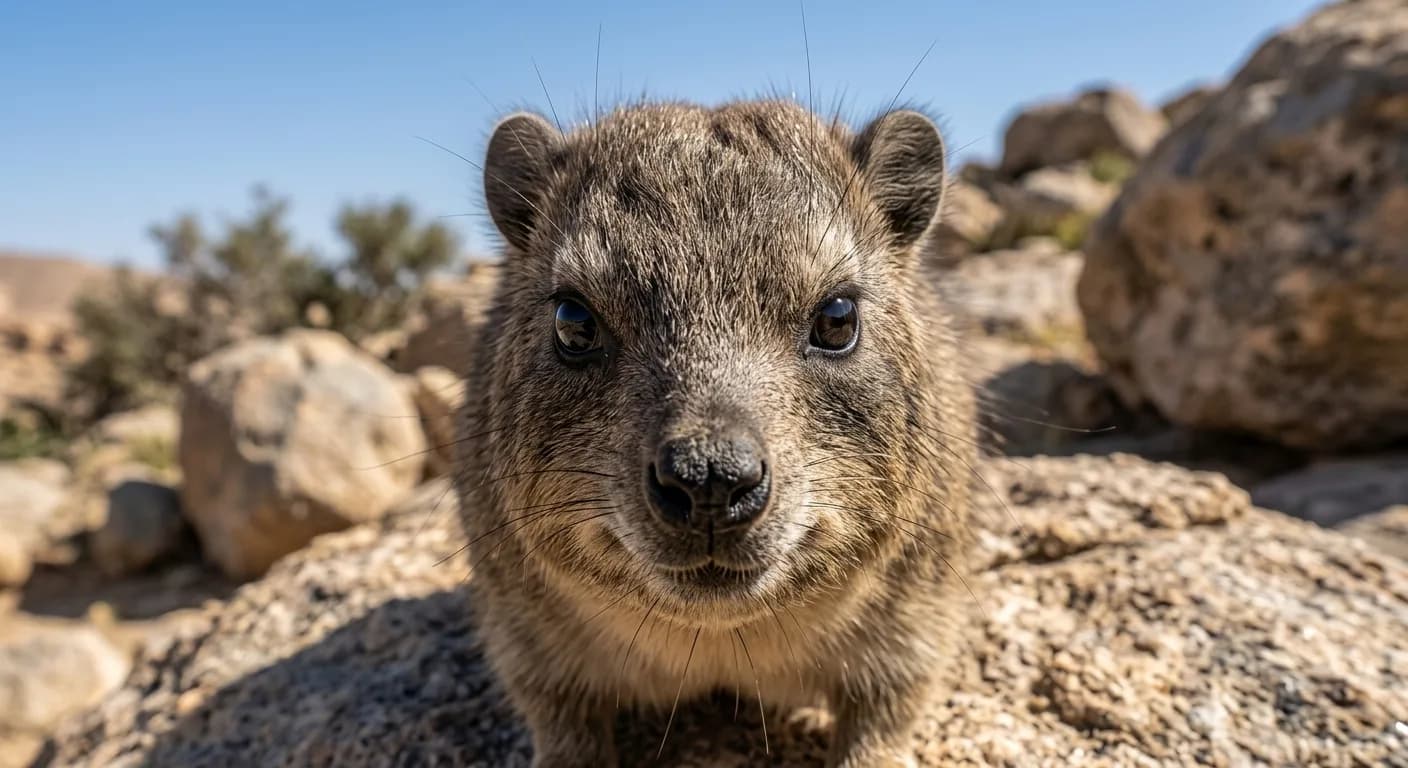 Least Concern
Rock Hyrax
Procavia capensis
South African Ground Squirrel
Xerus inauris
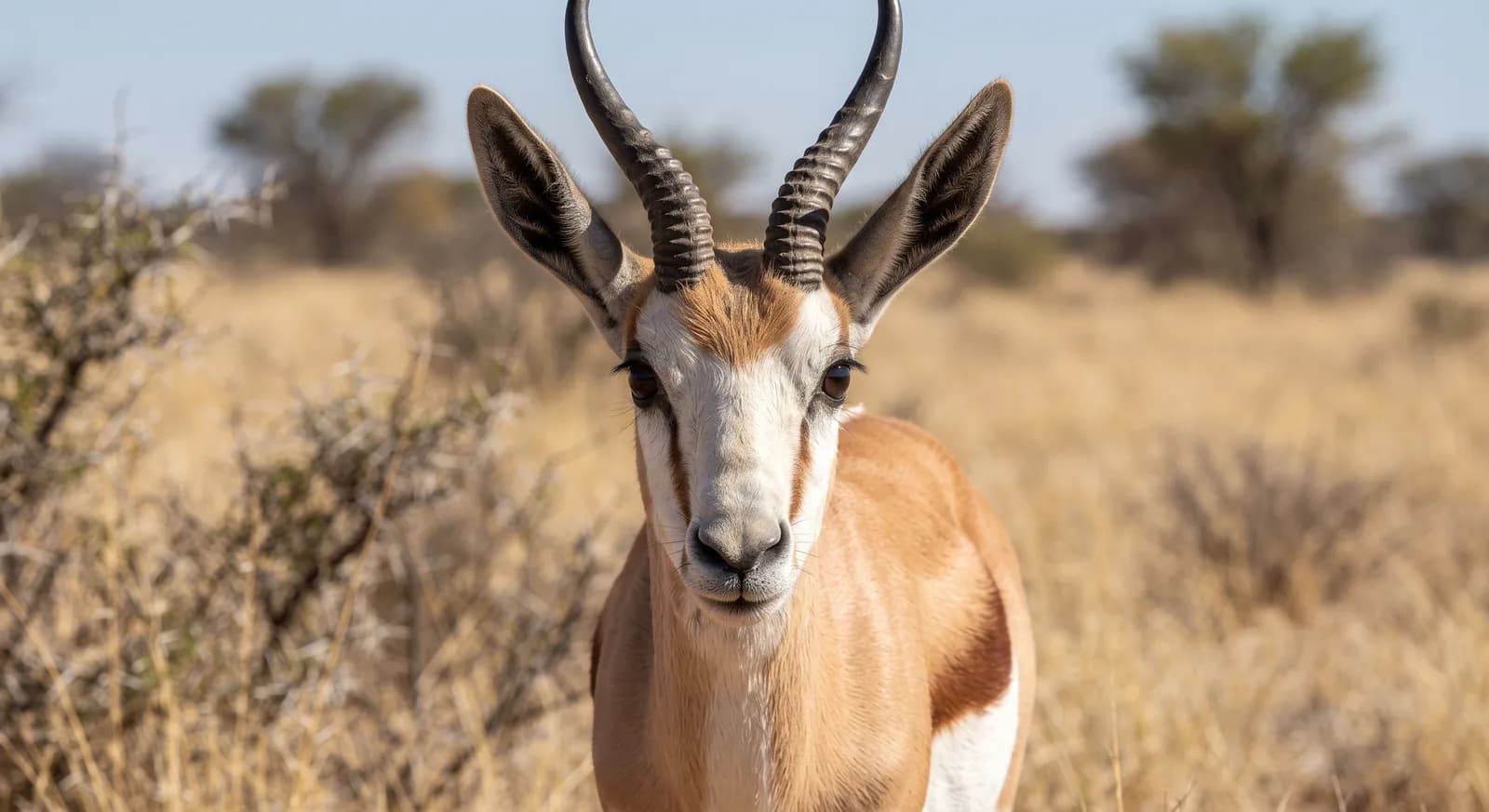 Least Concern
Springbok
Antidorcas marsupialis
Rosy-faced Lovebird
Agapornis roseicollis
Keep exploring
Based on what we already know about meerkat.
Comments
Share an experience, a fun fact or a tip for seeing the meerkat.
Be the first to comment.