Eswatini
África
Eswatini is one of the smallest countries in Africa and yet it strings together four clearly distinct ecological steps in barely two hundred kilometres: the mountainous, humid highveld of the west, the middleveld of hills, the warm lowveld of thorn savannah and the Lubombo mountains, which form the eastern border. That sequence concentrates a remarkable diversity of plants and birds for its size. Malolotja, in the northwest, protects high-altitude grassland, waterfalls and some of the oldest rocks on the planet, with formations more than three billion years old. In the lowveld, Hlane and Mkhaya hold elephants, white and black rhinoceroses, lions and one of the most important vulture populations in the region, with well-established roosts and breeding colonies.
The nature of Eswatini
National animal: No official national animal; the lion and the elephant represent the king and the queen mother on the state coat of arms
Did you know?
By the middle of the twentieth century the country's wildlife had been almost entirely wiped out by hunting. The recovery began on a family farm turned into a private sanctuary by its owner in the early 1960s, where species were reintroduced one by one until whole communities had been rebuilt. That domestic project ended up giving rise to the network of parks that protects the country's wildlife today.
Biodiversity profile
Climate
- •Templado de montaña en el Highveld (oeste, mas fresco)
- •Tropical con estacion seca (Aw) en el Lowveld (este, mas calido)
Main biomes
- •Pastizal y bosque montano en el Highveld
- •Sabana en el Lowveld
- •Montañas Lubombo en la frontera este con Mozambique
- •Sabana espinosa de lowveld
- •Pradera de highveld
- •Bosque de niebla de montaña
- •Bosque ribereño
- •Sierra de Lubombo
- •Cascada y garganta
- •Matorral de middleveld
Marine and coastal ecosystems
- •No aplica (pais sin litoral)
Flagship wildlife
- •Rinoceronte blanco y negro (poblaciones reintroducidas)
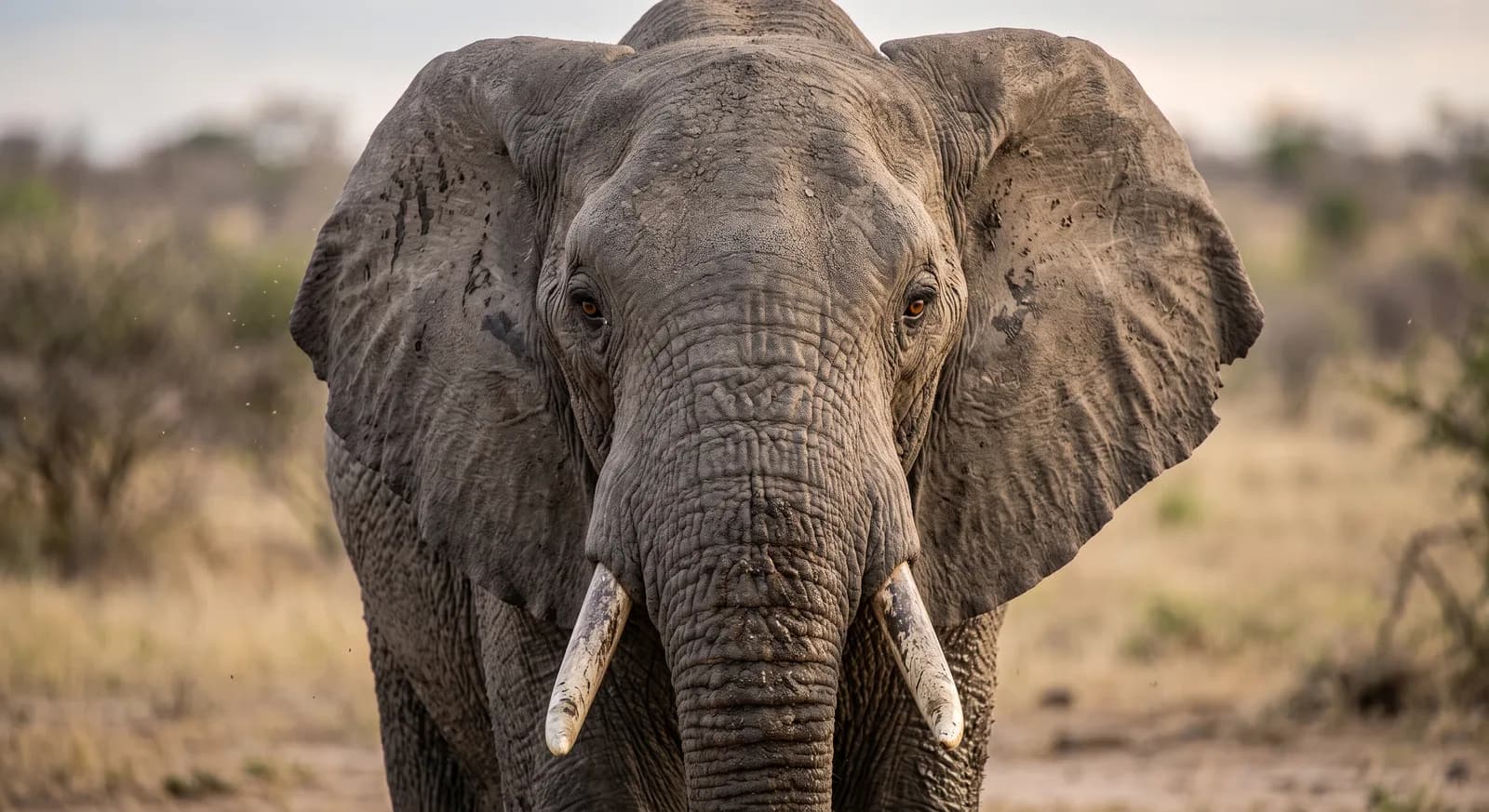
- •Elefante de sabana
- •Leon africano (reintroducido)
- •Antilope ruano
- •Rinoceronte blanco
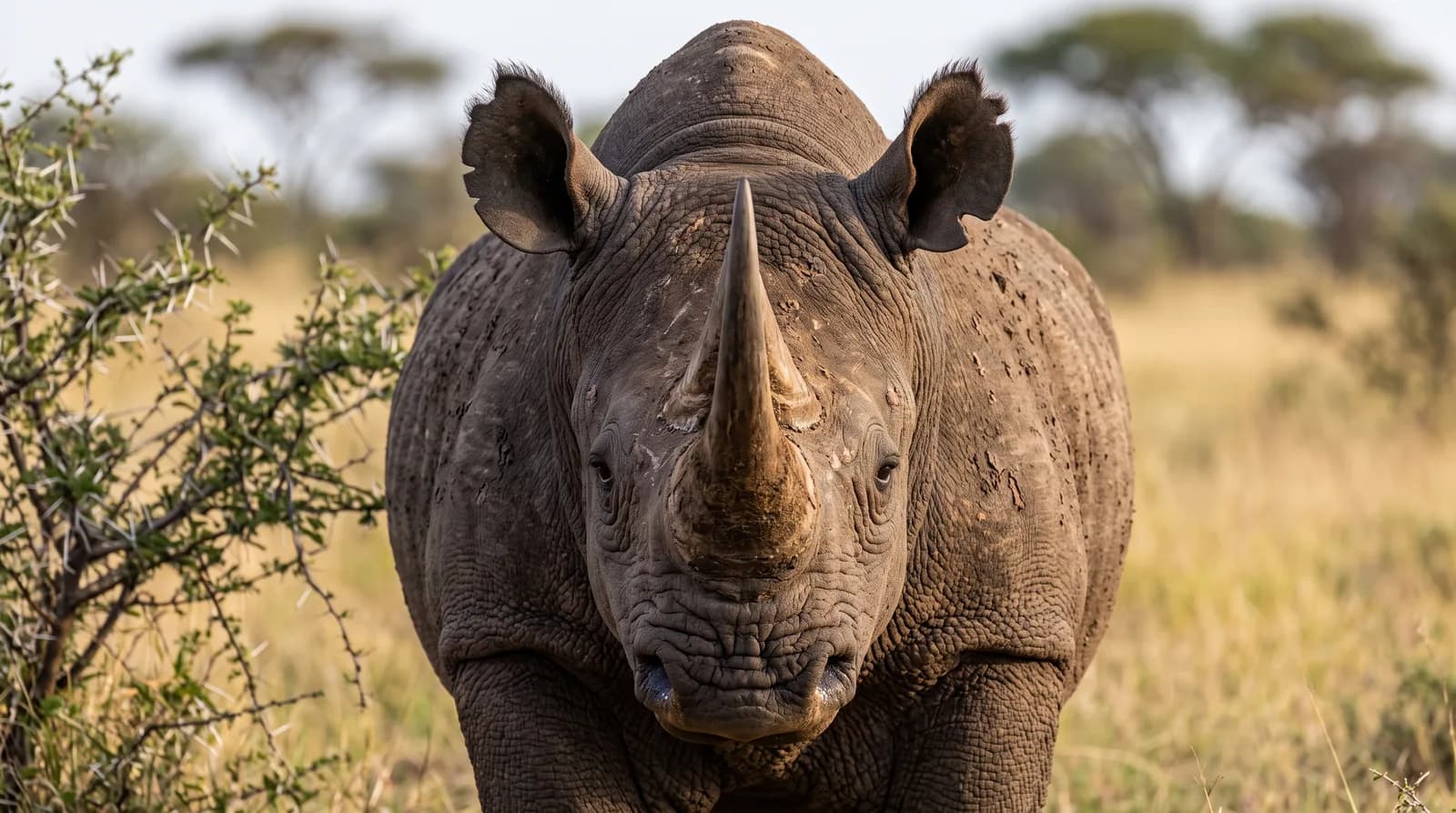
- •Rinoceronte negro
- •Elefante africano de sabana
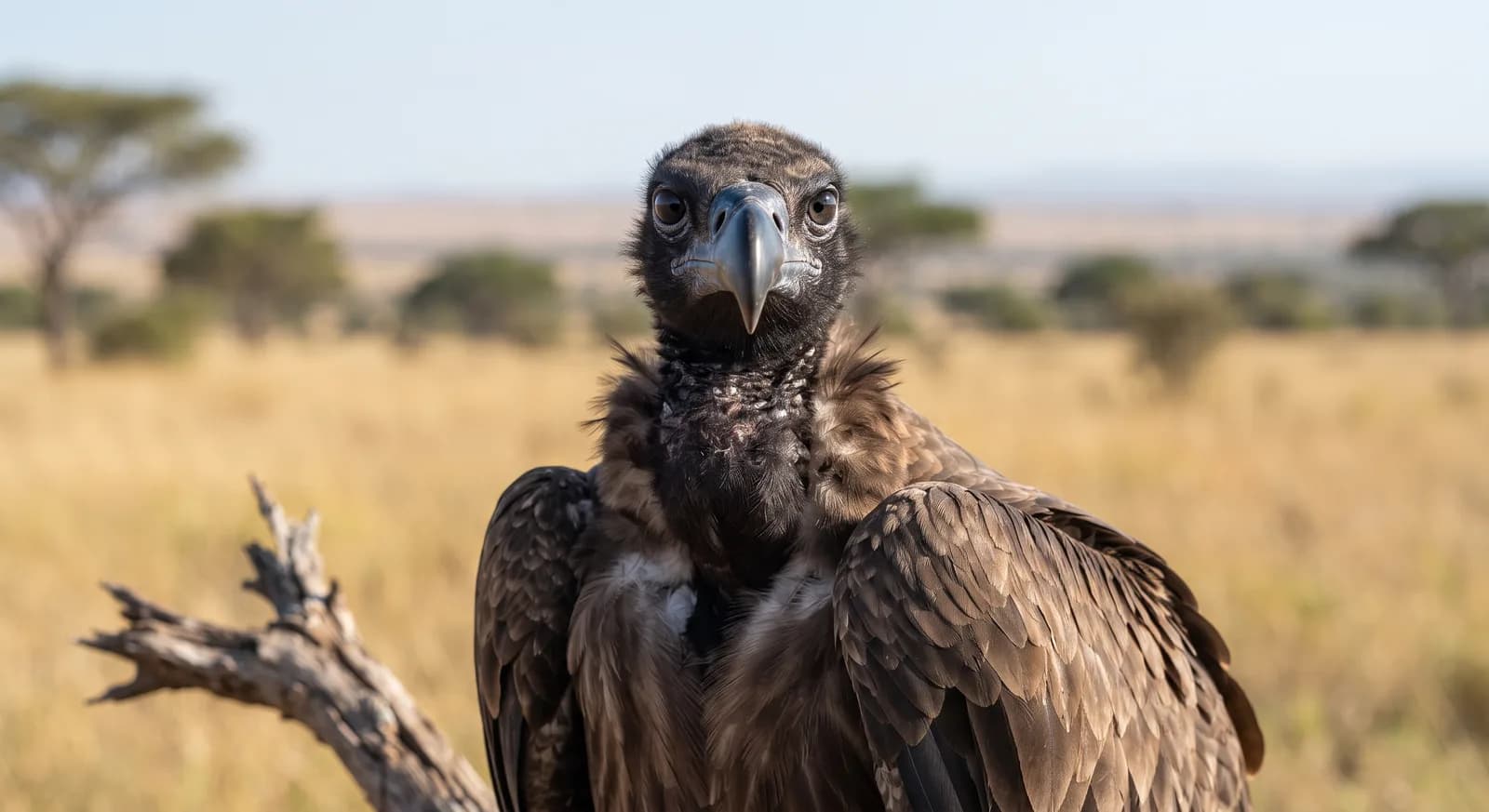
- •Buitre dorsiblanco africano
- •Antílope sable
- •Ñu azul
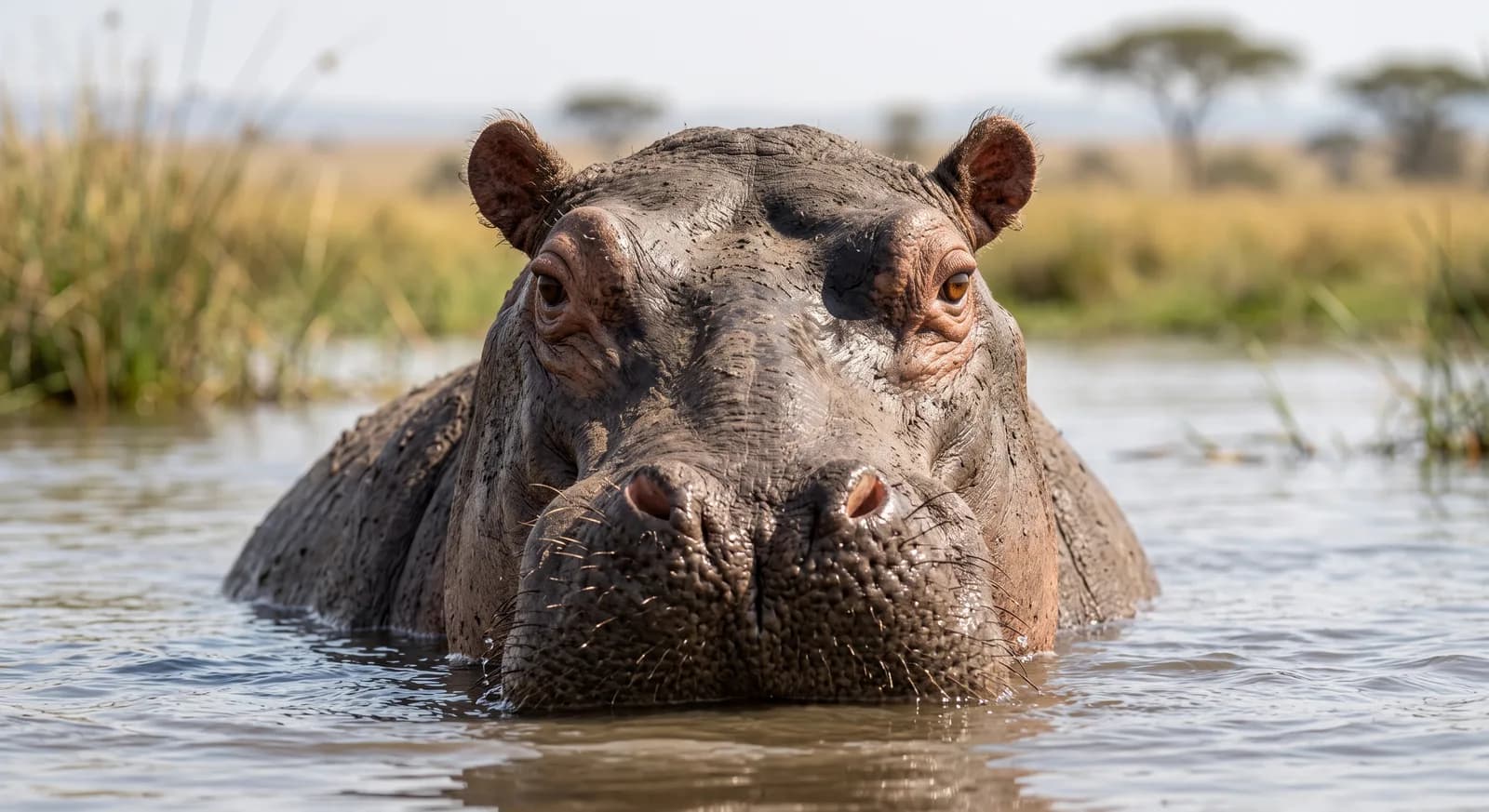
- •Hipopótamo
- •Cocodrilo del Nilo
- •Águila cafre
Notable endemic species
- •Mas de 2.400 especies de plantas y 820 especies de vertebrados registradas en un territorio muy reducido, con endemismos compartidos con el vecino Escarpe Limpopo-Mpumalanga-Eswatini, uno de los centros de endemismo de plantas mas ricos de Africa Austral
- •Cicadácea de Kaapsehoop
Notable threatened species
- •Rinoceronte negro (En Peligro Critico, poblacion reintroducida bajo vigilancia antifurtiva)
- •Especies de pastizal montano bajo presion de fragmentacion
Notable protected areas
- •Reserva de Vida Silvestre de Hlane (elefantes, leones, rinocerontes)
- •Santuario de Vida Silvestre de Mlilwane
- •Reserva Natural de Malolotja
- •Parque Nacional Real de Hlane
- •Reserva de Mkhaya
- •Santuario de Fauna de Mlilwane
- •Reserva de Mlawula
- •Reserva de Mantenga
Main conservation threats
- •Degradacion de habitat por conversion a otros usos de suelo (plantaciones agricolas)
- •Especies vegetales invasoras
- •Fragmentacion severa del territorio por el reducido tamaño del pais
Conservation
The country passed very severe wildlife protection legislation in the 1990s after a wave of rhinoceros poaching, and since then its losses have been minimal compared with those of its neighbours.
Where and when to watch wildlife
Hlane and Mkhaya in the dry season for rhinoceroses and elephants. Malolotja between September and March for high-altitude flora and birds. Vulture roosts at dusk.
Sources: animalia.bio - Animals of Eswatini | BioDB.com - Eswatini | Frontiers - Limpopo-Mpumalanga-Eswatini Escarpment
Países similares
¿A dónde más podría interesarme viajar?
Misma región: África Austral
Misma región: África Austral
Misma región: África Austral
Misma región: África Austral
Especies documentadas en Eswatini
165 species found
 Critically Endangered
White-backed Vulture
Gyps africanus
 Critically Endangered
Black Rhinoceros
Diceros bicornis
 Endangered
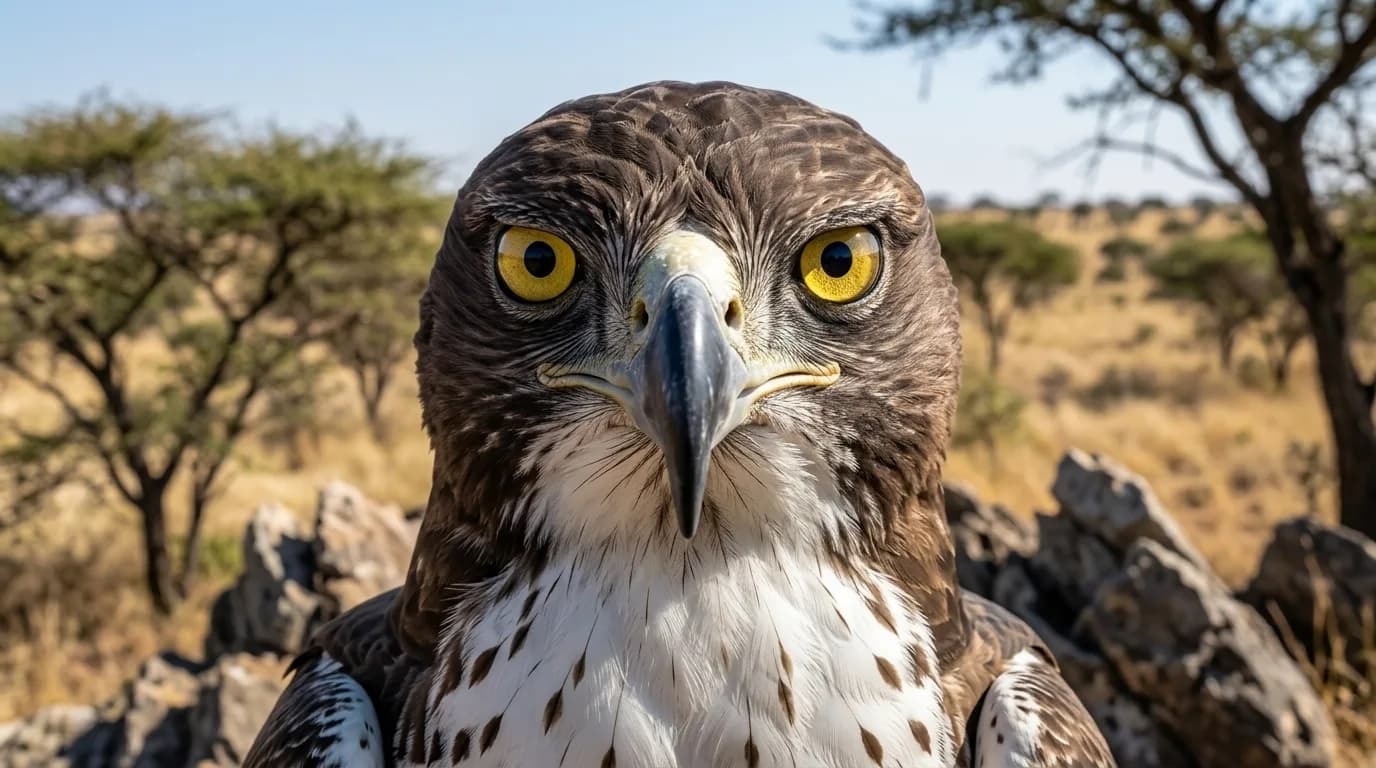
Martial Eagle
Polemaetus bellicosus
 Endangered
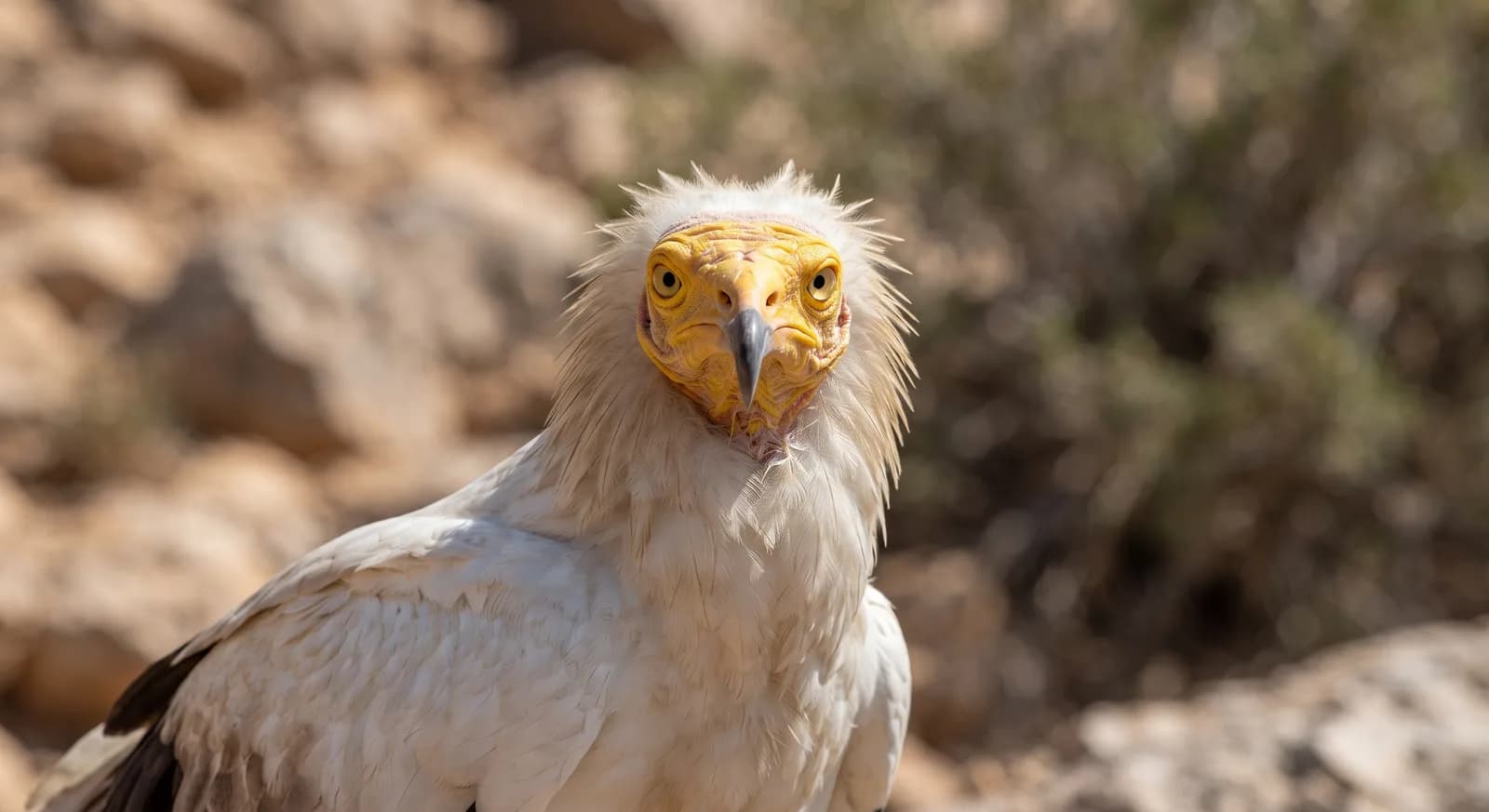
Egyptian Vulture
Neophron percnopterus
 Endangered
African Savanna Elephant
Loxodonta africana
 Endangered
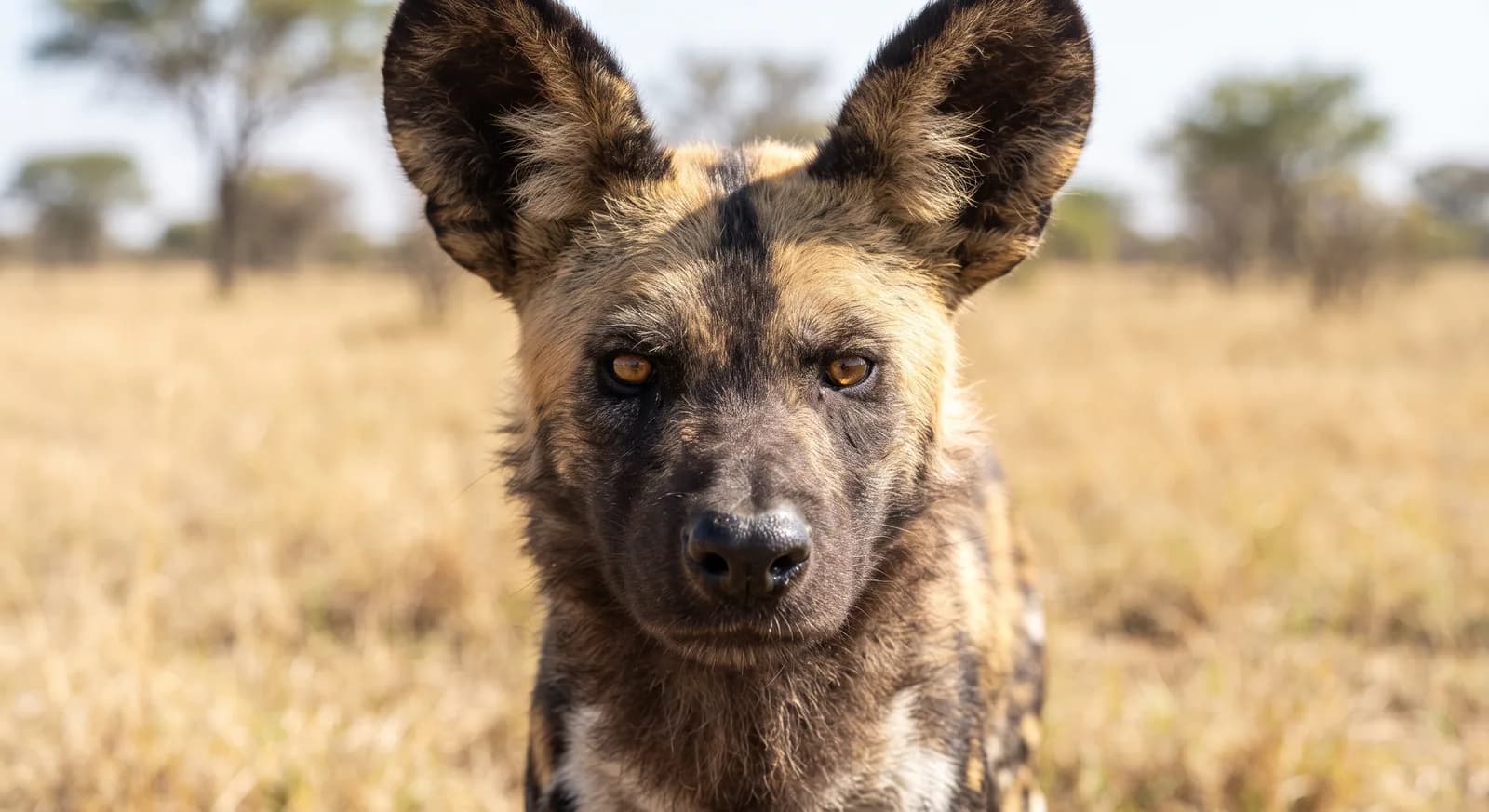
African Wild Dog
Lycaon pictus
 Vulnerable
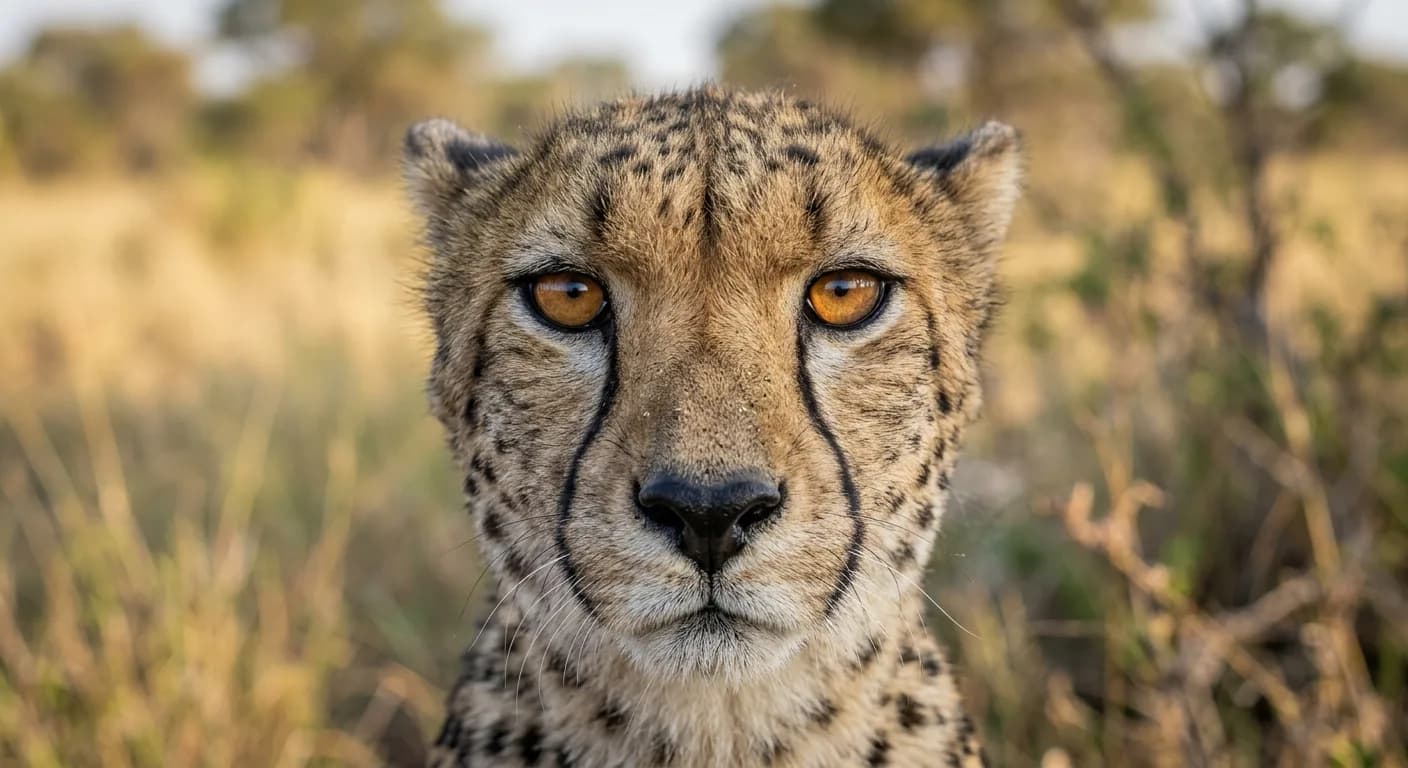
Cheetah
Acinonyx jubatus
 Vulnerable
Common Hippopotamus
Hippopotamus amphibius
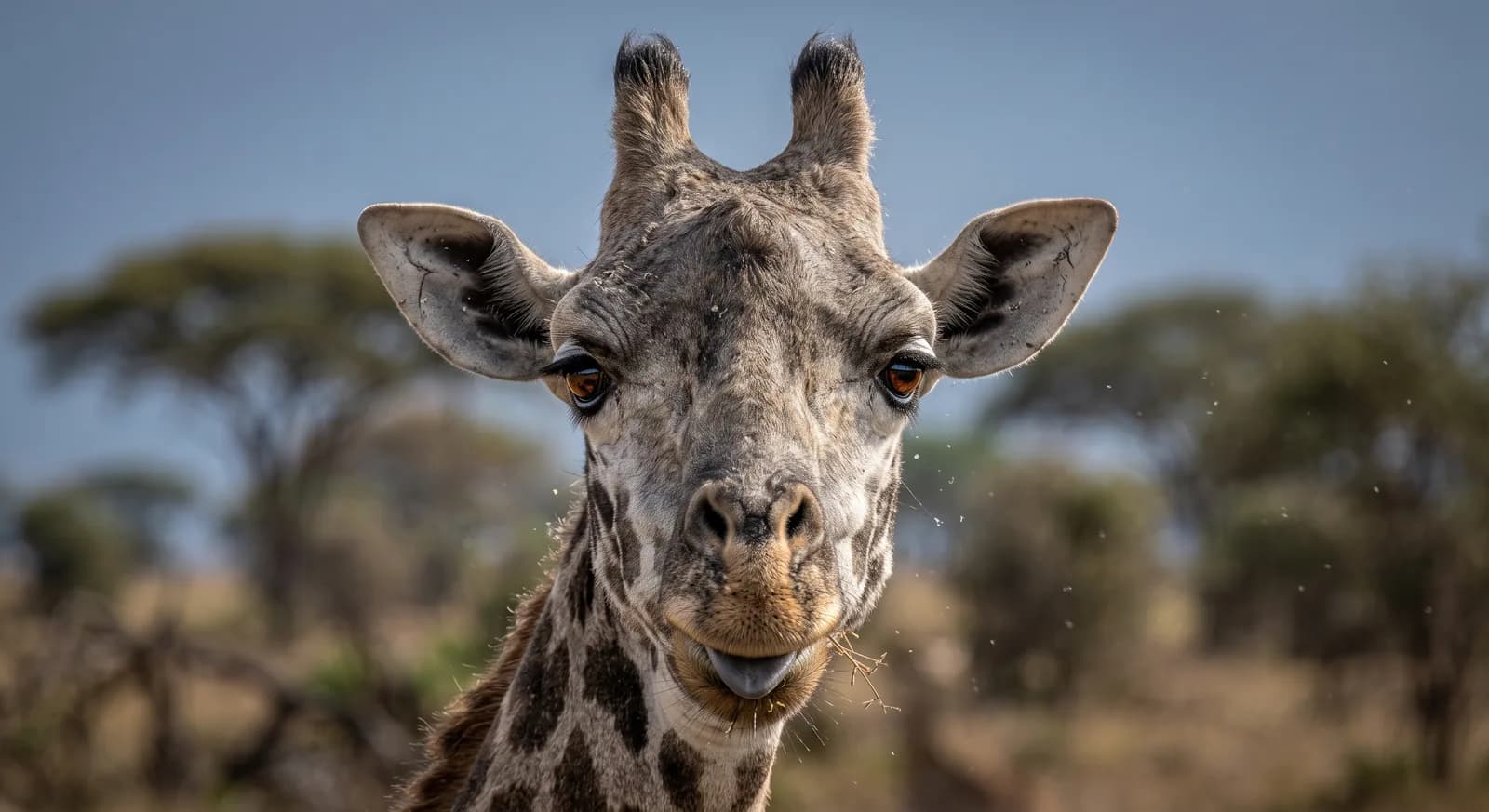 Vulnerable
Giraffe
Giraffa camelopardalis
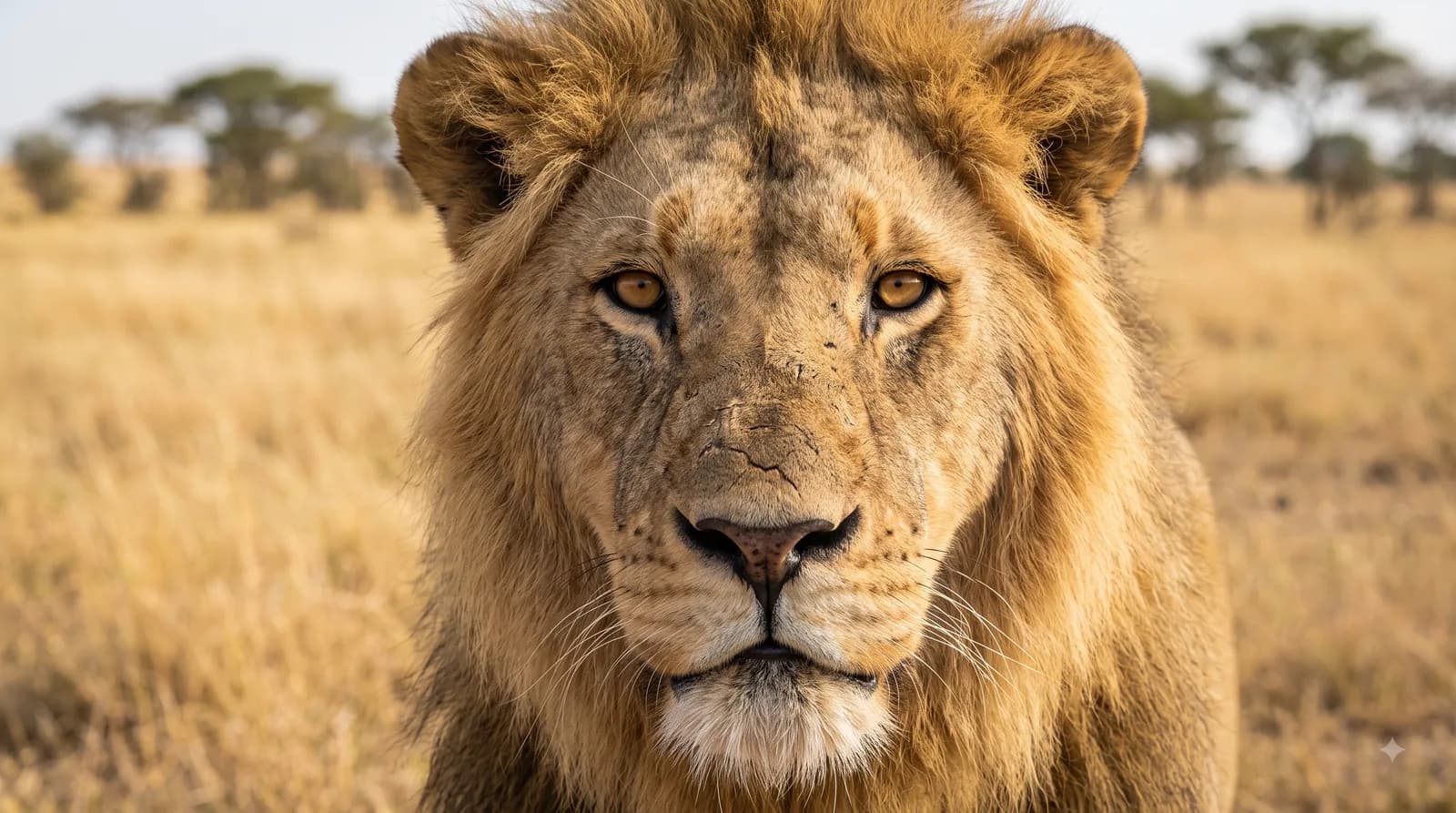 Vulnerable
Lion
Panthera leo
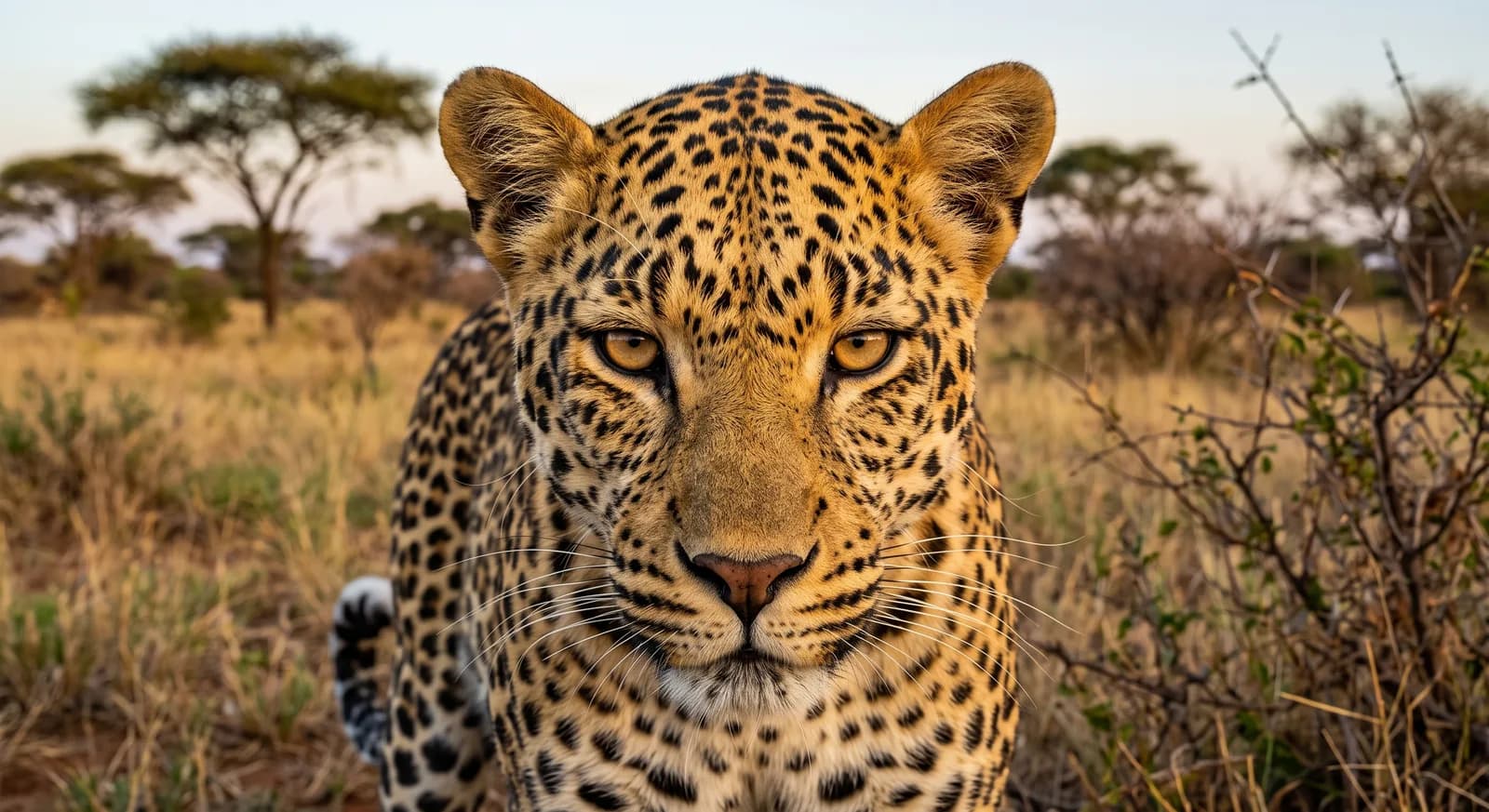 Vulnerable
Leopard
Panthera pardus
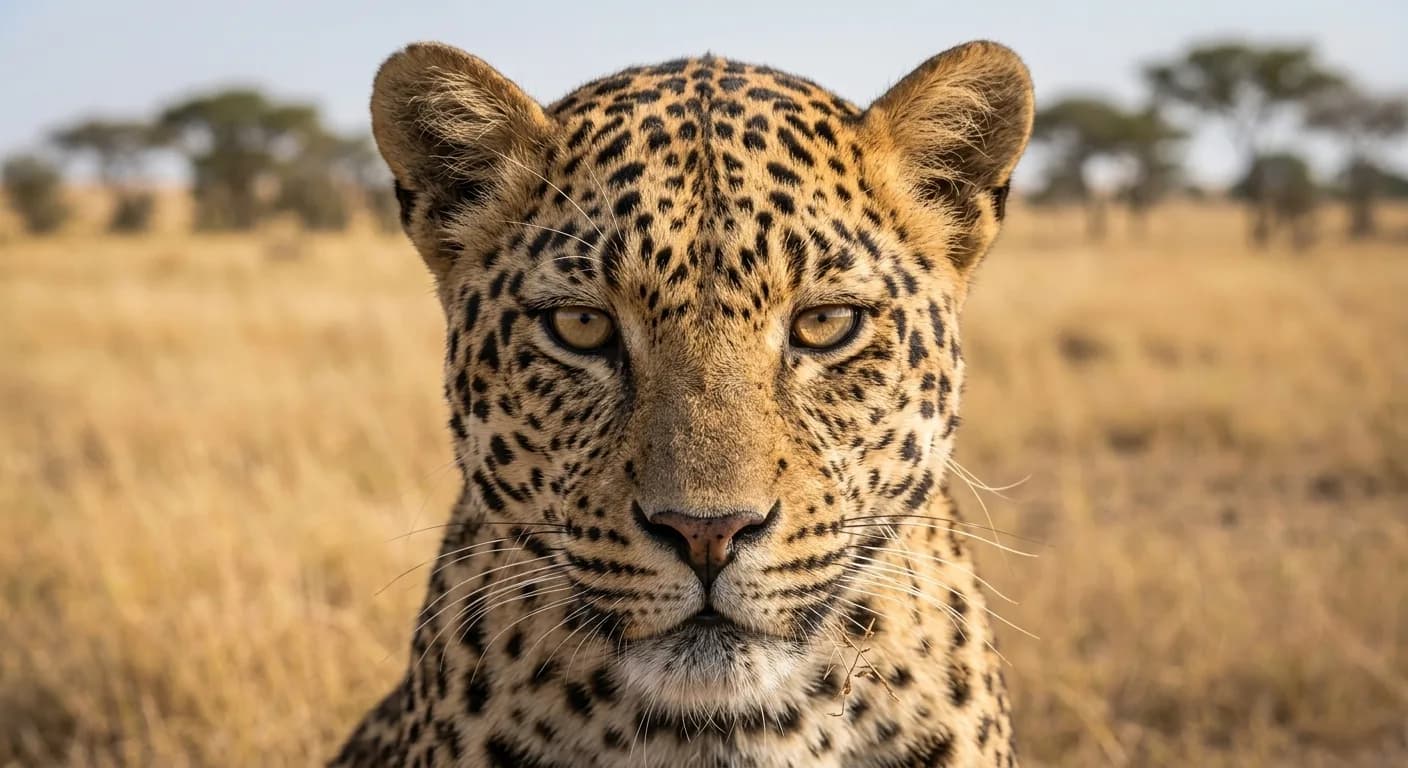 Vulnerable
African Leopard
Panthera pardus pardus
Keep exploring
Based on what we already know about Eswatini.