One of the 3 leopards on WAnimals
Mammals · Carnivora · Felidae
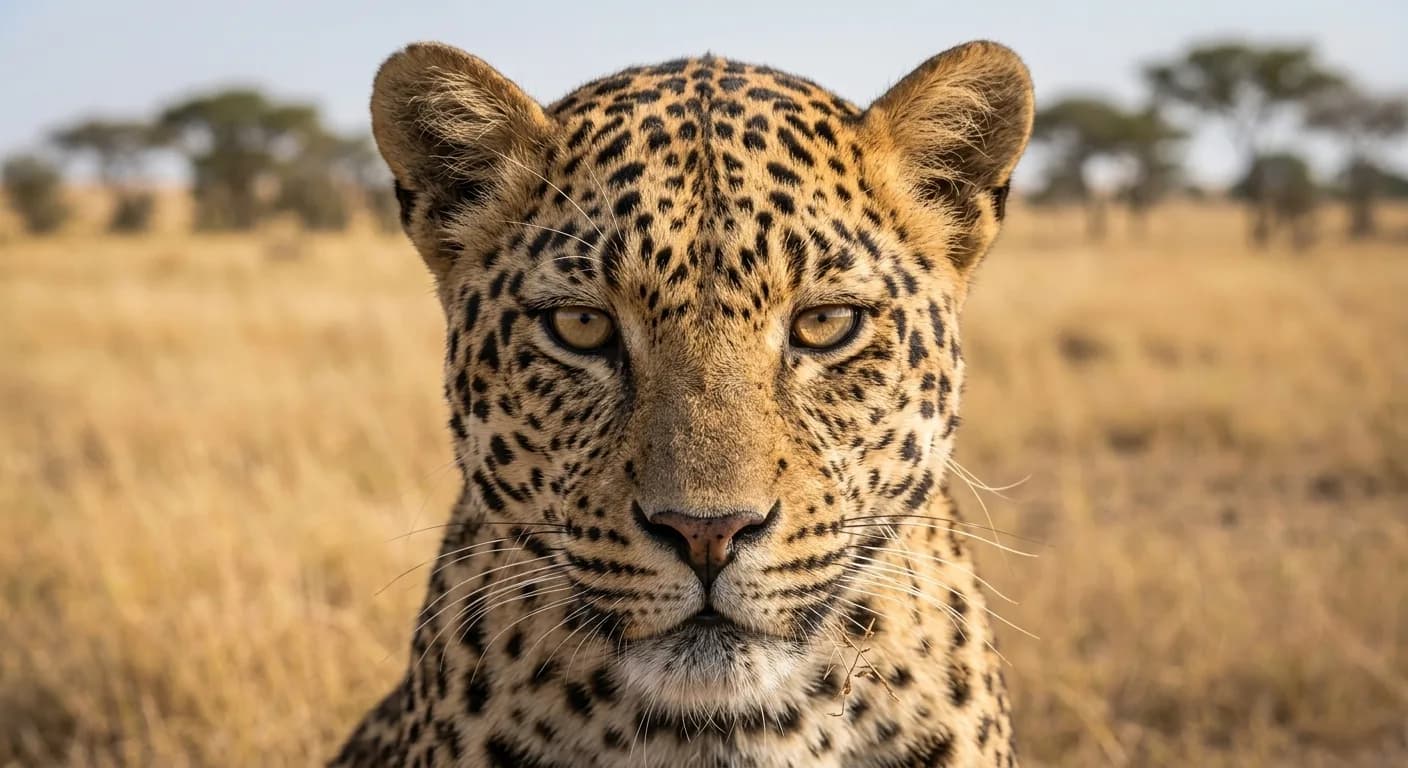
African Leopard
Panthera pardus pardus
It faces a high risk of extinction in the wild over the medium term. See full glossary
The stealthiest of the African big cats, able to haul prey twice its own weight into the canopy of a tree to keep it from other predators.
Weight
30 kg – 90 kg
Size
1 m – 1.9 m
Lifespan
15 years
Diet
Carnivore
Feeds mainly on other animals.
Activity
Nocturnal
Active mainly at night.
Social structure
Solitary
Lives and hunts alone, joining others only to breed.
Sighting difficulty
Moderate
Fun facts
- It is an excellent climber and often rests on high branches.
- Its dappled coat gives it near-perfect camouflage at night.
- It is the hardest member of the Big Five to spot.
Where to find it
See its range on the interactive mapBest time: June to October, at dusk and at night
Where to watch it
Parks and dive sites where this species has been documented.
Related species
Other species in the catalogue with the most in common with African Leopard — same habitat, park, country, tags or family.
 Vulnerable
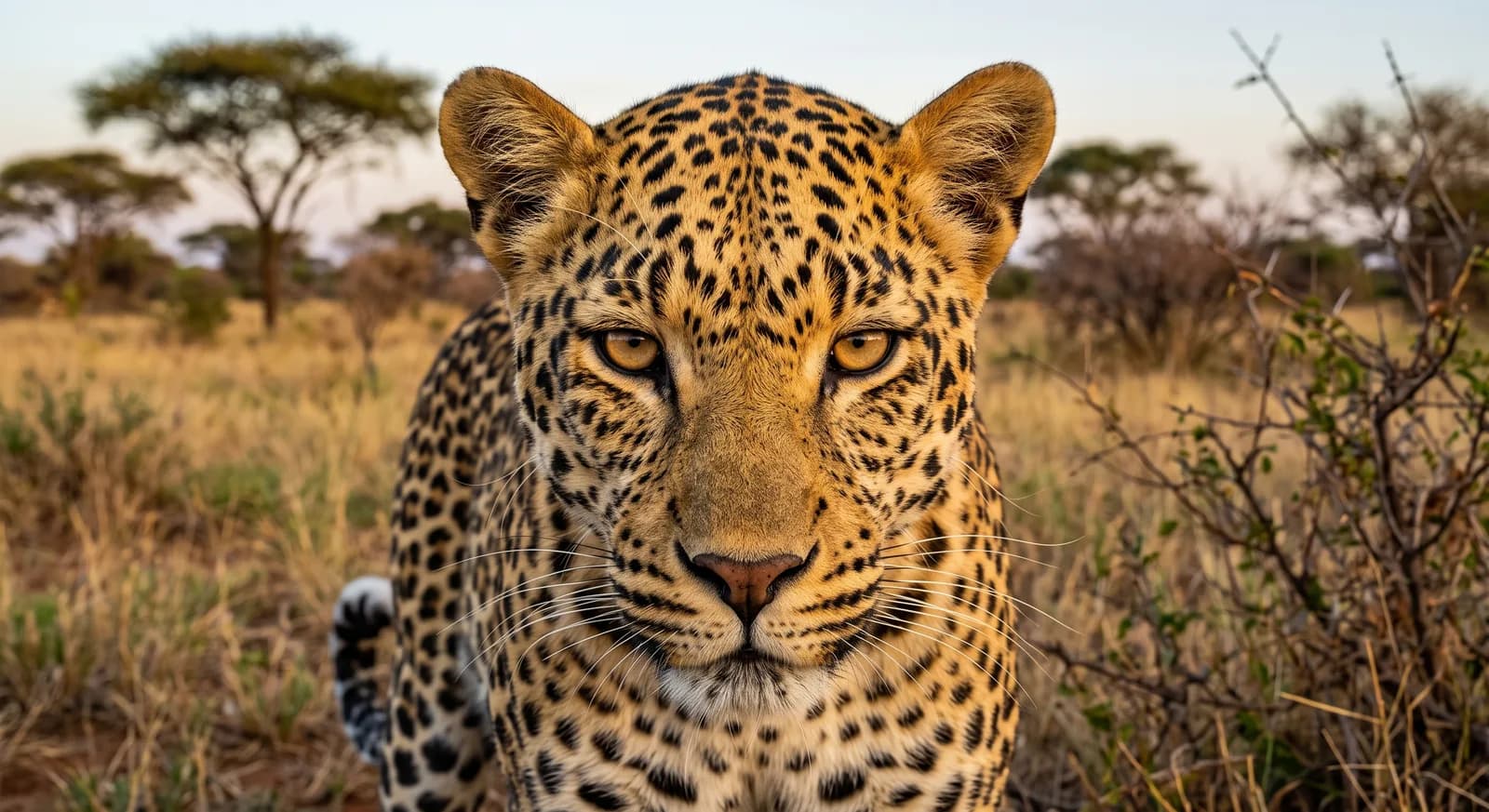
Leopard
Panthera pardus
 Vulnerable
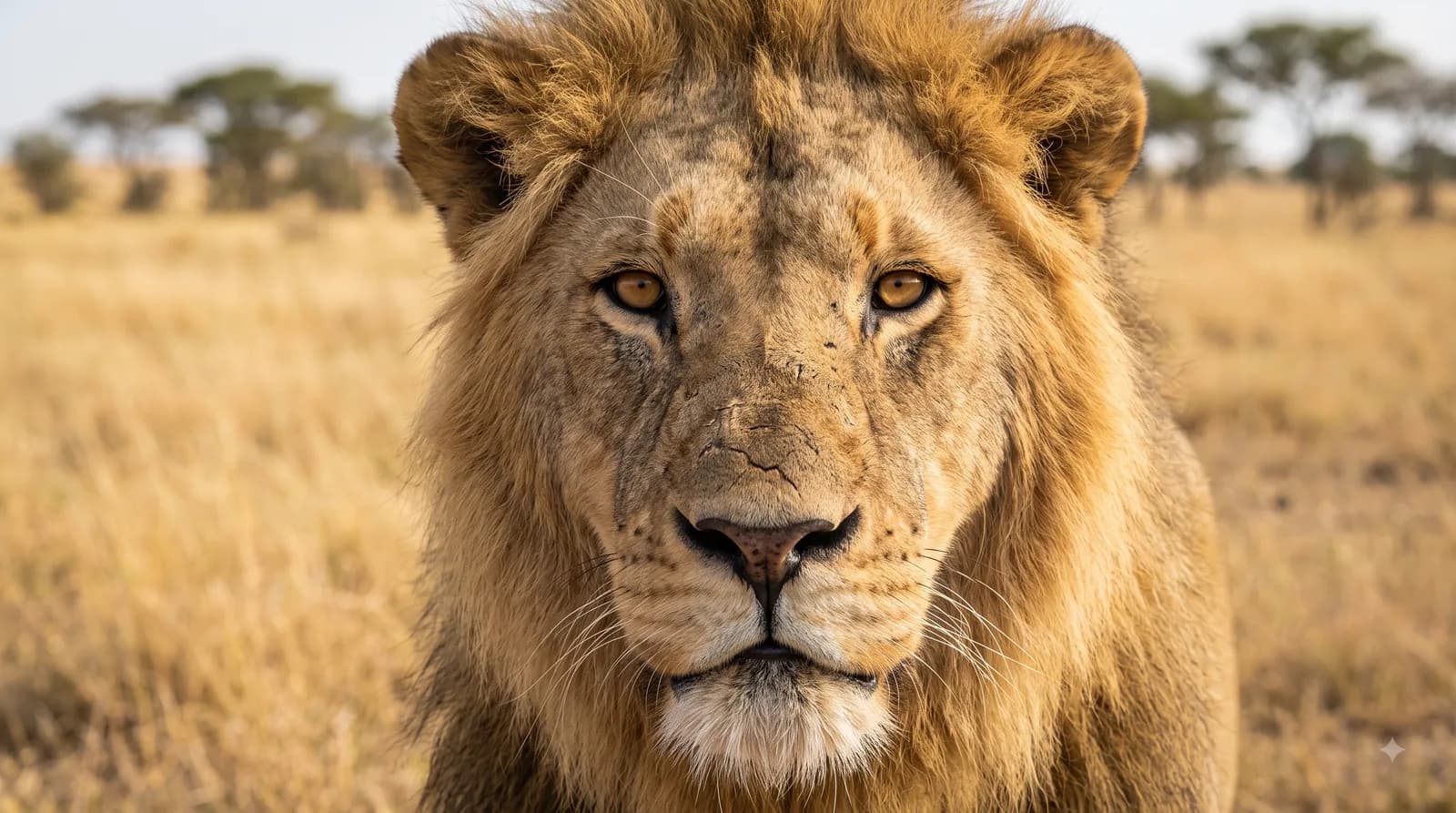
Lion
Panthera leo
 Vulnerable
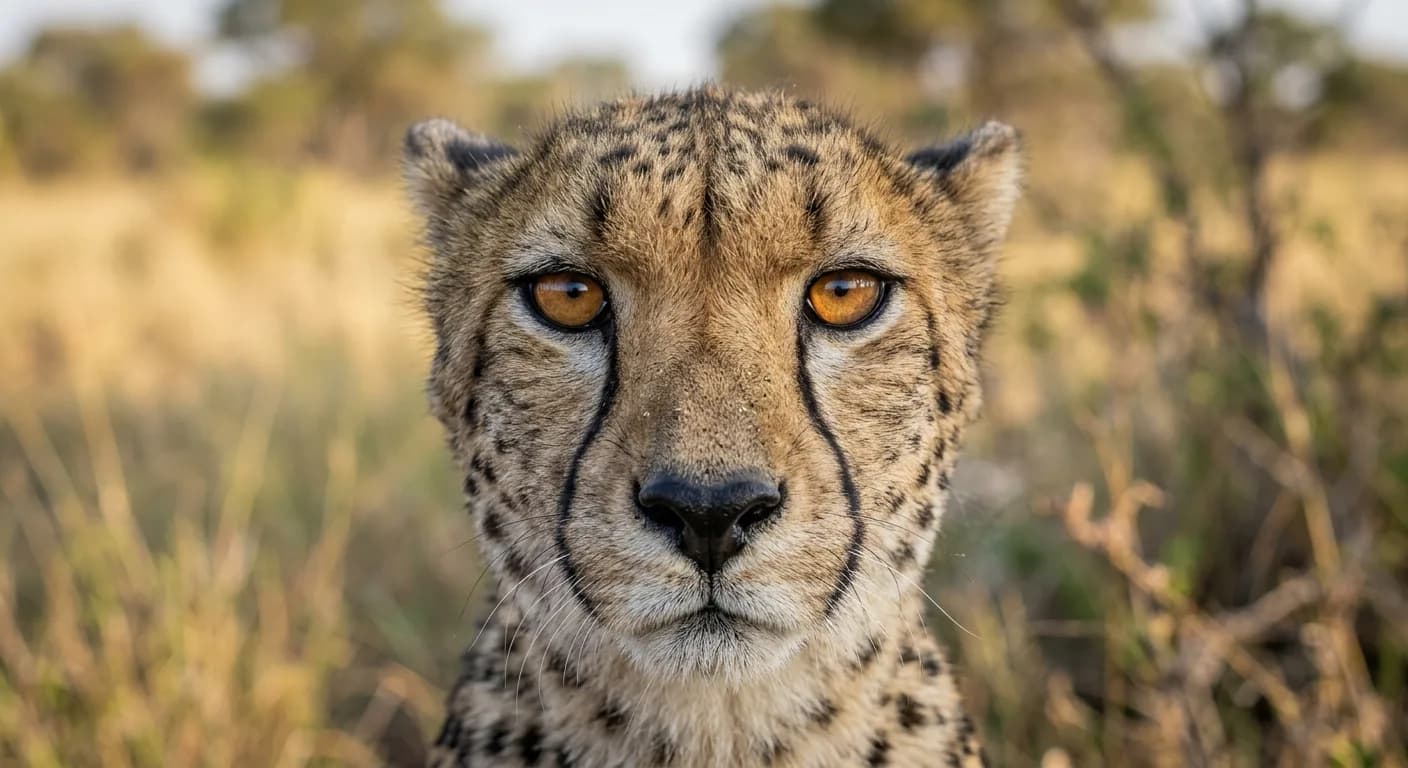
Cheetah
Acinonyx jubatus
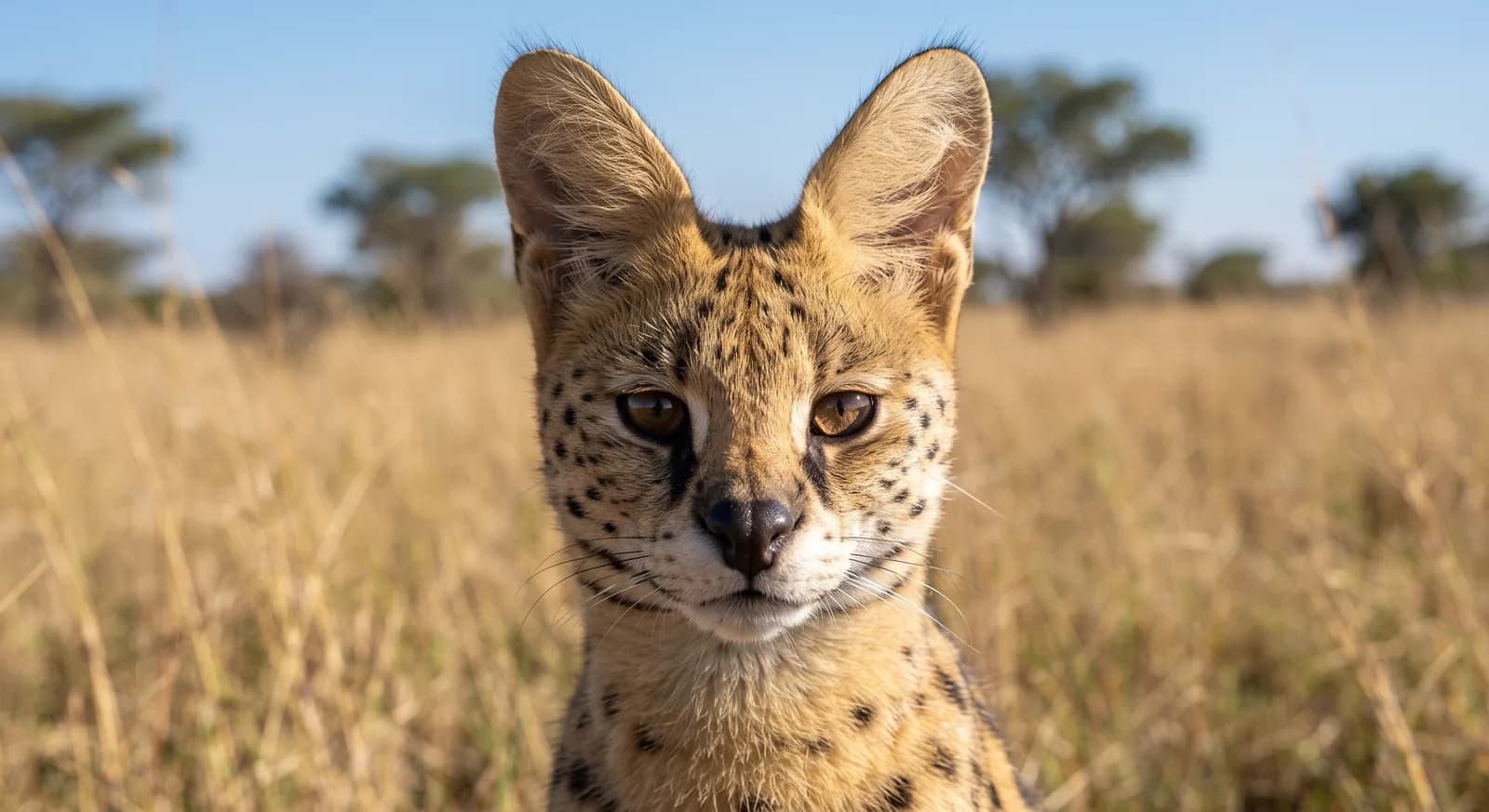 Least Concern
Serval
Leptailurus serval
African Golden Cat
Caracal aurata
Black-footed Cat
Felis nigripes
How to help
The african leopard is classified as vulnerable. Organizations such as Panthera work specifically on its conservation and that of its habitat; looking into their programs is a good starting point if you want to get involved.
It's documented in 4 real protected areas — part of why protecting these places matters for its conservation.
Keep exploring
Based on what we already know about african leopard.
Comments
Share an experience, a fun fact or a tip for seeing the african leopard.
Be the first to comment.