Cameroon
África
Cameroon is called Africa in miniature because it concentrates in a single country almost every one of the continent's great environments: from the semi-arid Sahel and the floodplains of the far north, with Waza park and its elephants and giraffes, to the equatorial rainforest of the south and southeast, where Dja and Lobéké keep western lowland gorillas, chimpanzees, forest elephants and mandrills. Between the two extremes rises the Cameroon volcanic line, crowned by Mount Cameroon, an active volcano of more than four thousand metres that lifts almost straight from the coast and strings together rainforest, cloud forest and high-altitude grassland with birds that live nowhere else. To the west, the Korup rainforest is one of the oldest and richest forests in Africa, a survivor of the glaciations.
The nature of Cameroon
National animal: The lion, national symbol and sporting emblem of the country
Did you know?
In the fast-flowing rivers of southwestern Cameroon lives the goliath frog, the largest in the world: it can exceed thirty centimetres of body length and weigh more than three kilos, as much as a small cat. Beyond its size, its behaviour is surprising: the adults move stones weighing several kilos with their legs to build small pools where they lay their eggs sheltered from the current, a rare case of nest building among amphibians.
Biodiversity profile
Climate
- •Tropical humedo (Af/Am) en el sur y la costa
- •Tropical con estacion seca (Aw) en el centro
- •Semiarido saheliano (BSh) en el extremo norte
- •Clima de montaña en las tierras altas de Camerun
Main biomes
- •Selva tropical humeda de la Cuenca del Congo (sur, segundo mayor bloque forestal de la cuenca)
- •Sabana sudanesa y saheliana (norte)
- •Bosque montano de las Tierras Altas de Camerun
- •Manglares costeros
- •Selva ecuatorial húmeda
- •Volcán activo con bosque de niebla
- •Sabana sudanesa arbolada
- •Llanura inundable saheliana
- •Manglar del golfo de Guinea
- •Pradera de altitud
- •Bosque de galería
Marine and coastal ecosystems
- •Costa atlantica del Golfo de Guinea, con manglares y ecosistemas de la costa Cross-Sanaga-Bioko
Flagship wildlife
- •Gorila de llanura occidental
- •Chimpance Nigeria-Camerun
- •Elefante de bosque africano
- •Bongo de montaña (antilope de las Tierras Altas)
- •Rana goliat
- •Gorila occidental de llanura
- •Chimpancé
- •Mandril
- •Dril
- •Jirafa de Kordofán
- •Búfalo de bosque
- •Pangolín gigante
- •Colobo rojo
Notable endemic species
- •Representa el 92% de los tipos de ecosistemas de Africa, valiendole el apodo de "Africa en miniatura"
- •Cuarto puesto en diversidad floristica y quinto en diversidad faunistica de todo el continente africano
- •El Monte Camerun alberga por si solo cerca de 2.500 especies de plantas, con alto endemismo local
- •Rana goliat
- •Gorila del río Cross
- •Francolín del monte Camerún
- •Túrdido del monte Camerún
Notable threatened species
- •Gorila de llanura occidental (En Peligro Critico)
- •Chimpance Nigeria-Camerun (En Peligro)
- •Elefante de bosque africano (En Peligro Critico)
- •57% de las especies del hotspot de los Bosques Guineanos evaluadas en Camerun catalogadas como amenazadas, la proporcion mas alta del hotspot
Notable protected areas
- •Reserva de Fauna del Dja (Patrimonio Mundial)
- •Parque Nacional Lobeke (parte del Sangha Trinacional con RCA y Congo)
- •Parque Nacional Waza (sabana, norte)
- •Parque Nacional Campo Ma'an
- •Parque Nacional de Korup
- •Parque Nacional de Waza
- •Parque Nacional de Lobéké
- •Parque Nacional del Monte Camerún
- •Parque Nacional de Campo Ma'an
Main conservation threats
- •Tala ilegal y expansion de plantaciones de palma aceitera y otros cultivos agroindustriales
- •Mineria
- •Fragmentacion y degradacion forestal en zonas de conexion entre reservas
Notable natural phenomena
- •El Monte Camerun (4.070 m) es el pico mas alto de Africa Occidental y Central, generando un notable gradiente de biodiversidad altitudinal
Conservation
The Dja is a World Heritage Site and one of the best-preserved blocks of rainforest in central Africa, under pressure from mining and plantations. The elephants of the north have suffered mass killings linked to cross-border ivory trafficking.
Where and when to watch wildlife
Dja and Lobéké in the dry season for gorillas and forest elephants in the clearings. Mount Cameroon year-round for endemic highland birds. Waza between March and May for savannah wildlife.
Sources: Interactive Country Fiches (UNEP-GRID) - Biodiversity Cameroon | Wikipedia - Biodiversity of Cameroon | Congo Landscapes Initiative - Cameroon | worldrainforests.com - Congo Conservation | CEPF - Ecosystem Profile Guinean Forests West Africa
Parks and reserves
Dja
One of the best-preserved rainforests in Africa, almost entirely encircled by the River Dja as a natural boundary
View parkFaunal ReserveReserva de Fauna del Dja
One of the best-preserved rainforests in Africa, almost entirely encircled by the meander of the Dja river.
View parkNational ParkLobéké
The Cameroonian component of the Sangha Trinational, a property shared by three countries in the heart of the Congo Basin.
View parkNational ParkCampo Ma'an
Coastal rainforest in southern Cameroon, created as environmental compensation for the Chad-Cameroon pipeline.
View parkNational ParkKorup
One of the oldest rainforests in Africa, with over 60 million years of unbroken history
View parkNational ParkWaza
Cameroon's principal safari park, closed for years by the insecurity around Boko Haram in the Lake Chad region
View parkPaíses similares
¿A dónde más podría interesarme viajar?
Misma región: África Central
Misma región: África Central
Misma región: África Central
Misma región: África Central
Especies documentadas en Cameroon
275 species found
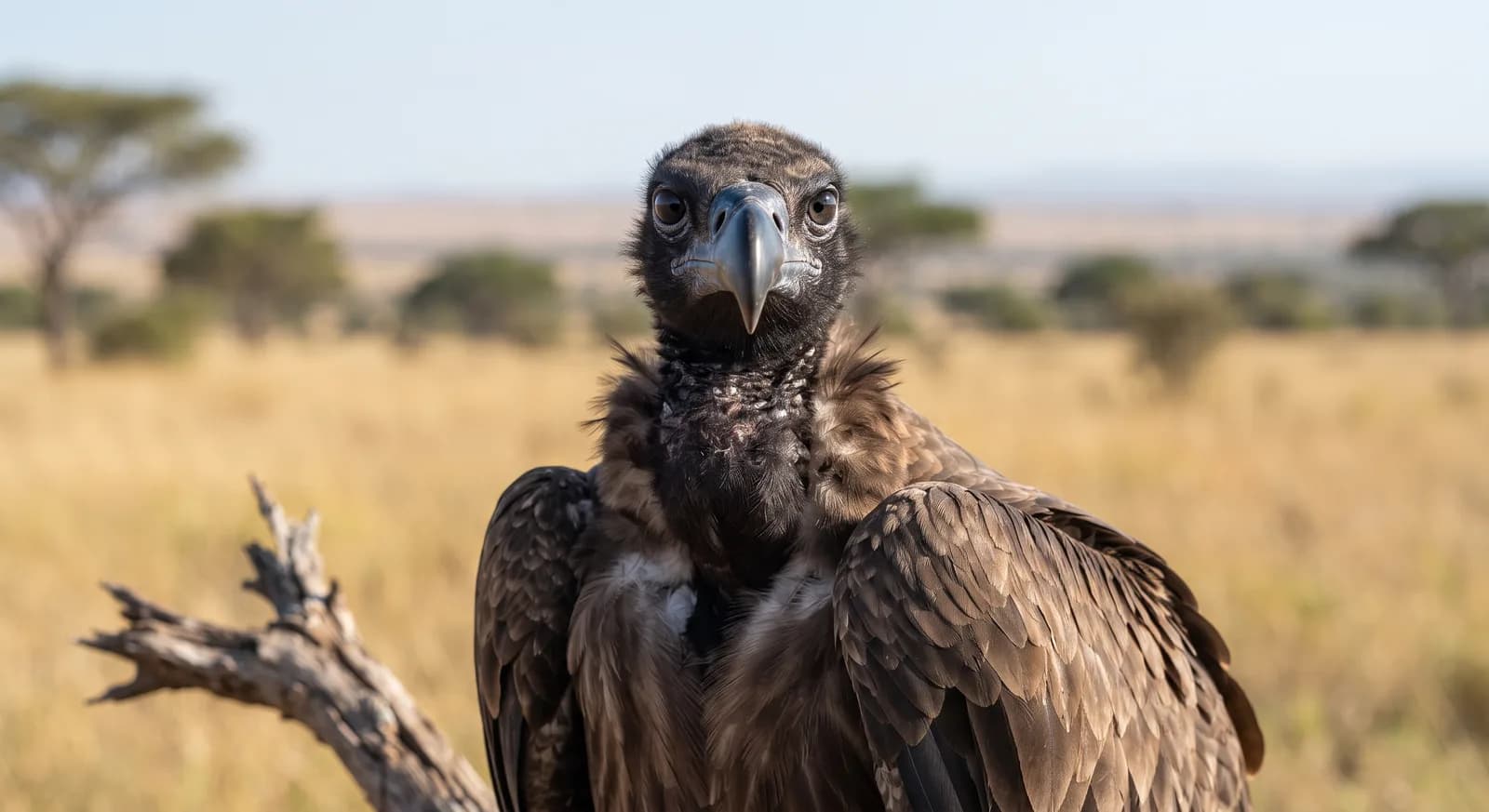 Critically Endangered
White-backed Vulture
Gyps africanus
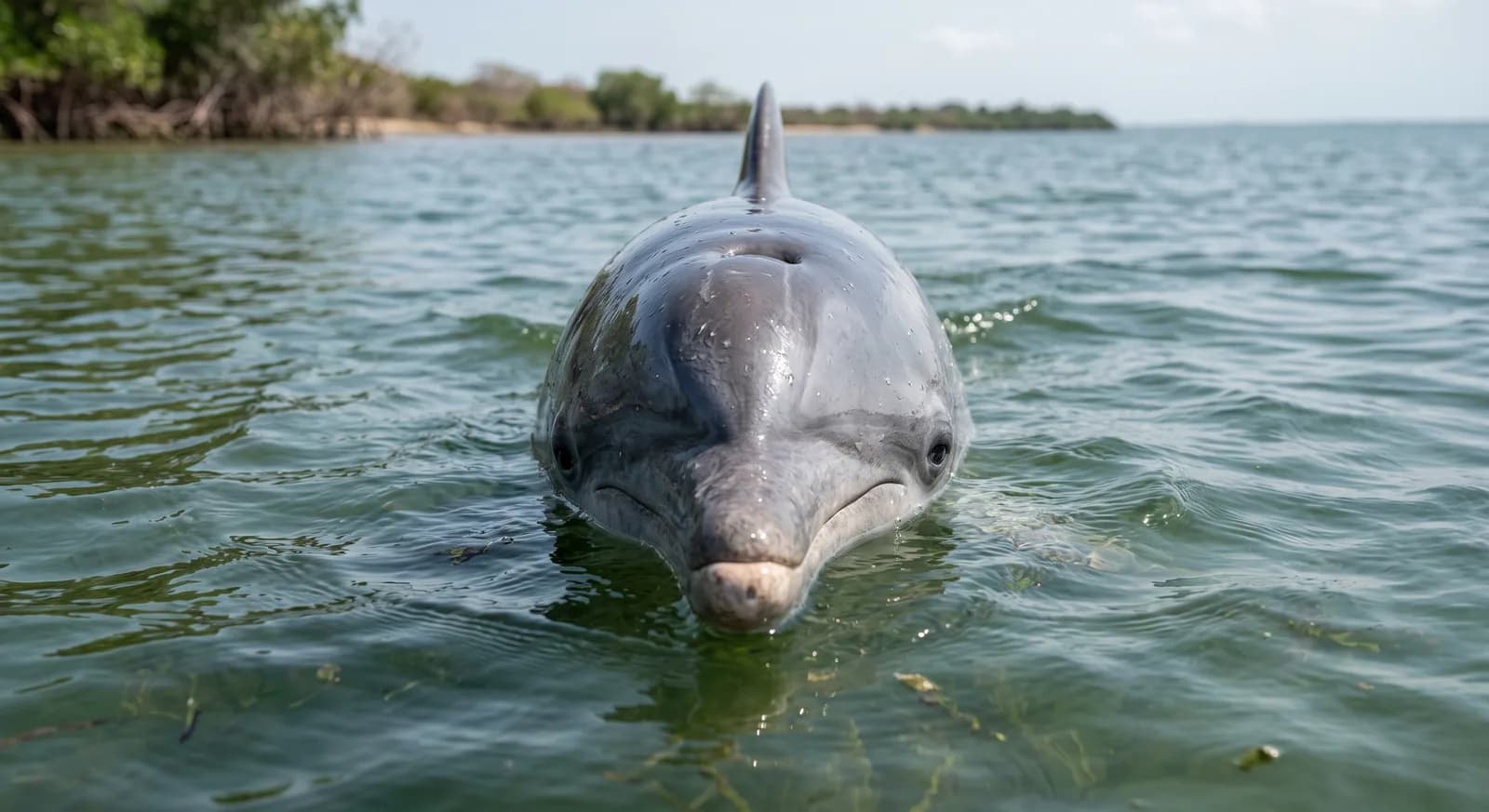 Critically Endangered
Atlantic Humpback Dolphin
Sousa teuszii
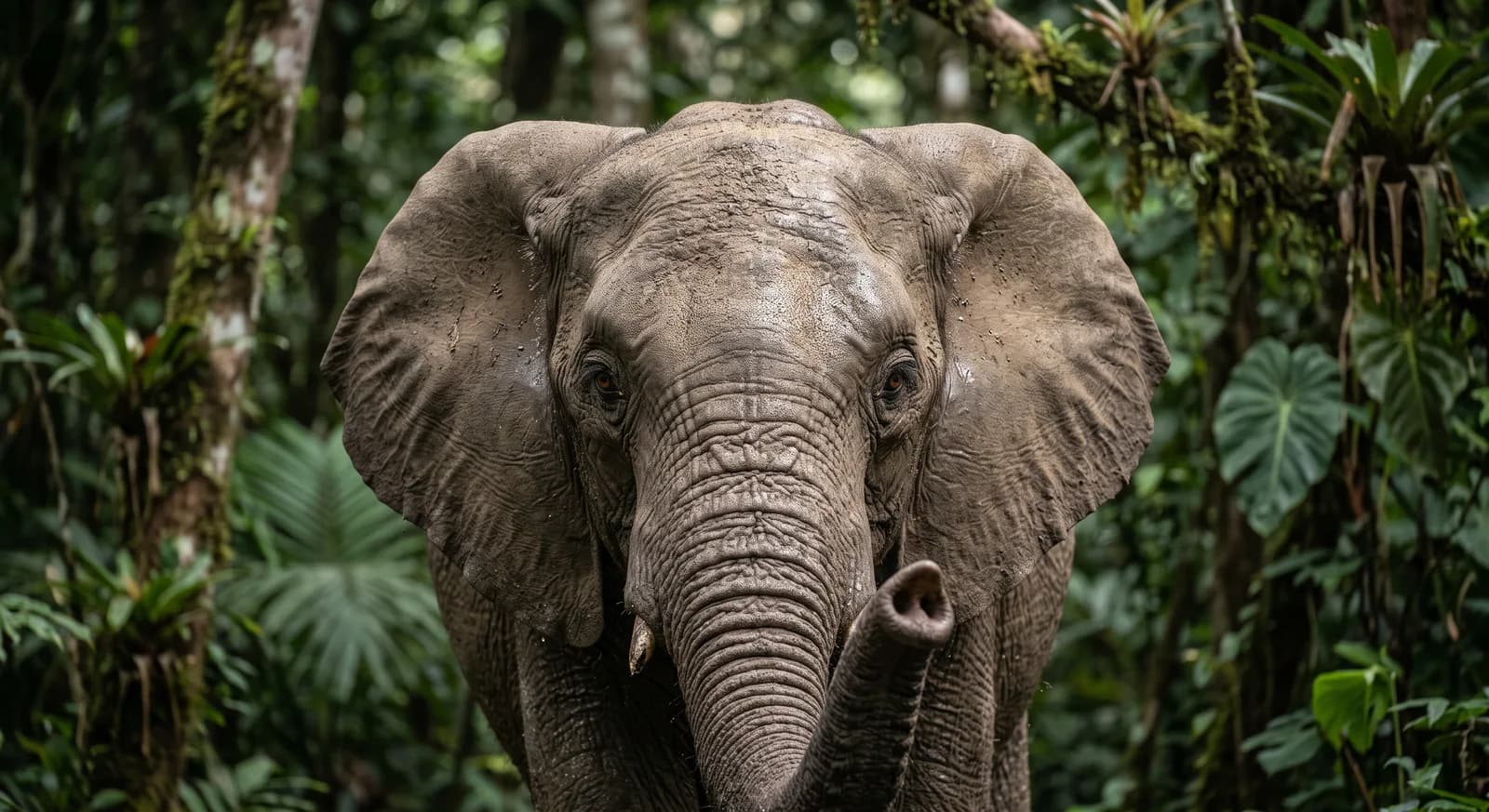 Critically Endangered
African Forest Elephant
Loxodonta cyclotis
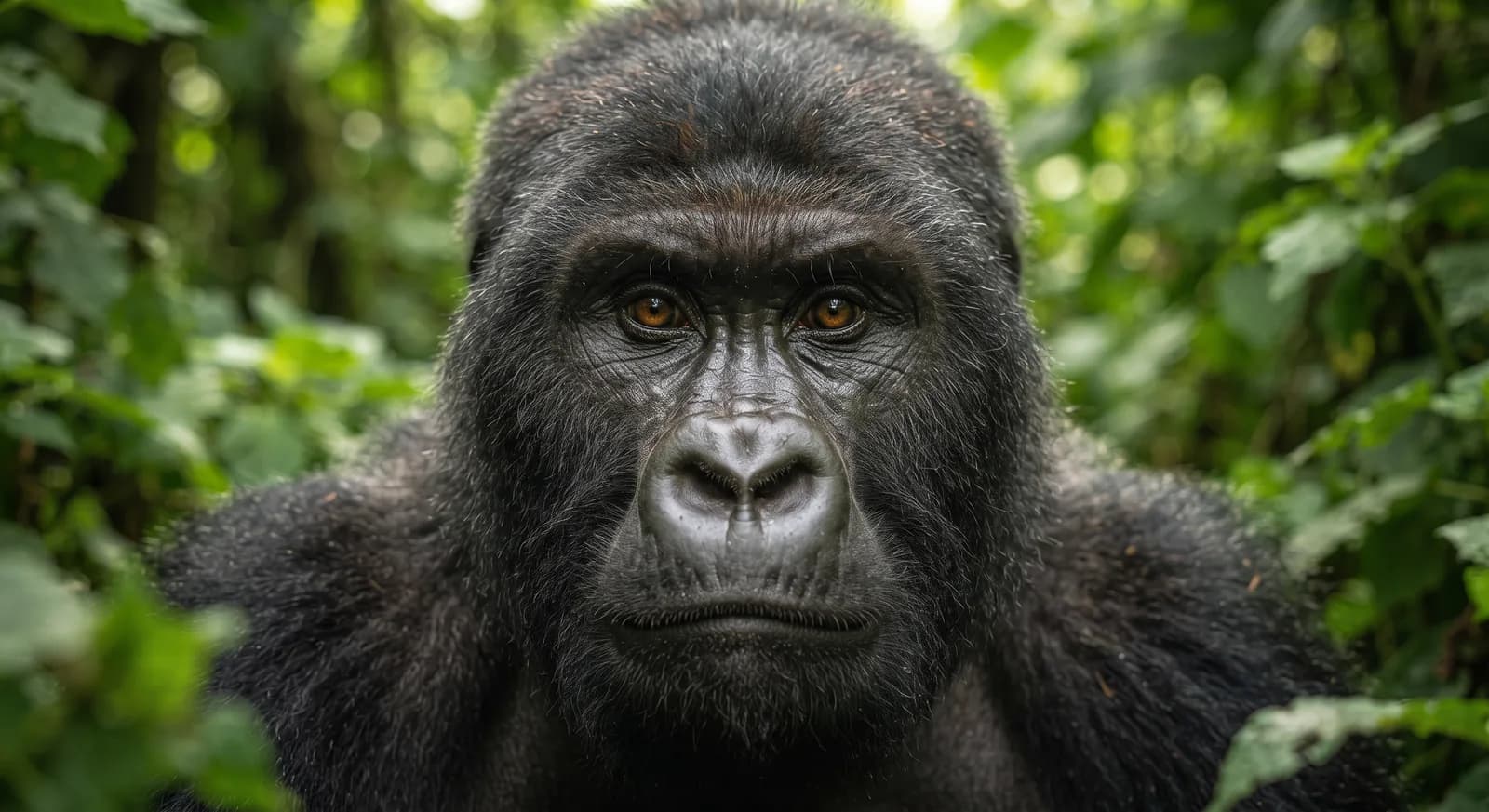 Critically Endangered
Western Gorilla
Gorilla gorilla
 Critically Endangered
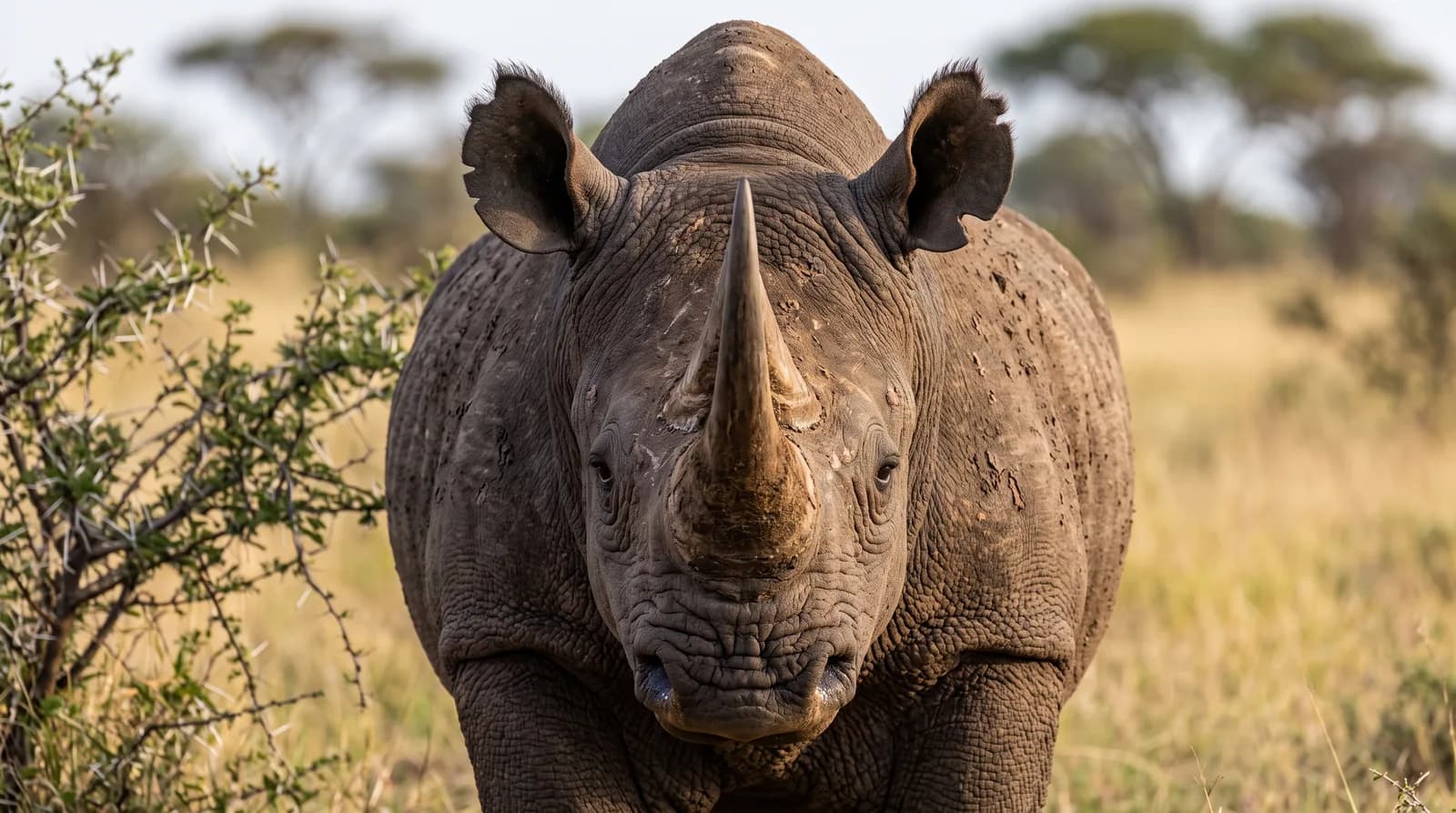
Black Rhinoceros
Diceros bicornis
 Critically Endangered
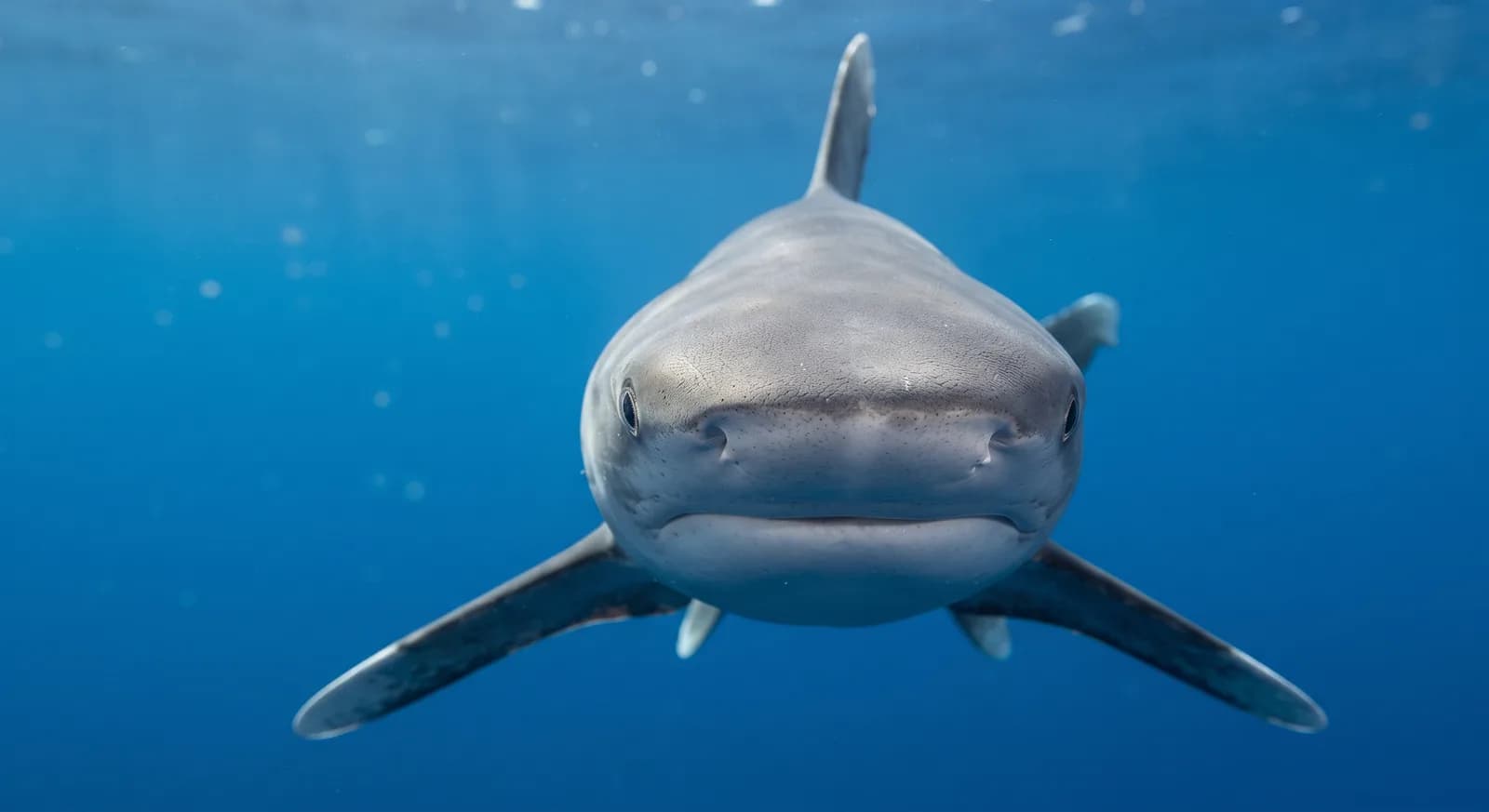
Oceanic Whitetip Shark
Carcharhinus longimanus
 Critically Endangered
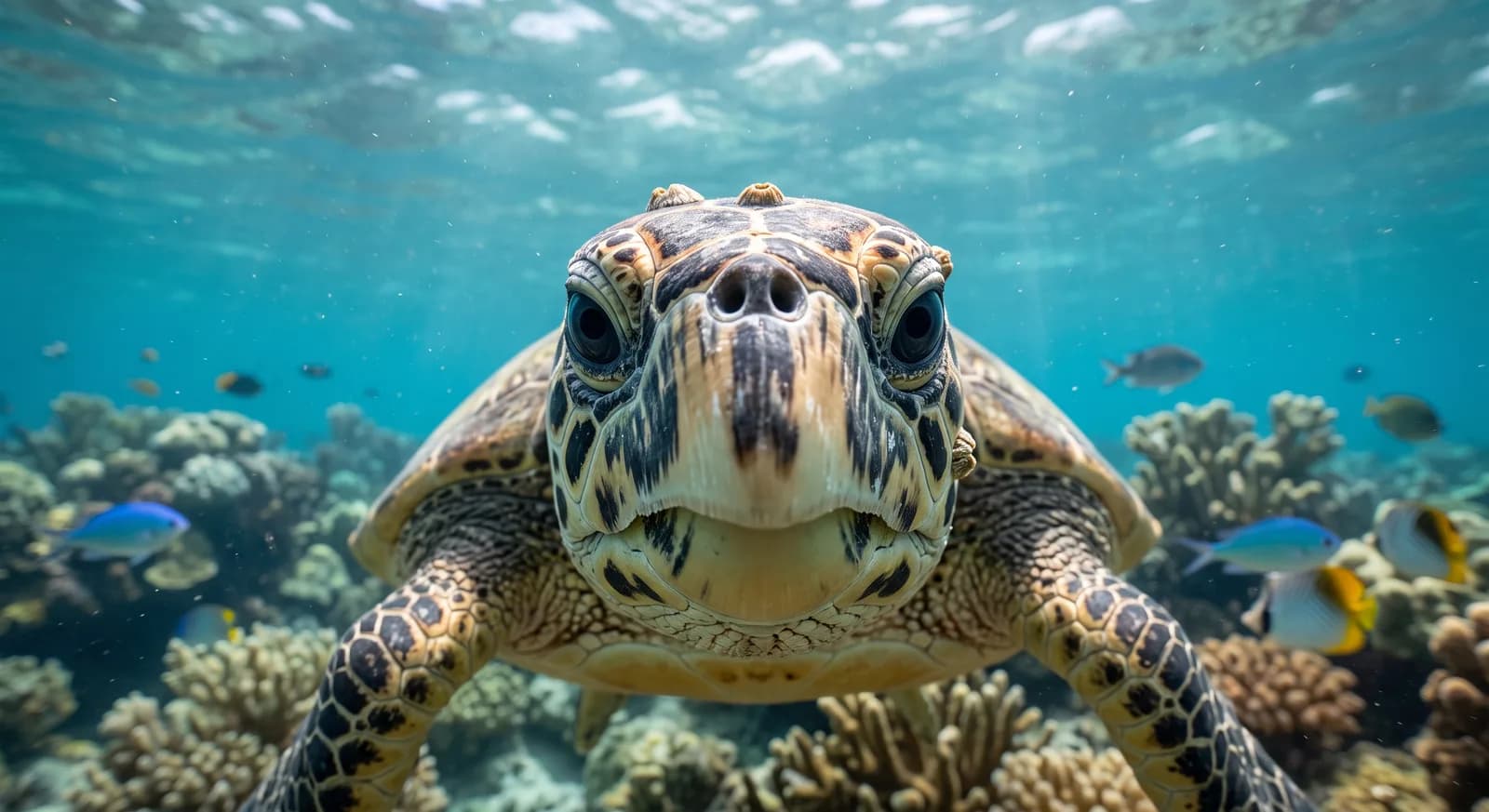
Hawksbill Turtle
Eretmochelys imbricata
 Endangered
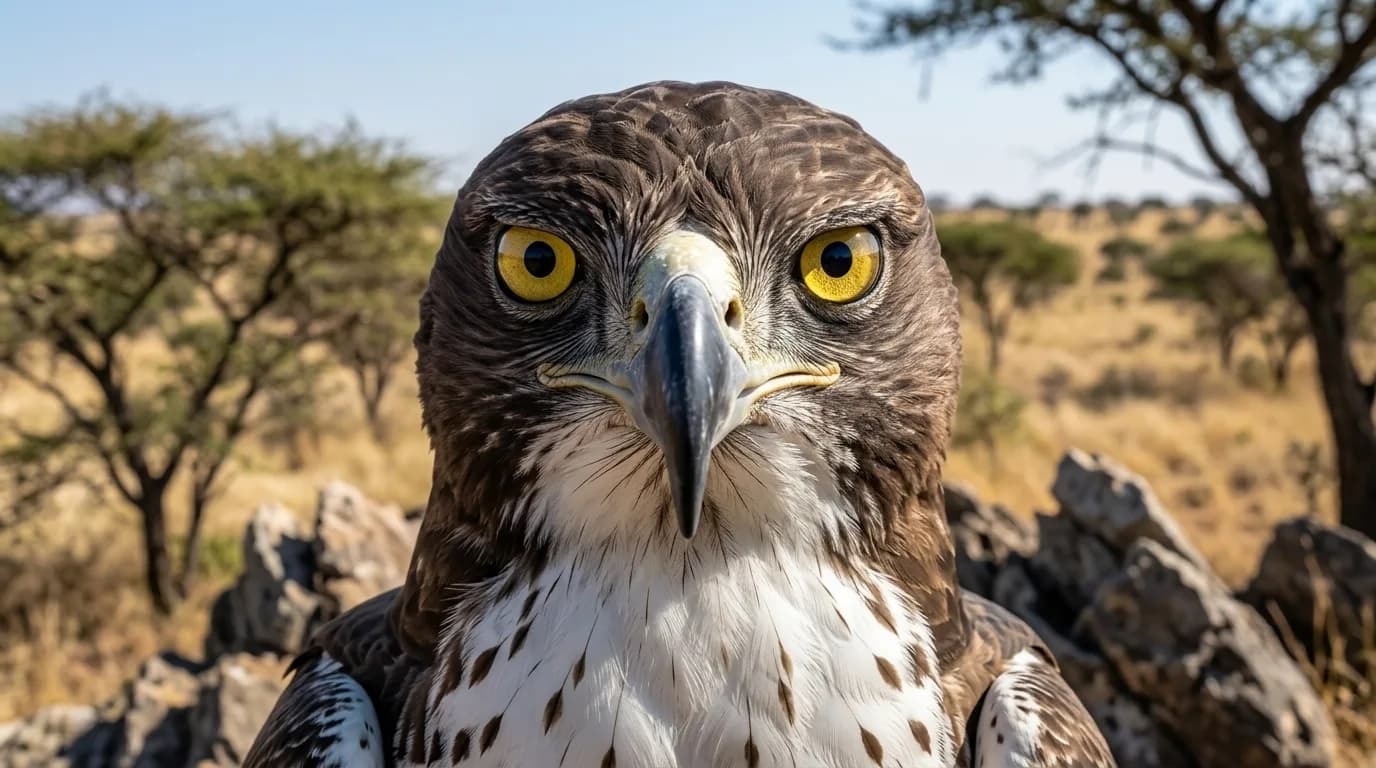
Martial Eagle
Polemaetus bellicosus
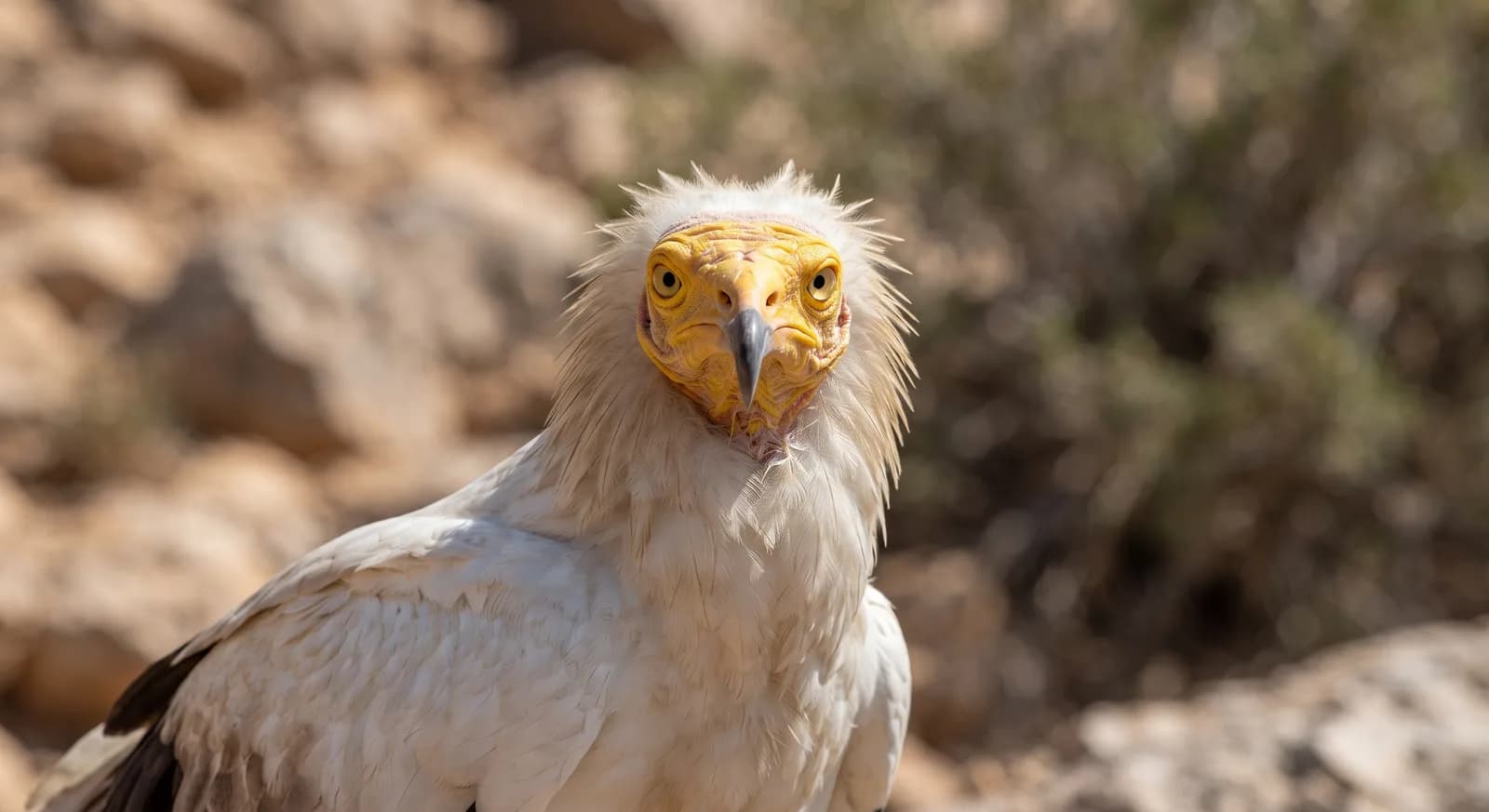 Endangered
Egyptian Vulture
Neophron percnopterus
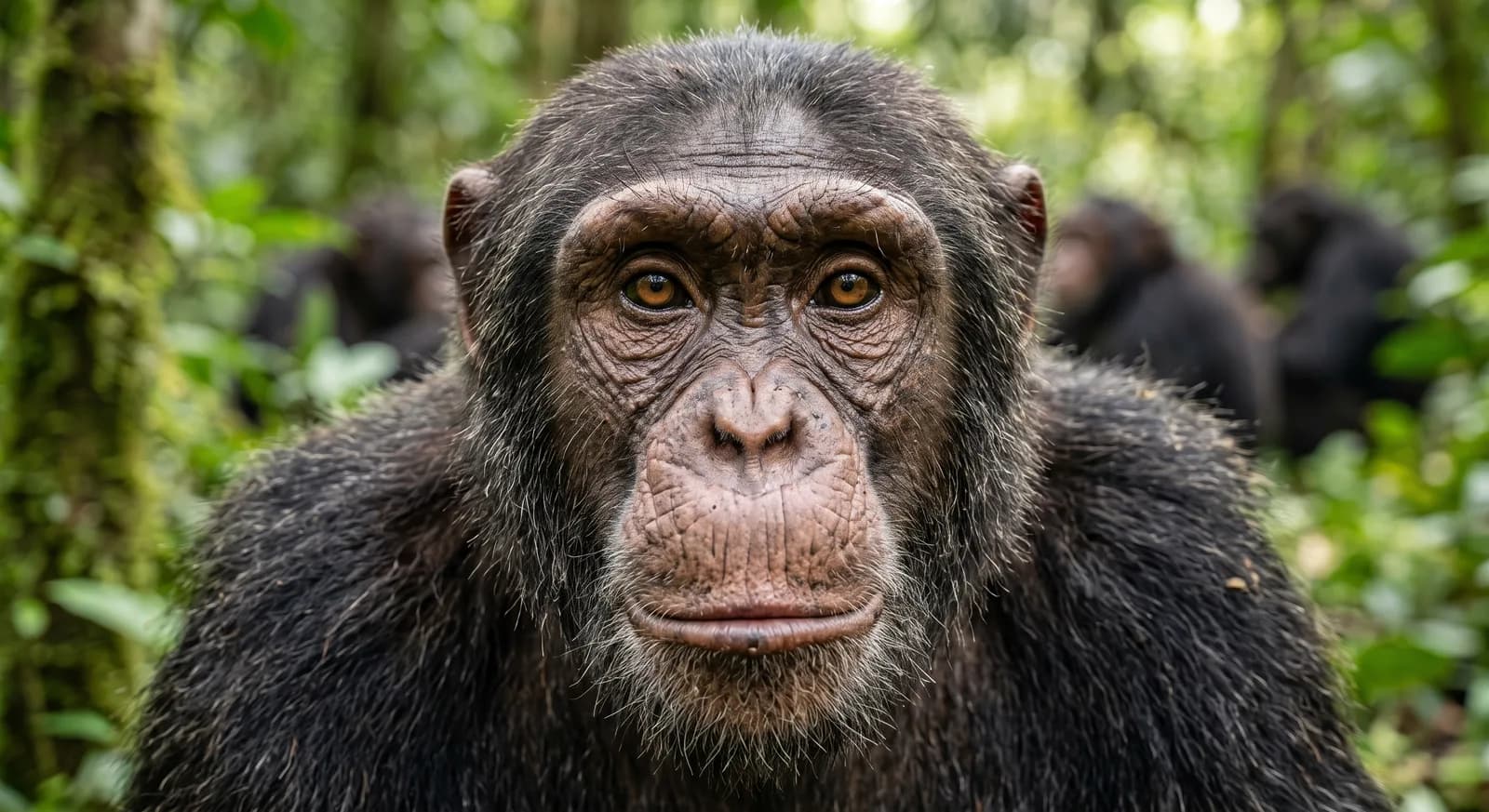 Endangered
Chimpanzee
Pan troglodytes
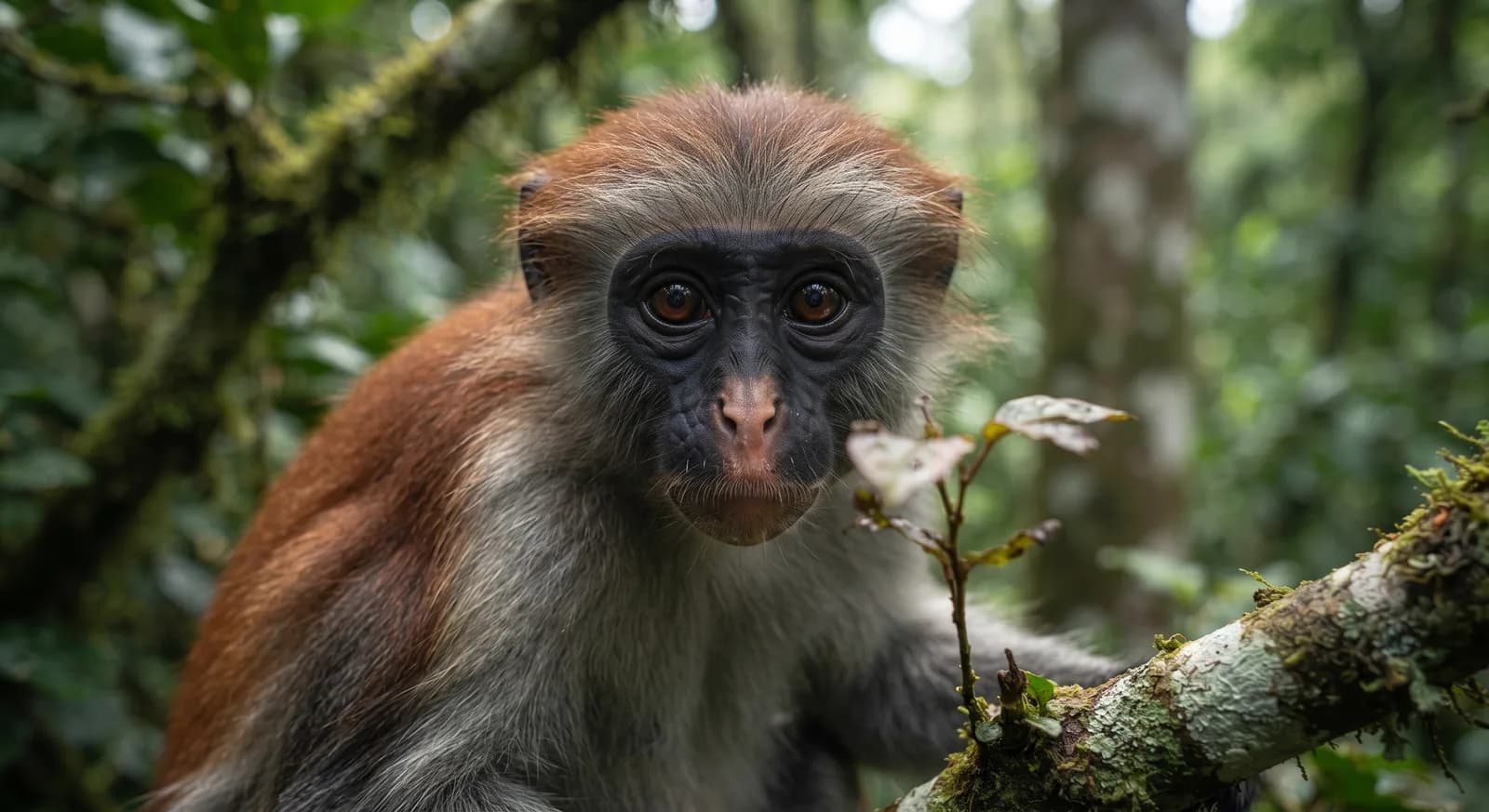 Endangered
Western Red Colobus
Piliocolobus badius
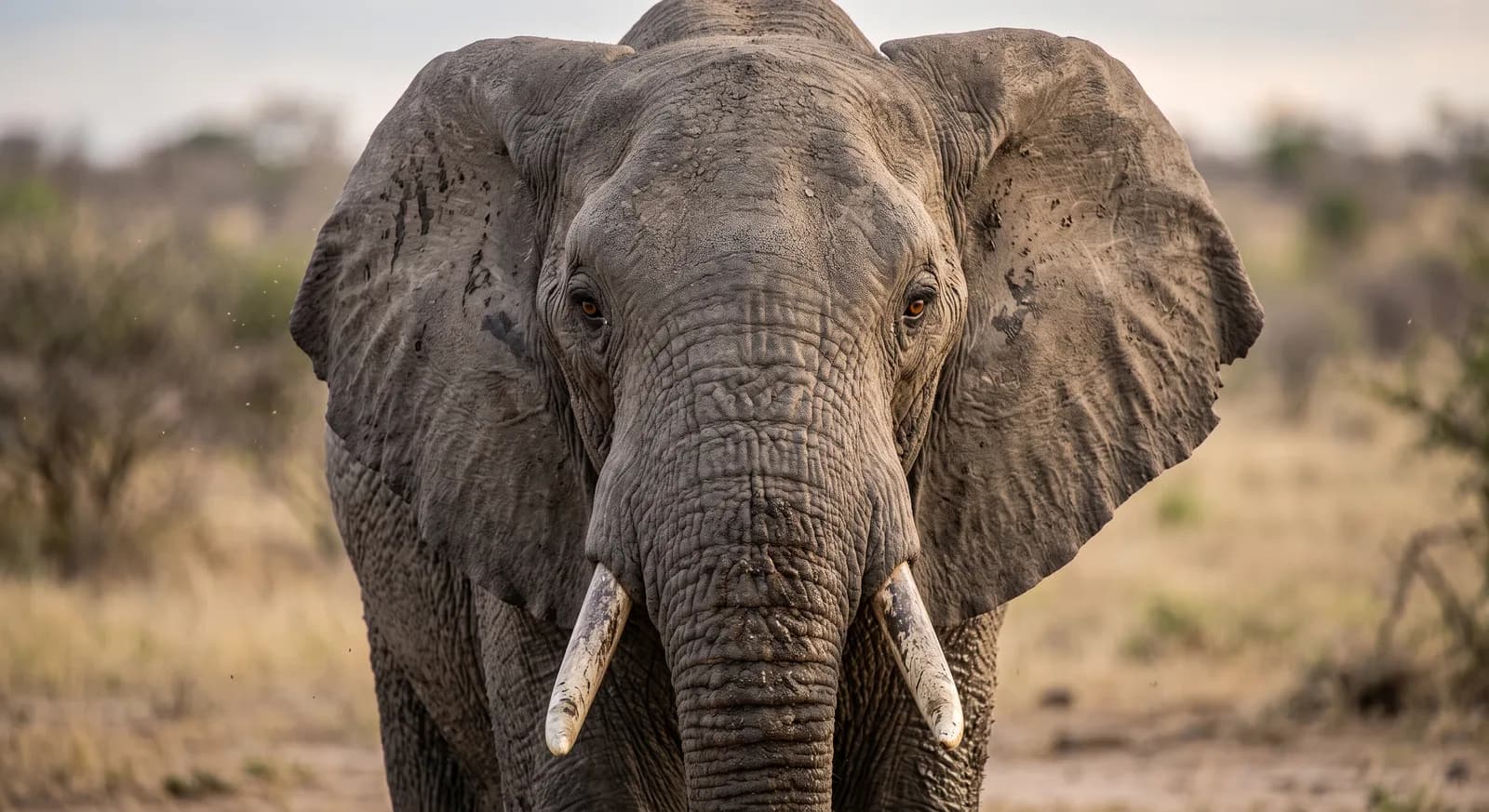 Endangered
African Savanna Elephant
Loxodonta africana
Keep exploring
Based on what we already know about Cameroon.