One of the 47 frogs on WAnimals
Amphibians · Anura · Conrauidae
Giant Slippery Frog
Conraua goliath
It faces a very high risk of extinction in the wild in the near future. See full glossary
The goliath frog is the largest frog in the world: it can exceed thirty centimetres in body length and three kilos in weight. It lives in fast rivers in the forests of the Gulf of Guinea, within a tiny range. In 2019 something unexpected was discovered about it: it builds its own breeding ponds by moving stones weighing several kilos.
Weight
600 g – 3.3 kg
Size
17 cm – 32 cm
Lifespan
15 years
Diet
Carnivore
Feeds mainly on other animals.
Activity
Nocturnal
Active mainly at night.
Social structure
Solitary
Lives and hunts alone, joining others only to breed.
Sighting difficulty
Hard
Fun facts
- GeneralThe largest frog in the world, at up to 32 cm of body and 3.3 kg; it builds nests by moving stones.
- récordIt is the largest frog in the world, able to top 3 kilograms, and curiously has no vocal sac, so it does not croak.
- It builds ponds: in 2019 it was documented that the adults shift stones weighing several kilos and clear the gravel of the riverbed to dig breeding pools where the tadpoles are safe from the current and from predators. It is one of the few known amphibian builders.
- It is the largest frog in the world: with its legs extended it is more than eighty centimetres long and weighs more than a small cat.
- It does not croak: it has no vocal sac and communicates with whistles made with its mouth open, which is remarkable in a frog of its size.
Life cycle & biology
- Skeleton type
- Vertebrate - internal bony skeleton (amphibian)
- Habitat & environment
- Fast rivers and waterfalls of tropical rainforest
- Sexual maturity
- 2 years
- Gestation / incubation
- Larval development in pools built by the adults
- Litter / clutch size
- 300 eggs
Sources consulted: https://www.iucnredlist.org/ | https://animaldiversity.org/ | https://es.wikipedia.org/
Where to find it
See its range on the interactive mapWhere to watch it
Parks and dive sites where this species has been documented.
Related species
Other species in the catalogue with the most in common with Giant Slippery Frog — same habitat, park, country, tags or family.
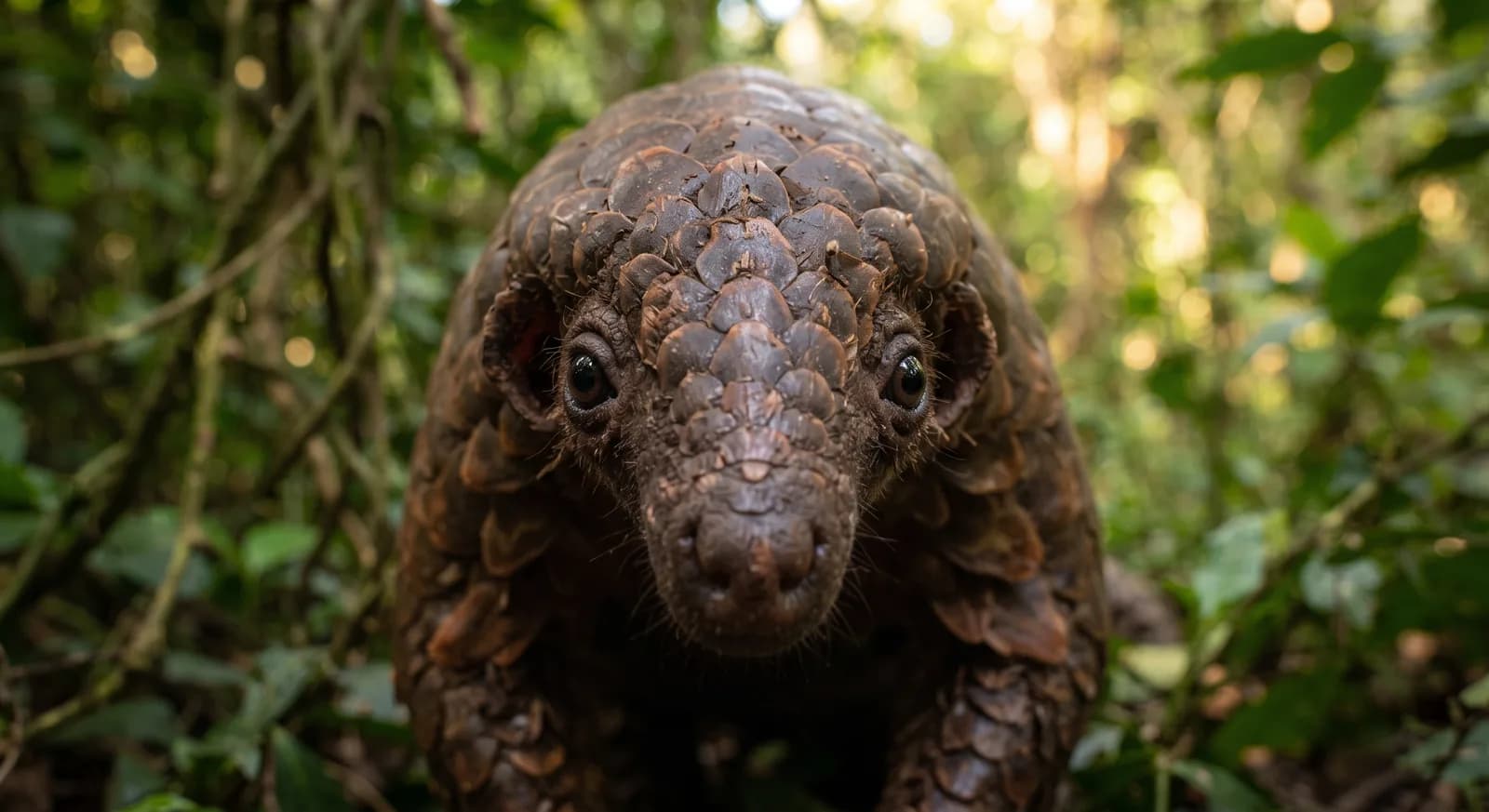 Endangered
Giant Pangolin
Smutsia gigantea
Tree Pangolin
Phataginus tricuspis
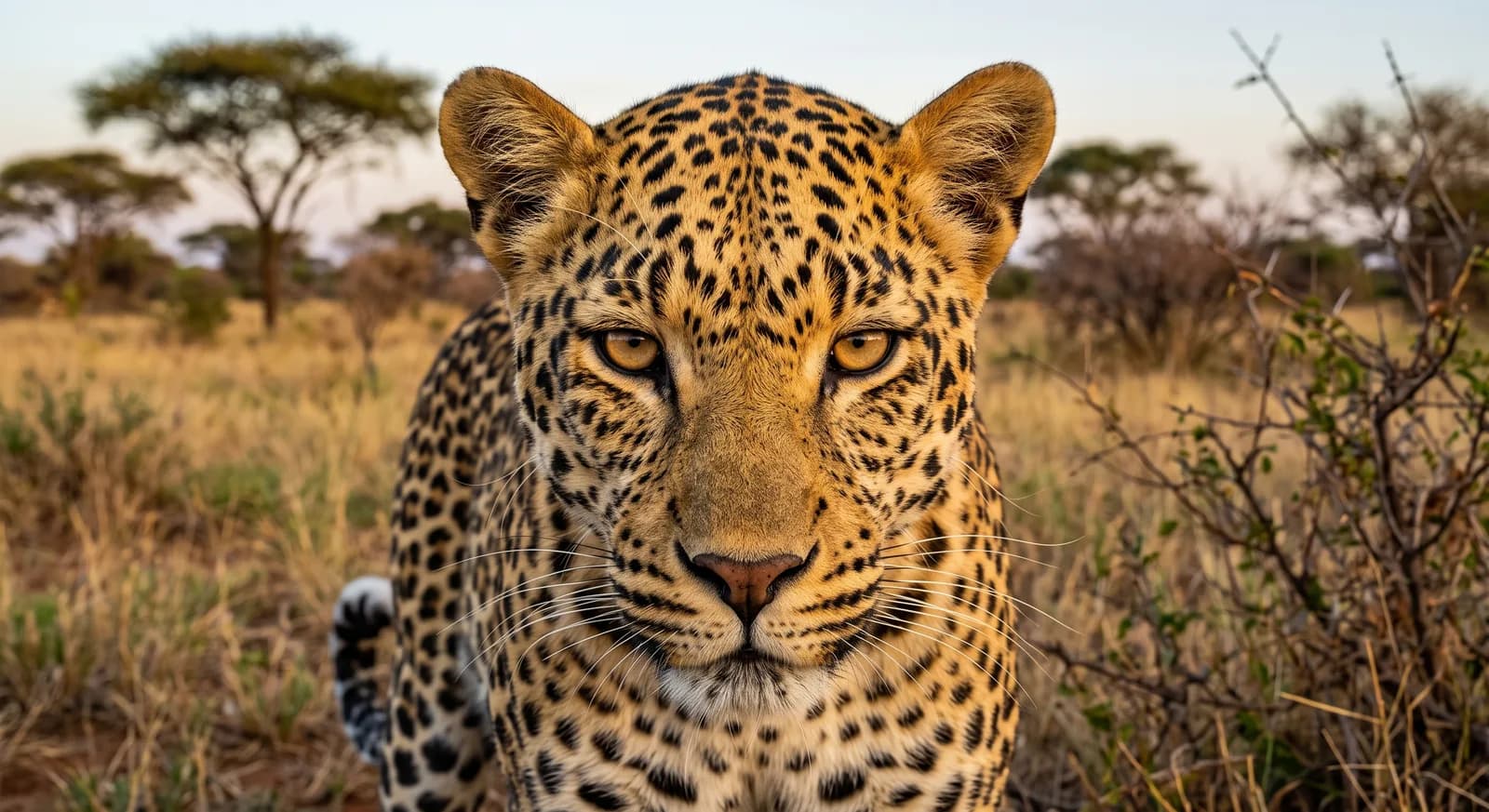 Vulnerable
Leopard
Panthera pardus
African Dwarf Crocodile
Osteolaemus tetraspis
Gaboon Viper
Bitis gabonica
How to help
The giant slippery frog is classified as endangered. Organizations such as UICN, WWF y Wildlife Conservation Society work specifically on its conservation and that of its habitat; looking into their programs is a good starting point if you want to get involved.
It's documented in 1 real protected area — part of why protecting these places matters for its conservation.
Keep exploring
Based on what we already know about giant slippery frog.
Comments
Share an experience, a fun fact or a tip for seeing the giant slippery frog.
Be the first to comment.