One of the 6 pangolins on WAnimals
Mammals · Pholidota · Manidae
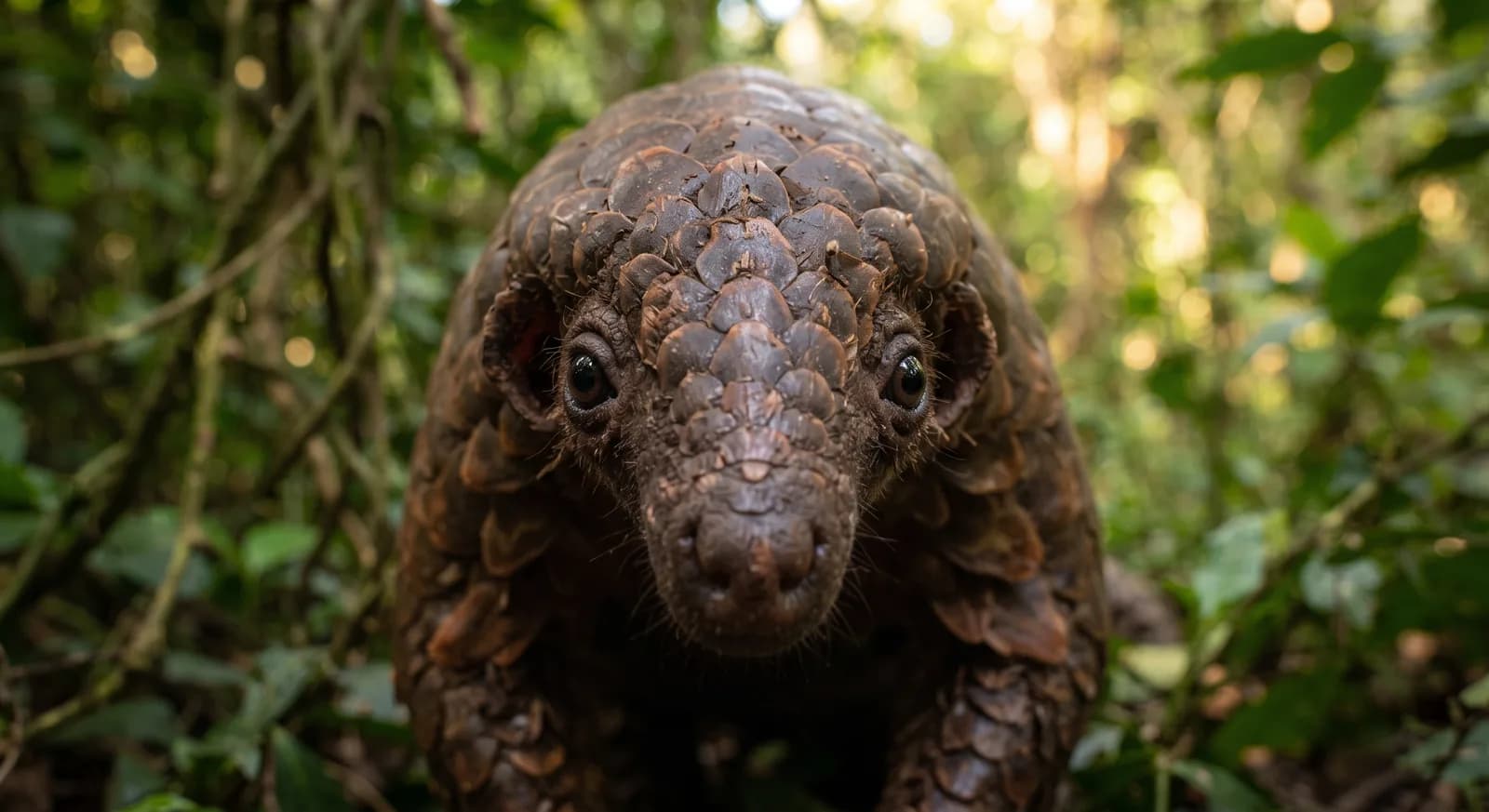
Tree Pangolin
Phataginus tricuspis
It faces a very high risk of extinction in the wild in the near future. See full glossary
The tree pangolin is the most widespread arboreal pangolin in Africa. It climbs with the help of a prehensile tail longer than its body and spends the day sleeping in tree hollows. It feeds almost exclusively on ants and termites, which it catches with a sticky tongue that can be more than 25 centimetres long and that is anchored near the pelvis. When threatened it rolls into a compact ball protected by keratin scales. It is the most trafficked pangolin species in Africa, both for bushmeat and for the scale trade to Asia.
Weight
1.6 kg – 3 kg
Size
33 cm – 43 cm
Diet
Insectivore
Feeds mainly on insects and other invertebrates.
Activity
Nocturnal
Active mainly at night.
Social structure
Solitary
Lives and hunts alone, joining others only to breed.
Sighting difficulty
Hard
Fun facts
- The epithet tricuspis refers to the three points on each scale in young animals, which wear away with age.
- Its scales are made of keratin, the same protein as our nails and hair, and have no demonstrated medicinal properties whatsoever.
Life cycle & biology
- Skeleton type
- Vertebrate - internal bony skeleton (mammal)
- Habitat & environment
- Rainforest, gallery forest and wooded savanna of equatorial Africa
- Size at birth
- About 15 cm; born with soft scales, which harden within a few days, and it rides on its mother's tail
- Gestation / incubation
- 5 months
- Litter / clutch size
- 1
Sources consulted: https://www.iucnredlist.org/ | https://animaldiversity.org/ | https://es.wikipedia.org/
Where to find it
See its range on the interactive mapBest time: All year round in the forests of western and central Africa, at night; it moves through the branches using its prehensile tail.
Where to watch it
Parques y spots de buceo donde se ha documentado esta especie — se muestran 10 de 21 documentados.
Related species
Other species in the catalogue with the most in common with Tree Pangolin — same habitat, park, country, tags or family.
 Endangered
Giant Pangolin
Smutsia gigantea
Okapi
Okapia johnstoni
 Endangered
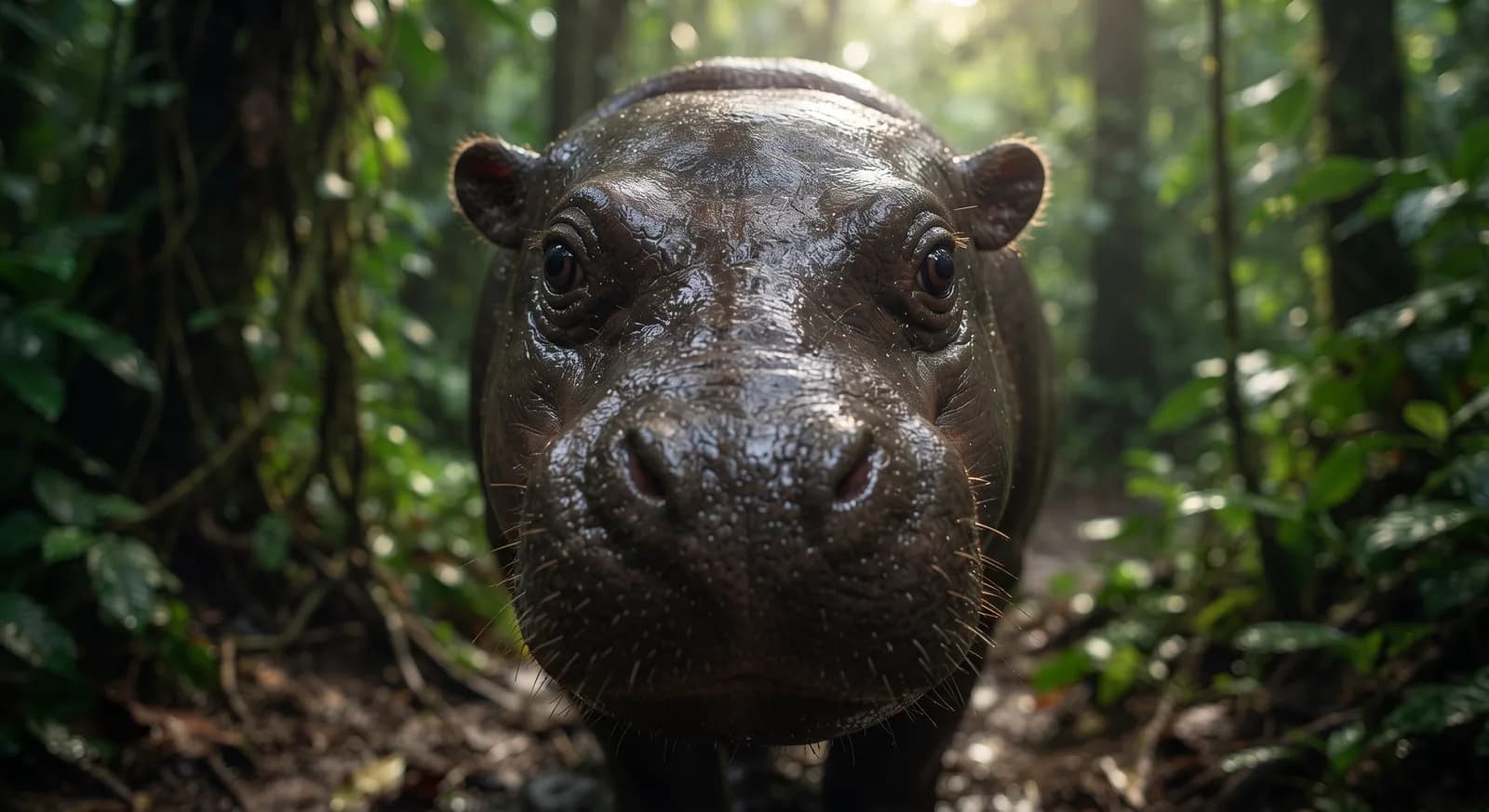
Pygmy Hippopotamus
Choeropsis liberiensis
Giant Slippery Frog
Conraua goliath
Egyptian Rousette
Rousettus aegyptiacus
How to help
The tree pangolin is classified as endangered. Organizations such as UICN, WWF y Wildlife Conservation Society work specifically on its conservation and that of its habitat; looking into their programs is a good starting point if you want to get involved.
It's documented in 7 real protected areas — part of why protecting these places matters for its conservation.
Keep exploring
Based on what we already know about tree pangolin.
Comments
Share an experience, a fun fact or a tip for seeing the tree pangolin.
Be the first to comment.