Equatorial Guinea
África
Equatorial Guinea is divided between a mainland portion covered in equatorial rainforest, Río Muni, and several volcanic islands in the Gulf of Guinea, among them Bioko and Annobón. Bioko, dominated by Pico Basilé and by the Gran Caldera de Luba, packs lowland rainforest, cloud forest and high-altitude grassland into a small space, and holds seven species of diurnal primate, some with forms exclusive to the island. Its southern beaches, of black sand and very hard to reach, are one of the most important sea turtle nesting sites in the Gulf of Guinea, with leatherback, green, hawksbill and olive ridley turtles. On the mainland, Monte Alén park keeps primary rainforest with western lowland gorillas, chimpanzees, forest elephants and a very rich amphibian community.
The nature of Equatorial Guinea
National animal: No official national animal
Did you know?
Bioko was joined to the African mainland during the glaciations, when sea level was much lower. When the water rose some ten thousand years ago, the island was left isolated with all its wildlife trapped inside, and since then its monkeys have followed evolutionary paths of their own until they became forms distinct from those of the mainland. It is a natural experiment in isolation comparable to that of the oceanic islands, but with wildlife of continental origin.
Biodiversity profile
Climate
- •Ecuatorial humedo (Af), calido y humedo todo el año, con lluvias intensas en las islas volcanicas
Main biomes
- •Selva tropical continental (Rio Muni)
- •Bosque montano volcanico en la isla de Bioko (incluye el Pico Basile)
- •Ecosistemas insulares unicos en Annobon
- •Selva ecuatorial húmeda
- •Bosque de niebla de montaña
- •Isla volcánica
- •Playa de puesta de tortugas
- •Manglar del golfo de Guinea
- •Pradera de altitud
- •Río de selva
Marine and coastal ecosystems
- •Aguas de Bioko, sitio critico de anidacion de tortuga laud (leatherback), con rutas migratorias compartidas con Santo Tome y Principe, Brasil y Ascension
Flagship wildlife
- •Gorila de llanura occidental
- •Chimpance
- •Drill (primate endemico regional en peligro)
- •Tortuga laud (anidacion en Bioko)
- •Dril
- •Colobo rojo de Bioko
- •Cercopiteco de Preuss
- •Gorila occidental de llanura
- •Elefante de bosque africano
- •Tortuga verde
- •Pangolín arborícola
- •Cocodrilo enano
Notable endemic species
- •Bioko y Annobon rivalizan en endemismo con archipielagos icónicos como Galapagos o Hawai segun fuentes especializadas
- •Speirops de Bioko, ave endemica de las tierras altas de la isla
- •3.250 especies de plantas registradas en el pais, con alto endemismo en las islas volcanicas
- •Colobo rojo de Bioko
- •Dril de Bioko
- •Musaraña de Annobón
- •Rana de Annobón
Notable threatened species
- •Drill (En Peligro, primate restringido a la region de Camerun-Nigeria-Guinea Ecuatorial)
- •Gorila de llanura occidental (En Peligro Critico)
- •Tortuga laud (En Peligro Critico, poblacion de anidacion de Bioko de importancia regional para el Atlantico Sur)
Notable protected areas
- •Parque Nacional Pico Basile (Bioko, Area Importante para las Aves)
- •Reserva Natural de Annobon (2000, cubre toda la isla y su entorno marino)
- •Reserva de la Biosfera de la Isla de Bioko (reconocida en 2025)
- •Parque Nacional de Monte Alén
- •Gran Caldera de Luba
- •Reserva Científica del Pico Basilé
- •Playas del sur de Bioko
- •Reserva Natural de Río Campo
- •Isla de Annobón
Main conservation threats
- •Caza furtiva de primates y tortugas marinas
- •Presion de desarrollo sobre las islas volcanicas de alto endemismo
- •Estructura administrativa compleja que dificulta la sostenibilidad de proyectos de conservacion en Annobon
Notable natural phenomena
- •Bioko, cuarta isla mas grande de Africa, fue recientemente reconocida como Reserva de la Biosfera UNESCO por su excepcional biodiversidad volcanica
Conservation
Hunting for the bushmeat trade is the greatest threat to the primates of Bioko, despite legal protection. The beaches in the south of the island are watched every season to protect the turtle nesting.
Where and when to watch wildlife
The south of Bioko between November and February for turtle nesting. The Gran Caldera de Luba in the dry season for endemic primates. Monte Alén year-round for rainforest wildlife.
Sources: Fatbirder - Birds Equatorial Guinea | constructive-voices.com - Equatorial Guinea Biodiversity | PMC - Spatial ecology leatherback turtles Bioko | macaonews.org - Sao Tome Principe Biosphere Reserve
Parks and reserves
Países similares
¿A dónde más podría interesarme viajar?
Misma región: África Central
Misma región: África Central
Misma región: África Central
Misma región: África Central
Especies documentadas en Equatorial Guinea
197 species found
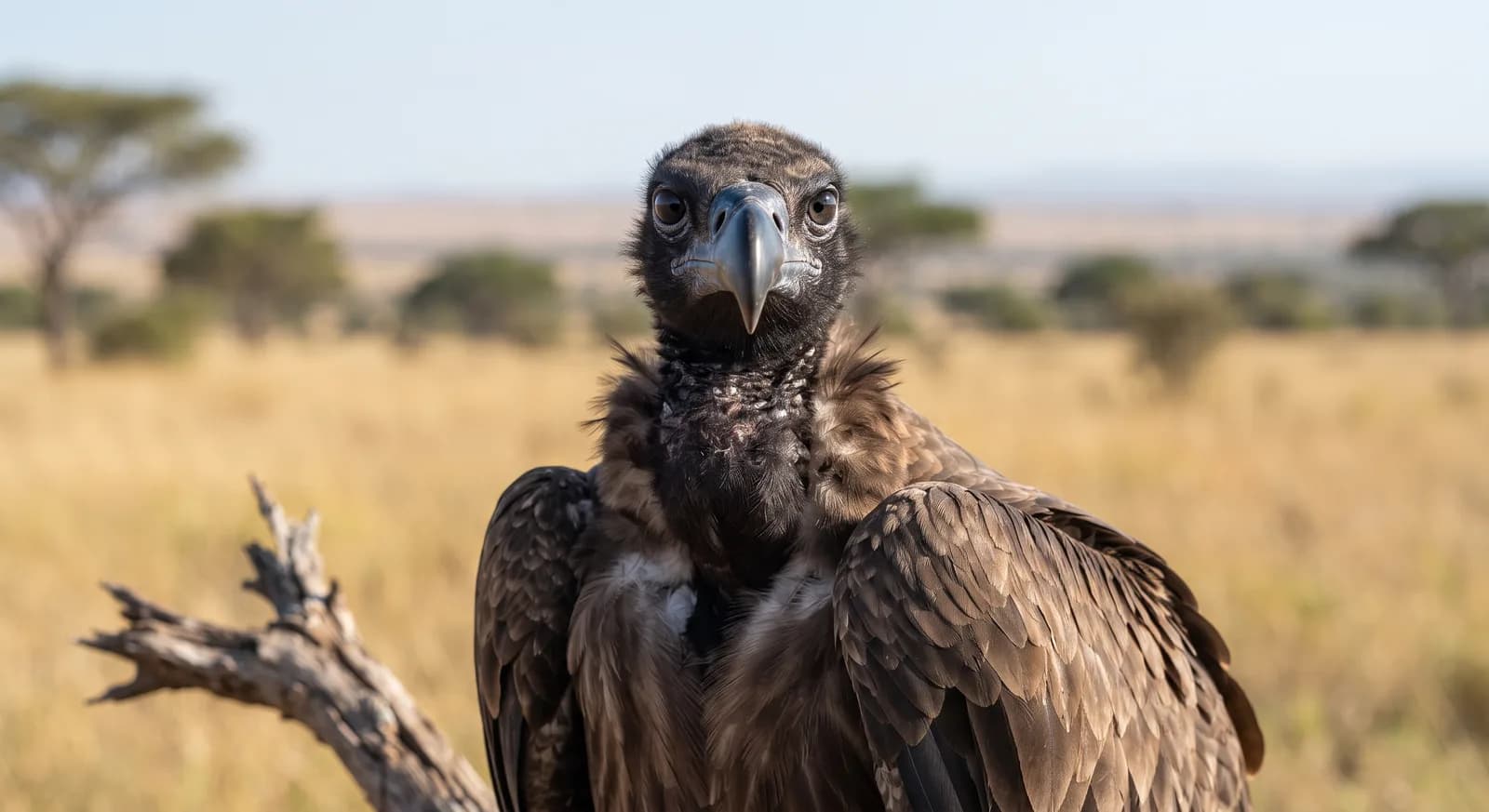 Critically Endangered
White-backed Vulture
Gyps africanus
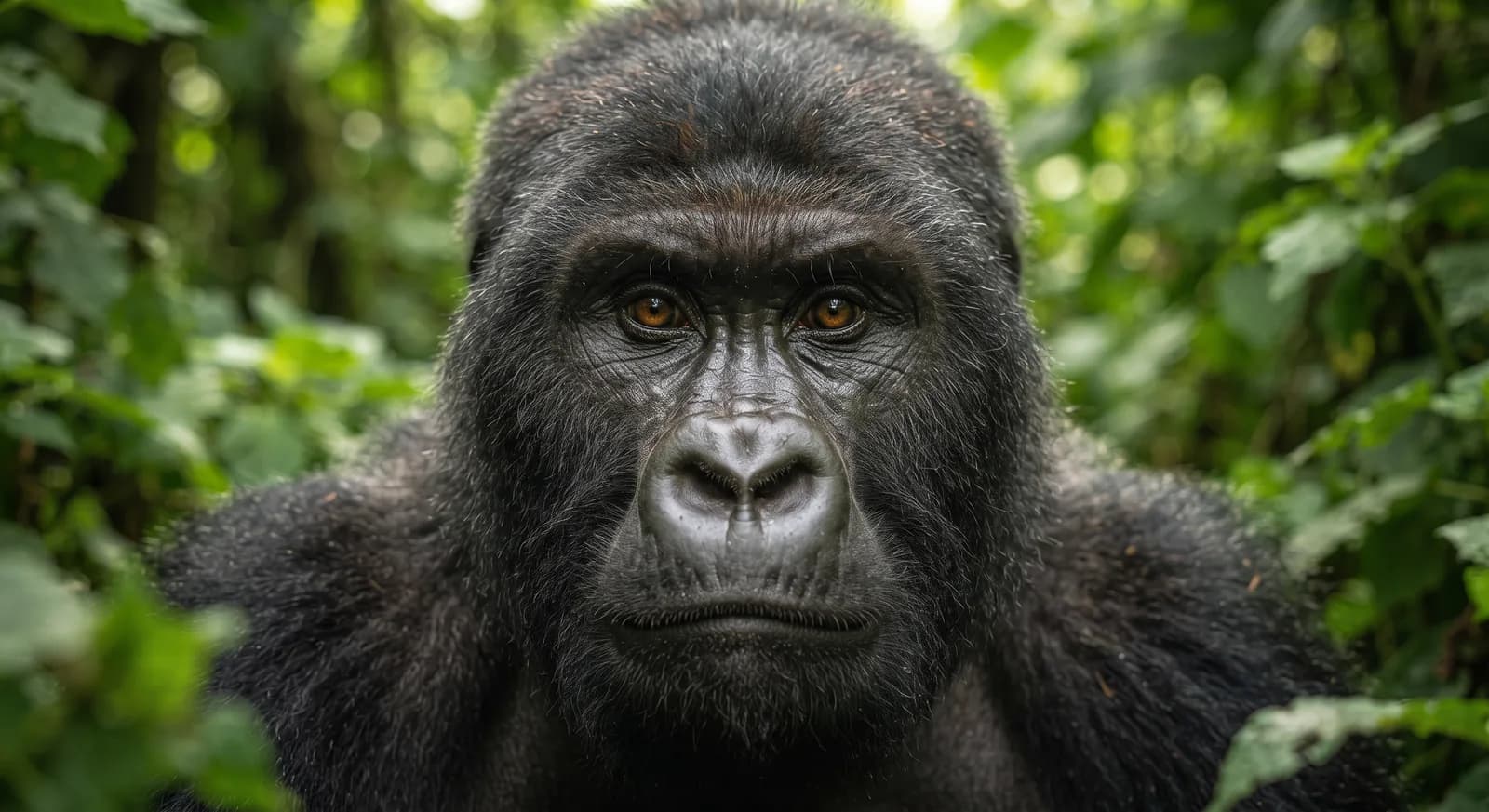 Critically Endangered
Western Gorilla
Gorilla gorilla
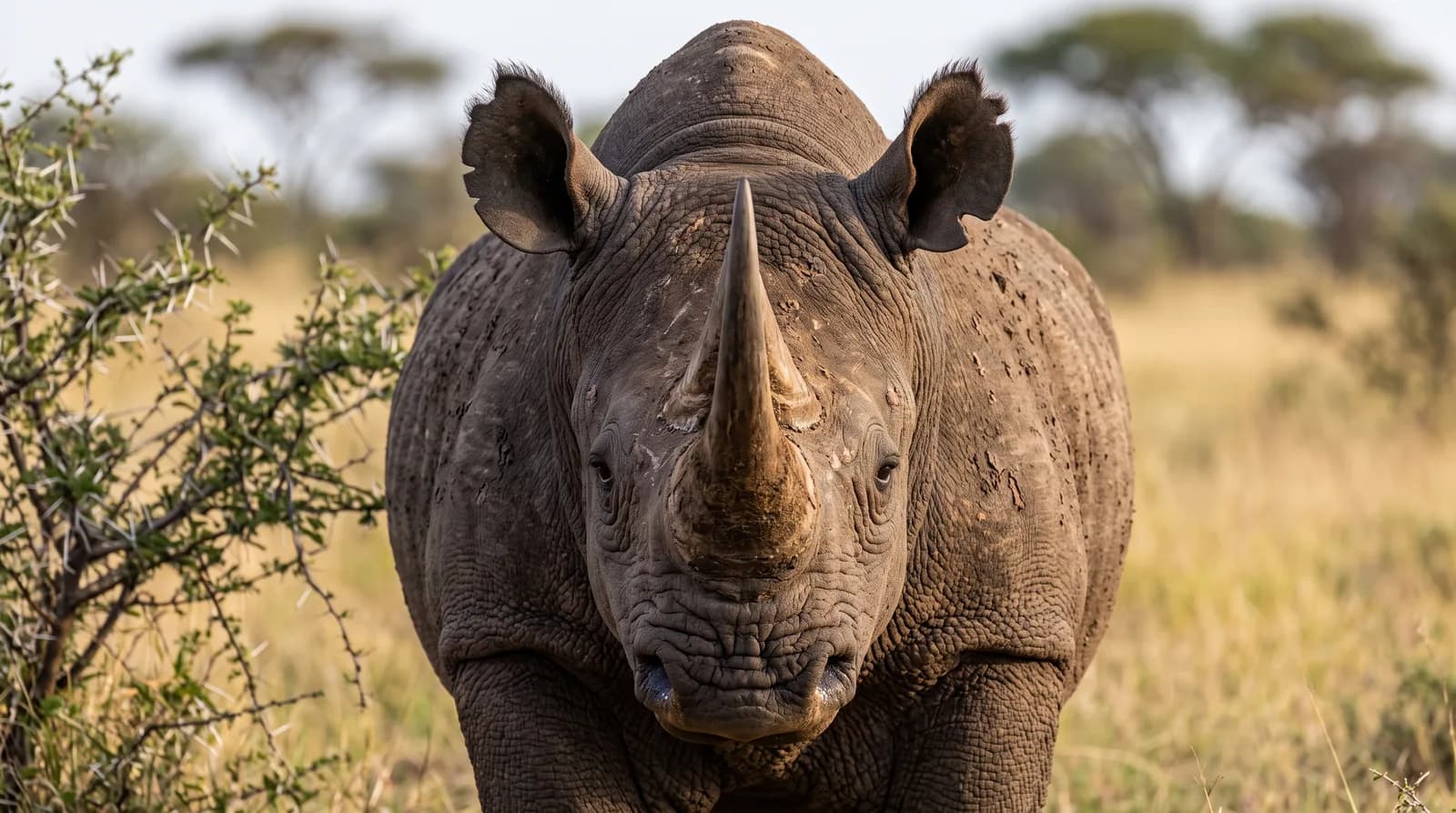 Critically Endangered
Black Rhinoceros
Diceros bicornis
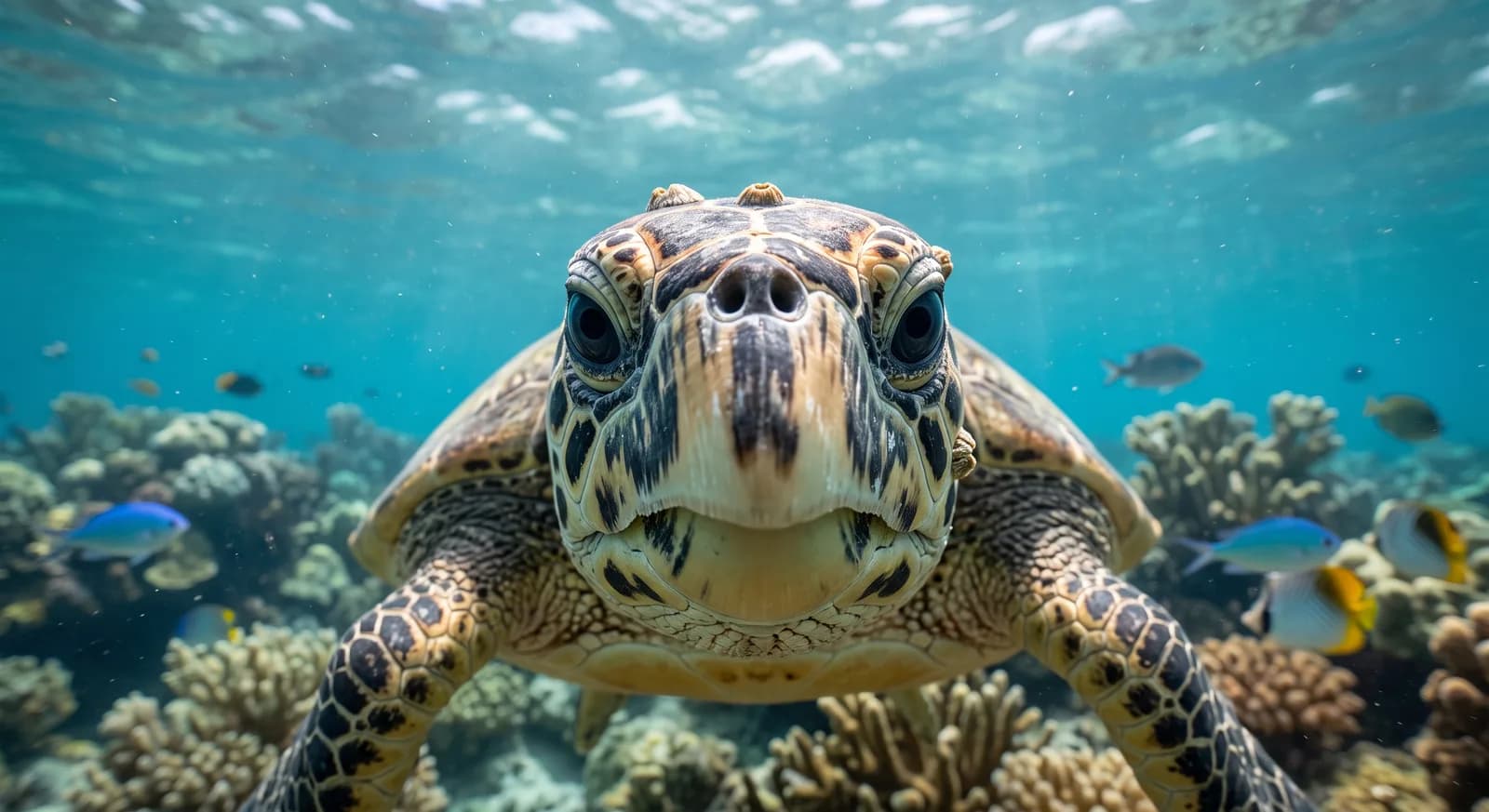 Critically Endangered
Hawksbill Turtle
Eretmochelys imbricata
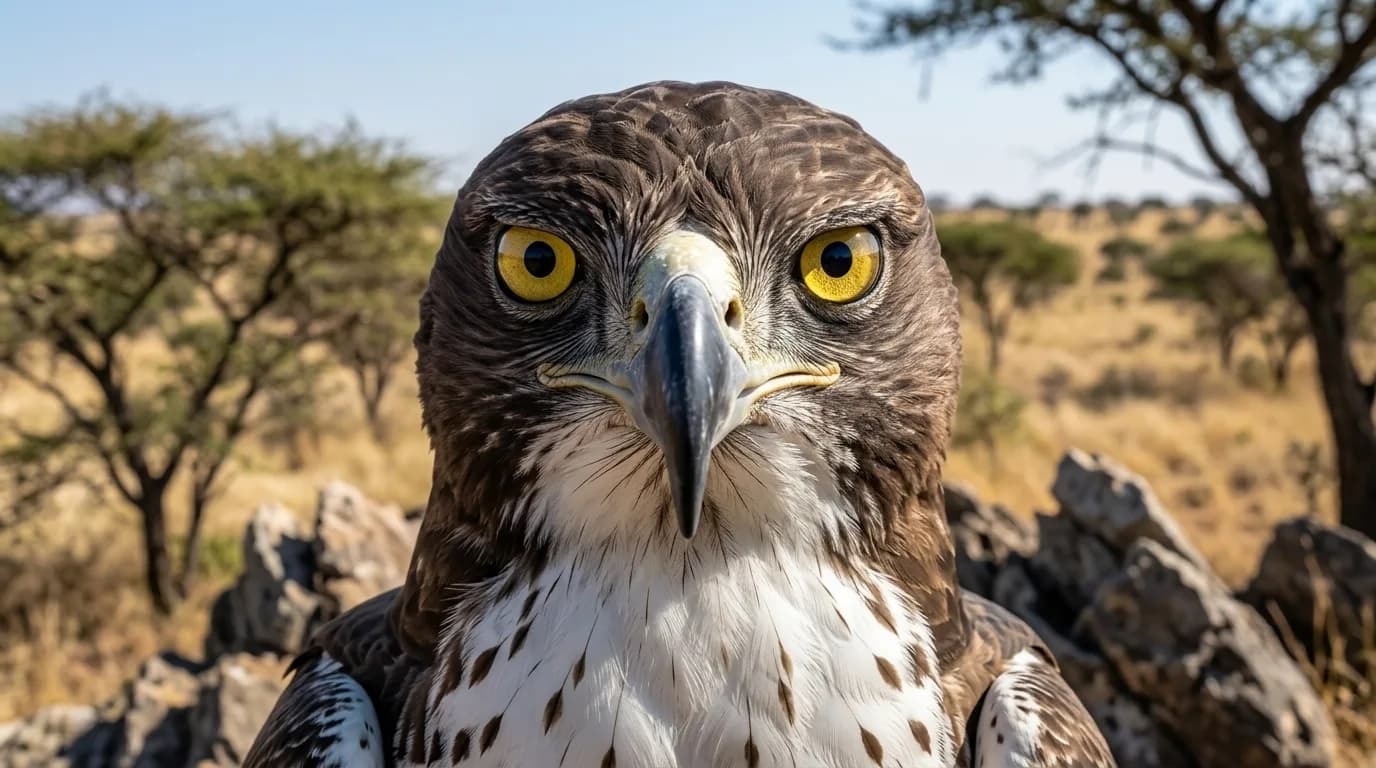 Endangered
Martial Eagle
Polemaetus bellicosus
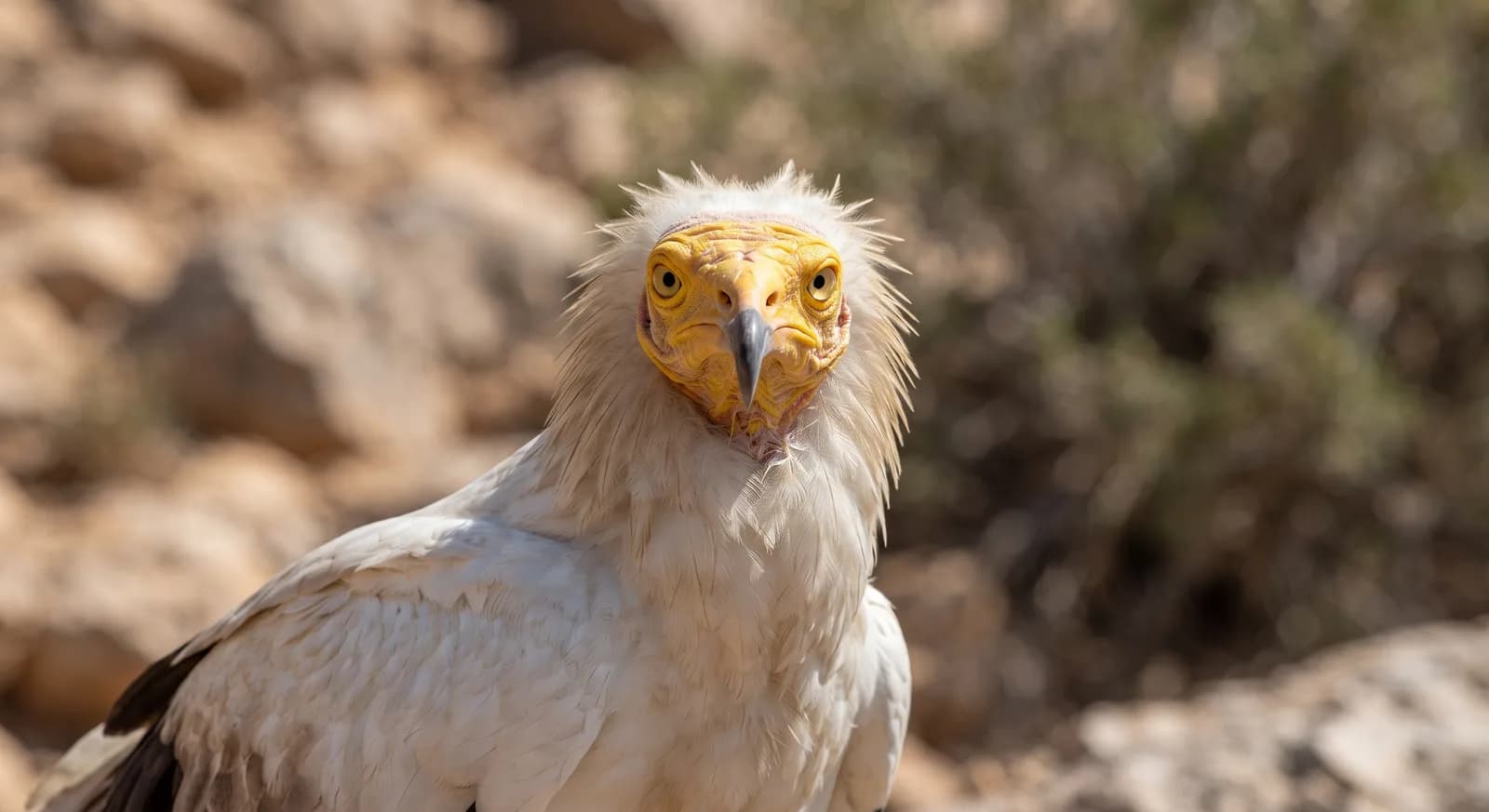 Endangered
Egyptian Vulture
Neophron percnopterus
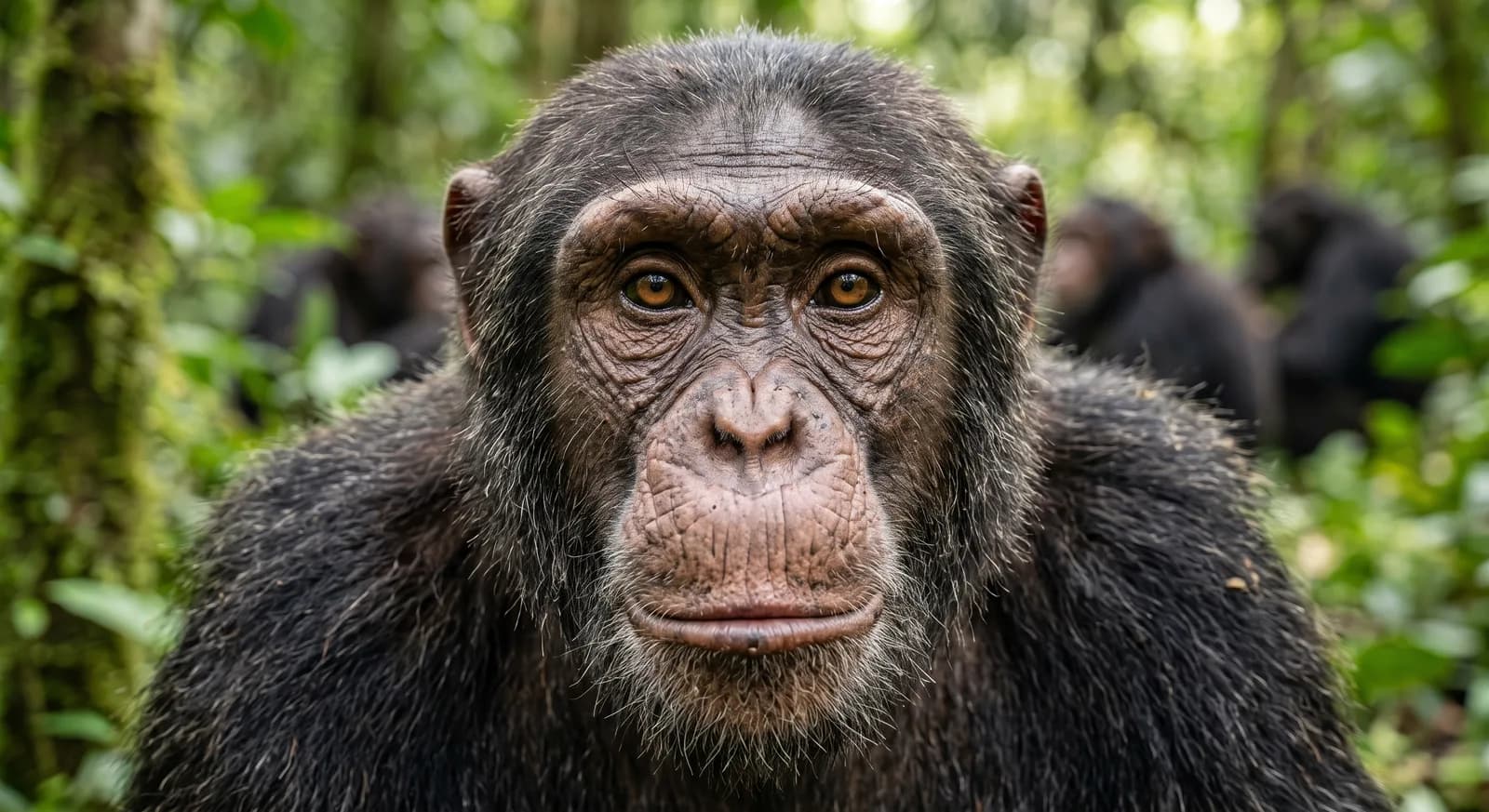 Endangered
Chimpanzee
Pan troglodytes
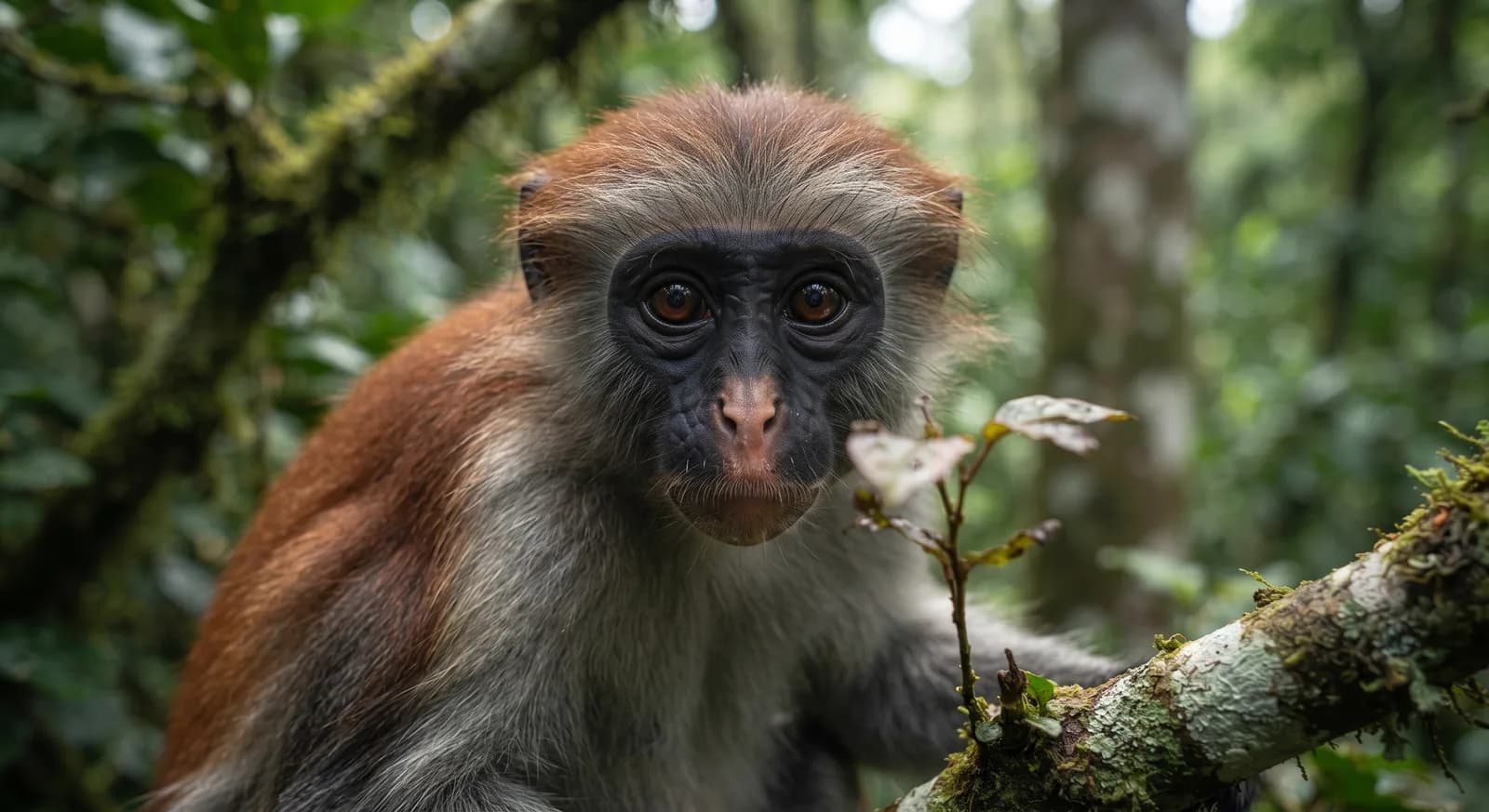 Endangered
Western Red Colobus
Piliocolobus badius
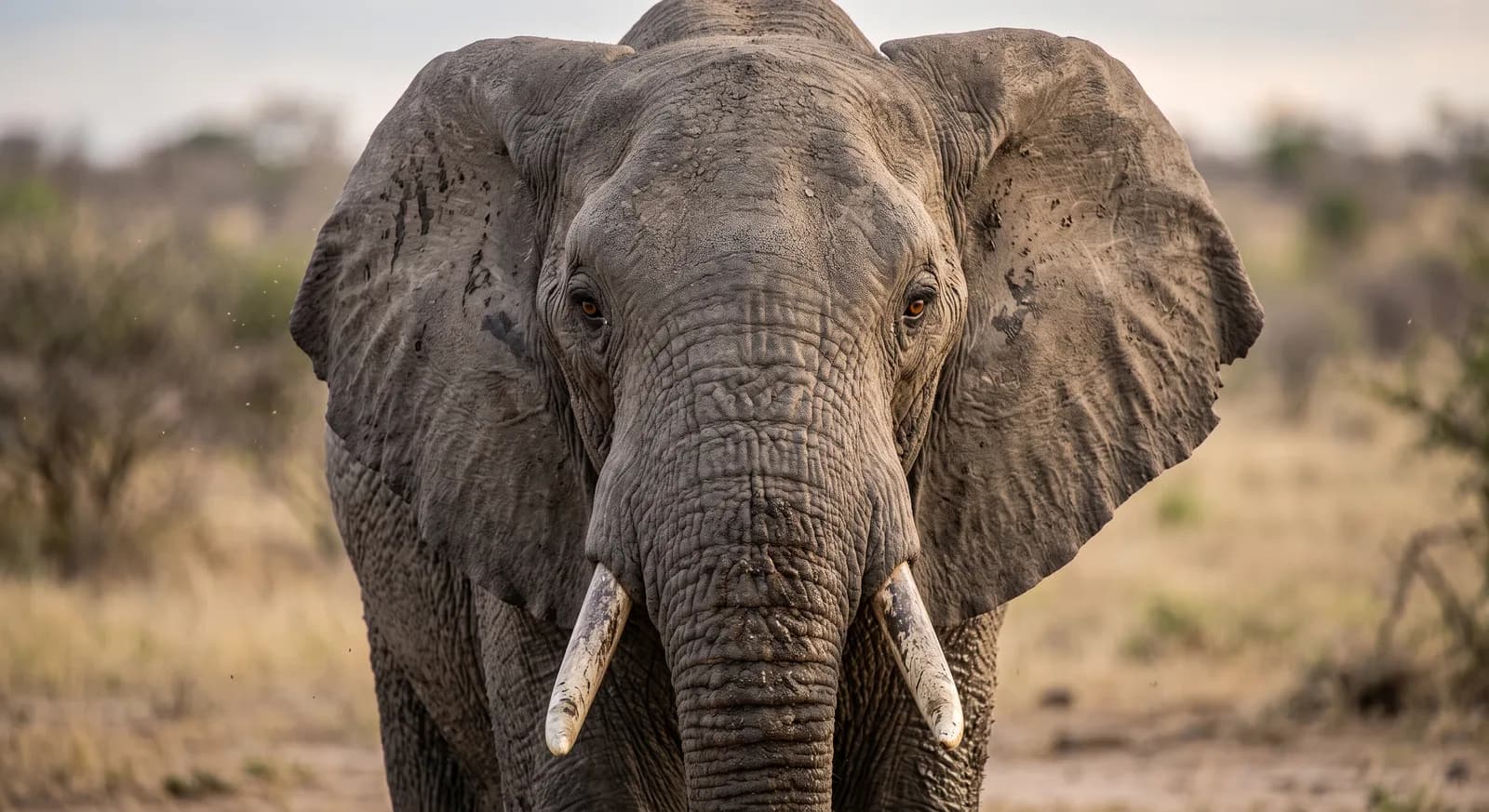 Endangered
African Savanna Elephant
Loxodonta africana
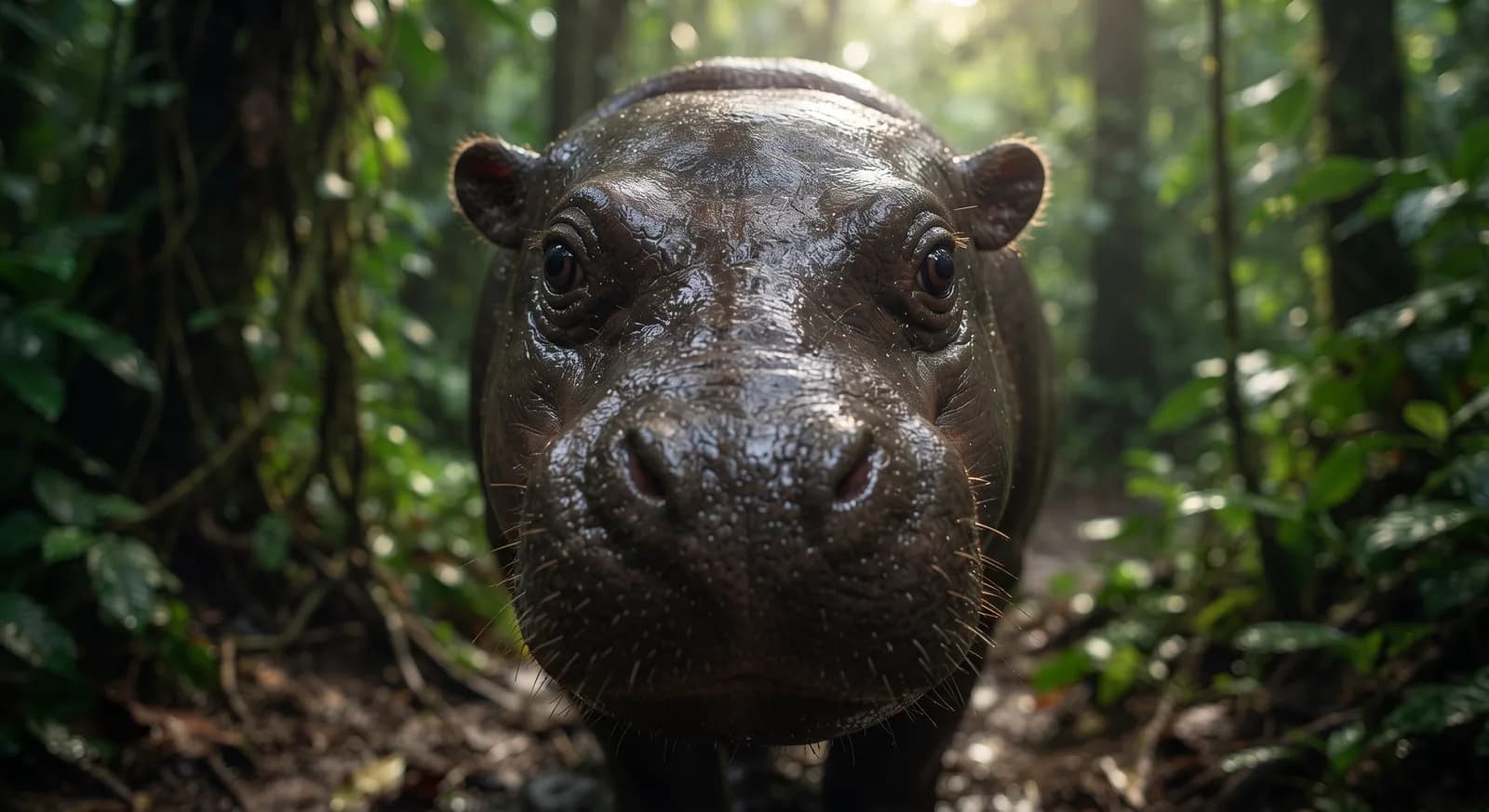 Endangered
Pygmy Hippopotamus
Choeropsis liberiensis
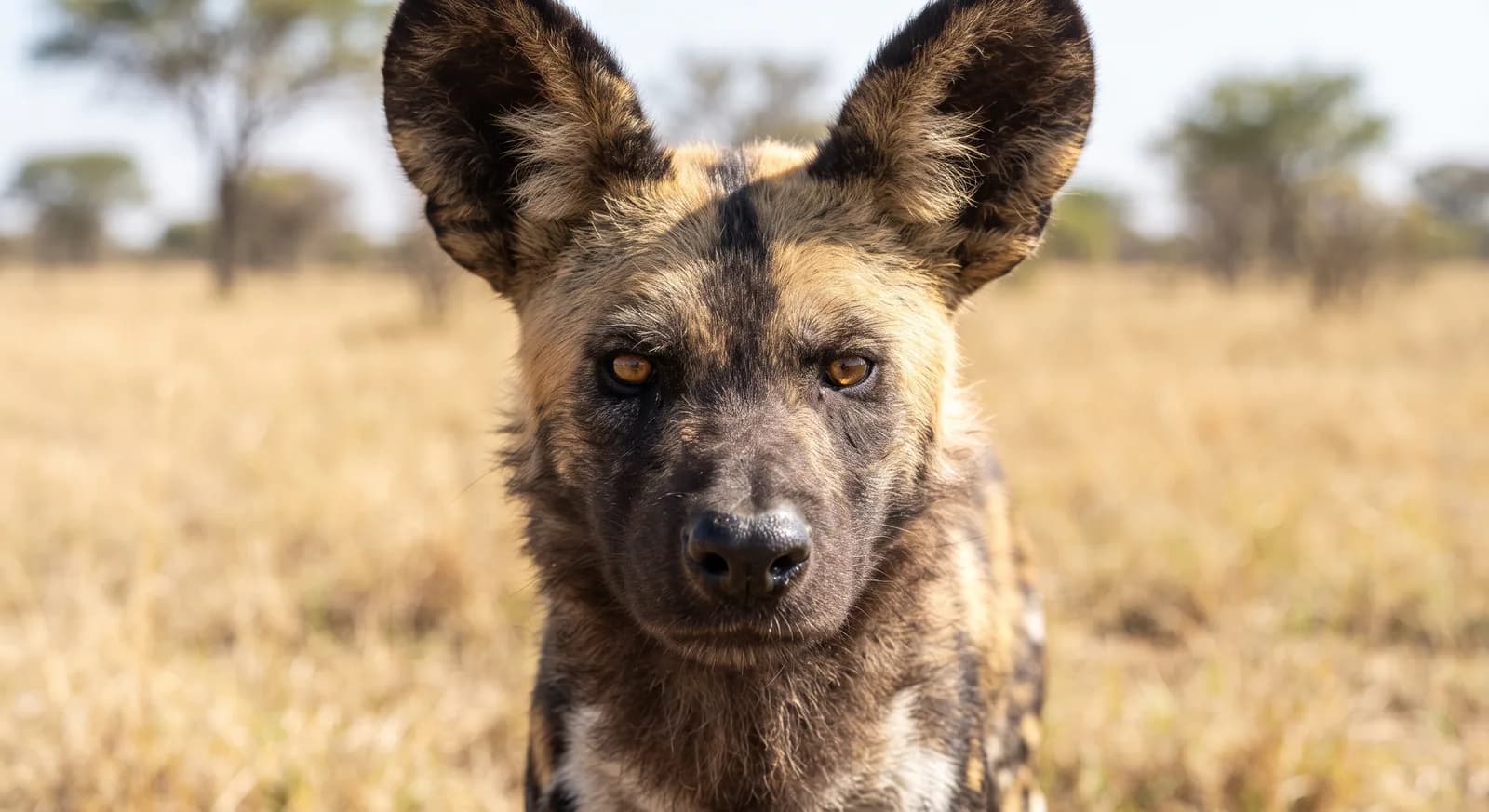 Endangered
African Wild Dog
Lycaon pictus
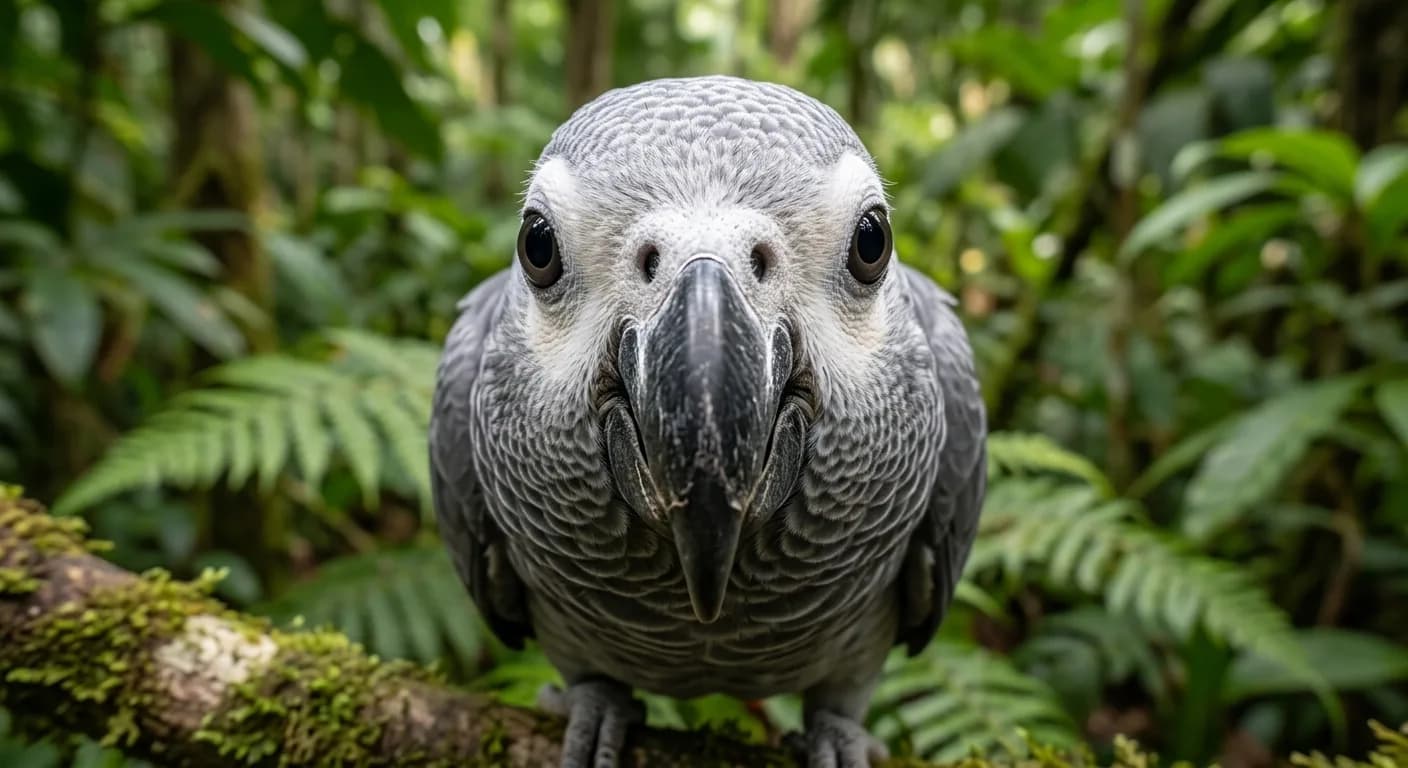 Endangered
Grey Parrot
Psittacus erithacus
Keep exploring
Based on what we already know about Equatorial Guinea.