One of the 2 hippopotamuses on WAnimals
Mammals · Artiodactyla · Hippopotamidae
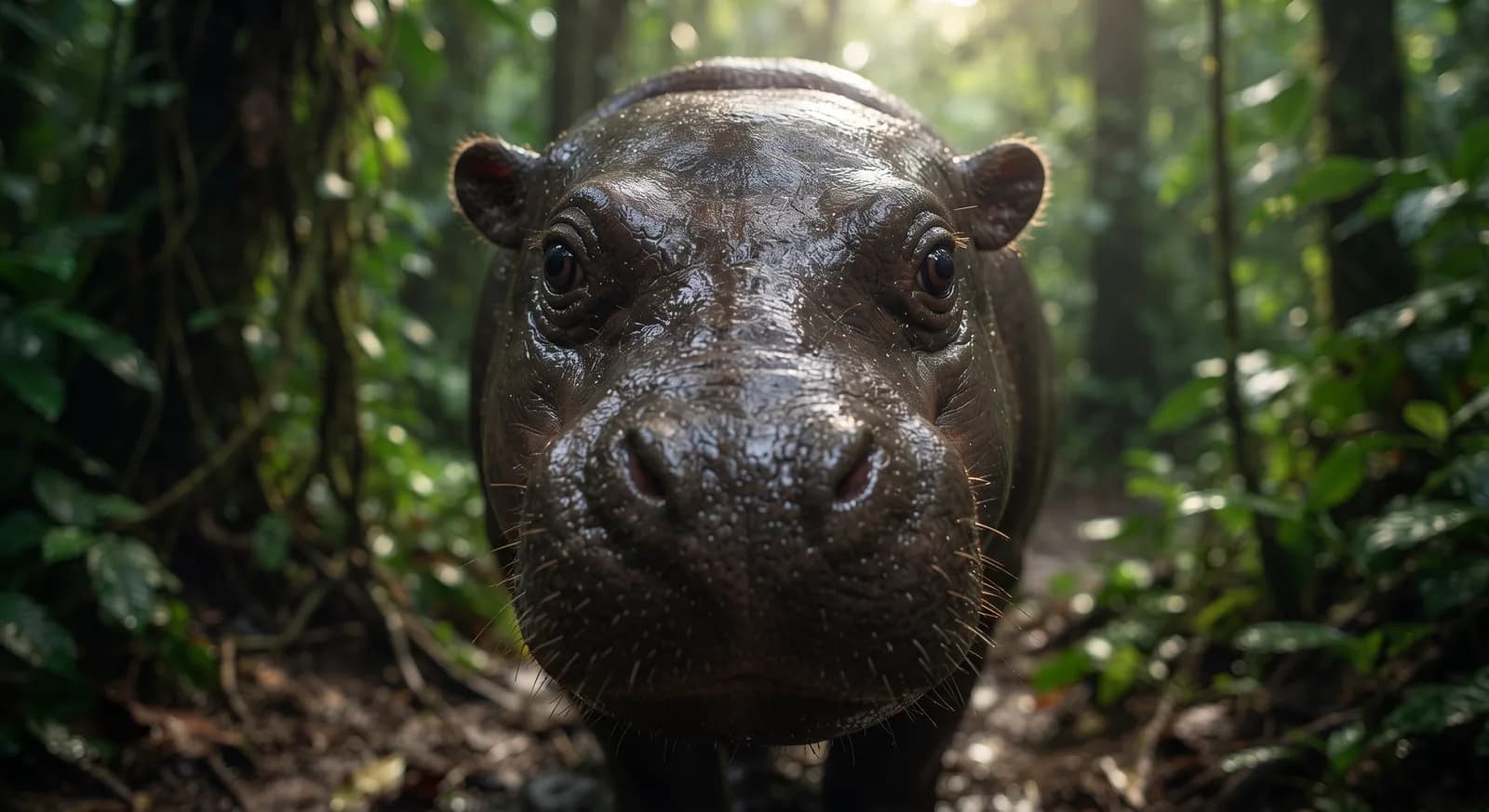
Pygmy Hippopotamus
Choeropsis liberiensis
It faces a very high risk of extinction in the wild in the near future. See full glossary
Unlike its relative the common hippopotamus, it is far more solitary and less aquatic, spending most of its time hidden in dense forest vegetation. It was not described by Western science until the 19th century.
Weight
160 kg – 275 kg
Size
1.5 m – 1.8 m
Lifespan
30 years
Diet
Herbivore
Feeds mainly on plants.
Activity
Nocturnal
Active mainly at night.
Social structure
Solitary
Lives and hunts alone, joining others only to breed.
Sighting difficulty
Hard
Estimated population
2,000-3,000 individuals
Fun facts
- conservaciónIt is far more solitary and forest-dwelling than its relative the common hippopotamus, and is among the least studied large African mammals in the wild.
Life cycle & biology
- Skeleton type
- Vertebrate - internal bony skeleton (mammal)
- Habitat & environment
- Dense forest and swamp of West Africa, mainly in Liberia, with smaller populations in neighbouring countries
- Birth weight
- 3.4 - 6.4 kg
- Size at birth
- Well developed at birth, able to move on land or in water soon afterwards
- Sexual maturity
- 3-5 years
- Gestation / incubation
- 184-210 days (~6-7 months)
- Litter / clutch size
- 1 young (twins extremely rare)
- Lifespan in captivity
- Documented record of up to 42-50 years in captivity
Sources consulted: Animals Wiki Fandom; Dimensions.com; Animal Diversity Web; Lincoln Park Zoo; A-Z Animals; Wikipedia; San Diego Zoo; The Animal Facts; Ransom et al. 2015, IUCN Red List (En peligro): población estimada en descenso; la especie ha perdido en torno al 75 % de su área de distribución histórica || IUCN SSC Hippo Specialist Group; Steck et al. 2015, revisión de la especie en cautividad
Where to find it
See its range on the interactive mapBest time: Very hard to see in the wild: it is nocturnal, solitary and lives in dense forest beside rivers in Liberia, Sierra Leone, Guinea and Côte d'Ivoire. The best options are Sapo National Park (Liberia) and Taï National Park (Côte d'Ivoire), and there are a little over 350 animals in zoos worldwide
Where to watch it
Parks and dive sites where this species has been documented.
Related species
Other species in the catalogue with the most in common with Pygmy Hippopotamus — same habitat, park, country, tags or family.
 Endangered
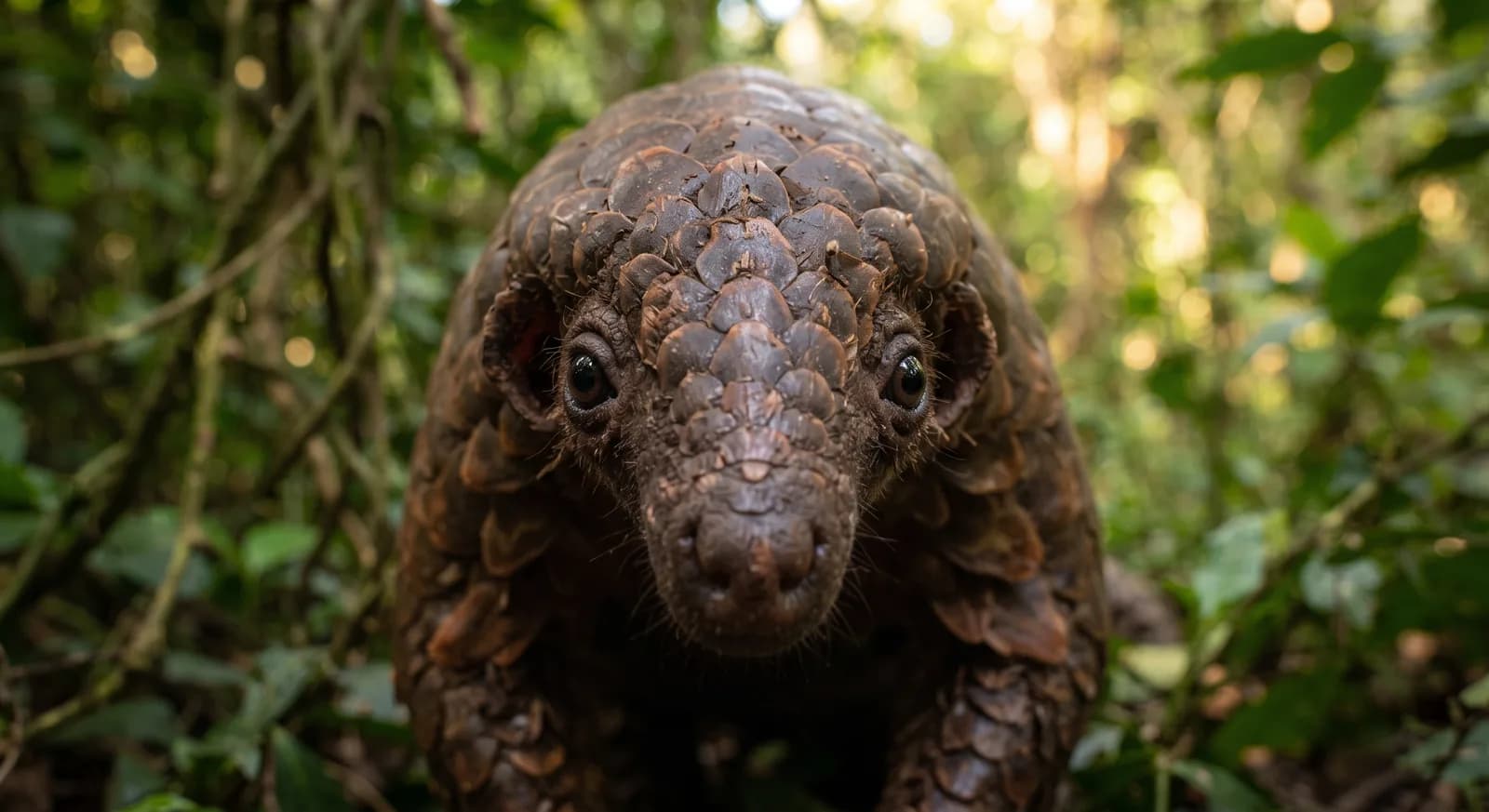
Giant Pangolin
Smutsia gigantea
Tree Pangolin
Phataginus tricuspis
 Endangered
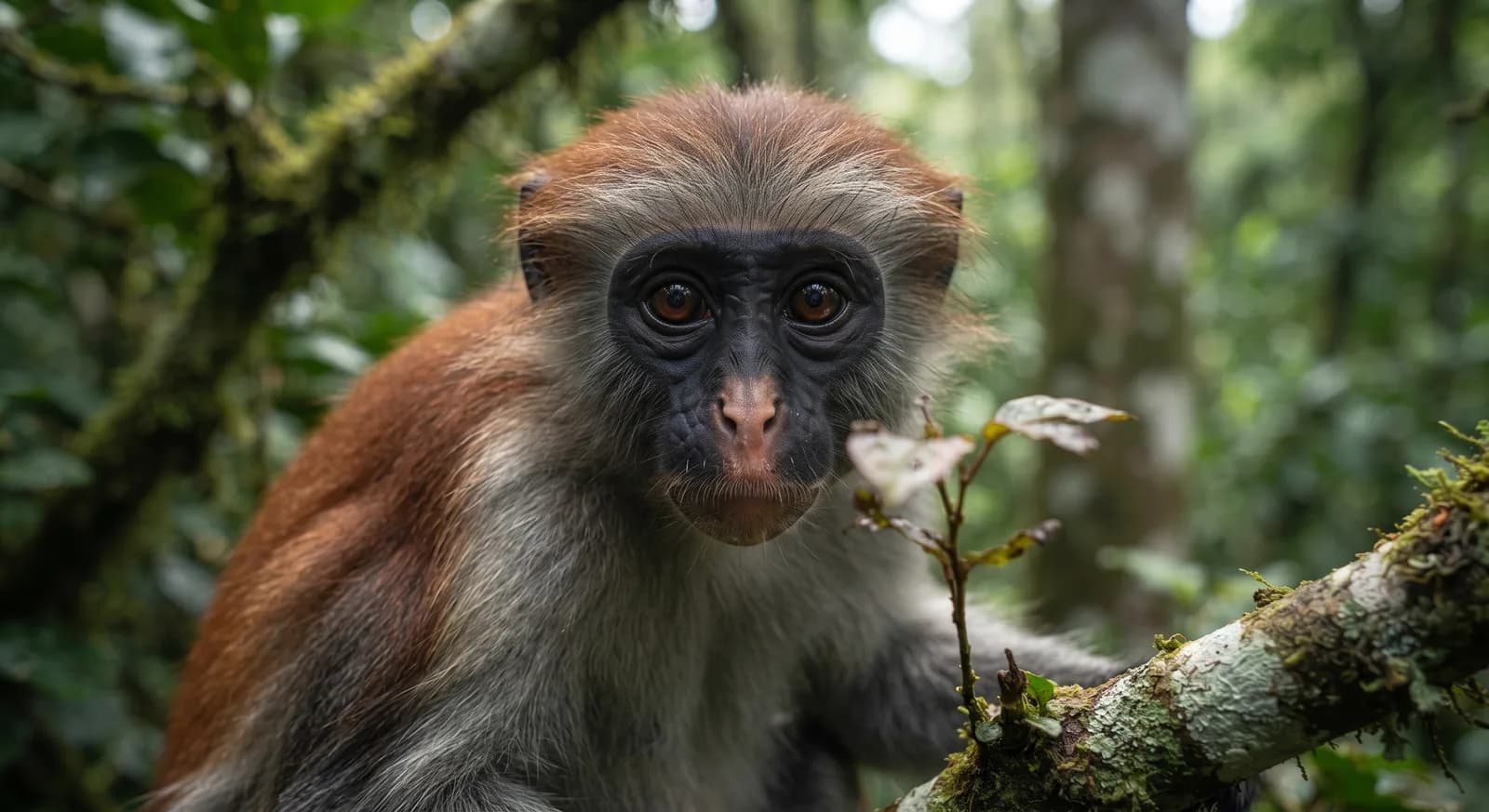
Western Red Colobus
Piliocolobus badius
 Vulnerable
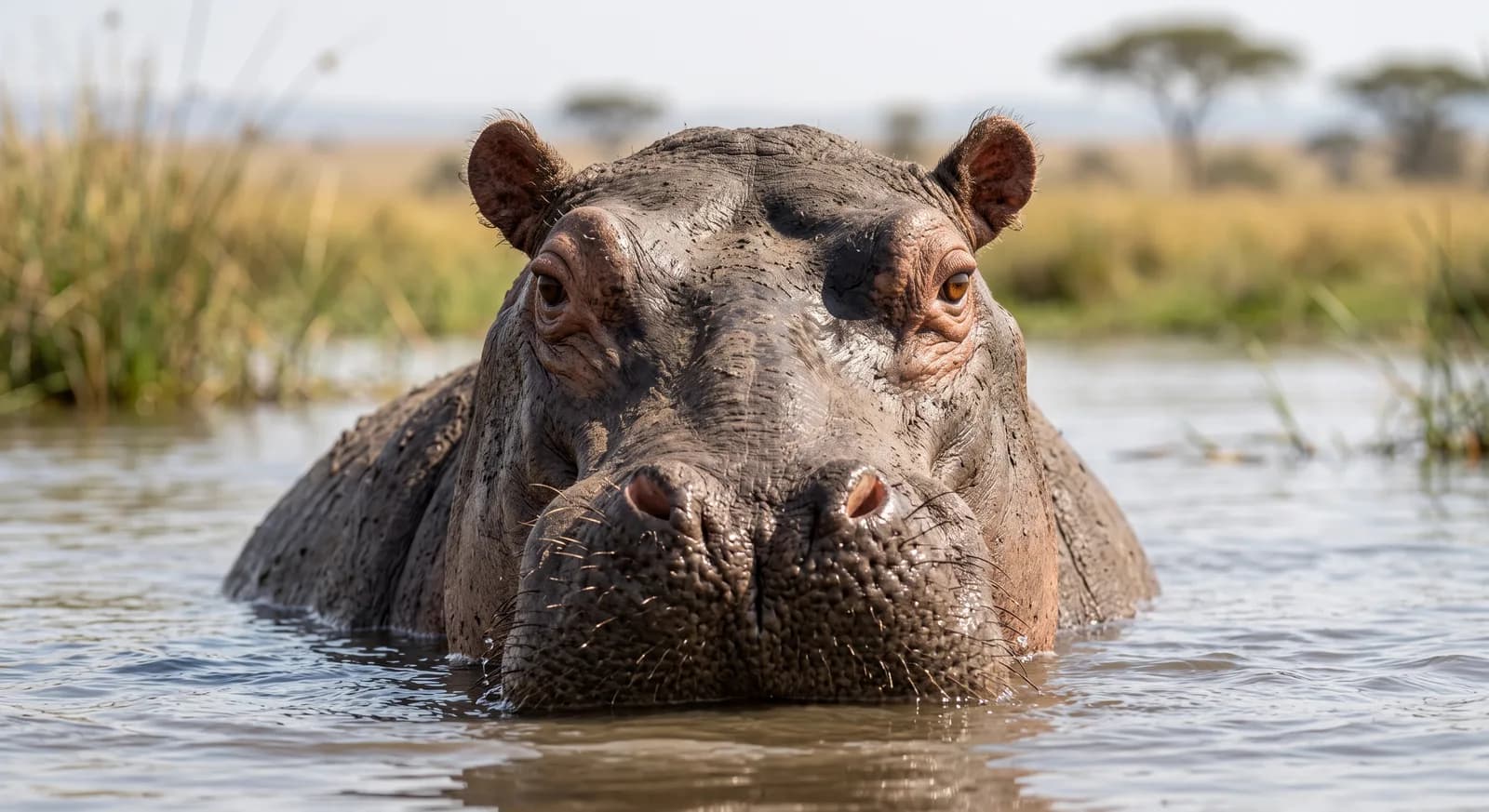
Common Hippopotamus
Hippopotamus amphibius
 Endangered
Chimpanzee
Pan troglodytes
How to help
The pygmy hippopotamus is classified as endangered. Organizations such as UICN, WWF y Wildlife Conservation Society work specifically on its conservation and that of its habitat; looking into their programs is a good starting point if you want to get involved.
It's documented in 3 real protected areas — part of why protecting these places matters for its conservation.
Keep exploring
Based on what we already know about pygmy hippopotamus.
Comments
Share an experience, a fun fact or a tip for seeing the pygmy hippopotamus.
Be the first to comment.