One of the 8 flying foxes on WAnimals
Mammals · Chiroptera · Pteropodidae
African Straw-coloured Fruit-bat
Eidolon helvum
It could become endangered in the near future if current threats go unchecked. See full glossary
The African straw-coloured fruit bat is the most abundant migratory bat in Africa and stages the largest gathering of mammals in the world. It is frugivorous and nectarivorous, and its seasonal movements follow the fruiting of trees across the continent. It forms enormous daytime colonies in tall trees, including in the squares and gardens of large African cities. Its role as a disperser of hardwood tree seeds is hard to overstate in the regeneration of African forests.
Weight
240 g – 350 g
Size
14 cm – 21 cm
Lifespan
15 years
Diet
Herbivore
Feeds mainly on plants.
Activity
Nocturnal
Active mainly at night.
Social structure
Colony
Lives in large concentrations, often for breeding reasons.
Sighting difficulty
Moderate
Fun facts
- Every year between October and December some ten million of these bats gather in a small swamp forest at Kasanka, in Zambia: it is the largest congregation of mammals known on the planet.
- Some individuals cover more than 2,000 kilometres on their seasonal migrations, the greatest distance documented for an African bat.
Life cycle & biology
- Skeleton type
- Vertebrate - internal bony skeleton (mammal)
- Habitat & environment
- Forest, wooded savanna and urban trees across almost all of sub-Saharan Africa
- Sexual maturity
- 2 years
- Gestation / incubation
- 9 months
- Litter / clutch size
- 1
Sources consulted: https://es.wikipedia.org/wiki/Eidolon_helvum
Where to find it
See its range on the interactive mapWhere to watch it
Parques y spots de buceo donde se ha documentado esta especie — se muestran 10 de 11 documentados.
Related species
Other species in the catalogue with the most in common with African Straw-coloured Fruit-bat — same habitat, park, country, tags or family.
Egyptian Rousette
Rousettus aegyptiacus
 Near Threatened
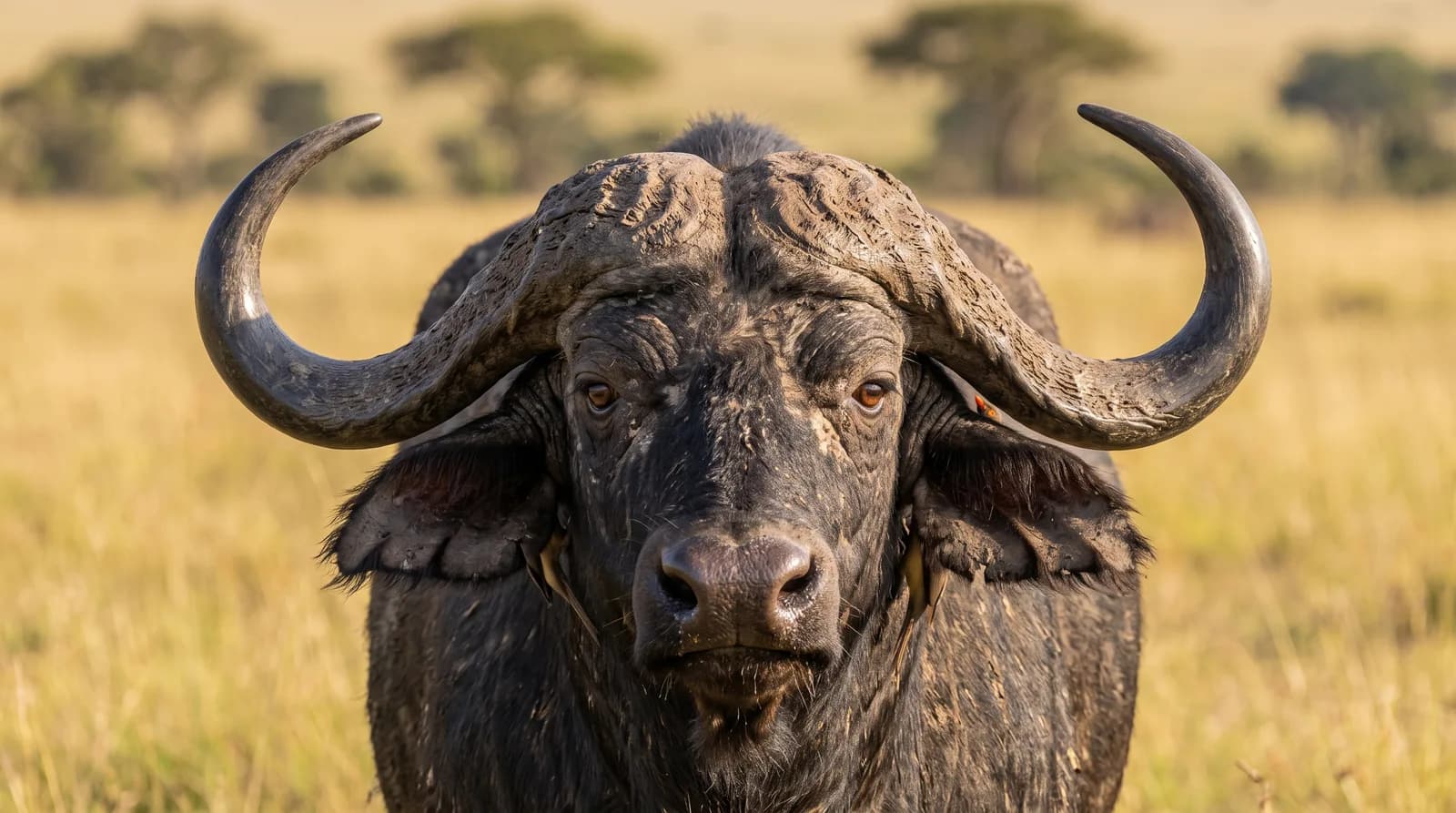
African Buffalo
Syncerus caffer
 Near Threatened
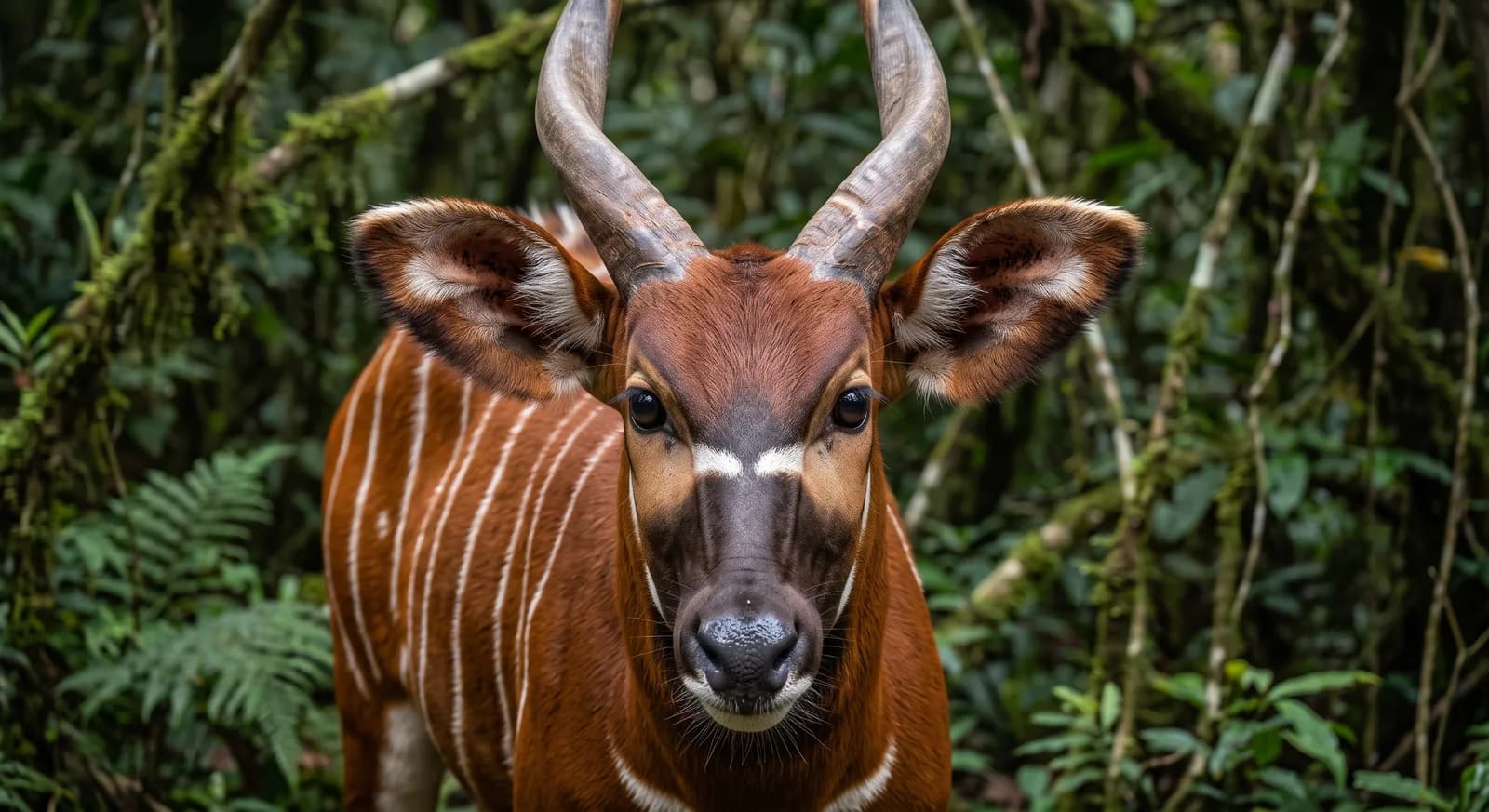
Bongo
Tragelaphus eurycerus
Puku
Kobus vardonii
Crested Porcupine
Hystrix cristata
 Vulnerable
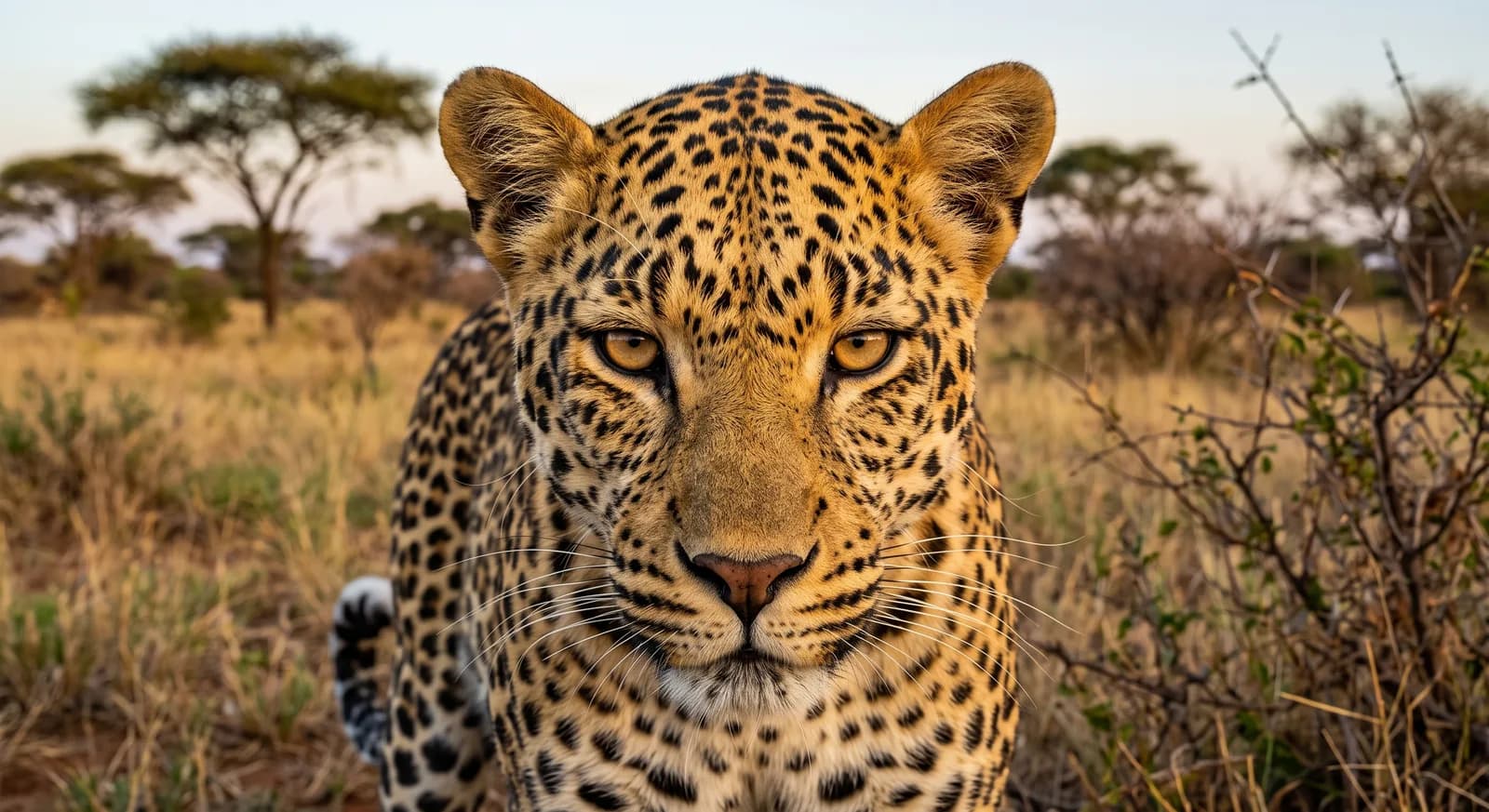
Leopard
Panthera pardus
Keep exploring
Based on what we already know about african straw-coloured fruit-bat.
Comments
Share an experience, a fun fact or a tip for seeing the african straw-coloured fruit-bat.
Be the first to comment.